Part 4: The Roman Food Rules
You are not in Tuscany. You are not in Naples. Roman cuisine is built on cheap cuts of meat, Pecorino Romano cheese, and heavy carbohydrates. It has its own strict logic.
16. Learn the four Roman pastas
You cannot leave without eating all four. Do not ask for chicken alfredo or spaghetti and meatballs – neither exists here.
- Cacio e Pepe: Pasta, sharp Pecorino Romano, and black pepper emulsified with starchy pasta water. The test of a chef.
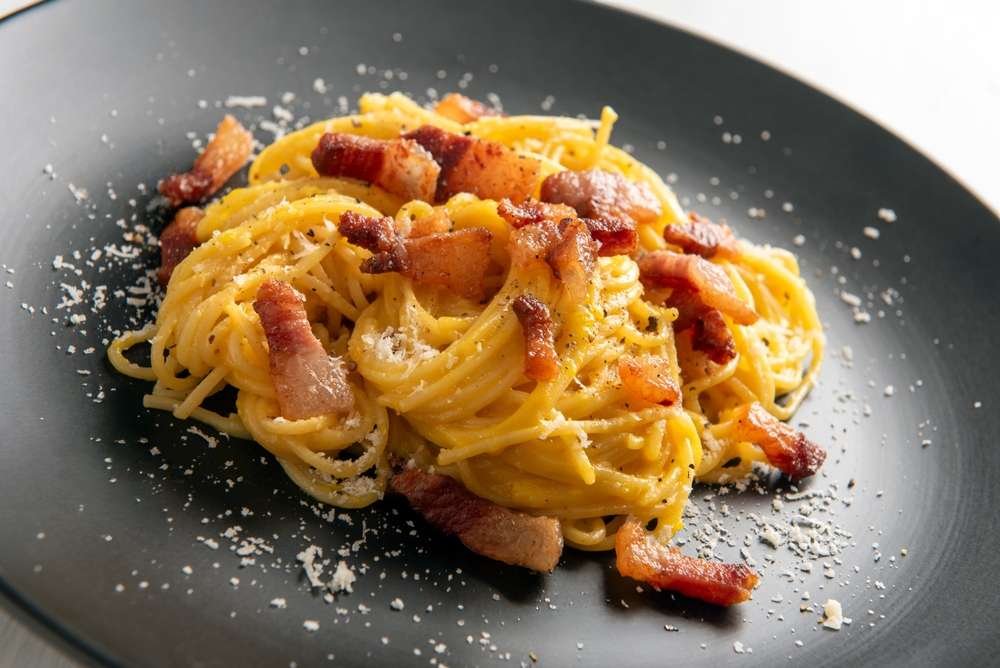
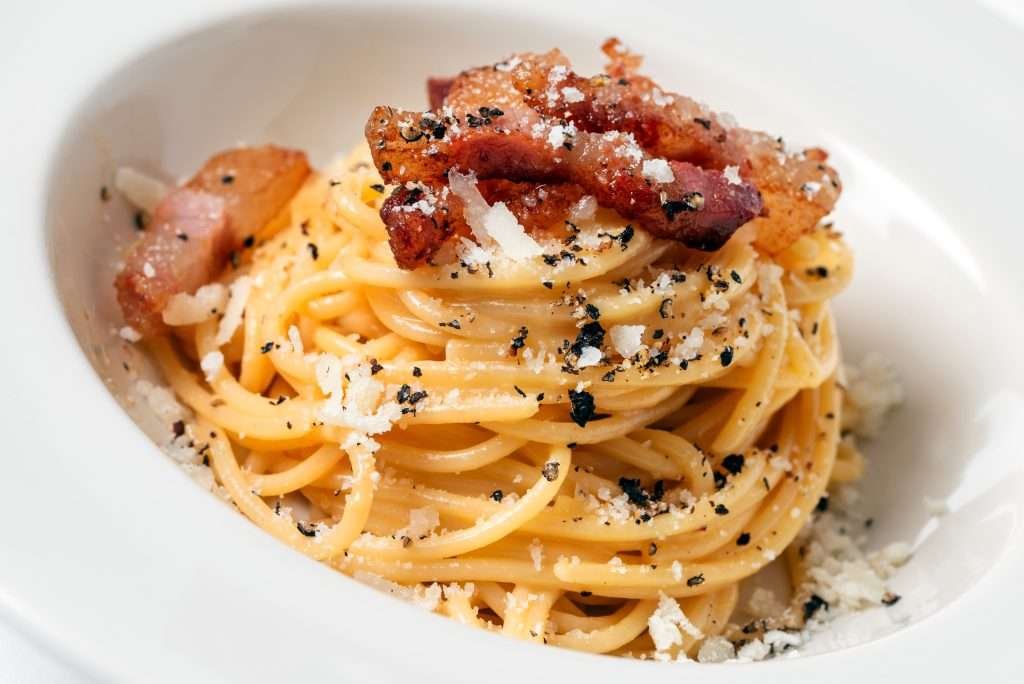
- Carbonara: Spaghetti or rigatoni with raw egg yolks, pecorino, and crispy guanciale (cured pork cheek). No cream. Never cream.
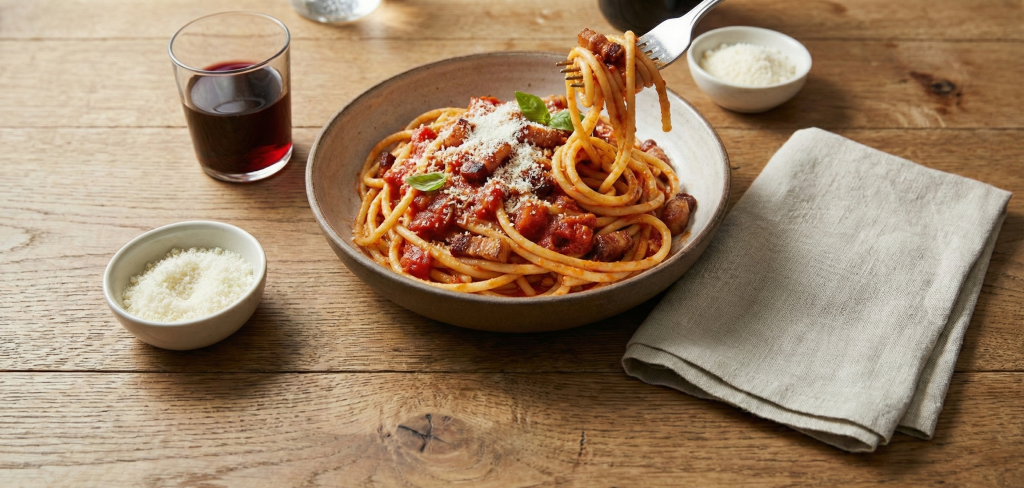
- Amatriciana: A heavy tomato sauce with guanciale and chili flakes.
- Gricia: Amatriciana without the tomatoes. Just pork, cheese, and pasta.

17. Eat pizza al taglio for lunch
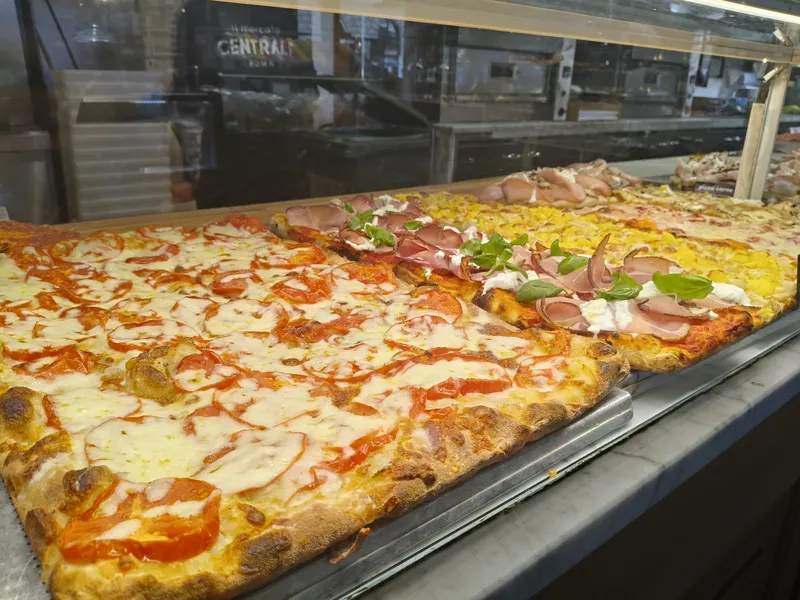
Do not sit down at a restaurant between monuments. Find a small bakery selling Pizza al Taglio (pizza by the slice). Rectangular iron pans of pizza behind glass – point to the flavor, indicate the size with your hands, the server cuts it with scissors and weighs it. Fast, cheap, no table required. Antico Forno Roscioli near Campo de’ Fiori is the benchmark. For more on eating well without getting taken, our foodie’s guide to Rome covers every category.
18. Order supplì at the pizza counter
While buying pizza by the slice, look for the fried cylinders alongside it: supplì. Risotto mixed with meat and tomato sauce, stuffed with mozzarella, deep-fried. Bite into one and the cheese pulls out in a string – hence the traditional name supplì al telefono. Around €2 each.

19. Eat carciofi alla giudia in the Jewish Ghetto
Walk into the historic Jewish Ghetto neighborhood near Tiber Island. Carciofi alla Giudia are whole artichokes smashed flat and deep-fried twice in olive oil until the outer leaves shatter like chips while the heart stays tender. One of the best things you will eat in Rome.

20. Play the fake gelato game
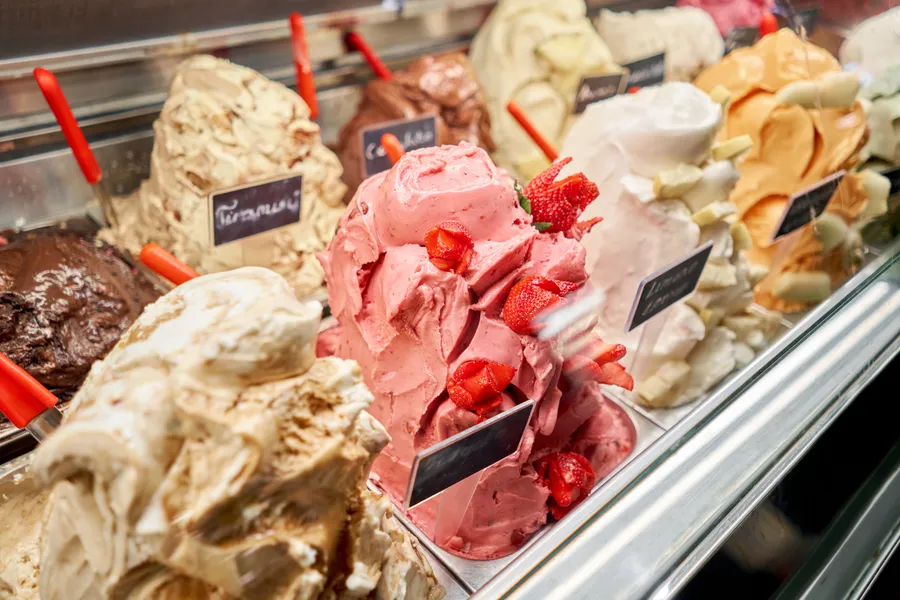
Roughly 80% of gelaterias near major monuments sell industrial powder mixed with water. Two tests: if the pistachio flavor is neon green, it is fake (real pistachio is an ugly brownish-green); if the gelato is piled into towering fluffy mountains, it is pumped with air and stabilizers. Real gelato artigianale is dense, kept flat in metal tubs, often under lids.