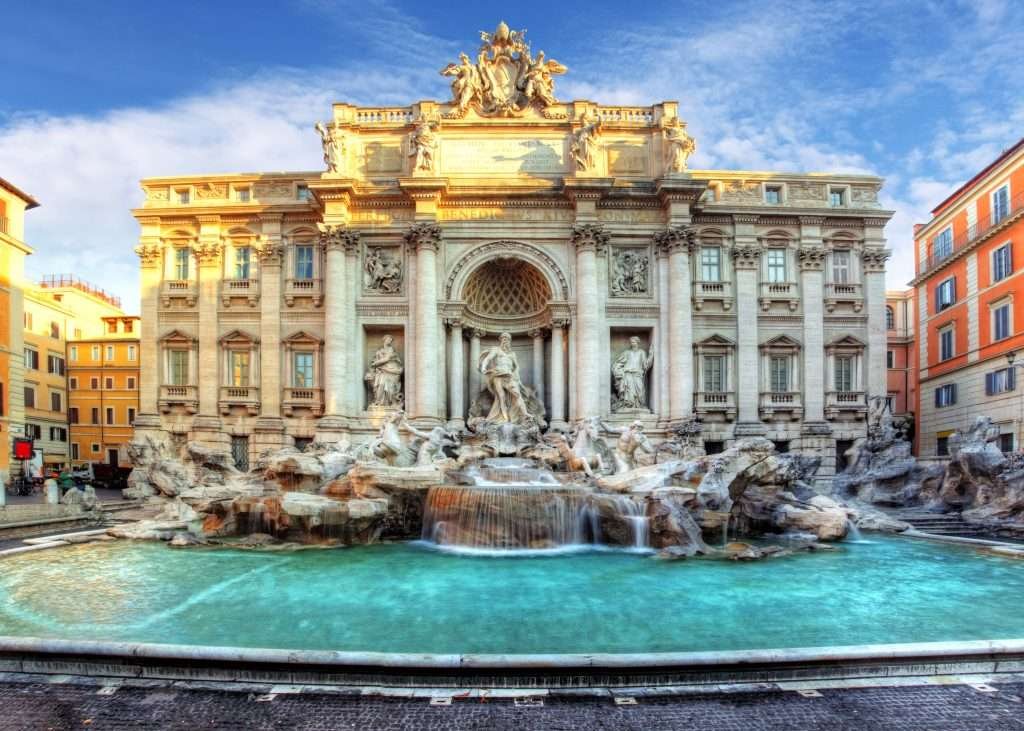
The best things to do in Rome require more planning than most cities – but the payoff is unlike anywhere else on earth. When you know the best things to do in Rome and how to sequence them, the city rewards you completely. The cobblestones will destroy cheap shoes. The traffic follows rules nobody has written down. If you arrive expecting empty piazzas and spontaneous monument visits, the city will correct you quickly.
Get the ticketing systems right, adjust to the local clock, and know when to get off the streets – and Rome is the most historically dense, visually arresting destination on earth.
Here are the 25 things worth your time, filtered to cut the tourist traps. For the full logistics briefing before you land, start with our first time in Rome guide.
Part 1: Ancient Rome – Ticketing and Strategy
The remnants of the Roman Empire are concentrated in the historic center. You cannot improvise these visits. Advance booking is your only defense against a three-hour standby queue.
1. Book the Colosseum correctly
Book timed-entry tickets online in advance. In peak season (April-October) slots sell out 2-3 weeks ahead, sometimes faster. Do not rely on same-day availability. You can book through the official platform (coopculture.it), or through GetYourGuide and Booking.com – the latter two often have better availability for last-minute planners and include skip-the-line options worth the small markup.

2. Do the Roman Forum at 9:00 AM
Your Colosseum ticket includes the Roman Forum, the ruined political and commercial heart of the empire. Do not go at 2 PM in July. The Forum is a wide open valley of marble with zero shade and direct sun. Enter when the gates open. Walk the Via Sacra where victorious generals once paraded, and stand in front of the altar where Julius Caesar was cremated.

3. Climb Palatine Hill for the best views
Directly above the Forum. This is where Rome was founded and where emperors later built their palaces – the word “palace” derives from Palatine. Because it requires an uphill walk, most tour groups skip it. Climb the steps, walk through the ruins of the Domus Flavia, and find the viewing terrace looking directly down over the entire Forum.

4. Pay the entry fee at the Pantheon
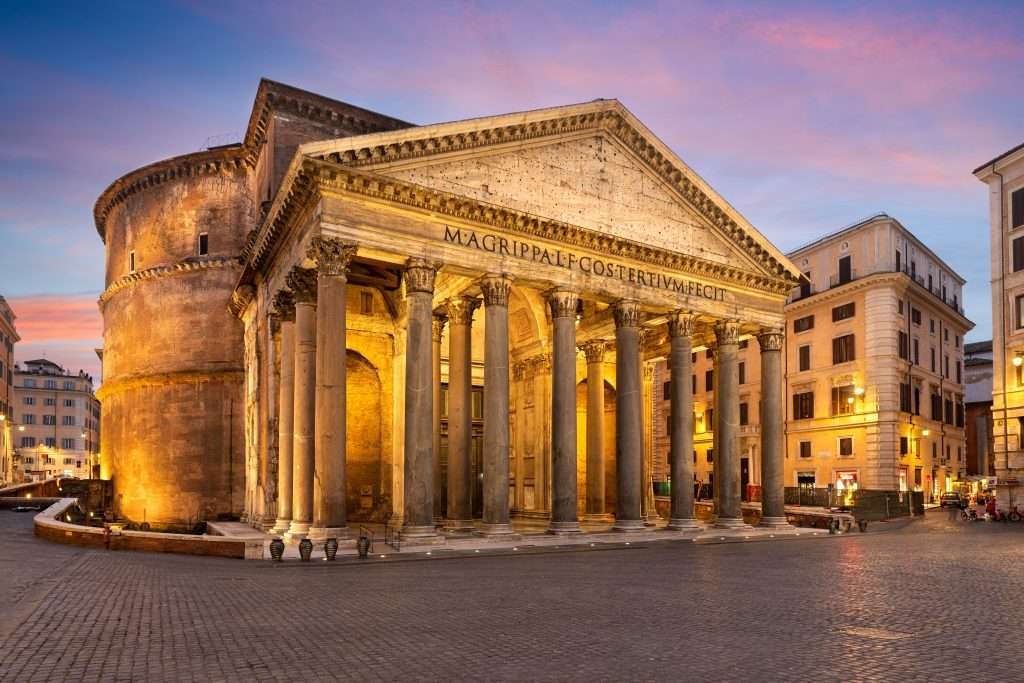
The Pantheon was free for centuries. It now charges €5 to combat overtourism. Book online in advance for weekend visits or face a slow-moving queue at the kiosk. The building itself is an architectural argument: the largest unreinforced concrete dome in the world, built almost 2,000 years ago. Stand in the center and look straight up at the oculus – the open hole in the ceiling. When it rains, the water falls through and drains into ancient holes bored into the marble floor.
5. Go to the Baths of Caracalla instead of a second Colosseum visit
If you want to understand the true scale of Roman imperial architecture without fighting the crowds, walk south to the Baths of Caracalla. Ancient public bathhouses with walls towering dozens of meters, intact floor mosaics, and vaulted brick ceilings. Shaded by large pine trees, substantially less crowded than anything near the Forum, and a much better sense of physical scale.
