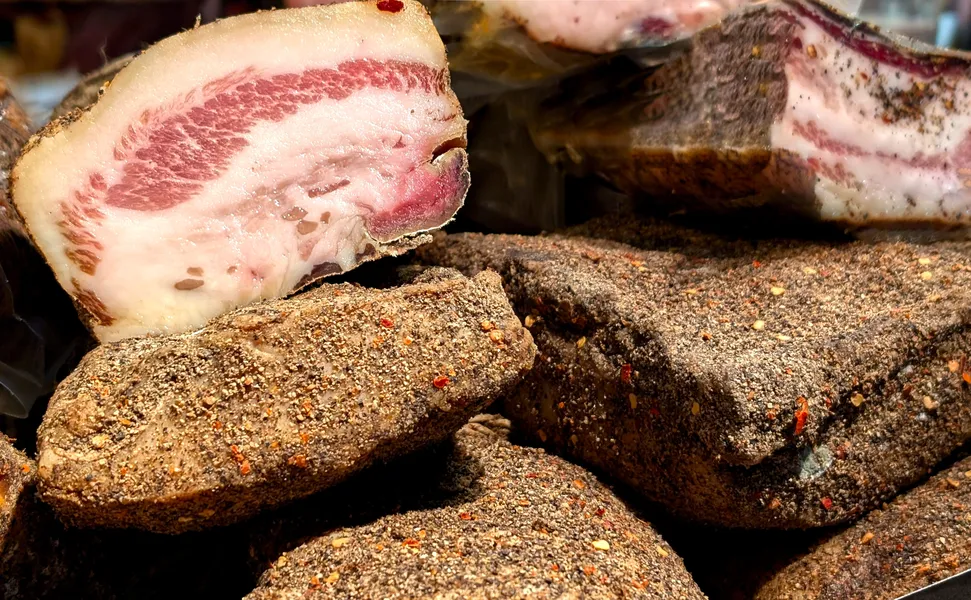
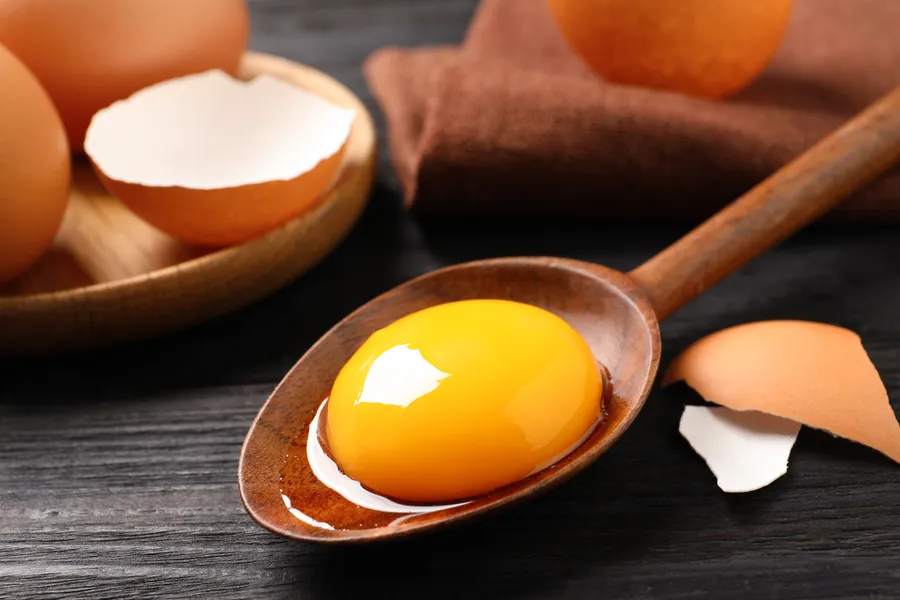
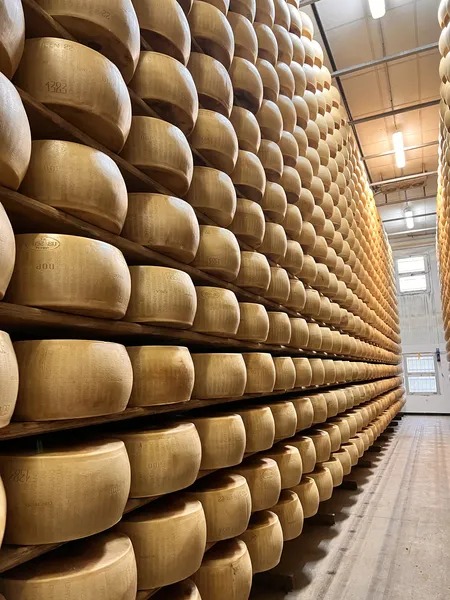
Roman food has three ingredients at its core: guanciale, Pecorino Romano, and black pepper. That’s it. The entire culinary identity of this city runs through those three things, and the restaurants worth your time know it. The ones that don’t – the ones substituting pancetta for guanciale, cream for egg yolk, Parmigiano for Pecorino – are taking €18 from you for something a hotel in Iowa could produce. This guide will stop that from happening. In this guide, we will explore what to eat in Rome, ensuring you have the authentic experience.
The Big Four Roman Pastas (Yes, Four – Not Three)
Most travel sites talk about the “Holy Trinity.” There are actually four canonical Roman pasta dishes, and ignoring the fourth is a mistake.
1. Cacio e Pepe
Two ingredients. Pecorino Romano and black pepper, loosened with pasta water into a sauce that should coat every strand without a single clump. When it’s done correctly, it’s dense and slightly sticky. When it’s done wrong – which is most of the time – it’s a gluey mess or, worse, a thin watery soup with cheese sitting at the bottom.
The common mistake is adding too much water too fast, or using cold pasta water instead of the starchy, hot stuff straight from the pot. You can’t fake the technique.
Where to eat it: Felice a Testaccio, Via Mastro Giorgio 29. They’ve been open since 1936 and they toss it tableside in the serving bowl, which isn’t theater – it’s how the heat and starch stay consistent. Book ahead. (Don’t split it. You’ll regret it.)
The Testaccio neighborhood itself is worth the detour – it’s the old slaughterhouse district and the birthplace of Roman working-class cooking. The whole area eats better and cheaper than the centro.

2. Carbonara
The single most abused dish in Rome’s tourist corridor. Here is the rule: no cream, no peas, no mushrooms, no onion. Carbonara is egg yolks (not whole eggs – yolks), Pecorino Romano, guanciale rendered until the fat turns translucent, black pepper, and pasta water used as the emulsifier. The heat from the pasta cooks the egg without scrambling it. That’s the entire technique.
If the menu lists cream, leave. If the guanciale looks like diced ham, leave. If it arrives in under six minutes, something is wrong.
Where to eat it: Roscioli Salumeria con Cucina, Via dei Giubbonari 21. Their version is borderline obscene – intensely savory, rich without being heavy, with guanciale that’s properly rendered. Book weeks in advance. They fill up fast and they know it. (The restaurant is attached to a deli that’s been running since 1972. Buy cheese before you leave.)
For more on navigating the Trastevere and Campo de’ Fiori eating zones, see our One Day in Rome itinerary – we mapped the most efficient lunch-to-dinner routing.

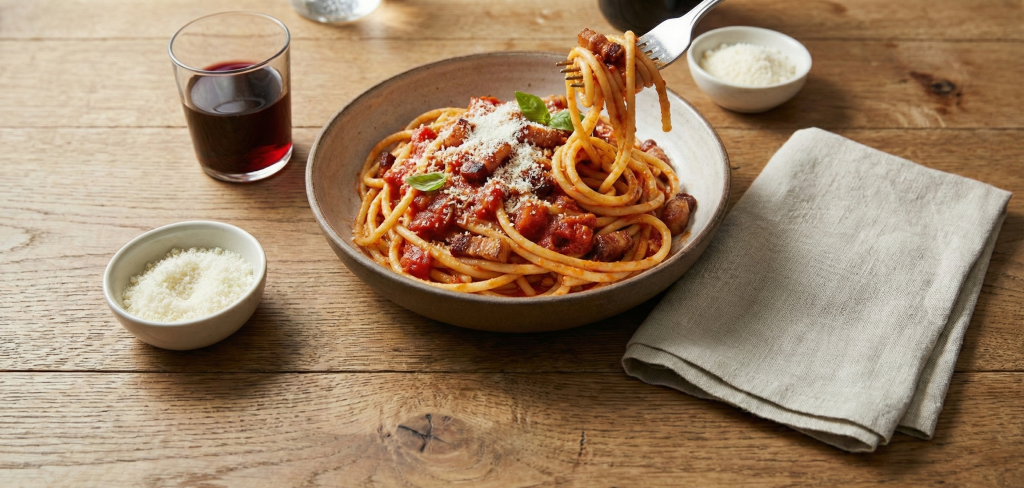
3. Amatriciana
Tomatoes enter the equation here. The base is guanciale, cooked down until crispy, deglazed with white wine, then combined with San Marzano tomatoes and finished with grated Pecorino. The result is tangy and salty in equal measure, with fat from the guanciale pooling in the dips of the rigatoni.
It should be served with rigatoni, not spaghetti. Some purists will argue bucatini. Don’t argue back – just eat it.
Where to eat it: Da Enzo al 29, Via dei Vascellari 29, Trastevere. No reservations for dinner. Get there by 7:15 PM and join the queue – by 7:45 PM it wraps around the corner. Lunch is easier. They use Amatrice guanciale specifically, which has more fat content than what you’ll find in supermarkets. (Ask the server where they source it – they’ll tell you, and they’re proud of it.)
4. Pasta alla Gricia – The One Everyone Misses
Gricia predates Carbonara and Amatriciana. It’s what you get when you remove the egg from Carbonara and the tomato from Amatriciana: just guanciale, Pecorino, pasta water, and pepper. It sounds simple to the point of being boring. It isn’t.
The fat from the guanciale becomes the sauce. It’s salty, funky, and heavy in the best way. Most tourists skip it because it photographs terribly – beige on beige. That’s their loss.
Where to eat it: Taverna dei Fori Imperiali, Via della Madonna dei Monti 9. It’s a five-minute walk from the Colosseum, which means the street is overrun with tourist traps. This place isn’t one of them. They close between lunch and dinner service. (Get the abbacchio if it’s on the menu. Roasted Roman lamb, and it’ll ruin you for other lamb forever.)

Roman Street Food: The Stuff You Eat Standing Up
The best food in Rome doesn’t come on a plate. Here’s what to hunt down between monuments.
Pizza al Taglio
Sold by weight, cut with scissors, eaten off paper. This is not Neapolitan pizza – it’s a completely different product. The dough is thicker, spongier, and fermented longer. The correct move is to order two small pieces of different toppings rather than a big piece of one.
Bonci Pizzarium, Via della Meloria 43 (near the Vatican). The dough ferments for 72 hours minimum. It costs more than pizza has any right to cost – roughly €5-7 for a reasonable lunch portion – but the crust has a tang and chew that justifies it. Get there by 12:30 PM; the good toppings run out by 1:30 PM. (The potato and rosemary is the baseline test. If that’s good, order more.)
Trapizzino
Invented in 2008 by Stefano Callegari, which makes it modern by Roman standards. A thick triangle of pizza bianca dough, toasted until the outside crisps, then split open and filled with slow-cooked Roman stews. The oxtail version – coda alla vaccinara, braised with celery, pine nuts, cocoa, and tomato – is the one to order.
Original location: Trapizzino Testaccio, Piazza dell’Emporio 28. €4-5 each. Eat two. (They have other locations across the city now, but the Testaccio branch is still the one with the most consistent filling-to-dough ratio.)
Maritozzo
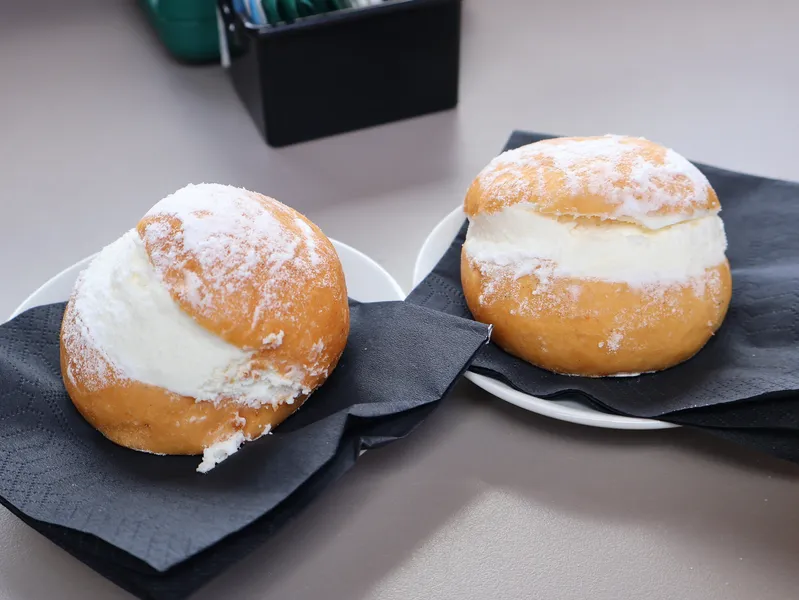
The correct Roman breakfast, and one of the most satisfying things you can eat in this city. A soft, slightly sweet brioche bun – almost orange-scented – split open and filled with an amount of whipped cream that seems structurally impossible. It’s messy. It gets on your shirt. Do it anyway.
Regoli Pasticceria, Via dello Statuto 60 (near Termini station). Open since 1916. Get there before 9:30 AM – the fresh batch goes fast and the afternoon ones are drier. €2.50-3. (The neighborhood around Termini looks rough; don’t let it put you off. The pasticceria is worth the detour.)


How to Spot Fake Gelato (A Skill You Need Immediately)
Rome has hundreds of “gelaterias.” Most of them are selling colored frozen foam to tourists who don’t know better.
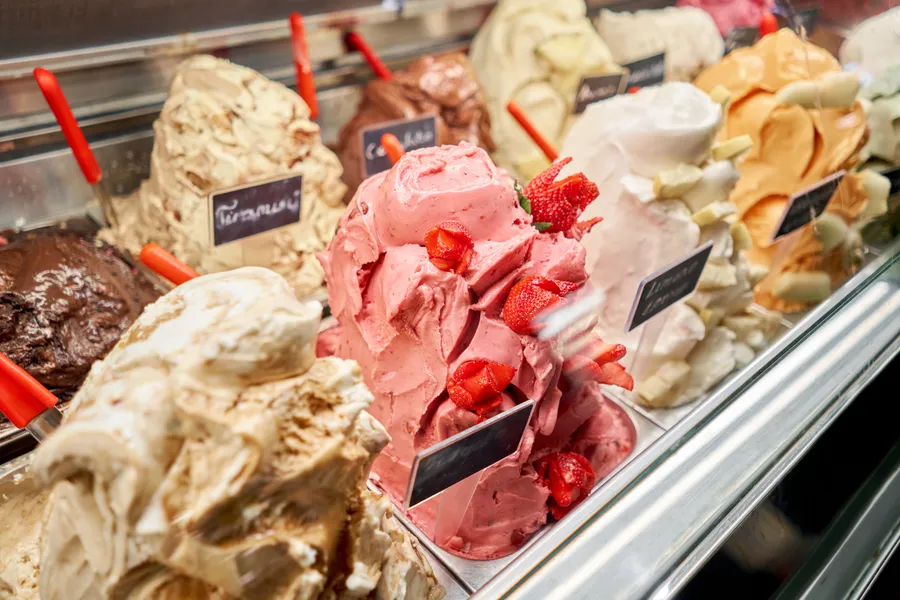
The color test: Pistachio should be the color of wet concrete – dull greyish-green, because that’s what real pistachio paste looks like. If it’s bright neon green, it contains flavoring and zero pistachios. Banana should be grey-white. Strawberry should be pale pink-red, not violent magenta.
The pile test: Real gelato melts. Shops that compensate by piling it into architectural mountains are using stabilizers and vegetable fats to keep it from collapsing. Good gelato is stored flat in metal tins, often with lids on top.
The word test: Look for “artigianale” (handmade) and “produzione propria” (made on-site). These aren’t guarantees, but they’re a filter. “Semifreddo” appearing on the same sign as “gelato” is a bad sign.
Where to go instead:
- Fatamorgana (multiple locations) – all natural ingredients, unusual flavor combinations (think fig and Gorgonzola, or basil and walnut). €3-4 per scoop.
- Gelateria dei Gracchi, Via dei Gracchi 272 (Prati neighborhood, near the Vatican) – classic flavors done correctly. Their hazelnut is a benchmark.

The Rome Coffee Protocol
Order wrong and you’ll get looks. Here’s the cheat sheet:
- Cappuccino: Acceptable only before 11:00 AM. Ordering one after lunch signals tourist immediately. Romans don’t judge loudly, but they notice.
- Caffè: An espresso. Ordered standing at the bar, consumed in two to three sips, then leave. The bar price (at the counter) is cheaper than table service – sometimes by €1-2. Always drink at the bar.
- Caffè corretto: An espresso with a small pour of grappa or sambuca. A morning drink for people who mean business.
- Caffè freddo: Cold espresso, shaken or stirred with sugar until it gets a slight foam. Only available in summer, essential in August.
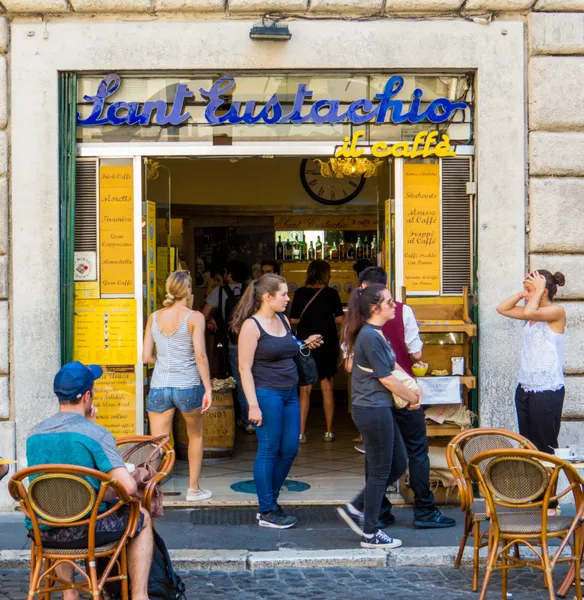
Sant’Eustachio il Caffè, Piazza di Sant’Eustachio 82. They don’t tell you their roasting method or the ratio of their blend. The coffee costs €1.10 at the bar. Get there before 9:00 AM on weekdays – the line by 10:00 AM is genuine.

Restaurant Etiquette and Timing: The Rules Romans Don’t Explain
Lunch: Kitchens open at 1:00 PM and close at 3:00 PM sharp. Showing up at 12:30 PM will get you a locked door and a shrug. If you arrive at 2:50 PM, you may get seated, but the kitchen mood will reflect it.
Dinner: Romans eat at 8:30 PM. Booking a table at 7:00 PM means you’ll be eating alone in a cold restaurant while the staff folds napkins around you. If you can’t do 8:30 PM, 8:00 PM is the earliest that feels normal.
The coperto: A charge of €1-3 per person for bread, water, and table service. It’s automatic and legal. It will be on the bill. Don’t argue it.
Servizio incluso: If your bill says this, a service charge has already been added. Tipping 20% on top of that is unnecessary. Leaving €3-5 in cash for a dinner you enjoyed is appreciated and sufficient.
The “acqua del rubinetto” move: Tap water is free and you’re legally entitled to ask for it in any restaurant. Most places will charge you for bottled water unless you ask specifically for tap. Say “acqua del rubinetto, per favore” and watch €4 disappear from your bill.
The Tourist Trap Corridor to Avoid
The 300-meter radius around the Trevi Fountain, the Pantheon, and the Spanish Steps is essentially a museum gift shop that also serves food. Every restaurant in this zone has laminated menus with photos, men in aprons standing outside actively recruiting you, and carbonara containing cream.
You are not required to eat near the monuments you’re visiting. Walk two streets back from any major landmark and the prices drop, the coperto disappears, and the guanciale is real.
For a full breakdown of where to eat near each major Roman landmark without getting burned, see our Rome on a Budget guide – we priced out the same meal in the tourist corridor versus two streets away, and the difference will anger you.
One Neighborhood, Done Right: Testaccio
If you only have time to eat in one non-central neighborhood, make it Testaccio. It’s a 20-minute walk from the Circus Maximus, it has no major monuments, and it has more serious restaurants per square block than anywhere else in the city.
The neighborhood was built around the old slaughterhouse (now a contemporary arts center), and the cooking reflects that history – quinto quarto dishes, offal-based stews, the kind of food that uses every part of the animal because the workers who ate here couldn’t afford to waste anything. If you’re adventurous, the pajata (intestines of milk-fed veal) at a good trattoria is one of the most polarizing things you can eat in Italy. You’ll either love it or you won’t, but you’ll have eaten something real.
The Testaccio Market (Mercato di Testaccio) opens at 7:00 AM and closes around 2:00 PM, Tuesday through Sunday. Go early. Budget €8-12 for a full market lunch with wine.


Flags for Your On-The-Ground Research
- Regoli Pasticceria exact daily opening hour (sources vary between 7:00 AM and 8:00 AM)
- Taverna dei Fori Imperiali afternoon closure time
- Gelateria dei Gracchi Sunday hours
- Current per-scoop price at Fatamorgana (prices updated seasonally)
- Testaccio Market arancini stall
For the full walking route that connects these eating stops to the main sights without backtracking, head to our One Day in Rome itinerary. And if you’re planning to eat on €50 a day total, the Rome on a Budget guide has the exact breakdown.
What is the most famous food to eat in Rome?
The four Roman pastas are the starting point: cacio e pepe, carbonara, amatriciana, and pasta alla gricia. All four are built from the same core ingredients – guanciale, Pecorino Romano, and black pepper – but produce completely different results. If you only eat one thing, make it carbonara at a place that doesn’t use cream.
Is Roman food the same as Italian food?
No. Roman cuisine is its own category. It’s saltier, heavier, and more offal-forward than most Italian regional cooking. Dishes like pajata (milk-fed veal intestines) and coda alla vaccinara (oxtail braised with cocoa and celery) don’t exist in the same form anywhere else in Italy. The pasta traditions are also strictly local – you won’t find real cacio e pepe outside of Lazio.
What should I absolutely avoid eating in Rome?
Any carbonara that contains cream. Any gelato shop where the pistachio is neon green. Any restaurant within 200 meters of the Trevi Fountain with a laminated photo menu and a guy in an apron standing outside. These aren’t edge cases – they’re the majority of options near the major sights.
How much does a meal cost in Rome?
A sit-down lunch at a good trattoria runs €15-25 per person including wine. Dinner at a serious restaurant is €30-45 per person. Street food (a trapizzino, a slice of pizza al taglio, a gelato) keeps you fed for €5-10. The coperto charge of €1-3 per person is added automatically at most restaurants – it’s legal and normal, not a scam.
When do Romans eat lunch and dinner?
Lunch service runs 1:00 PM to 3:00 PM. Dinner doesn’t start until 8:00 PM at the earliest – most Romans sit down at 8:30 PM or later. Showing up at 7:00 PM isn’t early, it’s wrong. You’ll be seated, but you’ll be alone in the restaurant for 45 minutes.
What is guanciale and can I substitute bacon?
Guanciale is cured pork cheek. It has a higher fat content than pancetta or bacon, and that fat is what creates the sauce in carbonara and gricia when it renders. Substituting bacon changes the dish fundamentally – the smokiness overpowers the Pecorino and the fat ratio is wrong. If a restaurant uses pancetta, they’re cutting corners. If they use bacon, leave.
What is the best breakfast in Rome?
A maritozzo and a caffè. The maritozzo is a soft, lightly sweet bun split open and filled with fresh whipped cream – it sounds like dessert but Romans eat it at 8:00 AM standing at a bar. Pair it with an espresso drunk standing at the counter. Sitting down adds cost and slows you down. Regoli Pasticceria near Termini station has been making them since 1916.
How do I order coffee correctly in Rome?
Say “un caffè” for an espresso. Drink it at the bar – it’s cheaper and faster. Never order a cappuccino after 11:00 AM unless you want to be immediately identified as a tourist. If you want something cold in summer, ask for a caffè freddo. Don’t ask for a “latte” – you’ll get a glass of milk.
What neighborhood has the best food in Rome?
Testaccio. It’s the old slaughterhouse district, which means the cooking is built around working-class, nose-to-tail Roman food at prices that haven’t been inflated by foot traffic from tourists. Felice a Testaccio for cacio e pepe, Trapizzino Testaccio for street food, and the Mercato di Testaccio for a cheap market lunch. It’s a 20-minute walk from the Circus Maximus and worth every minute.
Is tipping expected in Rome?
No. Check your bill for “servizio incluso” – if it’s there, the tip is already added. If not, leaving €3-5 in cash for a dinner you enjoyed is generous and appropriate. Calculating 15-20% the way you would in the US is not expected and not necessary. The coperto charge (€1-3 per person) covers the table and bread – that’s separate from tipping.