
Visiting the Eternal City is a lifelong dream for millions of travelers, but stepping off the plane and into the reality of the Italian capital can be a massive shock to the system. Rome is not a curated museum; it is a sprawling, chaotic, loud, and vibrantly alive metropolis built on top of three millennia of history. It absolutely does not operate with the clinical efficiency of London, Tokyo, or New York. The buses run on their own mysterious schedules, the dining scene does not even begin to wake up until the sun has completely set, and the streets are paved with jagged, ancient stones that actively wage war against your footwear.
However, if you understand the unwritten rules of the city, Rome transforms from an overwhelming labyrinth into the most magical, deeply romantic, and endlessly fascinating destination on earth. You simply need to know how to navigate the cultural landscape. This massive, comprehensive guide is designed to help you survive, thrive, and fall completely in love during your first time in Rome.
Chapter 1: The Biggest Mistake – The “See It All” Trap
Rome contains roughly 3,000 years of densely packed human history. You are not going to see it all in three days, and attempting to do so is the fastest way to ruin your vacation.
The Beginner’s Trap The most common mistake first-timers make is treating Rome like a checklist rather than a city. They build itineraries that attempt to cram the Vatican Museums, St. Peter’s Basilica, the Colosseum, the Roman Forum, and the Pantheon into a single, grueling 12-hour window. This is a logistical nightmare. The physical distance between these sites is vast, the crowds are immense, and the mental fatigue of processing that much Renaissance art and ancient architecture is very real. You will end up exhausted, dehydrated, and resenting the city.
The Fix: The “One Anchor” Rule To truly enjoy Rome, you must adopt the Italian concept of il dolce far niente-the sweetness of doing nothing. You should anchor your day around exactly one major, ticketed historical site.
- Day 1: Dedicate your morning to ancient Rome (The Colosseum, Palatine Hill, and the Roman Forum). Leave the afternoon completely free to wander the Monti neighborhood, drink a spritz in a piazza, and watch the world go by.

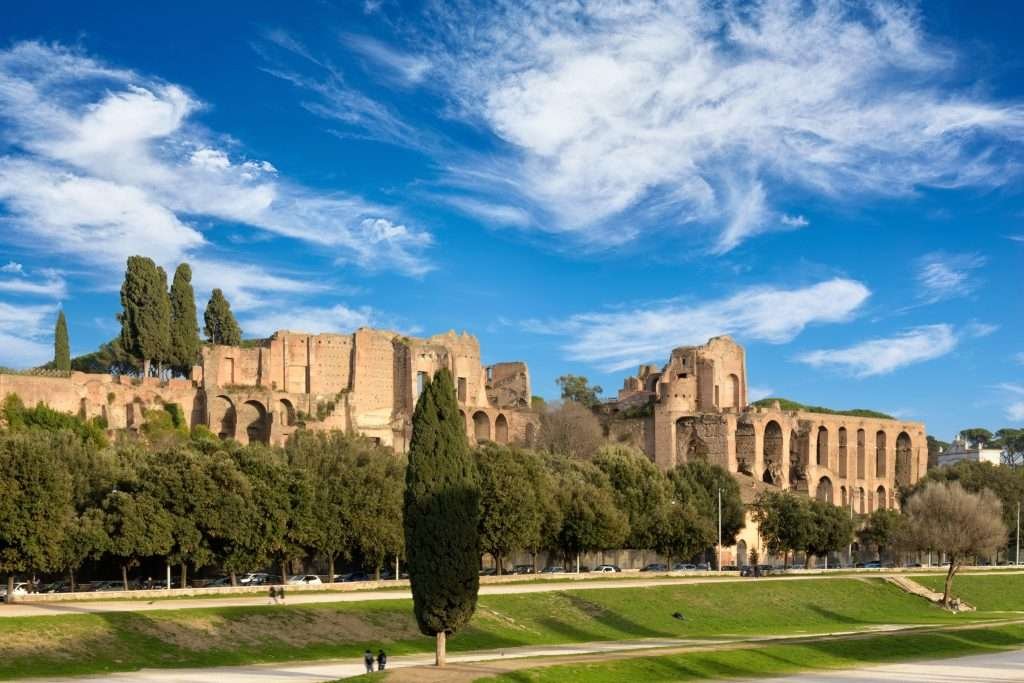

- Day 2: Dedicate your morning to the Vatican. This alone requires four to five hours of intense walking and standing. Afterward, cross the river, find a quiet trattoria, and rest.

By leaving half of your day entirely unscripted, you allow yourself the time to stumble upon hidden churches, artisan leather shops, and the perfect gelato counter. The magic of Rome happens in the spaces between the monuments.
Chapter 2: How Many Days Do You Actually Need?
Determining the length of your stay dictates the pace of your trip. Rome is a geographically large city, and travel times between neighborhoods can eat into your schedule. If this is your very first time visiting, here is how the timelines break down.
Three days is possible, but it is a sprint. You will be able to see the “Big Three” (The Colosseum, the Vatican, and the Pantheon/Trevi Fountain area). However, you will be moving constantly from dawn until dusk. To ensure you don’t burn out, I highly recommend following a highly structured 3 Days in Rome Itinerary so you don’t waste time backtracking across the city.
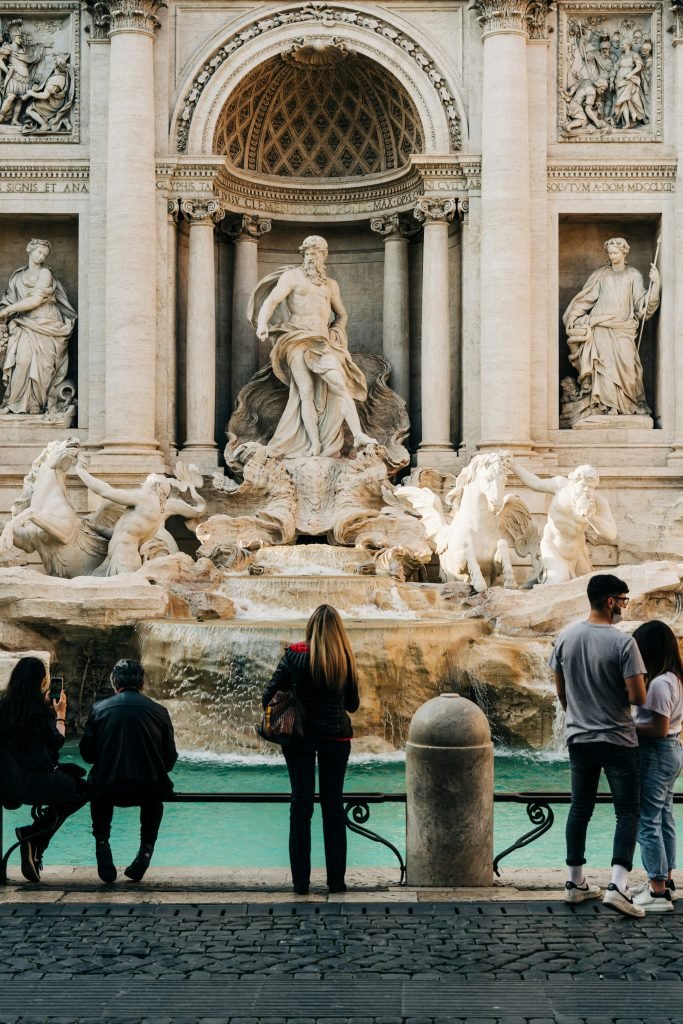
4 Days: The Sweet Spot For a first-time visitor, four full days is the absolute perfect amount of time. It allows you to dedicate a full morning to the Vatican and a full morning to the Colosseum without feeling rushed. More importantly, it gives you a dedicated day to explore Trastevere, the charming, ivy-draped neighborhood on the west bank of the Tiber River, or to spend an afternoon wandering through the sprawling, pine-tree-shaded gardens of the Villa Borghese.


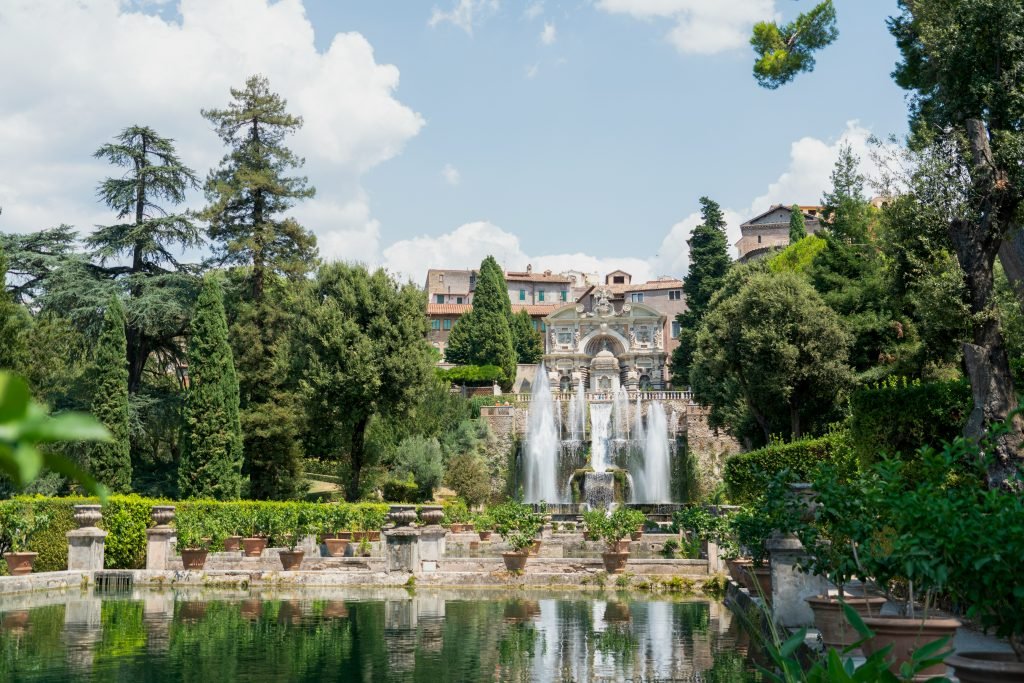
5+ Days: The Luxury of Deep Exploration If you are lucky enough to have five or more days, you elevate your trip from a standard tourist visit to a true Roman holiday. With this kind of time, you can begin taking day trips outside the city limits. You can take the train to Tivoli to see the spectacular Renaissance fountains of Villa d’Este, or take a quick 30-minute train ride to Ostia Antica, an incredibly preserved ancient Roman harbor city that rivals Pompeii but with a fraction of the crowds. You can check my 5 Days in Rome Itinerary for more details.

Chapter 3: Safety, Scams, and Street Smarts
Is Rome safe? Statistically, yes. Violent crime against tourists is exceedingly rare. You can walk through the historic center late at night without worrying about your physical safety. However, Rome holds the unofficial title of the “Pickpocket Capital of Europe.” Theft is highly common, but it is also entirely preventable if you know what to look for.
The Metro and The 64 Bus Pickpockets in Rome operate in highly organized groups, and they target areas where tourists are distracted and crammed closely together. You must be hyper-aware on Metro Line A (the line that connects the Termini train station to the Vatican and the Spanish Steps). The moment the doors open and the crowd surges, secure your belongings. Keep your hand physically over your cross-body bag. The same rule applies to the infamous Bus 64, which runs from the train station to the Vatican; it is notoriously targeted by pickpockets.
The “Bracelet” Scam If you are walking near the Colosseum, the Spanish Steps, or along the river, a friendly, smiling man may approach you and attempt to toss a braided string bracelet onto your shoulder, or aggressively try to tie it around your wrist, claiming it is a “free gift for good luck” or a symbol of “African heritage.” Do not let them tie it. It is not free. The moment it is knotted around your wrist, the friendly demeanor will vanish, and they will loudly demand money. If approached, say a firm, loud “NO” and keep walking. Do not break your stride.
The Fake Petition Scam Often operating near major piazzas, individuals (sometimes young teenagers) will approach you holding a clipboard, asking you to sign a petition for a charity (often claiming to be for the deaf or a drug rehabilitation center). While you are distracted reading the clipboard, an accomplice is picking your pockets. Ignore anyone approaching you with a clipboard in the street.
Chapter 4: The Ticketing Reality in 2026
The days of simply walking up to a world-famous monument, buying a ticket at the booth, and walking inside are completely over. Post-2020 tourism surges have fundamentally changed how Rome operates. You must be highly organized.
The Colosseum, Roman Forum, and Palatine Hill You cannot just show up. Tickets for the Colosseum regularly sell out weeks, sometimes months, in advance. You must purchase a timed-entry ticket online. Furthermore, if you want to access the highly restricted Underground level (the hypogeum where the gladiators and animals were kept), you must be online the exact minute those specific tickets are released on the official website, as they vanish in seconds. Always book through the official site (Parco Archeologico del Colosseo) to avoid massive third-party markups.
The Vatican Museums and Sistine Chapel The line to buy tickets on-site at the Vatican can legitimately stretch for three hours, wrapping entirely around the massive brick walls of the micro-state. You must buy a “Skip the Line” ticket online in advance. For the best experience, spend the extra money to book an “Early Access” guided tour. This allows you to enter the museums an hour before the general public, meaning you can stand in the Sistine Chapel with a few dozen people rather than a few thousand.


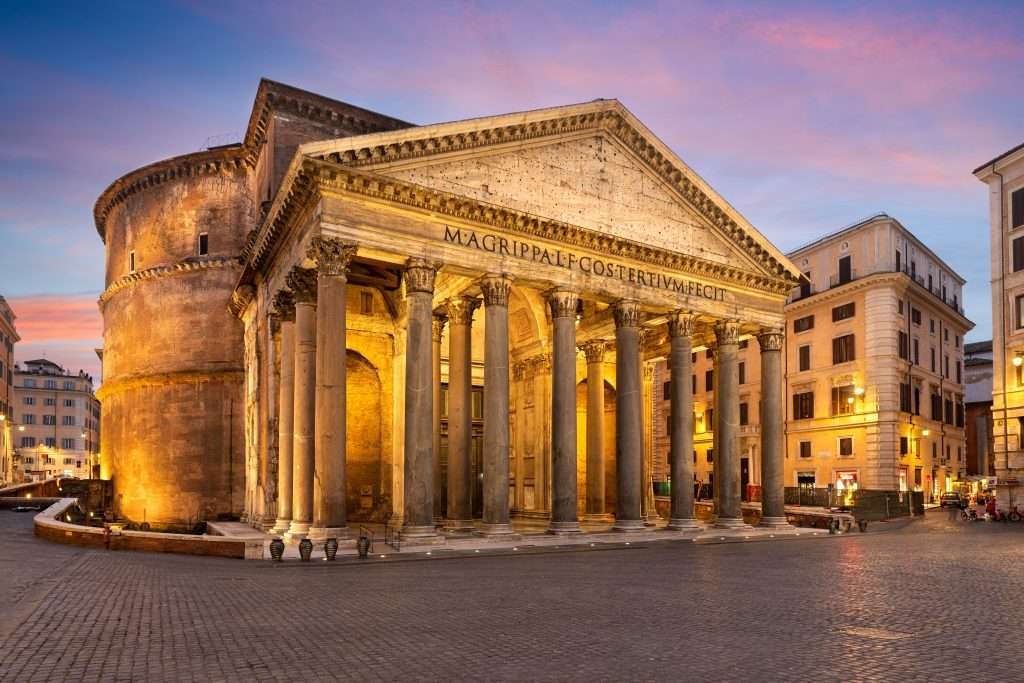
The Pantheon For centuries, the Pantheon was entirely free to enter. However, as of recent years, entry rules have changed. You now require a paid ticket to enter on weekends and public holidays, and you must secure a time slot online in advance. Do not get caught out by showing up on a Saturday morning expecting to walk straight in.

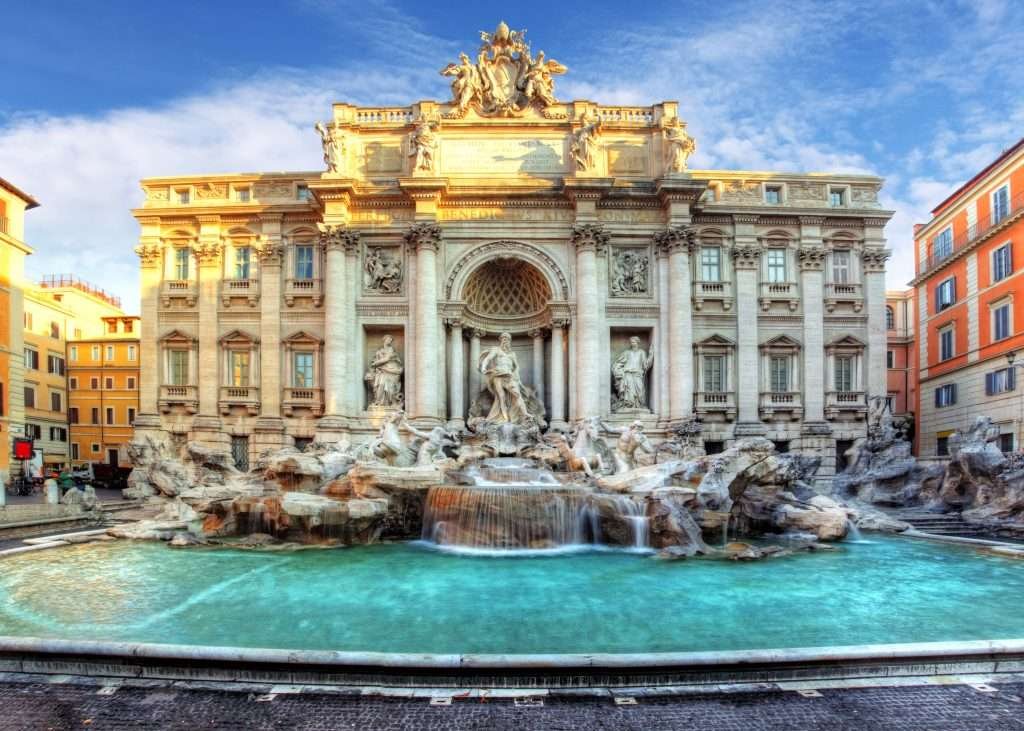
The Trevi Fountain While the Trevi Fountain remains free and open to the public, the city has implemented strict crowd control measures during peak seasons to manage the massive influx of tourists. You may find one-way walking systems in place around the piazza. To see the fountain without a thousand other people in your photo, you must set your alarm and arrive before 7:30 AM.
Chapter 5: Eating Like a Roman
Food in Italy is not just sustenance; it is a fiercely protected cultural religion. The culinary rules in Rome are strict, and following them is the key to having a spectacular dining experience. If it is your first time in Rome, these are the unwritten commandments you must follow.
The Cappuccino Rule If you try to order a cappuccino alongside a plate of pasta at 1:00 PM, the waiter will look at you with deep concern, and possibly horror. In Italian food culture, warm milk is considered a heavy morning drink that severely disrupts digestion. Cappuccinos are strictly for breakfast, usually consumed while standing at the bar with a sweet pastry (cornetto). After 11:00 AM, milk is out. If you need a caffeine boost after lunch or dinner, you must order a caffè (a straight shot of espresso) or a caffè macchiato (espresso with a tiny drop of milk).

The Dining Schedule Romans eat late. If you are hungry at 6:00 PM, your only option is to find an aperitivo-a pre-dinner drink (like an Aperol Spritz) served with small snacks like potato chips or olives. Traditional restaurants (trattorias and osterias) do not even open their kitchens until 7:30 PM at the earliest. Even then, the restaurant will be entirely empty except for other tourists. The true local dinner rush begins between 8:30 PM and 9:30 PM.
The Nasoni: Free, Freezing Water Rome is dotted with over 2,500 cast-iron drinking fountains known as nasoni (big noses), named for their curved metal spouts. The water flowing continuously from these fountains is pumped directly from the surrounding mountains. It is ice-cold, perfectly pure, and completely free. Do not waste your money buying plastic water bottles from street vendors. Bring a reusable bottle and fill it up constantly. Pro-Tip: If you don’t have a bottle, plug the bottom hole of the spout with your thumb. The water will shoot up out of a small hole on the top of the spout, creating a perfect drinking fountain arch.

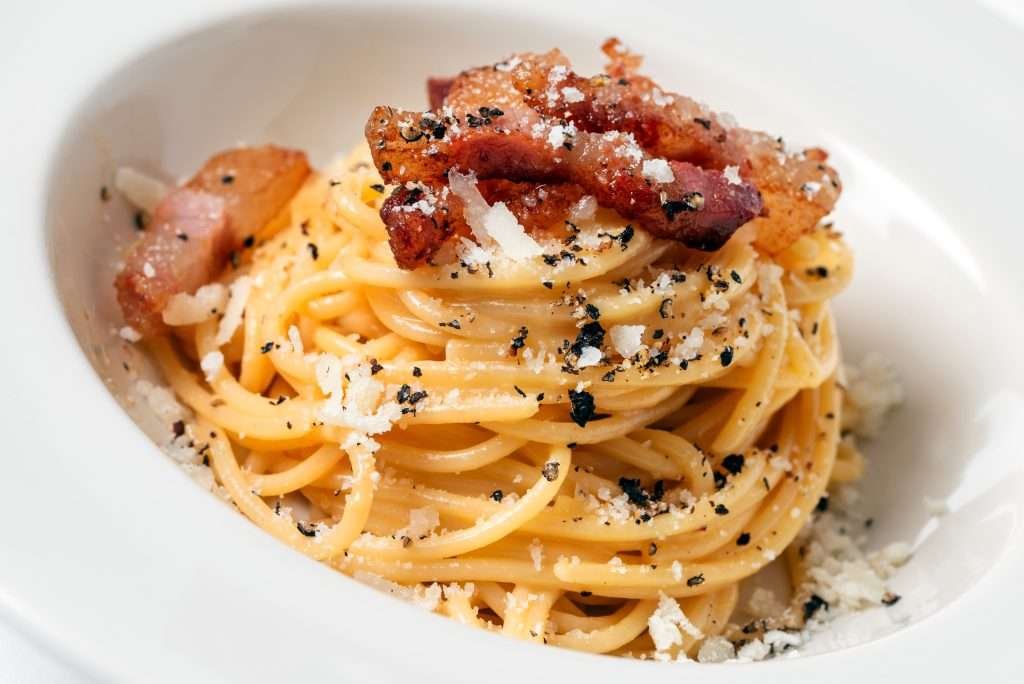
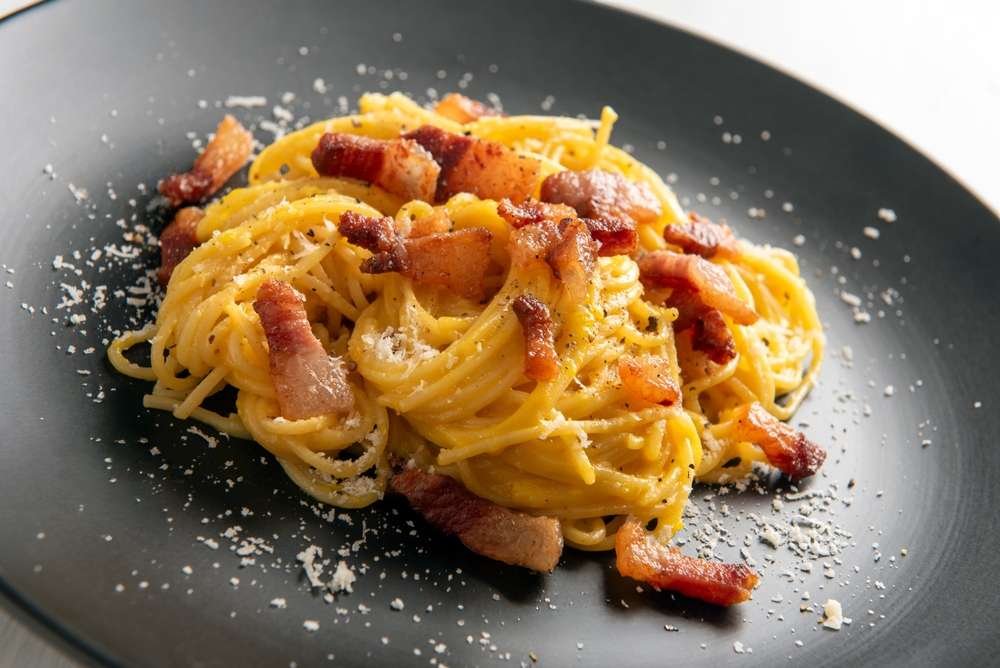
The Four Roman Pastas You must eat the traditional dishes of the city. Rome is famous for four specific pasta preparations, all built around variations of the same core ingredients (Pecorino Romano cheese and guanciale, which is cured pork cheek).
- Cacio e Pepe: The simplest and most difficult to master. Just Pecorino Romano cheese, heavily toasted black pepper, and starchy pasta water whipped into a creamy sauce.
- Gricia: Cacio e Pepe, but with the addition of crispy, fatty guanciale.
- Amatriciana: Gricia, but with the addition of a rich tomato sauce.
- Carbonara: Gricia, but bound together with rich, raw egg yolks off the heat to create a luxurious, heavy sauce. (There is absolutely zero cream in an authentic Roman carbonara).


For specific money-saving tips on dining and avoiding the dreaded “tourist menu” traps, read our comprehensive guide on Rome on a Budget. If you are ready to start mapping out your exact restaurant reservations and want to dive deeper into the local food scene, check out our ultimate Foodie’s Guide to Rome.
Chapter 6: Where to Base Yourself
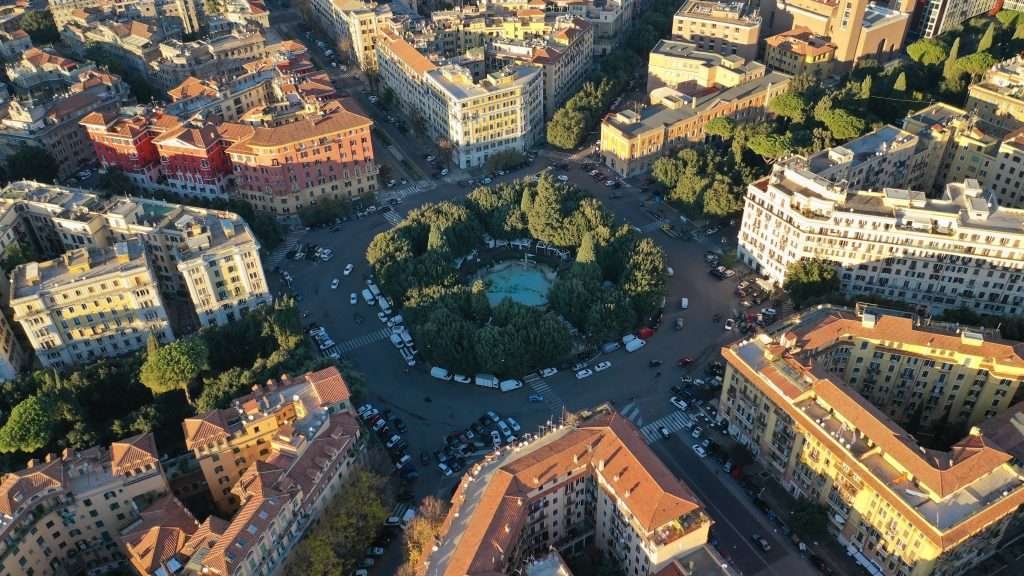
Rome is a massive, sprawling city, and choosing the right neighborhood for your home base will completely define your daily experience.
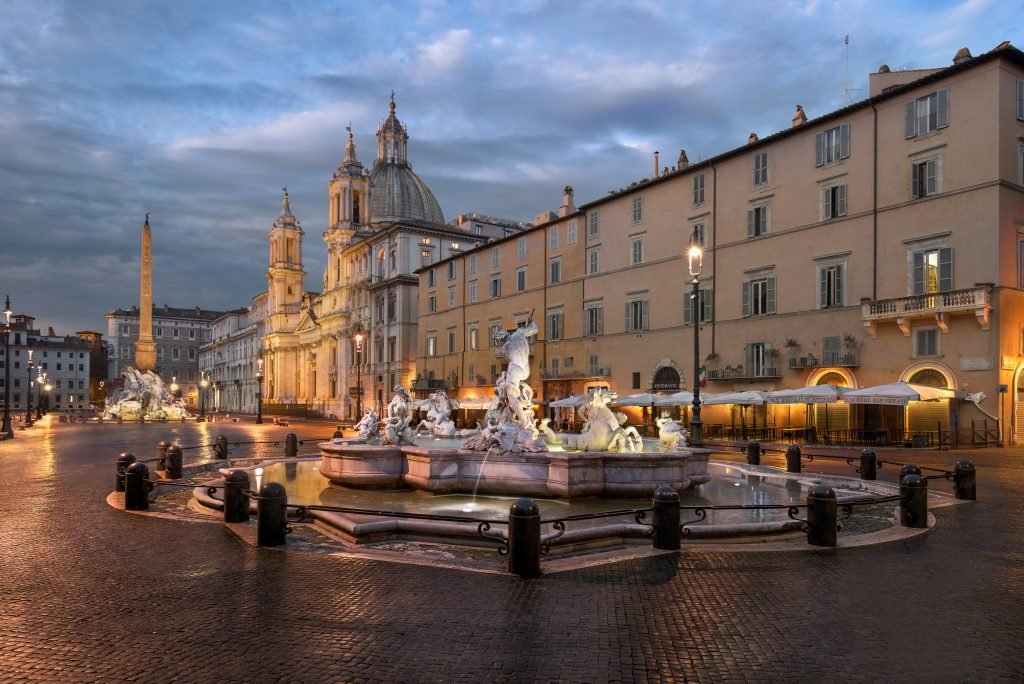
Centro Storico (Pantheon / Piazza Navona) This is the absolute best location for a first-time visitor. The Centro Storico is the classic, postcard-perfect version of Rome. You are surrounded by narrow cobblestone streets, gorgeous Baroque fountains, and towering Renaissance palaces. Staying here means you can walk to the Pantheon, the Trevi Fountain, and the Colosseum without ever needing to decipher the public transit system. The drawback? It is the most expensive neighborhood in the city, and the streets are perpetually crowded.
Trastevere Located across the Tiber River, Trastevere translates to “across the Tiber.” It is famous for its charming, ivy-covered, terracotta-hued streets and its vibrant, boisterous nightlife. It feels like a small bohemian village within the larger city. The food scene here is spectacular. However, there is no Metro access in Trastevere. You will have to rely on walking, the tram system, or the occasionally unreliable bus network to reach the major monuments on the other side of the river.
Monti Tucked right behind the Colosseum, Monti is Rome’s hippest neighborhood. Once the gritty red-light district of ancient Rome (where Julius Caesar was born), it has transformed into a trendy hub of vintage clothing boutiques, artisan jewelry makers, and fantastic, intimate wine bars. It offers the perfect blend of local, residential atmosphere while remaining incredibly close to the ancient ruins and the Cavour Metro station.
Prati If your trip is heavily focused on the Vatican, Prati is an excellent choice. Located just north of St. Peter’s Basilica, this neighborhood boasts wide, elegant, tree-lined boulevards and high-end shopping. It is a wealthy, residential, and commercial district, meaning it is significantly quieter and cleaner than the historic center. It lacks the ancient, chaotic charm of the winding medieval streets, but offers excellent Metro access (Line A) and a very peaceful night’s sleep.
Termini Station Area The area immediately surrounding the main train station (Roma Termini) is the budget accommodation hub of the city. While it is incredibly convenient for catching early trains to Florence or the airport, it is also the grittiest part of the city center. It is perfectly safe during the day, but it can feel slightly unseemly late at night. If you prioritize budget and transit logistics over romantic aesthetics, this is where you will find the cheapest hotels.


Chapter 7: Essential Packing and Logistics
Packing for Rome requires a specific strategy. The ancient infrastructure of the city dictates what you can and cannot wear.
The Reality of the Sampietrini The historic center of Rome is paved with sampietrini-small, beveled, black basalt cobblestones. They are beautiful to look at, but they are a nightmare to walk on. Do not bring high heels to Rome. You will destroy your shoes, twist an ankle, and ultimately have a miserable time. You need footwear with thick, supportive soles. Bring comfortable, broken-in walking shoes or stylish white sneakers. You will notice that local Italian women wear sleek sneakers even when dressed up for a nice dinner. Function must meet fashion.
The Church Dress Code Rome contains hundreds of breathtaking churches, including the ultimate prize: St. Peter’s Basilica. These are active places of worship, and they enforce a strict dress code. Both men and women must have their shoulders and knees covered to enter. If you are visiting in July when it is 95 degrees Fahrenheit, wearing long pants can be miserable. The solution? Keep a lightweight, wide scarf in your day bag. If you are wearing a tank top or a sundress, simply drape the scarf over your shoulders before walking past the guards at the church entrance.
Cash vs. Card In 2026, the vast majority of Rome operates perfectly well on contactless credit cards and mobile payments. You can tap your card for everything from high-end dinners to a €2 espresso. However, you should always carry a small amount of cash (around €40-€50 in small bills and coins). You will need coins to leave a small tip for exceptional service (tipping is not expected or percentage-based in Italy, but leaving a couple of euros on the table is appreciated), to pay the “city tax” at your hotel, or to buy a bottle of water from a small street vendor whose card machine is mysteriously “broken.”
Embrace the Chaos
Your first time in Rome will be overwhelming. You will get lost in a maze of unnamed alleys. You will undoubtedly get on a bus going in the wrong direction. You will stand in the shadow of the Pantheon and feel impossibly small.
But that is exactly the point. Rome has survived empires, sackings, plagues, and millennia of chaos. It will survive your vacation, too. When the sensory overload hits, sit down on the steps of a piazza, order a cold Aperol Spritz, and simply watch the magnificent theater of Roman daily life unfold around you. Embrace the noise, eat the carbonara without counting the calories, and before you leave, make sure you throw a single coin over your left shoulder into the Trevi Fountain to ensure that, one day, you will return to the Eternal City.
How many days do I need for my first trip to Rome?
Four days is the absolute sweet spot for a first-time visitor. This gives you enough time to dedicate separate mornings to massive sites like the Colosseum and the Vatican, while still leaving a full day to wander through charming neighborhoods like Trastevere without feeling exhausted.
Why shouldn’t I order a cappuccino after lunch in Rome?
In Italian culinary culture, warm milk is considered a heavy morning drink that disrupts digestion, so cappuccinos are strictly reserved for breakfast. If you need a caffeine boost after lunch or dinner, do as the locals do and order a simple caffè (espresso) or a caffè macchiato.
Is Rome safe for tourists?
Yes, violent crime is exceedingly rare, and you can walk through the historic center safely at night. However, Rome is notorious for pickpockets. Stay hyper-aware on crowded public transit (especially Metro Line A and Bus 64) and firmly ignore anyone trying to hand you a clipboard or tie a “free” bracelet around your wrist near major monuments.
Do I really need to book tickets in advance?
Absolutely. The days of walking up to a ticket booth are completely over. Tickets for the Colosseum and the Vatican Museums regularly sell out weeks or even months in advance. Even the Pantheon now requires a pre-booked ticket on weekends and public holidays.
Is there a dress code for visiting the Vatican and other churches?
Yes. Rome’s churches, including St. Peter’s Basilica, are active places of worship and strictly enforce a dress code: both men and women must have their shoulders and knees covered. If you are visiting during the sweltering summer months, pack a lightweight scarf in your day bag to easily drape over your shoulders before entering.