Part 4: The Streets, Neighborhoods, and Mazes
Put your map away. The GPS will bounce off the high walls anyway.
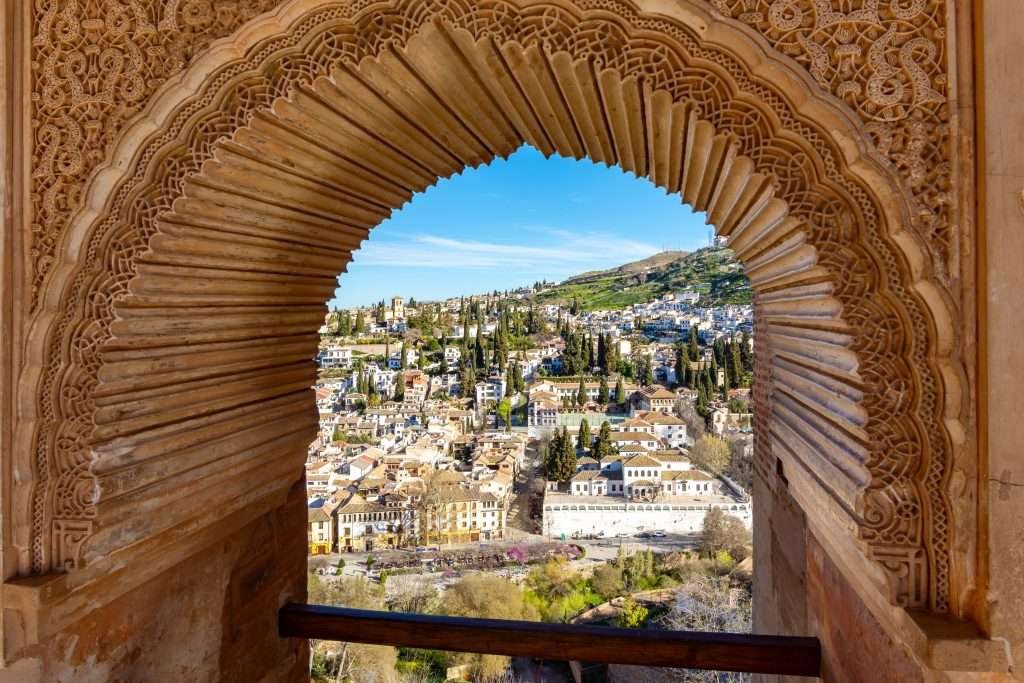
12. Get Lost in the Albaicín The ancient Arab quarter is a blindingly white labyrinth of impossibly narrow, winding alleys designed specifically to confuse invading armies. The streets are paved with jagged river stones. There are no major “sights” to tick off here; the activity is simply walking downhill, peeking into open wooden doors to see spectacular hidden courtyard gardens (cármenes), and smelling the jasmine hanging over the walls.
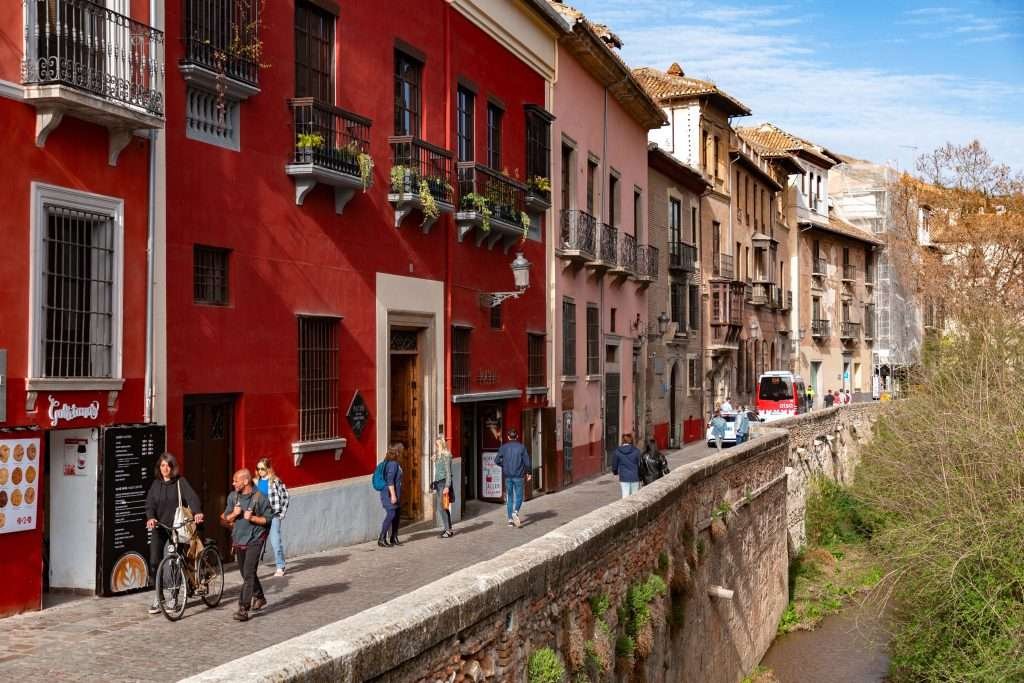
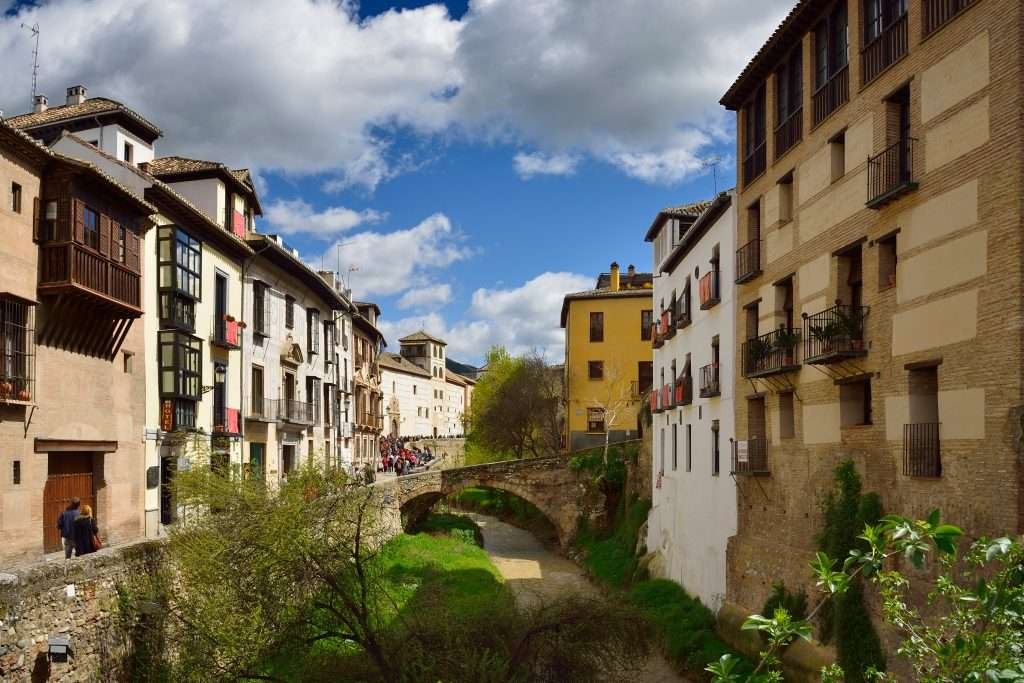
13. Walk the Carrera del Darro This narrow, cobblestone street winds alongside the Darro River at the absolute bottom of the gorge, separating the Alhambra hill from the Albaicín hill. It is lined with 16th-century stone bridges and ancient, crumbling aristocratic palaces. It is deeply romantic, though you will occasionally have to flatten yourself against a wall to let a red minibus squeeze past.
14. Hang Out at the Paseo de los Tristes If you follow the Carrera del Darro to its end, it opens up into a wide, lively plaza officially named the Paseo del Padre Manjón, but known universally as the Paseo de los Tristes (The Promenade of the Sad), because funeral processions used to pass through here on the way to the cemetery. Today, it is lined with outdoor bar terraces looking straight up at the Alhambra. The Warning: The view is spectacular, but the restaurants here are overpriced tourist traps. Have one drink for the view, then leave to eat elsewhere.
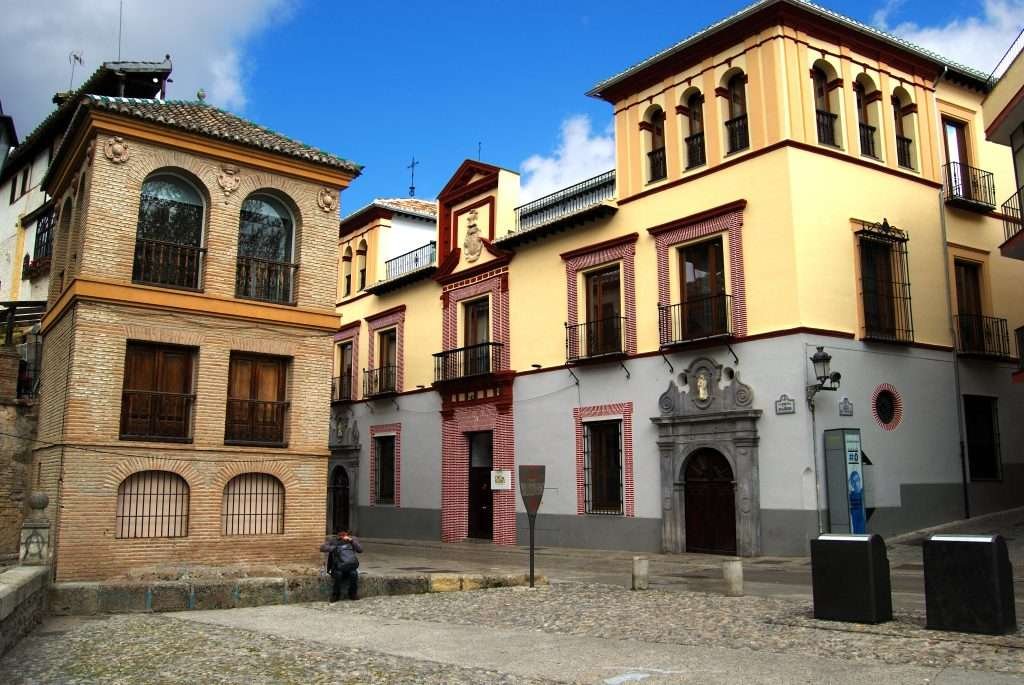
15. Spot Street Art in Realejo Realejo was the ancient Jewish quarter of the city. Today, it is the bohemian, hipster, university heart of Granada. The stark white walls of the historic center are replaced here with spectacular, massive street art murals. Spend an hour hunting down the intricate, sprawling works by local legend “El Niño de las Pinturas” (The Boy of the Paintings), whose art covers entire apartment blocks.
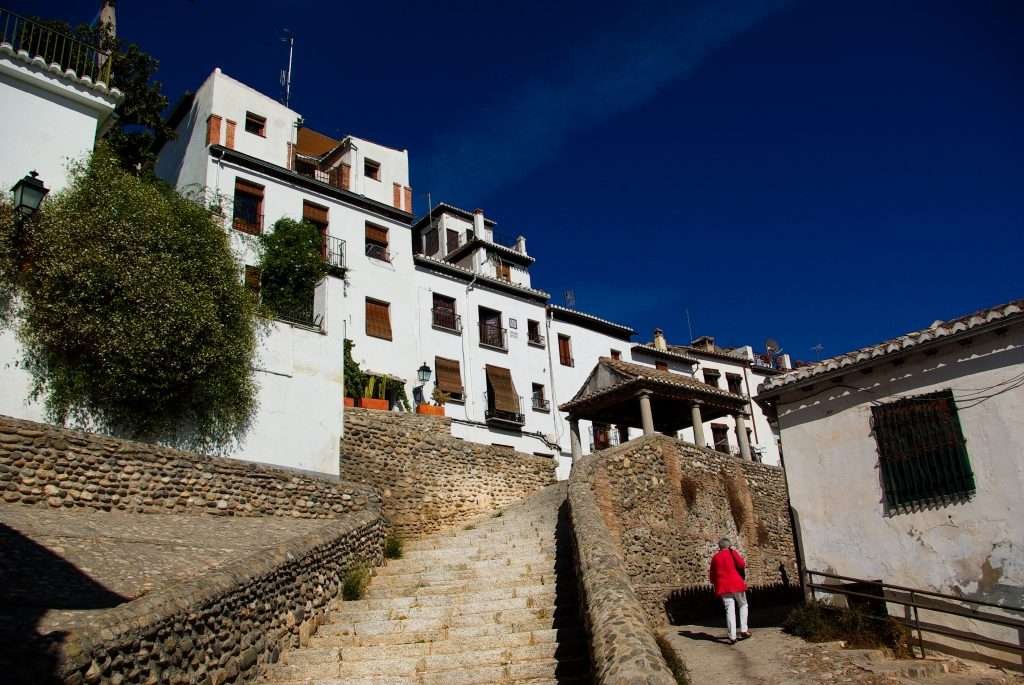
16. Drink Moroccan Mint Tea on Calle Calderería Nueva As you walk down from the Albaicín, turn onto this specific pedestrian street. The atmosphere shifts instantly from Europe to a North African souk. The street is packed with teterías (traditional Arab tea houses). Step out of the midday sun, sit on low velvet cushions, and order a pot of boiling hot Moroccan mint tea poured from a massive height, served alongside heavy, honey-soaked baklava.
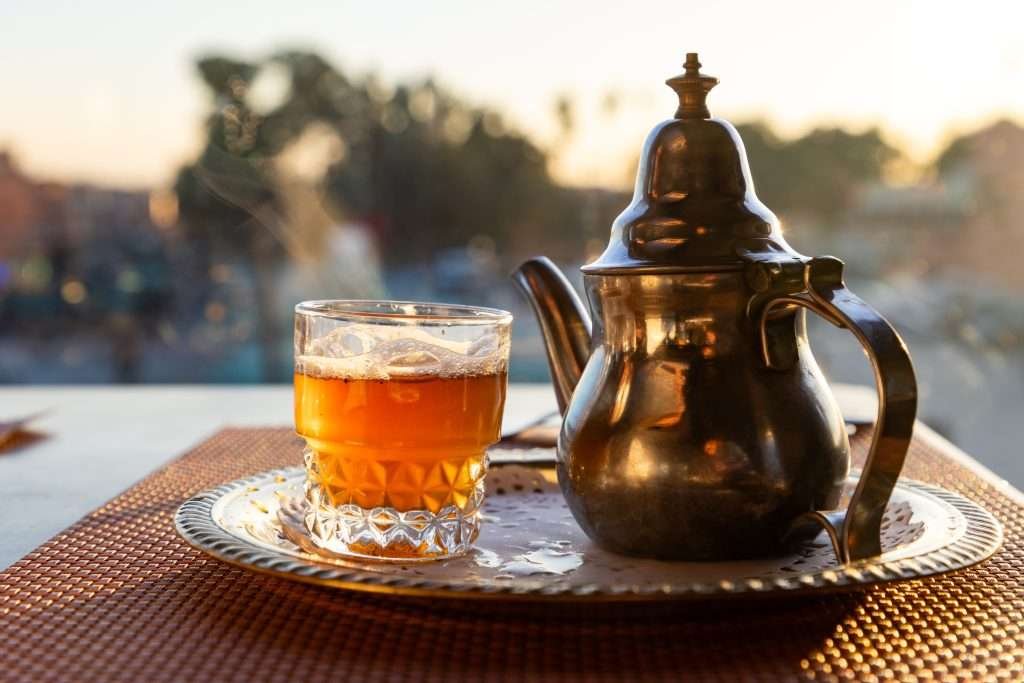
17. Navigate the Alcaicería Historically, this was the grand, sprawling, highly regulated silk market of the Moorish city. It tragically burned down in the 19th century and was rebuilt on a much smaller scale. Today, it is a narrow, maze-like grid of alleys packed with vendors selling Fajalauza ceramics, colorful glass lamps, and spices. Yes, it is 100% aimed at tourists today, but it is highly photogenic.

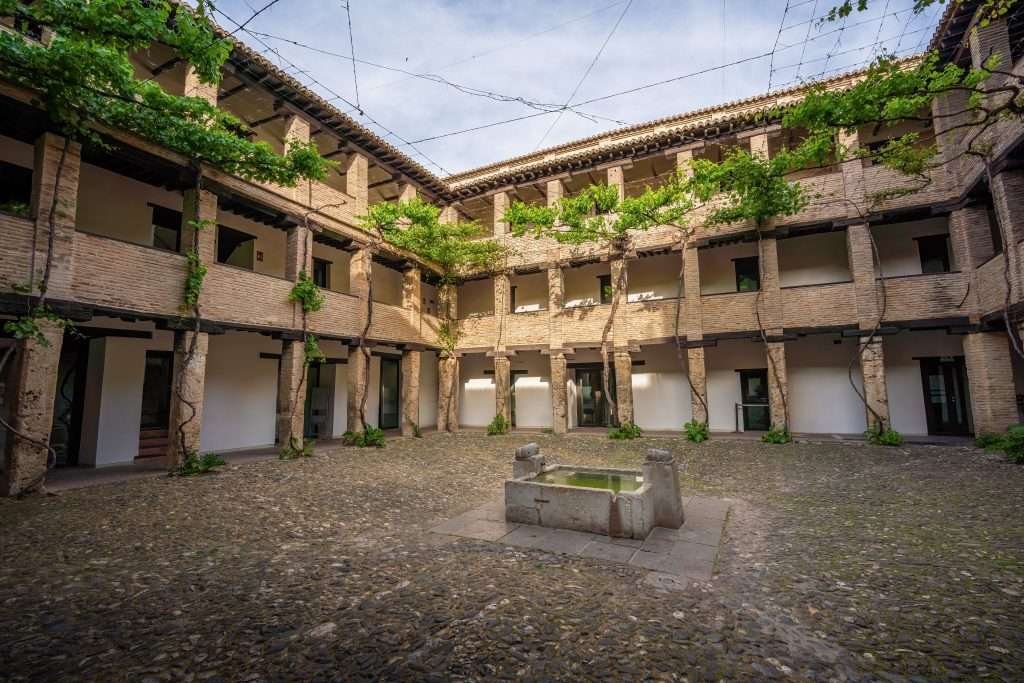
18. Step Inside the Corral del Carbón Just south of the Alcaicería, look for a massive, beautifully carved horseshoe arch. This is the Corral del Carbón. Built in the 14th century, it is the oldest monument left by the Moors in the entire city, functioning originally as a warehouse and inn for traveling merchants. Walking into the quiet, simple courtyard is free, and it provides a massive contrast to the noise of the modern shopping streets right outside.