
Where to stay in Seville depends on one thing maps don’t communicate: most of the historic center was built for donkeys, not taxis.
The streets in Barrio Santa Cruz – directly next to the Cathedral and Alcázar – are too narrow for cars. They were designed in the Moorish era for foot traffic and handcarts. A taxi will drop you at the nearest accessible plaza, which may be 400 metres from your hotel door. You will then drag your luggage over jagged cobblestones in the heat. In July or August that heat is 40°C.
This is not a reason to avoid the historic center. It is a reason to match your neighborhood to your luggage size, fitness level, and tolerance for noise before you click confirm. The five neighborhoods below cover every type of traveler and every budget. Read the trade-offs before you book.
For the full picture of how the city works – the heat, the siesta, the dining schedule, the ticketing systems – read our first time in Seville guide before choosing a base.
Quick Neighborhood Reference
- Barrio Santa Cruz – next to the monuments, no taxi access, cobblestones, best atmosphere
- El Arenal – central, flat, accessible, upscale, no trade-offs
- Triana – across the river, most authentic, 20-minute walk to monuments
- Alameda and Macarena – bohemian, good restaurants, loud at night, long walk to monuments
- Alfalfa and Centro – commercial, convenient, flat, less atmospheric
1. Barrio Santa Cruz
Santa Cruz is the ancient Jewish quarter directly adjacent to the Alcázar and Cathedral. The streets are narrow – sometimes narrow enough to touch both walls with your arms out. Buildings are whitewashed. Hidden plazas appear unexpectedly between the alleyways. It looks like the Spain of postcards because it is.
The reality of staying here
Taxis cannot reach most hotels in Santa Cruz. You will be dropped at Plaza de los Venerables or the Jardines de Murillo and walk the rest. If you are traveling with a large rolling suitcase, the cobblestones will make this unpleasant. Arrive with a backpack or a small case and it becomes irrelevant.
During the day the neighborhood fills with tour groups and the alleyways feel congested from around 10:00 AM. At 8:00 AM and after 9:00 PM it is a completely different place.
The practical upside: you can walk to the Alcázar in three minutes. For a short trip focused on the main monuments, the location justifies the friction.
Who should stay here: First-timers who prioritize atmosphere, couples, photographers. Pack light.
Who should avoid it: Travelers with mobility issues, families with large strollers, anyone who needs taxi access to the hotel door.
Hotels:
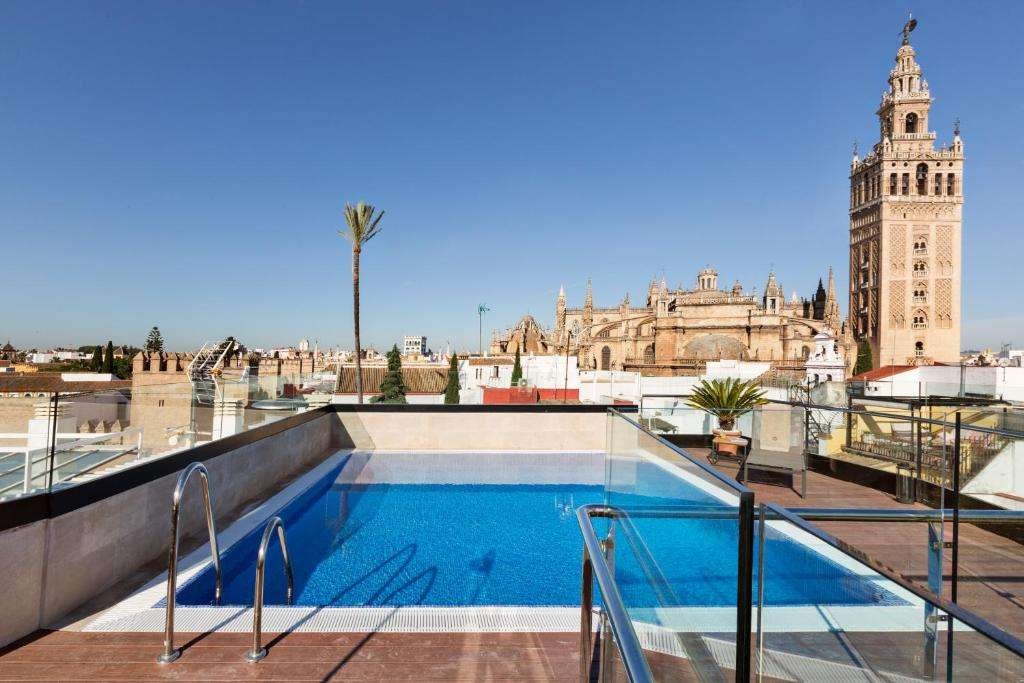
- Luxury – Hotel Casa 1800 Sevilla: A restored 19th-century mansion steps from the Cathedral. Central courtyard, rooftop pool with a direct view of the Giralda. One of the best rooftop positions in Seville.

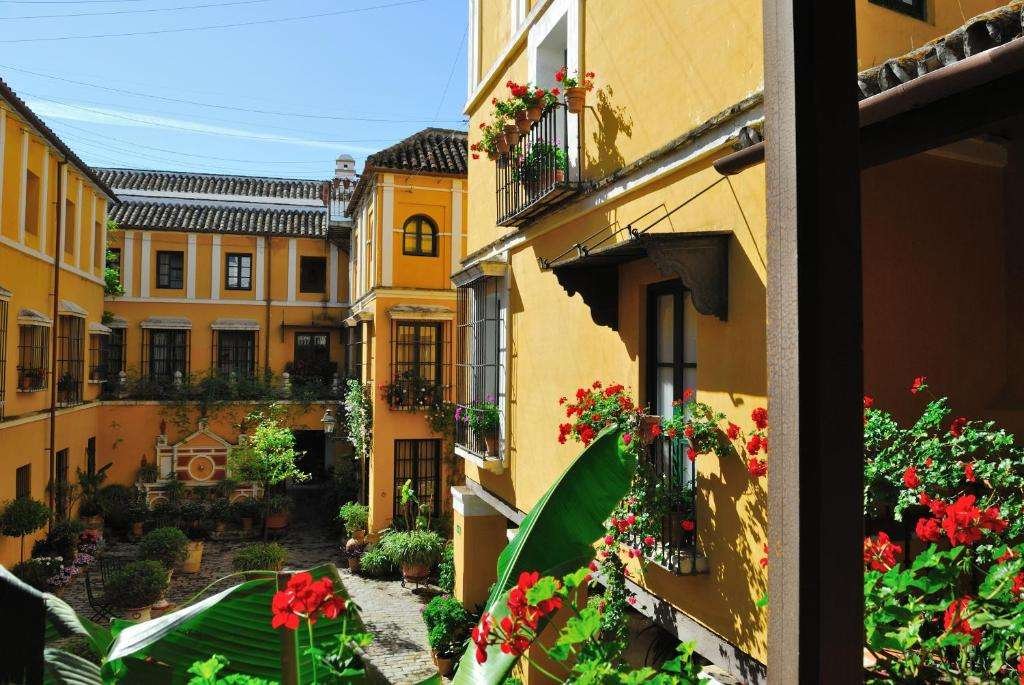
- Mid-range – Las Casas de la Judería: 27 traditional aristocratic houses connected by underground tunnels and internal courtyards. Unusual layout, genuinely interesting to navigate. Book well in advance.
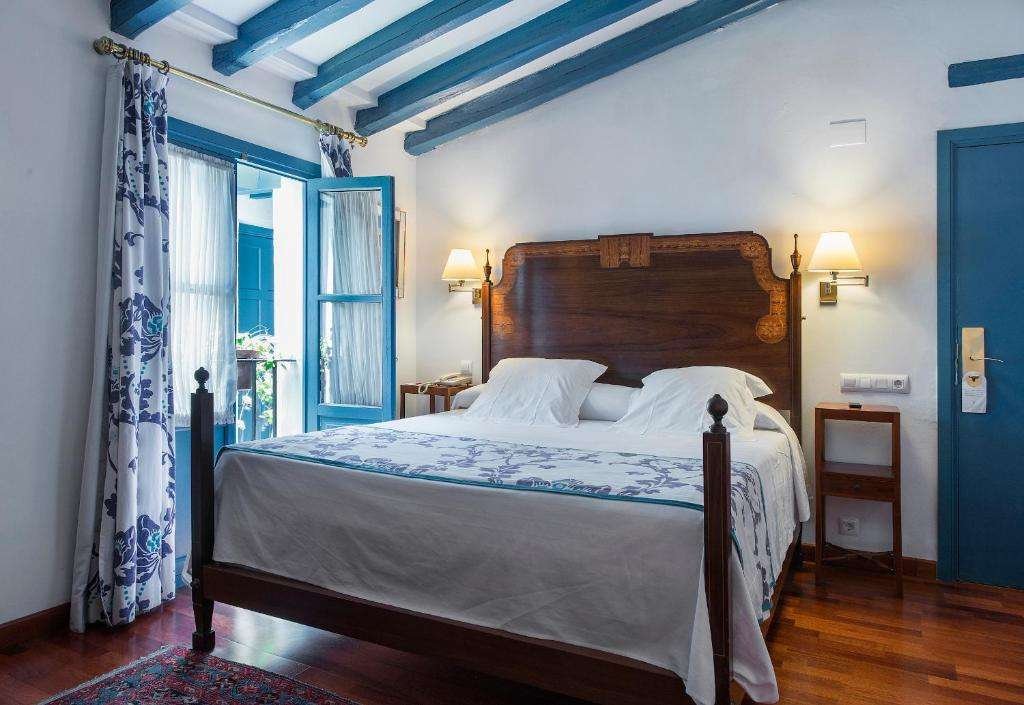
- Budget – Hostel One Catedral: Clean, social, close to the Cathedral. Private rooms and dorms. Reliable option for backpackers who want to be central.


2. El Arenal
El Arenal sits directly west of the Cathedral, between the monumental core and the Guadalquivir River. Historically this was the port district – during Spain’s Golden Age, galleons returning from the Americas unloaded silver and gold at the Torre del Oro on this riverbank. Today it is the most logistically straightforward neighborhood in the city: central, flat, taxi-accessible, and quiet enough to sleep in.
The reality of staying here
Wide, smooth streets that taxis can navigate without issue. Five minutes on foot to the Cathedral and Alcázar. The Plaza de Toros and the Torre del Oro are both in this neighborhood. Higher concentration of upscale restaurants than Santa Cruz, including Bodeguita Romero where you should eat on your last night – covered in detail in the 3 days in Seville itinerary.
The trade-off: less atmospheric than Santa Cruz. You are in a neighborhood rather than a medieval labyrinth, which depending on your preferences is either a feature or a drawback.
Who should stay here: Families, luxury travelers, anyone with heavy luggage, travelers who want central access without the logistical friction of Santa Cruz.
Who should avoid it: Budget backpackers – the restaurants and hotels here are priced for a higher-spending traveler.
Hotels:
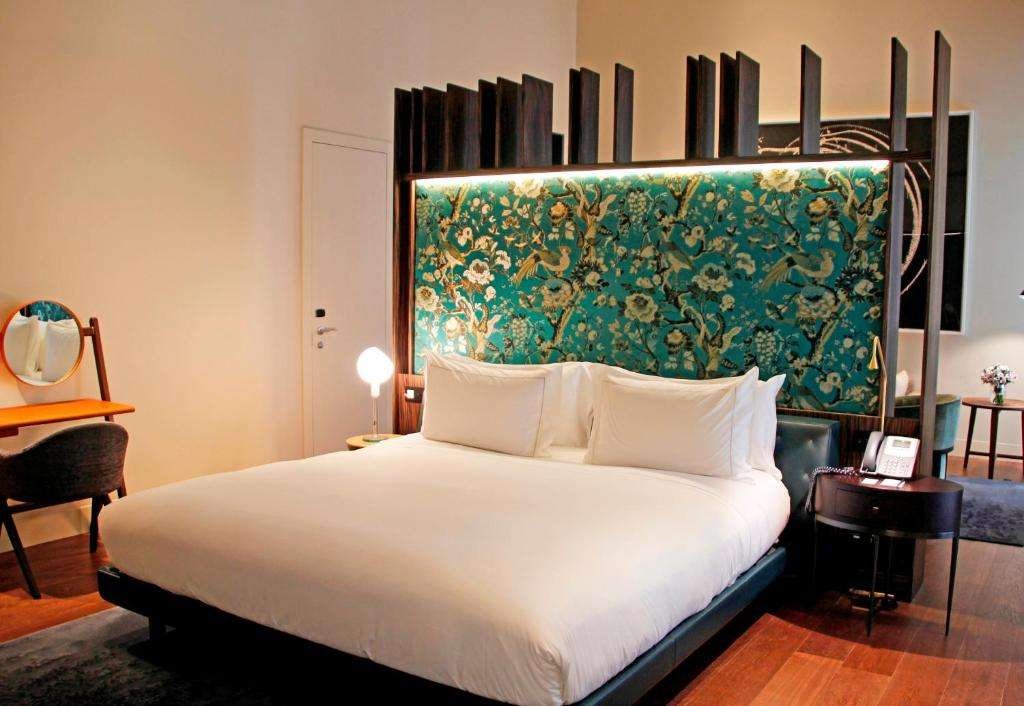
- Ultra-luxury – Hotel Mercer Sevilla: 12 rooms inside a 19th-century palace. Small enough to feel personal, well-staffed, rooftop pool and terrace. For this category of hotel it offers good value relative to comparable options in Madrid or Barcelona.
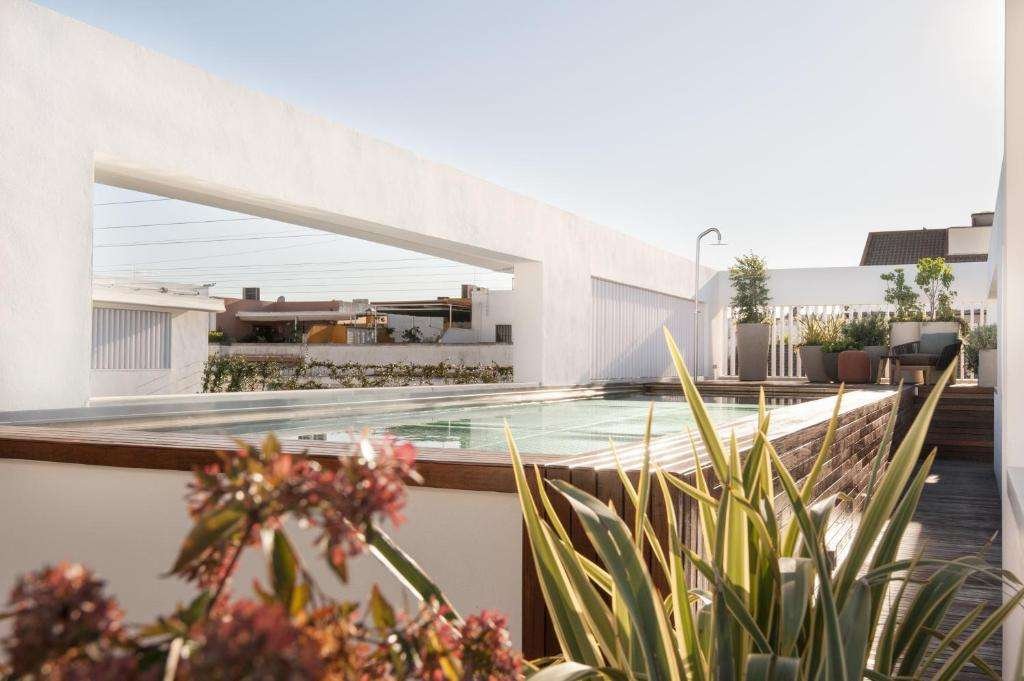
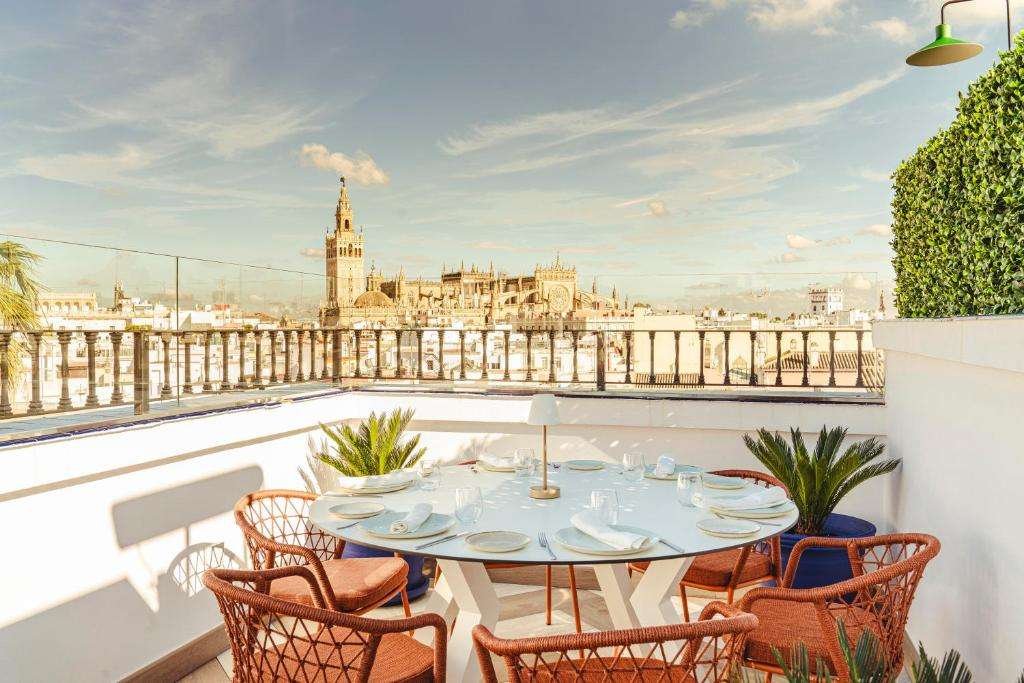
- Luxury – Vincci La Rábida: Traditional Andalusian palace design around a quiet interior courtyard. Rooftop restaurant with unobstructed Cathedral views. Good choice if you want a quieter luxury option than the Mercer.
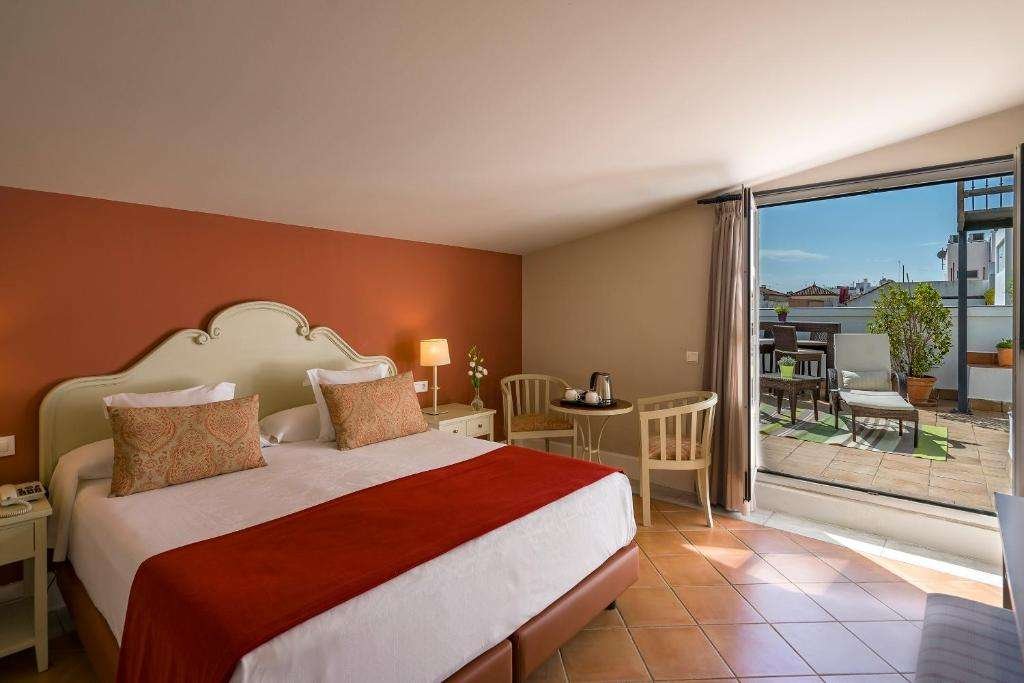
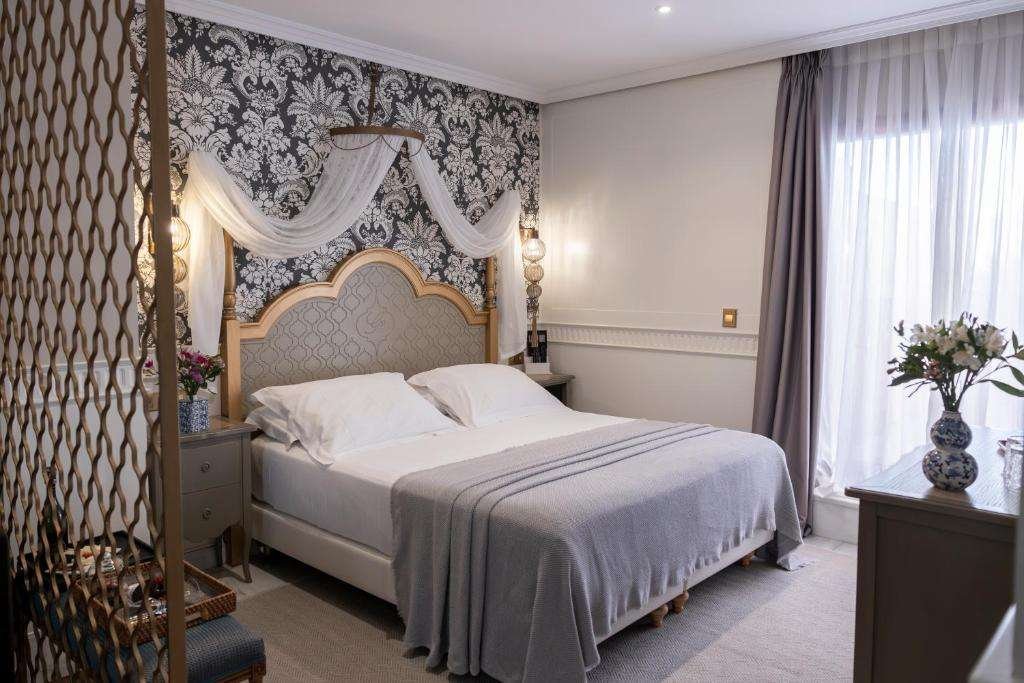
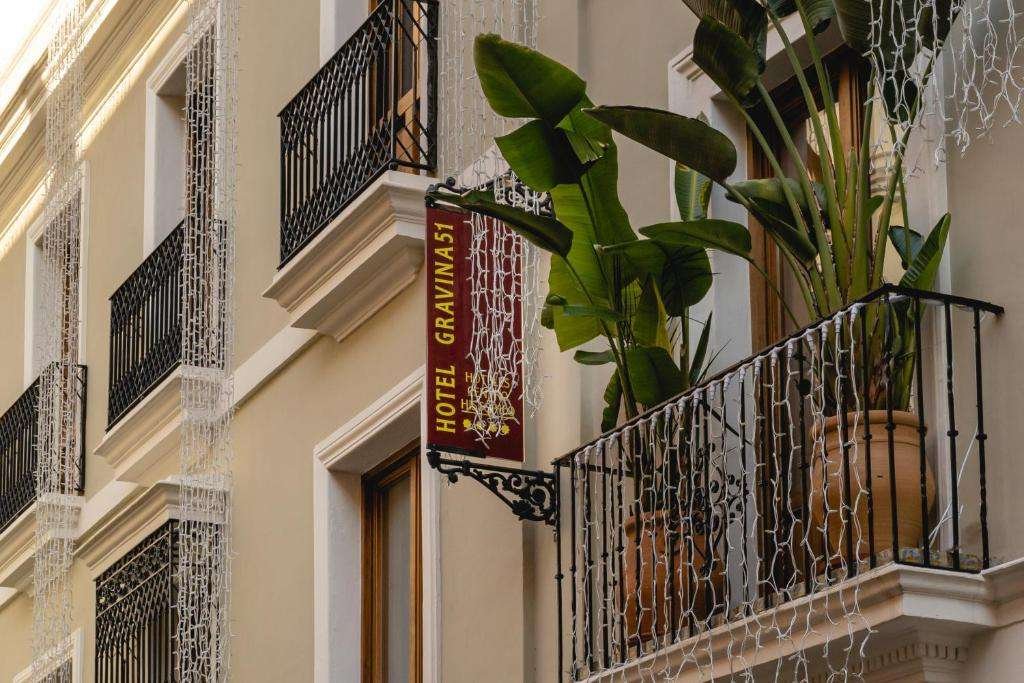
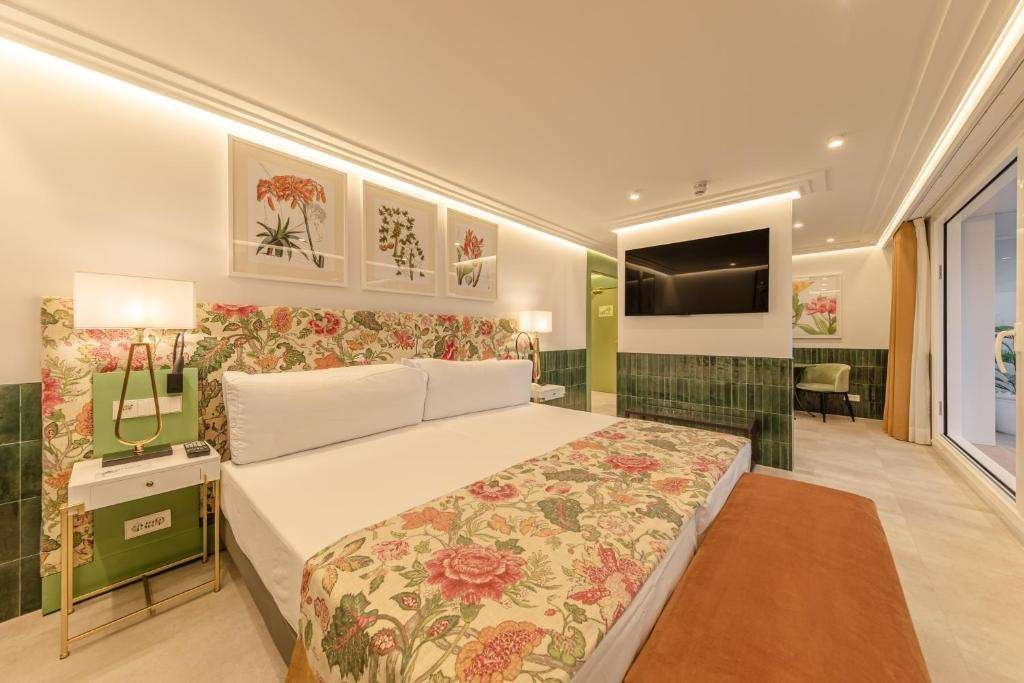
- Mid-range – Hotel Gravina 51: Boutique hotel with soundproofed rooms – useful in a city where stone walls echo. Well-decorated, good service, consistently reliable reviews.
3. Triana
Cross the Puente de Isabel II and the city changes immediately. Triana was historically the neighborhood of sailors, ceramic makers, and the Roma communities who developed flamenco. Many older residents still refer to crossing the bridge to the main city as “going to Seville” – which tells you everything about how the neighborhood sees itself.
The reality of staying here
Triana is less polished and more local than anything in the monumental core. The Mercado de Triana is a working neighborhood market – butchers, fishmongers, daily produce – not a tourist attraction. The ceramics workshops on Calle Alfarería are still functioning. The tapas bars on Calle Betis, the riverfront street, serve the neighborhood rather than visitors.
The practical trade-off: 20-30 minutes on foot to the Cathedral and Alcázar. In summer heat, that walk is significant and adds up across multiple days. This neighborhood makes more sense for longer stays, returning visitors, or travelers whose priority is eating and drinking well rather than monument coverage.
If you are planning to see real flamenco – covered in the 25 best things to do in Seville guide – Triana is the logical base. The neighborhood produced the art form and still has the most authentic venues.
Who should stay here: Returning visitors, anyone whose trip is focused on food and local culture, travelers who have already done the main monuments on a previous trip.
Who should avoid it: First-timers on a 48-72 hour schedule where every hour counts. The walk to the monuments in summer heat is a real cost.
Hotels:
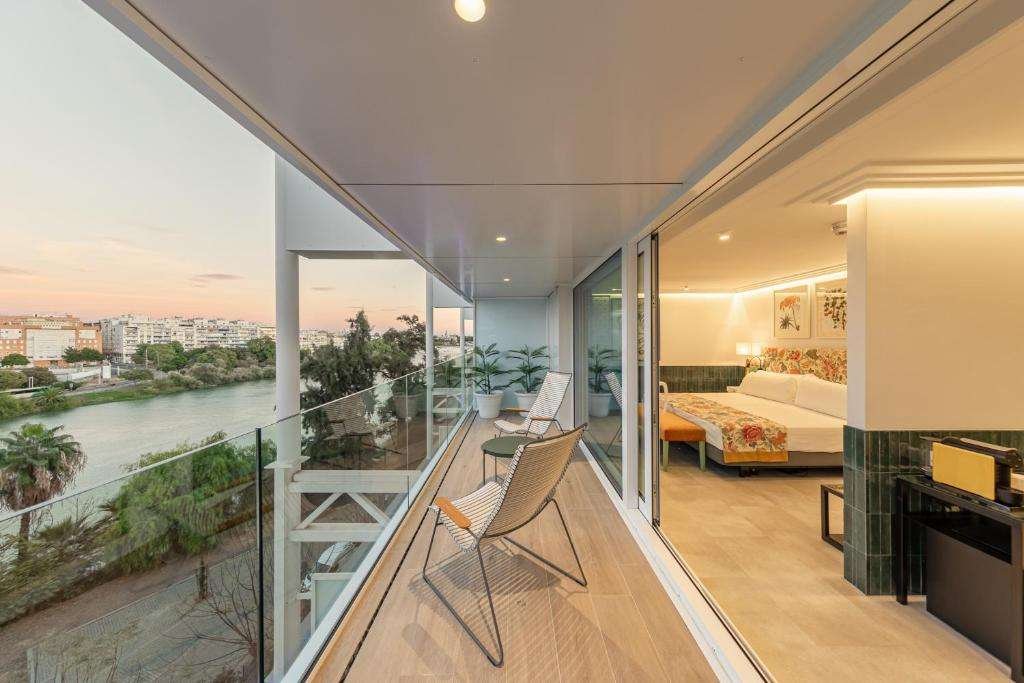
- Luxury – Ribera de Triana Hotel: On the riverbank with views back across the water to the historic center. Rooftop pool, Turkish bath, direct views of the Giralda from the upper floors.
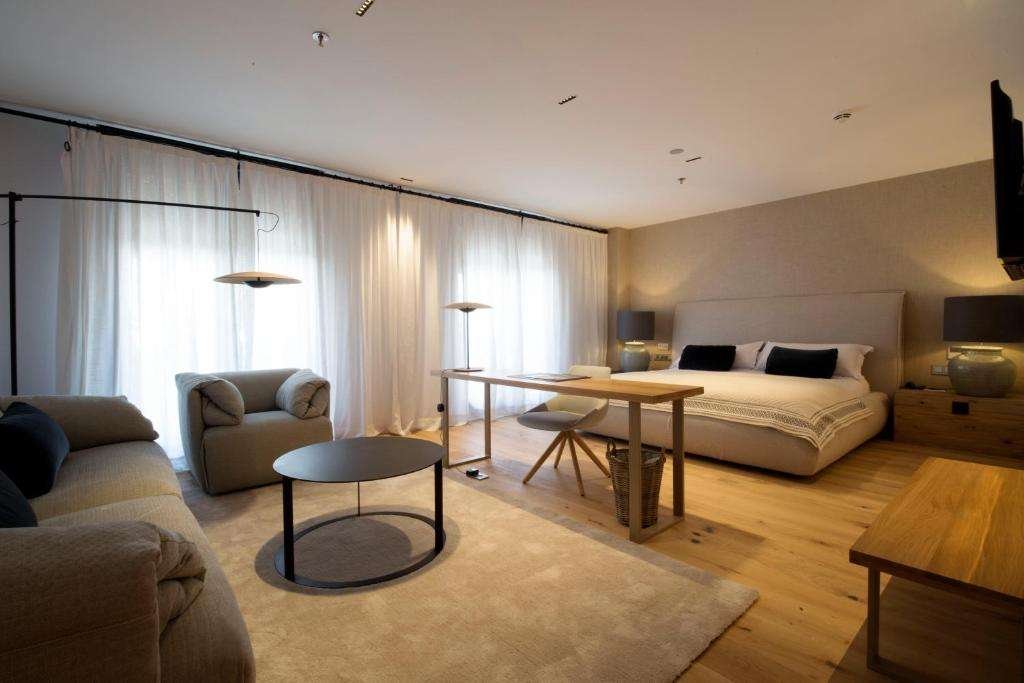
- Mid-range – Zenit Sevilla: Large, modern 4-star hotel near the ceramic district. Reliable air conditioning, rooftop terrace, good value for the location. Less character than a boutique option but consistently comfortable.

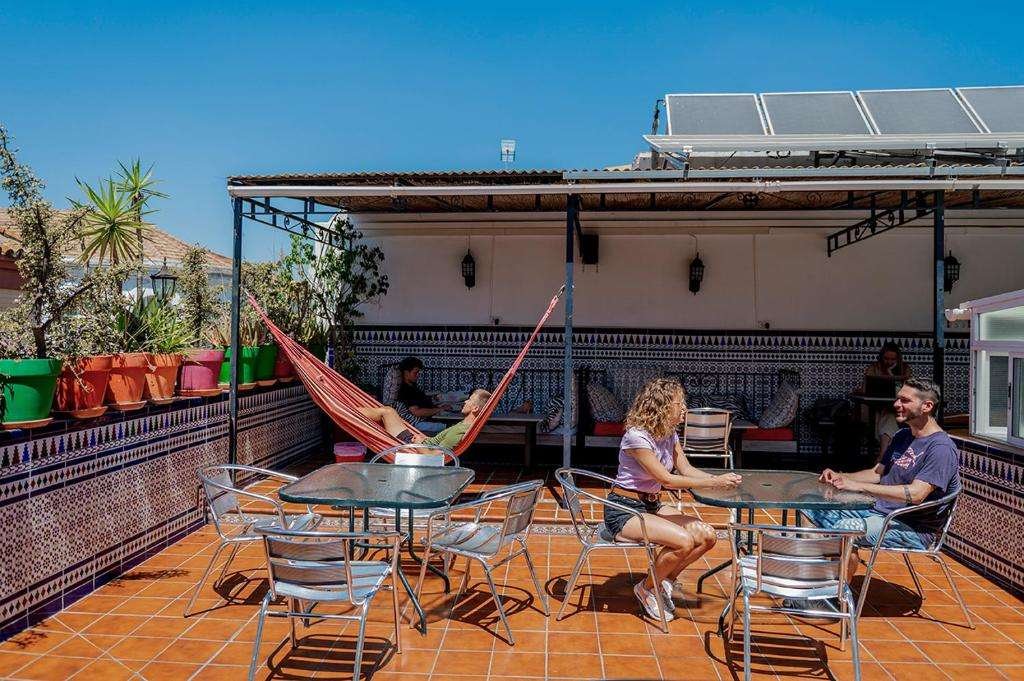
- Budget – Triana Backpackers: Set inside a traditional Sevillian house with a relaxed atmosphere. Good for younger travelers who want proximity to the late-night bars along the river.

4. Alameda de Hércules and Macarena
Walk 25 minutes north from the Cathedral and the horse-drawn carriages disappear. The Alameda de Hércules is a long tree-lined boulevard – originally drained swampland, converted in the 16th century into what is claimed to be the oldest public garden in Europe, marked at one end by two ancient Roman columns. Today it is the most genuinely local evening destination in Seville: outdoor terraces, modern tapas bars, younger crowd, prices that reflect a neighborhood not primarily designed for tourists.
The reality of staying here
The Alameda is loud. Outdoor terraces stay busy until well past midnight and the sound carries in the open plaza. If you are a light sleeper or traveling with children who need early nights, this neighborhood will be a problem. Request a back-facing room if you book here.
The food and drink is genuinely better value than the monumental core. Eslava on the Alameda is one of the best tapas restaurants in the city. The craft beer bars on the side streets are what the bars near the Cathedral are pretending to be.
The Macarena district to the north is quieter and more residential. The Basilica de la Macarena houses the city’s most revered religious statue, carried through the streets during Semana Santa. The old Moorish city walls run through this area – one of the few sections still standing.
Who should stay here: Night owls, solo travelers, anyone who wants to experience Seville as a living city rather than a heritage site. Good for longer stays.
Who should avoid it: Light sleepers, early risers, travelers whose priorities are concentrated around the main monuments.
Hotels:
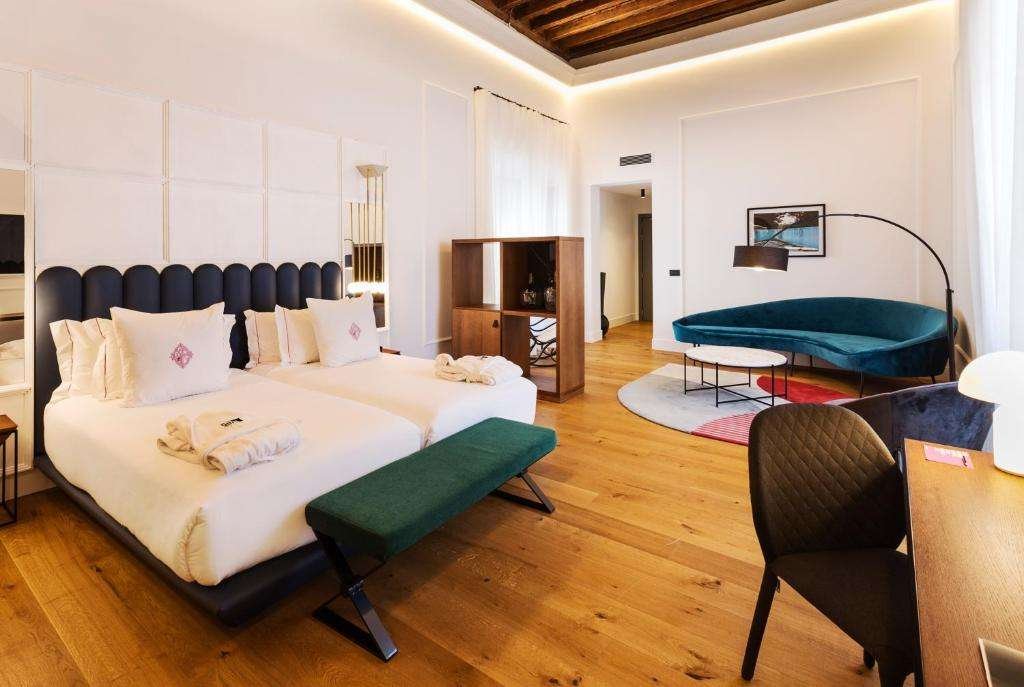
- Luxury/boutique – One Shot Palacio Conde de Torrejón 09: An 18th-century Baroque palace converted into a design hotel. Rooftop pool, strong architecture, close enough to the Alameda to be convenient without facing the plaza directly.

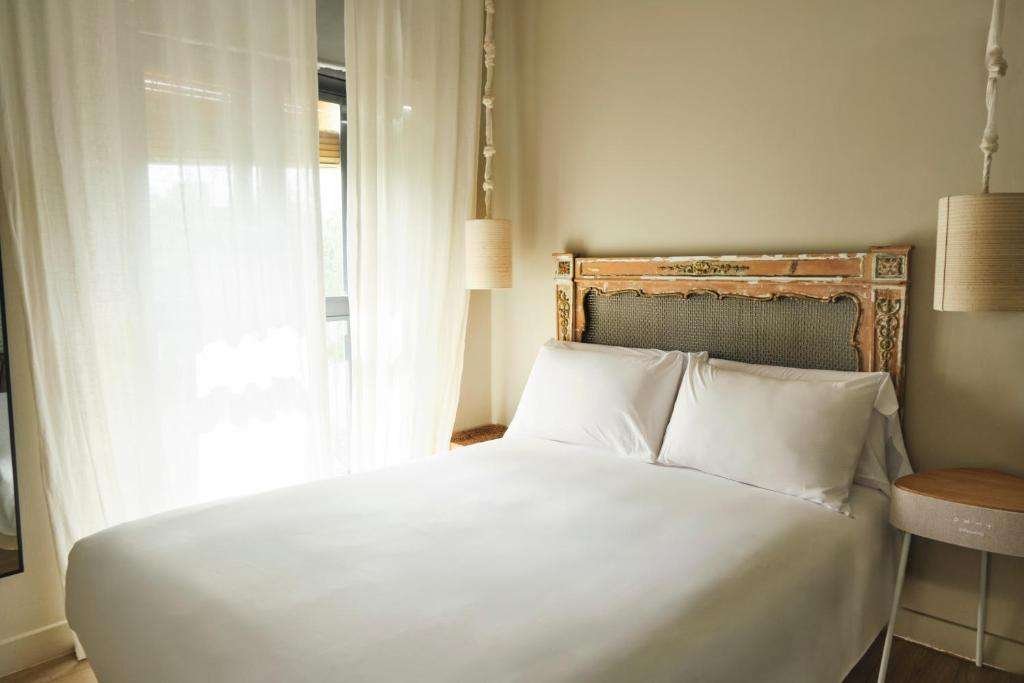
- Mid-range – H10 Corregidor Boutique Hotel: Built around a traditional Andalusian courtyard. Quieter than the immediate plaza despite the location. Good choice if you want the neighborhood without the worst of the noise.


- Budget/boutique – The Corner House: Modern guesthouse directly on the Alameda with a rooftop bar. Ask specifically for a back-facing room. Good value if you can sleep through street noise or plan to be out until the bars close anyway.

5. Alfalfa and Centro
The Centro sits directly north of the Cathedral and functions as the commercial core of modern Seville. Pedestrian shopping streets – Calle Sierpes and Calle Tetuán – are shaded in summer by white canvas awnings strung between the rooftops, which makes them significantly more walkable than the unshaded plazas.
The eastern edge of the area is anchored by Plaza de la Encarnación and the Metropol Parasol (Las Setas). Supermarkets, pharmacies, the MetroCentro tram stop, and taxi ranks are all immediately accessible.
The reality of staying here
The Centro lacks the atmospheric quality of Santa Cruz and the local character of Triana and the Alameda. It is a practical neighborhood – easy to navigate, good transport links, flat, central. If you are a business traveler, if you are splitting a Seville stay between several Spanish cities and want frictionless logistics, or if you are traveling with elderly companions for whom the cobblestones of Santa Cruz would be a problem, the Centro makes sense.
Who should stay here: Practical travelers, shoppers, those who want easy access to both the monumental south and the nightlife north without committing to either.
Who should avoid it: Anyone whose primary reason for coming to Seville is the historic atmosphere.
Hotels:
- Ultra-luxury – Hotel Alfonso XIII: The most famous hotel in Seville, commissioned by the King of Spain for the 1929 Exposition. Moorish detailing throughout, the favored choice for official state visits. If budget is not a constraint, this is the address.


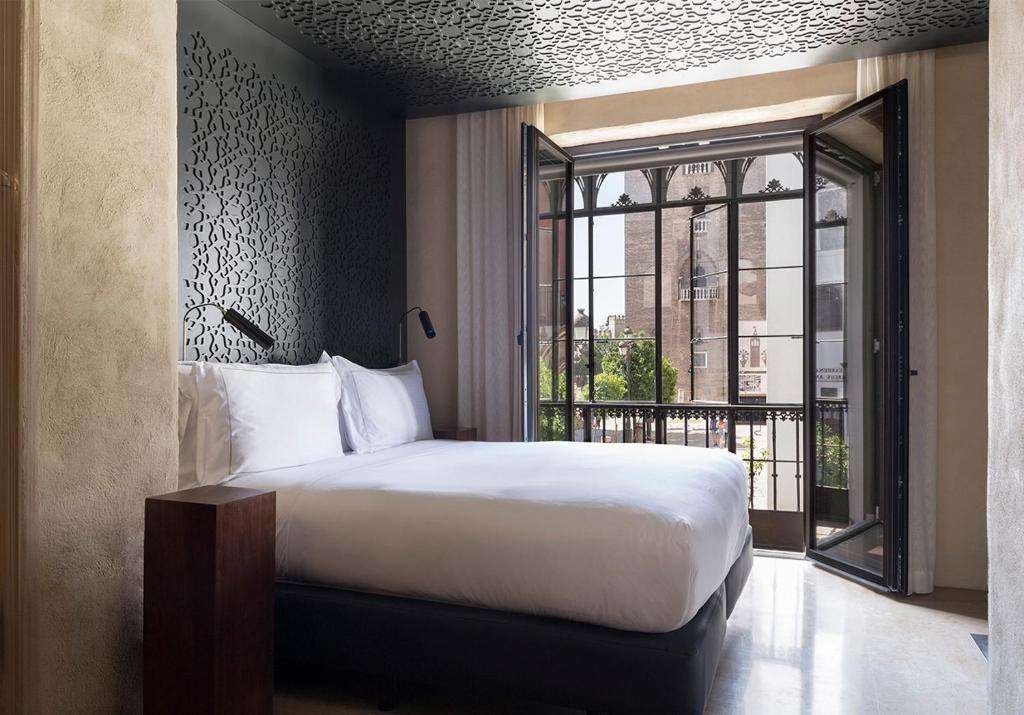
- Luxury – EME Catedral Mercer Hotel: On the border of Centro and Santa Cruz. Minimalist modern rooms, rooftop bar positioned close enough to the Cathedral to feel architectural. Strong choice if you want modern design with monument proximity.
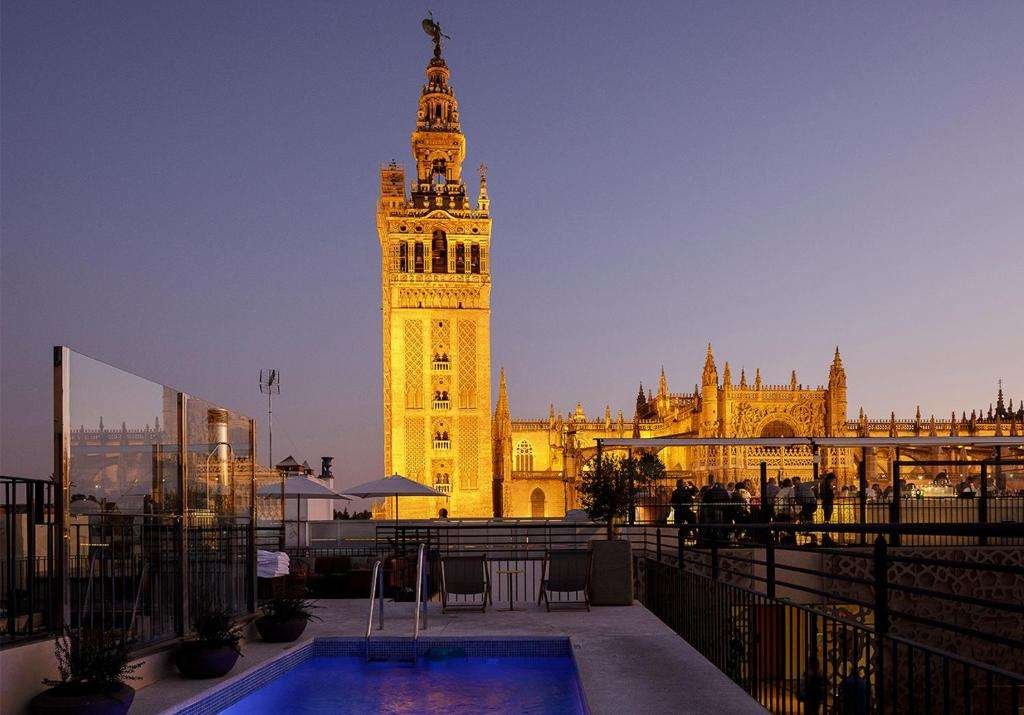
- Mid-range – Hotel Fernando III: Classic 4-star in Alfalfa. Spacious rooms, decent breakfast buffet, rooftop pool. Reliable without being memorable – which for a mid-range option in a city this hot is a reasonable endorsement.


Three Rules Before You Book
1. Confirm the air conditioning
Between May and September, AC in the bedroom is a health requirement not an amenity. If you are booking an apartment or Airbnb, message the host explicitly to confirm AC units exist in the bedrooms and are functional. “There is AC in the property” can mean a single unit in the living room.
2. Prioritize a rooftop pool if the budget allows
The city shuts down from 2:00 PM to 6:00 PM. You will have nothing to do but hide from the heat. A rooftop pool with a cold drink is not a luxury in Seville in summer – it is the most efficient use of the siesta hours.
3. Look for a Casa Palacio
Hotels described as a Casa Palacio are traditional aristocratic mansions built around a central open-air courtyard (patio). The Moorish design draws hot air upward and out of the building, keeping the interior naturally cooler than a standard hotel room. They also tend to be quieter and more characterful. Worth prioritizing if this type of property exists in your price range.
Is it safe to stay near Santa Justa train station?
Safe but characterless. The area is a modern transit hub with nothing to recommend it beyond convenience. If you arrive late and leave early, it works. Otherwise take a taxi to the historic center.
Can I drive to my hotel in the historic center?
No. The center is a maze of one-way streets, pedestrian zones, and automated camera systems that issue fines for unauthorized entry. Drop any rental car at the station before checking in, or book a hotel on the modern outskirts with underground parking.
Where is the quietest area to sleep?
El Arenal and the residential northern edges of Macarena. Avoid the Alameda de Hércules, the streets immediately around Las Setas, and the main thoroughfares in Triana if noise is a concern.
How far in advance should I book?
For Semana Santa (Holy Week) and Feria de Abril (April Fair), six to eight months minimum. Hotel prices during these two weeks are three to four times the normal rate and properties sell out entirely. For any other period in spring or early autumn, two to three months is sufficient.
Are Airbnbs a good option?
There are good apartments available, but Seville’s historic center has a housing crisis driven partly by short-term rental proliferation. A licensed local boutique hotel or Casa Palacio guarantees 24-hour reception, reliable AC, luggage storage, and local knowledge – practical advantages that matter in a city this logistically demanding.
Planning the full itinerary? The 3 days in Seville guide maps the exact routing day by day. For a broader overview of what to see, the 25 best things to do in Seville covers the monuments, neighborhoods, food, and flamenco in full.