
First time in Seville? Most people arrive with the same mental image of Spain: polka-dot dresses, flamenco, white alleyways, Gothic cathedrals. Andalusia in concentrated form.
The honest version is more complicated. Seville is genuinely one of the best cities in Spain – and also one of the most unforgiving for tourists who arrive without a plan. The heat is serious. The cultural schedule is rigid. The ticketing systems for the main monuments are aggressive. Show up unprepared and you spend your trip sweating in queues, eating mediocre food in tourist traps, and missing the parts that actually make the city worth visiting.
This guide covers everything you need to know before your first time in Seville.
Chapter 1: The Heat and the Andalusian Clock
Two things dictate everything you do in Seville: the temperature and the schedule.
The heat
Seville sits inland from the coast with no ocean breeze. In July and August, daytime temperatures routinely exceed 40°C (104°F). Being outside between 2:00 PM and 7:00 PM in summer is not just uncomfortable – it is a health risk. Plan your sightseeing around this. If you have flexibility on travel dates, April, May, or October are significantly more manageable. The city is still warm, the orange blossoms are out in spring, and the crowds are thinner.
The siesta
From roughly 2:00 PM to 5:30 PM, the city shuts down. Small shops lock their doors. Churches close. The streets empty. This is not a stereotype – it is a direct response to the heat. Your schedule should mirror it: heavy sightseeing before 1:00 PM, long lunch, air conditioning in the afternoon, back out when the sun drops.
The dining clock
Locals do not eat dinner until 9:30 PM or 10:00 PM. If you arrive at a traditional tapas bar at 7:00 PM the grates will be down. The streets peak in noise and energy around midnight. Adjust immediately or you will be eating alone in the tourist restaurants that stay open all day specifically for visitors who haven’t figured this out yet.
Chapter 2: The Main Monuments – Ticketing Strategy
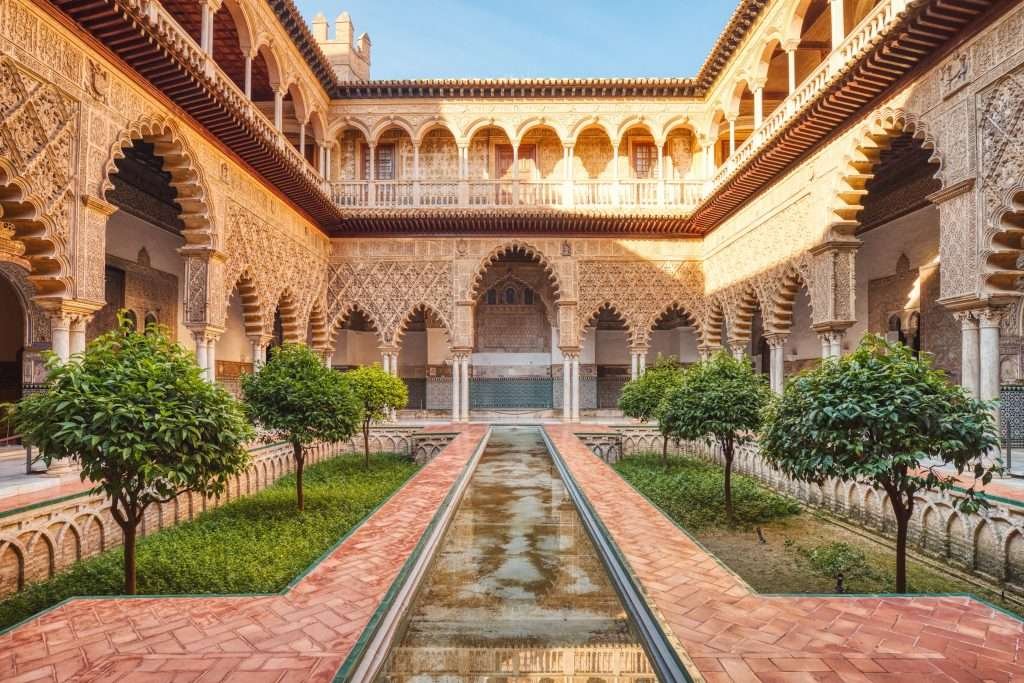
The Real Alcázar
The most spectacular royal palace in Spain outside the Alhambra in Granada. A sprawling complex of Mudéjar architecture, intricate tilework, and walled gardens with roaming peacocks. It was used as a filming location for Dorne in Game of Thrones if you need a visual reference.
- Book months in advance. Standby tickets, if available at all, mean queuing for blocks in direct sun.
- Bring your physical passport. Your ticket is linked to your identity. A photocopy will get you turned away at the gate – same rule as the Alhambra in Granada.
- Book the first slot of the morning. It gets crowded and hot by midday.
The Cathedral and the Giralda
The Catedral de Santa María is the largest Gothic cathedral on the planet. The interior houses a massive golden altarpiece and the tomb of Christopher Columbus. Attached to it is the Giralda bell tower – originally the minaret of the mosque that stood here before the Catholic reconquest.
One practical detail about the Giralda: there are no stairs. You climb 35 continuous slanted ramps, originally designed so the sultan could ride a horse to the top to call the city to prayer. Budget 30-40 minutes for the climb and the view.
Book online in advance to skip the lines in Plaza del Triunfo.

Plaza de España
Built for the 1929 Ibero-American Exposition. A massive semi-circular brick and tile complex with a moat, rowboats, and 48 tiled alcoves representing the provinces of Spain. Entry is free.
Come at 8:00 AM for photos without crowds, or at 8:00 PM for the sunset light on the brickwork. At 2:00 PM it is an unshaded brick oven with no escape.

Chapter 3: Where to Stay
Barrio Santa Cruz
The ancient Jewish quarter directly next to the Cathedral and Alcázar. Narrow white alleyways, tiny plazas, orange trees. The most photographed part of the city.
The reality: it is the tourist center. It is loud. Taxis cannot fit down the streets so you drag luggage over cobblestones. Stay here if you want maximum atmosphere and pack light.
Triana
Cross the Isabel II Bridge over the Guadalquivir River. Historically a working-class neighborhood of sailors, ceramic makers, and flamenco dancers – and it still feels that way. Calle Betis along the riverfront has good views back across to the historic center.
The trade-off: 15-20 minute walk to the main monuments. Worth it for a less touristy base.
El Arenal
Between the Cathedral and the river, built around the Plaza de Toros. Central, flat, easier to navigate with luggage than Santa Cruz. More upscale restaurants. Good middle ground.
Macarena and Alameda de Hércules
North of the historic center. The Alameda is a long tree-lined boulevard with outdoor terraces, cheap tapas, and a younger local crowd. Good for late nights. About 30 minutes on foot from the Alcázar – a long walk in summer heat.
Chapter 4: The Tapas Crawl
If you have read the first time in Granada guide, forget the free tapas rule immediately. In Seville you pay for your tapas.
The menu structure at most traditional bars has three columns:
- Tapa: Small individual portion, €3-€5
- Media Ración: Half portion, good for two people, €7-€10
- Ración: Full plate for a group, €12-€18
How to do it properly: Don’t sit down and order a full ración at 8:00 PM. Walk into a crowded bar, stand at the counter, order a drink and one or two tapas per person, eat standing up, pay and move to the next bar. That’s the format.
What to order:
- Carrillada de Cerdo: Pork cheeks slow-braised in red wine or Pedro Ximénez sherry until they collapse. One of the best things you will eat in Andalusia.
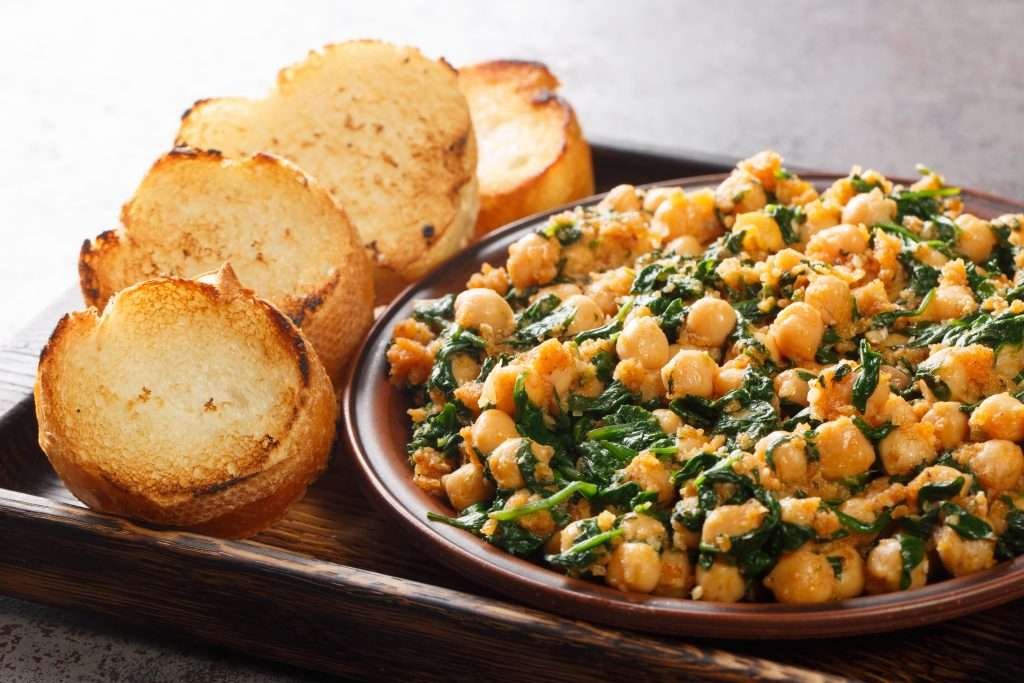
- Espinacas con Garbanzos: Spinach and chickpeas with cumin and garlic, served with fried bread. Moorish in origin and still one of the most ordered tapas in the city.
- Cazón en Adobo: Small chunks of dogfish marinated in vinegar, cumin, and oregano, then fried. Cheap, crispy, very Sevillian.
- Montadito de Pringá: A small toasted sandwich filled with the fatty leftover meats from an Andalusian stew – pork, chorizo, blood sausage. Order at least two.
- Salmorejo: Skip gazpacho. Salmorejo is thicker, richer, and more interesting – a cold tomato soup emulsified with olive oil and bread, topped with Iberian ham and hard-boiled egg. It originates from Córdoba but is on every menu here.


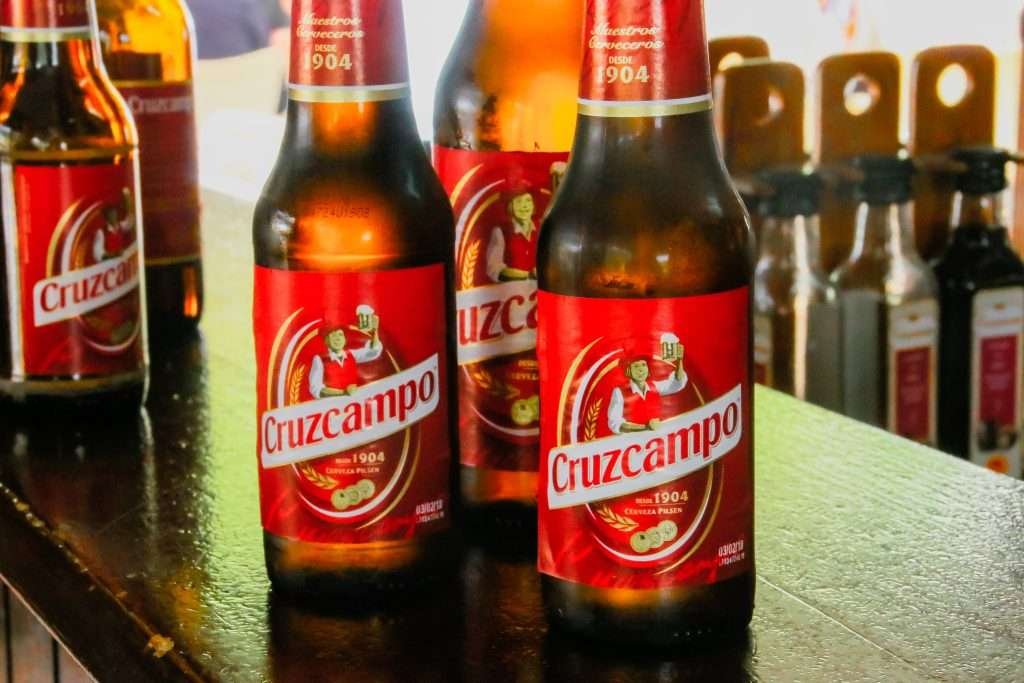
On the beer: Seville runs on Cruzcampo, the local lager. Served extremely cold. In summer heat it works better than anything else on the menu.
Chapter 5: Finding Real Flamenco
Flamenco comes from the Roma communities of Andalusia. Seville is its most important city. It has also been heavily commercialized, so knowing the difference matters.
Avoid: Any venue offering an €80 dinner show in a 200-person room with microphones and a synchronized routine. That is a performance for tourists, not flamenco.
Look for a Tablao: Smaller dedicated venues like Casa de la Memoria or Museo del Baile Flamenco. Intimate spaces, no food during the show, no microphones. You hear the raw footwork on the wooden boards and unamplified singing. Book in advance.
The best option – a Peña Flamenca: A local cultural club, mostly in Triana or Macarena. Unpolished, unpredictable, entirely genuine. Ask at your hotel or search locally – they are not heavily advertised to tourists, which is the point.
Chapter 6: Getting There and Getting Around
From the airport (SVQ)
Take the EA Bus (Especial Aeropuerto). Departs outside arrivals every 15-20 minutes, costs €4, takes about 35 minutes. Stops at Santa Justa train station, Prado San Sebastián near the Alcázar, and Plaza de Armas near the river. No reason to take a taxi from the airport.
Arriving by AVE train
Santa Justa station is clean and efficient. From there take a local bus, a taxi, or walk 20 minutes to the edge of the historic center.
Getting around the city
Do not rent a car. The historic center is a labyrinth of one-way streets, pedestrian zones, and automated cameras that will generate fines before you realize what happened.
Walk wherever possible. For longer distances the MetroCentro tram (T1) runs straight down the main avenue from San Bernardo to Plaza Nueva. The city also has a good dedicated bike lane network – flat terrain makes cycling along the riverfront a practical option.
Las Setas before you leave
Walk to Plaza de la Encarnación and look up at the Metropol Parasol – known locally as Las Setas (The Mushrooms). Completed in 2011, it is claimed to be the largest wooden structure in the world. An undulating elevated walkway sitting directly above Roman and Moorish ruins. Pay the elevator fee and go up before sunset. The contrast with everything else you have seen in Seville is worth it.
How many days do I need in Seville?
Three full days minimum – one for the Alcázar and Cathedral, one for neighborhoods and the tapas crawl, one for Triana, Las Setas, and a slower pace. A fourth day works well if you want a day trip to Córdoba, which is 45 minutes by AVE.
What is the best time to visit?
April-May or October. Temperatures around 25-30°C, the spring orange blossom smell is genuinely worth timing a trip around, and crowds are manageable. July and August are survivable but genuinely brutal.
Do I need to book the Alcázar in advance?
Yes – months in advance during spring and summer. Bring your physical passport to the gate. No exceptions.
Are tapas free in Seville?
No – unlike Granada where drinks come with free food, Seville charges for tapas. Portions are good and prices are reasonable at €3-€5 per tapa, but budget accordingly.
What should I wear?
Sevillians dress well even in the heat. Leave gym wear and flip-flops at the hotel. Lightweight linen, summer dresses, and supportive walking sandals or clean sneakers for the cobblestones. Comfort matters more than fashion but both are possible.
Planning the full itinerary? Our 3 days in Seville guide maps out the exact routing day by day. Visiting southern Spain more broadly? The first time in Granada guide and first time in Malaga guide cover the two closest major cities.
First Time in Seville — Orientation Map
Key landmarks, neighborhoods to consider staying in, and the essentials. Click any pin.