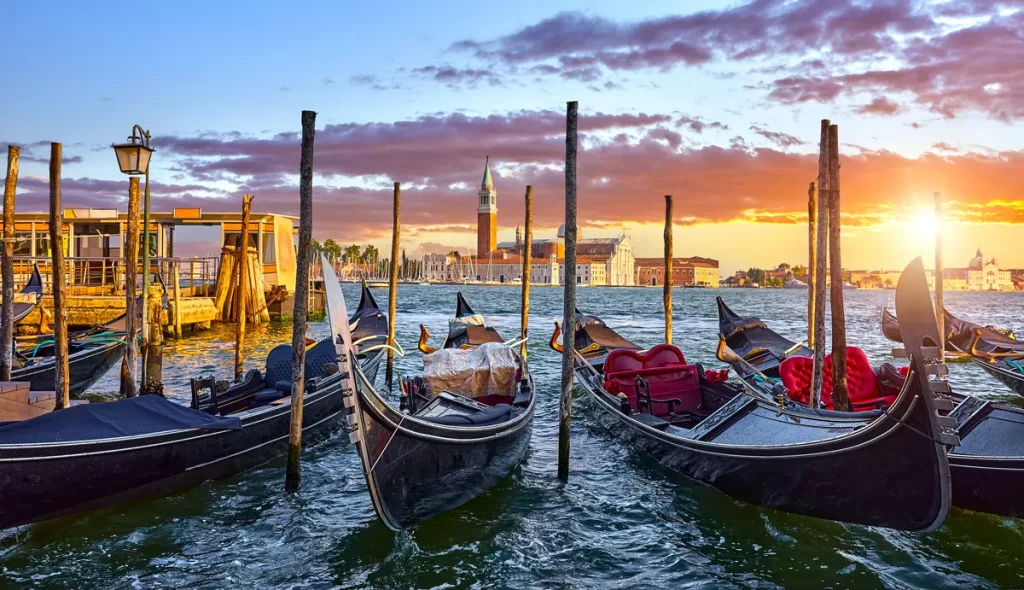
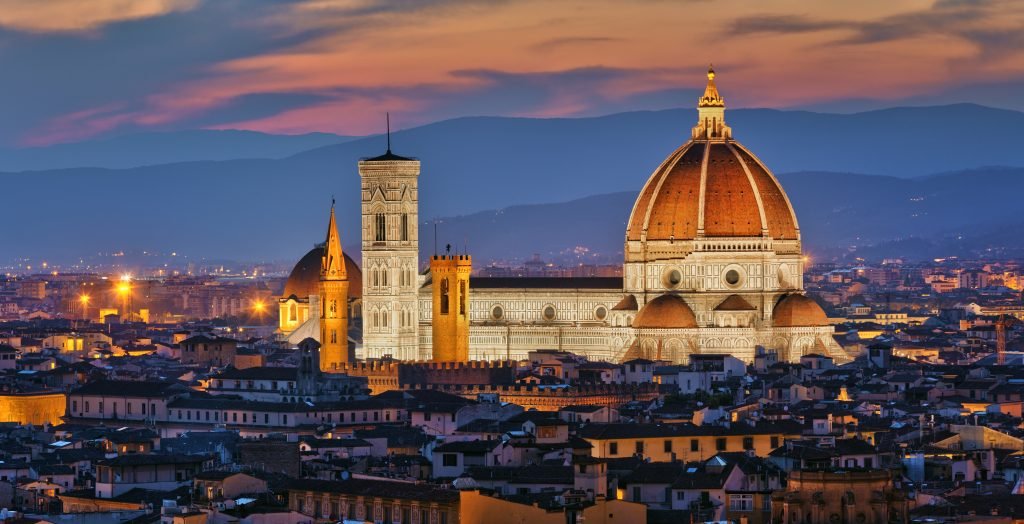
Venice and Florence are two hours apart by train and feel like different centuries. One is a maritime empire built on water with no roads, no cars, and a food culture rooted in the Adriatic. The other is a dense Renaissance city built on Medici money, with the highest concentration of canonical Western art within walking distance of a single square.
If you are trying to decide between them for a limited trip to Italy, this guide breaks down the logistics, the art, the food, and the costs – honestly, without the brochure framing.
The short answer: if you have the time, do both. The 3 Days in Venice to 3 Days in Florence sequence on the high-speed train is one of the most efficient itineraries in Europe. But if you are forced to pick one, read on.
Logistics: Water vs. Stone
The most immediate difference between these two cities is not the art or the food – it is how you move through them.
Venice
Venice has no wheeled vehicles of any kind. Your options are walking, boats, or carrying things over bridges.
Luggage: Venice has 435 bridges, almost none with ramps. A large rolling suitcase becomes a physical problem within five minutes of leaving the station. Use the left-luggage storage at Santa Lucia (€8 per bag) if you are staying one night, or pack light enough to carry everything over stepped bridges.
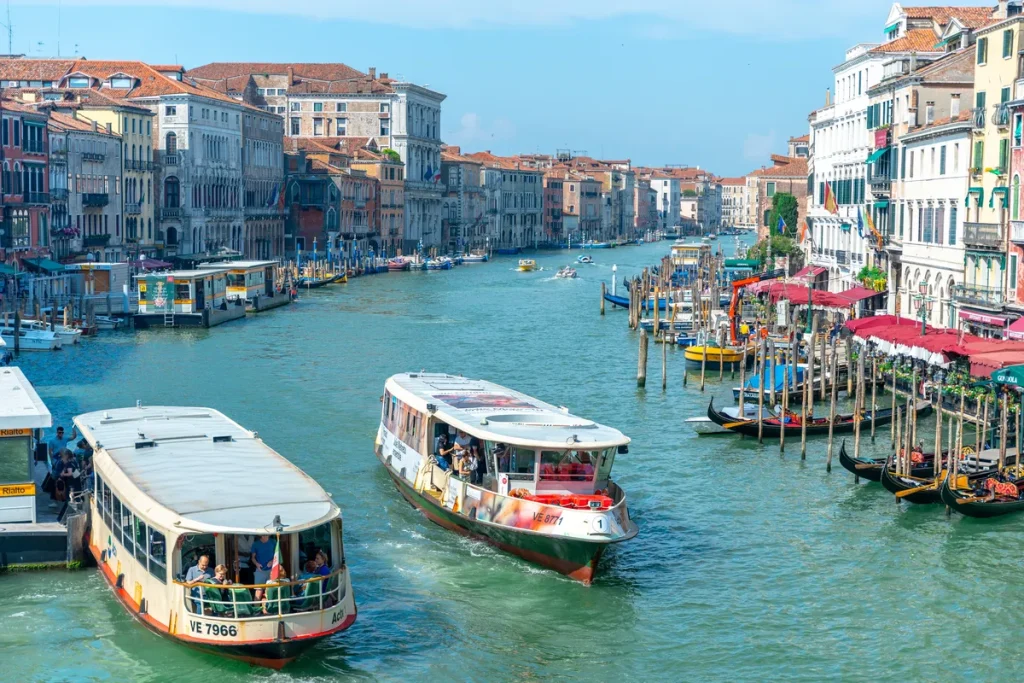
Transit: The Vaporetto (water bus) costs €9.50 per single ticket or €25 for a 24-hour unlimited pass. Four single rides and you have already paid more than the day pass. Budget this into your planning from the start. Walking covers 90% of the city for free – the station to St. Mark’s Square is 25 minutes on foot.
Navigation: GPS works poorly in the narrow calli (alleys). Dead ends that drop directly into canals are not uncommon. Build extra time into every journey for the first day until you have a mental map of the main routes.
The access fee: Day-trippers on peak spring and summer weekends pay €5 to enter the city. Overnight guests are exempt but must register online for a QR code. Getting caught without it costs €50 to €300.


Florence
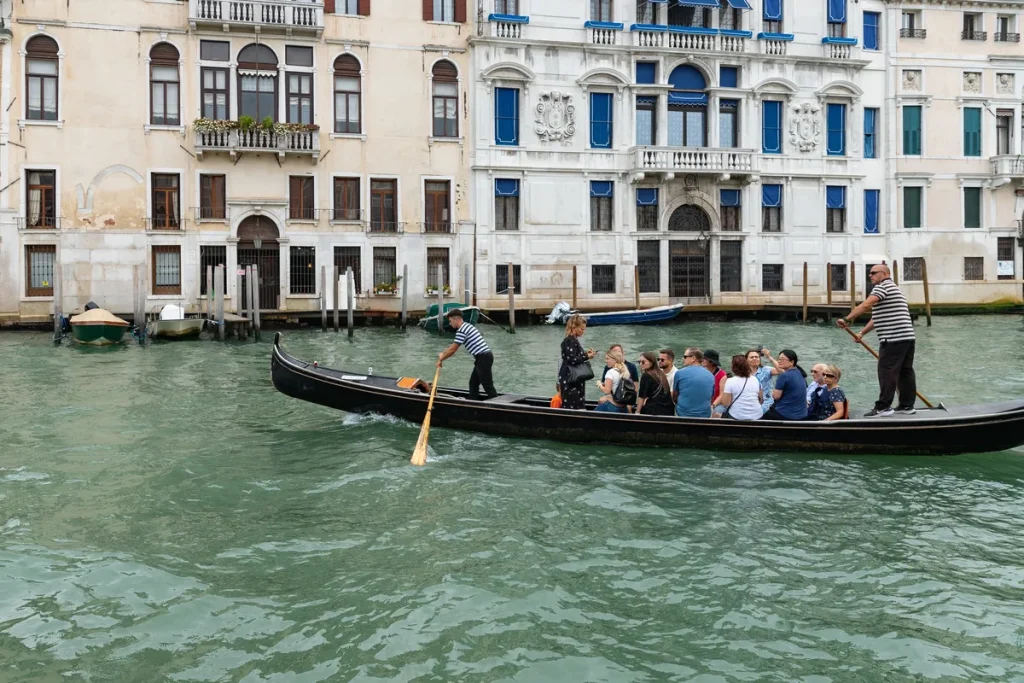
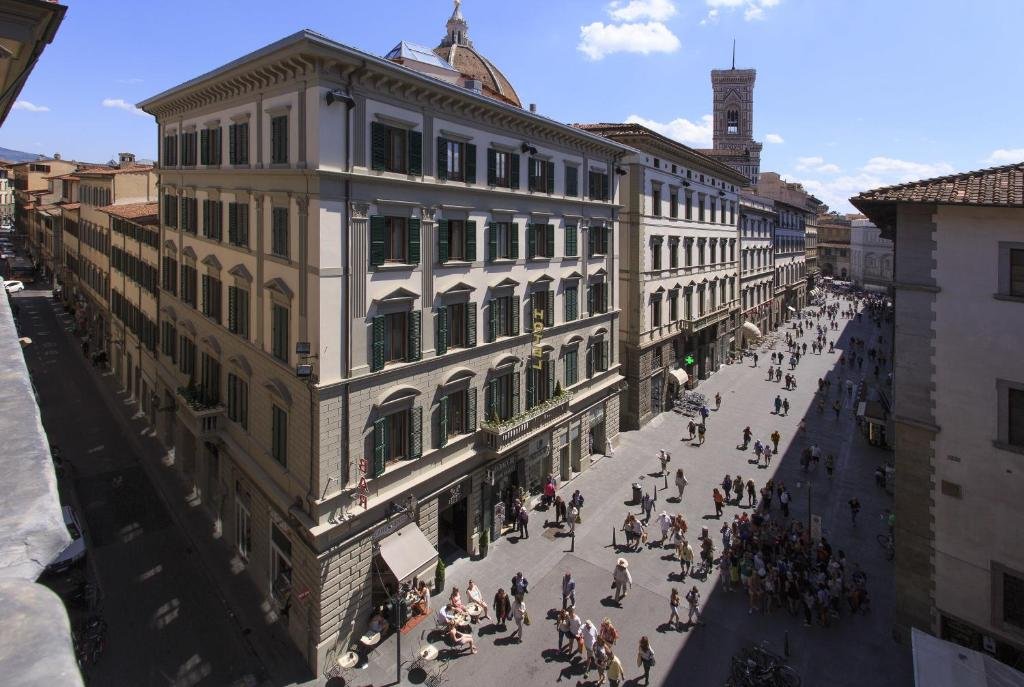
Florence is one of the most walkable cities in Europe. The historic center is compact and largely flat.
Scale: The Accademia in the north to the Pitti Palace in the south is a 25-minute walk. The Uffizi to the Duomo is eight minutes. You will rarely need public transport inside the center.
Pavement: Pietra serena – flat, hard grey stone covering most of the historic center. Easier than Venice’s bridges but punishing on joints over a full day. Thick-soled shoes are not optional.
Navigation: Straightforward grid layout with clear signage. Florence is a city where a paper map is sufficient on day one.
Winner on logistics: Florence, by a significant margin, for ease of movement. Venice wins for the sheer novelty of the experience – being lost in a city of canals is part of the point.

Art: Byzantine Gold vs. Renaissance Marble
Venice
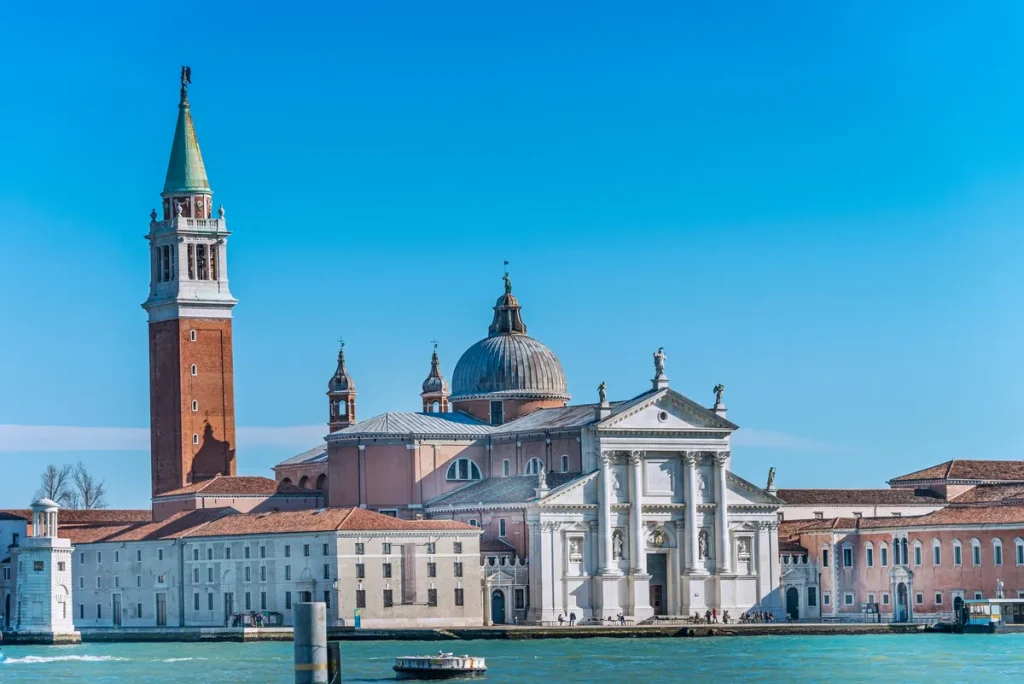
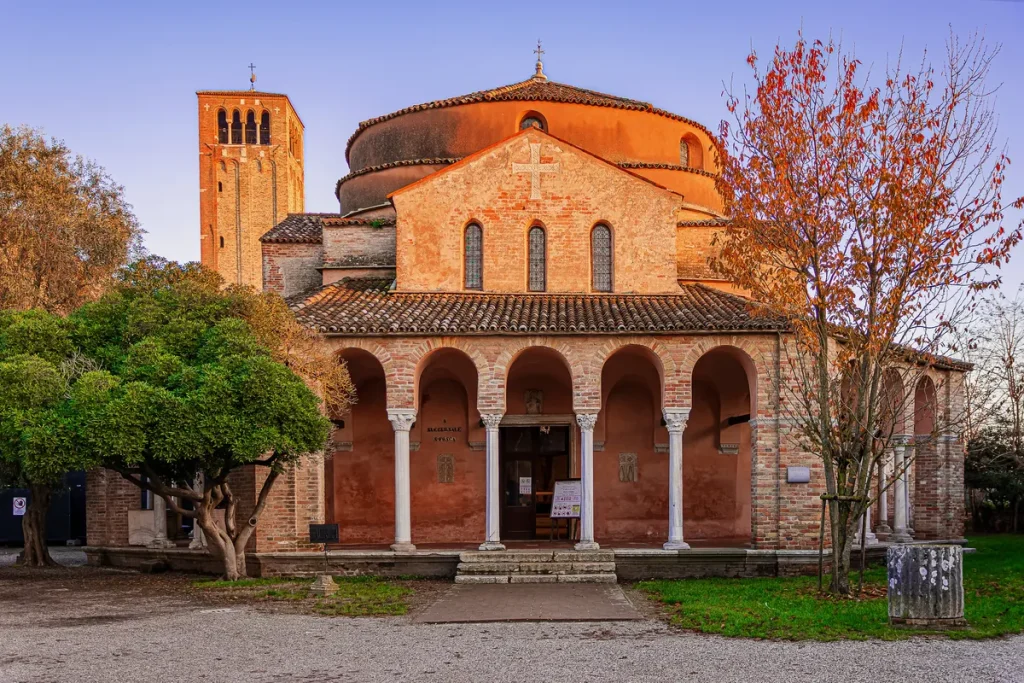
Venetian art is site-specific in a way that Florence’s museum collections are not. The work was made for the buildings it still occupies.
Tintoretto at the Scuola Grande di San Rocco: 23 years of work covering every surface of the upper and lower halls. Entry €10. The scale is disorienting in a way that reproductions cannot convey.
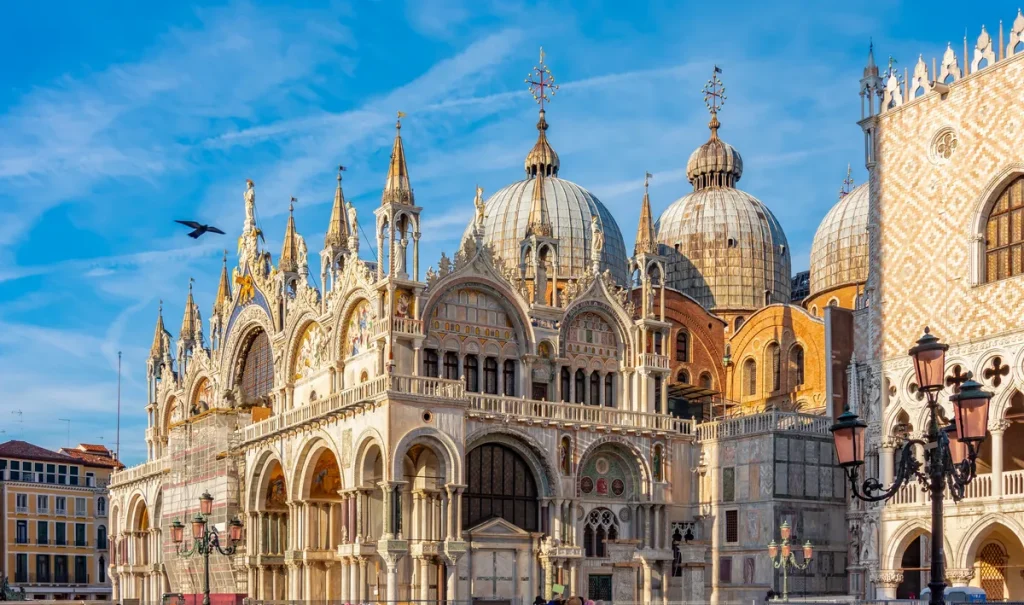
St. Mark’s Basilica: 8,000 square meters of gold mosaic, much of it looted from Constantinople after the Fourth Crusade in 1204. The building is simultaneously a religious monument and a trophy cabinet. Entry to the basic Basilica: €3, with additional fees for the Treasury (€5) and the Loggia (€7).
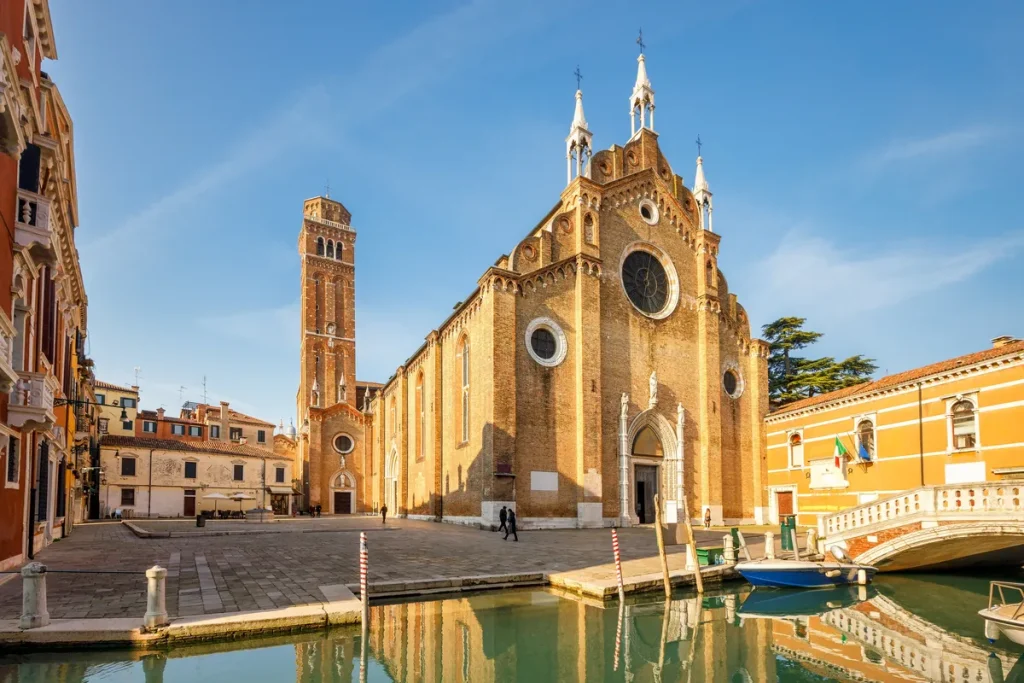
Titian’s Assumption at the Frari: A 6.9-meter altarpiece in a Gothic brick church in San Polo. Entry €5. Less visited than San Marco, more important in art historical terms.
The Peggy Guggenheim Collection: The strongest 20th-century collection in Italy – Picasso, Pollock, Dalí – in the Grand Canal palazzo Guggenheim lived in until her death. Entry €18. Closed Tuesdays.
The style throughout is Byzantine, Gothic, and Baroque – color, light, drama, and gold. It feels operatic.

Florence
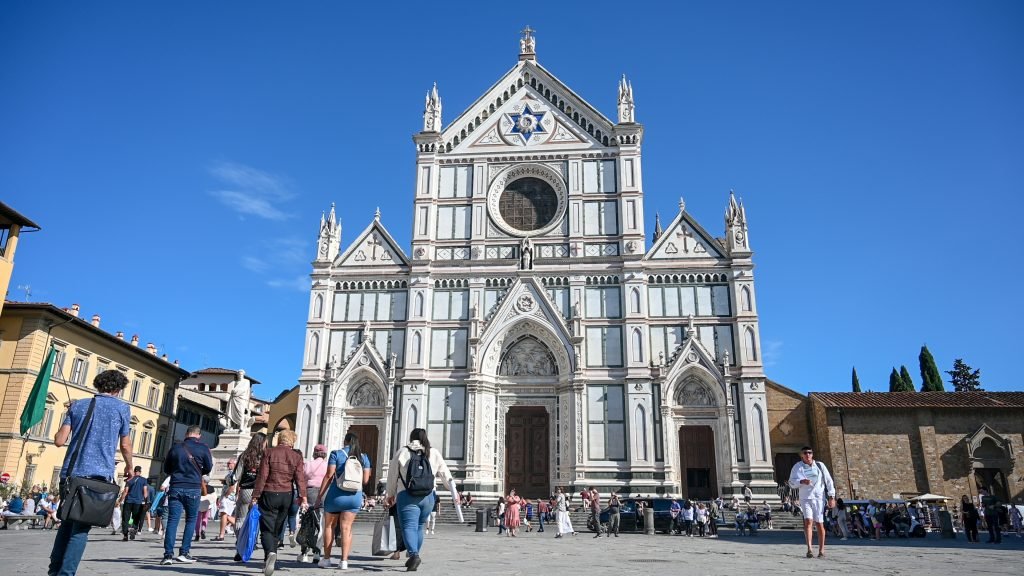
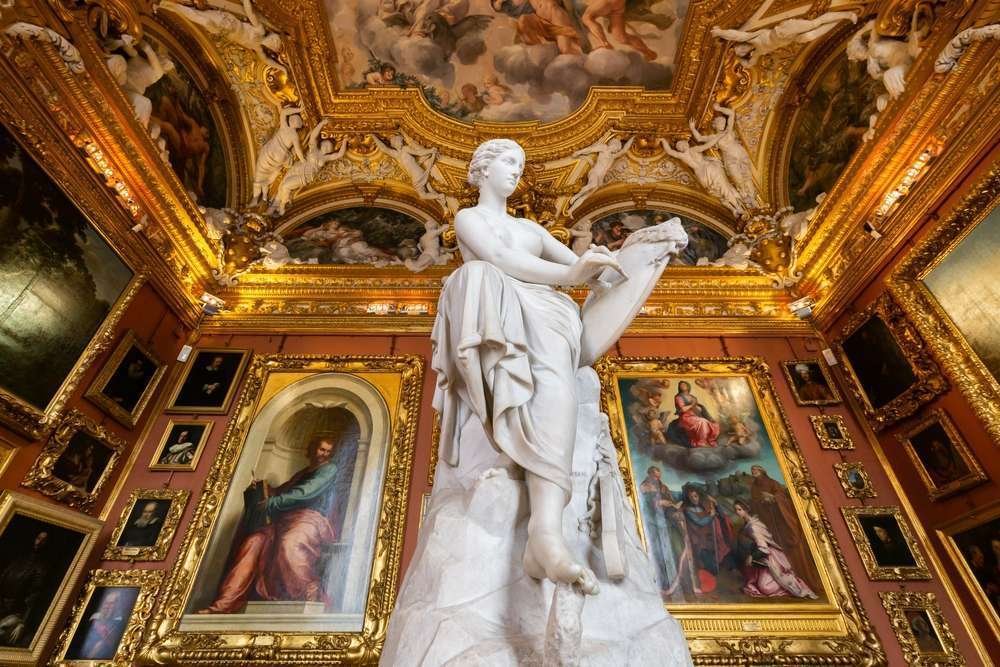
Florence is where the rules of Western art were written. The work here defined perspective, anatomy, and humanism for five centuries after it was made.
The Uffizi Gallery: Botticelli’s Birth of Venus and Primavera, Caravaggio, Leonardo, Raphael. Entry €20, or €38 with a skip-the-line booking. Book at least three weeks ahead in summer – the queue without a booking is two to three hours.
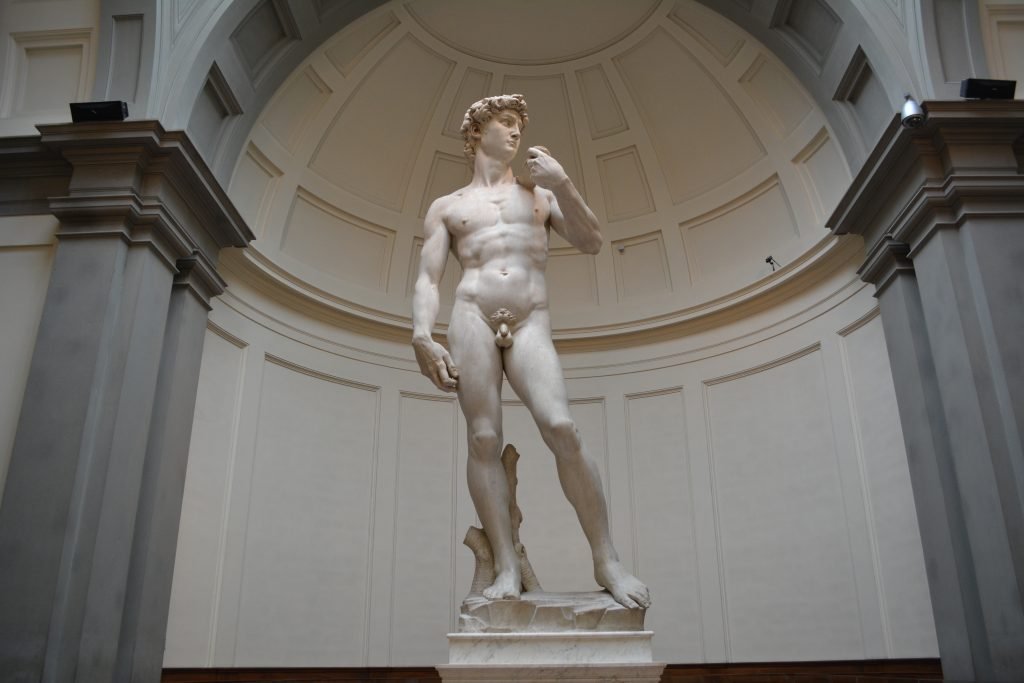
The Accademia: Michelangelo’s David – 5.17 meters of carved marble finished in 1504. Entry €16. The gallery is smaller than most people expect; plan 60 to 90 minutes.
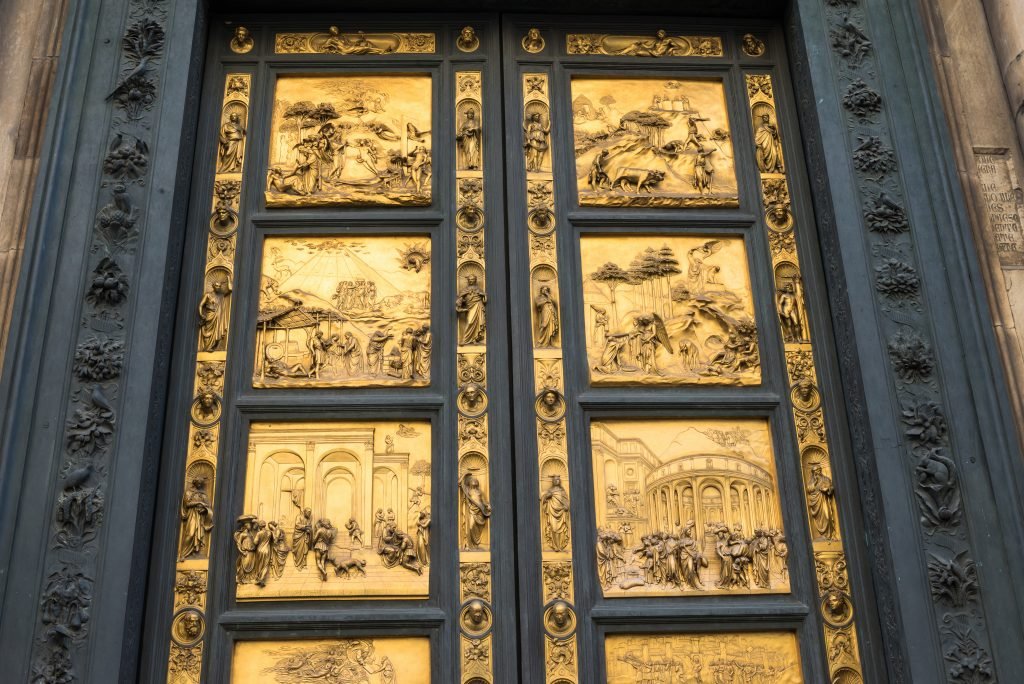
The Duomo complex: The Cathedral, Brunelleschi’s dome climb, Giotto’s bell tower, the Baptistery, and the Opera del Duomo museum are covered by a single €30 pass. The dome climb (463 steps, no lift) gives you the best elevated view of the city.
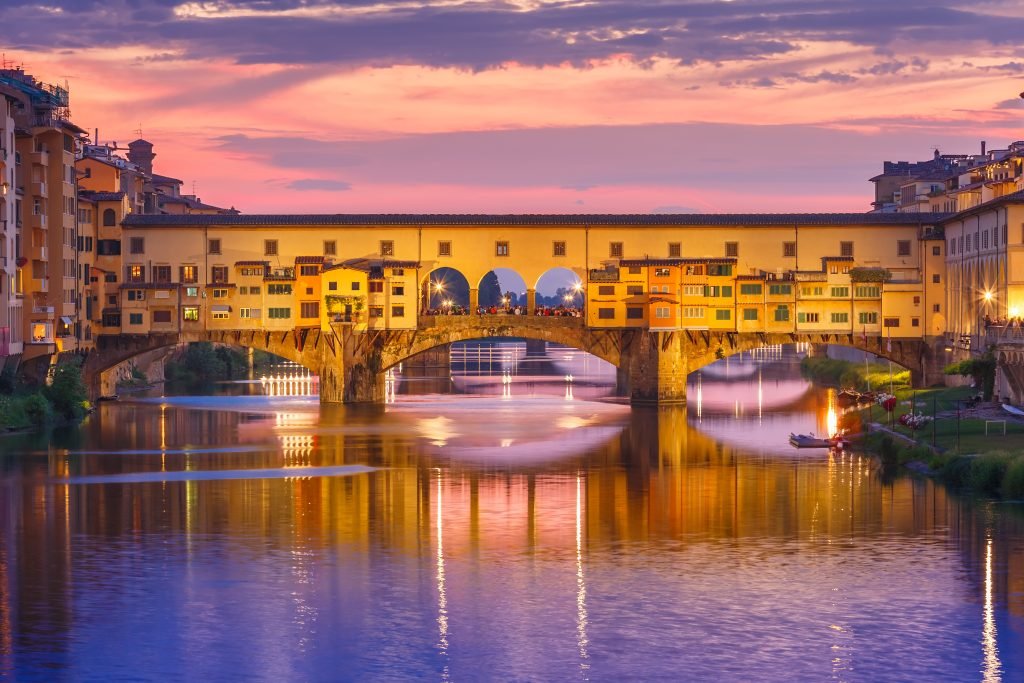
The Oltrarno workshops: Cross the Ponte Vecchio into the artisan quarter south of the Arno. Working studios producing leather goods, gold jewelry, and bookbinding using techniques unchanged since the 15th century. Free to walk through, expensive to buy from.
Winner on art: Impossible to call objectively – they are different disciplines. Venice is about experience and atmosphere. Florence is about canonical importance. If you are visiting Italy primarily for Renaissance art, Florence wins. If you want art embedded in its original context, Venice wins.




Food: Seafood vs. Steak
Do not expect the same menu in both cities. Venetian food comes from the lagoon and the Silk Road spice trade. Florentine food comes from the Tuscan hills – beef, beans, bread, and olive oil.
Venice
The bacaro system: You do not sit for a formal lunch in Venice. You go to a bacaro (standing-room wine bar) for cicchetti (small plates) and an ombra (small glass of house wine). Each piece of cicchetti costs €1.50 to €3.50. A full bacaro crawl across three or four bars covering lunch and early dinner runs €20 to €30 per person including wine – cheaper than a single sit-down meal near the Rialto.
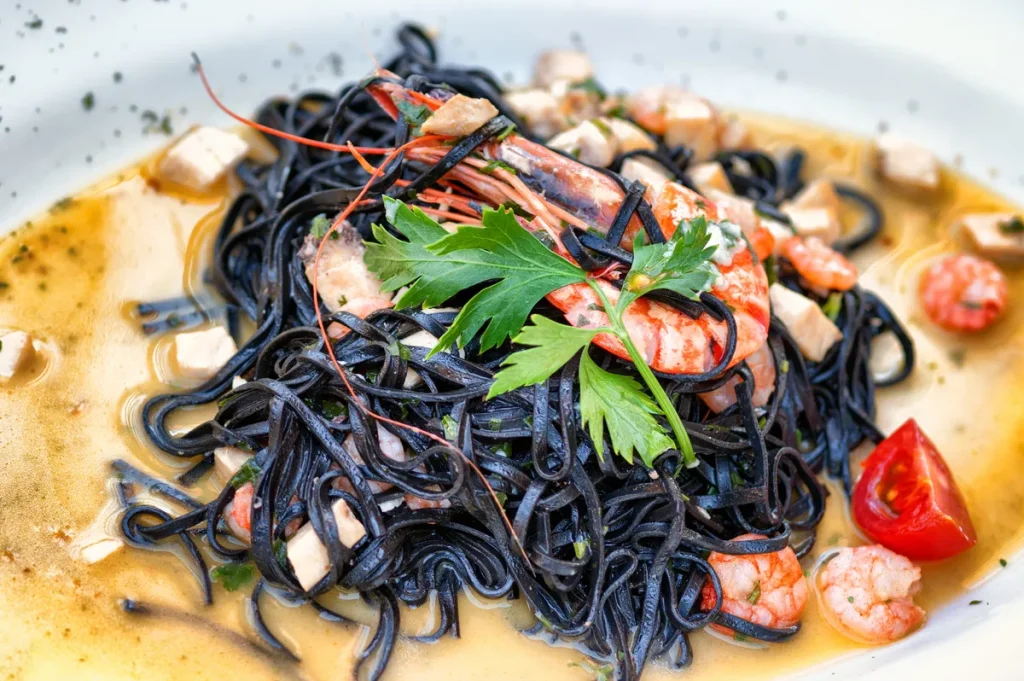
What to order: Sarde in Saor (sardines marinated in sweet-sour onion and pine nuts – a recipe unchanged since the 14th century), Spaghetti al Nero di Seppia (squid ink pasta with cuttlefish), Baccalà Mantecato (whipped salt cod on grilled bread), Risotto al Gò (risotto made with lagoon goby fish, found nowhere outside Venice).
The drink: A Select Spritz – the original Venetian version, made with Select liqueur rather than Aperol. Darker, more bitter, and distinctly Venetian. Order this, not the Aperol version. Cost at a bacaro bar: €4 to €5.
The trap: Any restaurant with a tourist menu board and photos of food outside. You will pay a €3 to €5 cover charge, a 12% service fee, and eat industrial pasta. The sit-down restaurant near San Marco charging €28 for spaghetti alle vongole is not serving you Venetian food.
For a full breakdown of where to eat, see the Food Guide Venice.




Florence
The Bistecca alla Fiorentina: A T-bone from Chianina cattle, seared over a wood fire and served rare – almost always blue in the center. Sold by weight, typically €50 to €80 for a cut large enough for two people. The best versions are at restaurants in the Oltrarno and Sant’Ambrogio market area. It is not a budget meal, but it is the single best piece of beef you will eat in Italy.
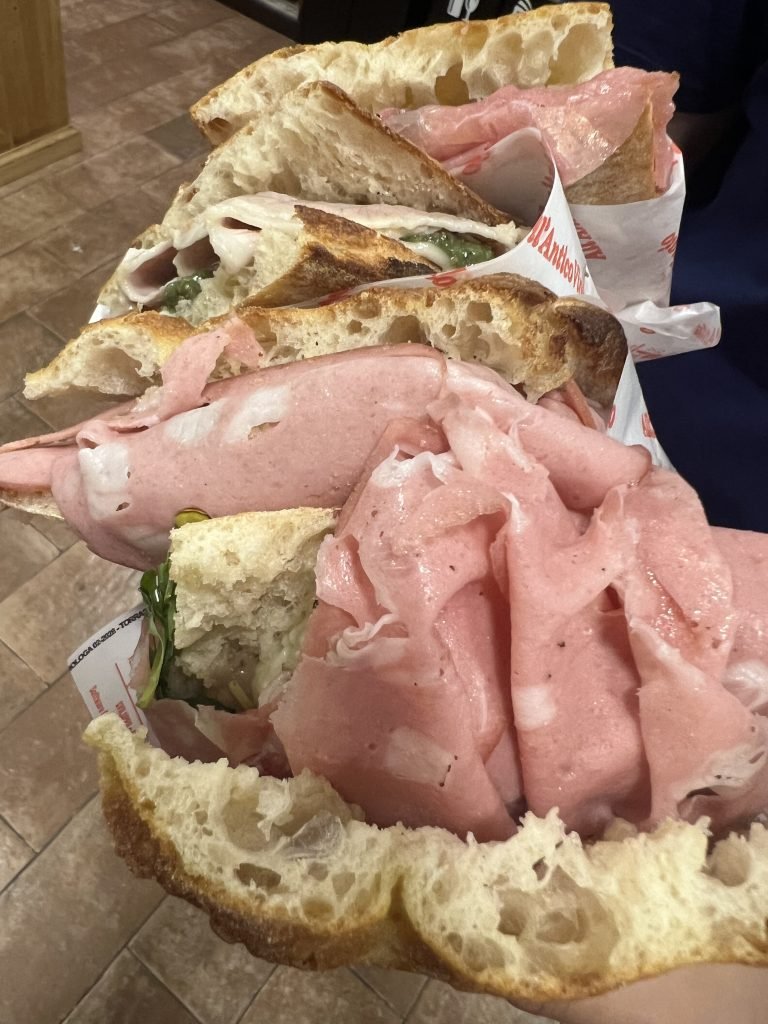
Street food: Lampredotto (slow-cooked tripe sandwich, sold from carts near the Mercato Centrale for around €5) is the working-class staple of Florence. Order it with salsa verde and hot sauce. Schiacciata (olive oil flatbread stuffed with cured meat and cheese) is the snack equivalent – €3 to €5 from any alimentari.
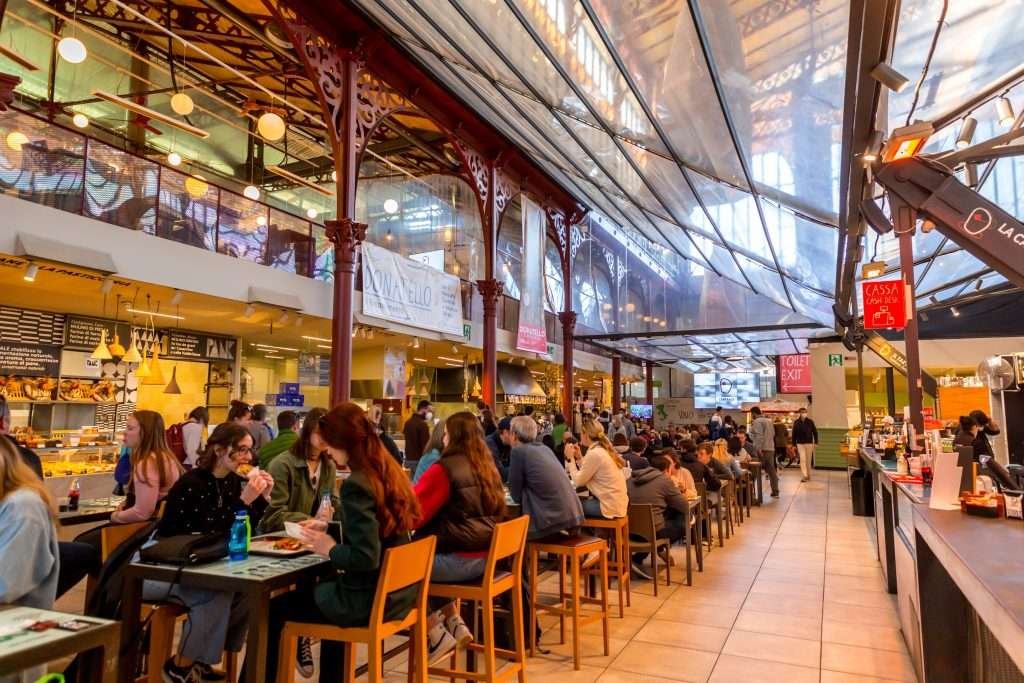
The markets: The Mercato di Sant’Ambrogio is the local alternative to the tourist-heavy Mercato Centrale. Open weekday mornings, produce and prepared food stalls, no entrance fee, prices aimed at the people who live in the neighborhood.
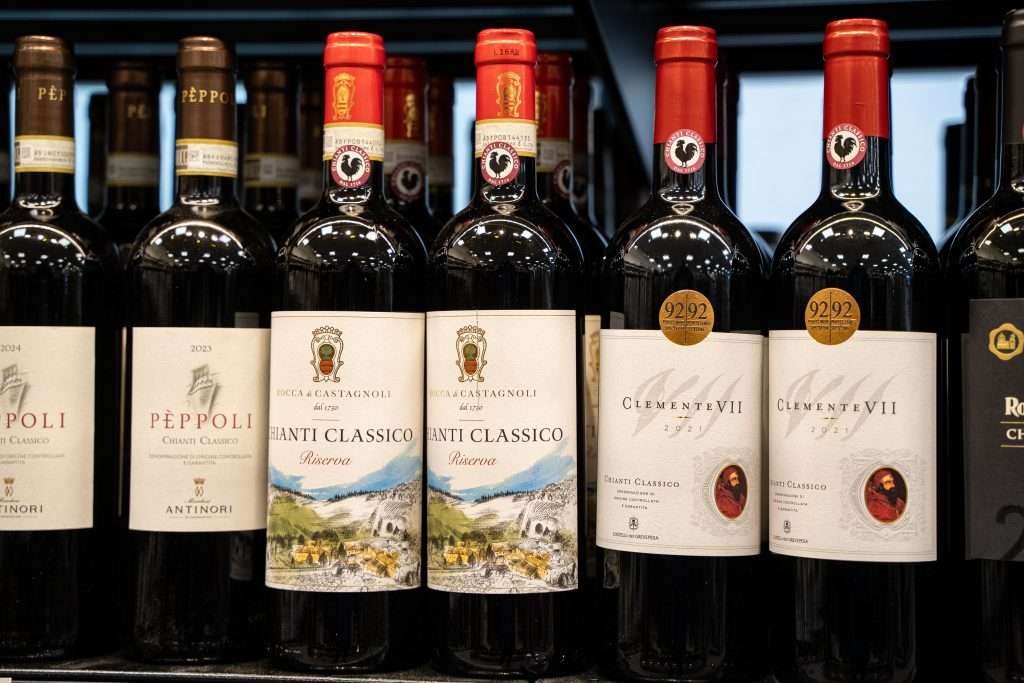
The drink: Chianti Classico – the DOCG wine produced in the hills between Florence and Siena. A decent glass at a wine bar in the Oltrarno costs €5 to €8. A bottle from an enoteca to drink on a bench by the Arno costs €12 to €18.
Winner on food: Venice, marginally, for uniqueness. The bacaro system is one of the best casual eating formats in Italy and the lagoon ingredients are genuinely unlike anything else. Florence wins for single-dish experience – the Bistecca has no real equivalent anywhere.



Costs: What You Actually Spend
Venice is logistically expensive. The water transport system, the island geography, and the structural difficulty of supplying the city all push prices up. A 24-hour Vaporetto pass is €25. A private gondola is €90 minimum. Coffee sitting down in St. Mark’s Square with the music supplement can hit €15. However, you can eat well for €15 to €20 per day if you commit to the bacaro system and buy water from the public fontanelle rather than shops.

Florence is culturally expensive. The monuments have raised prices significantly. The Uffizi plus the Accademia plus the Duomo complex runs €66 per person before you have eaten anything. Add one sit-down dinner in a decent Oltrarno trattoria and you are over €100 for the day. The food and wine offer better value than Venice at the mid-range, but the museum costs are higher and unavoidable if you are there for the art.
Realistic daily budget (mid-range traveler):
- Venice: €80 to €110 per day including transit pass, museum entry, bacaro meals, and one sit-down dinner
- Florence: €90 to €130 per day including museum entry, street food lunches, and a mid-range dinner
Crowds: How to Survive Both Cities in 2026
Venice
Venice is primarily a day-tripper city. At 5:00 PM, the cruise ships leave and the trains back to the mainland fill up. The population of the historic center drops visibly within an hour. Walk through St. Mark’s Square at midnight and you are in a completely different city – fog off the lagoon, orchestras playing to near-empty tables, no tour groups.

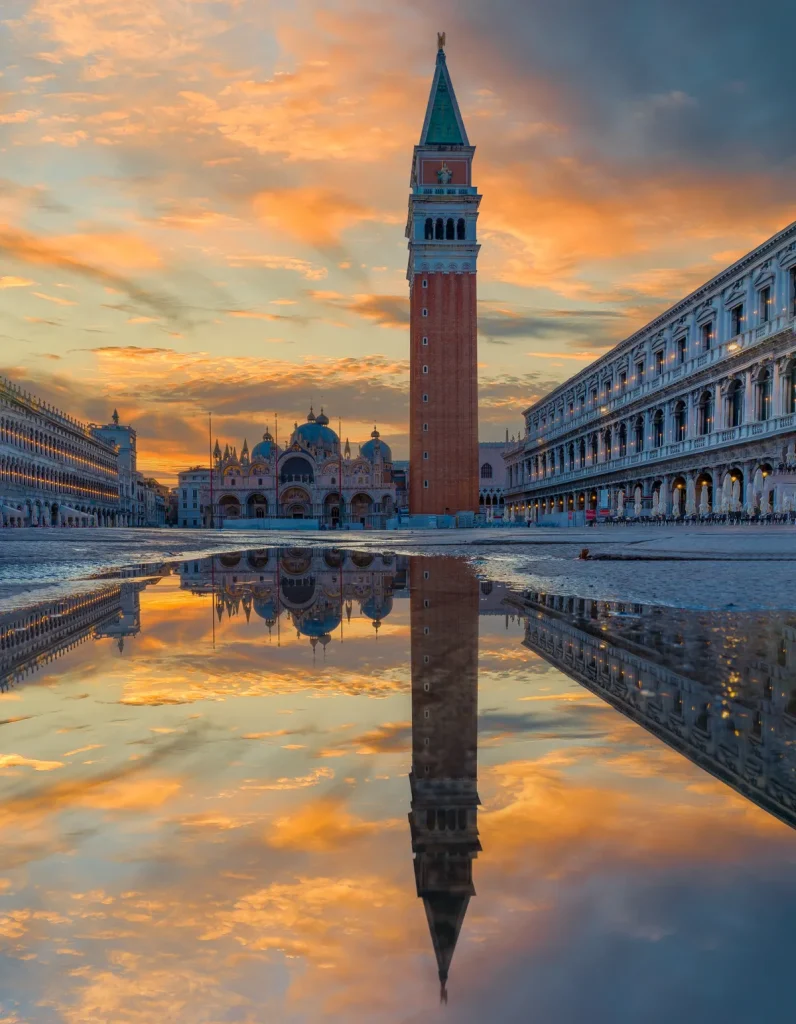
The single most effective crowd strategy in Venice is staying overnight on the island. Day-trippers are gone by early evening. The city that remains after 7:00 PM is the one worth visiting.
Avoid the main corridor from Santa Lucia station to San Marco entirely between 10:00 AM and 5:00 PM in July and August. Use it early morning or late evening only.
Florence
The north side of the Arno – the Duomo, the Uffizi, the Accademia – is a gauntlet in peak season. The solution is the Oltrarno: cross the Ponte Vecchio or the Ponte alle Grazie and you are immediately in a quieter, more local neighborhood. The Boboli Gardens, the Pitti Palace, the Bardini Gardens, and the best casual restaurants are all on the south bank.
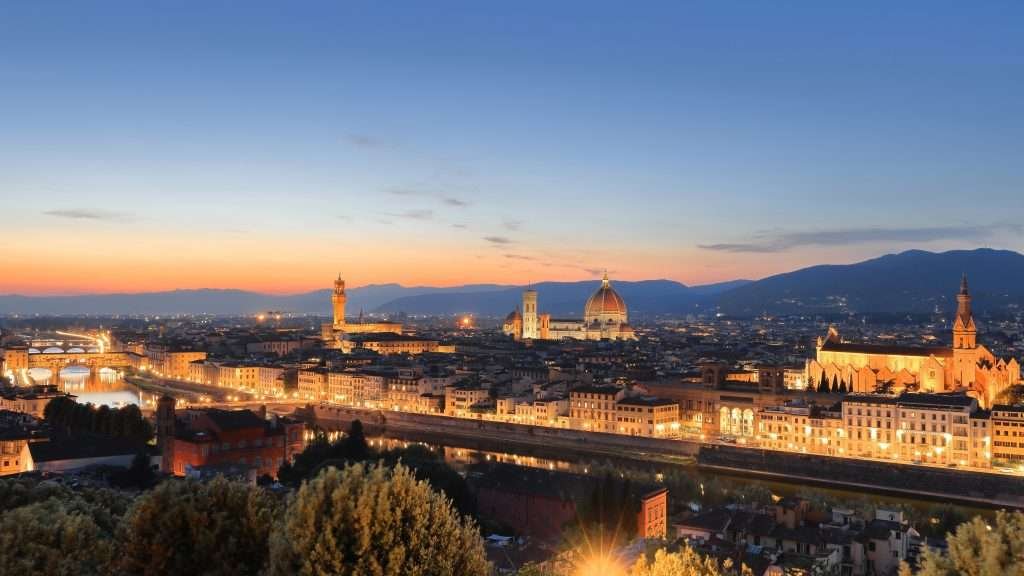
The Piazzale Michelangelo viewpoint is worth visiting but arrives with its own crowd problem. Go at 7:00 AM before the tour buses, or at sunset and accept that you will have company.
Getting Between the Two Cities
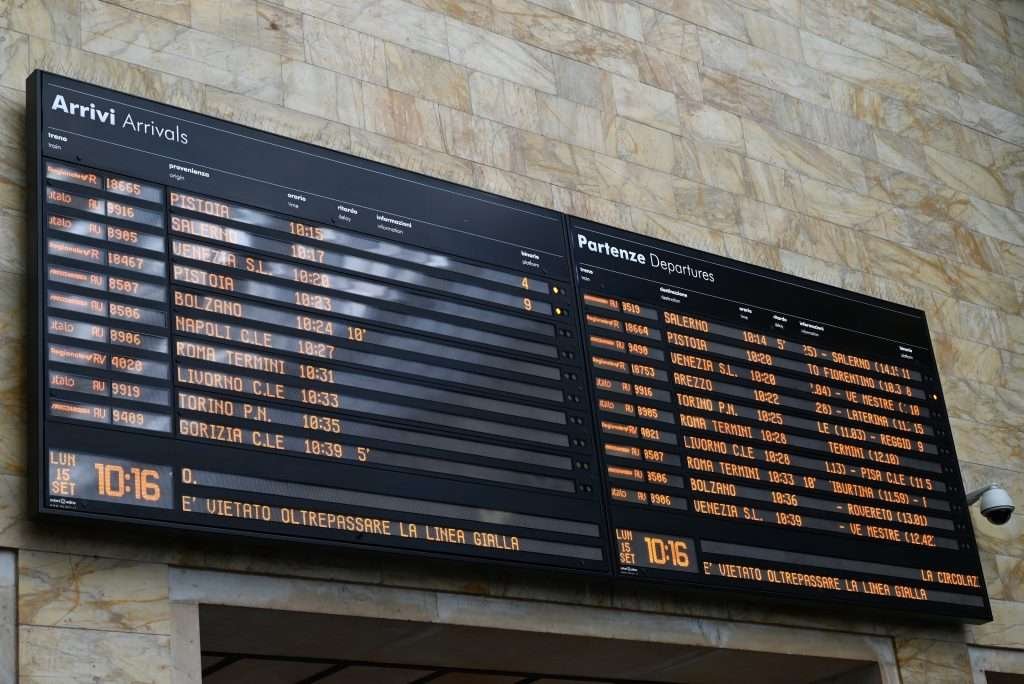
The Frecciarossa or Italo high-speed trains run between Venezia Santa Lucia and Firenze Santa Maria Novella in 2 hours 15 minutes. Both stations are in the center of their respective cities – no airport transfer logic required.
Book at least three weeks in advance on the Trenitalia or Italo websites. Early booking discounts can cut the fare by 40 to 50 percent. The standard walk-up fare is around €45 to €60 each way; advance tickets can be as low as €19.
Do not take a bus. The train drops you in the city center and takes a third of the time.
Which City Should You Choose?
Choose Venice if:
- You want an experience with no real equivalent anywhere in the world
- You are traveling as a couple and the logistics don’t put you off
- You love seafood and standing-room wine bars
- You are comfortable being deliberately lost for hours at a time
Choose Florence if:
- Seeing the David and the Birth of Venus in person is a specific goal
- You prefer a city that functions like a normal city
- You are traveling with children or anyone with mobility considerations
- You want a base for exploring Tuscany – Siena, Chianti, San Gimignano are all under 90 minutes away
Do both if:
- You have five or more days in northern and central Italy
- The 3 Days in Venice to 3 Days in Florence sequence fits your itinerary
- You want to understand why Italian culture split so distinctly between the maritime north and the landed Tuscan interior
Plan Your Trip
- First Time in Venice
- First Time in Florence
- 1 Day in Venice
- 1 Day in Florence
- Best Things to Do in Venice
- Best Things to Do in Florence
- Venice on a Budget
- Florence on a Budget
- Food Guide Venice
- Food Guide Florence
- Where to Stay in Venice
- Where to Stay in Florence
Is Venice or Florence better for first-time visitors to Italy?
Florence is the easier first visit. The city layout is logical, the monuments are walkable, and the art is exactly where you expect it to be. Venice is more rewarding but requires more preparation – the logistics, the luggage rules, and the navigation all add friction that can overwhelm a first trip. If you are visiting Italy for the first time and have five or more days, do Florence first, then Venice. If you only have time for one, Florence is the safer bet.
How far apart are Venice and Florence?
2 hours 15 minutes by high-speed train. The Frecciarossa and Italo services run multiple times daily between Venezia Santa Lucia and Firenze Santa Maria Novella, both central stations. Book at least three weeks ahead – advance fares start around €19 each way versus €45 to €60 at the door.
Which city is cheaper – Venice or Florence?
They are expensive in different ways. Venice charges a premium on everything logistical – transport, water, food near the main sights. Florence charges a premium on culture – the Uffizi, Accademia, and Duomo complex alone run €66 per person. A traveler who uses the bacaro system in Venice and sticks to street food in Florence will spend roughly the same daily total in both cities – around €80 to €110.
Can you visit both Venice and Florence in one week?
Yes, comfortably. Two nights in Venice covers the monuments, a bacaro crawl, and the Grand Canal. Three nights in Florence covers the Uffizi, the Accademia, and a day in the Oltrarno. That leaves two travel days and buffer time. The high-speed train connection makes the sequence straightforward – no flying, no buses, both stations central.
Which city has better food – Venice or Florence?
Different cuisines, not directly comparable. Venice is the stronger choice if you eat seafood – the lagoon ingredients are genuinely unique and the bacaro system is one of the best casual eating formats in Italy. Florence wins for meat – the Bistecca alla Fiorentina is the best beef dish in Italy and the Tuscan wine pairing is hard to beat. If you eat neither seafood nor red meat, Florence has more variety at the mid-range.
Venice vs Florence — Two Cities, One Map
2 hrs 15 min by high-speed train. Click any pin for what makes each place worth the trip.