
If you are coming to Florence and planning to stick to pizza and carbonara, you are making a mistake. Instead, you should explore what to eat in Florence beyond the basics.
While you can find excellent pizza here, Florence is not Naples. And Carbonara is Roman, not Tuscan. Eating them here is like going to New York City and ordering a Chicago deep-dish pizza. You are missing the point.
Tuscan cuisine is unique. It is born from cucina povera (peasant kitchen). It is not about fancy sauces or delicate plating. It is about taking three high-quality ingredients-stale bread, dark kale, and expensive olive oil-and turning them into something that makes you want to cry with joy. It is robust, earthy, and unapologetically heavy.
This guide is your culinary bible on what to eat in Florence. I am breaking down exactly what to eat, how to order it (so you don’t get yelled at by a waiter), and where to find the best versions in 2026.
Put on your stretchy pants. We are going in.
The Holy Trinity: The 3 Dishes You Cannot Miss
If you only eat three things in Florence, make it these. They are the pillars of Florentine identity.
1. Bistecca alla Fiorentina (Florentine Steak)
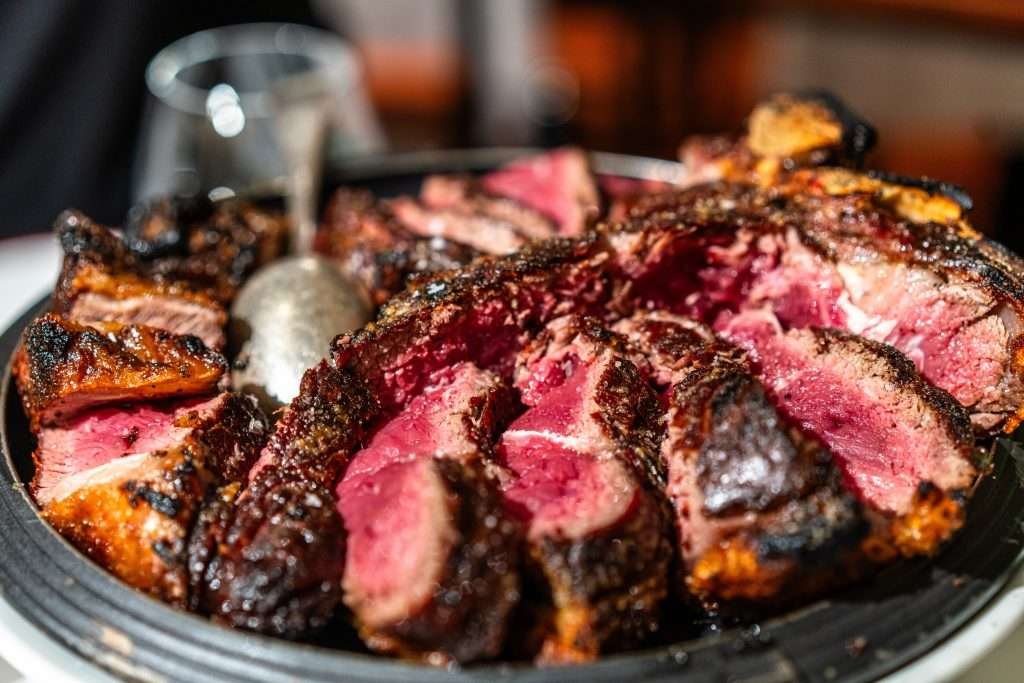
This is the king of steaks. It is not just a meal; it is a religious experience.
- What it is: A massive T-bone steak cut from the Chianina cow (an ancient white breed raised in the Valdichiana valley).
- The Rules:
- Size Matters: It is sold by weight, usually starting at 1kg (2.2 lbs). It is meant to be shared. Do not order this for yourself unless you are a linebacker.
- Rare Only: It is served al sangue (bloody). The outside is charred on coal; the inside is cool and red. Do not ask for it “medium” or “well done.” The chef will likely refuse to cook it, and the waiter will look at you with deep disappointment.
- No Sides: It comes on a wooden board. Maybe with some white beans (fagioli) on the side. No ketchup. No steak sauce. Just salt and olive oil.
- Where to get it: Trattoria dall’Oste (famous but reliable) or Buca Lapi (expensive, historic, incredible).
2. Lampredotto (The Brave Choice)


This is the street food of the people.
- What it is: The fourth stomach of the cow (abomasum), slow-cooked in a vegetable broth until it melts in your mouth. It is chopped up, put in a crunchy bun (semelle), and drenched in salsa verde (parsley, capers, anchovies).
- Why you must try it: I know “cow stomach” sounds terrifying. But it tastes like the most tender, savory roast beef you have ever had. It does not taste “organ-y.” It is salty, herbaceous, and spicy.
- How to order: Ask for it “bagnato” (dipped). The vendor will dip the top half of the bun into the cooking broth. It makes a mess, but it is delicious.
- Where to get it: The Trippaio del Porcellino cart (near the bronze boar statue) or L’Antico Trippaio.
3. Schiacciata (The Sandwich)
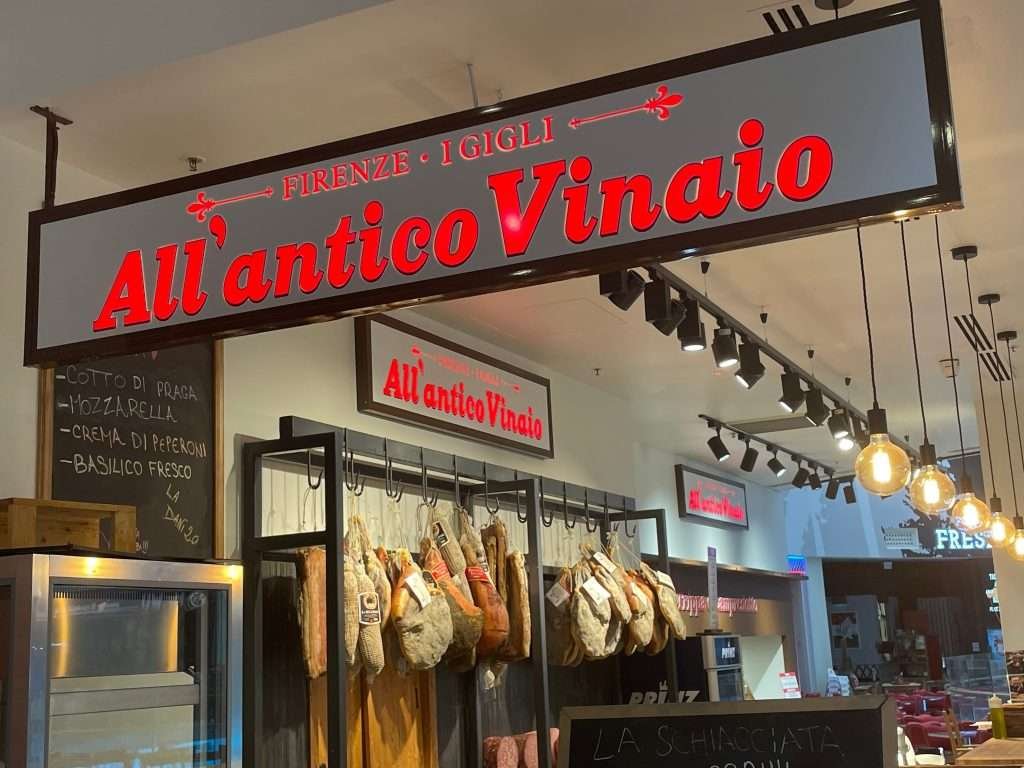
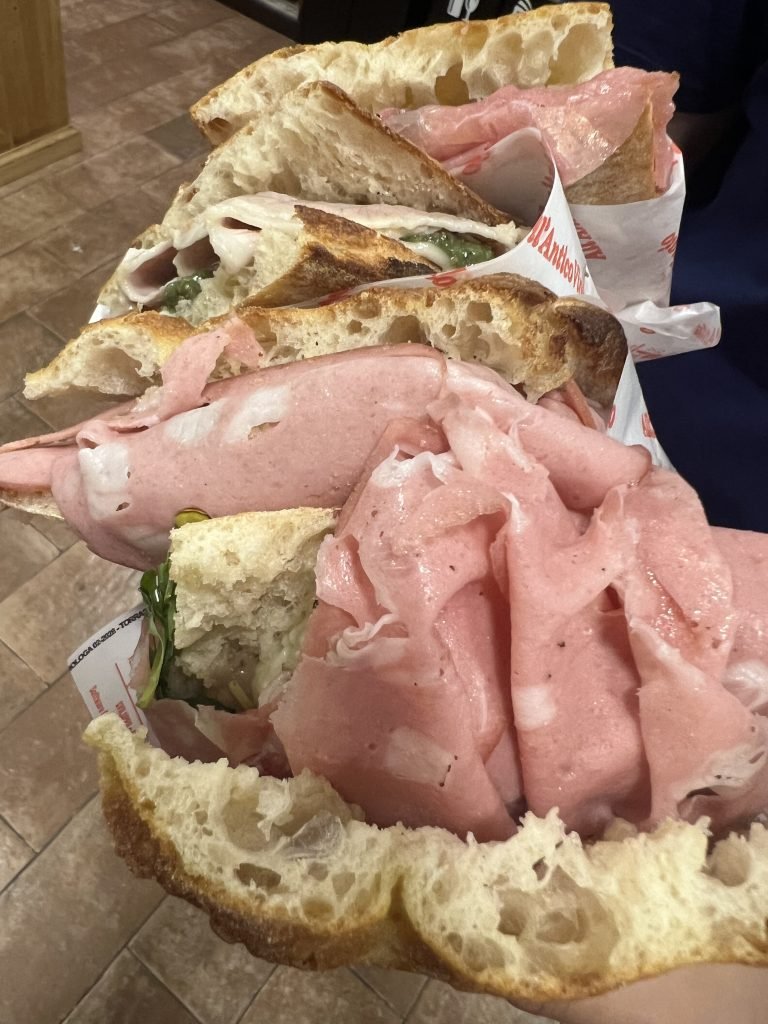
You have seen this on Instagram.
- What it is: Tuscan flatbread. It is thinner and chewier than focaccia, heavily salted, and drenched in olive oil. When stuffed with meats and cheeses, it becomes the ultimate lunch.
- The Viral Spot: All’Antico Vinaio. The line is often 45 minutes long. Is it worth it? Yes, the ingredients are top-tier. But…
- The Local Spot: I Fratellini. A tiny hole-in-the-wall near Orsanmichele church. They have been there since 1875. You order a glass of wine (€2) and a sandwich (€5) and eat it on the cobblestones. No line, just vibes.
The “Cucina Povera” Classics (Soups & Pastas)
Tuscans are famously called mangiafagioli (bean eaters). They are also masters of stale bread. In the Middle Ages, there was a tax on salt, so Tuscans started baking bread without it (pane sciocco). It goes stale in 24 hours. Instead of throwing it away, they invented these dishes.
4. Ribollita
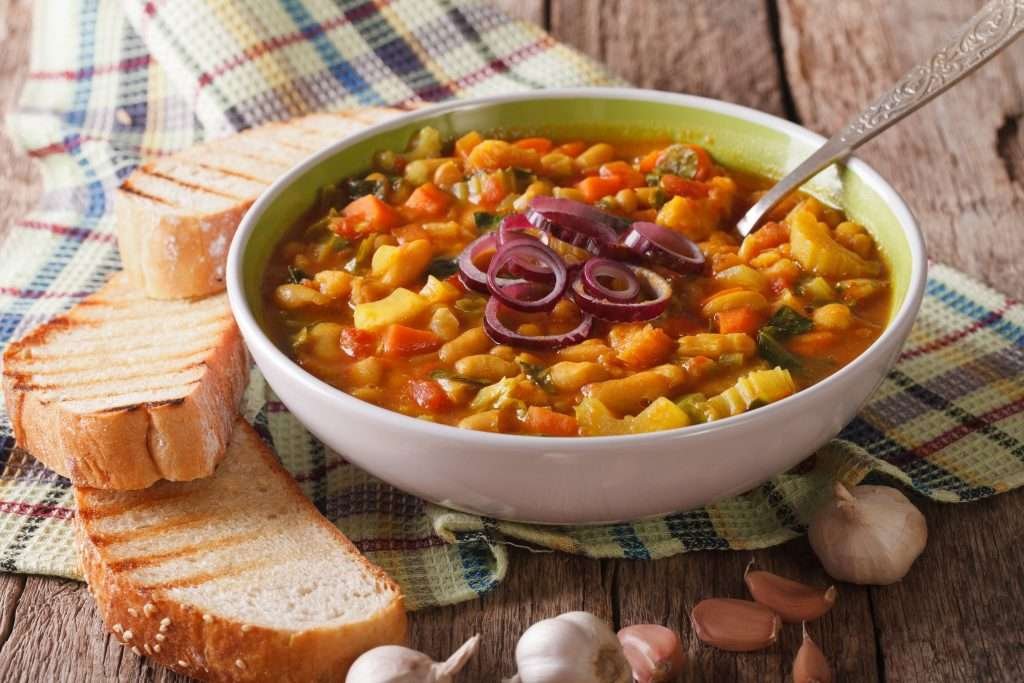
- Translation: “Re-boiled.”
- The Dish: A hearty vegetable soup made with cannellini beans, lacinato kale (cavolo nero), carrots, chard, and stale bread. It is cooked one day, left to sit, and then re-boiled the next day with olive oil.
- Texture: It is not a liquid soup; it is thick, like a porridge. It is the ultimate winter comfort food.
- Best at: Trattoria Mario.
5. Pappa al Pomodoro

- Translation: “Tomato Mush.”
- The Dish: Stale bread simmered in tomato sauce, garlic, basil, and olive oil until it breaks down into a thick, savory pudding.
- Why it works: It sounds like baby food, but the flavor is intense. It tastes like pure, concentrated summer.
- Best at: Trattoria Cammillo.
6. Pappardelle al Cinghiale
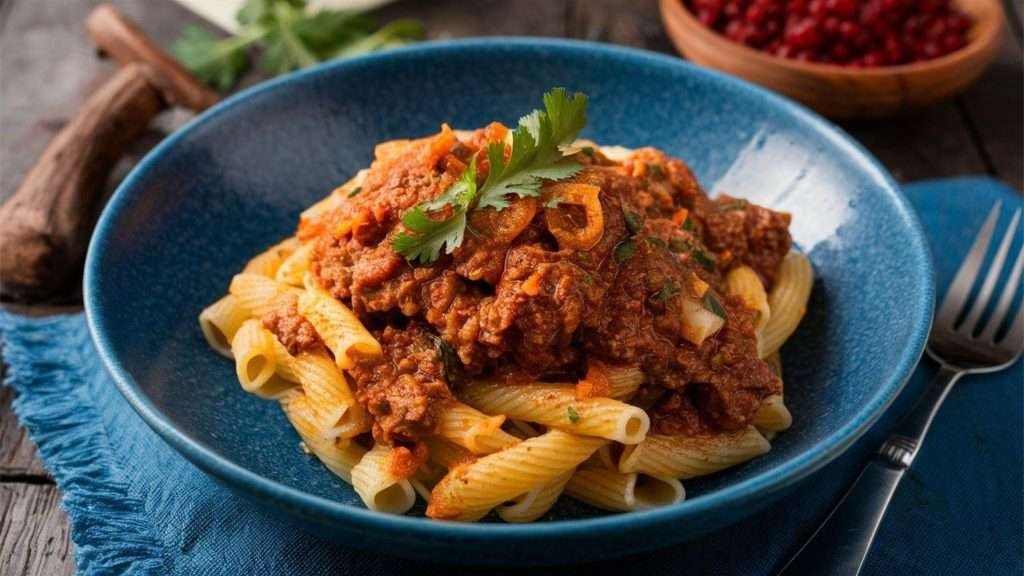
- The Dish: Wild boar ragù.
- The Pasta: Pappardelle are wide, flat ribbons of egg pasta. They are huge-sometimes an inch wide.
- The Sauce: Wild boar (cinghiale) is hunted in the Tuscan hills. The meat is darker, leaner, and richer than pork. It is slow-cooked in red wine (usually Chianti) for hours.
- Best at: Osteria Santo Spirito. (Order the half-portion if you want to try other things).
Seasonal Specialties (Timing is Everything)
7. Porcini Mushrooms (Autumn)

If you visit in September or October, you will see “PORCINI” written on chalkboards everywhere.
- The Dish: Fresh porcini mushrooms are grilled whole like steaks or served over fresh tagliatelle. They are meaty, nutty, and expensive, but worth every cent.
8. Tartufo (Truffle)

Tuscany is truffle country.
- The Dish: Tagliolini al Tartufo. Thin pasta strands tossed in butter and covered in shavings of fresh truffle.
- Warning: Be careful of places using “Truffle Oil.” It is synthetic. You want real shavings. If the dish costs €10, it’s fake. If it costs €25+, it’s likely real.
Drinks & Desserts
9. Chianti Classico
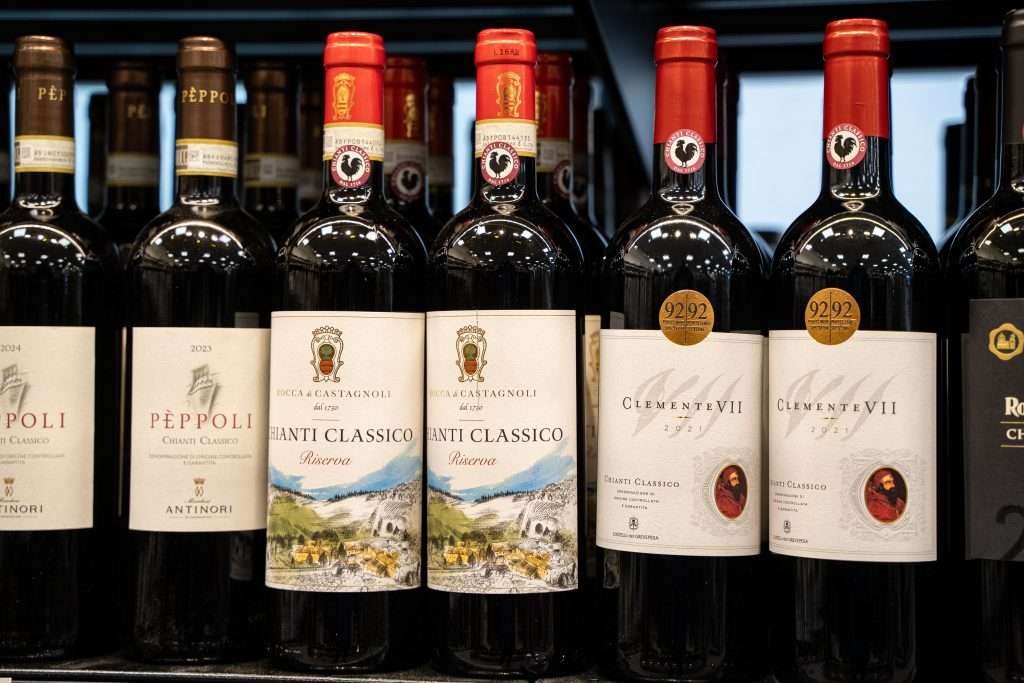
You cannot eat this food with water. The heavy meats and breads need the acidity of Sangiovese grapes to cut through the fat.
- Look for: The Black Rooster (Gallo Nero) logo on the bottle neck. This guarantees it is a real Chianti Classico from the specific region between Florence and Siena.
10. Cantucci e Vin Santo
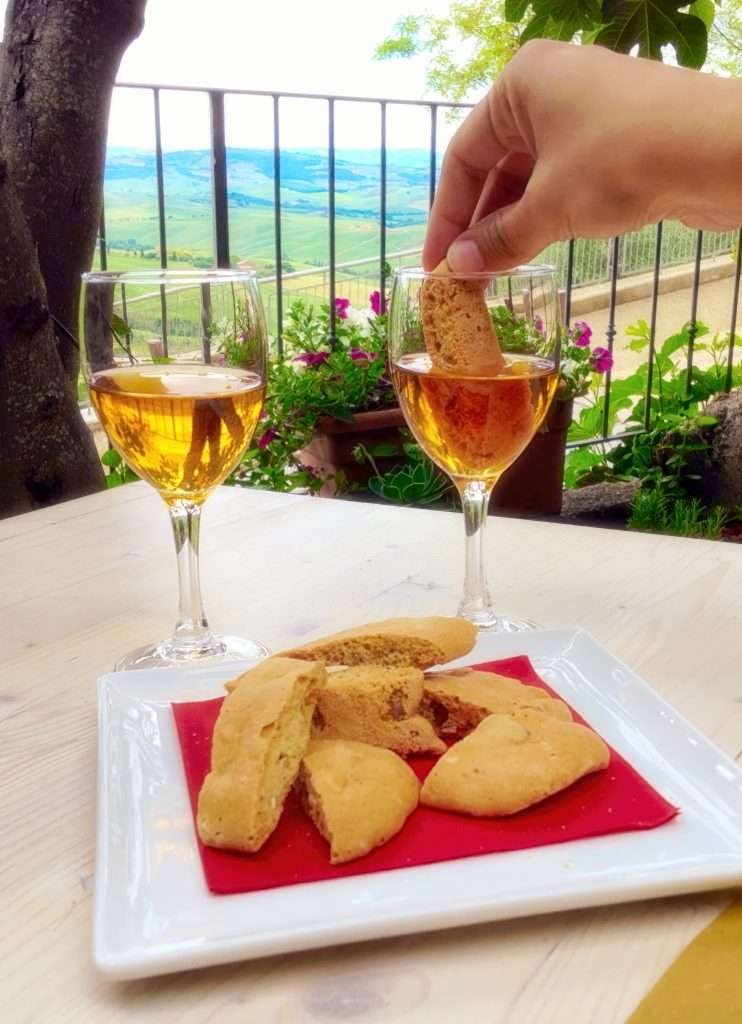
This is the standard way to end a meal in Florence.
- The Dish: Hard, twice-baked almond cookies (cantucci) served with a glass of amber-colored sweet dessert wine (Vin Santo).
- How to eat: The cookies are rock hard. You must dip them into the wine to soften them. It’s not rude; it’s mandatory.
11. Gelato (The Real Stuff)
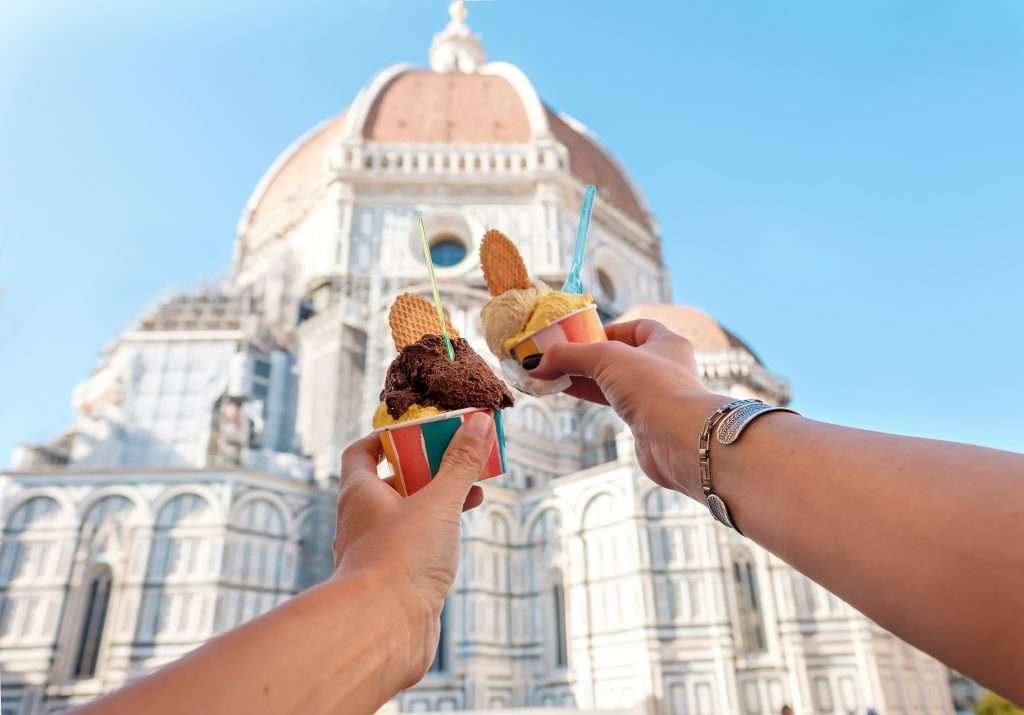
Florence invented gelato (specifically, the architect Buontalenti did for the Medici family).
- The Scam: Avoid any gelato that is piled high in mountains or is neon colored. (Pistachio should be brownish-green, not bright green. Banana should be gray-white, not yellow).
- The Best Spots:
- Gelateria La Carraia: Best value (creamy, dense).
- Perché No!: Famous for their fruit sorbets.
- Vivoli: The oldest and most traditional (no cones, cups only).
Where to Eat: My Curated List (2026)
I have organized these by “Vibe” so you can pick the right spot for the right moment.
For a Traditional Tuscan Lunch
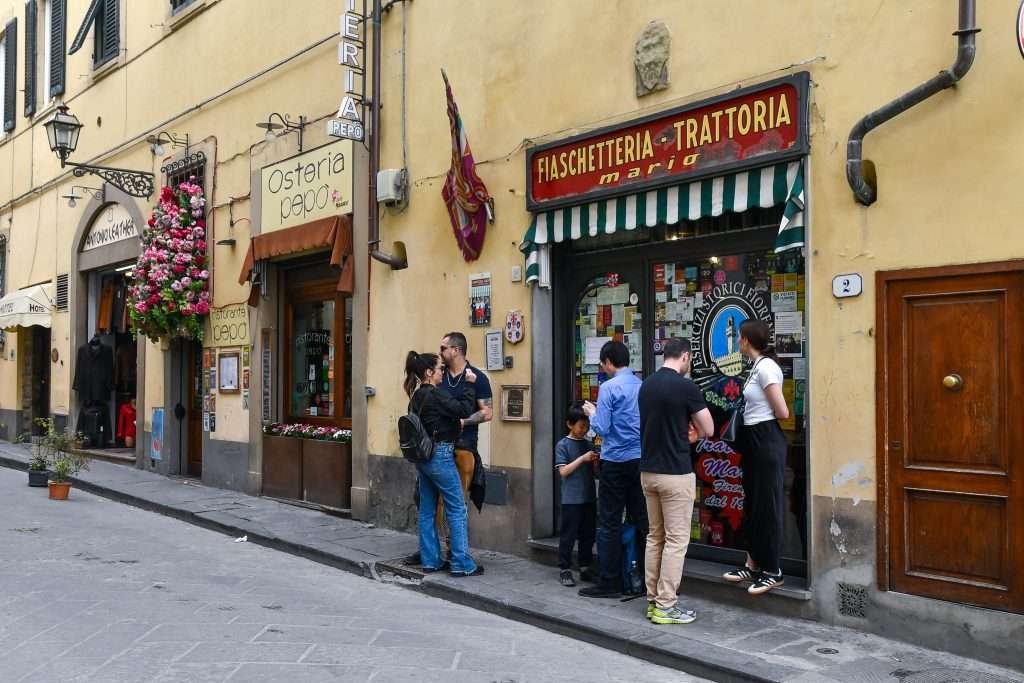
- Trattoria Mario (San Lorenzo): No reservations. Communal tables. Loud. You eat what they cooked that day. If you linger too long, they will kick you out. It is perfect.
- Trattoria Sabatino (San Frediano): Extremely cheap, extremely local. White tablecloths, handwritten menu, €5 pastas.
For a Romantic Dinner
- La Giostra (City Center): Founded by a Habsburg prince. Candlelit, thousands of twinkling lights on the ceiling. The famous “Pear Ravioli” is life-changing.
- Osteria delle Tre Panche: Famous for truffles. It is tiny (literally three benches), so book weeks in advance.
For “I Just Want a Good Sandwich”
- Semel (Sant’Ambrogio): Marco, the owner, serves gourmet panini with ingredients like donkey stew, pear and pecorino, or herring. No menu, just daily specials.
- SandwiChic (San Lorenzo): Great alternative to All’Antico Vinaio with vintage vibes.
For Aperitivo (The Golden Hour)
- Bulli & Balene: Located in an old architecture firm. Great spritz, great cicchetti (snacks).
- Le Volpi e L’Uva: A serious wine bar near Ponte Vecchio. No spritz here, just incredible wines by the glass and cheeses.
The “Rules” of Eating in Florence
Do not be “that tourist.” Follow these rules to eat like a local.
1. The “Coperto” is Not a Scam You will see a €2.00 or €3.00 charge per person on your bill listed as Coperto. This covers the bread, tablecloth, and silverware. It is mandatory and legal. It is not a tip.
2. Tipping is Optional Americans, breathe. You do not need to tip 20%. Waiters are paid a living wage.
- Casual meal: Round up the bill (e.g., €38 -> €40).
- Fancy meal: Leave €5-€10 on the table if the service was amazing.
- Note: If you see “Servizio Incluso” (Service Included) on the menu, do not tip anything extra.
3. Water costs money Tap water is safe, but restaurants will always serve bottled water (€2-€3). You can ask for tap (acqua del rubinetto), but they might look at you funny. Just pay the €2 for the sparkling water (frizzante); it aids digestion.
4. Coffee Rules
- Morning: Cappuccino is for breakfast only (before 11 AM). Milk after a meal is considered a digestive disaster.
- After Lunch/Dinner: Order a Caffè Normale (Espresso) or Caffè Macchiato.
- Price: If you drink at the bar (al banco), the price is regulated by law (around €1.20). If you sit at a table (al tavolo), it can cost €3.00+.
5. Dinner Time Restaurants open at 7:30 PM.
- 7:30 PM: Tourists arrive.
- 8:30 PM: Locals arrive.
- If you walk in at 6:00 PM expecting dinner, you will find closed doors.
What About Dietary Restrictions?
Florence is surprisingly easy for restricted diets.
Vegetarians: You are in luck. Ribollita, Pappa al Pomodoro, and Ravioli Burro e Salvia (Butter and Sage) are all meat-free staples.
- Top Pick: L’Ov Osteria Vegetariana.
Gluten-Free (Senza Glutine): Italy has high rates of Celiac disease. Most pharmacies sell GF pasta, and many restaurants offer GF options.
- Top Pick: Quinoa. It is a 100% gluten-free restaurant near the Duomo, and the food is actually good.
Final Thoughts: Eat Slowly
In Florence, a meal is not just fuel. It is the main event of the day.
Do not rush. Do not ask for the check the second you finish eating (they won’t bring it until you ask, because they don’t want to rush you). Sit back, finish your wine, watch the people in the piazza, and enjoy the dolce vita.
If you need help planning where these restaurants fit into your trip, check out my 3 Days in Florence Itinerary. And if you need a nap after all this food, make sure you have booked a hotel in a good area by reading my guide on Where to Stay in Florence.
Buon Appetito!
Plan Your Trip
- First Time in Florence
- 1 Day in Florence
- 3 Days in Florence
- 25 Things to Do in Florence
- Where to Stay in Florence
- What to Eat in Florence
- Day Trips from Florence
- Florence on a Budget
- Venice vs Florence
- Rome vs Florence
- 7 Days in Tuscany
- Day Trip to Siena from Florence
What is the most important dish to eat in Florence?
Bistecca alla Fiorentina – a T-bone from Chianina cattle, grilled over coals, served rare on a wooden board with nothing but salt and olive oil. It is sold by weight starting at around 1kg and is meant to be shared between two people. Do not order it well done – most kitchens that take the dish seriously will refuse. The outside is charred, the inside is cool and red, and that is exactly how it is supposed to arrive. Trattoria dall’Oste and Buca Lapi are the reliable addresses.
What is lampredotto and should you try it in Florence?
Lampredotto is slow-cooked cow stomach (the fourth stomach, specifically) served chopped in a crusty roll with salsa verde – a sauce of parsley, capers, and anchovies. It is the working-class street food of Florence and has been sold from carts near the Mercato Nuovo for centuries. Order it “bagnato” – the vendor dips the top half of the bun into the cooking broth before handing it over. It does not taste like organ meat. It tastes like intensely savory, tender roast beef. Find it at the Trippaio del Porcellino cart near the bronze boar statue.
What time do restaurants open for dinner in Florence?
7:30 PM at the earliest, and most local Florentines do not arrive until 8:30 PM. Arriving at 6:00 PM expecting dinner will find you facing locked doors or a restaurant set up for service but not yet open. For the most popular restaurants – La Giostra, Osteria delle Tre Panche – book weeks ahead in summer. For casual trattorias like Trattoria Mario in San Lorenzo, arrive at opening time and expect communal seating with no reservations.
What Tuscan wine should you drink in Florence?
Chianti Classico – the Sangiovese-based red produced in the hills between Florence and Siena. Look for the Black Rooster (Gallo Nero) seal on the bottle neck, which guarantees it comes from the defined Chianti Classico production zone rather than the wider Chianti appellation. It pairs specifically well with the heavy meat dishes and bean soups of Tuscan cooking – the acidity cuts through fat in a way that lighter wines cannot. A glass at a local trattoria costs €5 to €8, a bottle €12 to €20. If you are eating wild boar ragù or bistecca, this is what goes with it.
What to Eat in Florence — Food Map
Bistecca, lampredotto, schiacciata, pappardelle, ribollita, gelato, and the wine window. Click any pin.