
Everyone assumes a major European capital has to be wildly expensive. When most people picture a trip to Italy, they envision $20 cocktails served on terraces overlooking the Colosseum, luxury boutique hotels, and €100 plate-of-pasta tourist traps. But here is the greatest secret of the Eternal City: doing Rome on a budget is actually significantly easier than surviving on a budget in London, Paris, or New York.
In London, even a terrible, pre-packaged sandwich from a corner shop will cost you £10. In Rome, you can eat the absolute best, freshly baked pizza of your life for under €5. You can view masterpieces painted by Michelangelo and Caravaggio for completely free, and you can drink ice-cold, pure mineral water from ancient aqueducts without ever opening your wallet.
If you know the local rules, the unwritten cultural laws, and exactly where to look, Rome is surprisingly, beautifully affordable. (If you are still trying to grasp the basics of the city, start with our First Time in Rome: The Ultimate 2026 Survival and Travel Guide). This comprehensive guide will show you exactly how to navigate the Italian capital on a strict budget without ever feeling like you are missing out on the magic, the food, or the history.
Rome on a Budget: The 30-Second Summary
Before we dive into the massive details, here is the cheat sheet for surviving Rome on a budget in 2026:
- Daily Goal: €60 – €80 per day (including a hostel or budget guest house).
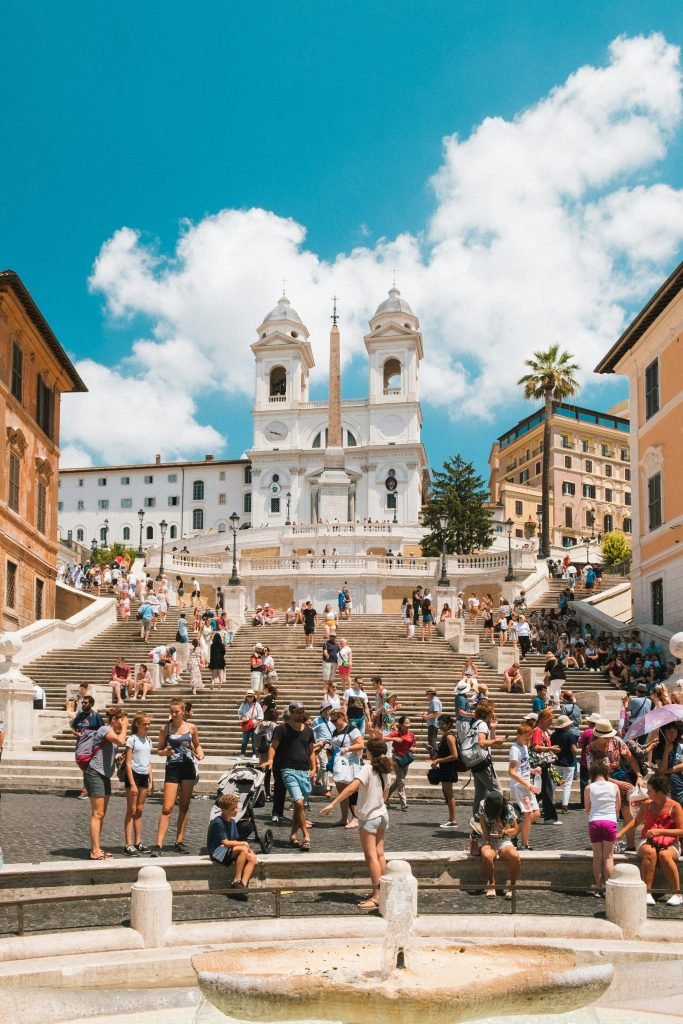
- Top 3 Free Sights: The Trevi Fountain, the Spanish Steps, and the main floor of St. Peter’s Basilica.
- #1 Transport Hack: The standard €1.50 BIT ticket works seamlessly across buses, trams, and the Metro for 100 full minutes.
- Cheap Eats: Pizza al Taglio (pizza sold by weight) or Supplì (deep-fried rice balls for €2).
- Best Free View: Skip the overpriced Altare della Patria elevator (€12). Walk up Janiculum Hill (Gianicolo) for the absolute best panoramic view of the city for completely free.
1. The “Standing Up” Coffee Rule
This is the single most important rule to understand about Italian food culture. Coffee is treated as a fundamental human right in Italy, and the prices of standard espresso beverages are actually regulated-but only if you drink your coffee standing up at the bar.

At the Bar (Al Banco) When you walk into a Roman café, you will see a crowd of locals standing shoulder-to-shoulder at a long metal or marble counter. This is where you belong. You walk to the cash register (la cassa), order your coffee, and pay first. An espresso (simply called un caffè) will usually cost around €1.10 or €1.20. A cappuccino will rarely cost more than €1.50. You then take your receipt to the barista, place a 10-cent or 20-cent coin on the receipt as a tip, and drink your coffee quickly while standing.
At the Table (Al Tavolo) The exact moment you decide to sit down at a table-especially if that table is outside in a beautiful piazza-the price regulations completely vanish. You are no longer paying for the coffee; you are paying for the real estate, the table service, and the view. That identical €1.50 cappuccino can immediately jump to €4.00, €5.00, or even €8.00 if you are sitting directly in front of the Pantheon. (For a deeper dive into the city’s complex coffee and dining rules, be sure to read our dedicated Food & Drink guide). If you are doing Rome on a budget, do as the Romans do: take your coffee at the counter.
2. Free Water (Seriously, Don’t Buy It)
Every single day in Rome, tourists collectively waste thousands of euros buying plastic water bottles from street vendors who strategically park their carts outside the Colosseum. You never, ever need to do this.
The Nasoni Network Rome is affectionately famous for its Nasoni (which translates to “Big Noses”). These are heavy, cast-iron drinking fountains dotted across every single neighborhood, piazza, and cobblestone alleyway in the historic center. They run continuously with ice-cold, impeccably clean, highly regulated drinking water pumped directly from the surrounding mountains via modern extensions of the ancient aqueduct systems.

The Hack Bring a high-quality, insulated, refillable water bottle from home. Whenever you get thirsty, simply look for the nearest fountain. If you forget your bottle, use the famous local “thumb trick.” Notice the small hole on the top of the curved metal spout? Block the main bottom spout firmly with your thumb, and the water pressure will shoot a perfect arch of water out of the top hole, creating a convenient drinking fountain. The water from a nasone is often significantly colder and cleaner than the water sitting in plastic bottles in a vendor’s cart.
3. Street Food is Better Than Restaurants
You do not need to sit down at a restaurant with white tablecloths for every single meal. In fact, a two-hour, sit-down lunch not only destroys your budget, but it also eats up a massive amount of your valuable sightseeing time. As outlined in our Food & Drink recommendations, Rome is the undisputed king of high-quality, hyper-affordable street food.
Pizza al Taglio (Pizza by the Slice) This is not a triangular slice of New York pizza. Pizza al Taglio is baked in massive rectangular iron pans. When you walk up to the counter, you point to exactly how big of a slice you want. The server will cut it with heavy scissors, weigh it on a scale, and you pay strictly by the gram. This means you can order three or four tiny slivers of different flavors to taste everything without overspending.
You can easily get a massive, heavy, incredibly filling slice of pizza for €3 to €5. Look for traditional Roman toppings like potato and rosemary, or zucchini flowers and mozzarella. Famous budget-friendly spots include Alice Pizza (which has locations everywhere) or Forno Campo de’ Fiori.
The Supplì If you are hungry but don’t want a full meal, find a Supplì. This is a beloved Roman street food consisting of a ball of risotto rice mixed with rich tomato or meat sauce, stuffed with a core of mozzarella cheese, breaded, and deep-fried until golden. When you bite into it and pull it away from your mouth, the melted mozzarella creates a long string, earning it the nickname “supplì al telefono” (like an old telephone cord). It is hot, messy, incredibly filling, and generally costs just €2.00 or €2.50.
Trapizzino A relatively new invention that has taken Rome by storm, the trapizzino is a thick, triangular pocket of perfectly baked pizza dough that is sliced open and stuffed with classic, heavy Roman stews-like chicken cacciatore, meatballs in sauce, or eggplant parmigiana. It is essentially a portable Sunday dinner for about €5.00.


4. Free Art (The “Church Hack”)
Museum tickets in major European cities add up incredibly fast. The Vatican Museums cost money. The Capitoline Museums cost money. But did you know you can see masterpieces by the greatest artists in human history completely for free?
In Rome, the churches are essentially free, world-class art galleries. You do not need to wait in line or pay an entry fee to see history-defining art; you just need to know which heavy wooden doors to push open.
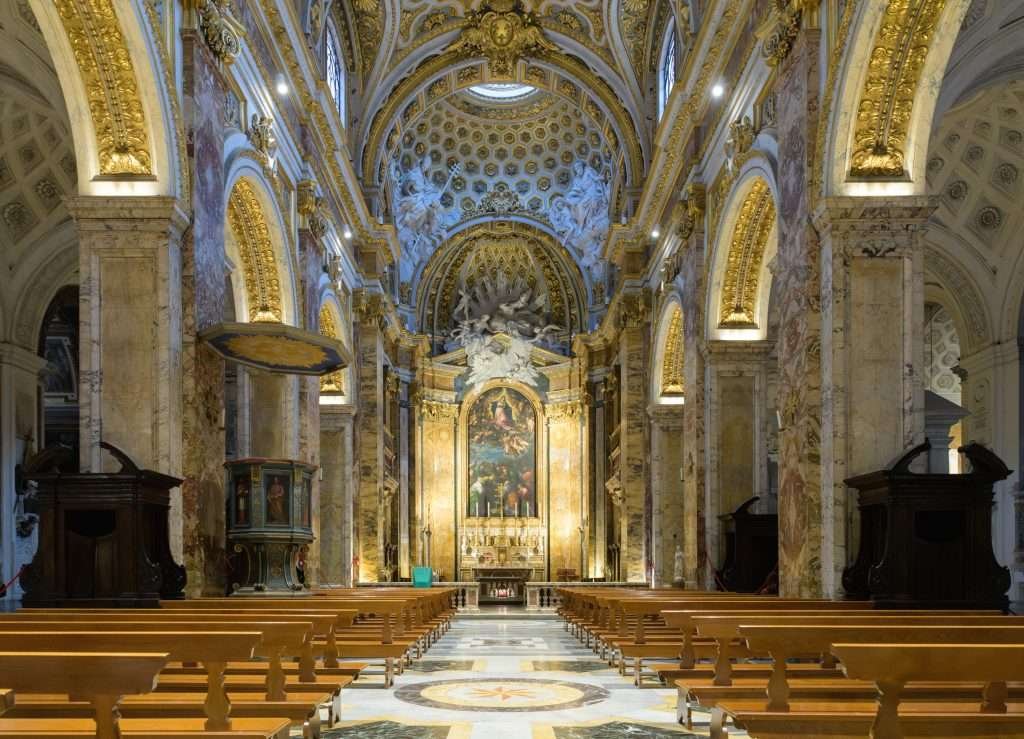
- San Luigi dei Francesi: Located just steps from Piazza Navona, you can walk into this church and find the Contarelli Chapel. Here, you will see three massive, dramatic, original paintings by Caravaggio detailing the life of St. Matthew. You just need to drop a €1 coin into a small box to turn the lights on.
- Santa Maria del Popolo: Located in Piazza del Popolo, this stunning church houses even more works by Caravaggio, along with architecture designed by Raphael and sculptures by Bernini.
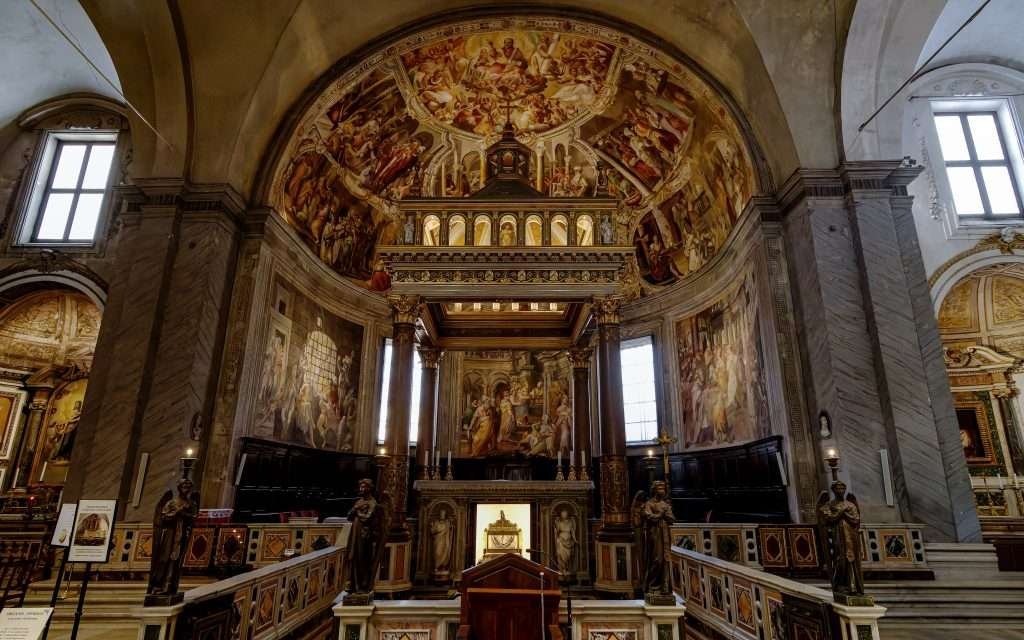
- San Pietro in Vincoli: Tucked away near the Colosseum, this church houses Michelangelo’s colossal, incredibly detailed marble statue of Moses.
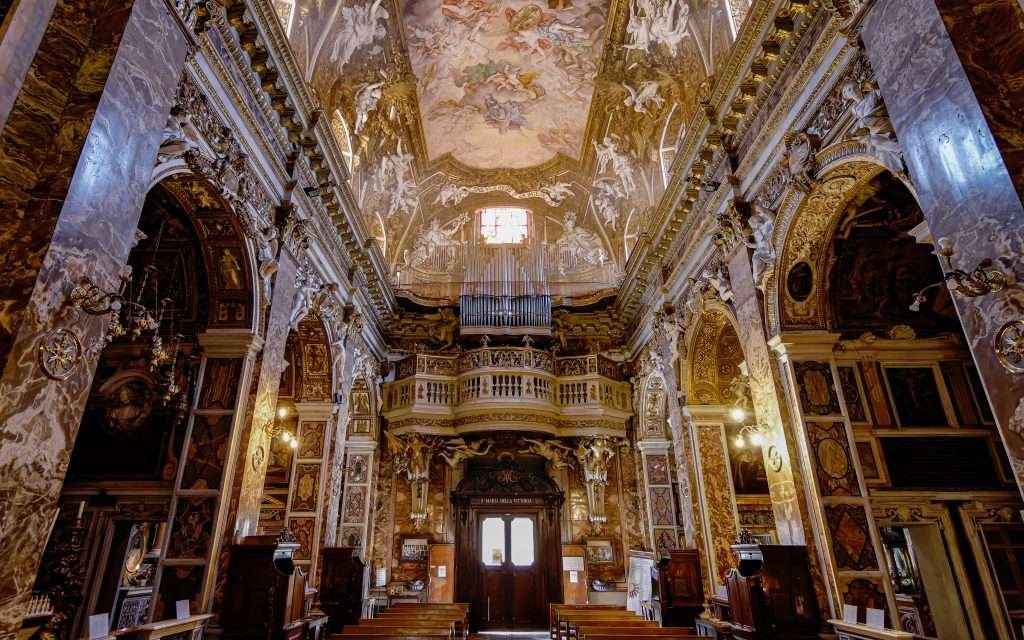
- Santa Maria della Vittoria: Walk inside to witness Bernini’s famous, highly dramatic sculpture, The Ecstasy of Saint Teresa.
A quick note on the Pantheon: For centuries, the Pantheon was the greatest free monument in the city. However, as of recent years, Italy has introduced an entry fee (roughly €5). While it is no longer free, it remains one of the cheapest and most spectacular monuments you can enter.
Doing Rome on a budget does not mean skipping the culture; it just means knowing where the free masterpieces are hiding.
5. Walk, Don’t Cab
Rome is fundamentally a walking city. The historic center (the Centro Storico) is actually surprisingly compact. You can easily walk from the Spanish Steps to the Trevi Fountain, down to the Pantheon, and over to Piazza Navona all within 30 minutes, which is exactly why our 3 Days Itinerary relies so heavily on walking routes rather than public transit.
Avoid Taxis at All Costs Taxis in Rome are famously expensive. Furthermore, if you hail a cab off the street rather than at an official taxi stand, you run the risk of an unscrupulous driver “forgetting” to turn the meter on, resulting in a wildly inflated fare. Uber operates in Rome, but only Uber Black (the luxury tier) is legally allowed, making ride-sharing incredibly expensive for budget travelers.
The ATAC Public Transit System When your feet eventually give out from the unforgiving cobblestones (sampietrini), use the local ATAC public transit network. It consists of the Metro (subway), buses, and electric trams.
A standard ticket, known as a BIT, costs exactly €1.50. The brilliance of the BIT ticket is that it lasts for 100 continuous minutes from the moment you validate it. Within those 100 minutes, you can take as many buses and trams as you want, plus one single ride on the Metro.
The Validation Warning: You MUST validate your ticket the moment you step onto a bus or tram using the yellow machines. If you hold a ticket but fail to stamp it, undercover transit police will happily hand you a €50 fine on the spot. If the machine is broken (which happens frequently), write the date and time on your ticket with a pen to prove you tried.
6. Where to Stay (The Neighborhood Compromise)
Accommodation will be your single biggest expense in Italy. If you want to visit Rome on a tight budget, you have to compromise on your location. (If you aren’t sure which neighborhoods are safe or logistically convenient, refer back to the neighborhood breakdowns in our First Time in Rome: The Ultimate 2026 Survival and Travel Guide).
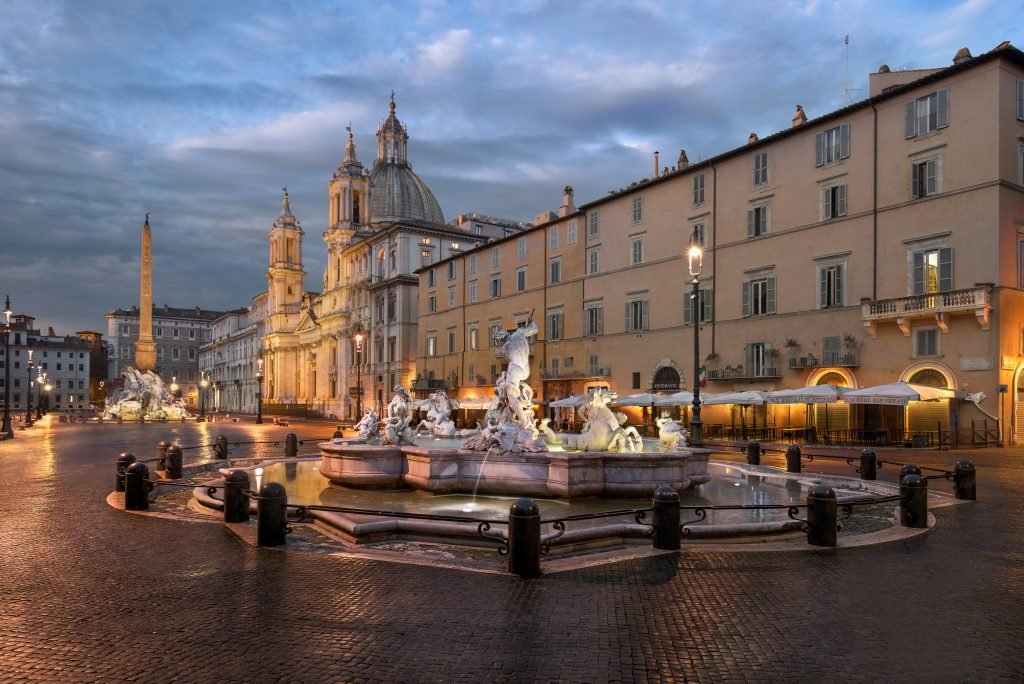
Avoid the Tridente and Piazza Navona The area immediately surrounding the Spanish Steps, the Pantheon, and Piazza Navona is undeniably beautiful, but it is insanely priced. You are paying a massive premium simply to walk out of your hotel and see a monument.
The Termini Station Area The streets directly surrounding the main train station (Roma Termini) are often described as gritty, and they lack the romantic cobblestone charm of the historic center. However, this neighborhood boasts the highest concentration of budget hotels and hostels in the entire city. It is perfectly safe during the day, incredibly convenient for catching early flights or high-speed trains to Florence, and connects directly to both Metro lines.
Monti and San Lorenzo If you want charm without the massive price tag, look at Monti. It is hip, young, filled with vintage shops, and located right next to the Colosseum. If you want true budget pricing, look further east to San Lorenzo. This is the university district. It is rough around the edges, heavily covered in graffiti, but it boasts the cheapest beer, the cheapest pizza, and the most vibrant, youthful nightlife in Rome.
The Best Kept Secret: Monastery Stays If you want a private room but cannot afford a hotel, look for a Casa per Ferie. These are guest houses run by active orders of nuns or monks. They are incredibly simple, impeccably clean, exceptionally quiet, and often cost half the price of a standard 3-star hotel. They are located all over the city. The only catch? Many of them enforce a strict curfew (often around 11:00 PM or midnight). If you are coming to Rome to party until 3:00 AM, this is not for you. If you are coming for history and early mornings, it is the ultimate budget hack.
7. The “Free Sunday” Trick
Depending on the bar, this food can range from simple bowls of potato chips and olives to massive spreads featuring slices of pizza, cold pasta salads, roasted vegetables, cured meats, and fresh cheeses. A heavy aperitivo plate combined with a cocktail easily serves as a complete dinner for a fraction of the cost of a traditional trattoria, making it the perfect, relaxing way to cap off an exhausting 1 Day Itinerary of sightseeing.
The First Sunday of the Month On the first Sunday of every single month, all state-run museums and archaeological sites in Italy are completely free to the public. This includes massive, expensive sites like the Colosseum, the Roman Forum, Palatine Hill, and the Borghese Gallery.
The Last Sunday of the Month The Vatican is an independent city-state, so it does not follow Italy’s rules. However, the Vatican Museums (which include the Sistine Chapel) open their doors for completely free on the last Sunday of every month from 9:00 AM to 2:00 PM (final entry is at 12:30 PM). Standard tickets usually cost upward of €20, so this is a massive saving.
The Harsh Reality of “Free” In Rome, “free” is synonymous with “crushingly crowded.” You will not be the only budget traveler trying to see the Colosseum for free. If you attempt to utilize a Free Sunday, you must set your alarm for 6:30 AM and be standing in line long before the gates officially open, otherwise, you will spend half your day staring at the back of someone’s head.
8. The Budget Dinner Hack: Aperitivo Hour
Eating a sit-down dinner in a restaurant every single night will destroy a €70 daily budget. To survive in Rome, you must embrace the glorious northern Italian tradition that has firmly taken root in the capital: Aperitivo.
Between 6:30 PM and 8:30 PM, bars across the city try to entice the after-work crowd. The concept is simple: you pay a slightly inflated price for a single cocktail, glass of wine, or Aperol Spritz (usually around €10 to €15). In exchange, you are granted unlimited access to a buffet of food.
Depending on the bar, this food can range from simple bowls of potato chips and olives to massive spreads featuring slices of pizza, cold pasta salads, roasted vegetables, cured meats, and fresh cheeses. A heavy aperitivo plate combined with a cocktail easily serves as a complete dinner for a fraction of the cost of a traditional trattoria. Head to the Trastevere neighborhood for the highest concentration of fantastic, food-heavy aperitivo bars.
9. Supermarket Dining and Epic Picnics
There is absolutely no law stating you must eat in a restaurant to experience incredible Italian food. In fact, compiling a meal from a local grocery store is one of the most authentic and delicious things you can do.
Find a local Conad, Coop, or Pam supermarket. Walk straight to the deli counter. For under €10, you can buy a massive ball of fresh, weeping mozzarella di bufala, a quarter-kilo of thinly sliced, premium prosciutto, a crusty loaf of fresh bread, and a cheap bottle of highly drinkable local wine.
Take your groceries and walk to the Villa Borghese gardens, or take the Metro south to the Parco degli Acquedotti (Aqueduct Park). Sitting on the grass in the shadow of massive, 2,000-year-old stone aqueducts while eating fresh mozzarella and drinking wine is an experience that a luxury restaurant simply cannot replicate, and it costs almost nothing.
10. Skip the Overpriced “Viewpoints”
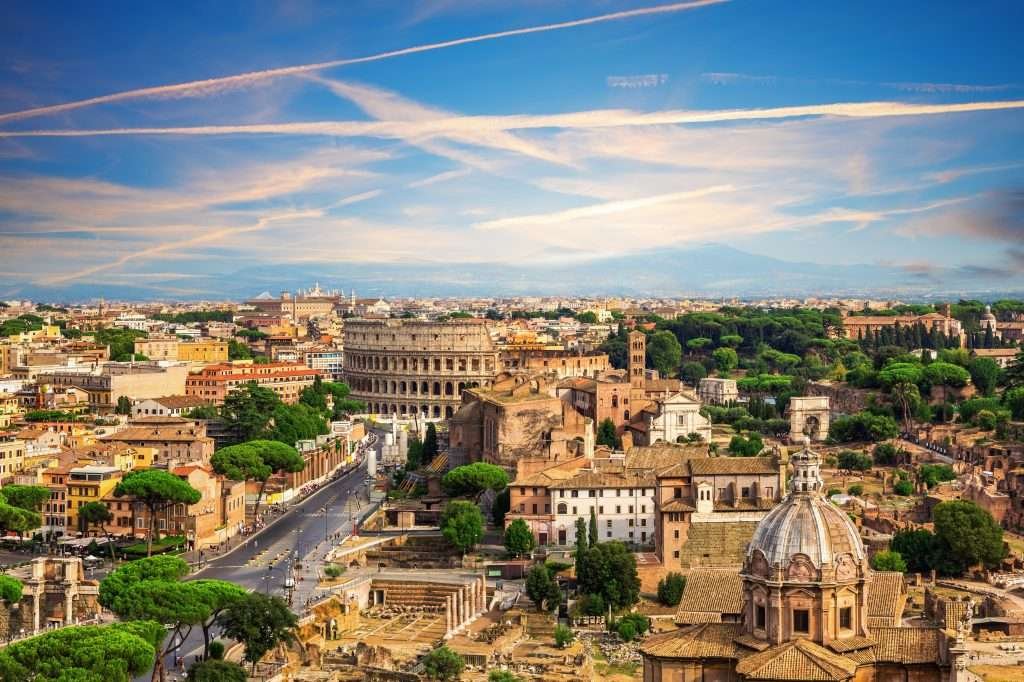
Do not pay to go up the Altare della Patria elevator or pay the premium ticket price to climb the dome of St. Peter’s Basilica if you are tight on cash. Rome is built on seven hills, meaning the city is naturally contoured to provide spectacular, sweeping panoramic views for absolutely free.
Janiculum Hill (Il Gianicolo) Located just above the Trastevere neighborhood, this public park offers the absolute best, unobstructed view of the entire Roman skyline, stretching from the Pantheon all the way to the distant mountains. If you arrive just before noon, you can witness the traditional firing of the Gianicolo cannon-a daily ritual that has occurred since the 1800s.
The Orange Garden (Giardino degli Aranci) Located on the Aventine Hill, this beautiful, quiet park is filled with fragrant bitter orange trees. Walk to the terrace wall for a stunning, framed view of the dome of St. Peter’s Basilica hovering over the city. Just down the street from the garden, you will find the famous Knights of Malta Keyhole-look through the brass keyhole in the heavy green door to see a perfectly framed view of the Vatican dome through a tunnel of hedges. Completely free, completely magical.

Visiting Rome on a budget forces you to slow down. When you can’t afford a taxi, you are forced to walk the winding backstreets. When you can’t afford a heavy restaurant lunch, you are forced to eat simple pizza on the street corners. Ironically, bypassing the luxury side of the city is exactly how you fall in love with the true, gritty, ancient soul of Rome. For more tips on how to structure your days efficiently while walking across the city, check out our highly optimized 1 Day Itinerary!
Why did my coffee cost €5 when the sign said €1.50?
In Italy, coffee prices are heavily regulated, but only if you drink it standing up at the bar (al banco). The moment you sit down at a table (al tavolo), especially outside in a piazza, you are paying for the real estate and table service, and the price can easily triple or quadruple. To save money, always drink your coffee standing at the counter like a local.
Is it safe to drink from the public water fountains in Rome?
Yes, absolutely! Rome is filled with cast-iron fountains known as nasoni (“big noses”) that run continuously with ice-cold, pure drinking water pumped directly from the surrounding mountains. Bring a reusable bottle and fill it up all day to save the money you’d otherwise waste on plastic water bottles.
What is the cheapest way to eat a filling lunch in Rome?
Skip the sit-down restaurants for lunch and embrace Roman street food. Grab Pizza al Taglio (rectangular pizza cut with scissors and sold by weight), a Supplì (a deep-fried, cheese-stuffed rice ball for about €2), or a Trapizzino (a pizza pocket stuffed with hearty Roman stews).
Are there any days when museums in Rome are free?
Yes! If you time your trip right, you can save a massive amount of money. State-run sites like the Colosseum and the Borghese Gallery are completely free on the first Sunday of every month. The Vatican Museums (including the Sistine Chapel) are free on the last Sunday of every month. Just be prepared to arrive very early to beat the massive crowds.
What is the cheapest way to get around the city?
Rome is highly walkable, and you should avoid the notoriously expensive taxis. When you need to rest your feet, use the ATAC public transit system. A standard BIT ticket costs just €1.50 and covers unlimited bus and tram rides, plus one Metro ride, for 100 continuous minutes. Just remember to validate your ticket the moment you board!