
Start here: Book your Sagrada Família tickets before you book your flights if it’s your First Time in Barcelona. Seriously. Not after you land. Not the night before. The moment your dates are confirmed, open the Sagrada Família website and lock in a slot. They sell out weeks in advance and no amount of charm at the door will get you in.
Everything else in this guide is things you’ll figure out eventually. That one, you won’t get a second chance at.
Visiting Barcelona for the first time is an adventure filled with excitement and new experiences, making the First Time in Barcelona even more special.
The 30-Second Summary
Before we go deeper, here’s what you absolutely need to know before landing:
- Sagrada Família: Book 2-3 weeks in advance minimum.
- T-Casual card: Buy it at any metro station. 10 rides for ~€12. Works on metro, bus, and tram.
- Meal times: Lunch is 2:00 PM – 4:00 PM. Dinner starts at 9:00 PM. If a restaurant is full at 6:00 PM, it is feeding tourists, not locals.
- Aerobús: The best airport option. ~€7, takes 35 minutes to Plaça de Catalunya.
- Skip the Sangria. Order Vermut or Cava.
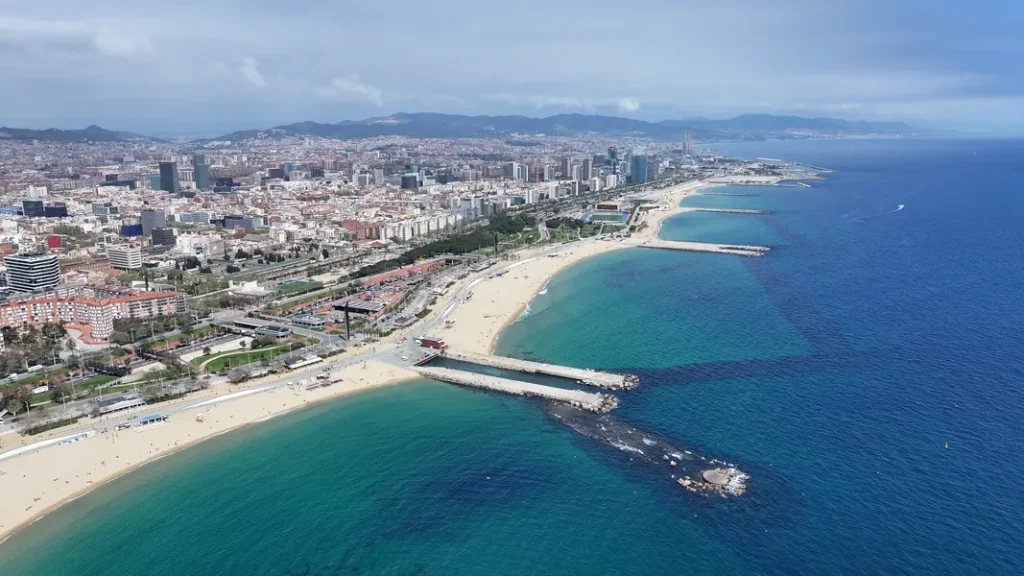


1. The Safety Talk (Read This First, Skip Nothing)
Barcelona’s pickpocket reputation is not exaggerated – but it is misunderstood. These are not muggers. Nobody is going to threaten you. What you’re dealing with is sleight of hand: distraction, misdirection, and practiced coordination between two or three people you’ll never identify as a team.
The classic moves in 2026:
The Metro Door Grab. Someone boards at the last second, your bag is near the gap, and as the doors close you realize your phone is gone. Fix: keep your phone in a front pocket or zipped inside a bag you’re wearing across your body, not dangling at your side.
The Map/Paper Approach in a Café. Someone leans over your table with a large paper – a map, a flyer, a petition – and a second person slides your phone off the table while you’re focused on the distraction. Fix: phone goes in your pocket the moment you sit down, every time.
The Shell Game and “Free” Bracelets on La Rambla. Walk the boulevard once if you want to see it. Then leave. Anyone stopping you on La Rambla is running a scam or selling something overpriced. The “friendship bracelet” people near the top of La Rambla are especially persistent – once it’s on your wrist, they’ll demand payment.
The Card Machine Lean. At bars frequented by tourists, watch your card when paying. Always cover the PIN pad.
None of this needs to ruin your trip. One cross-body bag worn in front, a front-pocket phone habit, and awareness at metro doors covers about 90% of the risk.
2. Getting From the Airport Without Getting Ripped Off
The Aerobús (Best Option for Most People)
The blue Aerobús runs from both Terminal 1 and Terminal 2 directly to Plaça de Catalunya, which is the center of the city. Cost is ~€7 one way or ~€12.50 return. Journey time is 35 minutes in normal traffic, longer during morning rush hour (roughly 8:00 AM – 9:30 AM). It has Wi-Fi, decent luggage space under the seats, and runs 24 hours. Buy the return ticket when you board on day one.
Taxis and Rideshare
Taxis from the airport run on a meter, not a flat rate, and you’ll typically pay €35-€45 depending on traffic and which neighborhood you’re heading to. Avoid unlicensed drivers who approach you in the arrivals hall – always walk to the official taxi rank outside. For app-based rides, use FreeNow rather than Uber; Uber has fewer cars available at Barcelona airport and surge pricing is common.
The Metro (L9 Sud) – Useful Only in Specific Cases
The L9 Sud connects both airport terminals to the city for around €5.15 (it’s on a separate fare zone from the T-Casual card). The problem is that it doesn’t go directly to the city center – you’ll need to change lines at Torrassa or Collblanc, which adds time and complexity when you’re tired and loaded with luggage. Only worth it if you’re staying near Sants station or the Fira area.
(The train from Sants to the airport – the R2 Nord Rodalies line – is actually faster and cheaper than the metro for some neighborhoods near Sants. Costs around €4.60. Worth checking if your hotel is in that part of town.)
3. Where to Stay: Neighbourhood Reality Check
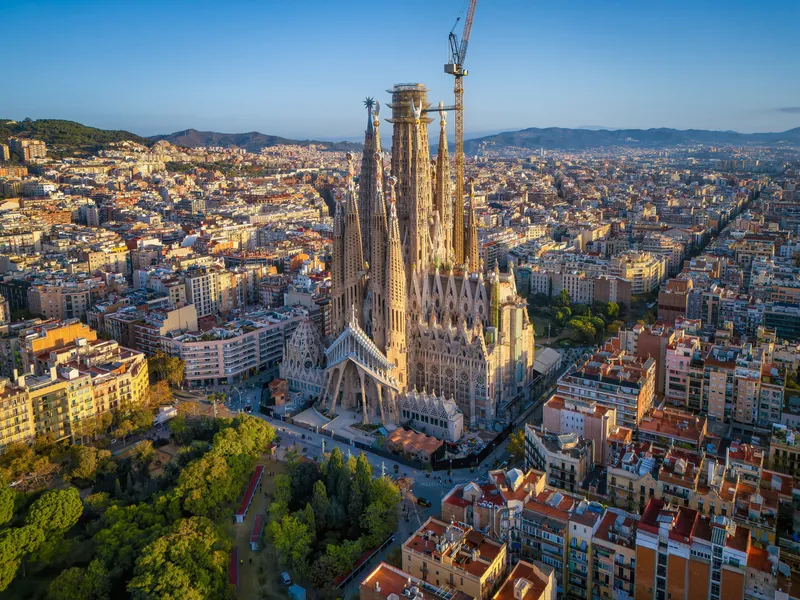
Eixample is the right base for a first visit. It’s the grid of wide streets with those distinctive chamfered corners you’ll see in every aerial photo of the city – Gaudí’s Casa Batlló and Casa Milà are both here, the shopping is good, and it’s quiet enough to sleep. The downside is that it’s slightly further from the beach and the Born area.
El Born (sometimes called El Barri Gòtic’s cooler neighbor) is narrower streets, better bars, the Picasso Museum, and Santa Maria del Mar church. Noisier on weekends. Better for people who want to be walking distance from everything and don’t mind some street noise after midnight.
Avoid La Rambla itself for accommodation. Not because it’s dangerous (it isn’t), but because it’s loud around the clock and the hotels directly on it charge a premium for the address rather than the quality.
Hotel picks:
- Luxury – Cotton House Hotel: A converted 19th-century textile headquarters in Eixample. The courtyard terrace is quiet in a way that’s hard to find in this city.
- Mid-Range – Hotel Jazz: Rooftop pool, two minutes from Plaça de Catalunya on foot, rooms that are actually sized for human beings. Good value relative to what you get.
- Budget – Yeah Hostel: Clean, modern, has a kitchen and a bar that’s social without being unbearable at 3 AM.
4. The Gaudí Buildings: What to Book and When
Sagrada Família
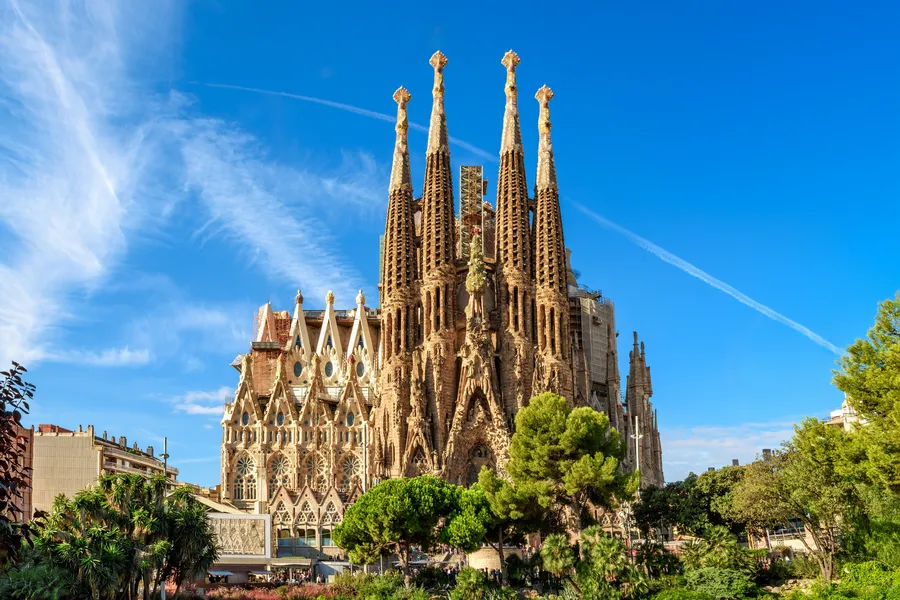
This is non-negotiable. You cannot show up without a ticket – there is no walk-up queue, and the limited same-day tickets sell out online before most people wake up.
- Book: Minimum 2-3 weeks out. Check the official website directly: sagradafamilia.org. Third-party resellers charge the same price plus a markup.
- Best slot: The 9:00 AM entry. Light through the stained glass on the Nativity facade is best in the morning. By 11:00 AM the central nave is shoulder-to-shoulder.
- Tower access: Worth paying extra for (around €9 on top of base ticket). The Nativity Tower is easier to access than the Passion Tower. Both have lifts going up, stairs coming down.
- Base ticket: Approximately €26
- Time needed: 1.5 to 2 hours if you’re thorough. 45 minutes if you’re not.
Park Güell

The free sections of the park are genuinely worth seeing – the mosaic terrace at the top of the hill has a view over the city that makes the climb worthwhile. But the “Monumental Zone” (the terraced area with the famous dragon staircase and Gaudí’s house) requires a timed ticket.
- Book: Same rule as Sagrada – don’t show up without one.
- Best slot: 9:00 AM entry. The tour buses arrive between 10:30 AM and 11:00 AM and the terrace gets very crowded.
- Price: Approximately €10 for the Monumental Zone
- Getting there: Bus 24 from Passeig de Gràcia drops you at the top entrance, which means you skip the uphill walk. Most people miss this.
- Combo trap: Some sites sell combined Sagrada + Park Güell tickets. Check if the slots work for your schedule before buying – they often don’t.
5. Eating: The Schedule, The Rules, and Where Not to Sit Down
The Clock
Barcelona runs on a shifted timeline. Not shifted by minutes – shifted by hours.
- 8:00 AM – 10:00 AM: Coffee and something small. Pan con tomate (bread rubbed with fresh tomato and olive oil, sometimes topped with jamón) is the canonical breakfast.
- 2:00 PM – 4:00 PM: Lunch. This is the main meal of the day, not dinner. Restaurants fill up, the kitchen is running at full capacity, and the Menú del Día is available.
- 6:00 PM – 8:00 PM: Merienda. A snack break. Not a meal. A pastry or a small sandwich.
- 9:00 PM onwards: Dinner. 9:30 PM or 10:00 PM is when most locals actually eat.
The tourist trap test: Walk past a restaurant at 7:00 PM. If every table is full, keep walking. If it’s half-empty, it might be worth checking the menu.
The Menú del Día (Best Value in the City)
At lunch, almost every proper restaurant offers a set menu: starter, main, dessert or coffee, and usually a glass of wine or water included. Price is typically €12 – €18 depending on the neighborhood. Order this instead of à la carte at lunch and you’ll eat exactly what the tables around you are eating, at a fraction of what dinner would cost.
Tapas vs. Pinchos vs. Paella
Tapas are small plates meant for sharing: patatas bravas (fried potatoes with two sauces – the aioli and the spicy red sauce, eaten together), pimientos de padrón (blistered green peppers, mostly mild, one in ten will light your mouth on fire), calamari, jamón croquetas.
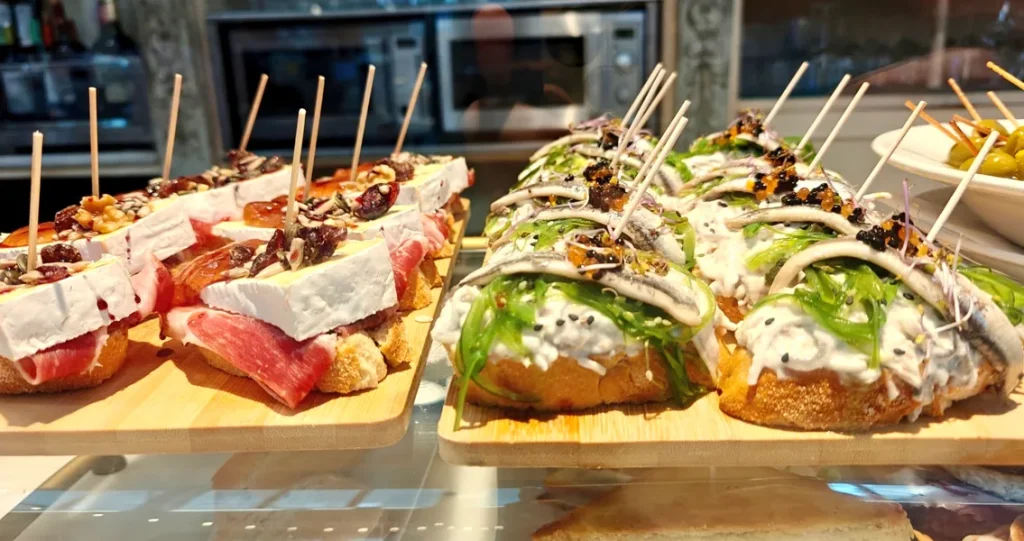
Pinchos (Pintxos) are the Basque-country version: snacks served on small slices of bread, held together with a toothpick. You stand at the bar, grab what looks good, and at the end the server counts your toothpicks to calculate the bill. Head to Carrer de Blai in the Poble Sec neighborhood – it’s a street almost entirely made up of pintxo bars where most pieces cost €1.50 – €2.00. This is the best cheap eating in the city. Goes from quiet to packed between 7:00 PM and 9:00 PM.
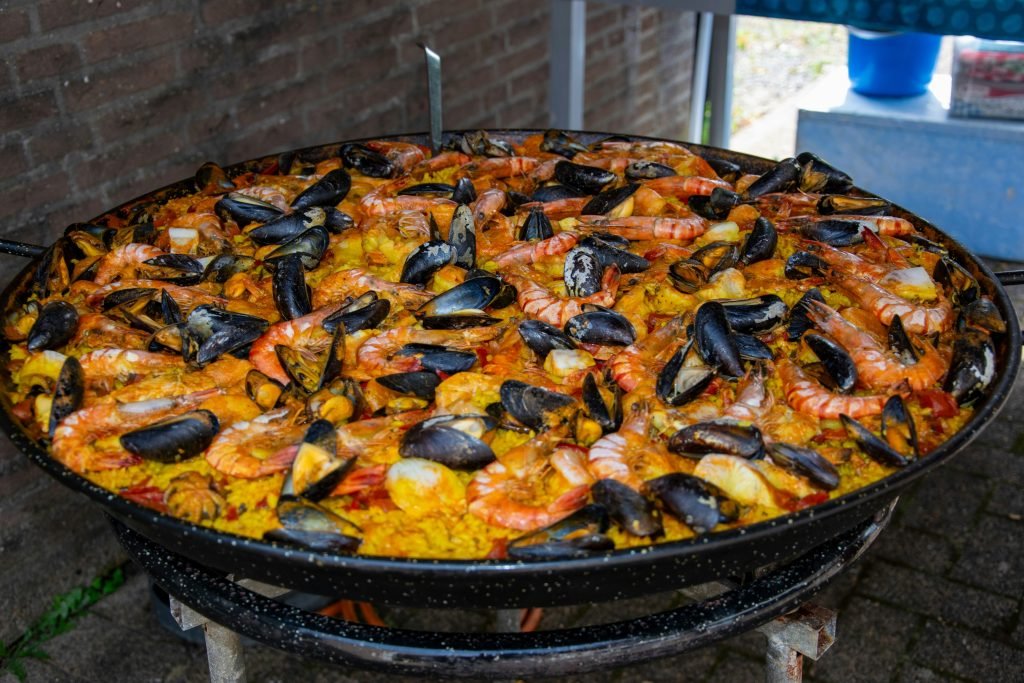
Paella Rule: Locals eat paella at lunch, on Sundays or Thursdays. Never dinner – it’s too heavy. If a restaurant is pushing paella to you at 9:00 PM, it’s either for tourists or it was made this morning. The best paella is in the Barceloneta neighborhood near the beach, but expect to pay €18-€28 per person at a legitimate place.
For a deeper dive on where to eat by neighborhood, see our Barcelona food guide.





6. Drinks: What to Order and What to Avoid
Skip the Sangria. In tourist-facing bars, sangria is usually box wine mixed with fruit juice and a piece of orange floating in it. It tastes fine but you’re paying €8-€12 for something that costs about €1.50 to make.
Order instead:
- Vermut (Vermouth): Served over ice with a slice of orange and an olive. This is the pre-lunch drink. Go to any bar in the Eixample at 1:00 PM on a Sunday and you’ll see how seriously locals take this ritual. Usually €3-€5.
- Cava: Catalan sparkling wine. Good cava at a bar costs €4-€7 a glass and is genuinely excellent. Don’t compare it to Champagne – it’s a different grape and a different production process, and it’s better served cold.
- Tinto de Verano: Red wine with lemon-flavored soda. Lighter than Sangria, more refreshing, and the drink of choice for warm evenings. Locals drink this from spring through early autumn.
The Cervesa question: Barcelona’s local beer is Estrella Damm. It’s decent lager, costs €2.50-€4 depending on where you sit, and is fine. The craft beer scene has grown substantially in El Born and Gràcia.




7. Transport: Stop Buying Single Tickets
Every single metro ticket costs around €2.55. The T-Casual card gives you 10 rides for ~€12 – that’s roughly €1.20 per ride and it works on the metro, bus, tram, and the FGC suburban trains. Buy it at any metro ticket machine. You can share it between people.
Zone 1 covers everything you need in the city center. The T-Casual card is a Zone 1 card. It does NOT cover the airport metro (L9 Sud) – that requires a separate ticket.
Night buses (Nitbus) run when the metro closes. The metro shuts down at midnight Sunday through Thursday, 2:00 AM on Fridays, and runs all night on Saturdays. Check which night bus covers your return route before you go out.
(The V15 and H16 are the most useful cross-city night buses. The N17 and N18 cover the main tourist areas.)
8. Money, Tipping, and Water
Tipping: Not mandatory and not expected at the 20% level. The standard is to round up – if the bill is €23, leave €25. If you had genuinely good service for a long dinner, €3-€5 on top is considered generous. Tipping on card is less common than leaving small change.
Water: Barcelona tap water is technically safe to drink. It also has a high mineral content that makes it taste unpleasant straight from the tap. Buy a 5L water jug at a supermarket (Mercadona, Lidl, Dia) for €0.80-€1.20 and refill a small bottle from it. Far cheaper than buying 500ml bottles constantly and better for the environment.
Cash vs. Card: Most places accept card, including small tapas bars. A few markets and older cafes still prefer cash. Carry €30-€50 in small bills as a backup.
9. Common Mistakes (Fast List)
- Not booking Sagrada in advance – covered above, worth repeating
- Eating dinner at 7:00 PM – you’ll be fine but you won’t be eating where locals eat
- Buying a single metro ticket – buy the T-Casual immediately
- Trusting the Barceloneta restaurant touts – if someone stands outside beckoning you in, the food is average and overpriced
- Assuming paella = seafood everywhere – traditional Valencian paella is made with chicken and rabbit; seafood paella (arroz marinero) is a different dish and quality varies wildly
- Leaving your phone on the table – keep it in your pocket
What to Do First
Two major sights per day. That’s enough. Cramming four or five Gaudí buildings in one day means you’ll remember none of them properly.
A good two-day architecture focus looks like: Sagrada Família in the morning of day one, walk through Eixample in the afternoon to see Casa Batlló and Casa Milà from outside (you don’t need to go inside both). Day two: Park Güell in the morning, Palau de la Música in the afternoon, Carrer de Blai for pintxos at 8:00 PM.
The rest of the city – the Gothic Quarter, Barceloneta, the Gràcia neighborhood – doesn’t need tickets or planning. Just walk.
Ready to plan the full schedule? See our 1 day in Barcelona itinerary or the 3 days in Barcelona itinerary if you have more time. Traveling on a tight budget? Our Barcelona on a budget guide covers free sights, cheap eats, and where to sleep without overpaying.
Do I need to book Sagrada Família tickets in advance?
Yes – and not just a few days in advance. Book a minimum of 2-3 weeks out, directly on sagradafamilia.org. Third-party resellers charge the same price plus a markup. There is no walk-up queue and same-day tickets sell out online before most people wake up. The 9:00 AM slot is the best – light through the stained glass is strongest in the morning and the crowds are thinner.
What is the cheapest way to get from Barcelona airport to the city center?
The Aerobús is your best option: ~€7 one way, 35 minutes to Plaça de Catalunya, runs 24 hours. The metro (L9 Sud) is cheaper at ~€5.15 but requires a line change and isn’t worth the hassle unless your hotel is near Sants or the Fira area. Taxis run €35-€45 depending on traffic.
What time do people eat dinner in Barcelona?
Locals eat dinner between 9:00 PM and 11:00 PM. If a restaurant is full at 6:00 PM or 7:00 PM, it is serving tourists, not locals. For lunch, the window is 2:00 PM to 4:00 PM – this is the main meal of the day, and the Menú del Día (3 courses plus wine for €12-€18) is only available at lunch.
Is Barcelona safe for tourists?
Yes, but pickpocketing is a real problem. The thieves are not violent – they work through distraction and misdirection. The highest-risk moments are metro door openings (snatch and run), café tables (phone slides away under a newspaper or map), and anywhere on La Rambla. A cross-body bag worn in front, phone in a front pocket, and awareness at metro doors covers most of the risk.
What should I drink in Barcelona instead of Sangria?
Vermut (vermouth served over ice with an orange slice and olive) is the local pre-lunch drink and costs €3-€5. Cava is Catalonia’s sparkling wine and runs €4-€7 a glass at a bar. Tinto de Verano (red wine with lemon soda) is lighter and more refreshing than Sangria and what locals actually drink in warm weather. Sangria in tourist bars is typically cheap wine mixed with fruit juice – not worth the €8-€12 they charge for it.