
For a long time, Spain’s third-largest city existed quietly in the shadow of its two massive siblings, Madrid and Barcelona. Travelers would often treat it as a quick pit stop, or worse, skip it entirely. However, the secret is officially out. Today, Valencia is recognized as one of the most livable, and one of completely underrated cities on the Mediterranean coast.
This is a city that delivers genuine architectural whiplash. You can spend your morning navigating the narrow, cobblestone alleys of a 15th-century Gothic neighborhood, and by the afternoon, you are wandering through a gleaming, stark-white complex of futuristic science museums that looks like a permanent settlement on another planet.
Add to this the fact that it boasts 300 days of sunshine a year, features a massive green park built entirely inside a sunken riverbed, and is the birthplace of paella, and locals will remind you of that constantly.
If you are organizing your First Time in Valencia: The Ultimate 2026 Survival and Travel Guide, the sheer volume of history, art, and food can be paralyzing. To help you build the perfect trip, we have compiled the ultimate, comprehensive list of the 25 best things to do in Valencia.
Historical Wonders & Gothic Masterpieces
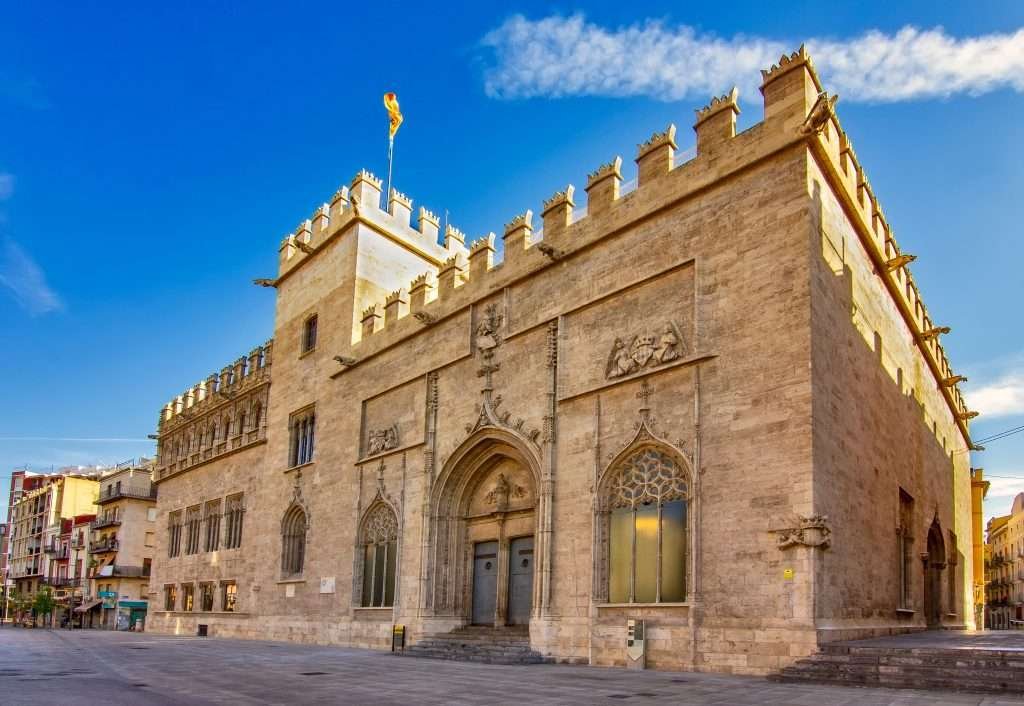
1. Marvel at La Lonja de la Seda (The Silk Exchange) If you only visit one historical building in the city, skip everything else before this if you’re short on time. A designated UNESCO World Heritage site, La Lonja is a masterpiece of late Gothic architecture. Built in the 15th century during Valencia’s Golden Age, it served as the financial epicenter of the Mediterranean silk trade. The main Contract Hall (Sala de Contratación) is staggering; massive, twisting stone columns spiral up to the vaulted ceiling, designed to look like a canopy of palm trees reaching for the heavens.
2. See the Holy Grail at the Valencia Cathedral The Valencia Cathedral is a fascinating, chaotic blend of Romanesque, Gothic, and Baroque architectural styles, largely because it was built over several centuries on the site of a former Roman temple and Moorish mosque. But its true draw is hidden inside a small, ornate side chapel. Behind a pane of illuminated glass sits an ancient, polished agate cup. The Vatican officially recognizes this specific chalice as the most likely historical candidate for the Holy Grail used by Jesus Christ at the Last Supper.

3. Climb the Miguelete Tower (El Micalet) Before you leave the Cathedral, you must conquer its bell tower. Known locally as El Micalet, this octagonal Gothic tower requires a grueling, claustrophobic climb up 207 spiraling stone steps. The physical effort is entirely worth it. Stepping out onto the open-air roof next to the massive, historic bells gives you a a clear 360-degree view of the blue-tiled church domes, the Turia Park, and on a clean day, the mountains behind the city of the city’s blue-tiled church domes, the sprawling Turia Park, and the distant mountains.

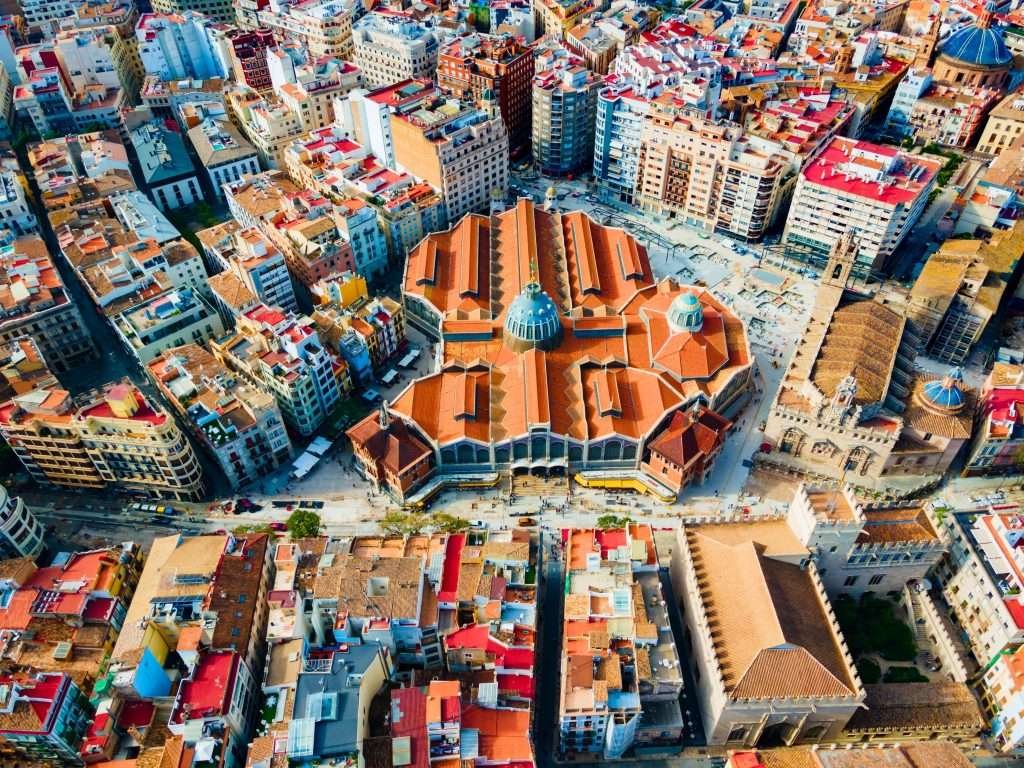
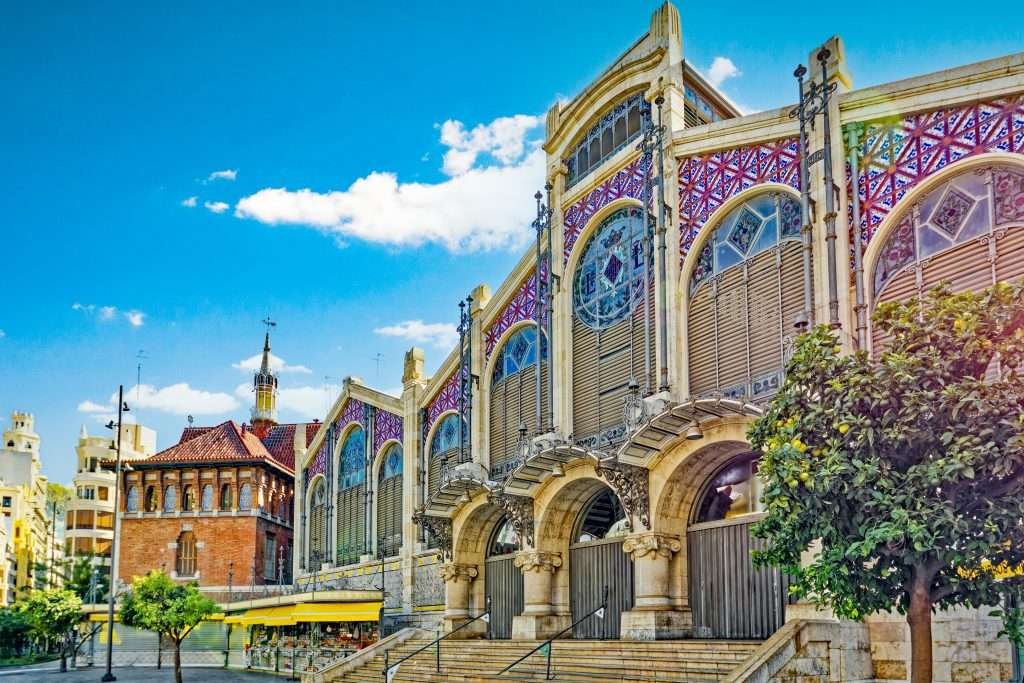
4. Get Lost in the Central Market (Mercado Central) Valencia’s Mercado Central is the largest functioning fresh produce market in Europe. Built in the 1920s in the spectacular Valencian Art Nouveau style, the building is the building is as impressive as anything inside it. Inside, over 1,000 active stalls sell mountains of Mediterranean seafood, exotic spices, and hanging legs of Jamón Ibérico. Go at 10:00 AM – that’s when the local chefs and grandmothers are doing their actual shopping and you can watch the whole operation in full swing of the local chefs and grandmothers doing their daily shopping.
5. Stand Beneath the Torres de Serranos and Quart During the Middle Ages, Valencia was entirely enclosed by a massive, impenetrable defensive wall. While the walls were demolished in the 19th century to allow the city to expand, two colossal, twin-towered gatehouses remain. The Torres de Serranos offer fantastic views over the Turia Park, while the Torres de Quart still proudly display the massive, crater-like holes left by cannonballs fired by Napoleon’s troops during the French siege of 1808.