For decades, travelers planning a Spanish getaway fell into a predictable binary: the monumental, royal grandeur of Madrid, or the whimsical, modernist architecture of Barcelona. Spain’s third-largest city was often relegated to a quick day trip or skipped entirely. But the secret is officially out. If you’re looking for the perfect itinerary, look no further than 3 Days in Valencia.
Valencia is, without a doubt, one of the most livable and underrated cities in Europe. It is a city of stunning dualities. Here, you can spend your morning walking through a 15th-century Gothic silk exchange, and your afternoon wandering through a gleaming, futuristic complex of white architecture that looks like a space station. It is a city that experiences 300 days of sunshine a year, sits right on the Mediterranean Sea, and boasts a massive, lush park built entirely inside the sunken bed of a diverted river.
More importantly, it is the undisputed culinary capital of rice. This is the birthplace of paella, and the food scene here is fiercely traditional, wildly innovative, and completely unforgettable.
If you only have 72 hours, you need a flawless game plan. Valencia is sprawling, and trying to see the historic center, the beaches, the futuristic museums, and the surrounding rice paddies without a logical route will leave you exhausted and spending half your trip in transit. This step-by-step 3-day itinerary for 3 Days in Valencia is designed to maximize your time, group the sights geographically, and ensure you eat exactly the right things at exactly the right time.
Pre-Trip Logistics: The Ground Rules
Getting Around Valencia is incredibly flat, making it one of the most walkable and bike-friendly cities in Spain. While the metro system is excellent for getting from the airport to your hotel, you will spend the vast majority of your time above ground. For Day 2 of this itinerary, renting a bicycle is not just recommended; it is the absolute best way to experience the city.
The Valencian Clock Just like the rest of Spain, Valencia operates on a delayed schedule. Do not expect to eat dinner at 7:00 PM. If you want to experience the true atmosphere of the city, plan for a light breakfast at 9:00 AM, a massive, heavy lunch at 2:30 PM, a late afternoon siesta or museum visit, and dinner around 9:30 PM.
Day 1: The Golden Age, The Holy Grail, and Old World Charm
Your first day is dedicated to the Ciutat Vella (The Historic Center). During the 15th century-Valencia’s Golden Age-this city was one of the wealthiest and most powerful in the Mediterranean, and the architecture reflects a staggering level of opulence. Put on your most comfortable walking shoes; today is about getting lost in the labyrinth of cobblestones.
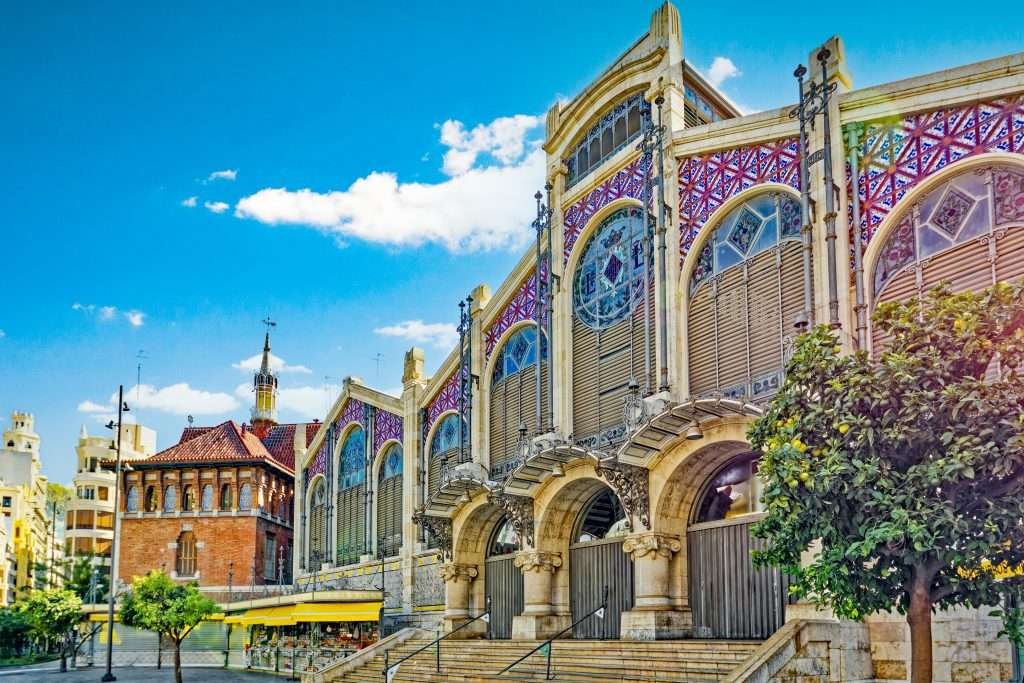
09:30 AM: Breakfast and The Central Market (Mercado Central) Start your morning right in the heart of the city at the Mercado Central. This is not a tourist trap; it is the largest fresh produce market in Europe and a spectacular masterpiece of Valencian Art Nouveau architecture. Built in the 1920s, the building features a massive iron framework, colorful ceramic tiles, and a soaring central dome decorated with stained glass.
Before exploring, grab a quick café con leche and a tostada con tomate (toast with crushed tomato and olive oil) at one of the cafes surrounding the market exterior. Then, head inside. Wander through the 1,000+ stalls selling everything from massive legs of Jamón Ibérico and fresh Mediterranean seafood to the massive, flat pans used specifically for cooking paella. The smell of fresh fish, dried spice, and Jamón fat hits you before you’re through the door.
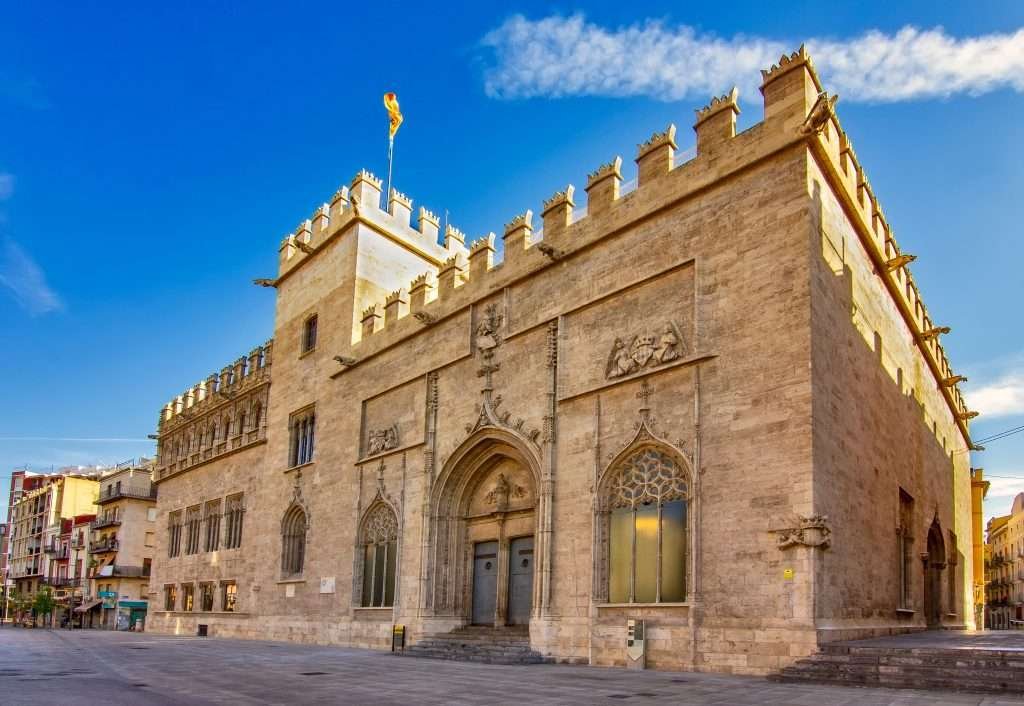
11:00 AM: La Lonja de la Seda (The Silk Exchange) Directly across the street from the market sits La Lonja de la Seda, a UNESCO World Heritage site and arguably the finest example of late Gothic architecture in Europe. In the 15th century, this was the financial epicenter of the city’s booming silk trade.
The highlight is the Sala de Contratación (The Contract Room). When you walk in, you will be struck by the towering, twisting stone columns that spiral up to the vaulted ceiling, designed to mimic a canopy of palm trees reaching toward heaven. It’s vast, cold, and echoey – the kind of space that makes you stop talking mid-sentence. Do not skip the adjacent Courtyard of the Orange Trees (Patio de los Naranjos) for a quiet moment in the shade.
12:30 PM: Plaza de la Reina and The Valencia Cathedral Walk five minutes east through the winding streets to Plaza de la Reina, one of the city’s most bustling and beautiful squares. At the end of the plaza sits the Valencia Cathedral.
Built on the site of a former Roman temple and a Moorish mosque, the cathedral is a fascinating architectural mashup of Romanesque, Gothic, and Baroque styles. However, the true draw is located immediately to your right as you enter: The Chapel of the Holy Chalice. Behind a wall of glass sits an ancient, polished agate cup that the Vatican recognizes as the most likely candidate for the actual Holy Grail used by Jesus Christ at the Last Supper.
Before you leave the cathedral, you must climb the Miguelete Tower (El Micalet). It is a grueling, claustrophobic climb up 207 spiraling stone steps, but standing on the roof next to the massive bell offers an unparalleled, 360-degree panoramic view of the city’s blue-domed churches and the distant mountains.

02:30 PM: A Late Lunch in Barrio del Carmen Walk north behind the cathedral to the Plaza de la Virgen (featuring a stunning fountain and the pink facade of the Basilica). From here, dive into the Barrio del Carmen. This is the oldest, most bohemian, and most graffiti-covered neighborhood in the historic center.
Find a highly-rated traditional tapas bar-like Tasca Angel or Bodega La Peseta-and dive into local specialties. Order Esgarraet (a savory mix of roasted red peppers, cured salt cod, and garlic doused in olive oil), Patatas Bravas, and a plate of Manchego cheese.
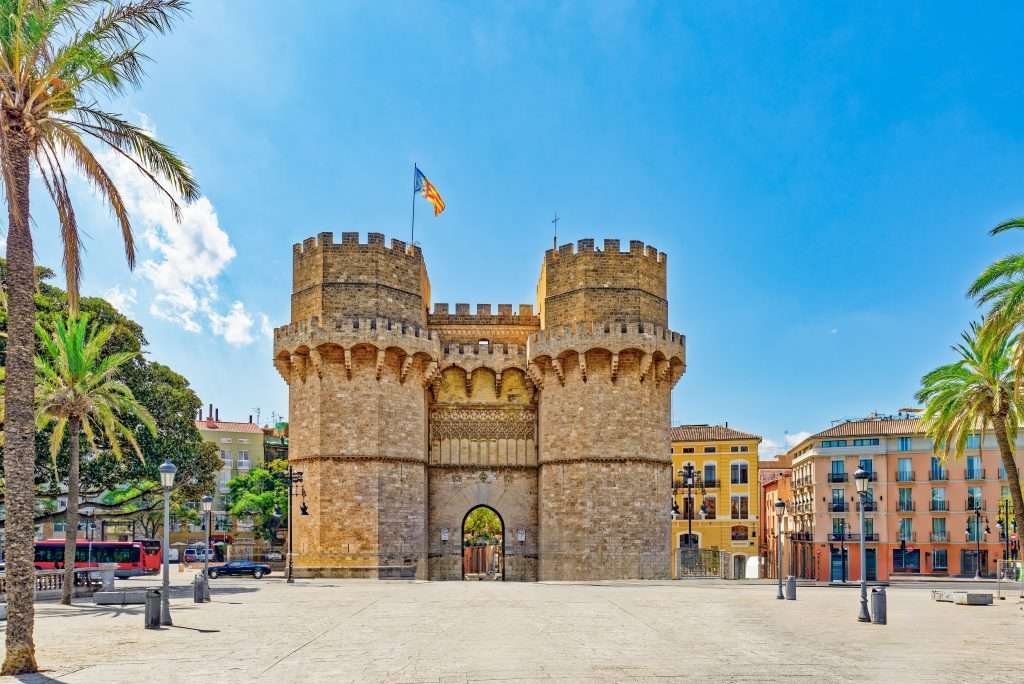
04:30 PM: The Ancient City Gates Walk off your lunch by visiting the Torres de Serranos. In the Middle Ages, Valencia was entirely enclosed by a massive defensive wall. While the walls were demolished in the 19th century to allow the city to grow, this colossal, imposing, twin-towered Gothic gatehouse remains. You can climb to the top for free (or for a tiny fee, depending on the day) to look out over the Turia Park.
08:00 PM: Agua de Valencia Before dinner, head back toward the center for a pre-dinner cocktail at Café de las Horas. This neo-Baroque, wildly over-decorated cafe is the perfect place to order a pitcher of Agua de Valencia. Do not let the innocent name fool you. This legendary local cocktail is a potent, dangerous mix of freshly squeezed Valencian orange juice, cava (Spanish sparkling wine), gin, and vodka. It goes down like juice and hits like a freight train.
09:30 PM: Dinner in El Carmen Stay in El Carmen for a late dinner. The neighborhood comes completely alive at night, with tables spilling out into the narrow alleyways. Enjoy a relaxed meal of Spanish tortillas, croquetas, and local wine, and soak in the chaotic, joyful energy of the historic center.
Day 2: The Green River, The Future, and The Paella
If Day 1 was about looking backward into Valencia’s ancient past, Day 2 is about looking forward. Today, you will explore the city’s incredible urban planning, its futuristic architecture, and its most sacred culinary tradition.
10:00 AM: Rent a Bicycle and Hit the Turia Park Start your morning by renting a bicycle. Valencia has dozens of bike rental shops dotted around the historic center, and renting one for the day will cost you around €10 to €15.
Your destination is the Jardín del Turia. In 1957, a catastrophic flood devastated Valencia. In a bold stroke of urban engineering, the government diverted the entire Turia River to the south of the city, leaving a massive, dry riverbed curving right through the metropolis. Instead of building a highway, they turned it into a nine-kilometer-long, lush, sunken park. It is the green lung of Valencia, completely free of cars, filled with orange trees, soccer fields, and fountains. Ride east along the smooth, paved bike paths, enjoying the shade and the local runners passing by.
11:30 AM: The City of Arts and Sciences As you ride to the far eastern end of the Turia Park, the trees will suddenly part, and you will be confronted with the Ciudad de las Artes y las Ciencias. Designed primarily by native Valencian starchitect Santiago Calatrava, this complex is genuinely jaw-dropping. It looks like a gleaming white utopian city from the 22nd century, surrounded by massive, shallow, turquoise reflecting pools.
Lock up your bike and explore the exterior. You will see:
- The Hemisfèric: Shaped perfectly like a giant blinking eye.
- The Science Museum: Designed to resemble the massive, bleached ribcage of a prehistoric whale.
- The Umbracle: A massive, arched, open-air promenade filled with palm trees and indigenous plants.
While you can buy tickets to go inside the museums (which are great for families), simply walking around the massive reflecting pools and photographing the architecture from the outside is often the highlight for most adult travelers.


02:00 PM: The Paella Pilgrimage to the Beach Hop back on your bike and ride another 15 minutes east until you hit the Mediterranean Sea. You are heading to the Playa de la Malvarrosa, Valencia’s massively wide, golden-sand urban beach.
But you are not here just to swim; you are here for the most important meal of your trip. Valencia is the birthplace of paella, and they take it incredibly seriously.
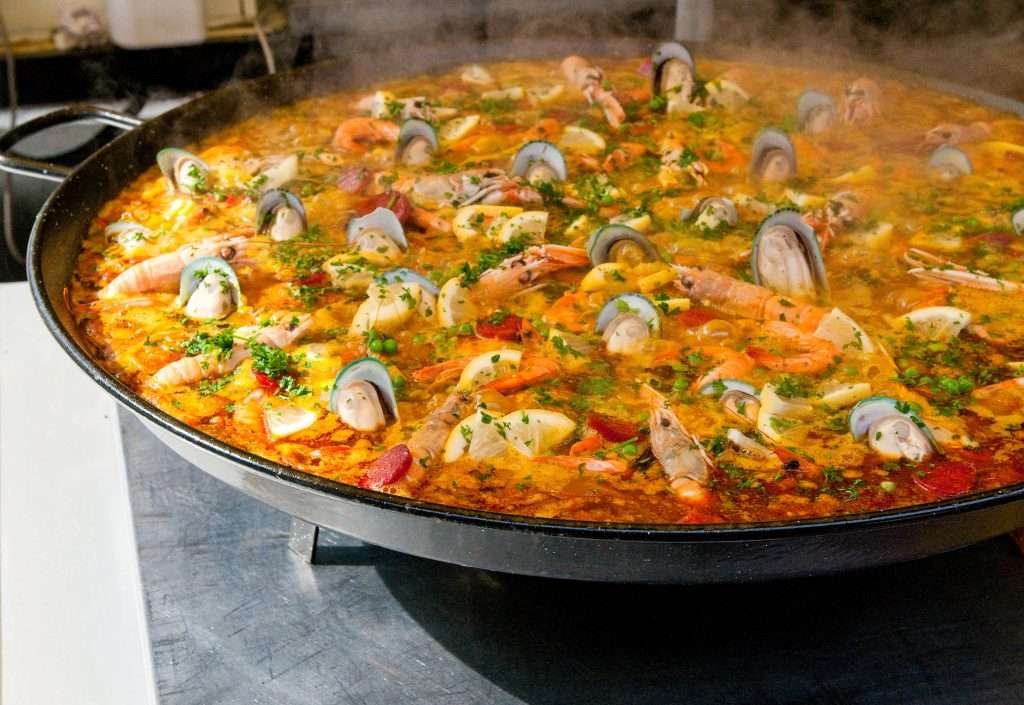
The Rules of Authentic Paella: True Paella Valenciana does not contain seafood. It is an inland dish made with short-grain rice, chicken, rabbit, flat green beans, butter beans, saffron, and sometimes snails. It is eaten exclusively for lunch, never for dinner.
Lock your bike and walk to a historic beachfront restaurant like Casa Carmela or La Pepica (where Ernest Hemingway used to eat). You must book a table days in advance. Order a massive, traditional Paella Valenciana cooked over an open wood fire. The mark of a perfect paella is the socarrat-the layer of slightly burnt, caramelized, crispy rice stuck to the very bottom of the massive steel pan. Scrape it off and enjoy the greatest culinary export of the region.

05:00 PM: Beach Relaxation and the Marina After consuming a massive pan of carbohydrates, you will need a rest. Walk out onto the sand of Malvarrosa Beach, rent a sunbed, and sleep off your lunch to the sound of the Mediterranean waves. Alternatively, walk down to the sleek Valencia Marina to watch the mega-yachts and grab an ice cream.
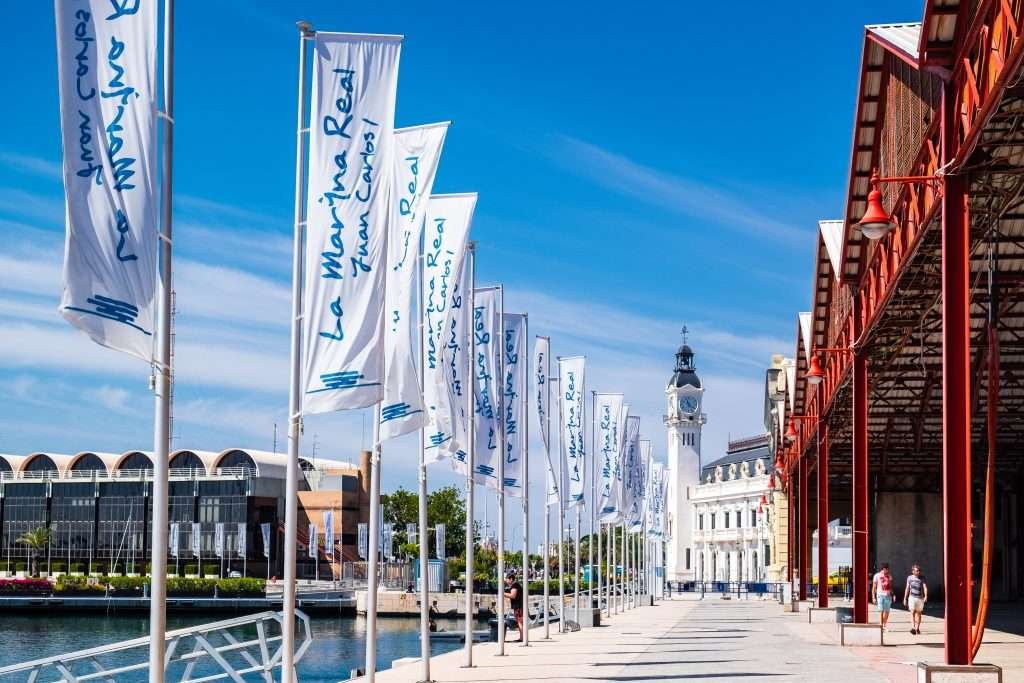
09:00 PM: Dinner in Ruzafa (The Hipster Hub) Ride your bike back into the city and return it. For dinner, take a taxi or walk south of the train station to the Ruzafa neighborhood.
Ruzafa is the Brooklyn of Valencia. Once a gritty working-class district, it has exploded into the city’s trendiest neighborhood. The grid-like streets are packed with vintage stores, craft beer taprooms, and incredible fusion restaurants. The dining scene here is highly innovative. Skip the traditional tapas tonight and look for a restaurant offering modern Mediterranean cuisine, like Canalla Bistro (by Michelin-starred chef Ricard Camarena) or a vibrant, modern Mexican or Asian-fusion spot. The energy here isThe kind of neighborhood where dinner reservations at 10 PM are normal and nobody bats an eye.

Day 3: Aristocracy, Ceramics, and The Albufera Sunset
Your final day balances the upscale, aristocratic side of Valencia with a stunning escape into the wild nature that surrounds the city.
10:00 AM: L’Eixample and The Mercado de Colón Start your morning in the elegant L’Eixample district, located just south of the historic center. This area is characterized by wide, tree-lined boulevards and high-end boutique shopping.
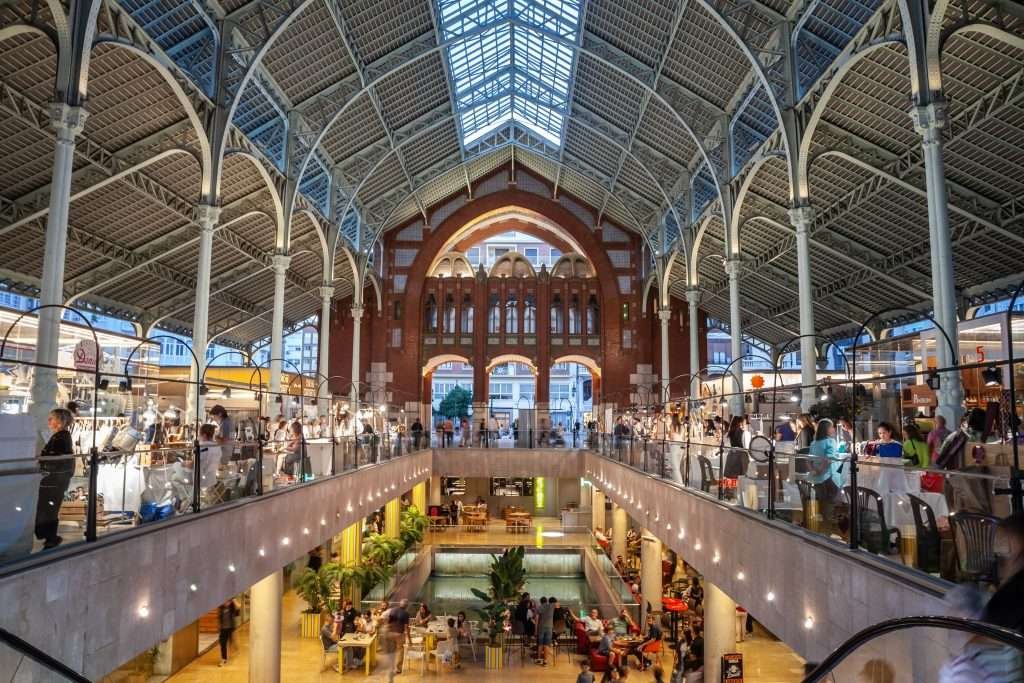
Head to the Mercado de Colón. Unlike the Central Market, this stunning 1916 Art Nouveau building is no longer a traditional wet market selling raw meat and vegetables. Instead, it has been transformed into a chic, open-air gourmet food hall and cafe space.
Sit at a table in the morning sun and order a traditional Valencian breakfast: Horchata and Fartons. Horchata de chufa is a sweet, milky, ice-cold drink made from crushed tiger nuts (it is dairy-free and highly refreshing). Fartons are long, light, sugar-glazed pastries. You dip the pastry directly into the cold horchata and eat it. It is the quintessential taste of the Valencian morning.
11:30 AM: The National Museum of Ceramics (Palacio del Marqués de Dos Aguas) Walk north back toward the historic center to visit what is arguably the most visually insane building in the city. The Palacio del Marqués de Dos Aguas houses the National Ceramics Museum, but the exterior is the real star.
The main entrance is a sprawling, violently ornate, Rococo alabaster facade that looks like it is melting off the side of the building. Carved to represent the two main rivers of the Valencia region, it features twisting muscular figures, overflowing urns, and intricate vines. Inside, you can tour the opulent, wildly decorated 19th-century aristocratic living quarters before heading upstairs to view thousands of pieces of historic Spanish pottery and tilework, including pieces signed by Pablo Picasso.

01:30 PM: A Final Menu del Día For your final city lunch, embrace the Spanish tradition of the Menú del Día (Menu of the Day). Most restaurants offer a set menu for around €12 to €18, which includes a starter, a main course, a dessert, bread, and a drink (often wine or beer). Find a bustling restaurant filled with local office workers in the Canovas or Ruzafa area and enjoy a massive, budget-friendly feast.
04:30 PM: Journey to Albufera Natural Park It is time to leave the city pavement behind. Take the EMT Bus line 24 or 25 (or a 25-minute taxi ride) south of the city to the Albufera Natural Park.
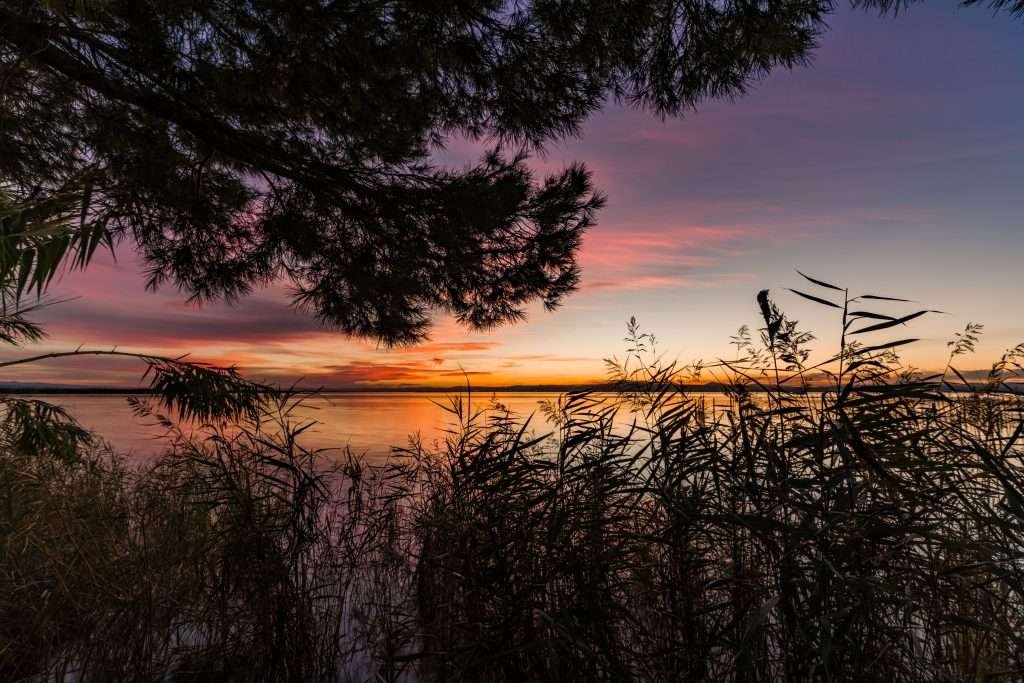
This massive, shallow freshwater lagoon is the largest lake in Spain and is separated from the Mediterranean Sea by only a thin strip of pine forests and sand dunes. This ecosystem is the reason Valencia is famous for rice; the surrounding flooded fields produce the short-grain rice required for paella.
06:30 PM: The Sunset Boat Ride Head to the tiny, traditional fishing village of El Palmar, located right on the edge of the lake. Walk down to the docks and hire one of the local boatmen. For a very small fee (usually around €5 to €8 per person), they will take you out onto the lagoon in an albuferenc (a traditional, flat-bottomed wooden boat).
Time your boat ride perfectly with the sunset. The lake is so massive and shallow that when the wind dies down in the evening, the water turns into a perfect, glassy mirror. The sky goes pink and orange. The water doubles it. There’s nothing to do but sit there.
08:30 PM: A Farewell Dinner in El Palmar After your boat docks, stay in El Palmar for your final dinner. This village is packed with traditional restaurants. Since you already had Paella Valenciana for lunch yesterday, tonight you should order All i Pebre. This is a deeply traditional, spicy fisherman’s stew made with chunks of fresh eel (caught straight from the Albufera lake), potatoes, garlic, and smoked paprika. Use thick slices of bread to sop up the rich, oily broth.
Final Thoughts for Your 72-Hour Adventure
Three days in Valencia is the perfect amount of time to realize that you need to come back. It is a city that doesn’t overwhelm you with the frantic energy of a massive capital, but rather charms you with its extreme walkability, its incredible dedication to food, and the easy, breezy Mediterranean lifestyle of its locals.
Pace yourself, drink plenty of Agua de Valencia, respect the strict rules of paella, and let the golden light of the city do the rest.
Flying into Spain? Most international routes land in Madrid first. Our Madrid itinerary covers the city in three days before you head south.
Plan Your Trip
Is Valencia’s Mercado Central actually worth visiting, or is it a tourist trap?
It’s genuinely both – and that’s fine. The building is legitimately spectacular and still functions as a working market. The trap is buying anything in the central aisles. Walk past the jamón sellers near the entrance (those prices are for tourists) and head to the back half of the market where local families are actually shopping.
Can I order paella for dinner in Valencia?
No restaurant worth eating at will serve you paella after 4 PM. Paella Valenciana is a lunch dish – locals eat it between 2 PM and 4 PM, cooked fresh. If a restaurant offers paella at 9 PM, that’s reheated rice and you should walk out.
How long does the Albufera boat ride actually take, and do I need to book?
The ride runs roughly 30-45 minutes depending on the boatman. You don’t book in advance – you walk down to the docks in El Palmar and negotiate directly. Bring cash. The EMT Bus 25 from Valencia’s Porta de la Mar stop gets you to El Palmar in about 45 minutes and costs under €2.
Is the Miguelete Tower climb worth it if I’m short on time?
Only if you’re doing it before 10 AM or after 5 PM. At 207 steps up a single-file spiral staircase, you’ll be queueing on the stairs themselves during peak hours. The view is legitimately good – you can see all the way to the rice paddies on a clear day – but it’s not worth 40 minutes of shuffling upward in a crowd.
What’s the difference between Horchata de chufa and what most people think horchata is?
Valencian horchata is made from tiger nuts (chufas), not rice or almonds. It’s grainier, slightly earthy, and much less sweet than Mexican horchata. It’s served ice-cold, almost slushy in summer. Drink it fresh – the bottled supermarket version tastes nothing like the real thing. The Mercado de Colón is a reliable spot to get it made on-site.
3 Days in Valencia — The Perfect Itinerary 2026
Day 1: Historic center on foot. Day 2: Turia park by bike to the beach and paella. Day 3: L\’Eixample, ceramics, Albufera sunset. Click any pin.