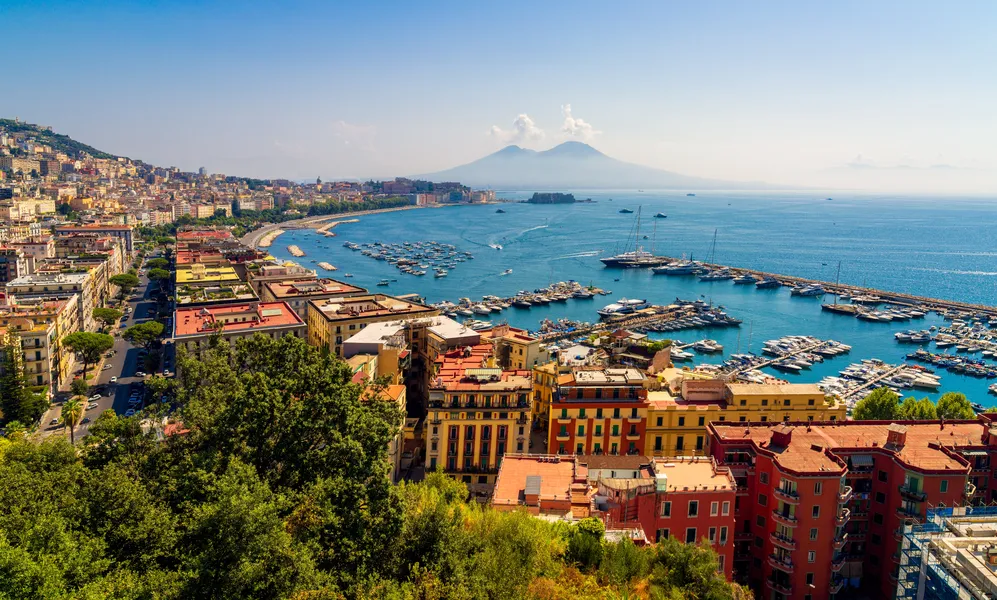
3 days in Naples is the perfect amount of time to experience the chaos, history, and incredible food of southern Italy’s most authentic city Do you dedicate your entire trip to the ancient ruins of Pompeii?
Here is the brutally honest truth: the smartest, most culturally profound, and most delicious way to spend a long weekend in the Campania region is to anchor yourself entirely in Naples.
Naples is not a polished, hyper-curated theme park for tourists. It is a massive, sprawling, ancient metropolis that operates on its own chaotic frequency. A 3-day itinerary here requires stamina. You are going to walk miles over uneven cobblestones, you are going to dodge aggressively driven scooters in narrow alleyways, and you are going to consume a staggering amount of carbohydrates.
But if you follow this highly optimized routing, you will bypass the tourist traps, minimize your transit exhaustion, and experience the absolute pinnacle of Italian history and gastronomy. This step-by-step guide will show you exactly how to conquer Naples in 72 hours.
Pre-Trip Logistics: The Unwritten Rules of Naples
Before you start checking off monuments, you must understand how the city operates in 2026.
The Ticketing Reality The days of casually walking up to world-class museums and buying a ticket at the door are completely over. Post-2020 tourism surges have fundamentally broken the old walk-up system. For this itinerary to work, you absolutely must book tickets online at least two to three weeks in advance for the following sites:
- The Veiled Christ (Museo Cappella Sansevero)
- Underground Naples (Napoli Sotterranea)
- Pompeii or Herculaneum
If you show up to the Sansevero Chapel without a pre-booked time slot, the guards will simply turn you away. There is no standby line.
Where to Base Yourself Because this itinerary is physically demanding, your hotel location is critical. Do not stay near the Napoli Centrale train station (Piazza Garibaldi) to save a few euros; it is loud, gritty, and requires a commute to see anything beautiful. Instead, book a hotel or guesthouse deep in the Centro Storico (Historic Center) if you want to step out of your door directly into the chaotic magic, or base yourself in Chiaia if you prefer a quieter, wealthier neighborhood by the waterfront. For a full breakdown of every neighborhood and specific hotel picks, read our Where to Stay in Naples guide.
Day 1: Into the Belly of the Beast (The Historic Center)
Your first day is dedicated to the densely packed, wildly vibrant historical core of Naples. Put on your most supportive walking shoes. You will not see a single tree or blade of grass today; you are diving into a deep, beautiful, architectural canyon.
09:00 AM: The Sugar and Caffeine Shock Do not sit down for a heavy breakfast. Start your morning exactly like a local Neapolitan. Walk to Pasticceria Scaturchio on Piazza San Domenico Maggiore. Walk straight to the glass counter and order a sfogliatella riccia-a clam-shaped pastry made of hundreds of shatteringly crisp layers of dough, served warm and filled with sweet, citrus-scented ricotta. Pair it with an espresso (un caffè), drink a sip of sparkling water to cleanse your palate, shoot the coffee in two gulps while standing at the bar, and leave a few coins as a tip. This is just the opening act. For every must-eat dish and where to find them, see our Naples food guide.
10:00 AM: Spaccanapoli and The Veiled Christ Step out of the cafe onto Spaccanapoli. This incredibly narrow, completely straight street literally “splits Naples” in two, following the exact grid layout laid down by the ancient Greeks. It is loud, crowded, and smells of laundry detergent and frying garlic.

Walk to the Museo Cappella Sansevero (using the ticket you wisely booked weeks ago). This small, dimly lit chapel contains one of the greatest masterpieces of human history: The Veiled Christ carved by Giuseppe Sanmartino in 1753. The statue depicts the dead Christ covered in a transparent shroud, carved entirely from a single block of solid marble. The illusion of the thin, clinging fabric is so hyper-realistic that local legend claimed the artist used alchemy to turn actual cloth into stone. It will leave you speechless. (Note: Photography is strictly forbidden inside, and the guards enforce this aggressively).
12:30 PM: The Pizza Pilgrimage You are in the city that invented pizza. It is time for a pilgrimage. Walk a few blocks east to L’Antica Pizzeria da Michele.
Here is how to survive the most famous pizzeria on earth: Do not just stand in the massive crowd hovering outside. Push your way to the front door, find the man holding a notepad, and ask for a numbered ticket. Then, wait. When he shouts your number in Italian (learn how to recognize your number in Italian before you arrive), you will be seated at a shared marble table. There are only two pizzas on the menu: Margherita (cheese) and Marinara (no cheese). Order a Margherita and a Peroni beer. The pizza will arrive in roughly three minutes. The crust is charred, the center is soupy, and the flavor is life-changing. You eat it with a knife and fork. It will cost you about €6.
03:00 PM: Descending into Napoli Sotterranea Walk off the heavy pizza by heading to the entrance of Napoli Sotterranea (Underground Naples) near the San Paolo Maggiore church.
Naples is built on a massive bed of yellow tuff stone. For over 2,000 years, locals mined the stone to build the city above, leaving a sprawling, 250-mile labyrinth of caverns and tunnels beneath the streets. The Greeks used them as aqueducts; the Romans expanded them; and during World War II, the citizens of Naples used them as bomb shelters. The guided tour takes you 40 meters underground. You will walk through ancient Roman water cisterns holding a candle to light your way through tunnels so narrow your shoulders will touch the walls.
07:00 PM: Sunset Spritz in the Spanish Quarters Cross the massive, busy Via Toledo and step into the Quartieri Spagnoli (The Spanish Quarters). This is the postcard image of Naples: impossibly steep grid streets, laundry lines stretching between balconies, and locals lowering baskets from fourth-floor windows to buy groceries from street vendors.
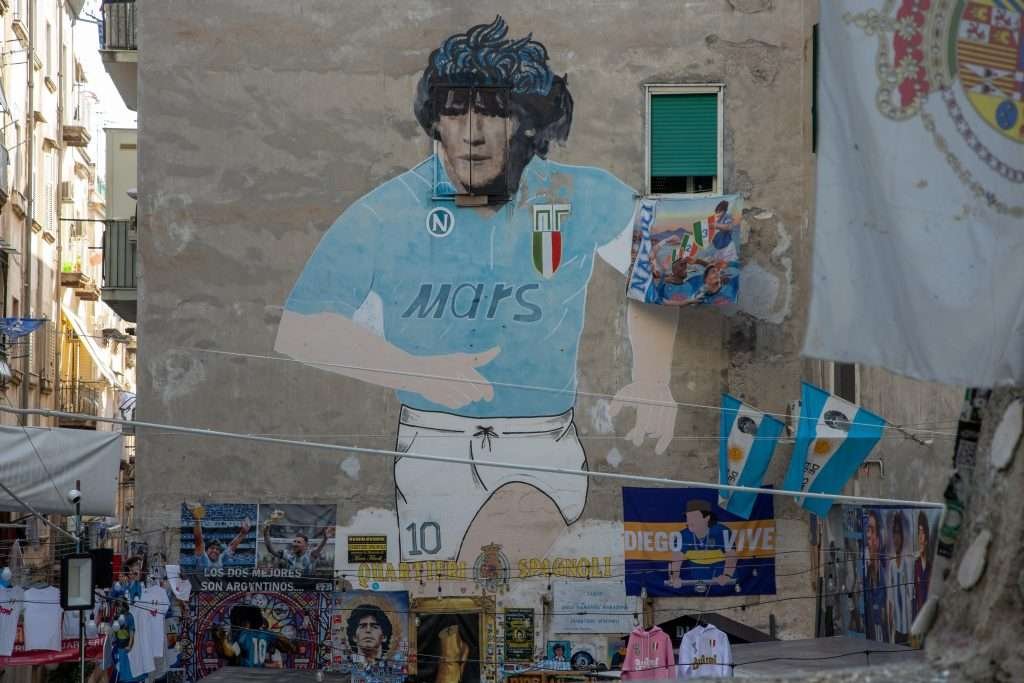
Navigate the maze until you find the famous Diego Maradona Mural. The Argentine football legend brought immense glory to Naples in the 1980s, and he is treated as a literal deity here. The square surrounding his massive mural is essentially an open-air bar and shrine. Grab an Aperol Spritz in a plastic cup from a street vendor, stand in the square, and soak in the chaotic, joyful energy.
09:00 PM: A Chaotic Trattoria Dinner Stay in the Quartieri Spagnoli for dinner. Find Trattoria da Nennella. Do not expect a quiet, romantic candlelit meal. The waiters here are famous for shouting, singing, jokingly insulting the patrons, and throwing plates onto the table. It is raucous, hilarious, and serves incredibly cheap, flawless home-style Neapolitan cooking. Order the Pasta e Patate (a thick, heavy, starchy stew of pasta, potatoes, and smoked provola cheese).
Day 2: Ash, Ruins, and Antiquities
Day two shifts the focus away from the chaotic city streets and into the tragic, fascinating history of the Roman Empire. You are going to look Mount Vesuvius right in the eye.
08:30 AM: The Commuter Train Reality Make your way to the Napoli Centrale train station. Head downstairs to the Garibaldi terminal to catch the Circumvesuviana commuter train.
Let’s manage expectations: this train is not a luxury high-speed bullet. It is an old, graffiti-covered, frequently delayed commuter rail. It lacks air conditioning and will be packed with tourists and locals. Guard your pockets fiercely. You want the train headed toward Sorrento.
09:30 AM: Choose Your Ruin (Pompeii vs. Herculaneum) You have a major decision to make today, and it will define your afternoon.
- Option A (Pompeii): Get off at the Pompei Scavi-Villa dei Misteri stop. Pompeii is massive. It is the size of a modern town. You will need at least four hours, a wide-brimmed hat, and liters of water to survive the midday sun, as there is zero shade. It is awe-inspiring in its sheer scale, but it is routinely crushed by massive tour groups following men holding umbrellas.
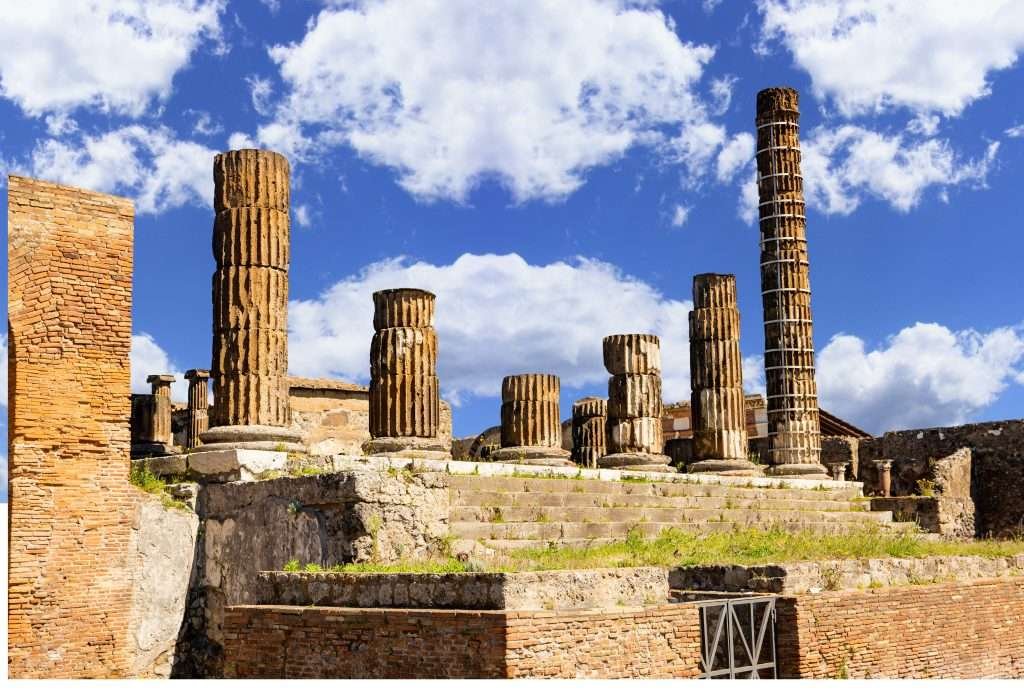
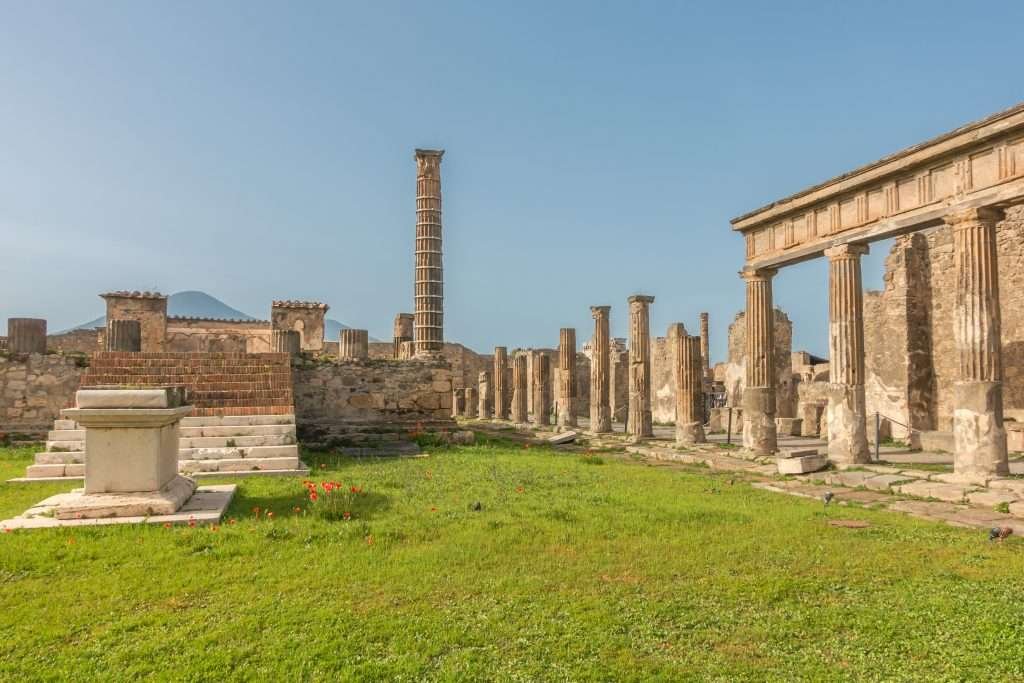
- Option B (Herculaneum): Get off earlier at the Ercolano Scavi stop. This is my strong recommendation for a 3-day itinerary. Herculaneum was a wealthier seaside resort town destroyed by the same 79 AD eruption. Because it was buried in deep mud rather than falling ash, it is infinitely better preserved. You can see intact wooden roof beams, two-story houses, and original mosaics with vibrant colors. It is a third of the size of Pompeii, completely manageable in two hours, and has a fraction of the crowds.
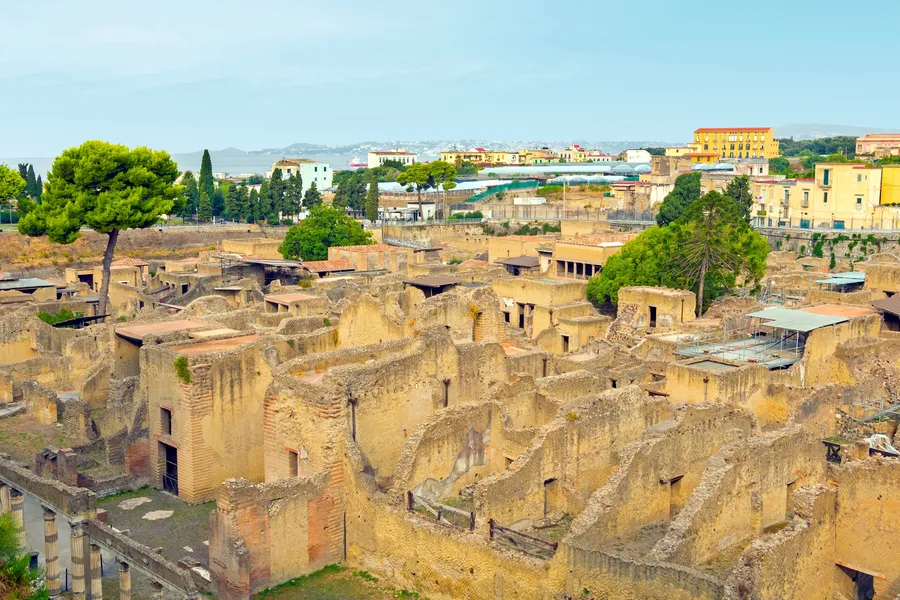
Whichever you choose, do not eat at the tourist trap restaurants located directly outside the ruin gates. They serve overpriced, terrible food. Buy a simple sandwich (panino) at a bakery in Naples before you get on the train, and eat it inside the archaeological park.
02:30 PM: The National Archaeological Museum (MANN) Take the train back to Naples. If you thought the ruins were slightly empty of shiny artifacts, that is because they were all brought here.
Take the Metro to the Museo station and walk into the National Archaeological Museum. This is arguably the greatest collection of classical Roman and Greek antiquities in the world. You will see the spectacular, vibrant mosaics meticulously peeled off the floors of Pompeii (including the famous “Cave Canem” / Beware of Dog sign). The MANN alone justifies a full afternoon. For everything else worth your time in the city, see our best things to do in Naples.

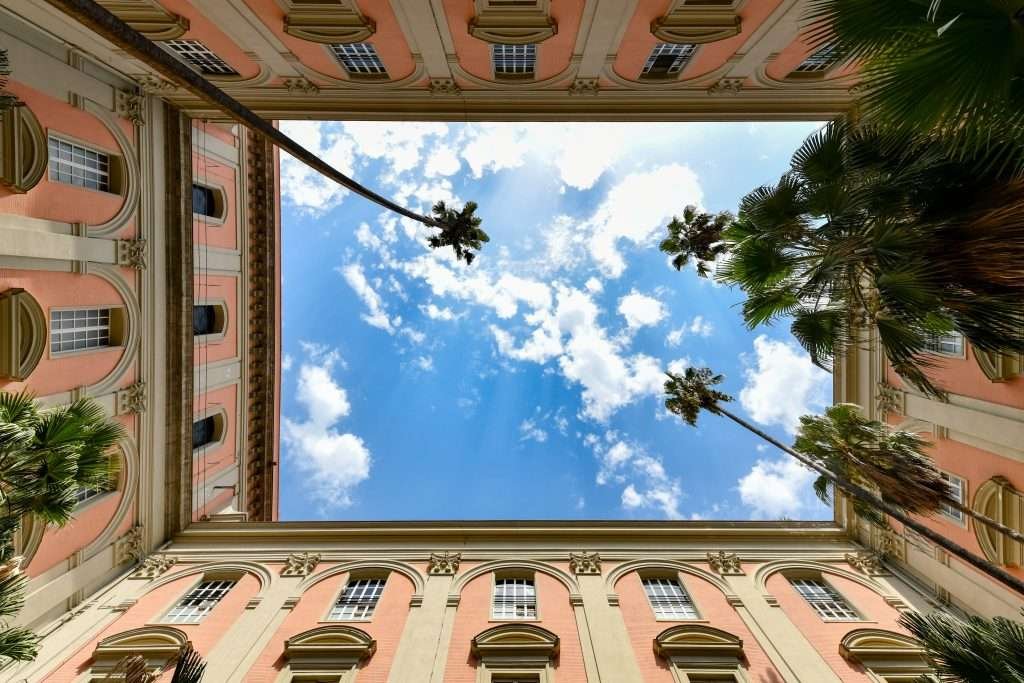
Make sure to visit the Gabinetto Segreto (The Secret Cabinet), a locked room containing all the highly explicit, erotic art and phallic statues excavated from the ruins, which the prudish Bourbon kings kept locked away from the public for over a century.
07:00 PM: The Seaside Contrast (Chiaia and Lungomare) After the dust and history of the morning, it is time for a change of scenery. Take the Metro or a taxi down to the Chiaia neighborhood.
Walk along the Lungomare, a massive, sweeping, pedestrian-only waterfront promenade. To your right is the shimmering Bay of Naples. To your left are grand, yellow-and-pink aristocratic apartment buildings. Looming over the entire scene across the water is the brooding cone of Mount Vesuvius. It is the perfect place for a slow evening passeggiata (stroll).
09:00 PM: Elegant Dining by the Sea Stay in the Chiaia district for dinner. Because you ate heavy pizza yesterday, focus on seafood tonight. Find a table at a classic, upscale spot like Osteria Il Gobbetto or head to the marina by Castel dell’Ovo and eat at La Scialuppa. Order Spaghetti alle Vongole (pasta with fresh clams, garlic, white wine, and parsley). It is light, salty, and the perfect cap to a long day.
Day 3: The Heights, The Bay, and Royal Grandeur
Your final day in Naples is about gaining elevation to understand the geography of the city, followed by a descent into its royal, aristocratic past.
09:30 AM: Ascending to Vomero Skip the Metro this morning. Instead, walk to the Funicolare Centrale station on Via Toledo. This cable car will aggressively drag you up the steep hillside, pulling you out of the noisy, cramped historic center and depositing you into Vomero, a leafy, quiet, upscale residential neighborhood.
Walk through the quiet streets up to Castel Sant’Elmo, a massive, star-shaped medieval fortress that completely dominates the Naples skyline. Pay the small entry fee and take the elevator to the top ramparts. This offers the absolute best panoramic view in southern Italy. You can see the entire historic center, the port, the sweeping curve of the bay, the Sorrento peninsula, and Mount Vesuvius in one unbroken, 360-degree vantage point.

11:30 AM: The Secret Descent (The Pedamentina) Do not take the funicular back down. Instead, walk down the Pedamentina di San Martino. This is a hidden, 14th-century staircase consisting of exactly 414 ancient steps that zigzag violently down the side of the mountain. It is incredibly quiet, lined with terraced gardens and lemon trees, and offers stunning, constantly shifting views of the bay as you make your descent back into the chaos of the city.
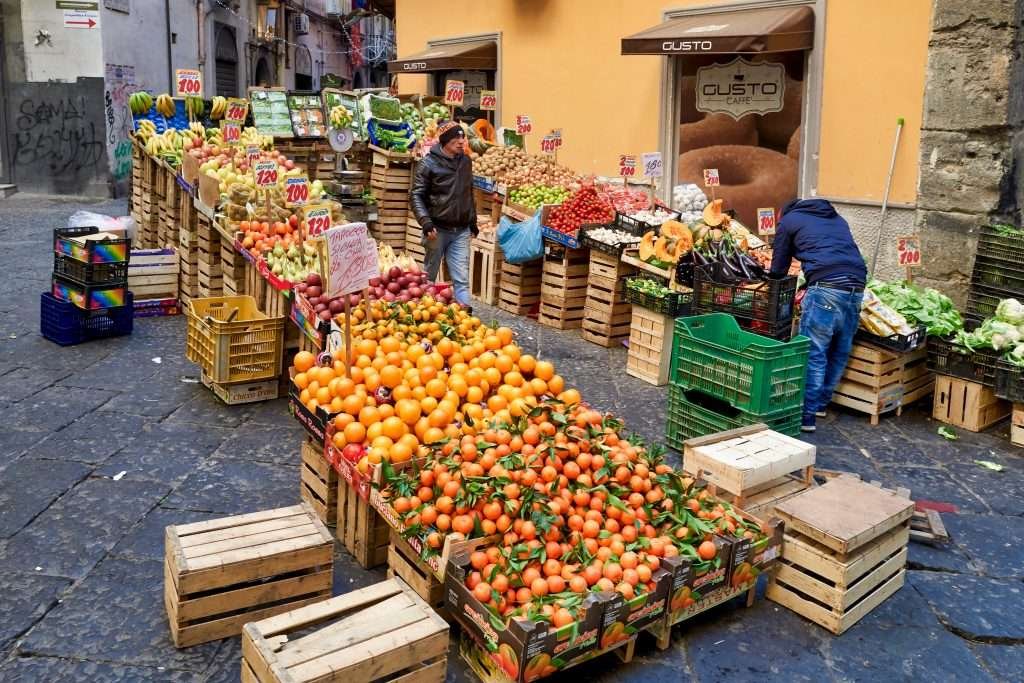
01:00 PM: Street Food in La Pignasecca The stairs will drop you right near the Pignasecca Market, the oldest outdoor street market in Naples. It is loud, chaotic, and heavily trafficked by locals buying their daily groceries.
This is the perfect place for a fast, cheap lunch. Look for a friggitoria (a fried food stand) and order a Cuoppo. This is a large paper cone filled to the brim with deeply fried, incredibly fresh seafood-calamari, shrimp, and anchovies-or fried mozzarella and potato croquettes. You squeeze a lemon over the top, eat it with a long wooden toothpick, and keep walking.
03:00 PM: The Royal Heart of Naples Walk south toward the waterfront until you reach Piazza del Plebiscito. This is the grandest, largest square in the city, sweeping out in a massive semi-circle. It is bounded by the domed church of San Francesco di Paola and the imposing Palazzo Reale (Royal Palace).
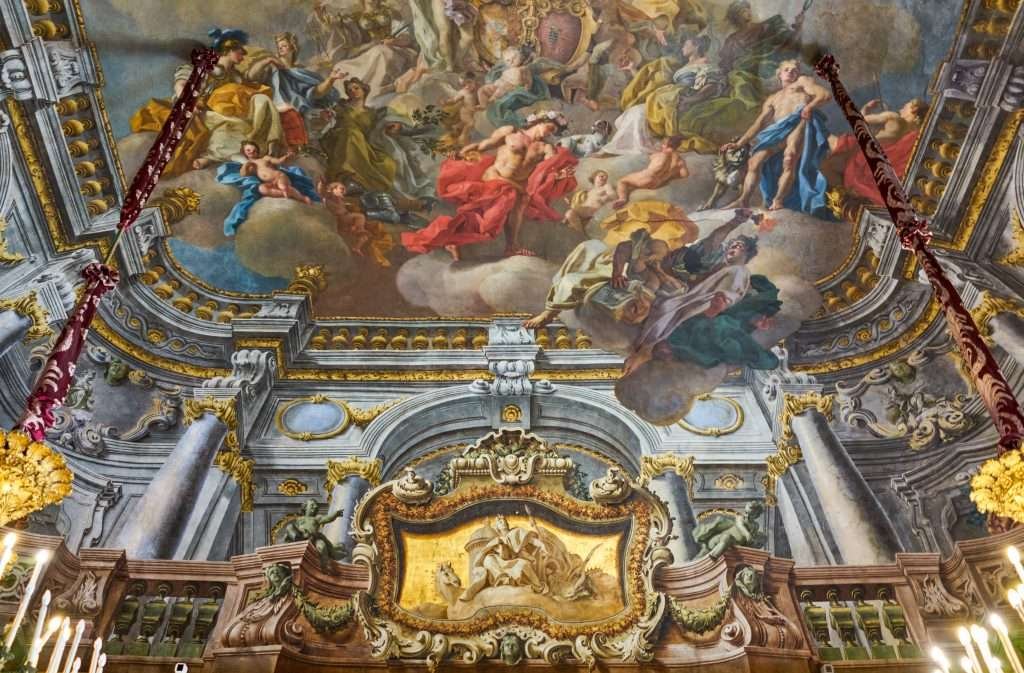
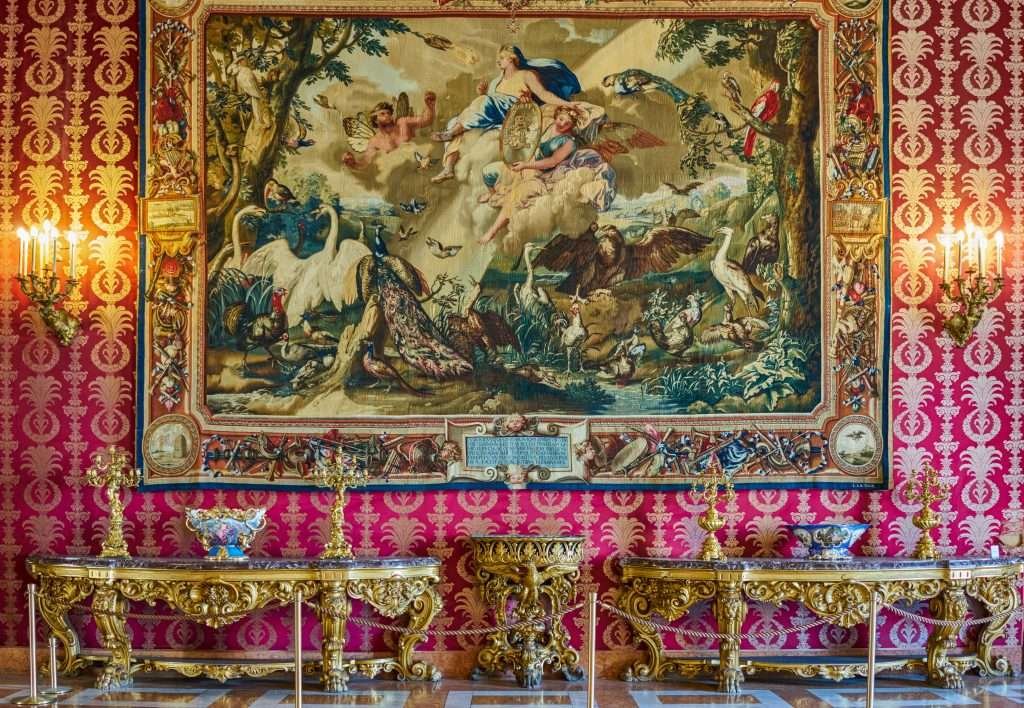
Naples was the capital of the Bourbon Kingdom of the Two Sicilies, and this palace reflects that immense, global wealth. If you love grand, opulent history, spend an hour walking through the palace’s Throne Room and Royal Apartments, dripping in velvet, gold, and massive chandeliers.
05:00 PM: A Historic Coffee Break Just steps from the square, walk into Gran Caffè Gambrinus. Founded in 1860, this is the most famous, opulent, Belle Époque coffeehouse in the city. Oscar Wilde and Ernest Hemingway drank here. The waiters wear white dinner jackets and bow ties. Order a coffee and a Babà al Rum (a spongy, mushroom-shaped cake completely soaked in sweet rum syrup) while standing at the gorgeous marble bar.
06:30 PM: The Glass Cathedral Directly across from Gambrinus is the Galleria Umberto I. This spectacular, late-19th-century public shopping gallery features a soaring, vaulted glass-and-iron ceiling and intricate mosaic floors. It is a stunning piece of architectural engineering. Walk through, look up, and marvel at the scale.

08:30 PM: The Final Neapolitan Feast For your final dinner, you must eat Ragù Napoletano. Unlike the meat sauce from Bologna, the Neapolitan version consists of massive, whole chunks of beef and pork slowly braised in a rich tomato sauce for up to eight hours until the meat literally falls apart. The sauce is served over thick ziti pasta, and the meat is eaten as a second course.
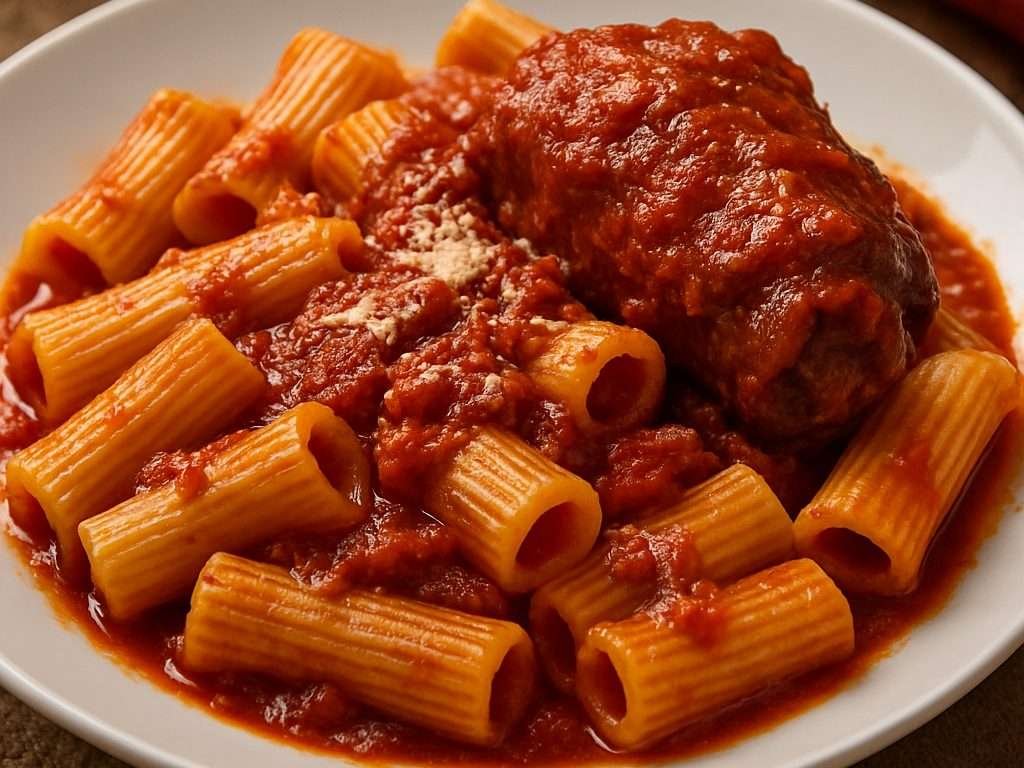
Book a table at Tandem, a restaurant specifically famous for dedicating its entire menu to this slow-cooked masterpiece. Order a massive bowl of pasta, ask for a basket of crusty bread to fare la scarpetta (wipe the bowl clean of every drop of sauce), and order a bottle of bold, volcanic Aglianico red wine. It is heavy, sleep-inducing, and the absolute perfect way to say goodbye to the most intoxicating city in Italy.
Final Thoughts on Your 3 Days in Naples
If you survive this itinerary, you will have seen the grit, the glory, the ashes, and the artistry of Naples. You will understand why the locals are so fiercely protective of their chaotic home. You will undoubtedly leave exhausted, but you will also leave with an absolute certainty that three days was simply not enough time, and that you will eventually have to return. Choosing the right base is crucial for this itinerary, so if you’re unsure where to stay, read my detailed guide on Where to Stay in Naples to find the best area for your trip. New to Naples and feeling overwhelmed? Our First Time in Naples guide covers everything from safety to transport before you land.
Is 3 days enough time to see Naples?
Three days is the absolute perfect sweet spot for a first-time visitor. It gives you one day for the historic center, one full day dedicated to the ruins of Pompeii or Herculaneum, and one day to explore the coastal areas and castles without suffering from severe travel burnout.
Should I visit Pompeii or Herculaneum?
If you have limited time and hate massive crowds, choose Herculaneum. It is closer to Naples, much smaller, infinitely better preserved (featuring intact two-story houses and wooden roofs), and takes only two hours to explore fully. Pompeii is vastly larger and famous, but requires a grueling four to five hours in the direct sun.
Do I really need to book Naples attractions in advance?
Yes, absolutely. Post-2020, you cannot just walk up to major ticket booths. You must book the Museo Cappella Sansevero (to see the Veiled Christ) and Napoli Sotterranea (Underground Naples) weeks in advance online, or you will be denied entry.
Is the train from Naples to Pompeii safe?
The Circumvesuviana train that runs from Napoli Centrale to Pompeii is perfectly safe from violent crime, but it is absolutely notorious for highly skilled pickpockets. Treat the train like you would a crowded subway in Paris or London: keep your wallet out of your back pocket and hold your bags tightly in front of you.
How does ordering pizza work in Naples?
Naples treats pizza as a sit-down, artisan meal, not a fast-food slice. At famous, traditional spots like L’Antica Pizzeria da Michele, there are only two options: Margherita (cheese) and Marinara (no cheese). You cannot order custom toppings. Furthermore, you order one whole, uncut pizza per person and eat it with a knife and fork.
3 Days in Naples — All Stops
Click any pin for timing, logistics, and what to know before you arrive.