
Attempt to order sangria and paella in Granada and you’ll walk straight into an overpriced tourist trap. To help you navigate this culinary landscape, check out the guide on What to Eat in Granada: The Ultimate Foodie Guide.
If you attempt to do this in Granada, you are going to fall face-first into a hyper-expensive, aggressively terrible tourist trap.
Granada does not operate like the rest of Spain. Because it is geographically isolated at the foothills of the snow-capped Sierra Nevada mountains, its cuisine is heavier, earthier, and deeply caloric. Because it was the final stronghold of the Moorish empire, falling in 1492, its flavor profiles are still heavily dictated by North African spices, almonds, honey, and citrus. And because it is a massive university city, its restaurant economy is built entirely around one sacred, unyielding law: the free tapas culture.
To eat well here, you must completely abandon your standard dining habits. You cannot be afraid of crowded, deafeningly loud bars. You must learn to eat standing up. You must learn to eat at 10:00 PM.
If you are currently piecing together your First Time in Granada: The Ultimate 2026 Survival and Travel Guide, understanding the rules of the local food economy is the single most important thing you can do. This brutally honest, comprehensive guide will teach you exactly how to hack the tapas system, what regional dishes you actually need to pay for, and how to drink like a true Granaíno.
Chapter 1: The Ironclad Rules of the Free Tapas Economy
In Madrid, you pay for your tapas. In Barcelona, you pay for your tapas. In Granada, the concept of paying for a tapa is treated as an offensive violation of human rights. Tapas here are a social contract.
1. The Arrival and the Order You walk into a traditional bar. It will be loud, and the floor might be littered with crumpled paper napkins (historically, a dirty floor in an Andalusian bar meant the food was fantastic, though post-2020 hygiene standards have cleaned this up slightly). Do not look for a host to seat you. Push your way to the bar or grab an empty high-top barrel.
Catch the bartender’s eye and order a drink. A caña (a small draft beer), a copa de vino (glass of wine), or a tinto de verano (red wine mixed with lemon soda). A standard drink will cost you between €2.50 and €3.00.
2. The Delivery (Do Not Ask for a Menu) The bartender will bring your drinks and immediately drop a small plate of food in front of you. You do not pay for this food. You do not order this food. The kitchen cooks whatever they feel like cooking in massive batches, and you eat what you are given. If you ask for a menu to choose your free tapa, you will immediately out yourself as a tourist. (Note: A small handful of modern bars will let you choose your tapa from a chalkboard, but traditional institutions dictate the terms).
3. The Escalation Rule This is where the magic happens. The tapas economy is built on loyalty. Your first round of drinks will yield a simple “Level 1” tapa-perhaps a small plate of marinated olives, a scoop of potato salad (ensaladilla rusa), or some local cheese.
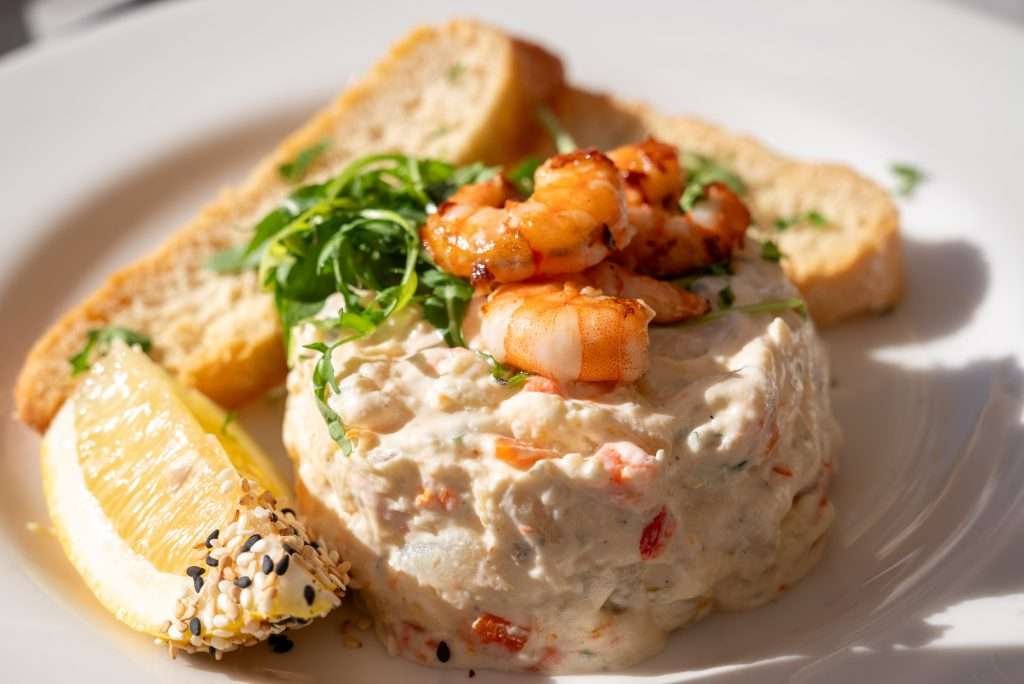
When you finish and order a second round of drinks, the bartender mentally notes that you are staying. The food instantly upgrades to “Level 2”-maybe a plate of flash-fried anchovies, slices of Spanish omelet (tortilla), or a small pork skewer.
If you stay for a third round of drinks, you reach “Level 3.” This is essentially a main course. You might receive a small plate of paella, a mini hamburger, or a hearty bowl of meat stew. Three beers, €8 total, full dinner. That’s the system.
4. The Ultimate Beginner’s Mistake Do not walk into a bar at 8:30 PM, sit down, and immediately order a ración (a large, paid, full-sized portion of food from the menu). If you do this, you will ruin the free tapas rhythm, you will overspend, and you will be completely full within twenty minutes. Pace yourself. Order drinks. Let the free food come to you. If you are still genuinely hungry after hopping to three different bars, then you can order a paid portion.
Chapter 2: The Tapas Hit List (Where to Go)
If you are following the aggressive evening routing in my 3 Days in Granada: The Perfect Itinerary for First Timers, you will need to know exactly which bars actually deliver on the free food promise.
Bar Los Diamantes (The Seafood Kings) There are multiple locations now, but the original on Calle Navas is the most chaotic. This place specializes entirely in incredibly fresh, flash-fried Mediterranean seafood. The noise level is deafening, the fluorescent lights are blinding, and you will have to physically throw elbows to get a spot at the metal counter. Order a cold beer, and you will likely be handed a free plate of boquerones (fried anchovies), fried eggplant, or garlic clams.

Bodegas Castañeda Located just off Calle Elvira, this is a legendary, wood-paneled institution. Massive, ancient wooden barrels of wine and vermouth are stacked behind the bar, and whole cured hams hang from the ceiling. Order their famous Caliente (a highly potent, sweet local mixed drink) or a vermouth. The free tapas here are heavy, traditional, and rustic-think thick cuts of cheese, hearty stews, or massive slices of tortilla.
Bar Avila A tiny, completely unpretentious neighborhood spot favored by locals. They are famous for one specific thing: Jamón Asado (roast pork). When you order a beer, they will almost certainly hand you a small plate of incredibly tender, slow-roasted pork swimming in a rich, savory gravy, served with a thick slice of bread to mop up the juices.
La Riviera If you are a control freak and the idea of not picking your food gives you anxiety, go to La Riviera. The decor is slightly cheesy (medieval knights and fake stone), but it is one of the rare bars that gives you a printed menu allowing you to choose your free tapa with your drink. The fried octopus rings (rejos) are fantastic.
Chapter 3: The Heavyweight Traditional Dishes
You cannot survive an entire vacation solely on free bar snacks. Eventually, you will want to sit down at a proper restaurante or a carmen (a traditional house with a walled courtyard garden) for a full meal. When you do, you must order the hyper-local dishes that defined the region.
1. Plato Alpujarreño (The Mountain Heart Attack) The Sierra Nevada mountains loom over Granada, and the high-altitude villages of Las Alpujarras dictate a lot of the regional cuisine. The winters there are brutal, and the farmers needed massive calories. The Plato Alpujarreño is a colossal, cholesterol-heavy mountain dish. It is a massive plate consisting of fried potatoes, fried eggs, sweet green peppers, morcilla (blood sausage), longaniza (a local sausage), and fatty cuts of cured ham. It is delicious, salty, and practically guarantees you will need a two-hour nap immediately after eating it. (If you want to actually visit the villages where this dish was invented, you must bookmark my guide on the 5 Best Day Trips from Granada (Worth the Effort)).

2. Habas con Jamón (Fava Beans with Ham) Granada is globally famous for the ham produced in the high-altitude village of Trevélez. The crisp, dry mountain air cures the pork perfectly without the need for excessive salt, resulting in a sweeter, softer jamón serrano. Habas con Jamón is the ultimate local comfort food. Fresh fava beans are slowly pan-fried in extra virgin olive oil with diced white onions and massive, thick chunks of Trevélez ham until the fat melts into the beans.

3. Remojón Granaíno This dish is a direct, edible link to the city’s Moorish past. It sounds like a chaotic, confusing clash of ingredients. Remojón is a cold salad made of sweet, peeled orange wedges, chunks of savory, desalted cod (bacalao), black olives, hard-boiled eggs, and finely diced spring onions, all drowned in peppery local olive oil. The acidic burst of the sweet orange perfectly cuts through the heavy, salty fish.

4. Tortilla del Sacromonte (The Polarizing Omelet) We must discuss the food of the Roma (Gypsy) community that historically lived in the whitewashed caves of the Sacromonte neighborhood. This dish is for the adventurous. A standard Spanish tortilla is made of potatoes and eggs. The Tortilla del Sacromonte swaps out the potatoes for offal. It is an omelet stuffed with sheep or calf brains, sweetbreads, and sometimes testicles, mixed with peas and nuts.Order it if you’re adventurous. Skip it if offal isn’t your thing.
Chapter 4: The Andalusian Breakfast
If you are waking up early to beat the massive crowds (as advised in my Where to Stay in Granada: Best Areas & Hotels for First Timers guide), you need the right fuel.
Do not look for eggs, bacon, or a heavy American breakfast. The Andalusian breakfast (el desayuno) is fast, carb-heavy, and highly specific.
Tostada con Tomate y Aceite Walk into any café before 11:30 AM. Sit at the metal counter. Order a media tostada con tomate (half a toasted bread roll with crushed tomatoes). The bartender will hand you the toast and a bottle of bright green, cloudy extra virgin olive oil. You aggressively drench the bread in the oil, spoon the crushed, salted tomatoes over the top, and eat it alongside a café con leche (espresso with steamed milk).

Churros at Café Fútbol If you want a heavier morning, walk down to Café Fútbol near the Plaza Mariana Pineda. It was founded in 1922 and is a local institution. The churros in Granada are not the thin, star-shaped, sugar-coated sticks you find in Mexico. They are thick, massive, airy ropes of fried dough. You order a ración of churros and a mug of incredibly thick, molten hot chocolate. You tear the dough, submerge it in the chocolate, and eat it immediately.

Chapter 5: Moorish Sweets and The Pionono
Because of the heavy Islamic influence, dessert in Granada heavily favors almonds, honey, and citrus over heavy European dairy and chocolate.
The Moroccan Tea Houses When the afternoon siesta shuts down the retail stores (roughly between 2:00 PM and 5:00 PM), walk to the lower edge of the Albaicín and turn onto Calle Calderería Nueva. This pedestrian street is packed with teterías (traditional Arab tea houses). The air smells of sweet tobacco and spices. Walk into a tea house, sit on a low, velvet-cushioned floor, and order a pot of boiling hot Moroccan mint tea. Pair it with an assortment of heavily honeyed, almond-stuffed baklava.
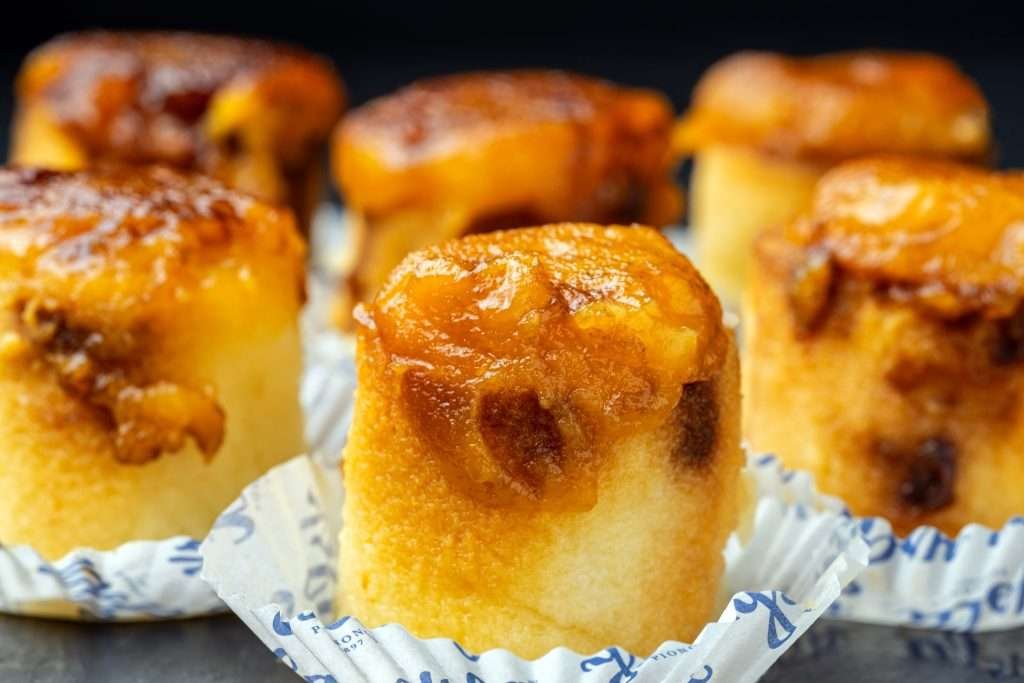
The Pionono of Santa Fe You cannot discuss sweets in Granada without mentioning the Pionono. Invented in 1897 in the nearby town of Santa Fe to honor Pope Pius IX (Pio Nono), this pastry is a sticky, aggressively sweet masterpiece. It consists of a thin sheet of sponge cake that is rolled into a tight cylinder, completely drenched in sweet syrup, and topped with a crown of toasted pastry cream to resemble the Pope’s cylindrical hat. Go to Pastelería Casa Isla (the original creators) to buy a box of them.
Chapter 6: What to Drink (And What to Avoid)
1. Stop Ordering Sangria Locals in southern Spain do not sit around drinking massive pitchers of Sangria. Sangria is largely viewed as a punch designed to mask cheap wine and is overwhelmingly sold at a massive markup to foreign tourists. If you want a refreshing, cold, wine-based drink to survive the 35°C (95°F) summer heat, order a Tinto de Verano (literally “Summer Wine”). It is a simple mix of red wine and carbonated lemon soda served over a mountain of ice. It is cheap, highly refreshing, and exactly what the locals are drinking.
2. Alhambra Reserva 1925 (La Verde) Granada is incredibly proud of its local brewery, Cervezas Alhambra. While a standard draft beer (caña) will get you the basic Alhambra Especial, you must order a bottle of Alhambra Reserva 1925 at least once. Served in a distinctive, label-less, embossed green glass bottle (locals simply call it La Verde), it is a strong, malty, exceptionally crisp premium lager that pairs perfectly with heavy fried fish.


Chapter 7: Spotting the Tourist Traps
Granada is a major tourist destination, which means an entire shadow economy of terrible food exists to separate you from your euros. Avoid these massive red flags:
- The Picture Menus: If a restaurant on Plaza Nueva has a massive, laminated menu outside featuring highly saturated stock photos of paella and hamburgers, keep walking.
- The Paseo de los Tristes Rule: The Paseo de los Tristes is a spectacular, romantic plaza at the bottom of the Darro gorge looking straight up at the illuminated Alhambra. It is a mandatory stop on my 25 Best Things to Do in Granada: The Ultimate 2026 Guide. However, the restaurants lining this plaza are notorious tourist traps. Pay the premium to have one drink while enjoying the view, but absolutely do not sit down here for a full dinner.
- The “No Locals” Warning: Before you walk into a tapas bar, look at the crowd. If everyone in the bar is wearing khaki cargo shorts, speaking English, and looking at physical maps, you are in a trap. If the bar is filled with people shouting in rapid-fire Andalusian Spanish with crumpled napkins on the floor, you have struck gold.
If your Spanish itinerary continues westward after you finish your Piononos, the culinary landscape will shift drastically again. Be sure to arm yourself with my First Time in Seville guide, or prepare for the coastal seafood variations by reading my First Time in Malaga: The Only Guide You Need (2026) to ensure you don’t miss a single bite.
Frequently Asked Questions: Eating in Granada
Are tapas actually free in Granada, or is that a myth?
They’re free. Every paid drink – a €2.50 beer, a glass of wine, a soda – automatically comes with a small plate of food. No asking, no separate bill. This is non-negotiable in traditional bars. A handful of modern spots let you pick from a chalkboard, but the old-school places dictate the terms.
Can I choose what tapa I get?
At most bars, no – and don’t ask. The kitchen cooks in bulk and sends out whatever’s ready. Push back on this and you’ll be clocked as a tourist immediately. The upside: the food upgrades with each round. Third drink in, you’re looking at something close to an actual main course.
What time is dinner actually served?
Kitchens don’t open before 8:00 PM. If you want the real atmosphere of a local tapas crawl – loud, shoulder-to-shoulder, floor covered in napkins – don’t leave your hotel before 9:30 PM.
What should I order to drink instead of sangria?
Tinto de Verano. Red wine over ice, topped with carbonated lemon soda. Costs around €2.50, tastes better than the €12 tourist sangria, and it’s what everyone around you is actually drinking.
What’s the one dessert worth paying for?
The Pionono – from Pastelería Casa Isla in Santa Fe, the shop that invented it in 1897. A tight roll of syrup-soaked sponge cake, topped with toasted pastry cream. Buy a box to go.