
Rome will eat your time if you let it. The city is bigger than it looks on a map, the heat in summer is serious, and the tourist infrastructure is deliberately designed to slow you down – queues, confusing ticket systems, aggressive restaurant touts. Five days is enough to get past all of that. Here is exactly how to spend them.
Before You Arrive: The Three Things to Book Before You Land
Don’t romanticize spontaneity in Rome. Three things will ruin your trip if you show up without a reservation:
- Colosseum + Roman Forum tickets – Buy at coopculture.it. Skip the “combo” upsells unless you want Palatine Hill too (worth it). Slots go fast in spring and summer; book 2-3 weeks out minimum.
- Vatican Museums – Book at museivaticani.va. The queue without a ticket starts at roughly 7:45 AM and can run 2-3 hours. A pre-booked slot costs the same and you walk straight in.
- Borghese Gallery (Day 3) – Entry is capped at 360 people per 2-hour slot. There is no walk-in option. Book at borghese.it.
Everything else can be handled on the ground. New to the city? Read our First Time in Rome guide before you do anything else.
Transport: Buy a 7-day ATAC pass (€24) at any tabacchi or the airport machines. Covers metro, buses, and trams. Single tickets are €1.50 each – if you’re moving around the city for 5 days, the pass pays for itself by Day 2.
Day 1: Ancient Rome – The Foundations
Start time: 8:30 AM
Your first morning sets the pace. Ancient Rome is best hit early, before tour groups descend and before the sun turns the Forum into a griddle.
Morning: Colosseum & Roman Forum
Get to the Colosseum for your pre-booked slot. If you’ve booked the 8:45 AM entry, you’ll have roughly 30-45 minutes before the arena starts to feel crowded. The interior is straightforward – follow the numbered route, skip the audio guide rental (€5.50, mediocre) and download the free Rick Steves audio tour before you leave home.
Colosseum entry: €16 (includes Forum + Palatine Hill, valid same day)

Walk directly across to the Roman Forum. The Forum is huge and the signage is poor – the main drag, the Via Sacra, runs east to west. Walk it end to end, then double back to the Temple of Saturn (the eight columns you’ve seen in every photo) and the Arch of Titus. Give yourself 90 minutes total.

Palatine Hill sits directly above the Forum. It’s included in your ticket and almost nobody goes up. You’ll find yourself almost alone on a hill covered in wildflowers and imperial ruins with a clear view down into the Circus Maximus. Do not skip this.
(The view from Palatine Hill at around 11 AM, with the light hitting the Forum from the west, is one of the best photographs you’ll take in Rome – and there’s rarely anyone in frame.)
Leave by 12:30 PM.
Lunch: Monti
Take the metro one stop to Cavour (Line B) or walk 10 minutes uphill. Monti is Rome’s answer to a real neighborhood – it has the density of the center without the tourist-to-Roman ratio being completely insane.
- Taverna dei Fori Imperiali on Via della Madonna dei Monti does a solid €12-14 lunch menu. Cash preferred.
- If you want something faster: grab a supplì (Roman fried rice ball, roughly €2 each) from Supplì Roma on Via Natale del Grande. They’re made fresh throughout the day; the filling is a dense ragù with melted mozzarella. Not lunch – more of a standing situation at the counter.

Afternoon: Circus Maximus & Aventine Hill
Walk south to the Circus Maximus – free, takes 20 minutes, helps you understand the scale of Roman entertainment. From there, climb to the Aventine Hill.
Two stops here:
- Orange Garden (Giardino degli Aranci) – a small public park at the edge of the hill. There’s a gap in the hedge at the western viewpoint where you can see the Tiber bend and the dome of St. Peter’s. No entrance fee, open to the public.
- Knights of Malta Keyhole – Around the corner from the garden, on Piazza dei Cavalieri di Malta, there’s a green wooden door. If you line up your eye with the keyhole, you’ll see the dome of St. Peter’s perfectly framed at the end of a long hedge tunnel. It’s free. There’s usually a short queue of 5-10 people. Takes 2 minutes. Worth it.


Evening: Trastevere
Cross the river into Trastevere for dinner. The neighborhood is genuinely pretty – cobblestones, ivy, laundry strung between windows – but it’s also increasingly tourist-heavy. The key is going to the right places.
- Da Enzo al 29 on Via dei Vascellari: Get the cacio e pepe. The pasta is tonnarelli – thicker than spaghetti, better at holding the sauce – and the pepper is coarse-ground and assertive. Reservations recommended. Mains around €12-16.
- After dinner, walk to Piazza di Santa Maria in Trastevere. The basilica’s mosaic facade is lit until midnight. Sit at the fountain with a beer from a nearby kiosk (€2-3) and watch Rome do its evening thing.


Day 2: The Vatican
Start time: 8:00 AM
The Vatican is a logistical operation. Treat it like one.
Morning: Vatican Museums & Sistine Chapel
Your pre-booked slot: 9:00 AM entry. Arrive by 8:45 AM to clear security. The Vatican Museums are enormous – the permanent collection covers 7km of corridors. Do not try to see all of it.
The route to the Sistine Chapel is one-directional. You will walk through the Gallery of Maps (worth slowing down for – 16th-century painted maps of every Italian region, 40 panels long) and the Raphael Rooms before you reach the Chapel.
Sistine Chapel rules: No photography (enforced inconsistently), no talking (also enforced inconsistently). Guards do make announcements over the PA every 15 minutes asking for silence. Go anyway, obviously.
Vatican Museums + Sistine Chapel: €20 standard, €4 booking fee
(The Gallery of the Candelabra, early in the route, has two 2nd-century Roman sarcophagi that most people walk past without looking down. They’re extraordinary. Look down.)


Midday: St. Peter’s Basilica
Exit the Museums directly into St. Peter’s Square. The Basilica itself is free. The queue for entry moves fast – 20-30 minutes at midday.
Inside: the scale is genuinely disorienting. The baldachin over the main altar is 29 meters tall – higher than the average 10-story building. Your brain doesn’t have the reference points to process it at first.
Climbing the Dome: €8 on foot, €10 by lift (part of the way)
Do it. 551 steps total if you go fully on foot. At the top, you’re standing directly above the city with the colonnade below you. The drum of the dome – the interior gallery just below the lantern – is free to walk around once you’ve paid entry. You can look straight down into the Basilica floor, 120 meters below.
Leave by 2:30 PM.

Afternoon & Evening: Prati
Don’t go back to the center. Stay in Prati, the neighborhood directly north of the Vatican. It’s where Vatican staff actually live and eat – good trattorias, zero tourist menus.
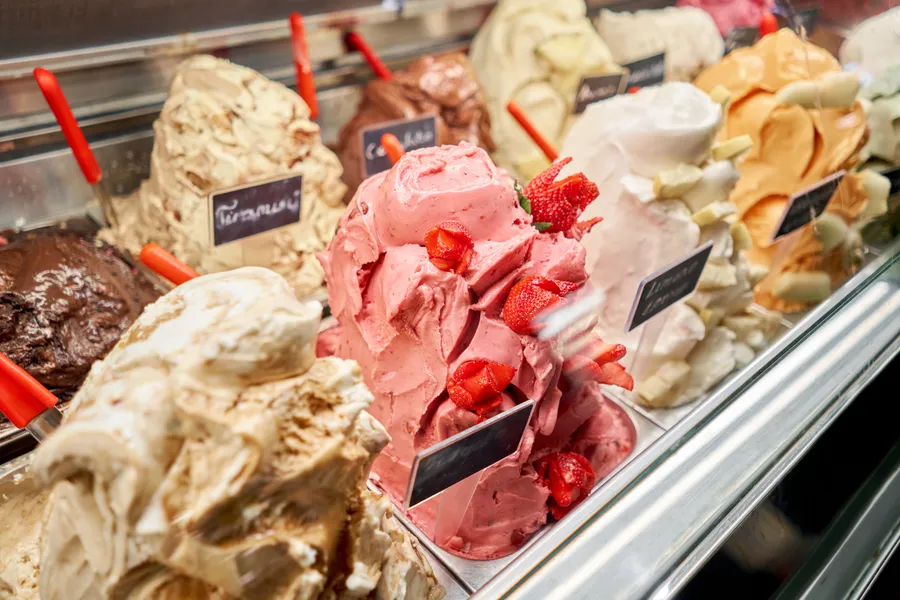
- Gelato at Gelateria dei Gracchi on Via dei Gracchi: get the pistachio. It’s made from Sicilian Bronte pistachios – a dark, slightly bitter green paste that tastes nothing like the neon-green tourist version. €2.50-3.50 per cup.
- Walk along the Tiber embankment south toward Castel Sant’Angelo. Entry is 16-20€, you can also view the exterior for free. The cylindrical fortress was originally Hadrian’s mausoleum, then converted to a papal fortress with a secret passage connecting it to the Vatican. The rooftop terrace has unobstructed river views.

Day 3: The Historic Center
Start time: 9:00 AM
Morning: Pantheon & Campo de’ Fiori
The Pantheon now charges €5 entry (introduced 2023). Worth paying. Go before 10:30 AM – after that, it becomes difficult to stand still inside without being jostled. The dome’s oculus is 8.7 meters in diameter and open to the sky; when it rains, the water hits the slightly convex marble floor and drains through 22 tiny holes you can’t see.
From the Pantheon, walk 8 minutes southwest to Campo de’ Fiori. It’s a market in the morning (closes around 1 PM) – produce, flowers, cheese. The vendors in the center are more expensive than those at the edges. Buy fruit, eat it while walking.


Midday: Borghese Gallery
This requires a pre-booked 2-hour slot. Typically 9 AM-7 PM, slots every 2 hours.
The gallery holds the best private sculpture collection in Rome. Bernini carved six major works for Cardinal Borghese, and five of them are here – including Apollo and Daphne, where you can walk around the statue and watch Daphne’s fingers turning into leaves, her skin becoming bark. The detail on her hair alone took Bernini’s workshop months. Nothing on the internet prepares you for standing next to it.
Entry: €15 + €2 booking fee

Afternoon: Spanish Steps & Trevi Fountain
Go in this order: Spanish Steps first, Trevi Fountain second.
The Steps (Piazza di Spagna) peak in tourist density around 2-4 PM. Go at 1:30 PM when the midday heat drives people indoors. There are 135 steps – climb to the top and look back toward the Via Condotti. That’s the view.
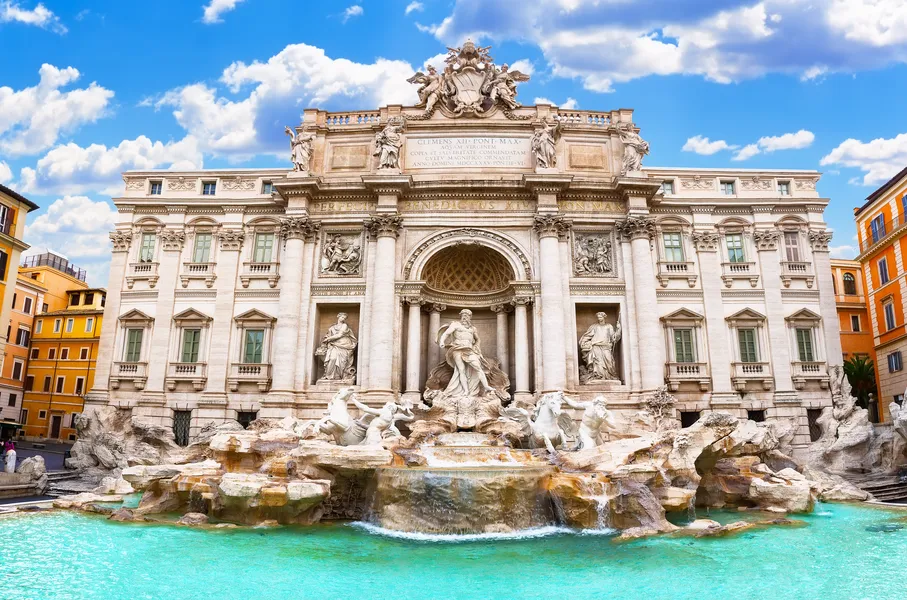
Trevi Fountain: Packed at all hours. The best time is 7:30-8:00 AM (you missed it today, note it for tomorrow if you’re nearby). Afternoons in summer are shoulder-to-shoulder. Throw your coin anyway – over €1 million is collected annually and donated to Rome’s food bank.

Evening: Dinner Near Piazza Navona
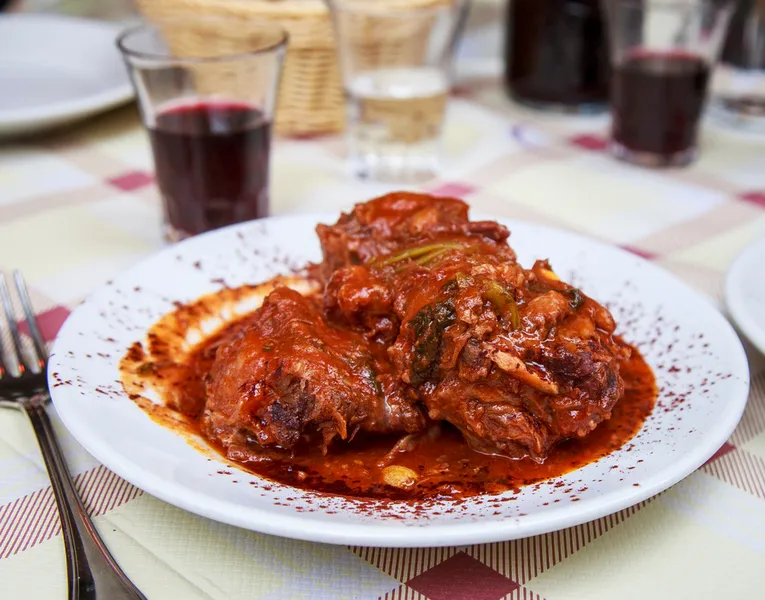
Ristorante La Campana on Vicolo della Campana is the oldest restaurant in Rome still in operation (records date to 1518). Get the coda alla vaccinara – oxtail braised for hours in tomato and celery. Mains around €16-22. It is not cheap, but it is the real thing.
Day 4: The Appian Way & Testaccio
Start time: 9:00 AM
This is the day that separates 3-day tourists from people who actually know Rome.
Morning: Getting to the Via Appia Antica
Take Bus 118 from Circo Massimo metro stop (Line B) toward the Appian Way. The ride takes about 20 minutes. The road itself – the original basalt paving stones still underfoot – starts at the Porta San Sebastiano and runs southeast into the countryside.
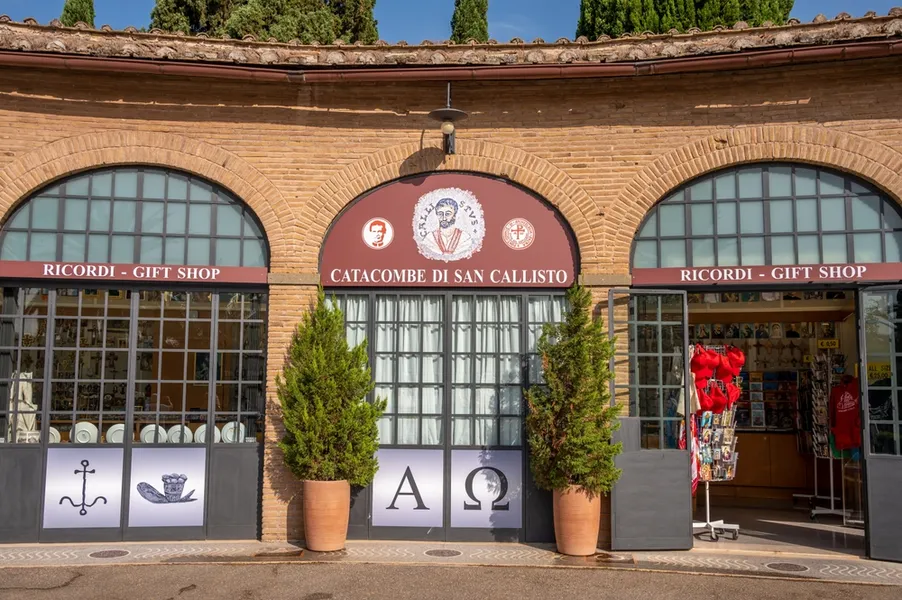
Catacombs of San Callisto
Open: 9 AM-12 PM, 2 PM-5 PM. Closed Wednesday and January. Entry: €8
These are the largest Christian burial tunnels in Rome – 20km of galleries, four levels deep, holding an estimated 500,000 burials. You must join a guided tour; they run in multiple languages simultaneously, departing every 15-20 minutes. The tour lasts about 30-45 minutes.
The underground temperature stays at about 15°C (59°F) year-round regardless of outside conditions. In summer, the contrast is immediate. Bring a layer.
(Most people photograph the entrance and the first gallery. Almost no one notices that the loculi – the individual burial niches cut into the walls – still have traces of red ochre paint around their edges. The early Christians marked the dead. You can touch the walls.)
Lunch: Appian Way Picnic
Stop at a alimentari (deli) before you leave the city – there’s one near the Circo Massimo metro exit. Buy: a piece of pecorino romano (hard, salty sheep’s milk cheese, around €2-3 per 100g), mortadella (ask them to slice it thick), and a small focaccia. The Appian Way has grassy verges between the ancient tombs where you can sit. It’s one of the stranger lunches you’ll eat in Europe – ruins on both sides, pine trees overhead, almost no cars.
Sunday is the best day to do the Appian Way – the road closes to motor traffic from 9 AM to 6 PM and cyclists take over. Bike rentals are available at the Appia Antica Regional Park office near the start of the road.
Afternoon: Baths of Caracalla
Bus 714 or 118 connects the Appian Way back toward the city.
Entry: €8, open until 7 PM in summer
The Baths of Caracalla opened in 216 AD and could serve 1,600 bathers simultaneously. What remains is the main building – walls up to 30 meters high, the original black-and-white mosaic floors still partially intact in the gymnasium wings. The scale of Roman public infrastructure doesn’t really hit you until you’re standing in the cold room (frigidarium) and looking up at where the vaulted ceiling used to be.
The basement level, the praefurnia, where enslaved workers kept the hypocaust heating system running, is sometimes open for separate tours. Check at the ticket desk on arrival.

Evening: Testaccio
Testaccio Market (Mercato Testaccio) closes around 3-4 PM, so you’ll miss the market itself – but the neighborhood stays good in the evening.
Walk to Flavio al Velavevodetto on Via di Monte Testaccio. The restaurant is partially carved into Monte Testaccio itself – the ancient 35-meter hill made entirely from broken Roman amphora fragments, roughly 53 million of them. You’re eating in a room where the wall behind you is literally the inside of a trash heap that’s been accumulating since 140 BC.
Order the rigatoni con la pajata if you’re willing – it’s made from the intestines of milk-fed veal, the chyme still inside, cooked in tomato sauce. The sauce is extraordinarily rich. If not, the cacio e pepe here is legitimately excellent, and the coda alla vaccinara rivals anywhere in the city. Budget €30-40 per person with wine.
Day 5: Tivoli
Start time: 8:00 AM
Take the COTRAL bus from Ponte Mammolo (Line B metro, last stop). Buses to Tivoli run frequently – roughly every 20-30 minutes. Journey time: about 50 minutes. Ticket: €2.20 each way, purchased at the metro station tabacchi.
(The train from Tiburtina also works but adds a connection. The direct COTRAL bus is faster door-to-door.)
Morning: Villa d’Este
Entry: €14. Open from 9 AM.
Get there for opening. By 11 AM, tour groups arrive and the main paths become crowded. The villa itself is a 16th-century cardinal’s residence converted from a Benedictine convent – the interior rooms are frescoed but secondary to the garden.
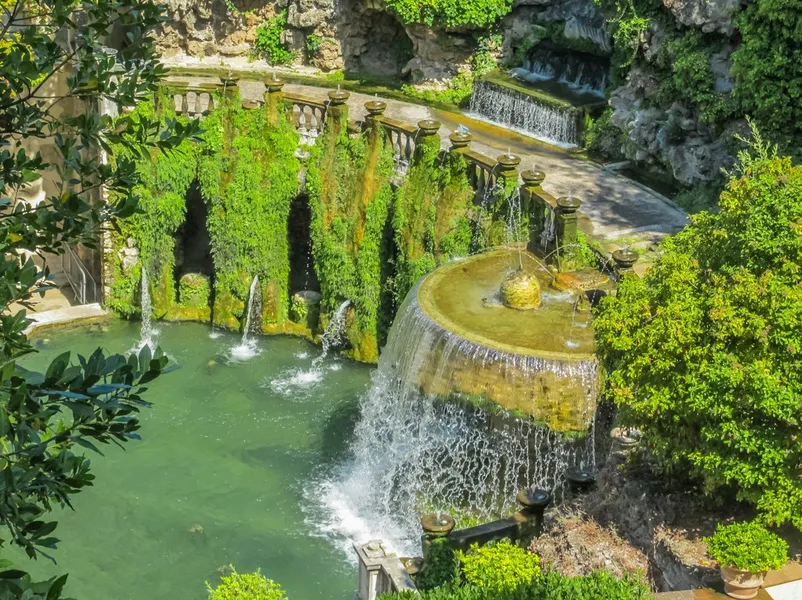
The garden is a water-engineering exercise disguised as aesthetics. The Organ Fountain (Fontana dell’Organo) uses water pressure to drive a hydraulic organ – it plays automatically on the hour. The Cento Fontane (Hundred Fountains) is a 130-meter terrace with water spouting from 55 jets at different heights, channeled along three parallel aqueduct channels running the full length. It runs entirely on gravity – no pumps.
The best photograph: stand at the top of the garden, at the Fountain of Neptune, and shoot down the central axis. The main house frames the shot at the bottom. Do this early, before the mist from the fountains fills the air.
Afternoon: Villa Adriana (Hadrian’s Villa)
Bus from Tivoli center: lines 4 or 4X toward Villa Adriana. About 10 minutes
Entry: €10. Open until 7 PM in summer.
Hadrian’s Villa (built 118-138 AD) covers 120 hectares – larger than the historic center of Pompeii. The site is dramatically under-visited given what it is. On a weekday afternoon you can walk through the Teatro Marittimo (a private island retreat Hadrian built for himself, surrounded by a moat, accessible only by a retractable bridge) with almost nobody around.
The Canopus – a long rectangular pool lined with sculpture replicas, modeled on an Egyptian canal – is the visual centerpiece. The originals are in the adjacent museum, included in your ticket.
(The olive grove between the Canopus and the Piazza d’Oro has mature trees that are several hundred years old. The grass is usually unmown in spring. You can sit here for 20 minutes and hear almost nothing.)
Leave Tivoli by 5:30 PM to avoid the evening rush back to Rome.

Farewell Dinner: The Jewish Ghetto
Take the metro back to the center. The Jewish Ghetto is a 10-minute walk from the Colosseum area – a compact neighborhood around Portico d’Ottavia (a 2,000-year-old Roman gate that now frames the front of a medieval church).
Nonna Betta on Via del Portico d’Ottavia: Get the Carciofi alla Giudia – Jewish-style deep-fried artichoke, the whole flower flattened and fried until the outer leaves are crisp like chips and the heart stays soft. It’s been made in this neighborhood for roughly 500 years. Starters around €9-12.
Finish with Filetti di Baccalà (salt-cod fritters) from the takeaway window next door – there’s a place called Filetti di Baccalà al Ghetto that has been frying them to order since the 1950s. Two pieces for €4-5. Eat them standing on the street next to Roman ruins.
That’s Rome.


The Logistics Summary
| 7-day ATAC transport pass | €24 |
| Colosseum + Forum + Palatine | €16 |
| Vatican Museums + Sistine Chapel | €20 + €4 booking fee |
| Borghese Gallery | €15 + €2 booking fee |
| Pantheon | €5 |
| Catacombs of San Callisto | €8 |
| Baths of Caracalla | €8 |
| Villa d’Este | €14 |
| Villa Adriana | €10 |
| Tivoli bus (return) | ~€4.40 |
| Total attractions budget | ~€127 |
Budget for food: Rome is cheaper than Paris or London. A sit-down lunch with wine runs €15-25 per person at a decent trattoria. Dinner at the places listed above: €25-45 per person. Street food and market lunches: €5-10.
Accommodation: Stay within or just outside the historic center (Trastevere, Monti, Prati) to minimize transport time. Avoid hotels directly adjacent to the Trevi Fountain or Spanish Steps – you pay a 30-40% premium for the proximity.
Short on time? Our One Day in Rome guide covers the essentials in 24 hours. Watching costs? Rome on a Budget has the full breakdown. Extending the trip? Rome to Florence is 1h30 by high-speed train. Check our First Time in Florence post.
How far in advance do I need to book tickets for Rome?
Book the Colosseum 2-3 weeks out in spring and summer, the Vatican Museums as early as possible to skip a 2-3 hour queue, and the Borghese Gallery the moment you know your dates – it caps at 360 people per slot and has no walk-in option.
How much does 5 days in Rome cost in total?
Attractions alone run around €127 if you hit everything in this itinerary. Add €24 for a 7-day transport pass. Budget €15-25 per person for lunch and €25-45 for dinner at a decent trattoria. A realistic total for 5 days, excluding accommodation, is €350-500 per person.
What is the best neighborhood to stay in for a 5-day Rome trip?
Trastevere, Monti, and Prati all put you within walking distance or one metro stop of the main sites. Avoid hotels directly next to the Trevi Fountain or Spanish Steps – you pay a 30-40% premium for proximity you don’t need.
5 Days in Rome — All Stops
Click any pin for timing, prices, and what to know before you go.