
Venice is a logistical puzzle before it is anything else. No cars, no bikes, 435 bridges, and a transit network built on water. Arrive unprepared and follow the yellow signs from the station to St. Mark’s Square – you will end up in an overpriced corridor designed to extract money from people who didn’t do their homework.
Push into the outer sestieri, learn the Vaporetto passes, and eat standing up at a bacaro, and Venice becomes one of the most rewarding cities in Europe. This list cuts straight to the 25 things worth your time, with the traps flagged along the way.
When to visit: April to June and September to October give you manageable crowds and decent weather. July and August are brutal – 35°C heat, cruise ship peaks, and queues that double in length. November to March is cold and occasionally flooded, but the city is at its most atmospheric and prices drop significantly.
Day-tripper vs. overnight: You can cover the monuments in a single long day, but you will miss everything that makes Venice worth the trip. Two nights minimum lets you hit the islands, do a proper bacaro crawl, and see St. Mark’s Square at midnight when the crowds are gone. If you are still planning the basics, start with the First Time in Venice guide before coming back here.
The Monumental Heavyweights
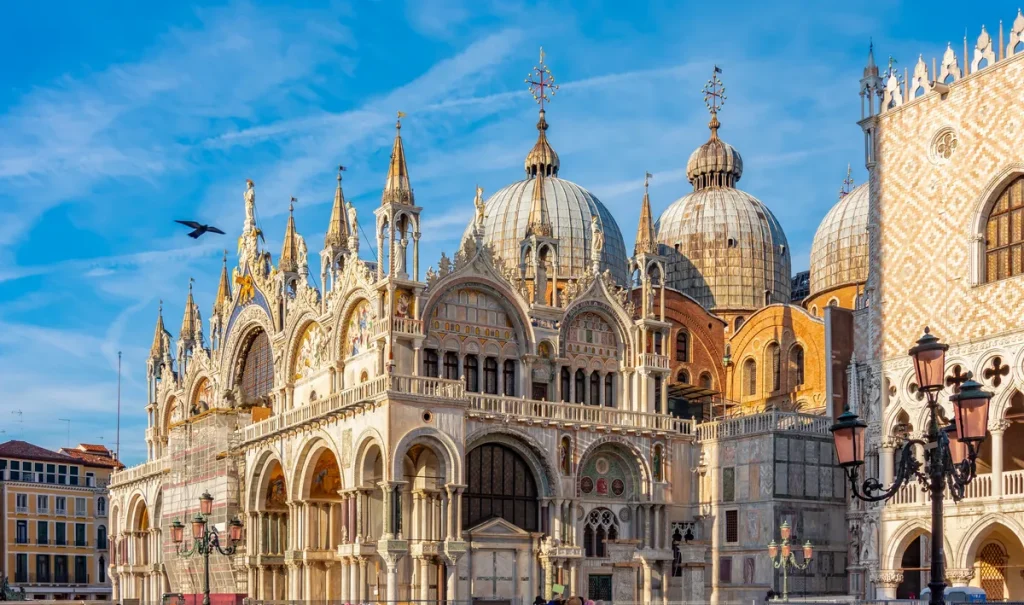
1. Book a timed entry for St. Mark’s Basilica
8,000 square meters of gold mosaic and looted Byzantine treasures built over a thousand years. The free standby queue regularly hits two hours in peak season – skip it entirely and book a timed entry ticket online. Cost: €3 for the basic entry, with optional paid add-ons for the Treasury (€5) and the Loggia (€7). The dress code is enforced at the door: no bare shoulders, no shorts above the knee. If you forget, vendors outside sell cheap scarves for €2-3 – overpriced but cheaper than being turned away.
Allow 45 to 60 minutes inside. The mosaics require you to look up constantly, which is more tiring than it sounds.
2. Climb to the Loggia dei Cavalli
Pay the €7 extra fee to go upstairs inside the Basilica. You get two things: the original bronze horses stolen from Constantinople in 1204 (the ones outside are replicas), and the best ground-level view of Piazza San Marco from the outdoor balcony. Do this while you are already inside – backtracking costs you another queue.

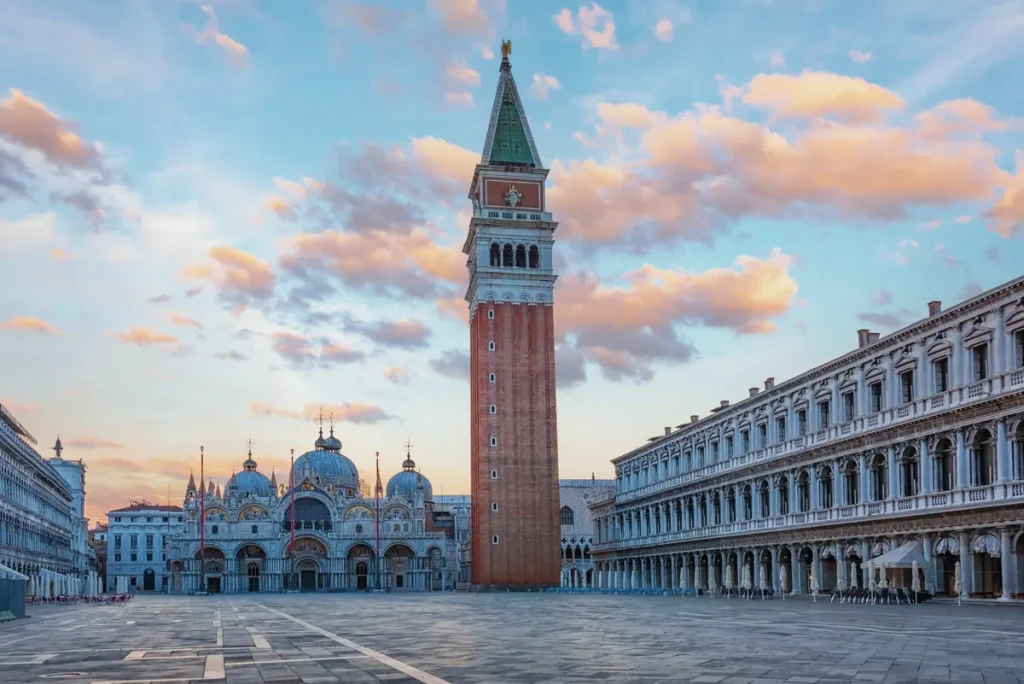
3. Take the lift up the Campanile at 9:00 AM
Unlike Florence’s bell towers, this one has an elevator. Timed entry costs €10. Book your slot for 9:00 AM – early enough to see the Dolomites across the lagoon before heat haze kills the visibility. By 11:00 AM the view is washed out and the queue for the lift is backed up. On clear winter mornings you can see as far as the Julian Alps.
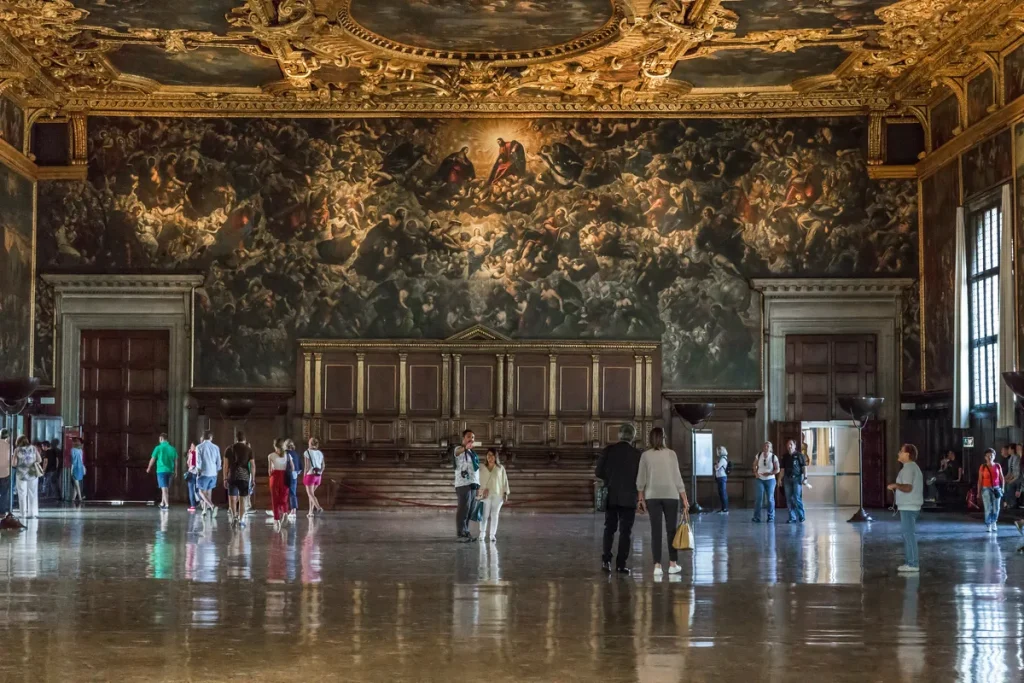
4. Take the Secret Itineraries tour at the Doge’s Palace
The standard Doge’s Palace ticket (€14) covers the grand ceremonial rooms. The Itinerari Segreti tour (€28, booked separately) takes you through the restricted sections – the ç, the torture chambers, the attic prison where prisoners were held in wooden cages, and the cell Casanova escaped from in 1756 by breaking through the ceiling. The tour runs in small groups and lasts about 75 minutes. It is the only context that explains how the Republic actually functioned behind the gilded facade. Book well in advance – it sells out weeks ahead in summer.

5. Walk the Bridge of Sighs from the inside
Included with the Doge’s Palace ticket. The covered bridge connected the interrogation rooms in the palace to the New Prisons across the canal. The name comes from the idea that prisoners sighed at their last view of the lagoon through the stone-latticed windows. Two minutes of genuinely sobering contrast after the gold-leafed halls – and the only way to see it from the inside is with the palace ticket.

The Aquatic Hacks
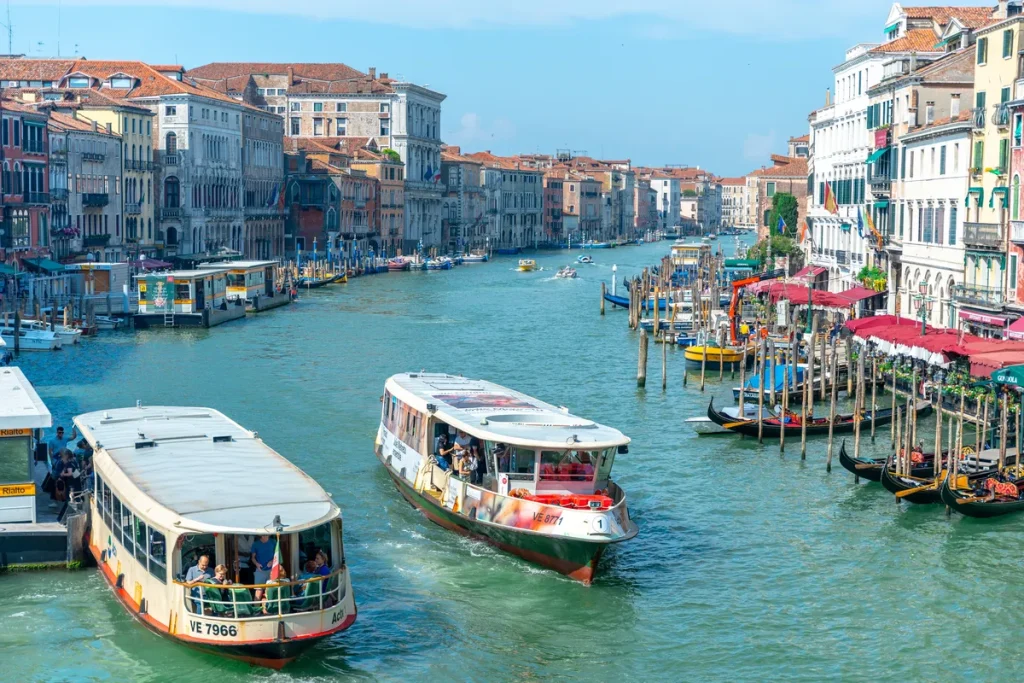
6. Ride the front deck of the Line 1 Vaporetto
The Grand Canal is the best free tour in Italy. Board Line 1 at the train station and go straight to the open-air front or back deck – not the cabin. For the price of a 24-hour pass (€25), you pass the Ca’ d’Oro, the Rialto Bridge, and every major palazzo on the canal over about 45 minutes. Sit inside the cabin and you see nothing but other passengers. Do this on your first afternoon to orient yourself before tackling the city on foot.
7. Cross the Grand Canal for €2 on a Traghetto
There are only four bridges crossing the full length of the Grand Canal. To fill the gaps, the city runs Traghetti – large gondolas rowed by two gondoliers that cross at four points around the city. Look for the yellow “Traghetto” signs at the water’s edge. Hand over €2 cash – they rarely take cards – and stand up for the 90-second crossing. Standing is the tradition, not a suggestion. Full breakdown in the Venice on a Budget guide.
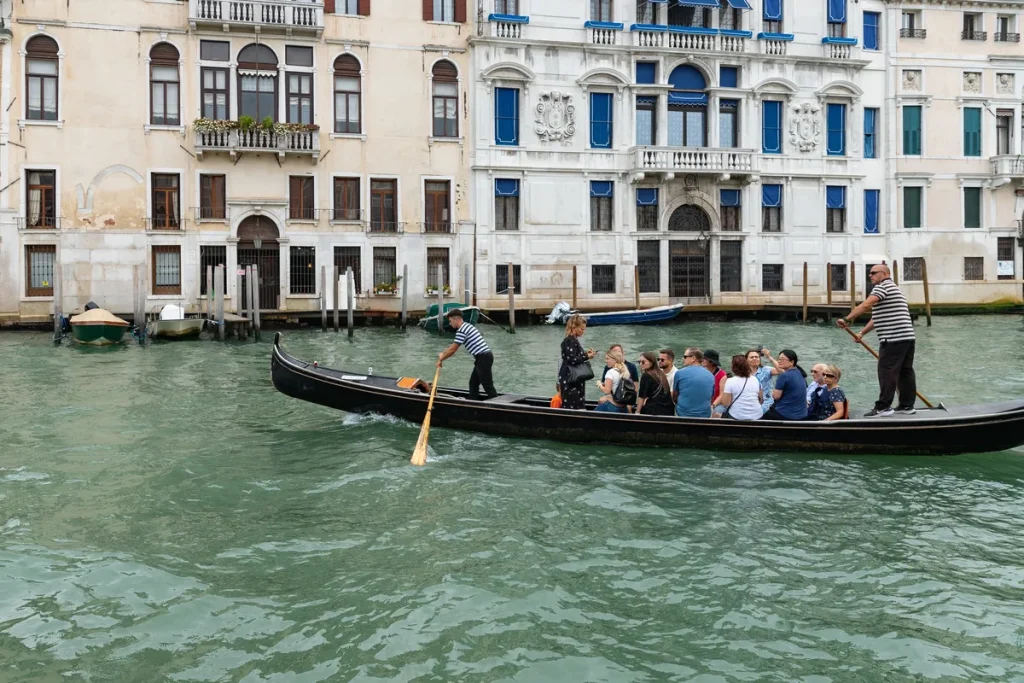
8. Take a gondola through the back canals after 7:00 PM
If you are spending the money, do it correctly. The Grand Canal is congested, loud, and lined with other gondolas – it is not the experience people imagine. Walk deep into San Polo or Dorsoduro and find a gondolier on a quiet bridge away from the main tourist pick-up points. The official rate is €90 for 30 minutes daytime, €110 after 7:00 PM. The extra €20 at night buys you echoing silence in the narrow back canals, the occasional accordion, and a version of Venice that is genuinely hard to forget. Negotiate firmly on the route before you get in – you want the small canals, not the Grand Canal loop.

9. Book the Fondaco dei Tedeschi rooftop – exactly 21 days out
The wooden terrace on top of this luxury department store next to the Rialto Bridge has the best sightline of the Grand Canal’s full S-curve – better than the Campanile and completely free. The slot is 15 minutes. It books out within minutes of opening, exactly 21 days in advance. Set a calendar reminder, go to the Fondaco dei Tedeschi website on the exact morning, and move fast. Miss the window and you are paying €10 for the Campanile instead.

Neighborhood Survival
10. Execute a bacaro crawl in San Polo
Skip sit-down lunch entirely. Walk into Cantina Do Mori (the oldest bacaro in Venice, operating since 1462) or All’Arco and point at three or four items behind the glass – whipped salt cod (baccalà mantecato) on a small slice of bread, fried meatballs (polpette), marinated anchovies, or cured meat on a skewer (spiedino). Add a Select Spritz – the bitter, ruby-red liqueur that originated in Venice, distinctly different from the Aperol version tourists default to. Total bill: €10 to €12, standing up, no cover charge, no service fee. Repeat at two or three bars across the afternoon – this is how locals eat dinner.


11. Visit the world’s oldest Jewish Ghetto in Cannaregio
Established in 1516 when the Venetian Republic confined the Jewish population to this island. Notice the buildings are unusually tall – six and seven stories in a city where most buildings top out at four. Restricted to the island, the community built upward to house everyone. The Campo del Ghetto Nuovo is one of the quietest squares in Venice and contains a small museum and several synagogues that offer guided tours for around €12. Allow 45 minutes to an hour.


12. Walk the Fondamenta della Misericordia at dusk
This long canal-side stretch in northern Cannaregio is where locals actually drink. Handwritten menus that change daily, no laminated tourist boards outside, and a crowd that is mostly Venetian students and working residents. Best time: 6:30 PM to 8:00 PM, when the aperitivo hour is in full swing and the light on the canal is at its best. Pull up a chair at one of the small bars and order a glass of whatever local wine they are pouring.

13. Cross the Accademia Bridge into Dorsoduro
The wooden Accademia Bridge is one of only four Grand Canal crossings and the main entry point into Dorsoduro – the university district. The neighborhood has wider promenades, sun-drenched squares like Campo Santa Margherita, and coffee prices that reflect a student budget rather than a tourist one. Use it as your base for the Peggy Guggenheim and the Zattere walk.


14. Eat a Gianduiotto on the Zattere
Walk the wide Zattere promenade along the southern edge of Dorsoduro and stop at Gelateria Nico. Order the Gianduiotto – a dense frozen block of hazelnut chocolate submerged in whipped cream, served in a small cup. Cost: around €4. Eat it on the promenade wall while the container ships and cruise liners pass through the Giudecca Canal three meters away from you. It is a surreal, specifically Venetian experience.

Art and History
15. The Peggy Guggenheim Collection
One of the strongest 20th-century collections in Europe – Picasso, Braque, Pollock, Dalí, Ernst – displayed in the unfinished palazzo on the Grand Canal that Peggy Guggenheim actually lived in until her death in 1979. She is buried in the garden alongside her dogs. Entry: €18. Closed Tuesdays. Go on a weekday morning for the thinnest crowds. Budget 90 minutes minimum – rushing it defeats the point.

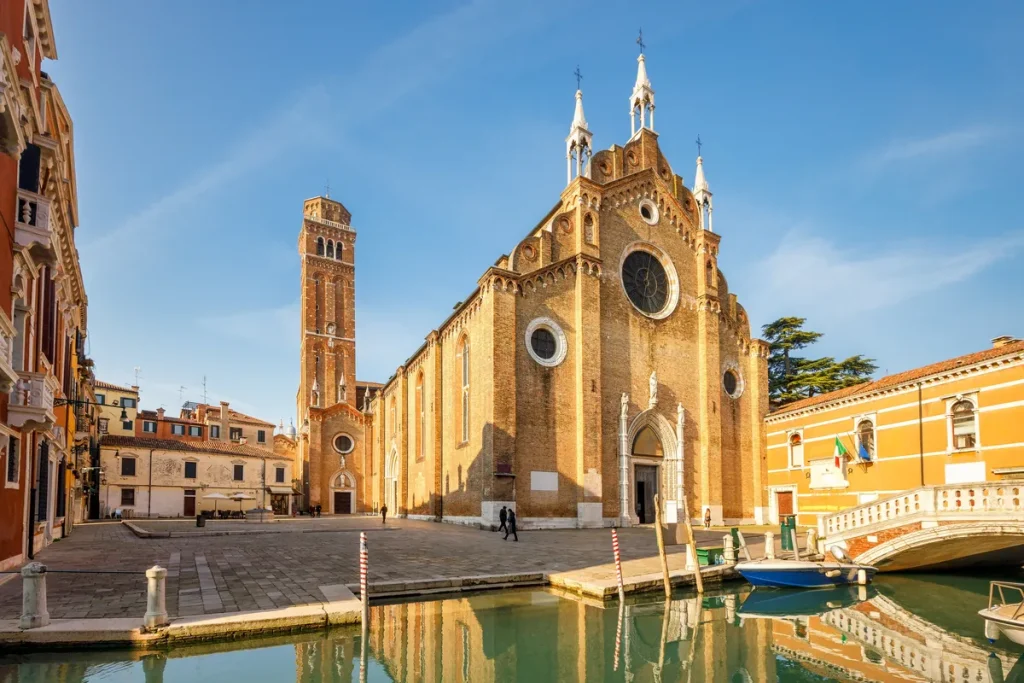
16. Titian’s Assumption in the Frari
The Basilica dei Frari in San Polo is a vast Gothic brick church containing Titian’s Assumption – a 6.9-meter altarpiece painted in 1518 that covers the entire apse wall. The scale and the color stop people mid-step. Titian is also buried here, one of the few victims of the 1576 plague to receive a proper church burial. Entry: €5. Significantly cheaper and quieter than the Basilica San Marco, and the work is arguably more historically significant. See the Food Guide Venice for the best bacaro within walking distance after your visit.
17. Tintoretto at the Scuola Grande di San Rocco
Tintoretto spent 23 years painting this complex and decorated every surface of the upper and lower halls with massive, brooding Old and New Testament scenes. The upper hall ceiling is the challenge – the handheld mirrors they provide at the entrance are not optional, your neck cannot sustain the angle for the full room. Entry: €10. Set aside 45 to 60 minutes. Go directly after the Frari – they are two minutes apart on foot.


18. Libreria Acqua Alta
Books stored in bathtubs, rowboats, and a full-sized gondola to protect them during Acqua Alta flooding. The staircase made from stacked encyclopedias in the back courtyard leads to a view over the canal. Worth 20 minutes as a detour rather than a destination. Buy something small if you can – the shop operates on thin margins and the novelty brings enough browsers that they need actual customers to survive.

The Outer Islands
For full logistics on getting to the islands – including which Vaporetto lines, how long to allow, and what to skip – see Best Day Trips from Venice.
19. Watch glassblowing in Murano
Take Vaporetto Line 4.1 or 4.2 from Fondamente Nove – journey time around 15 minutes. Ignore the “free boat” offers at the station; they are commission-based operations that deliver you to showrooms with hard-sell tactics. Walk the island independently and pay a small fee (€5 to €8) to watch a master blower work in one of the smaller, legitimate foundries on the main drag. A decent handmade glass object starts at around €20 – anything cheaper is imported. Allow two to three hours on the island.



20. Photograph the painted houses of Burano
45 minutes on Vaporetto Line 12 from Fondamente Nove. The island’s fishing houses are painted in saturated primary colors – each family historically painted their house a distinct color so fishermen could identify it from the water. Arrive before 10:00 AM – the afternoon day-trip boats double the island’s population within 20 minutes and the narrow streets become difficult to move through. Eat the local Bussolà butter cookies (€3 to €5 for a bag) from a bakery rather than a gift shop – the texture is denser and the flavor is more bitter than you expect.

21. Find the silence on Torcello
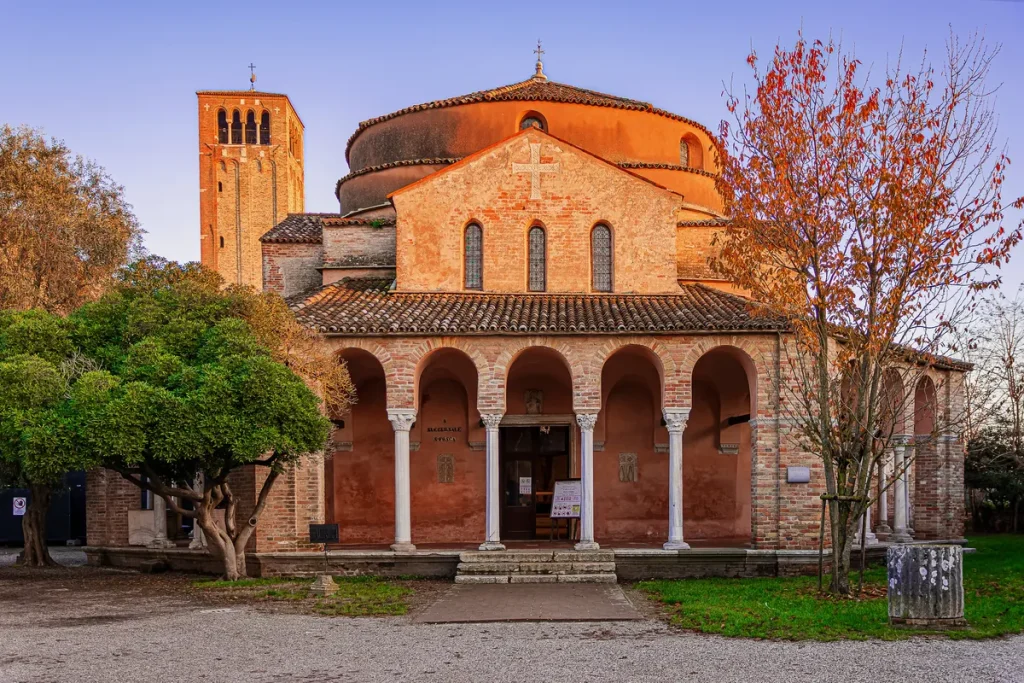
Take the quick 5-minute boat from Burano to Torcello. Around 15 people live here permanently now, but in the 7th century it was the most populous island in the lagoon – larger than Venice itself, before malaria and silting destroyed it. The Cathedral of Santa Maria Assunta contains an 11th-century Last Judgment mosaic covering the entire back wall – gold-ground figures depicting hell in graphic, specific detail. Entry: €5. Allow 90 minutes on the island total. It is the most historically significant and least visited of the three main islands.
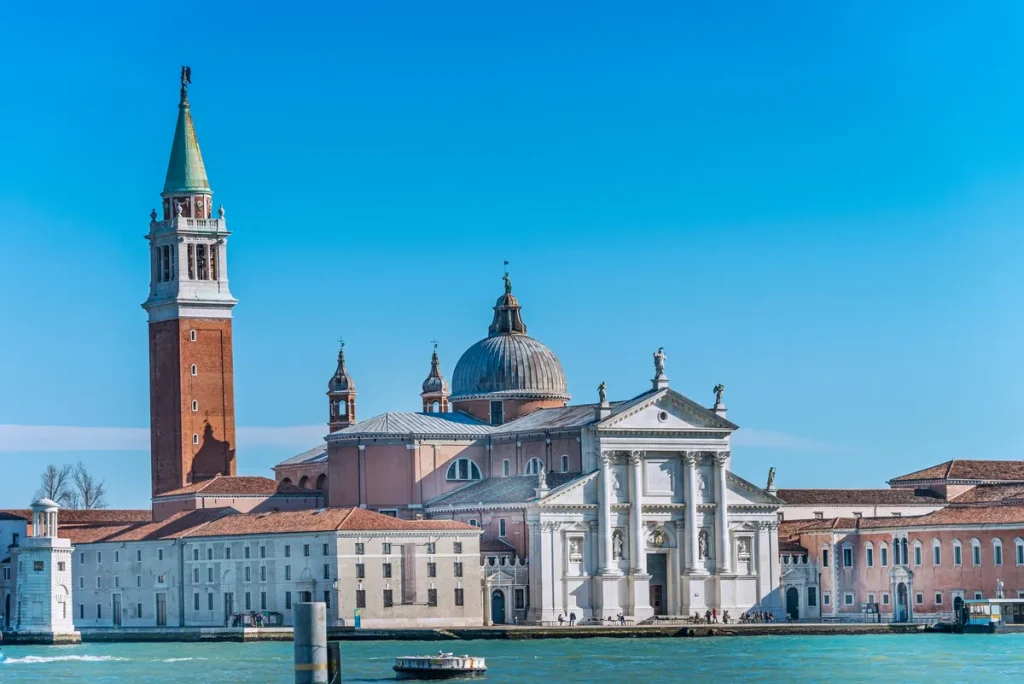
22. San Giorgio Maggiore bell tower – no queue, better view
Take the short boat from the San Marco waterfront across to the island of San Giorgio Maggiore. The bell tower here has no queue and costs €8. The view looks back at the Doge’s Palace, the Campanile, the full San Marco basin, and the Giudecca Canal – the panorama the Campanile itself cannot give you, because you are standing outside the main island looking in. Go at late afternoon when the light hits the facade of the Doge’s Palace directly.
Uniquely Venetian
23. Watch the gondola builders at Squero di San Trovaso
One of the last three active gondola boatyards in the city, tucked into a quiet corner of Dorsoduro near the Zattere. You cannot go inside, but stand on the opposite bank of the small canal and watch the artisans repair and tar the black hulls. Best on weekday mornings between 8:00 AM and 11:00 AM when active work is happening. The boatyard looks like a wooden Alpine chalet transplanted onto a Venetian canal – an architectural oddity that most visitors walk straight past.


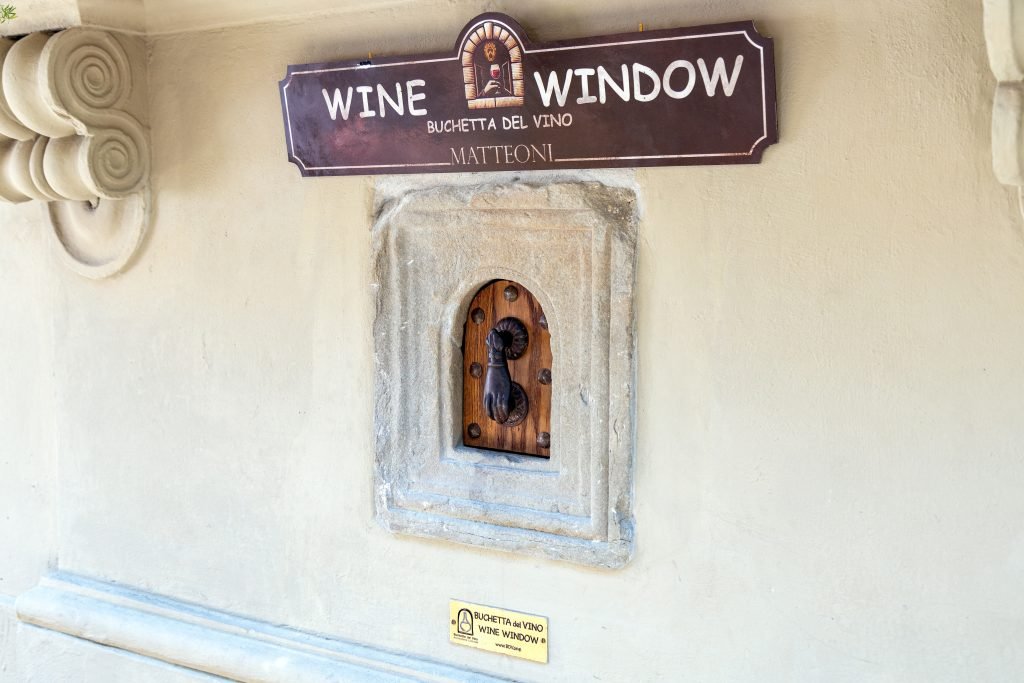
24. Hunt the Buchette del Vino in San Polo
Small arched wine windows set into the stone walls of old palazzo buildings – historic delivery portals used during plague outbreaks in the 17th century to pass wine bottles without physical contact between seller and buyer. More famous in Florence, but Venice has its own examples in the back alleys of San Polo. No official map exists – find them by wandering slowly and looking at ground-floor wall details rather than facades. Bring cash if any are still operating as novelty wine windows, which a handful do during summer.
25. Walk St. Mark’s Square at midnight
The orchestras at Caffè Florian and Gran Caffè Quadri play their last sets around midnight. By that point the tour groups are gone, the day-trippers have caught their last trains, and the square is down to a fraction of its daytime population. The fog comes in off the lagoon and sits low across the stone. The Basilica is lit from below. This is the one item on this list that requires no planning, no booking, and no budget – just stay up late on your last night and walk back through.

Plan Your Trip
- First Time in Venice
- 1 Day in Venice
- 3 Days in Venice
- Where to Stay in Venice
- Venice on a Budget
- Food Guide Venice
- Best Day Trips from Venice
Is Venice worth visiting?
Yes, but only if you move off the main tourist corridor. The stretch from the train station to St. Mark’s Square is genuinely unpleasant in peak season – overcrowded, overpriced, and disorienting. Step ten minutes into Cannaregio or Dorsoduro and you are in a completely different city. Venice has no real equivalent anywhere in the world, and that alone makes it worth the trip if you go in with realistic expectations.
How many days do you need in Venice?
Two nights is the practical minimum. One full day covers the main monuments – St. Mark’s Basilica, the Doge’s Palace, a Vaporetto ride down the Grand Canal. A second day lets you visit one of the outer islands, do a proper bacaro crawl in San Polo, and see the city after the day-trippers leave. Three days is comfortable if you want to add Murano, Burano, and Torcello without rushing.
What is the best time to visit Venice?
April to June or September to October. You get manageable crowds, decent weather, and the city at its most functional. July and August bring 35°C heat and cruise ship peaks that push daily visitor numbers above 100,000. November to March is cold and occasionally flooded, but hotel prices drop by 40 to 60 percent and the city is far easier to navigate on foot.
Is Venice expensive?
It depends entirely on where you eat and drink. Coffee at a bacaro bar in Cannaregio costs €1.50. The same coffee sitting down in St. Mark’s Square costs €10. A traghetto gondola crossing costs €2. A private gondola costs €90. The price gap between the tourist corridor and the residential neighborhoods is larger in Venice than almost any other Italian city – geography is the single biggest budget lever you have.
Can you visit Venice as a day trip?
Technically yes, but you will see the worst version of the city. Day-trippers arrive late morning, follow the crowds to St. Mark’s, eat a bad lunch near the Rialto, and leave before dinner. You also pay the €5 day-tripper access fee on peak weekends. If you can add even one night, you get the outer islands, the bacaro dinner culture, and St. Mark’s Square at midnight – which is a completely different experience from the daytime chaos.
25 Best Things to Do in Venice
Click any pin for price, timing, and what to know. Outer islands are northeast — zoom out to see them.