
Visiting Malaga on a budget is increasingly difficult as the city becomes a major Mediterranean hub, but it is still possible if you avoid the cruise ship corridors. While the center can feel expensive, the real economics of the city favor those who know where the locals eat and when the museums open their doors for free.
It also has a tourist trap problem. The cruise ships dock directly at the port and funnel passengers onto Calle Larios, creating a concentrated bubble of elevated prices in the dead center of the historic district. Sit at a cafe table next to the Cathedral without knowing what you are doing, and you will pay Barcelona prices for Andalusian mediocrity.
Step off that corridor and Malaga is one of the cheapest coastal cities in Western Europe. This guide shows you exactly where the line is.
For the full itinerary context, our 3 days in Malaga guide and first time in Malaga guide both work alongside this.
The Airport: Do Not Take a Taxi
Your budget strategy starts the moment you land at Malaga-Costa del Sol Airport (AGP).
Outside arrivals you will see white taxis and private transfer drivers with iPads. A taxi to the historic center costs €25-35 and sits in the same highway traffic as everyone else.
The C1 Cercanías train
o keep your trip to Malaga on a budget, the C1 train is your most important tool. Walk out of Terminal 3, cross the small plaza, and follow signs to the Renfe Cercanías Line C1 station underground. A single ticket to Malaga Centro-Alameda costs €1.80, paid at the multilingual kiosk by contactless card. The train takes 11-12 minutes. It runs every 20 minutes. You save €25 immediately and arrive faster than a taxi in traffic.
Getting around the city
The historic center is heavily pedestrianized. You do not need taxis or ride-sharing apps within it. The walk from one end of the center to the other takes about 20 minutes. For the eastern fishing neighborhoods (Pedregalejo, El Palo), the EMT city buses cost €1.40 per ride – pay by contactless card or exact cash on board.
Museums: The Free Windows
Malaga brands itself as the “City of Museums” – Picasso was born here, and over the last 15 years the city has built a serious cultural infrastructure to capitalize on that. General admission to the main museums adds up fast: Picasso Museum, Centre Pompidou, Carmen Thyssen Museum, and the Alcazaba together cost over €50 per person at full price.
The regional government mandates free entry windows. Use them.
Alcazaba and Gibralfaro Castle
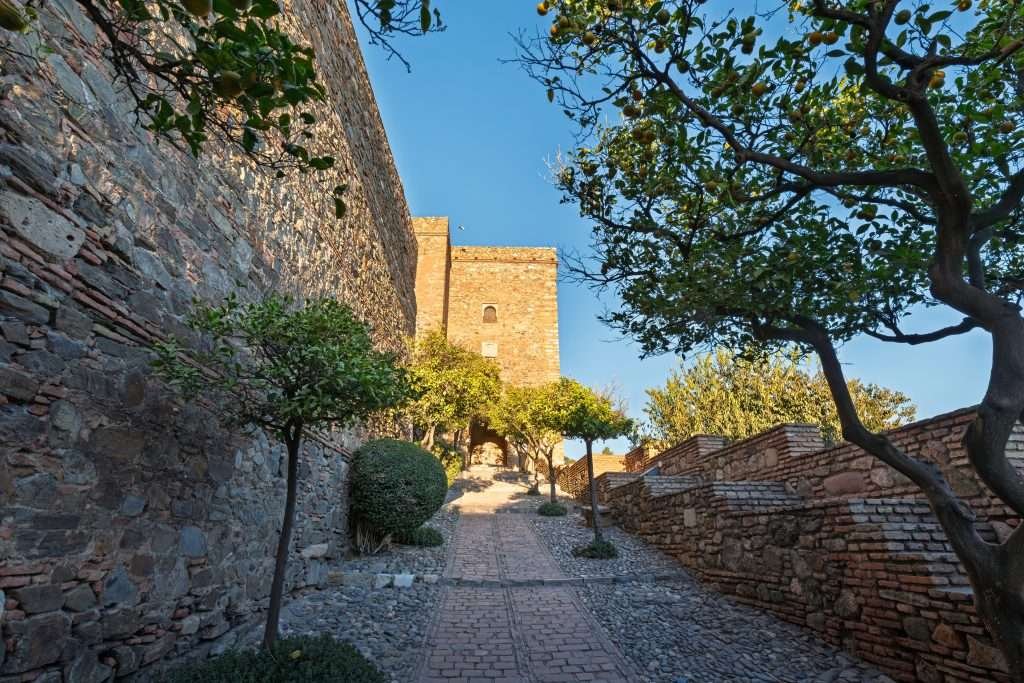
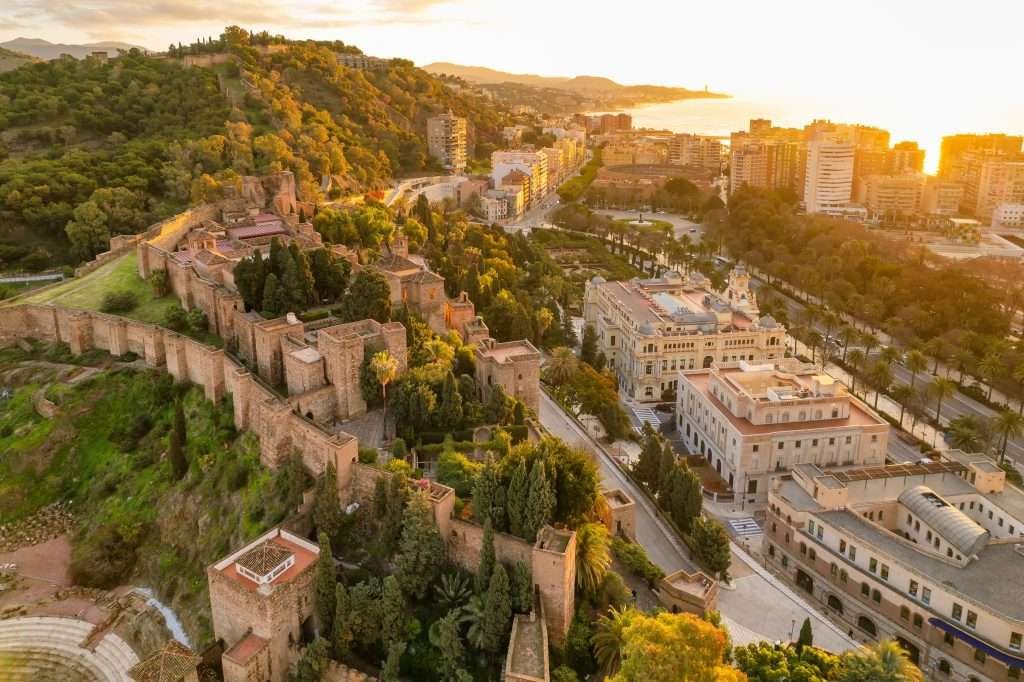
Two Moorish fortresses on the hill above the city – the Alcazaba at the base, the Gibralfaro higher up with panoramic views of the Mediterranean.
- Free window: Every Sunday from 2:00 PM until closing
- Practical note: The climb to Gibralfaro is steep. Do not attempt it at 2:30 PM in July heat. Wait until 5:00 PM when the temperature drops and the light is better for photography. Going up in the cool of the late afternoon and watching the sun set over the port from the castle walls costs you nothing.
Picasso Museum (Museo Picasso Málaga)
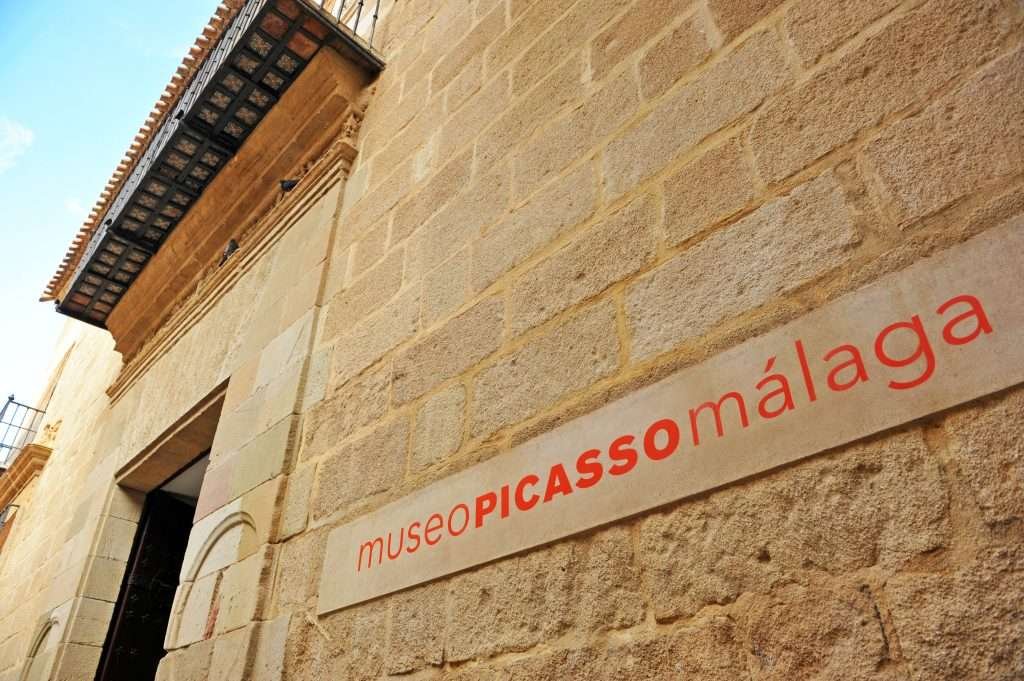
Housed in the 16th-century Palacio de Buenavista, with a permanent collection donated directly by Picasso’s family.
- Free window: The last two hours of the day every Sunday (typically 4:00 PM or 5:00 PM until closing, depending on winter/summer hours – check the museum website before going)
- The queue reality: This is the most visited museum in the city. Arrive 45 minutes before the free window opens and join the line already forming around the block. Once inside you have two hours – go directly to the permanent collection rather than any temporary exhibition.
Centre Pompidou Malaga
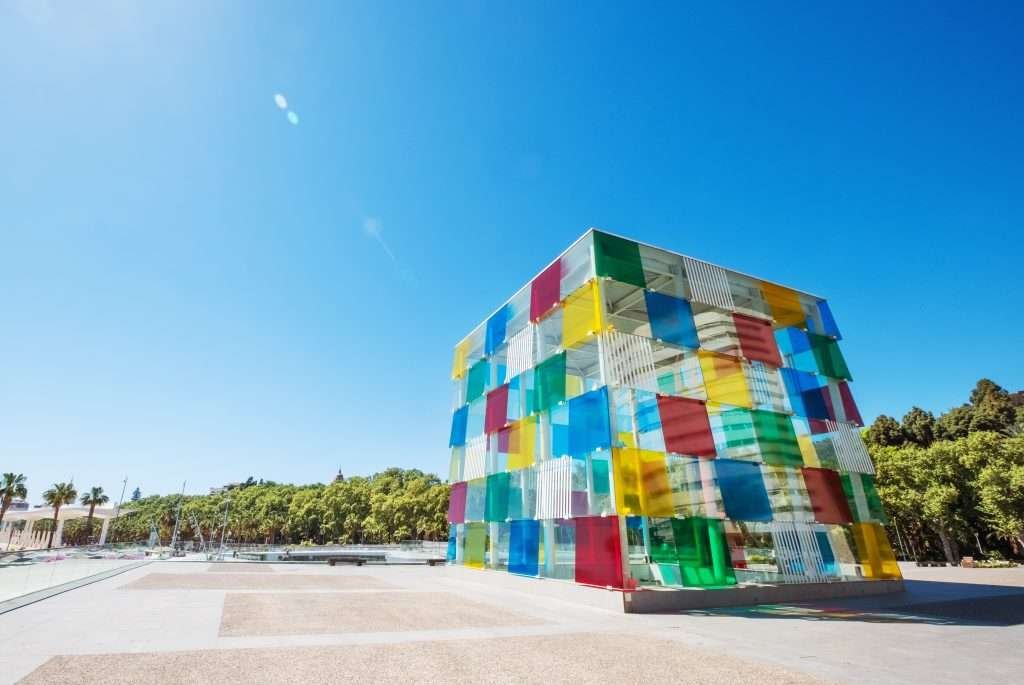
The multicolored glass cube at Muelle Uno port, with modern and contemporary art on loan from Paris.
- Free window: Every Sunday 4:00 PM to 8:00 PM
- The move: The Pompidou queue is significantly more manageable than the Picasso. Hit the Pompidou at 4:00 PM, then walk up to the Alcazaba at 5:30-6:00 PM. You see two major cultural institutions in an afternoon for nothing.
Completely free, any day
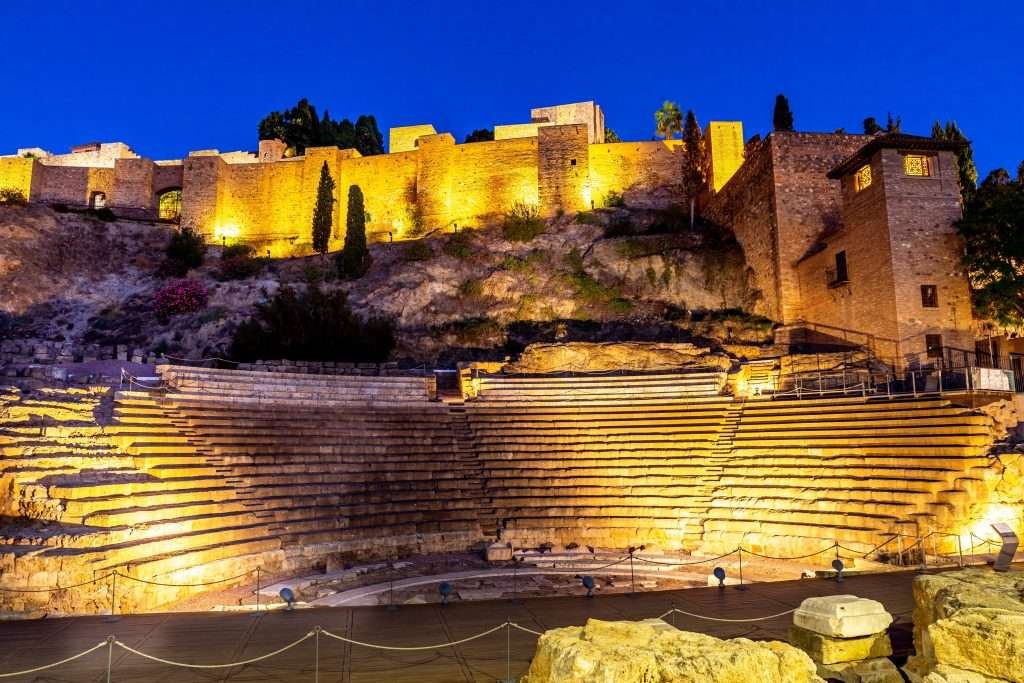
The Roman Theatre at the base of the Alcazaba hill costs nothing and is visible from street level without entering. The adjacent visitor center is also free and has good contextual displays. Walking through the Soho street art district south of the Alameda Principal is free – internationally commissioned murals by artists including Shepard Fairey and D*Face cover entire building facades.
Food: What Locals Actually Eat
The tourist pricing in Malaga’s center is concentrated in a specific corridor. Three blocks off Calle Larios the economics change entirely.
The espeto – and why location matters
An espeto de sardinas is the defining Malaga food experience: five or six fresh sardines skewered on bamboo, driven into the sand next to a wood fire built inside an old fishing boat, roasted over open flames, seasoned with coarse salt and lemon. It is simple, deeply good, and cooked to order in minutes.
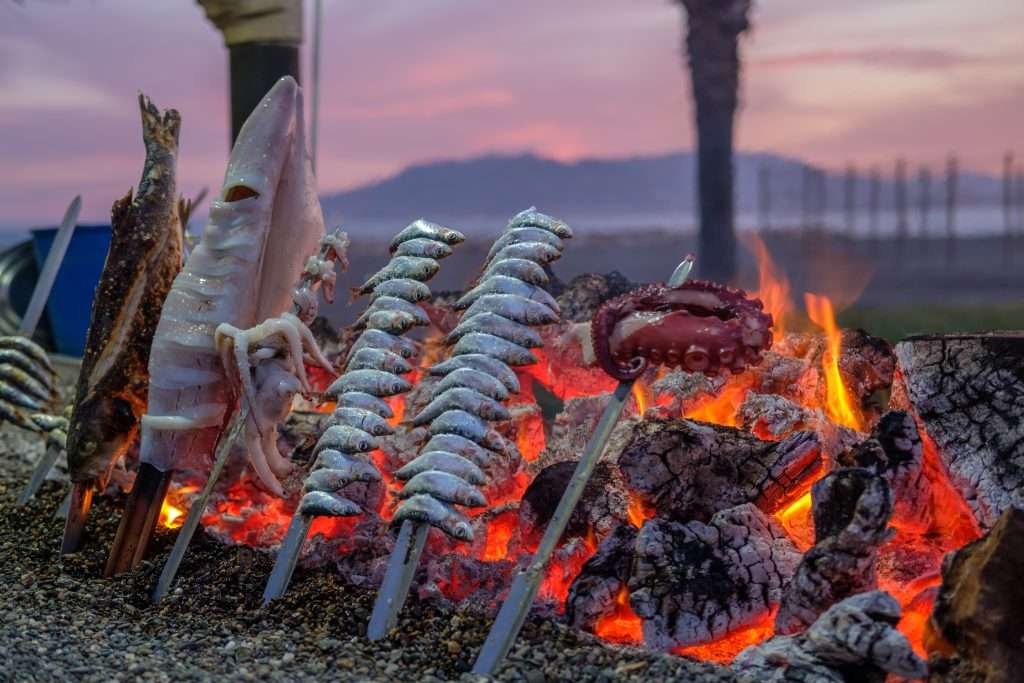
- At La Malagueta beach (closest to the center): €8-10 per skewer
- At Pedregalejo or El Palo (eastern fishing neighborhoods, 15 minutes on Bus 3 or Bus 11): €2.50-4 per skewer
The logistics: take the bus east, walk the paseo marítimo (beachfront promenade), pick any chiringuito with visible woodsmoke. The competition between them is fierce enough that quality is consistently high. Ten sardines and two cold Victoria beers on the sand costs under €10. Our what to eat in Malaga guide covers the full food picture including where to find the best espetos and what else to order at the chiringuitos.
The pitufo breakfast

Do not pay €15 for a hotel buffet breakfast. Walk into any neighborhood cafe before 11 AM and order a pitufo. Named after Smurfs (for the small bread roll), it is a toasted sandwich – order Mixto (ham and melted cheese) or con Tomate y Aceite (toasted bread rubbed with crushed tomato, garlic, and olive oil). Add a fresh orange juice and a café con leche. Total cost in a local cafe: €3.50-4.50. In a tourist-facing cafe on Calle Larios: double that for the same thing.
The Menú del Día
Between 1:30 PM and 3:30 PM, local restaurants off the main tourist streets put chalkboards outside advertising the Menú del Día – three courses plus a drink for €10-14. Starter (gazpacho, lentil stew, salad), main (grilled fish, pork), dessert, and a beer or quarter-bottle of wine included. This is how working Malaga eats lunch.
How to distinguish a real one from a tourist trap version: the board is handwritten in Spanish, the price is under €15, and it is only available Monday-Friday during the afternoon lunch window. If the board is printed in English with stock photos of paella, or if it is being offered at 6 PM, keep walking.
Mercado Central de Atarazanas
The Central Market is housed in a 19th-century iron building with a 14th-century Moorish marble arch incorporated into the facade – worth seeing from outside regardless. Inside, it is a working food market.
Two things to know:
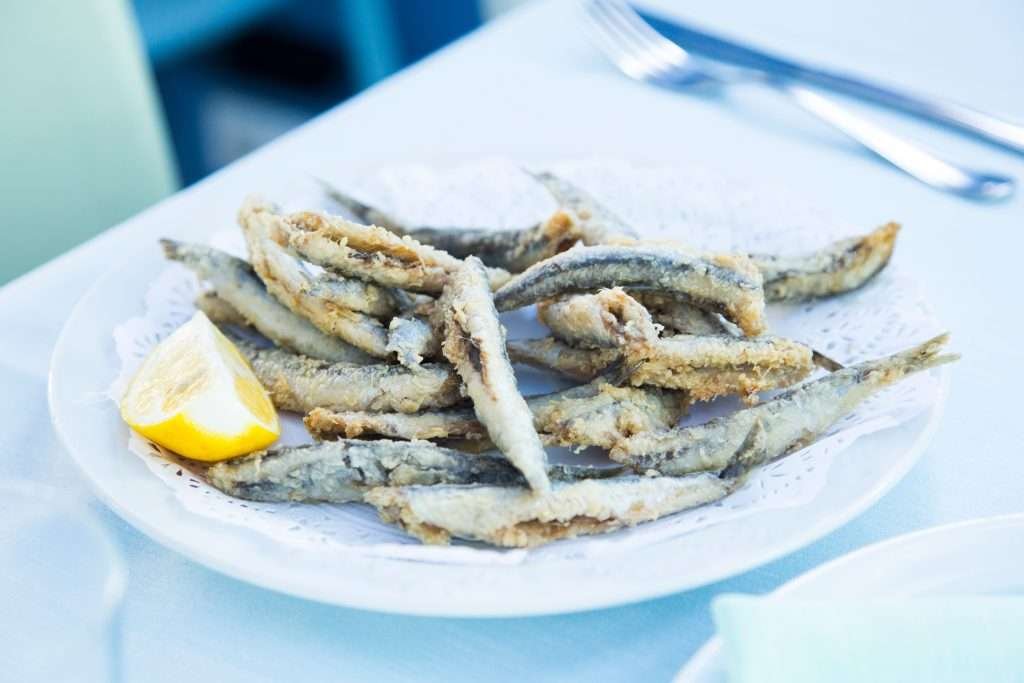
First, the tapas bars clustered around the seafood section serve some of the cheapest and freshest seafood in the city. Boquerones fritos (flash-fried anchovies) and gambas (prawns) pulled directly from the stalls ten feet away, at prices well below what any sit-down restaurant charges. Order at the standing counter.
Second, the market closes completely by 3:00 PM. If you arrive after that looking for cheap lunch, the metal grates are down. This is strictly a morning and early lunch destination.
The free tapas question
Malaga is not Granada. In Granada, every drink order comes with a free plate of food – a tradition that makes Granada one of the best-value cities in Spain for eating and drinking. In Malaga you pay for your tapas. However, in genuinely traditional neighborhood bars – not tourist-facing spots – ordering a glass of sweet Malaga wine or a draft beer will often earn you a small complimentary dish of green olives, altramuces (lupin beans), or a few slices of salchichón. It is not a meal replacement, but it is free sustenance that the tourist corridor bars have stopped offering.
The Aperitivo Hack
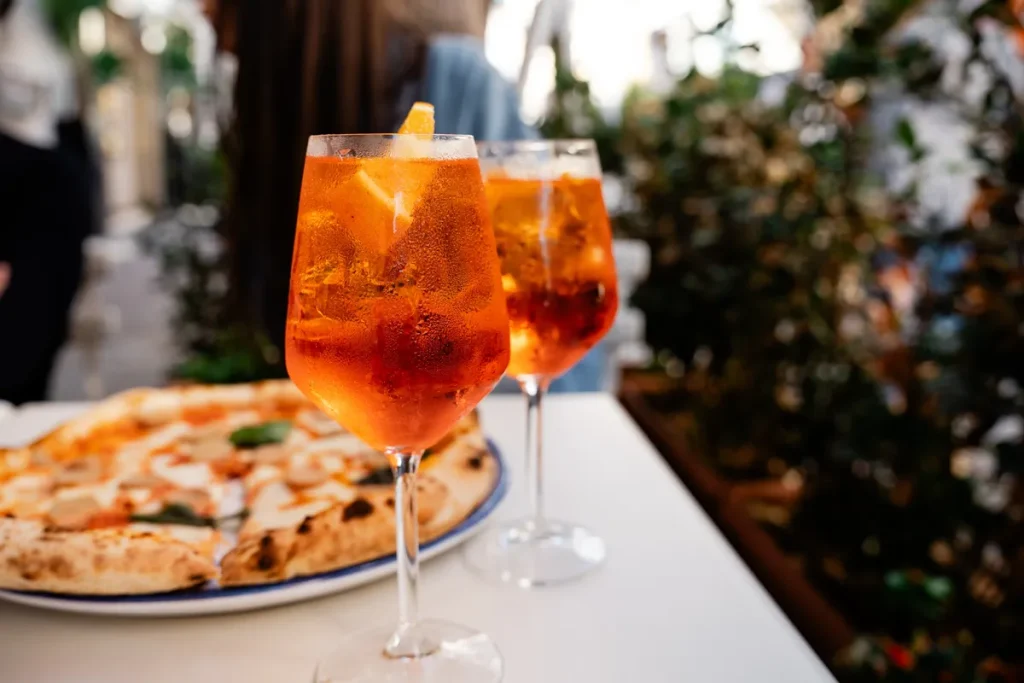
Between 6:30 PM and 8:30 PM, bars advertising Aperitivo a Buffet offer a cocktail at a slight premium (usually €12-15) with unlimited access to a food spread. In the right spots – particularly in the Soho district and around Calle Comedias – this is not a bowl of chips. Pasta salads, grilled vegetables, focaccia, cured meats, small pizzas. A heavy aperitivo at 7:30 PM functions as dinner.
Spend €12-15, drink a Negroni or Spritz, eat enough to skip the formal restaurant. The savings versus a sit-down dinner with cover charge and wine are considerable.
Where to Sleep
Where you base yourself directly determines your daily food and drink spend. Hotels inside the historic center charge a location premium, and every restaurant within three blocks will price accordingly.
The honest neighborhood breakdown:
- Soho (south of center): The arts district, 10 minutes’ walk to the Cathedral. Budget hostels and 3-star hotels at noticeably lower prices than the historic core. Good street art, specialty coffee, and local bars that have not been captured by cruise ship tourism yet.
- La Trinidad and El Molinillo (north of center): Genuinely local and working-class. 15-20 minutes’ walk to the main monuments. Significantly cheaper Airbnbs, neighborhood cafes where coffee costs €1.20, large supermarkets for self-catering. Not romantic, but functional and cheap.
- Pedregalejo (eastern beach): If your priority is swimming and cheap seafood rather than museum access, base yourself here. Wake up on the beach, eat €3 espetos for lunch, take the €1.40 bus into the center on museum days. Our where to stay in Malaga guide covers each neighborhood in detail with specific hotel picks at every budget level.
The Beaches: Free if You Use Them Correctly

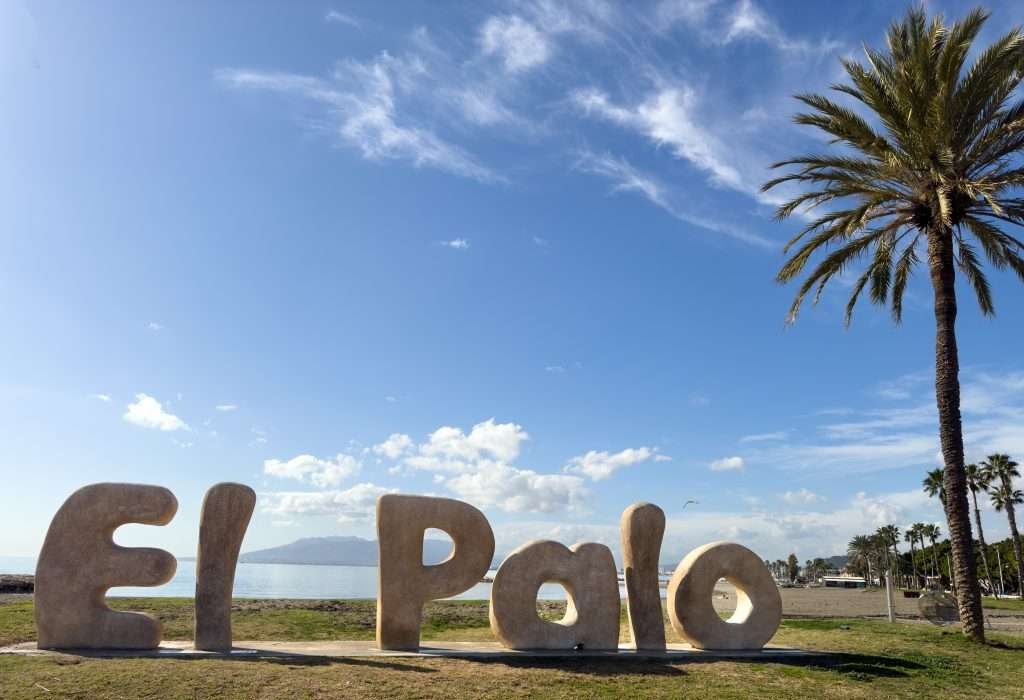
The Mediterranean is free. What you spend around it is your choice.
The sunbed trap
La Malagueta beach near the city center is lined with hamacas – matching sun loungers and umbrellas managed by private operators. Sit on one and an attendant appears within two minutes to charge you €6-15 for the day’s rental.
All beaches in Spain are public property by law. Walk past the sun lounger section and put your towel directly on the sand. If you need shade, buy a portable beach umbrella at any large Chinese bazaar or Mercadona supermarket for around €10 on your first day. You carry it, you stick it in the sand, you have free shade for the rest of the trip.
The beach drinks trap
Mojitos and cocktails from beach club waiters on La Malagueta cost Ibiza prices. The move: walk five minutes off the sand to the nearest supermarket, buy a 1.5-liter cold water for €0.60, fresh fruit, and snacks, and bring them back in a cooler bag. A full beach day including food and drink costs under €5 this way.
For what to do once you are ready to leave Malaga and explore the coast and mountains, our 5 best day trips from Malaga guide covers Ronda, Nerja, and the Caminito del Rey – all accessible without a rental car.
FAQ
Is tap water safe to drink?
Yes. Ask for agua del grifo at restaurants rather than paying €3 for a branded bottle. The mineral content is slightly high (hard water) but it is safe and regulated.
How do city buses work?
EMT buses cost €1.40 per ride. Pay the driver directly in cash (small bills or coins – they often cannot change €20 notes) or tap contactless on newer buses. No bus pass is needed for a short visit.
Do I need to tip?
No. Tipping 15-20% is not expected in Spain. A sit-down restaurant will add a coperto (cover charge) to the bill for bread and the table – this is mandatory and not a tip. Leave small change on the table after a good meal if you want to, but never feel obligated.
Cheapest time to visit?
Late January through early March. The weather is cool but sunny – averaging 15-18°C – and genuinely too cold for swimming. Flights to Malaga from the UK and northern Europe drop sharply after January 6th (Three Kings Day) as tourism collapses. Hotels follow. You get the city’s museums, food, and streets without the summer crowds.
Free walking tours?
Several operators depart from Plaza de la Constitución and Plaza de la Merced. The tours are good and a useful orientation on arrival. The guides work entirely for tips – budget €5-10 per person at the end.
Malaga on a Budget — Money Map
Where to save, where to eat cheap, where the free windows are. Click any pin.