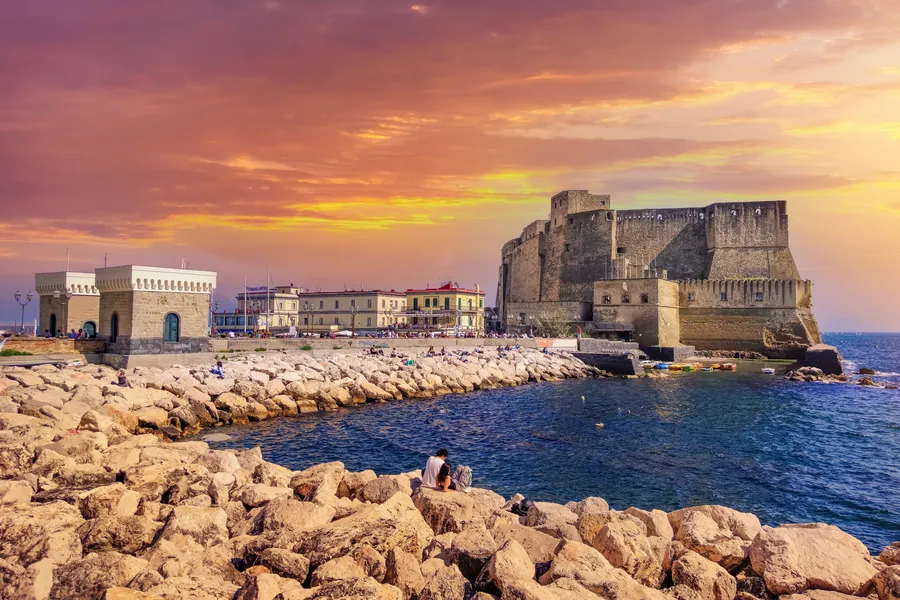
Where to stay in Naples is one of the most important decisions you’ll make when planning your trip to this chaotic, wildly beautiful city in southern Italy.
Choosing where to base yourself in Naples is not like picking a hotel in a manicured, flat city like Milan or Munich. The capital of the Italian south is a sprawling, chaotic, aggressively vertical metropolis. The geography of the city climbs violently from the glittering Bay of Naples straight up into the surrounding hillsides.
If you choose the wrong neighborhood, your vacation will be defined by logistical frustration. If you book a cheap room near the central train station, you will spend your evenings navigating gritty, chaotic plazas. If you book a romantic villa high up on the Posillipo hill, you will have unparalleled, sweeping views of the gulf, but you will be completely isolated from the vibrant street life and forced to rely on expensive taxis.
To experience the magic of this city, you must match your accommodation to your travel style. Are you here to eat pizza in the narrow, shouting alleyways, or do you want to sip an Aperol Spritz on a quiet, elegant waterfront promenade?
If you are currently piecing together your First Time in Naples: The Ultimate 2026 Survival and Travel Guide, getting your home base right is step one. This comprehensive, brutally honest guide breaks down the six major neighborhoods, detailing exactly who should stay there, who should avoid them, and the absolute best hotels for your budget.
The 30-Second Neighborhood Cheat Sheet
If you are in a rush to book before the 2026 summer season sells out, here is the immediate breakdown of the city’s topography:
- Centro Storico (Historic Center): The ancient, beating heart. Best for first-timers who want authentic grit, legendary pizza, and major sightseeing.
- Chiaia & Lungomare: The elegant waterfront. Best for luxury travelers, families, upscale shopping, and escaping the noise.
- Quartieri Spagnoli (Spanish Quarters): The bohemian maze. Best for budget travelers, street food, and experiencing local culture.
- Vomero: The peaceful hilltop. Best for incredible views, residential calm, and a sophisticated nightlife scene.
- Stazione Centrale (Piazza Garibaldi): The transit hub. Best only for strict budget travelers or those doing daily train trips to Pompeii.
- Santa Lucia: The romantic postcard. Best for castle views, seafood, and a refined atmosphere by the bay.
1. Centro Storico: The Beating, Chaotic Heart
If you want to step out of your hotel lobby and be immediately swallowed by the true, unfiltered essence of Naples, you must stay in the Centro Storico (Historic Center).
This area was originally laid out by the Greeks in the 4th century BC and is recognized today as a sprawling UNESCO World Heritage Site. It is a labyrinth of incredibly narrow streets, grandiose decaying architecture, and centuries-old churches. The neighborhood is anchored by Spaccanapoli, a dead-straight street that literally slices the old town in half.
The Vibe It is intensely loud. The streets smell of laundry detergent and deep-fried pizza. Scooters will brush past your elbows in pedestrian zones. You will hear church bells, shouting street vendors, and the clatter of plates from open-air trattorias. If you are following the aggressive pacing of my 3 Days in Naples: The Perfect Itinerary for First Timers (2026 Edition), this is the most logistically convenient place to sleep, as major attractions like the Duomo and the Sansevero Chapel are right on your doorstep.
Who Should Stay Here: First-time visitors who want maximum atmosphere, culture-seekers, and travelers who value being within walking distance of the city’s most legendary pizzerias.
Who Should Avoid It: Light sleepers, families with strollers, and anyone traveling with massive, heavy rolling suitcases. The cobblestones are unforgiving, and the noise rarely stops before 2:00 AM.
Best Hotels in the Centro Storico:
- Luxury: Artemisia Domus. Set inside a beautifully repurposed old Neapolitan building, this boutique guesthouse is highly stylish and places you firmly in the middle of the historic core.


- Mid-Range: Decumani Hotel de Charme. A historic, elegant property housed in an old palace, offering classical decor right near the main sights.


- Budget: B&B Casamatta. A highly charming, affordable bed and breakfast located perfectly in the heart of the old town.


2. Chiaia & The Lungomare: Elegance by the Sea
Just west of the chaotic historic center lies Chiaia. Crossing into this neighborhood feels like entering an entirely different city. Chiaia is the upscale, affluent, and highly sophisticated coastal district of Naples.
The defining feature of this area is the Lungomare Caracciolo, a sweeping, magnificent seafront promenade located right in front of the Bay of Naples. It is completely pedestrianized, meaning you trade the terrifying swarms of scooters for the sound of the ocean breeze and sweeping views of Mount Vesuvius.
The Vibe Chiaia is defined by high-end boutique shopping (particularly along Via Chiaia), chic wine bars, and pristine, tree-lined streets. It is incredibly safe, immaculate, and relaxed. You can spend your evenings joining the locals for a slow passeggiata (evening stroll) along the water before stopping for an Aperol Spritz.
Who Should Stay Here: Luxury seekers, couples looking for a romantic atmosphere, and families with young children. If you have toddlers, the pedestrianized Lungomare is a massive relief compared to the crowded streets of the old town.
Who Should Avoid It: Travelers on a strict backpacker budget, or those who want the gritty, cinematic, “authentic” Neapolitan street experience.
Best Hotels in Chiaia:
- Luxury: The Britannique Hotel Naples, Curio Collection. A spectacular 5-star hotel offering minimalist decor and unmatched, panoramic views of the city and the sea.


- Luxury/Historic: Grand Hotel Parker’s. Built in the late 1800s, this is the oldest hotel in the city. It offers classic luxury, elegant dining, and sublime views of the sparkling bay.


- Mid-Range: Hotel Poerio 25 Boutique Stay. A sleek, highly modern hotel located near the seafront with excellent access to the local cafes and boutiques.


3. Quartieri Spagnoli & Via Toledo: The Bohemian Maze
The Quartieri Spagnoli (The Spanish Quarters) is the most visually iconic neighborhood in Naples. It gets its name from the 16th century when Spanish garrisons were housed here to suppress rebellions from the local population. For decades, it carried a dark reputation as a dangerous, mafia-run no-go zone.
Today, that reputation is entirely outdated. The Spanish Quarters has gentrified into a vibrant, bustling, and immensely popular neighborhood, heavily populated by working-class families and small trattorias.
The Vibe This area is a grid of impossibly narrow, dark, and very steep alleyways. It is famous for the endless lines of laundry hanging high up in the sky between the buildings. It is also the spiritual center of the city’s Diego Maradona worship, packed with shrines and murals. The neighborhood borders Via Toledo, the city’s main commercial shopping street, which provides a slightly more polished edge and brilliant access to the famous Toledo Metro station. If you want to know exactly what deep-fried snacks to hunt for in these alleys, refer to my deep-dive on What to Eat in Naples: The Ultimate Foodie Guide (2026 Edition).
Who Should Stay Here: Budget travelers, street photography enthusiasts, and younger travelers who want an incredibly central location bursting with traditional restaurants.
Who Should Avoid It: Anyone with mobility issues (the hills are punishingly steep), travelers who are easily claustrophobic, or those seeking a quiet night’s sleep.
Best Hotels in the Quartieri Spagnoli & Via Toledo:
- Luxury: Relais Della Porta. Located right off the bustling Via Toledo, this hotel features spacious rooms with hardwood floors and beautifully painted ceilings inside a restored historical building.

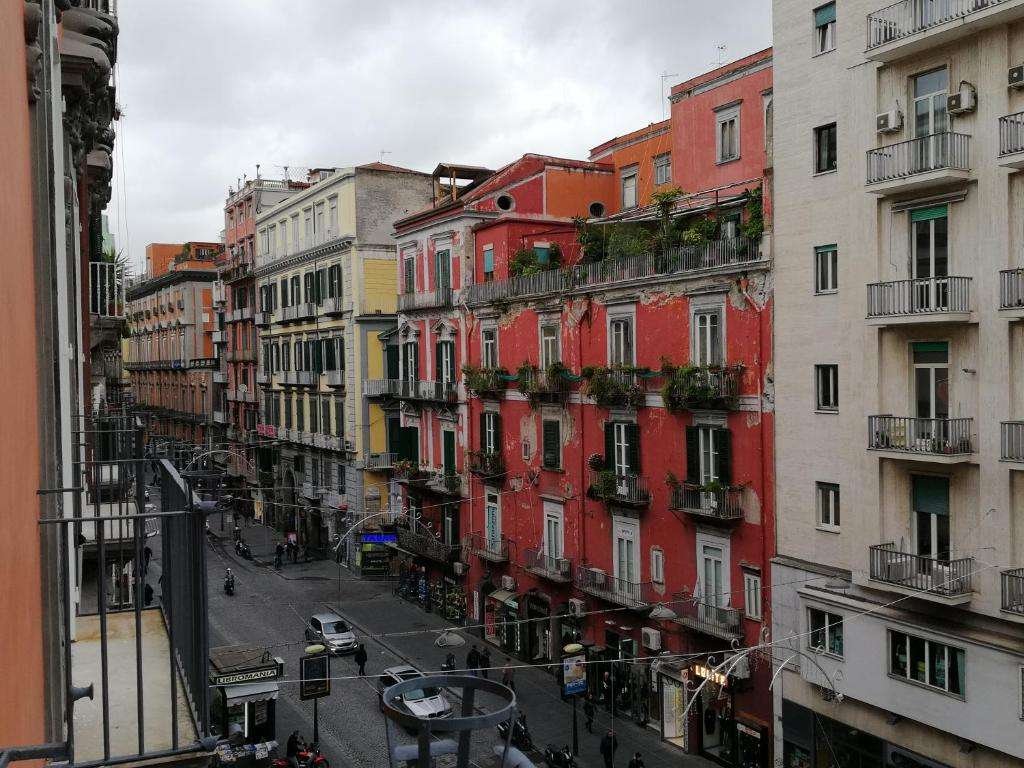
- Mid-Range: Toledo Lifestyle Suites. A fantastic, highly-rated option providing easy access to the main shopping street and the metro.

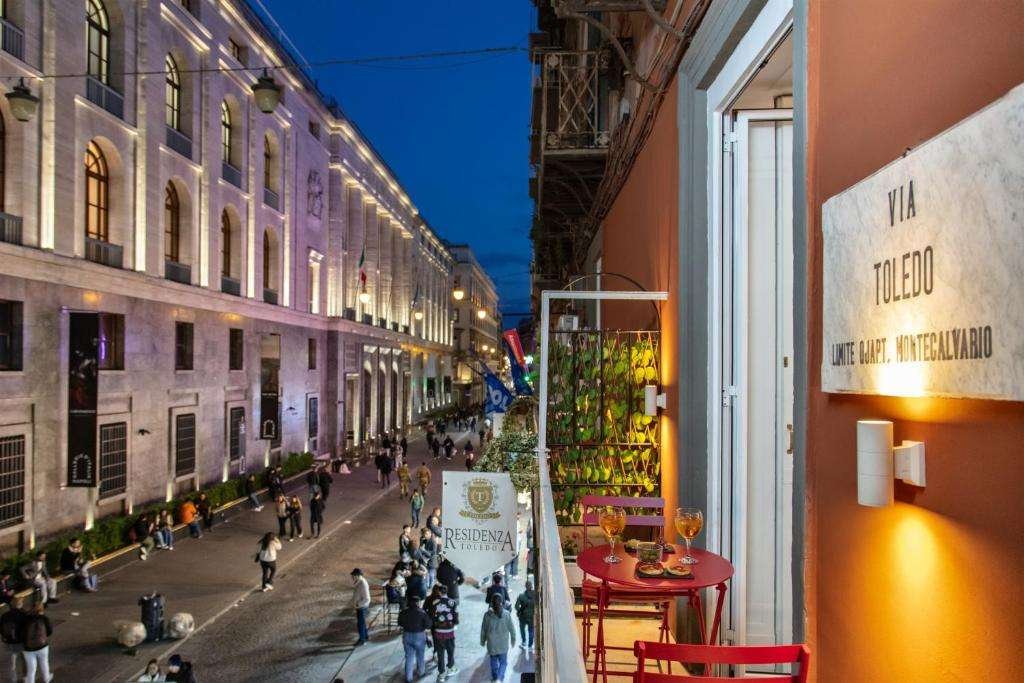
- Budget: Quartieri Spagnoli Home. One of the cheapest addresses in the area that still maintains very good traveler reviews.


4. Vomero: The Peaceful Hilltop Oasis
Naples is not just a coastal city; it extends high up into the surrounding hills. Vomero is an affluent, Art Nouveau residential neighborhood that towers directly above the chaotic historic center.
Because of its elevation, staying in Vomero feels like you have left Naples entirely. The streets are orderly, the architecture is grand, and the air is noticeably cooler and cleaner.
The Vibe Vomero is defined by its sweeping, majestic views over the Bay of Naples and Mount Vesuvius. It is a relatively quiet neighborhood during the day, featuring leafy pedestrian streets and excellent shopping around Piazza Vanvitelli. However, it also boasts a booming, sophisticated nightlife scene, with locals flocking to the cool bars along Via Aniello Falcone.
The main draw here is the staggering Castel Sant’Elmo and the Certosa di San Martino, which sit at the highest point of the hill. To access the rest of the city, you will rely heavily on the city’s funicular (cable car) system, which drops you straight down to the waterfront in minutes.
Who Should Stay Here: Travelers seeking a peaceful atmosphere, spectacular panoramic views, and a safe, upscale environment. It is also excellent for longer stays.
Who Should Avoid It: Travelers who want to be right next to the sea, or those who do not want to deal with the logistics of riding the funicular down the mountain every morning to see the main historical sights.
Best Hotels in Vomero:
- Luxury/Boutique: La Chambre. Located on the tree-lined, pedestrianized Via Alessandro Scarlatti, this B&B is just a block away from the metro and offers excellent balcony rooms.
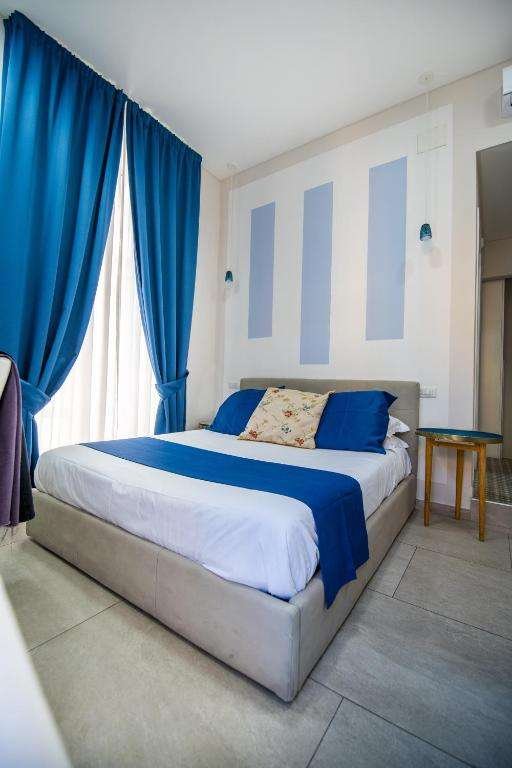
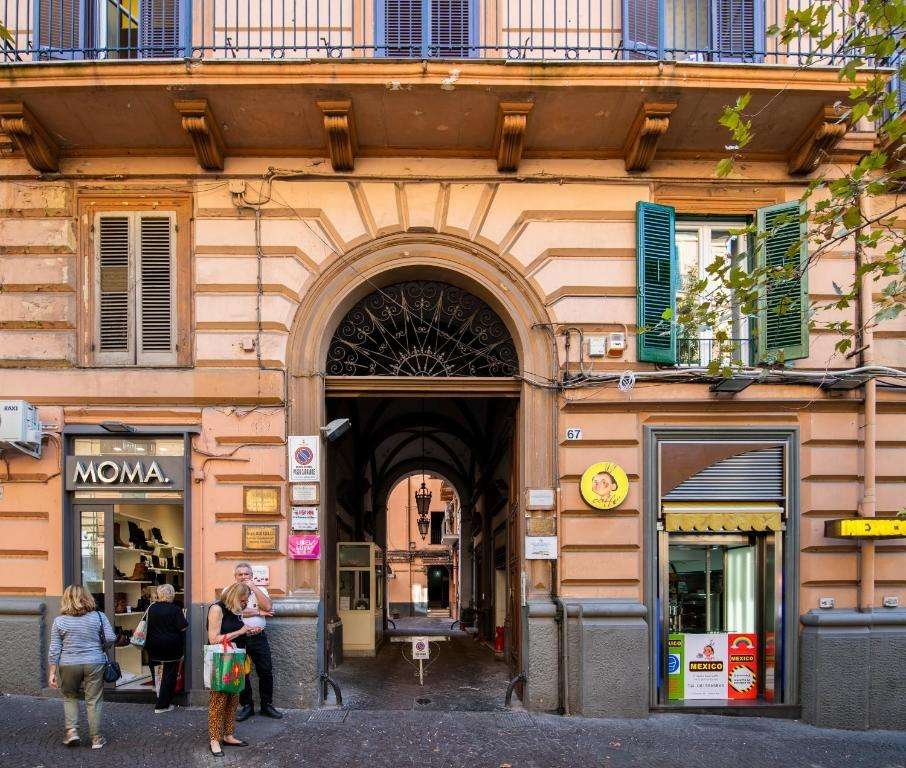
- Mid-Range: Hotel Cimarosa. A sleek, modern hotel with unique design features located in a quiet part of town near Castel Sant’Elmo.


- Budget: The Andy House B&B. A charming, friendly option popular with families, offering a shared kitchen and a great breakfast.


5. Napoli Centrale (Piazza Garibaldi): The Transit Hub
We need to have an honest conversation about the area surrounding the main train station (Stazione Centrale) at Piazza Garibaldi.
In almost every major Italian city, the neighborhood immediately surrounding the train terminal is the cheapest, grittiest, and most chaotic part of town. Naples takes this rule and amplifies it. While the station itself is highly convenient and recently received a facelift, the massive square outside is a sensory assault of aggressive traffic, street hawkers, and fast-food stalls.
The Vibe There is very little romance here. It is a highly practical, transactional neighborhood. However, it serves a massive, vital purpose: transit. If you are planning an itinerary heavily reliant on the 5 Best Day Trips from Naples (Worth the Effort), staying here is a strategic masterstroke. You can roll out of bed, walk five minutes, and catch the Circumvesuviana train to Pompeii or the high-speed rail to Rome without ever needing a taxi.
Who Should Stay Here: Strict budget backpackers and aggressive day-trippers whose primary goal is exploring the Amalfi Coast, Pompeii, or Herculaneum by train.
Who Should Avoid It: Nervous travelers, families with young children, and anyone looking for charming, atmospheric evening walks. The area carries a higher risk for petty theft and pickpockets.
Best Hotels Near Central Station:
- Mid-Range: Starhotels Terminus. A highly popular, traditional hotel located right next to the main railway station, offering a safe, reliable haven in the middle of the chaos.


- Mid-Range: UNAHOTELS Napoli. A massive, historic building located on the square, walking distance to both the station and the edge of the old town.


- Budget Hostels: Hostel of the Sun or Naples Experience Hostel. Fantastic, highly-rated backpacker hubs offering incredibly cheap dorm beds (sometimes under €25).


6. Santa Lucia & Piazza del Plebiscito: The Royal Postcard
If you have seen a postcard of Naples featuring a massive medieval castle sitting on a tiny island in a sparkling blue bay, you were looking at Santa Lucia.
Located directly south of the Quartieri Spagnoli, this area bridges the gap between the monumental grandeur of the city and the sea. It encompasses the massive Piazza del Plebiscito, the Royal Palace, the Teatro San Carlo opera house, and the charming, tiny fishing village of Borgo Marinari at the foot of Castel dell’Ovo.
The Vibe Santa Lucia feels scenic, refined, and deeply romantic. It is central enough to walk to the historic center, yet removed enough to escape the claustrophobic noise. The seafront is lined with excellent seafood restaurants, and you have incredibly easy access to the Molo Beverello port if you plan on catching a ferry to the island of Capri.
Who Should Stay Here: Travelers seeking classic luxury, grand architecture, beautiful sea views, and those who want to easily catch ferries to the islands.
Who Should Avoid It: Travelers on a tight budget, as accommodations and waterfront dining here are heavily marked up.
Best Hotels in Santa Lucia:
- Luxury: Grand Hotel Vesuvio. An absolute classic offering historical grandeur, favored by celebrities and luxury seekers, with direct views over the bay.


- Luxury: Eurostars Hotel Excelsior. Situated in a prime location on the lungomare, offering incredible views of Vesuvius and a very short walk to the Royal Palace.


Final Thoughts on Booking for 2026
Naples is currently experiencing a massive, unprecedented tourism boom. If you are reading this and planning a trip for the spring or summer of 2026, you cannot wait until the last minute to secure your room. The best boutique hotels in Chiaia and the budget gems in the Centro Storico will sell out months in advance.
Lock in your basecamp, pack your most comfortable walking shoes, and get ready to surrender to the beautiful chaos of the Italian south.
(And if your Italian itinerary is taking you north after you finish your pizza, ensure your next stop is just as strategically planned by referencing my First Time in Rome: The Ultimate 2026 Survival and Travel Guide or checking the neighborhood breakdowns in my Rome on a Budget: The Ultimate Money-Saving Guide (2026) to protect your wallet!).
What is the best area to stay in Naples for first-time visitors?
The best area to stay in Naples for first-time visitors is the Centro Storico (Historic Center). It offers the most authentic atmosphere, easy access to major attractions, and walking distance to famous pizzerias and landmarks.
Is Naples safe to stay in for tourists?
Yes, Naples is generally safe for tourists, especially in central areas like Chiaia, Vomero, and Centro Storico. However, travelers should stay alert for pickpocketing in crowded places like train stations and busy streets.
Should I stay near Naples Central Station?
Staying near Naples Central Station (Piazza Garibaldi) is convenient for transport and day trips to places like Pompeii, but it is not the most charming or safest area for evening walks. It is best suited for budget travelers and short stays.
What are the safest neighborhoods in Naples?
The safest neighborhoods in Naples include Chiaia, Vomero, and Santa Lucia. These areas are quieter, more upscale, and ideal for families, couples, and travelers looking for a more relaxed atmosphere.
Is it better to stay in the city center or by the sea in Naples?
It depends on your travel style. Staying in the city center (Centro Storico) is best for sightseeing and local culture, while staying by the sea (Chiaia or Santa Lucia) offers a quieter, more scenic experience.
How many days should I stay in Naples?
Most travelers need at least 2 to 3 days in Naples to explore the city properly. If you plan to include day trips to Pompeii, Capri, or the Amalfi Coast, consider staying longer.
Where should couples stay in Naples?
Couples should stay in Chiaia or Santa Lucia for a more romantic experience, with beautiful sea views, elegant restaurants, and a quieter atmosphere compared to the historic center.
Where should budget travelers stay in Naples?
Budget travelers should consider Quartieri Spagnoli or areas near the Central Station, where accommodation is more affordable and still relatively central.