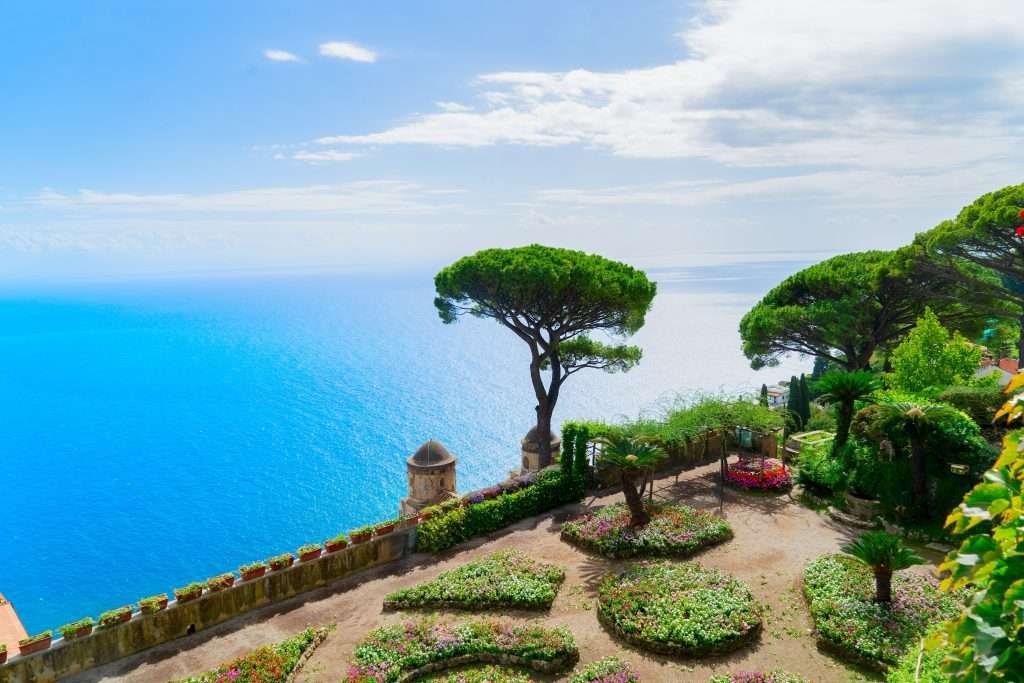
The best day trips from Naples aren’t just easy escapes — they’re the reason this city is one of the most powerful travel bases in Italy. Over the last decade, travelers have finally woken up to the fact that the capital of Campania is an absolute cultural powerhouse. But aside from the life-changing pizza and the underground catacombs, Naples possesses one undeniable, objective superpower: its geographical location.
Situated directly on the coast, nestled between a smoldering volcano, ancient Roman ruins, and the most glamorous islands in the Mediterranean, Naples is the ultimate launchpad. You can wake up, drink a dark espresso, take a 40-minute train ride back in time to 79 AD, and be back in the city center for a 9:00 PM plate of ragù.
However, the paradox of choice here is paralyzing. The transportation network in southern Italy is a chaotic web of commuter trains, high-speed rails, hydrofoils, and slow ferries. If you don’t know exactly what you are doing, you will spend half your vacation standing in the wrong ticket line.
To save your sanity, this comprehensive guide breaks down the 5 absolute best day trips from Naples, complete with the brutal, honest truth about how to navigate the logistics in 2026.
1. Pompeii and Mount Vesuvius: The Heavyweight Champion
If this is your First Time in Naples, visiting Pompeii is essentially mandatory. It is the most famous archaeological site on earth. When Mount Vesuvius erupted in 79 AD, it buried this thriving Roman city under meters of volcanic ash, freezing it perfectly in time.
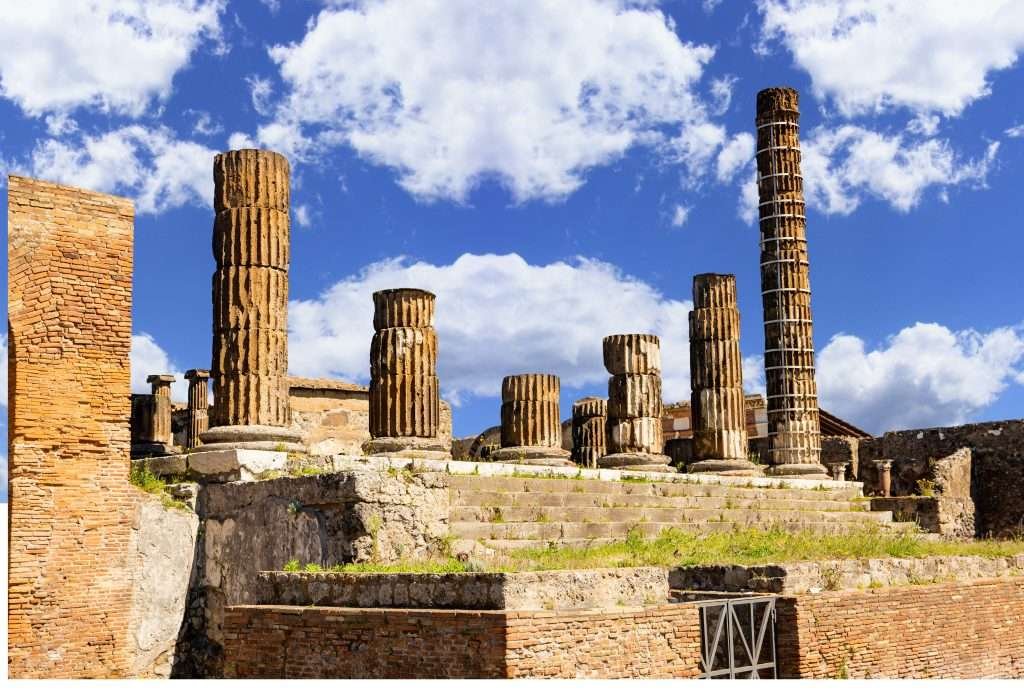
The Vibe and The Reality Pompeii is not just a “ruin”; it is the size of a modern, sprawling town. You will walk down original Roman streets complete with chariot wheel ruts, step into ancient fast-food joints (thermopolia), and view incredibly preserved frescoes.
However, you must prepare for the brutal reality of this day trip: there is absolutely zero shade in Pompeii. If you visit in July or August, the stone ruins radiate heat, and the midday sun is merciless. You must arrive the second the gates open (usually 9:00 AM), wear a wide-brimmed hat, and carry a refillable water bottle.
How to Get There Without Losing Your Mind You do not need to book an expensive private car. Head to the Napoli Centrale train station and go downstairs to the Piazza Garibaldi terminal to catch the train. You have two options here:
- The Circumvesuviana: This is the local commuter train. It is incredibly cheap-around €3.30 for a one-way ticket as of recent pricing-and trains leave roughly every 30 minutes. The journey takes about 35 to 40 minutes. You must get off at the Pompei Scavi-Villa dei Misteri stop, which is directly across the street from the main entrance. The Warning: This train is rarely air-conditioned, it is packed shoulder-to-shoulder, and it is absolutely notorious for highly skilled pickpockets. Guard your pockets fiercely.
- The Campania Express: If you have the budget, take this upgraded tourist train that runs on the exact same tracks. It costs €6 one-way, but it guarantees you a seat, it has air conditioning, and it stops far less frequently, cutting the journey down to about 30 minutes. It only runs from mid-March to mid-October, and you can buy tickets online in advance.
If you have the stamina, you can catch a bus from the Pompeii ruins directly up the winding slopes of Mount Vesuvius to look down into the smoking crater. Just remember to pace yourself so you have enough energy to tackle the 25 Best Things to Do in Naples when you return! This guide covers the best day trips from Naples that are actually worth your time.
2. Herculaneum (Ercolano): The Better Alternative


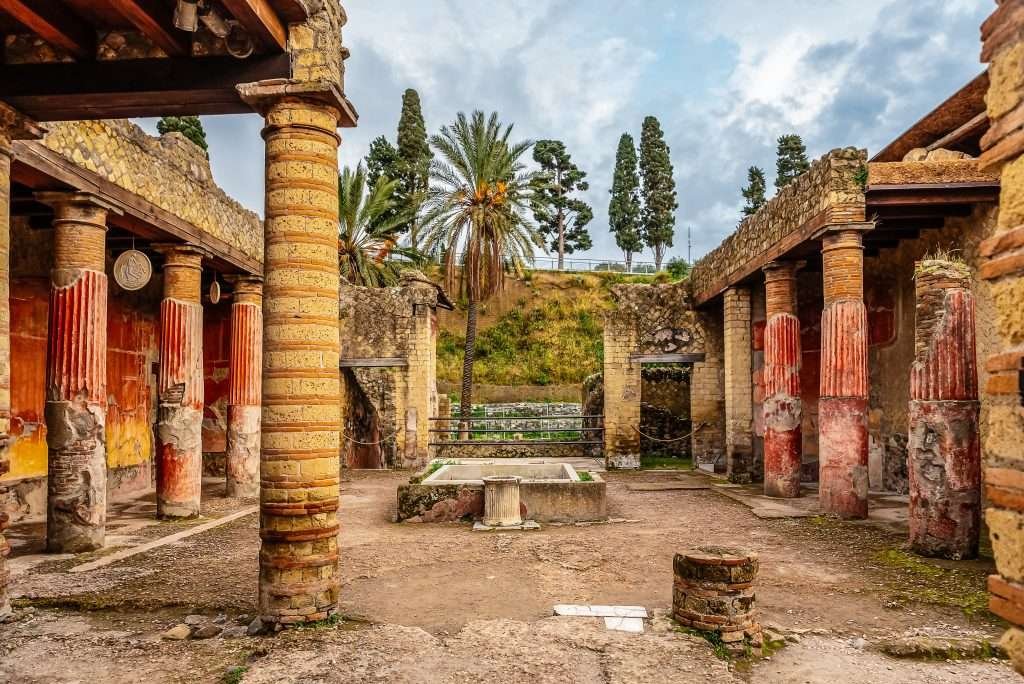
Here is an unpopular but highly accurate travel opinion: Herculaneum is a significantly better day trip than Pompeii.
While Pompeii gets all the global fame and massive tour bus crowds, Herculaneum sits quietly closer to Naples, offering a far more intimate and astonishing look at the ancient Roman world.
Why It Beats Pompeii Herculaneum was a much wealthier, upscale seaside resort town compared to the working-class, commercial hub of Pompeii. When Vesuvius erupted, the wind blew the heavy ash toward Pompeii. Herculaneum, instead, was instantly buried under a massive 16-meter-deep surge of superheated mud and pyroclastic material.
This mud acted as an airtight seal. While Pompeii’s roofs collapsed under the weight of falling ash, Herculaneum’s buildings were encased and preserved perfectly. Today, you can walk into intact two-story villas. You can see original wooden roof beams, carbonized wooden doors, and vibrant, unfaded mosaics that look like they were laid down yesterday.
Because it is a fraction of the size of Pompeii, you can explore the entire site deeply and comfortably in about two hours without suffering from “ruin fatigue.”
Logistics Take the exact same Circumvesuviana or Campania Express train from Napoli Garibaldi, but get off earlier at the Ercolano Scavi stop. From the station, it is a straight, slightly downhill, five-minute walk to the entrance gates.
3. Procida: The Authentic Island Escape
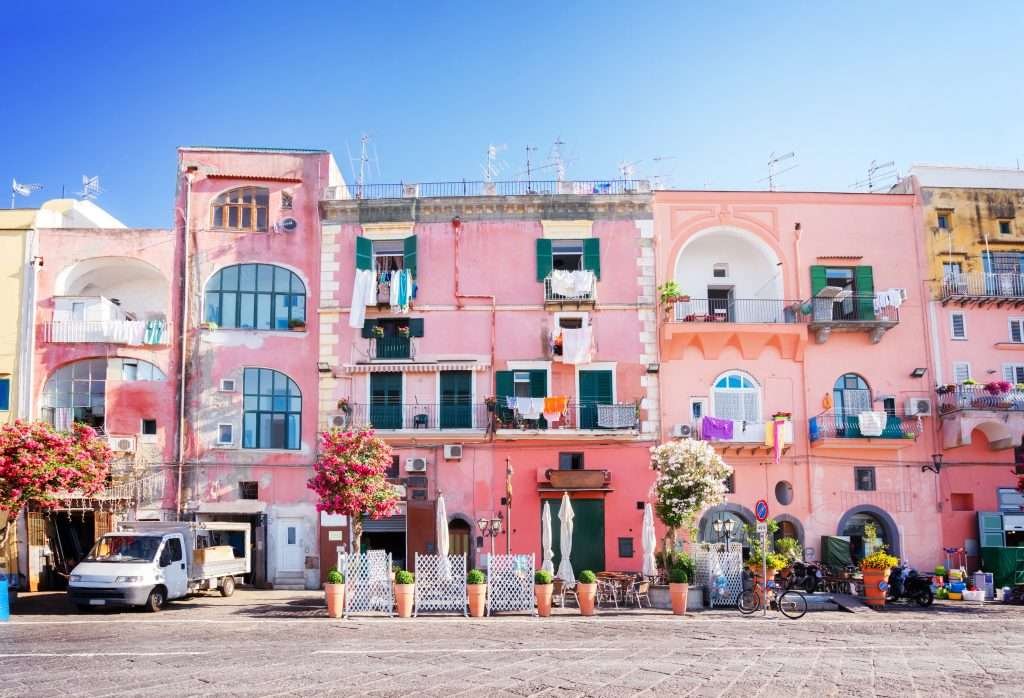
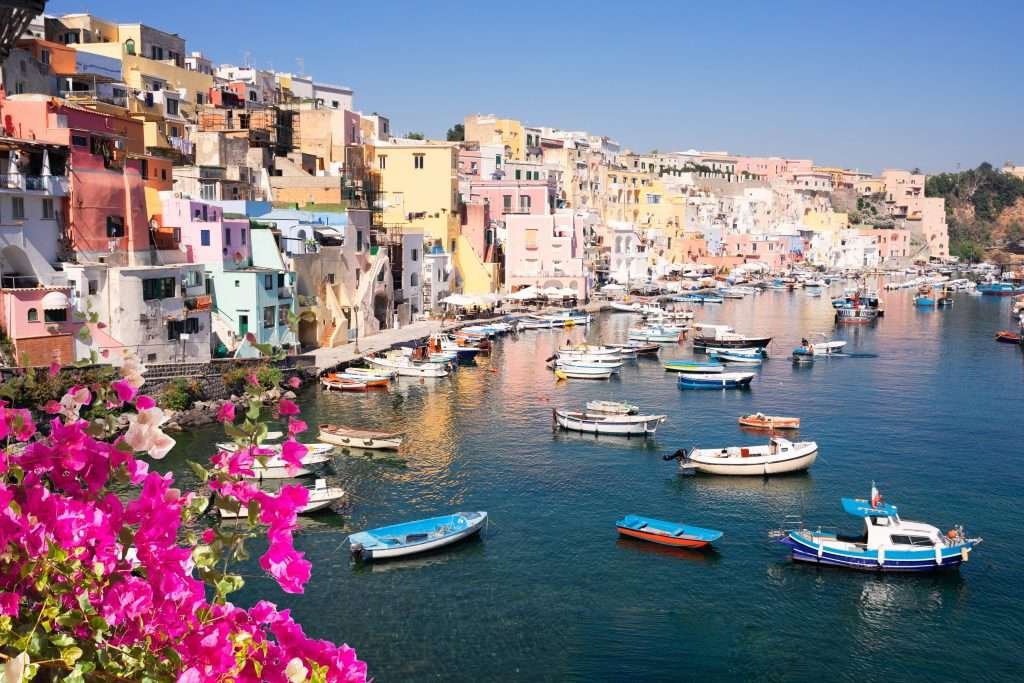
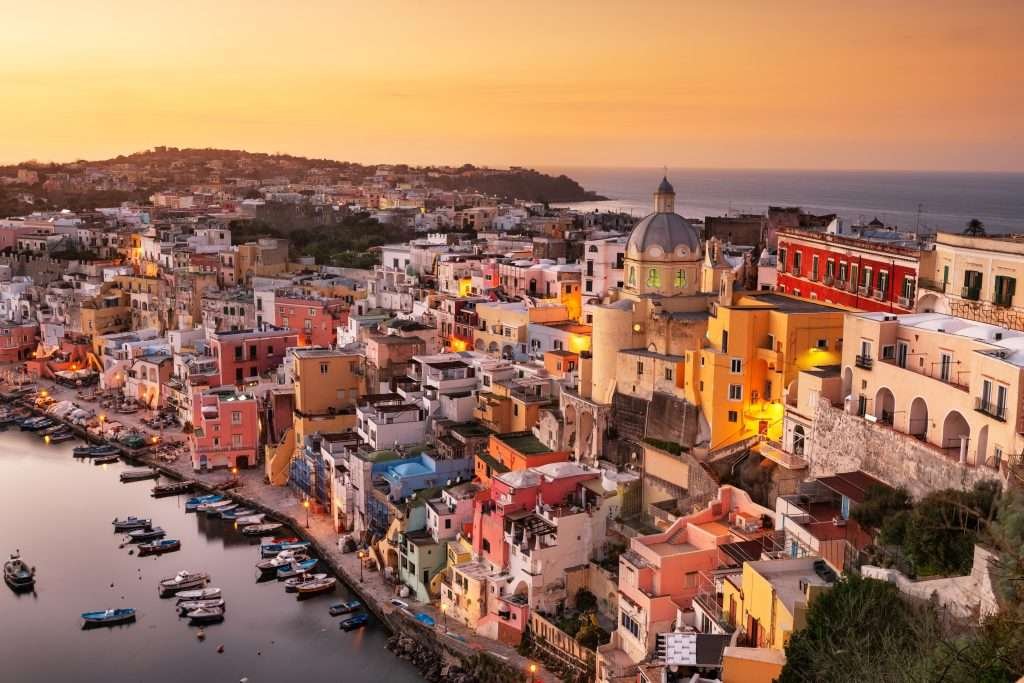
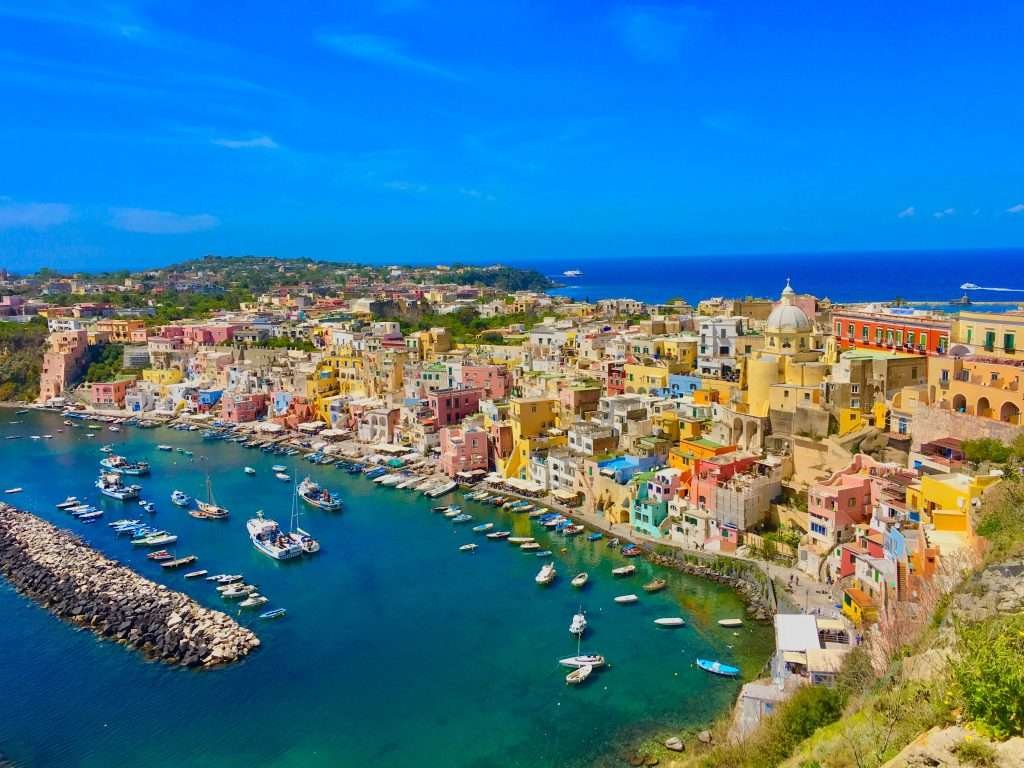
When most people look out at the Bay of Naples, their eyes immediately drift toward the glamorous, towering cliffs of Capri or the massive thermal spas of Ischia. But tucked between them is Procida-the smallest, least touristy, and most vibrantly colorful island in the bay.
Procida was named Italy’s Capital of Culture in 2022, but it has somehow magically retained its slow, authentic, fishing-village soul. There are no Prada stores here. There are no massive mega-yachts. Instead, you will find incredibly narrow streets, grandmothers hanging laundry, and lemon groves.
The Vibe The centerpiece of the island is Marina di Corricella. This is a 17th-century fisherman’s settlement built into the cliffside in a staggering cascade of pastel pink, bright yellow, and deep blue houses. (Fishermen historically painted their houses in bright, distinct colors so they could recognize their homes from far out at sea). Walking down to the harbor and eating a plate of linguine with fresh sea urchin while the fishing nets dry on the docks is a core travel memory.
Head to the port of Naples. You can depart from Molo Beverello (if taking a fast hydrofoil) or Calata Porta di Massa (if taking a slower ferry). Companies like SNAV and Caremar run frequent daily crossings.
- The Hydrofoil (Aliscafo): Takes roughly 30 to 40 minutes and costs around €20 to €28 each way.
- The Ferry (Traghetto): Takes about 1 hour and is slightly cheaper (around €14 to €17).
The island is small enough that you can easily explore the main sights on foot or by hopping on one of the tiny local micro-buses that navigate the impossibly tight roads.
4. The Amalfi Coast (Positano & Amalfi): By Sea, Not Land


The Amalfi Coast is undeniably one of the most spectacularly beautiful coastlines on earth. It is also a logistical nightmare.
If you try to drive the winding, cliffside SS163 highway (the Amalfi Drive) in the summer, you will spend your entire day stuck in a suffocating traffic jam. If you take the local SITA bus from Sorrento, you will likely be standing in the aisle, gripping a pole as the bus violently swings around blind corners, making even the strongest stomachs incredibly carsick.
The Ferry Strategy Between April and October, high-speed ferries operated by companies like NLG (Navigazione Libera del Golfo) and Positano Jet leave directly from Naples Molo Beverello.
- A direct ferry to the town of Amalfi takes roughly 1 hour and 45 minutes to 2 hours and 5 minutes.
- A direct ferry to Positano takes about 1.5 to 2 hours.
- Prices usually range from €20 to €35 for a one-way foot passenger ticket.
Taking the ferry completely eliminates the stress of the coastal traffic. Furthermore, approaching the vertical, pastel-colored cliffs of Positano from the water is the absolute best way to see the town.
Insider Tip: When boarding the ferry in Naples heading toward Amalfi, try to secure a seat on the left side (port side) of the boat. This guarantees you will have unobstructed, panoramic views of Mount Vesuvius and the dramatic cliffside towns for the entire journey. If you travel during peak summer months, you absolutely must book these ferry tickets online well in advance, as they sell out quickly.
If you prefer train travel, an excellent alternative route is to take the cheap regional train from Napoli Centrale to the town of Salerno (takes about 40 minutes and costs around €5.50). From the Salerno train station, it is a five-minute walk to the docks where you can catch a short, cheap ferry directly to Amalfi or Positano.
5. Capri: The Glamorous Splurge
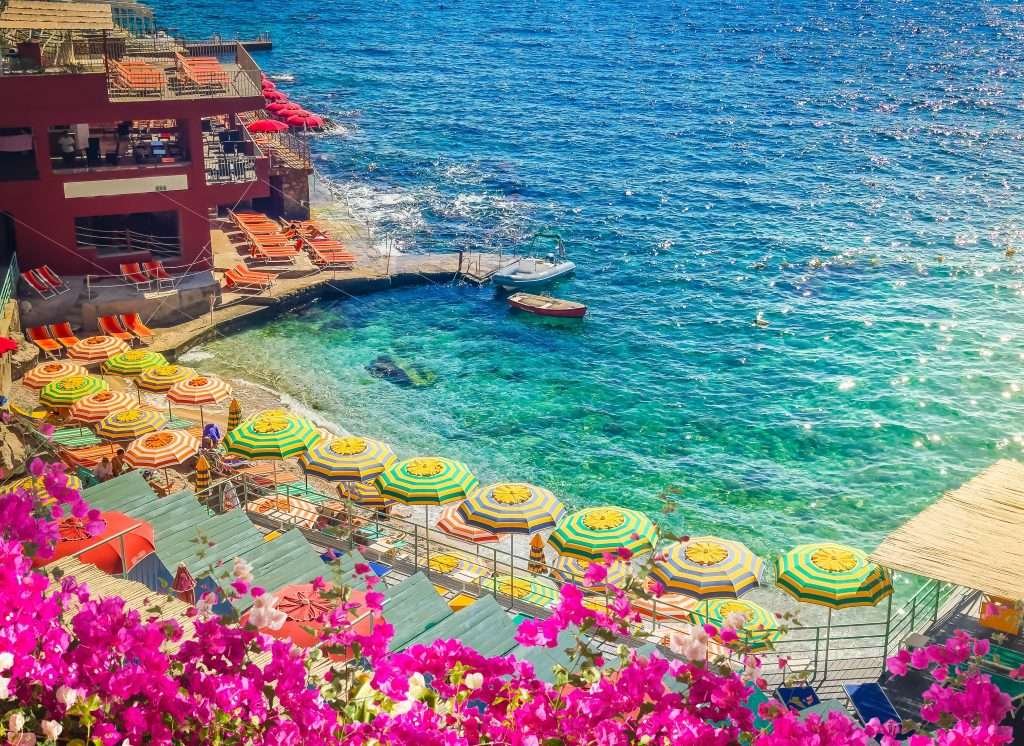


Capri is the playground of the global elite. It is visually staggering, incredibly glamorous, and intensely expensive. A day trip here requires stamina and a willingness to occasionally open your wallet, but the sheer beauty of the island is undeniable.
The Vibe The moment you step off the ferry at Marina Grande, you will be assaulted by chaos, ticket vendors, and massive crowds. The trick to surviving Capri is to get away from the main harbor and the central Piazzetta (the main square) as fast as humanly possible.
Instead of shopping at the luxury boutiques in Capri town, take a bus or a taxi immediately up the mountain to Anacapri. This higher, quieter town feels far more authentic. From Anacapri, pay for a ticket on the Mount Solaro Chairlift (Seggiovia). This single-seat, open-air ski lift will slowly float you over local gardens and vineyards to the absolute highest peak on the island. The sweeping views of the Faraglioni rock formations rising out of the turquoise sea below are genuinely breathtaking.
Logistics Similar to Procida and Amalfi, you catch the ferry from Naples Molo Beverello (hydrofoils) or Calata Porta di Massa (slow ferries). Ferries to Capri are the most frequent of all the bay islands, but they are also the most expensive. A high-speed hydrofoil takes about 50 minutes and will cost you around €25 to €30 each way.
Do not plan on eating a massive, sit-down seafood lunch in the main square of Capri unless you want to spend €150. Instead, buy a sandwich, hike the coastal paths, and save your appetite for when you return to the mainland to dive back into the recommendations in my What to Eat in Naples guide.
Final Thoughts on Day Tripping from Naples
Naples is the beating heart of the Campania region. By choosing to sleep in the city, you get the distinct advantage of paying standard, working-class prices for your hotels and dinners, while still having access to the world’s most luxurious coastlines and profound historical sites during the day.
Just remember to check your routing against my Where to Stay in Naples guide before you book a hotel, as you want to ensure you are within a reasonable walking distance or Metro ride to the main port and the Garibaldi train station!).
Pace yourself, book your train and ferry tickets in advance during the summer, and always carry a few extra Euro coins in your pocket.
Is it better to visit Pompeii or Herculaneum?
If you have limited time and want to avoid massive crowds and brutal sun, choose Herculaneum. It is closer to Naples, much smaller, and infinitely better preserved (featuring intact wooden roofs and two-story buildings). If you want the massive, bucket-list experience and have 4 to 5 hours to spare, choose Pompeii.
How do I get to the Amalfi Coast without driving?
Driving the Amalfi Coast in the summer is a traffic nightmare. The best, most scenic way to get there from Naples is by taking a high-speed ferry from Molo Beverello directly to Positano or Amalfi (takes about 1.5 to 2 hours). Alternatively, take a regional train to Salerno and catch a shorter ferry from there.
What is the difference between the Circumvesuviana and the Campania Express?
Both trains leave from Naples and go to Pompeii and Sorrento on the same tracks. The Circumvesuviana is a cheap (€3.30) commuter train that is often packed, lacks air conditioning, and stops frequently. The Campania Express is a tourist train that costs €6, but guarantees a seat, has air conditioning, and stops less often.
How long is the ferry ride to Procida?
Procida is incredibly close to Naples. If you take a high-speed hydrofoil (aliscafo) from Molo Beverello, the journey only takes about 35 to 40 minutes. A slower car ferry from Porta di Massa will take roughly 1 hour.
Do ferries run to the Amalfi Coast year-round?
No. The ferries from Naples to the Amalfi Coast (Positano/Amalfi) are highly seasonal and only operate during the warmer months, typically from April to October. If you visit in the winter, you will need to rely on the train to Sorrento or Salerno and take the SITA bus.
5 Best Day Trips from Naples
All departures from Naples. Click any pin for travel time, cost, and what to know.