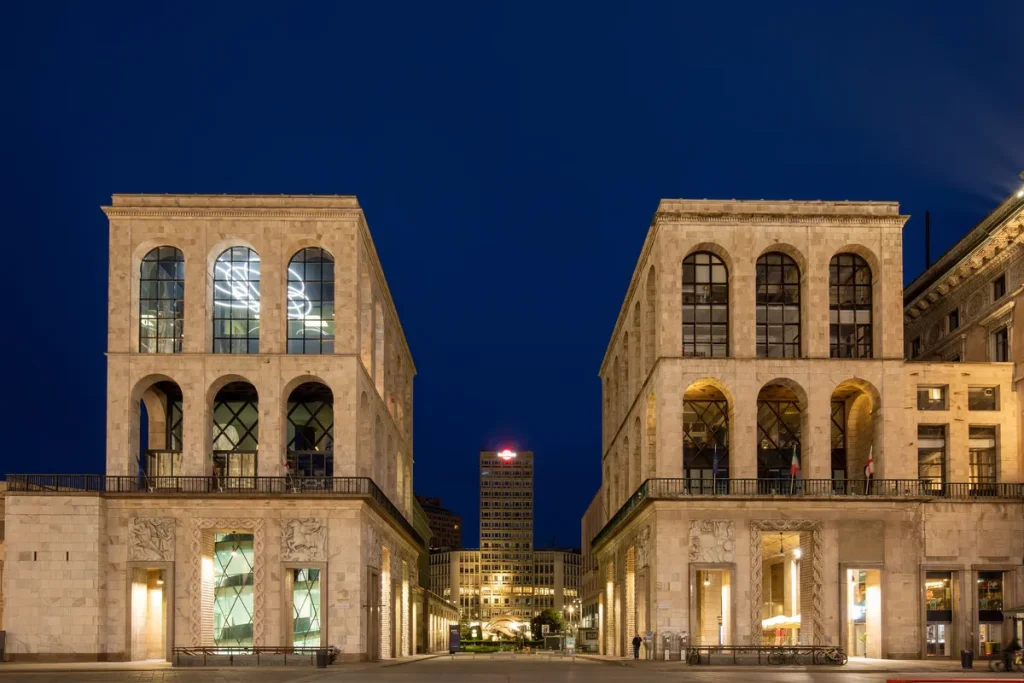
Where to stay in Milan matters more than in most Italian cities because the neighborhoods are genuinely distinct – Brera and Navigli are 2 kilometers apart and feel nothing like each other. Milan is also the most expensive city in Italy for accommodation, with decent 3-star hotels running €110-180/night in central areas, and the city has four annual fashion weeks plus Salone del Mobile in April that send prices to three times normal and fill the city months ahead. Book around those dates or book very early if you’re visiting during them. This guide covers the six neighborhoods worth considering, who each one suits, and specific hotels across budget tiers.
Before choosing a base, check your itinerary against the best things to do in Milan – the sights spread across the city unevenly, and where you stay should reflect which ones you’re prioritizing.
The 30-Second Neighborhood Cheat Sheet
- Brera – Cobblestone streets, the Pinacoteca, and good aperitivo bars. Best for first-timers and anyone who wants walkable charm.
- Centro Storico (Duomo) – The Duomo on your doorstep, all metro lines converging below you, tourist pricing everywhere. Best for short stays and business travelers.
- Navigli – Canal-side nightlife until 2 AM. Best for younger travelers and anyone whose trip is structured around eating and drinking in the evenings.
- Isola – Gentrified working-class neighborhood next to Porta Garibaldi station. Best for design travelers and anyone doing day trips to Lake Como or Bergamo.
- Porta Romana – Residential, quieter, cheaper than Brera. Best for families and longer stays.
- Porta Venezia – Corso Buenos Aires shopping, Giardini Pubblici park, LGBTQ+ scene. Best for a mix of parks, shopping, and local life.
1. Brera – Best for First-Timers and Walkable Central Location
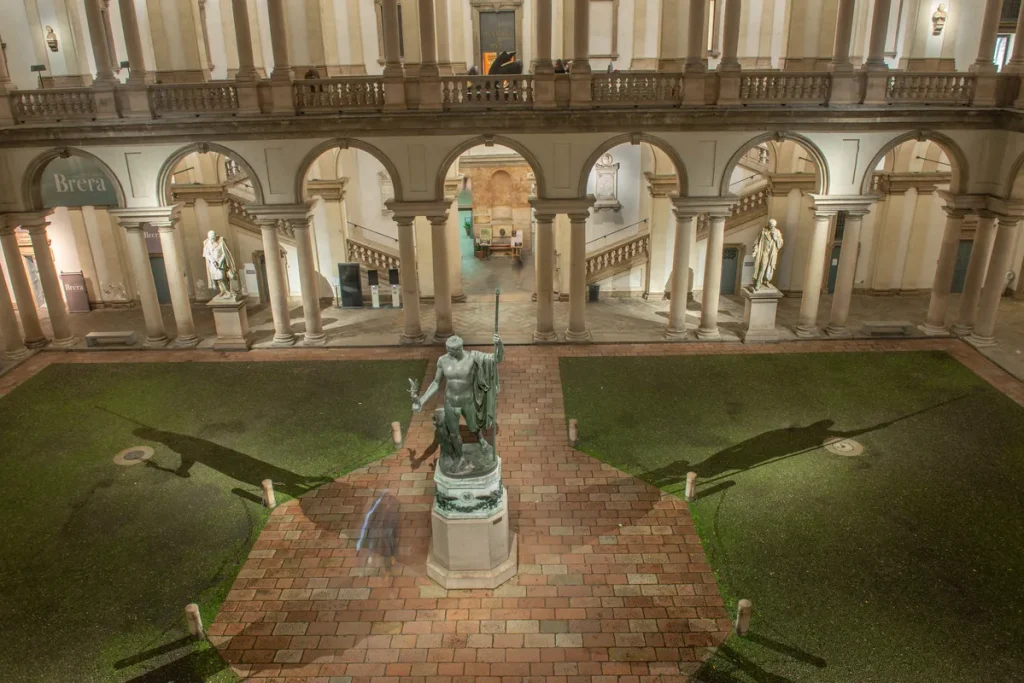
Brera is the neighborhood that corresponds most closely to what people imagine when they think of a historic Italian city quarter – narrow pedestrian streets, 18th-century palazzos, art galleries, and the kind of trattoria where the lunch menu is written on a chalkboard and changes daily. The Pinacoteca di Brera (Raphael, Mantegna, Caravaggio) is here. Sforza Castle is a 15-minute walk west. The Duomo is 12 minutes on foot.
The third Saturday of every month, Via Fiori Chiari and Via Madonnina host the Mercato dell’Antiquariato di Brera – vintage prints, ceramics, old maps, and furniture spread across the cobblestones from morning until early afternoon. Free to browse.
The practical reality: Brera is not cheap. The neighborhood’s reputation has driven hotel prices up, and the best properties fill early. It’s also more compact than it appears on a map – the “Brera” that travelers mean when they say Brera is about 8 square blocks. Outside those blocks it transitions quickly into less interesting streets.
Who should stay here: First-time Milan visitors who want the most walkable introduction to the city; couples; anyone whose trip centers on the Pinacoteca and the Sforza Castle cluster.
Who should skip it: Budget travelers (the prices don’t reflect the room sizes); anyone whose priorities are Navigli or the contemporary design districts.
Transport: M2 green line at Lanza or Moscova (both 10-minute walks from the center of Brera). The Duomo is 15 minutes on foot or one metro stop from Lanza to Cadorna then transfer.
Price range: €140-220/night mid-range; boutique properties from €200.
Best Hotels in Brera
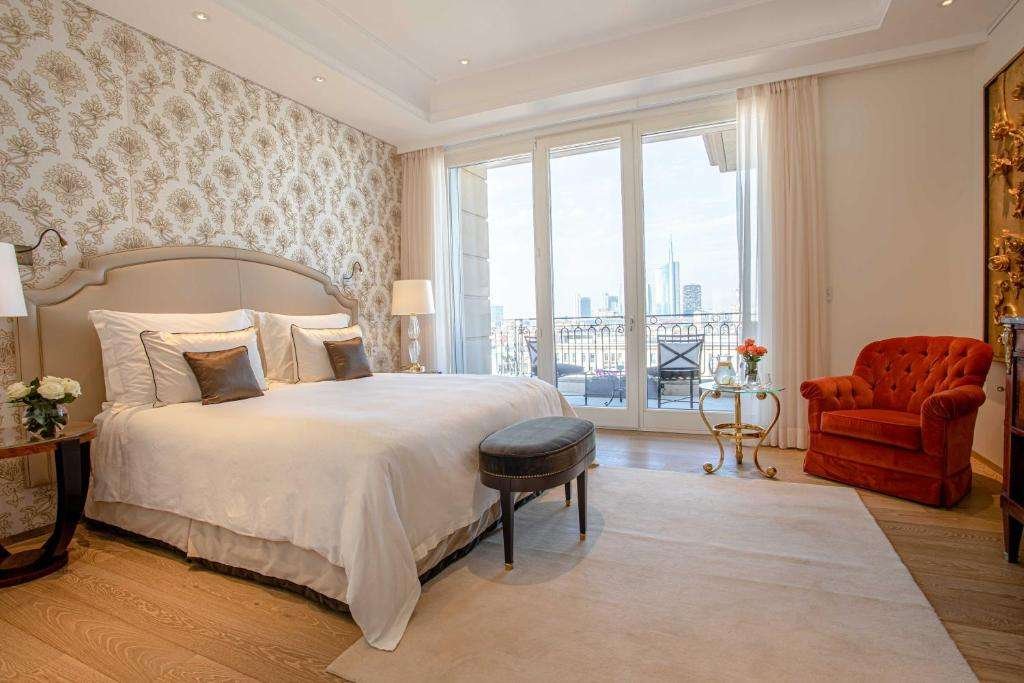
Luxury: Palazzo Parigi Hotel & Grand Spa On Corso di Porta Nuova at the edge of Brera, this 5-star property occupies a restored 19th-century building with a full spa, pool, and a garden terrace that’s rare in central Milan. 98 rooms and suites. The location puts you equidistant between Brera’s streets and the Porta Nuova modern district. Rates from €350.
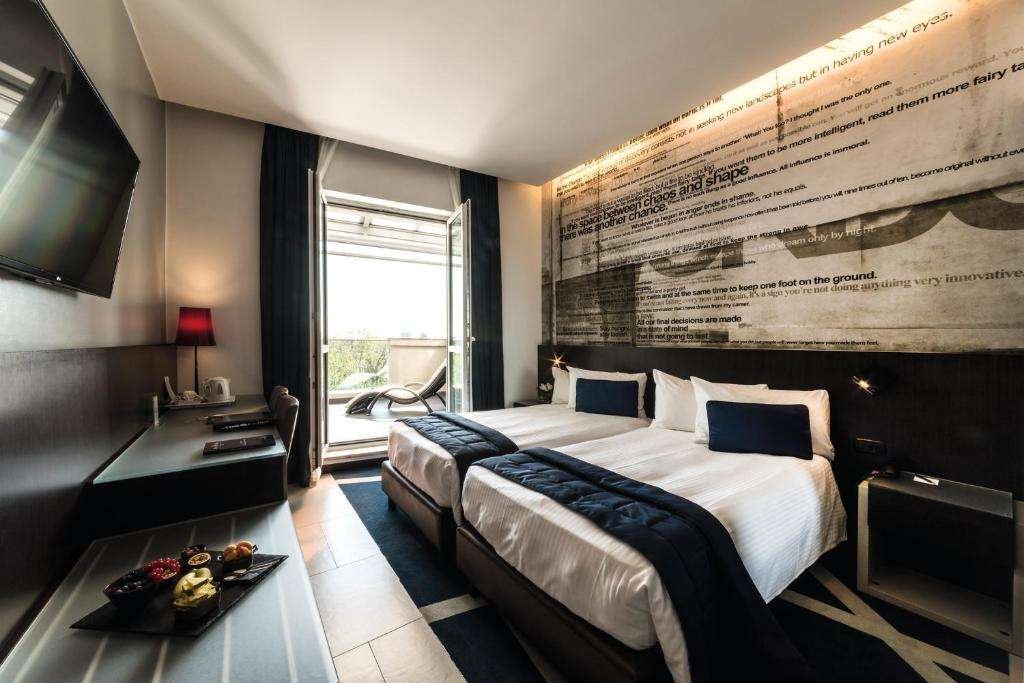
Mid-Range: Hotel Manin On Via Manin facing the Giardini Pubblici at the eastern edge of Brera. A 4-star with 118 rooms, a rooftop terrace, and one of the better hotel breakfasts in the neighborhood. The garden-facing rooms on the upper floors are quieter than the street-facing options. Around €160-200 for a double in shoulder season.
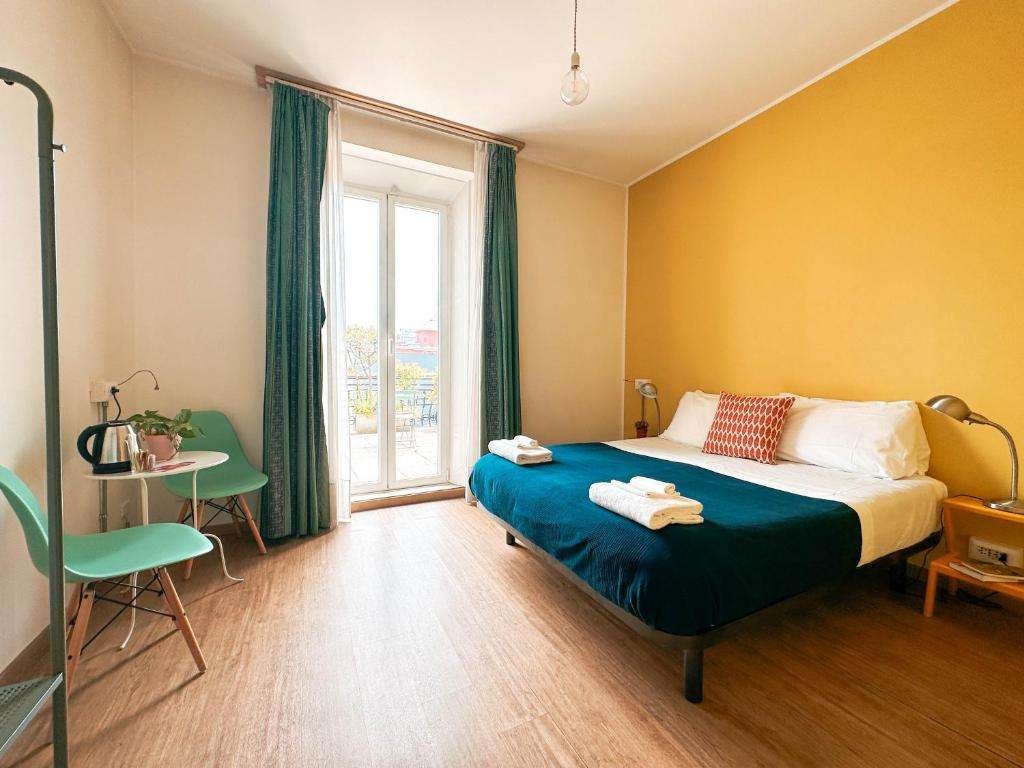
Budget: Ostello Bello Grande Via Lepetit 33, technically Porta Garibaldi but walking distance to Brera. Milan’s best-regarded hostel – private rooms available alongside dorms, a rooftop bar that’s genuinely good, and a social atmosphere that doesn’t require you to participate if you don’t want to. Private doubles around €85-110. Books out fast; reserve early.
2. Centro Storico (Duomo) – Best for Convenience and Short Stays

The area immediately surrounding the Duomo – Piazza del Duomo, the Galleria Vittorio Emanuele II, and the streets of the Quadrilatero della Moda north of it – is Milan’s geographic and transit center. All four metro lines connect within a few stops of here. The Duomo rooftop is a 3-minute walk from any hotel in this zone. The Last Supper is 20 minutes on foot or one metro stop.
The tradeoff is price and atmosphere. Restaurants immediately around the Duomo run tourist-facing menus; the bars in Galleria charge €8 for an espresso because they can. After shops close at 8:00 PM, the piazza itself empties quickly and the area becomes quieter than you’d expect given its daytime energy. The nightlife and social scene is in Navigli and Brera, not here.
Who should stay here: Business travelers; anyone on a 1-2 night stopover who needs maximum convenience; luxury travelers who want the Duomo view from their window.
Who should skip it: Anyone on a budget (you’re paying for the postcode); travelers who want evening atmosphere within walking distance of their hotel.
Transport: M1 (red) and M3 (yellow) at Duomo. M1 at Cordusio. Multiple tram lines.
Price range: €150-280/night for mid-range; €300+ for boutique luxury.
Best Hotels in Centro Storico
Luxury: Château Monfort Corso Concordia 1, a 5-star in a restored 1902 Art Nouveau building near Porta Venezia. 77 rooms designed with a “fairy-tale” theme that sounds gimmicky and works in practice – each floor references a different narrative, the materials are quality, and the spa is one of the better hotel spas in the city. Not directly on the Duomo but 15 minutes on foot. Rates from €300.
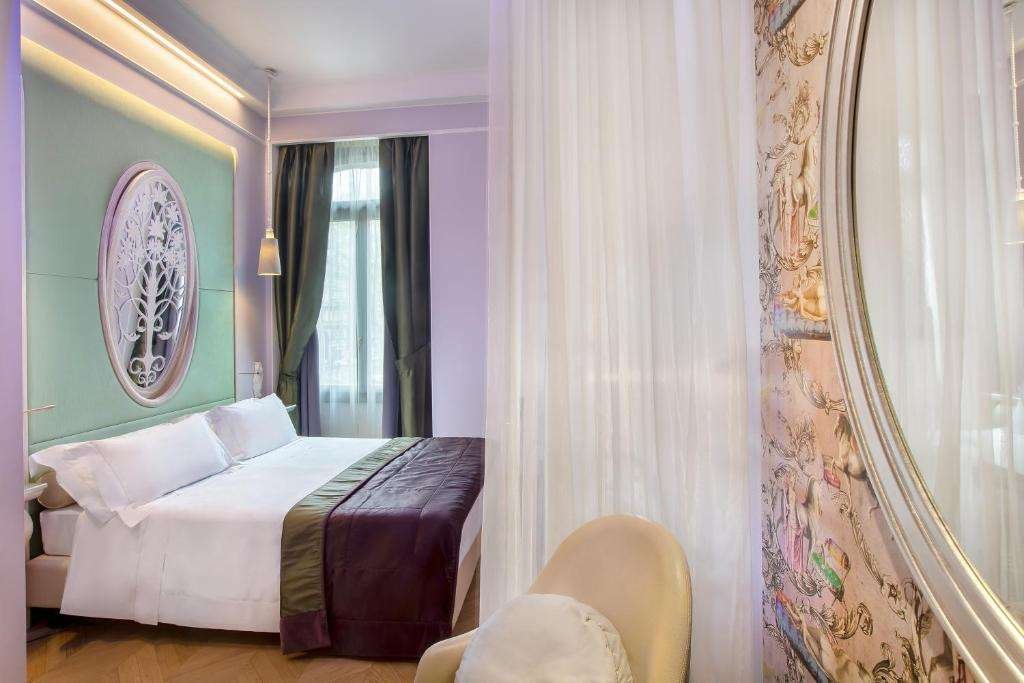
Mid-Range: Hotel Spadari al Duomo Via Spadari 11, 40 meters from the Duomo. A 4-star boutique with 40 rooms and a design-led interior featuring rotating contemporary art. Rooms are compact for a 4-star, which is the main complaint in reviews, but the location is the product here. Around €175-220 for a double.
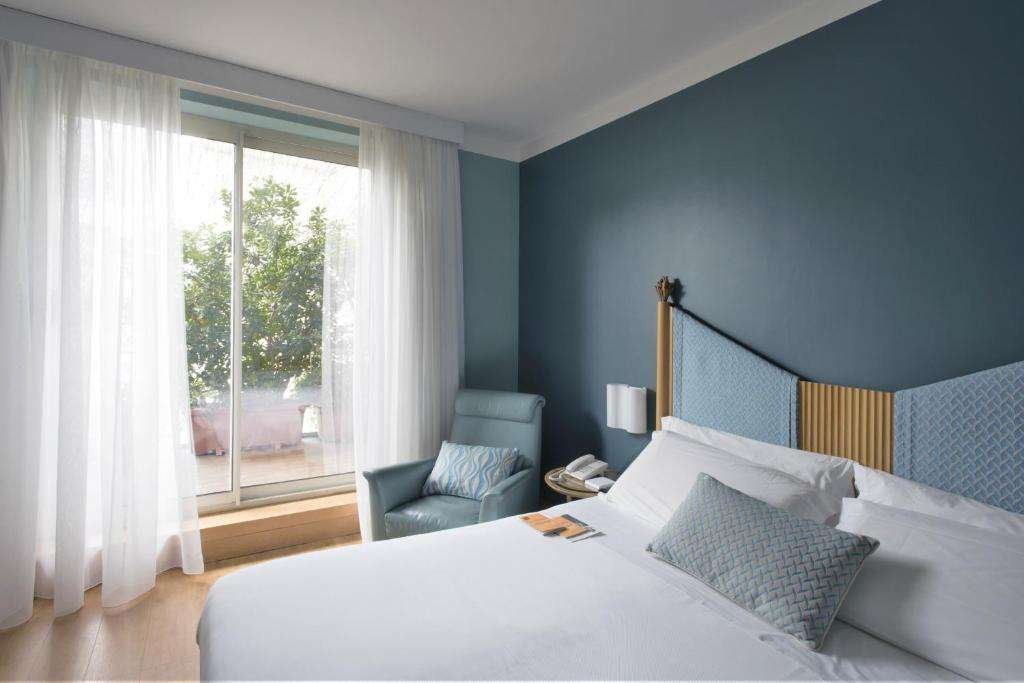
Budget: Hotel Vecchia Milano Via Borromei 4, in the streets west of the Duomo toward Cadorna. A reliable 3-star in the historic center at prices that don’t fully exploit the location. 27 rooms, consistently good reviews for cleanliness and service, and genuinely walkable to the Duomo in 8 minutes. Around €105-135 for a double.
3. Navigli – Best for Nightlife and Canal Atmosphere

Navigli is built around two historic canals – Naviglio Grande and Naviglio Pavese – that were part of a 12th-century network expanded over centuries and used for transporting marble for the Duomo, among other things. The network Leonardo da Vinci worked on lock systems for in the 1480s. Most of the canal system was paved over in the 20th century; these two branches survive and give the neighborhood its character.
The atmosphere changes by hour more dramatically than anywhere else in Milan. Mornings are quiet – local bars opening, the occasional antique shop. Afternoons fill up with the aperitivo crowd from around 6:00 PM. By 10:00 PM on weekends the canalside is packed and loud, and it stays that way until well past 2:00 AM.
Hotels directly on the canal get the full noise. Hotels on the side streets of Porta Genova, one or two blocks back, are significantly quieter while remaining a 5-minute walk from everything.
Who should stay here: Younger travelers and solo travelers whose evenings are the point; anyone who wants to eat and drink rather than sightsee as their primary Milan activity; budget travelers (some of the better-value accommodation in the city is here).
Who should skip it: Light sleepers in summer; families with young children; anyone doing the Duomo and Last Supper as early-morning priorities who doesn’t want a late-night neighborhood outside their door.
Transport: M2 green line at Porta Genova. Tram 9 connects to the Duomo in 15 minutes.
Price range: €90-160/night mid-range; budget options from €70.
Best Hotels in Navigli
Mid-Range: Nhow Milano Via Tortona 35, in the design district adjacent to Navigli. A 4-star design hotel with 246 rooms, a rooftop bar with views over the city, and a music-forward concept (two grand pianos in the lobby, recording studio available to guests). Via Tortona is the address of several major design studios and galleries – relevant if you’re in Milan for Salone del Mobile. Around €150-190 for a double.
Mid-Range: Hotel dei Fiori Via Lodovico il Moro 3, in a quieter street south of Naviglio Grande. A 3-star with garden and free parking – the parking being genuinely useful if you’re driving to Navigli. Rooms are standard but well-maintained, and the location is 8 minutes’ walk from the canal action. Around €100-130 for a double.
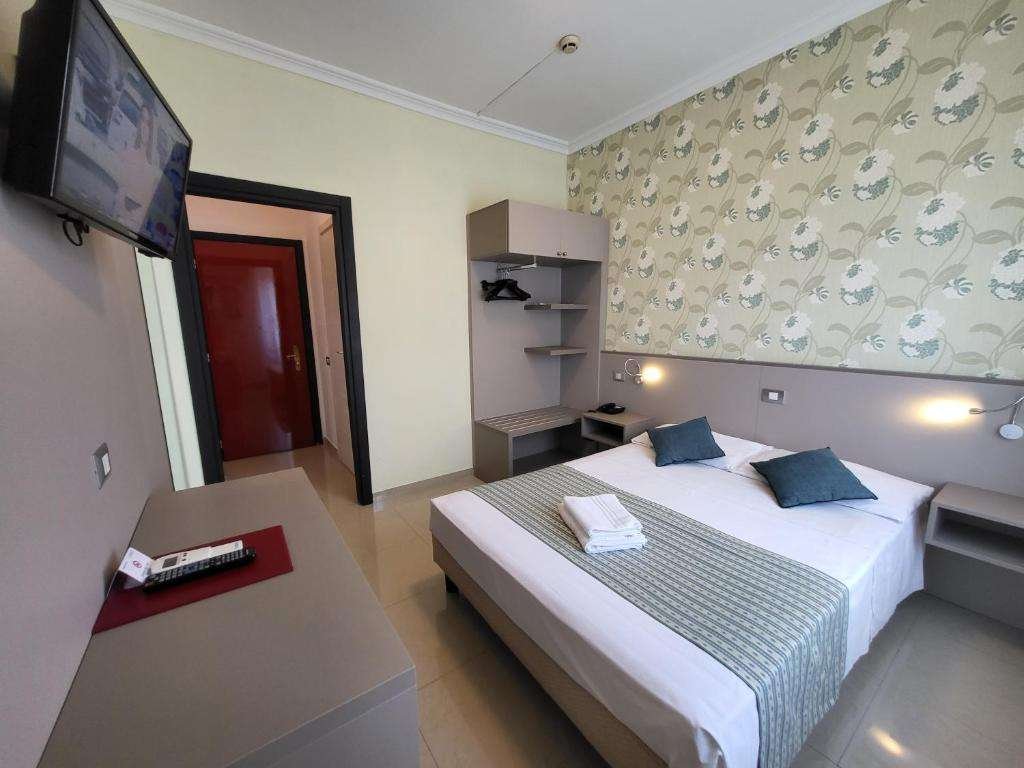
Budget: Ostello Bello Via Marc’Aurelio 7 (the original location, not the Grande). The Navigli outpost of Milan’s best hostel group. Private rooms available, good common areas, a bar downstairs. Around €75-95 for a private double. The nightlife-adjacent location makes this one more relevant for travelers who plan to be out anyway.
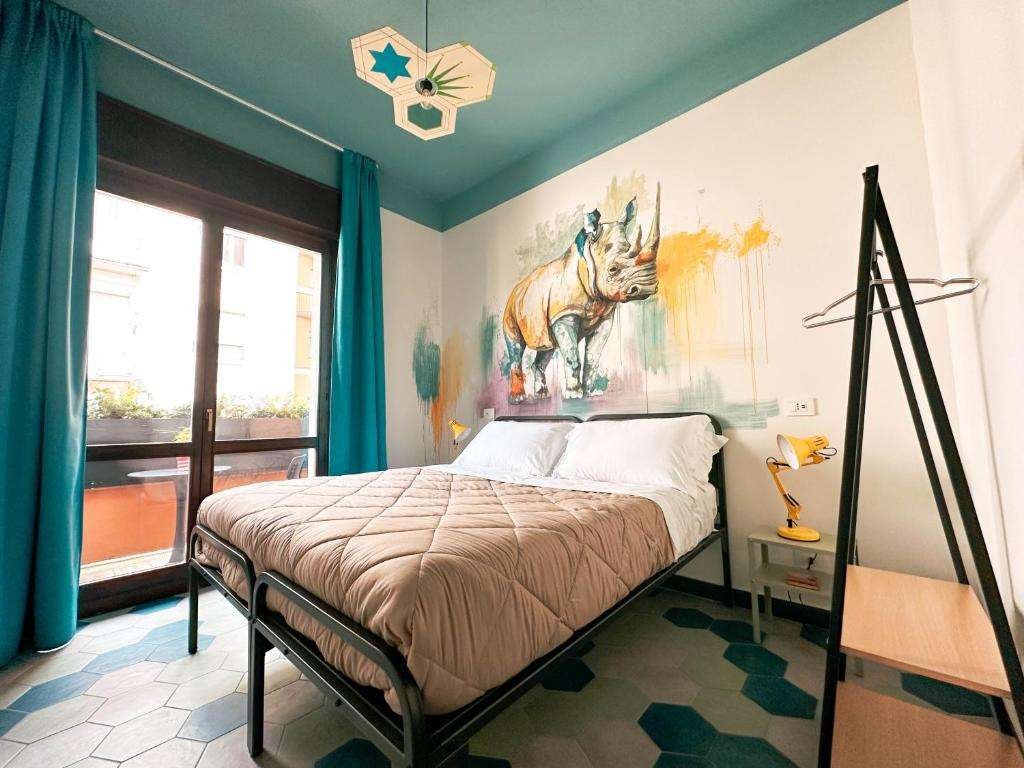
4. Isola – Best for Design Travelers and Day-Trip Logistics
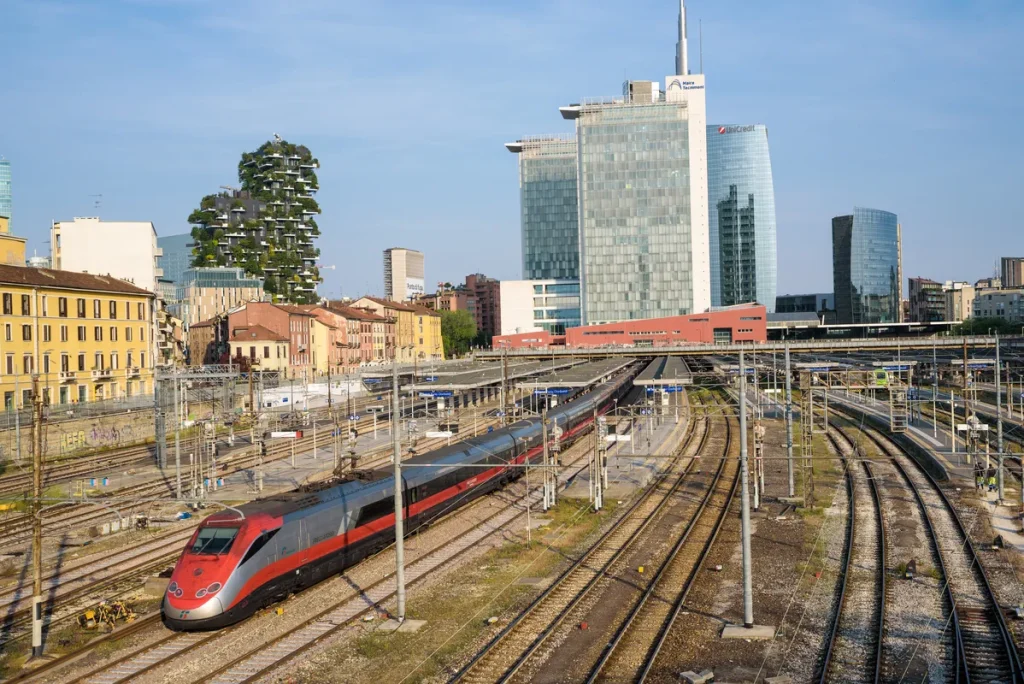
Isola was a working-class neighborhood physically isolated from the rest of the city by the railway lines north of Milano Centrale until the Porta Nuova urban regeneration project in the 2010s integrated it into the city’s expanding design district. The Bosco Verticale towers (2014) – residential buildings with over 900 trees and 20,000 plants growing on their facades – are at the southern edge of the neighborhood and visible from most of Isola’s streets.
The neighborhood retains a genuine residential character that Brera has largely lost – older residents, local bars, street art on the railway-adjacent walls, and a morning market on Piazza Lagosta. The aperitivo bars along Via Borsieri and Via Carmagnola are where Milanese in their 30s go instead of Navigli when they want to avoid tourists.
Porta Garibaldi station is a 10-minute walk from central Isola. This station serves trains to Lake Como (Varenna line), Bergamo, and connects to the high-speed rail network for Florence and beyond. If your Milan itinerary includes day trips, Isola is the most strategically placed neighborhood.
Who should stay here: Design and contemporary architecture travelers; anyone doing day trips to Lake Como or Bergamo; repeat Milan visitors who want something beyond the standard tourist circuit; digital nomads and longer-stay visitors.
Who should skip it: First-timers who want to be within walking distance of the Duomo (it’s a metro ride); anyone who needs the Last Supper within easy walking distance.
Transport: M2 green line at Garibaldi or Isola. Porta Garibaldi station for regional trains.
Price range: €100-170/night mid-range; some good options at €80-100.
Best Hotels in Isola
Luxury: Magna Pars Suites Milano Via Forcella 6, in the Porta Genova/Tortona area between Navigli and Isola. A 5-star converted perfume factory with 39 suites, each fragrance-themed (the owners are a perfume family). A garden and spa in a neighborhood where neither is common. Rates from €280.
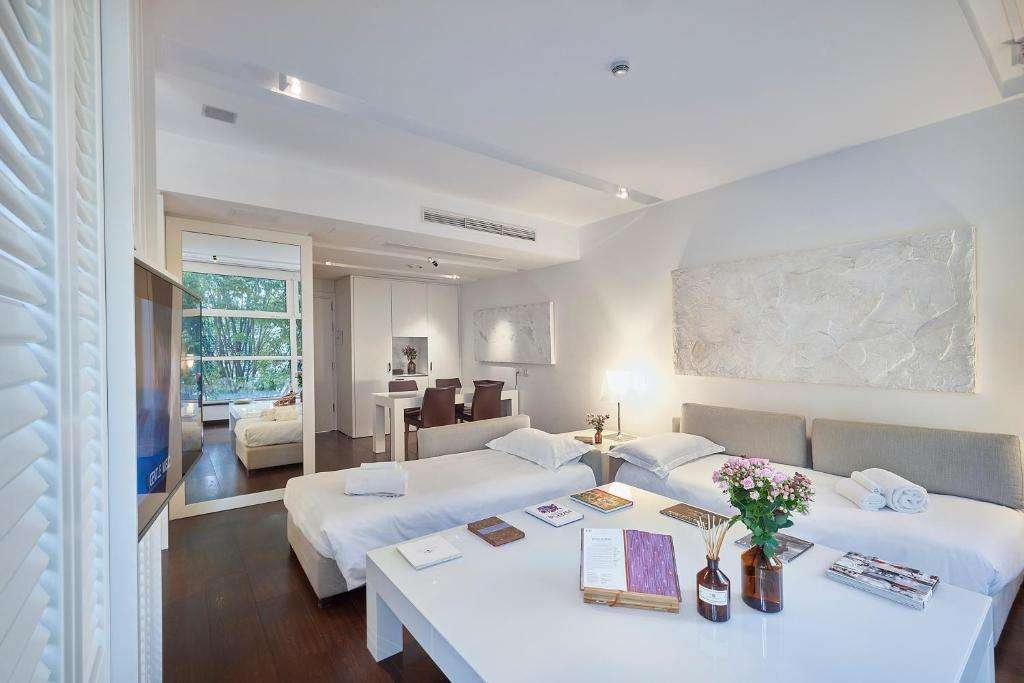
Mid-Range: Hotel Viu Milan Via Aristotile Fioravanti 6, in Isola proper. A 4-star with a rooftop infinity pool – one of the few hotels in Milan with a pool, and the rooftop view over the Bosco Verticale and the city is one of the better hotel vistas available. 124 rooms, strong design credentials. Around €170-220 for a double.
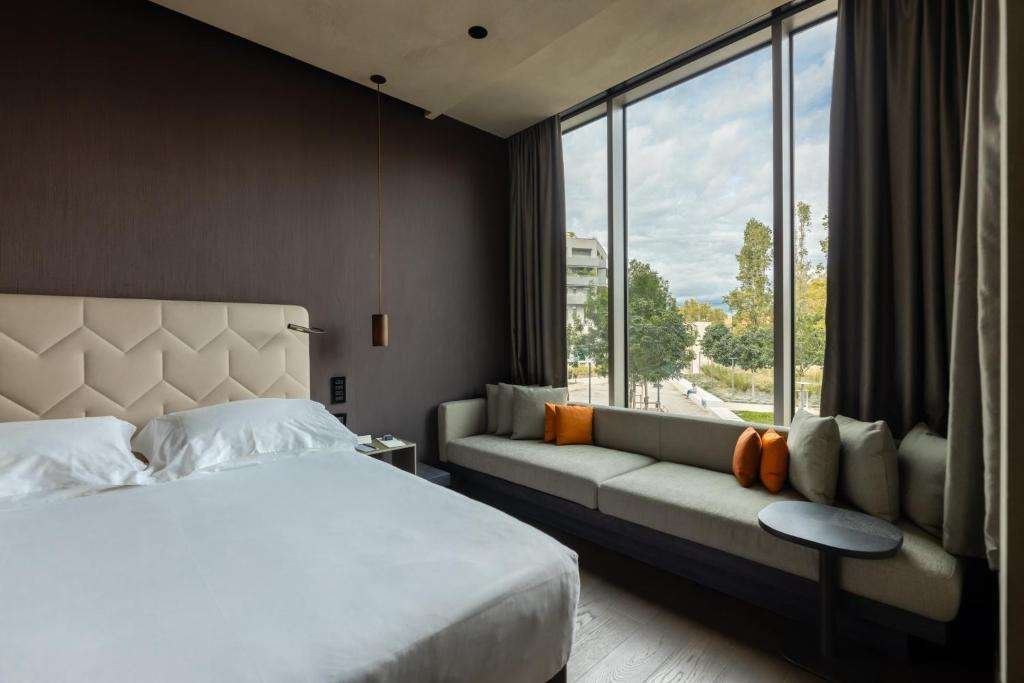
Budget: B&B Hotel Milano Cenisio Monumentale Via Giovanni Battista Cenisio 55, near the Cimitero Monumentale (worth visiting – see the Milan on a budget guide). A reliable, no-frills 3-star with consistent reviews and prices that reflect what it actually is. Around €80-110 for a double. M5 purple line connects easily to the rest of the city.
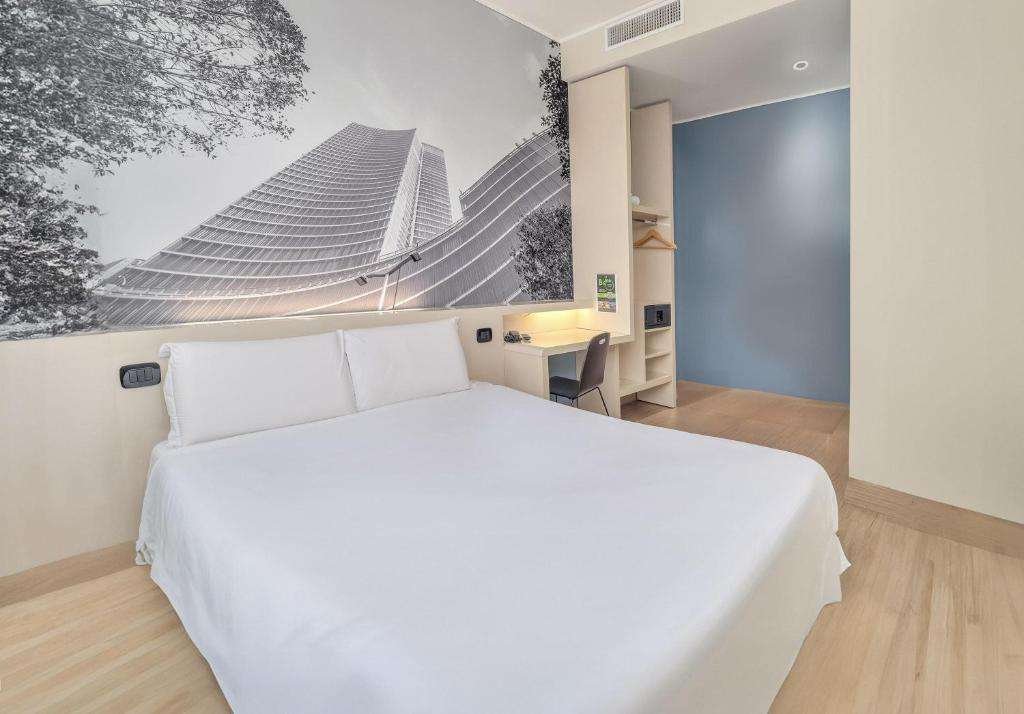
5. Porta Romana – Best for Families and Longer Stays
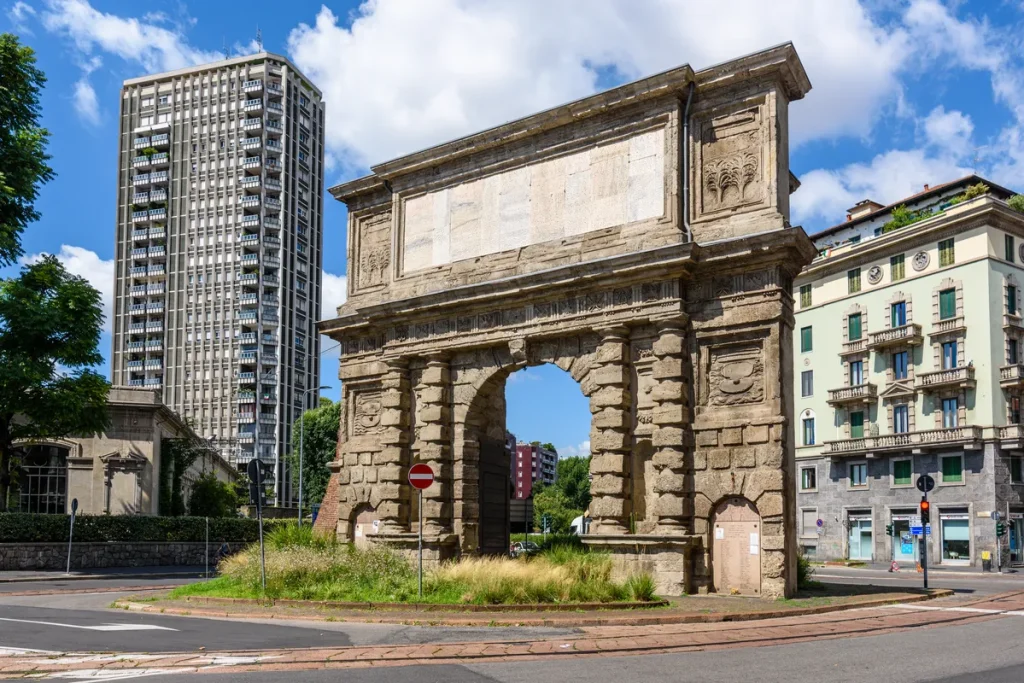
Porta Romana is a wide-streeted residential neighborhood south of the historic center, built up in the late 19th and early 20th century for the professional classes. It has the infrastructure that matters for longer stays: supermarkets, pharmacies, good bakeries, and a Saturday farmers’ market on Piazza Mercanti. The QC Termemilano spa, built inside the Spanish-era city walls, is here and popular with locals on weekday evenings.
Distance from the center is the main consideration: M3 yellow line from Porta Romana station to the Duomo takes about 10 minutes. It’s walkable but 30+ minutes on foot.
Who should stay here: Families; anyone staying more than 4-5 nights who wants to feel settled rather than tourist-adjacent; travelers who prioritize space and quiet over location.
Who should skip it: Short-stay visitors who want everything walkable; anyone who’ll resent the metro commute to the main sights.
Transport: M3 yellow line at Porta Romana. Trams 9 and 16 into the center.
Price range: €90-150/night mid-range; good value relative to central neighborhoods.
Best Hotels in Porta Romana
Mid-Range: Straf Hotel & Bar Via San Raffaele 3, technically between the Duomo and Porta Romana. A 4-star design hotel with an industrial-minimalist aesthetic – raw concrete, brass, resin surfaces. 64 rooms, a basement wellness area, and a bar that’s worth a drink regardless of whether you’re staying. Around €160-200 for a double.
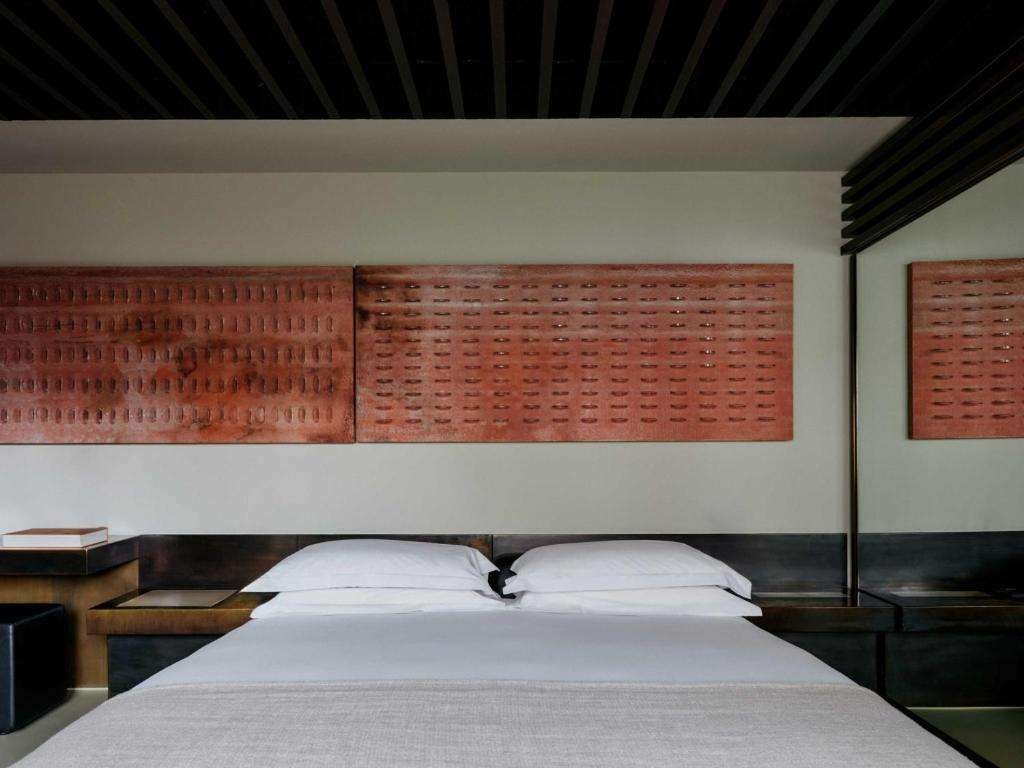
Mid-Range: Hotel Doria Grand Viale Andrea Doria 22, in the Porta Venezia/Porta Romana overlap area. A well-run 4-star in a period building with 124 rooms, a garden, and consistently strong service reviews. The location is residential and quiet. Around €120-155 for a double.
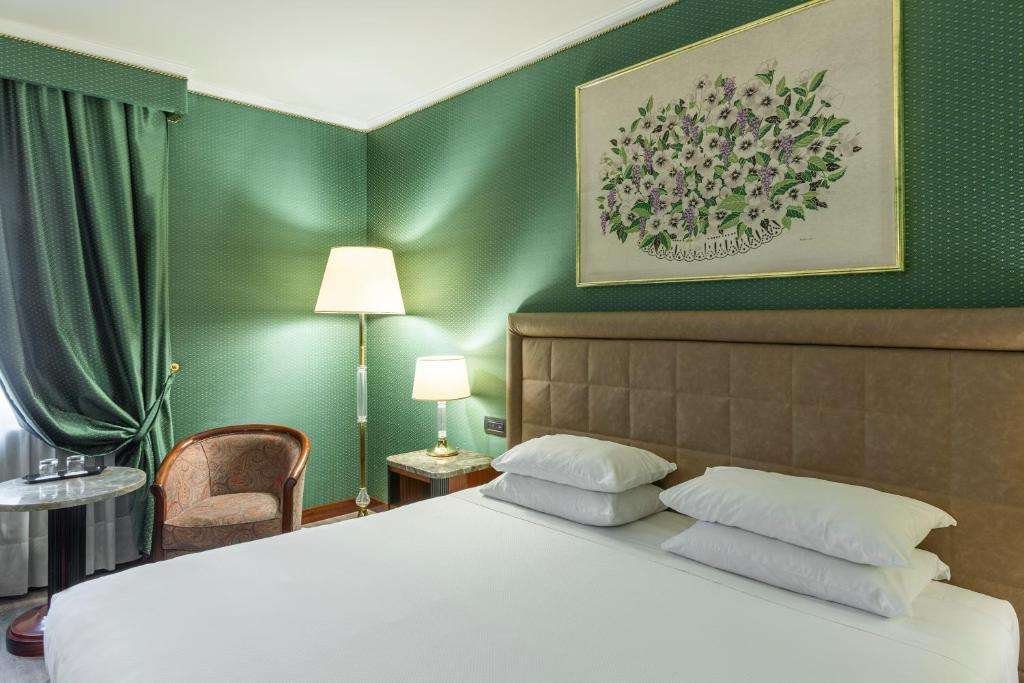
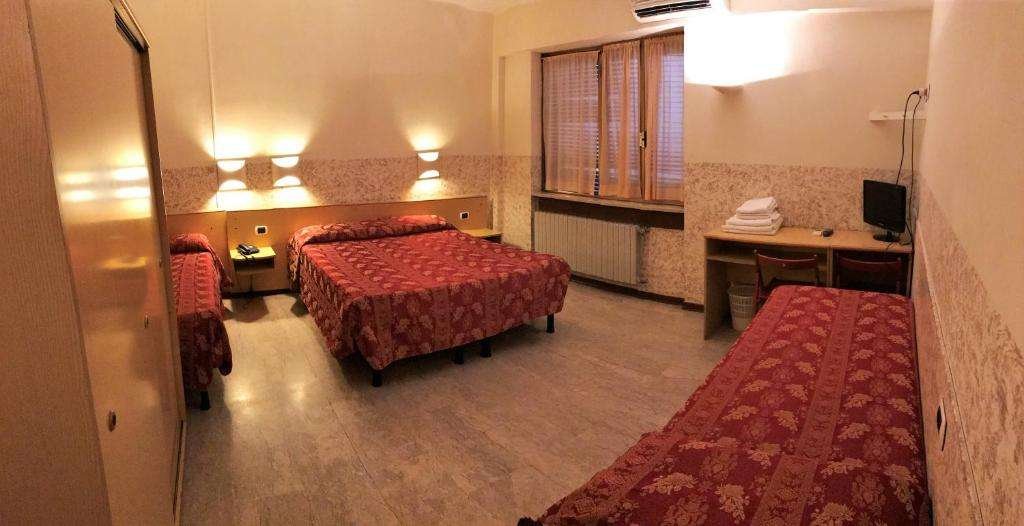
Budget: Hotel Nettuno Via Tadino 27, in Porta Venezia near the Giardini Pubblici park. A 3-star run as a family business since the 1960s. No design pretensions, clean rooms, reliable air conditioning, and a breakfast that’s better than the price point suggests. Around €85-110 for a double.
6. Porta Venezia – Best for Shopping, Parks, and Local Life
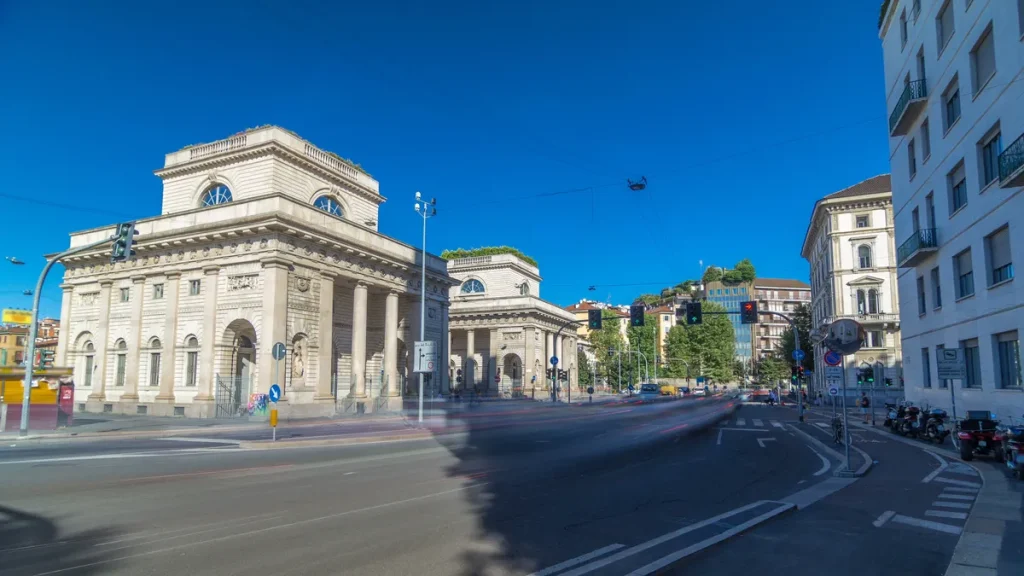
Porta Venezia anchors the eastern end of Corso Buenos Aires – one of the longest continuous shopping streets in Europe at just over 1 kilometer, running from Piazza San Babila (M1, Duomo-adjacent) to Piazza Loreto. The shopping is mid-range rather than luxury: Zara, H&M, Italian chain stores, and independent fashion boutiques. Not Via Montenapoleone, but also not tourist-trap pricing.
The Giardini Pubblici Indro Montanelli – Milan’s main public park, 172,000 square meters – is directly accessible from the neighborhood. The Natural History Museum and the Civico Planetario are both inside the park. The neighborhood has Milan’s most established LGBTQ+ bar and club scene, concentrated around Via Lecco and Via Sammartini.
Who should stay here: Shoppers who want Corso Buenos Aires access; families who want park proximity; LGBTQ+ travelers; museum visitors (the Galleria d’Arte Moderna is nearby on Via Palestro).
Transport: M1 red line at Porta Venezia or Lima. Trams on Corso Buenos Aires.
Price range: €95-160/night mid-range.
Best Hotels in Porta Venezia
Mid-Range: Sanpi Milano Hotel Via Lazzaro Palazzi 18, a 4-star in a 1960s building with a garden – the garden being the key differentiator in a neighborhood where outdoor space is rare. 79 rooms, quieter than its Porta Venezia address implies, and 5 minutes’ walk from the M1 Lima stop. Around €135-165 for a double.
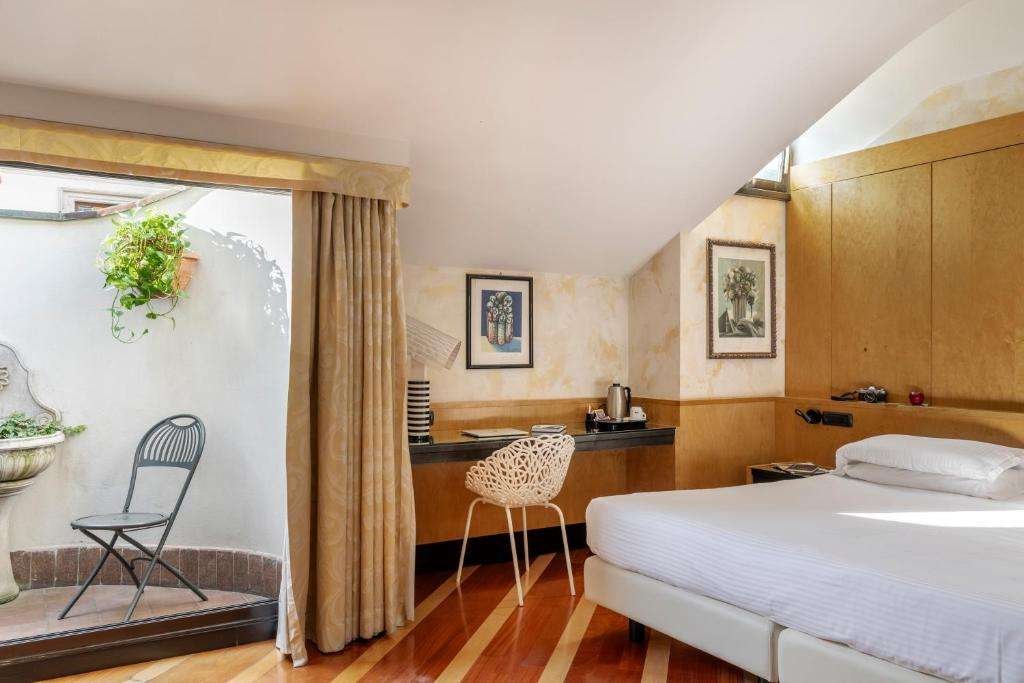
Mid-Range: Hotel dei Cavalieri Piazza Missori 1, on the southern edge of the historic center. Not strictly Porta Venezia but serves a similar traveler – well-priced 4-star with 170 rooms in an area that’s residential on the south side and central on the north. Around €120-155 for a double.
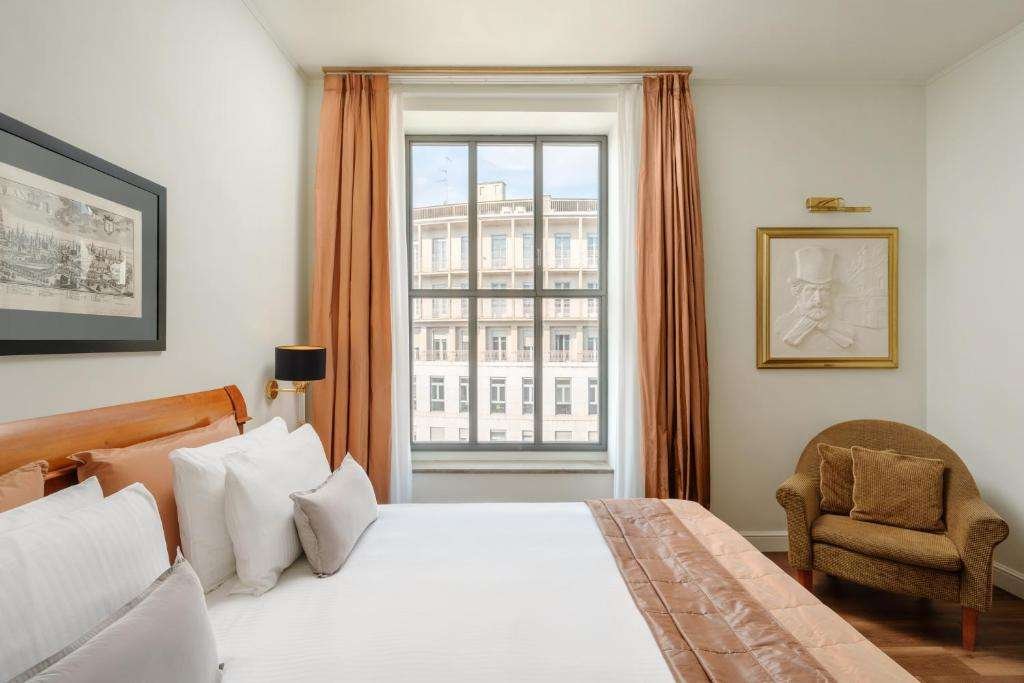
Budget: Hotel Kennedy Viale Tunisia 6, Porta Venezia. A 2-star that does exactly what it says: clean rooms, functional bathroom, breakfast available, reasonable price. No design story, no rooftop bar. Around €70-90 for a double. For travelers who want a bed and a shower near the center without paying for the room’s aesthetic.
Practical Logistics for Milan Accommodation
When to book
Avoid at all costs (unless you’re specifically attending): fashion weeks (February/March women’s, September/October men’s and women’s) and Salone del Mobile in April. Hotels triple in price, availability collapses, and the city is operating entirely around industry insiders. Book 3-4 months ahead for these periods or choose different dates.
Best value windows: January (post-Christmas, before February fashion week), early November, and most of July and August (locals leave for the coast; tourist numbers are lower than you’d expect for summer).
Airport to accommodation
From Linate (LIN): M4 blue line to San Babila (Duomo-adjacent) takes 12 minutes, costs €2.20. This line opened in phases 2022-2024 and is still not universally known – significantly better than the old bus connection.
From Malpensa (MXP): Malpensa Express train to Milano Centrale or Cadorna, every 30 minutes, 52-60 minutes, €13. Or Malpensa bus shuttle to various city stops for €8-10 (slower, 75-90 minutes depending on traffic). Taxi: fixed rate €65-70 to central Milan.
The “piano” rule
Many of Milan’s boutique hotels and B&Bs are in historic buildings without lifts. Always check which floor the room is on before booking if you have mobility issues or heavy luggage. A “charming historic building” in a listing description can mean five flights of marble stairs. The Italian word for floor is piano – primo piano is first floor (one flight up), not ground floor.
Air conditioning
Milan’s summers are hot and humid – July and August regularly hit 33-35°C with high humidity. Budget hotels do not always have air conditioning. If you’re visiting in summer, confirm AC is present before booking; don’t assume.
Plan Your Trip
- First Time in Milan
- 25 Things to Do in Milan
- 3 Days in Milan
- Milan on a Budget
- Milan vs Rome
- Milan Food Guide
- Day Trip to Cinque Terre from Milan
What is the best area to stay in Milan for first-time visitors?
Brera is the best neighborhood for most first-time visitors – it’s walkable to the Duomo, the Pinacoteca, and Sforza Castle, has good restaurants and bars for evenings, and gives a genuine sense of the historic city without being as tourist-heavy as the Duomo itself. Centro Storico makes sense if you’re doing a 1-2 night stopover and want zero transit between your hotel and the main sight.
Is Milan safe to walk around at night?
Yes. The neighborhoods in this guide are all safe at night. The area immediately around Milano Centrale station is the exception – it’s not dangerous but it’s gritty and unpleasant for an evening walk. If your accommodation is near Centrale, the surrounding streets are fine; the station concourse itself late at night warrants normal city caution.
Where should I stay in Milan if I’m visiting for Salone del Mobile?
Isola or Porta Genova/Tortona (the design district adjacent to Navigli). The Salone itself is at the Fiera Milano complex in Rho (M1 red line, 30 minutes from the Duomo), but the city-wide exhibitions (Fuorisalone) cluster in the Tortona, Isola, and Brera design districts. Staying in those areas puts you at the center of the off-site program.
Is it worth staying in Milan or commuting from a cheaper city?
For Lake Como day trips, some travelers stay in Como or Varenna itself and day-trip into Milan, which can work. For a proper Milan visit of 2-3 nights, staying in the city makes more sense – the morning and evening hours in the neighborhoods are part of the experience, and commuting adds an hour each way.
What neighborhoods should I avoid for accommodation in Milan?
The area immediately around Milano Centrale station (Stazione Centrale) – not unsafe but impersonal and gritty. Via Nazionale and the streets immediately behind Centrale. Also avoid any booking that describes itself as “near all the action” without specifying the neighborhood – in Milan, that phrase often means it’s between things rather than in any of them.
Where to Stay in Milan — Neighbourhood & Hotel Map
13 hotels across 6 neighbourhoods. The geography spreads from Navigli (southwest) to Porta Venezia (east), Isola (north), Brera (center-north). Click any pin.