
Deciding where to stay in Barcelona is the most important logistical choice you’ll make, as the neighborhoods are genuinely different from each other in ways that affect your daily experience. The Gothic Quarter puts you inside the medieval core but means noise until 3:00 AM and tourist-priced coffee outside your door. Gràcia is quieter, more local, and a 20-minute walk from the Sagrada Família.
This guide breaks down the five neighborhoods worth considering, with honest trade-offs for each, so you can match where you sleep to how you actually travel.
For the full planning picture before booking, see First Time in Barcelona. For how the neighborhoods fit into a day-by-day itinerary, see 3 Days in Barcelona.
Before You Book: The Practical Rules
Book early for summer: Barcelona accommodation in July and August fills three to four months ahead for anything decent in a central location. April to June and September to October: six to eight weeks is usually sufficient. Winter: two to three weeks.
The tourist tax: Barcelona charges a taxa turística of €3.25 to €6.25 per person per night depending on the accommodation category, collected separately at check-in. Bring cash – many smaller hotels and guesthouses do not take cards for this specific charge.
Noise: Barcelona is a late city. Restaurants fill at 9:00 PM, bars run until 2:00 AM or later, and the streets do not quiet down until well after midnight in the Gothic Quarter, El Born, and Barceloneta. If you are a light sleeper, ask specifically for interior-facing rooms or choose Gràcia or the Eixample over the old city.
Air conditioning: Essential from June through September. Verify it is included before booking – many historic buildings in the Gothic Quarter and El Born have it as an add-on or do not have it at all.
1. Gothic Quarter and El Born: The Historic Core
Best for: First-timers, short stays of one to two nights, travelers who want zero navigation friction between their hotel and the main sights.
The Gothic Quarter and El Born sit at the geographic center of Barcelona’s tourist circuit. The Cathedral, the Picasso Museum, Santa Maria del Mar, the Boqueria, and Las Ramblas are all within a 10-minute walk. You step out of your hotel and are immediately in the city’s medieval fabric.
Pros: Unbeatable location for sightseeing. The streets are genuinely beautiful – narrow medieval alleys, hidden squares, Roman ruins visible through glass panels in the pavement. Easy to walk home after a late dinner without needing the Metro.
Cons: The Gothic Quarter is loud at night. Bars, restaurants, and groups of people moving between them generate constant noise on the narrow streets until 2:00 AM or later. Hotel rooms facing the street in older buildings will hear all of it. The tourist density between 10:00 AM and 6:00 PM on the main streets – Carrer del Bisbe, Carrer de Ferran, Las Ramblas – is significant. Coffee near the Cathedral costs €4 to €5. Parking is impossible and unnecessary.
The El Born distinction: El Born (the area around the Picasso Museum and Santa Maria del Mar) is part of the same historic core but noticeably more local than the Gothic Quarter. Better restaurants, the best pintxos bars in the city, and slightly less tour group density. If you are choosing between the two, El Born is the stronger base for anyone staying three or more nights.
The move: Ask for an interior-facing room specifically. In historic buildings, the rooms facing internal courtyards are significantly quieter than street-facing rooms and often the same price. Request it when booking and confirm on arrival.
2026 price range: €100 to €250 per night for a decent hotel. Budget hostels with dormitories from €25 to €40. Private rooms in hostels from €70 to €100.
Hotels to consider:
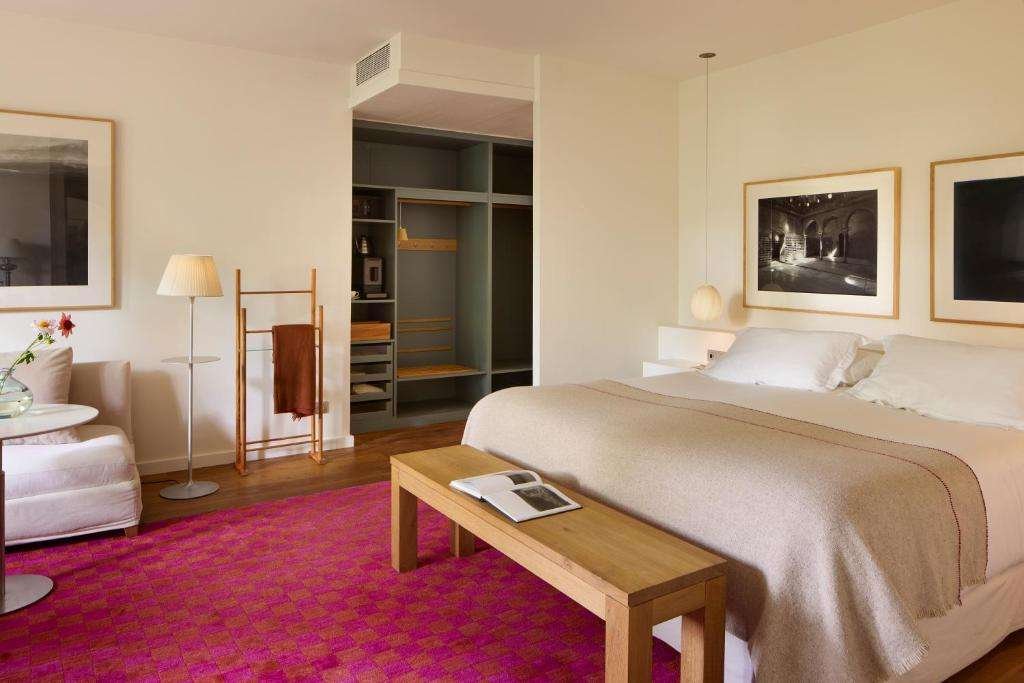
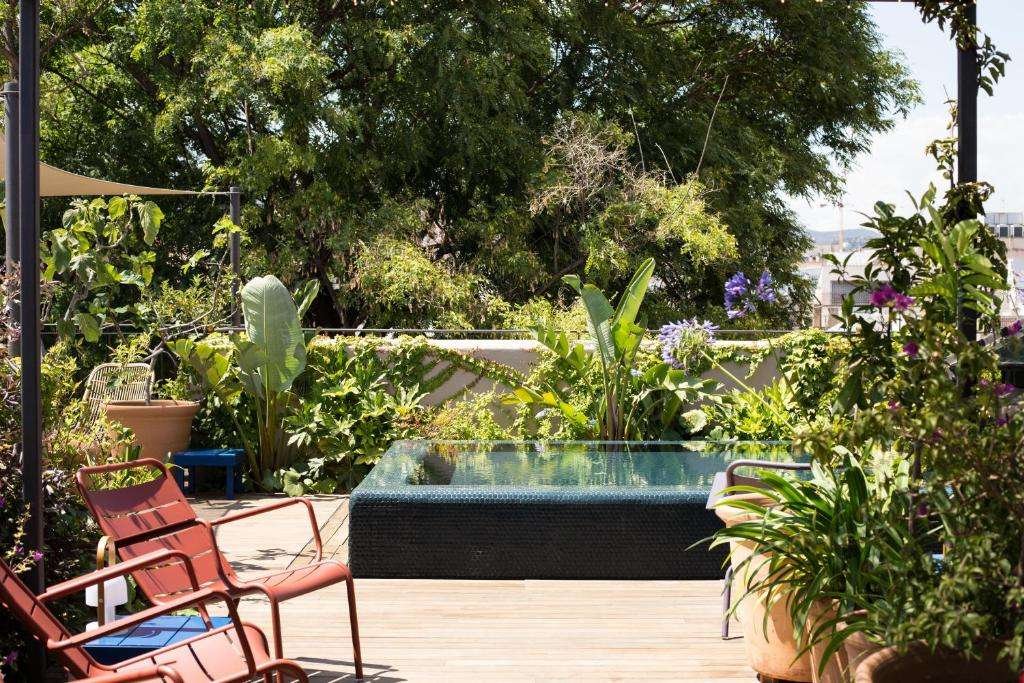
- Luxury: Hotel Neri – a restored 18th-century palace on a quiet square steps from the Cathedral. The rooftop terrace has a direct view of the Gothic facade. One of the quieter luxury options in the neighborhood.
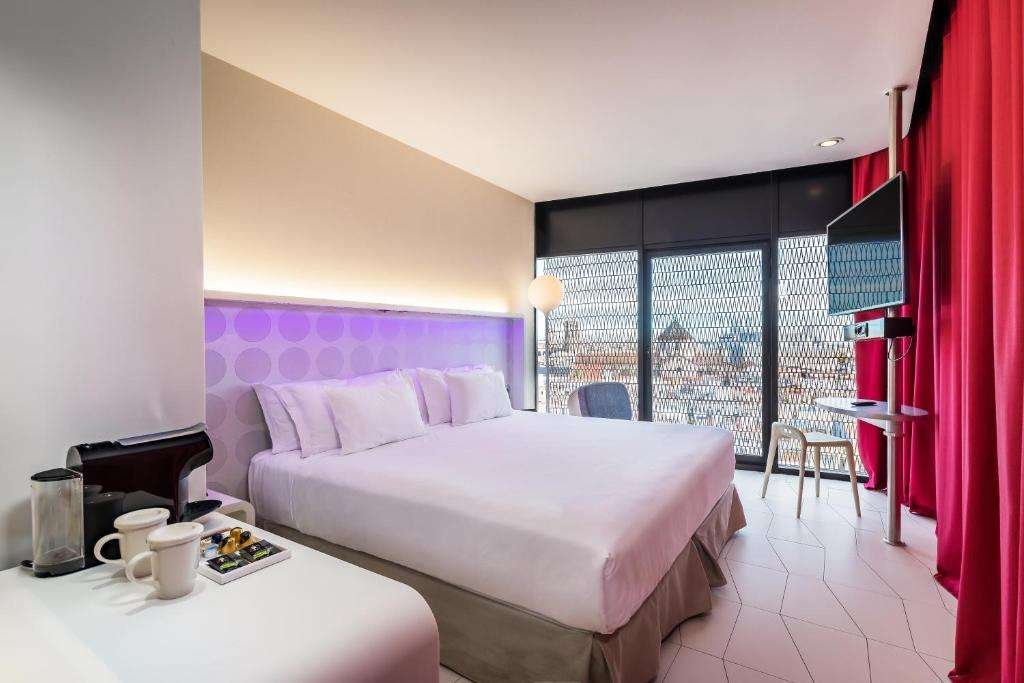
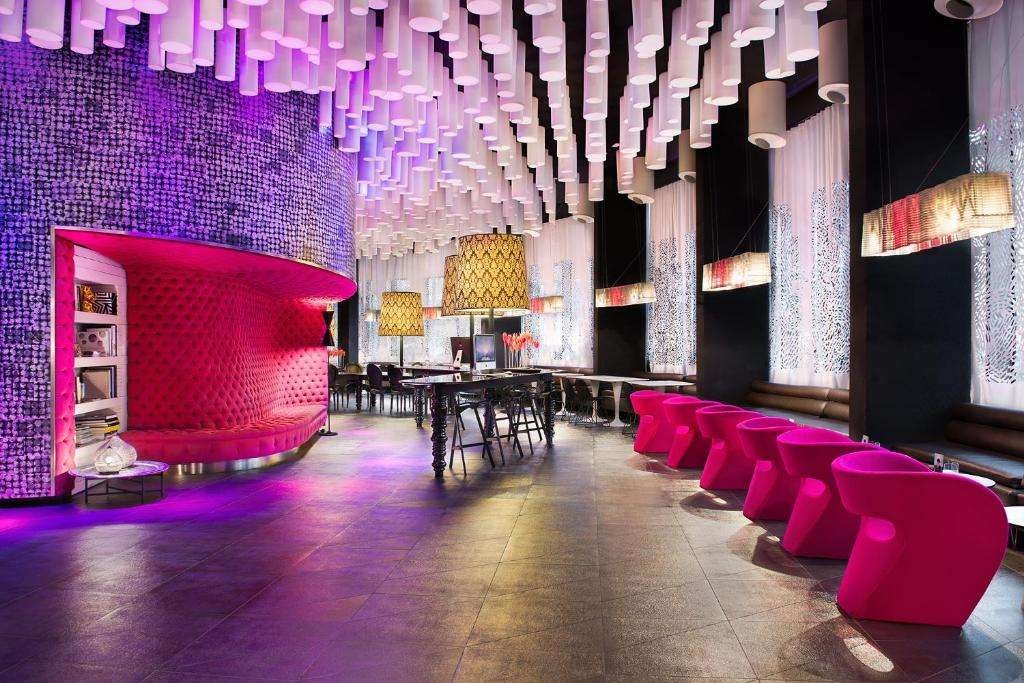
- Mid-range: Barceló Gothic – modern rooms in a historic building, soundproofed windows, central location. Reliable rather than characterful.
2. Eixample: The Modernista Grid
Best for: Couples, travelers who want good restaurants without tourist pricing, anyone visiting specifically for the Gaudí buildings on Passeig de Gràcia.
The Eixample is the 19th-century grid designed by Ildefons Cerdà that surrounds the old city. Wide boulevards, octagonal street corners (chamfered to allow more light and visibility), and the densest concentration of Modernista architecture in the world. Casa Batlló and La Pedrera are on Passeig de Gràcia. The Sagrada Família is at the eastern edge of the neighborhood.
Pros: Significantly quieter at night than the Gothic Quarter despite being equally central. The wide streets mean hotel rooms face broad boulevards rather than narrow alleys, which reduces noise. Restaurant quality and value are better than the old city – the side streets of the Eixample have the best mid-range dining in Barcelona. Good Metro coverage throughout. The wide pavements mean stroller and wheelchair access is incomparably better than the old city.
Cons: Less atmospheric than the Gothic Quarter. The Eixample grid is elegant but it does not have the visual drama of the medieval streets. The blocks immediately on Passeig de Gràcia are expensive and tourist-facing – move one or two streets in any direction for better value.
Left Eixample vs Right Eixample: The Eixample is divided by Passeig de Gràcia into two halves. The left Eixample (Esquerra de l’Eixample) is the LGBTQ+ neighborhood – livelier nightlife, more local bars and restaurants, slightly lower accommodation prices. The right Eixample (Dreta de l’Eixample) is closer to the Sagrada Família and has the higher concentration of luxury hotels.
The move: Base yourself in the left Eixample on or near Carrer del Consell de Cent or Carrer de la Diputació. You are five minutes from Passeig de Gràcia, 20 minutes walk from the Gothic Quarter, and surrounded by local restaurants rather than tourist-facing ones.
2026 price range: €90 to €200 per night for mid-range hotels. Luxury options on or near Passeig de Gràcia from €200 to €400.
Hotels to consider:
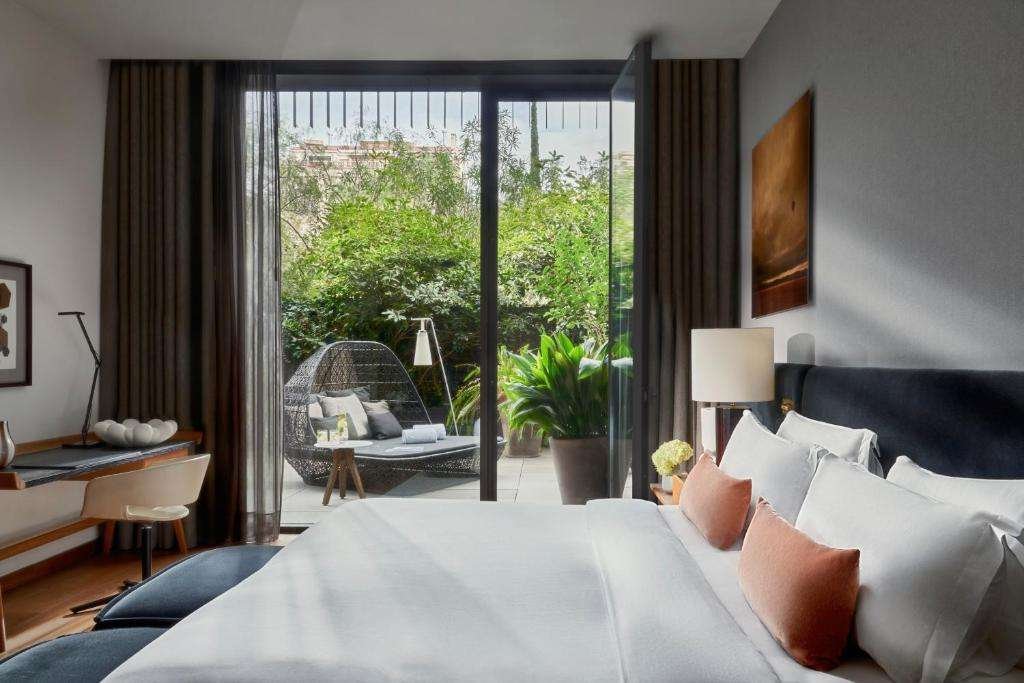
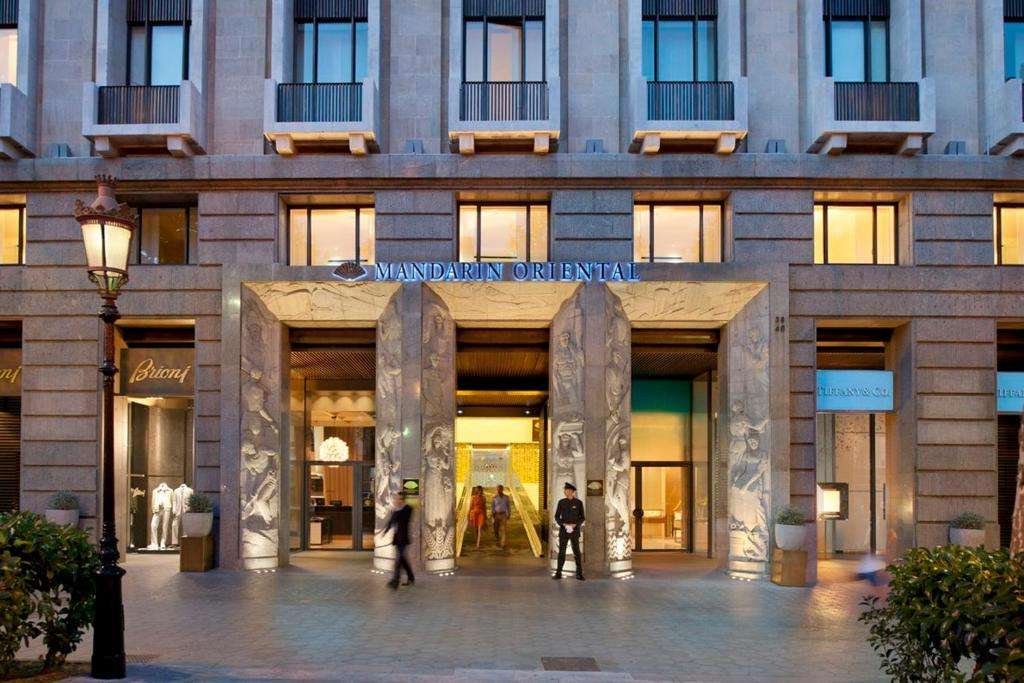
- Luxury: Mandarin Oriental Barcelona – directly on Passeig de Gràcia facing the Modernista buildings. Pool, spa, and a restaurant with serious culinary credentials. The best luxury address on the boulevard.
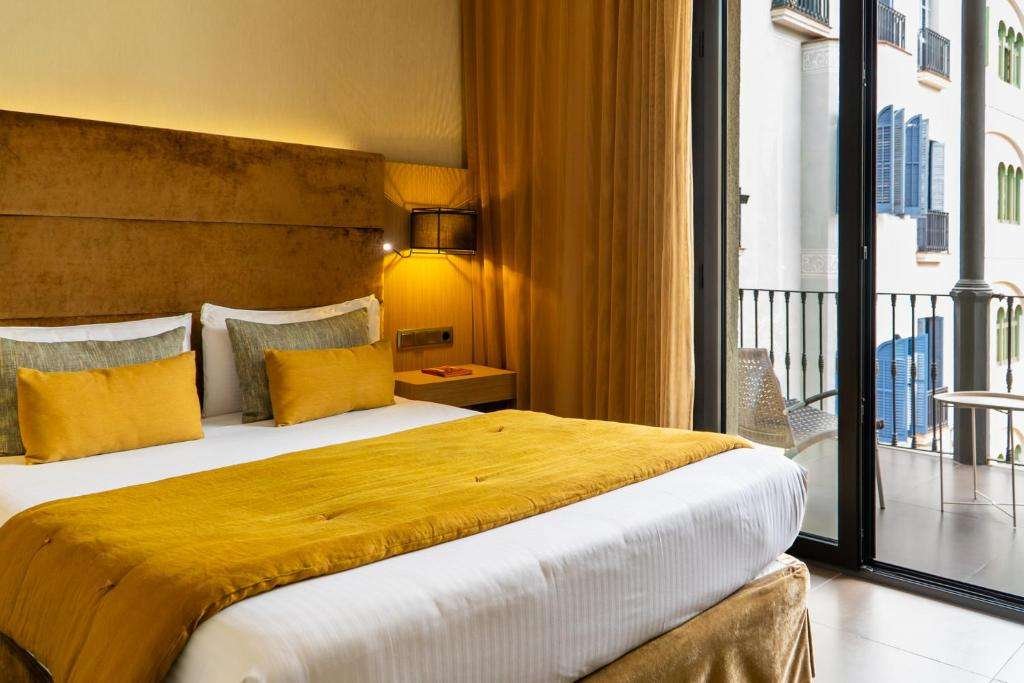
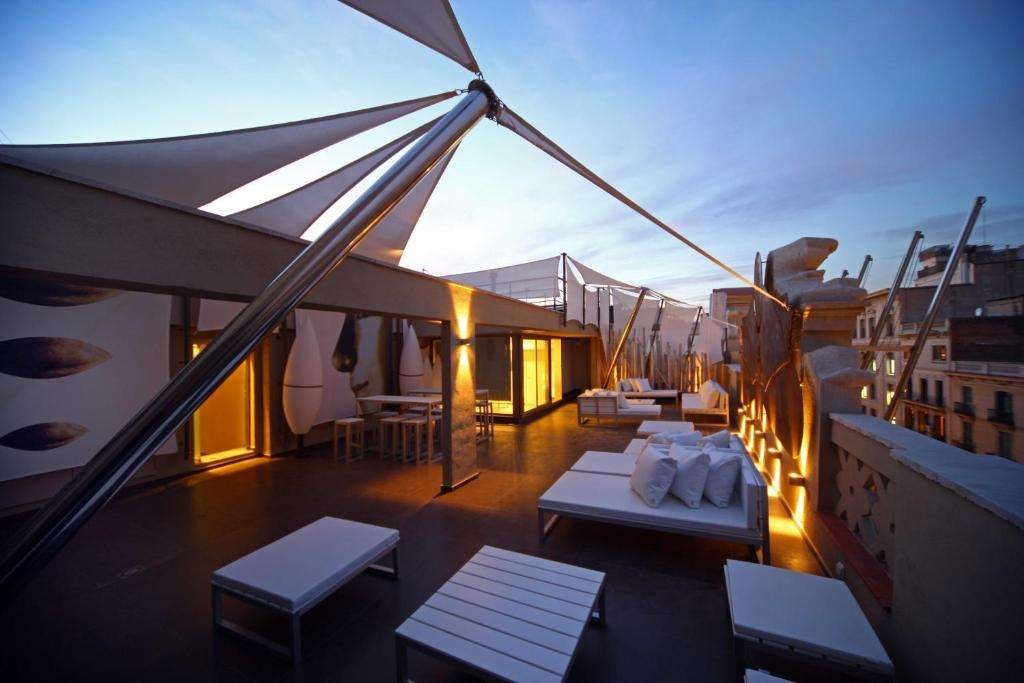
- Mid-range: Hotel Constanza – boutique hotel in the left Eixample with individually designed rooms, a rooftop terrace, and prices that are honest relative to the quality. Consistently well-reviewed for service.
- Budget: Somnio Hotel – clean, modern, well-located in the left Eixample. Basic but reliable and significantly cheaper than equivalent quality in the Gothic Quarter.
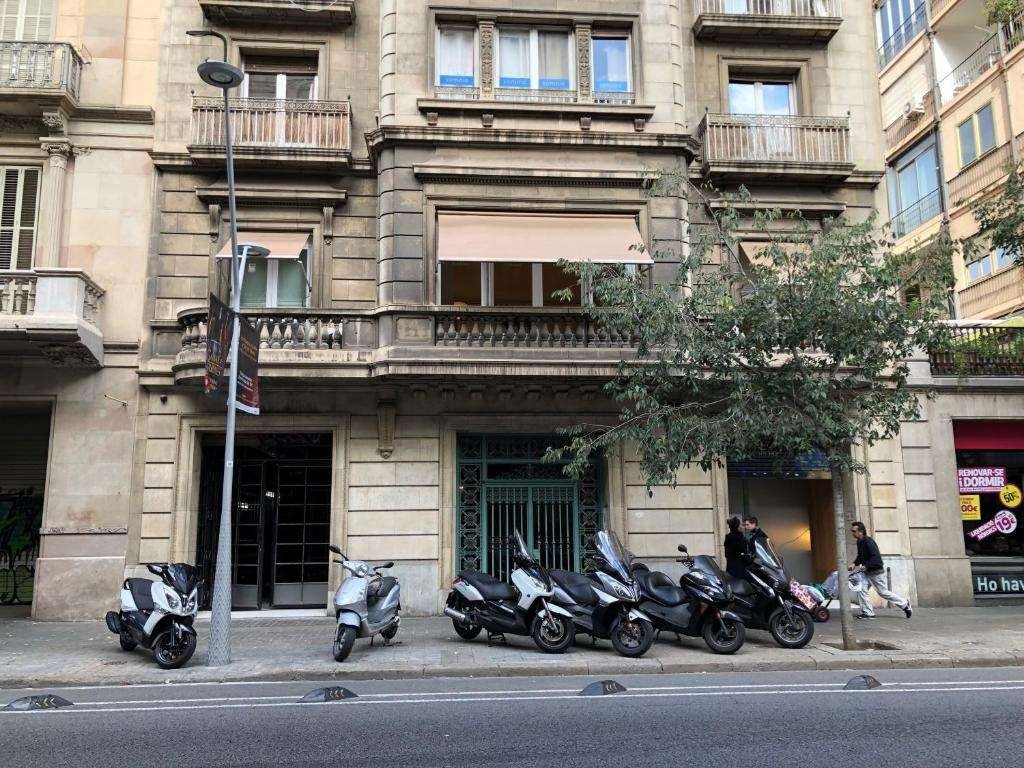
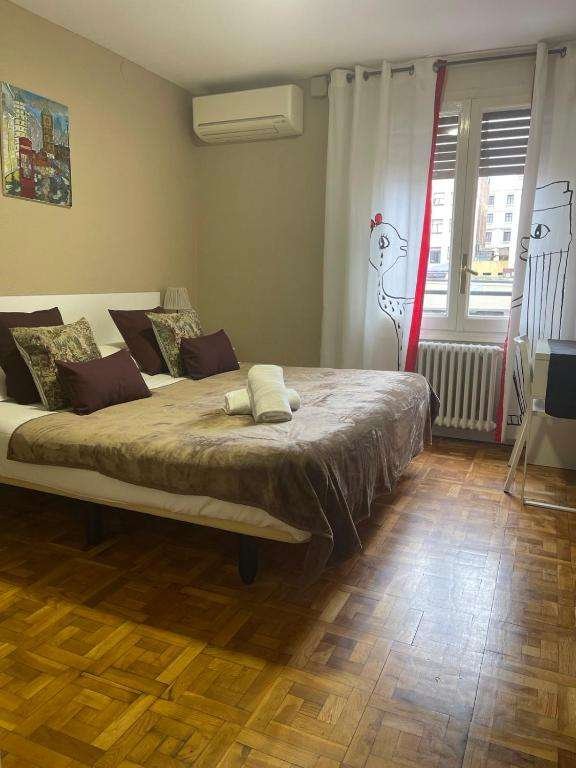
3. Gràcia: The Village Neighborhood
Best for: Repeat visitors, longer stays of four or more nights, travelers who want a genuinely local experience rather than a tourist-optimized one.
Gràcia was an independent village until 1897 when it was absorbed into Barcelona. It still functions like one. The neighborhood is built around a series of small squares – Plaça de la Vila de Gràcia, Plaça de la Virreina, Plaça del Sol, Plaça de la Llibertat – each surrounded by bars and restaurants priced for the people who live around them rather than for visitors. The Mercat de l’Abaceria is a working neighborhood market.
Pros: The most genuinely local large neighborhood in the city. Coffee at a bar costs €1.50 and nobody looks at you as a tourist. The squares are the best places in Barcelona to eat lunch at 2:00 PM at a menú del día for €13 to €16. Quieter at night than the old city. Park Güell is a 15-minute walk uphill. The Metro (Fontana or Diagonal, L3) connects to the Gothic Quarter in 10 minutes.
Cons: The furthest of these five neighborhoods from the beach and the port. A 25-minute walk or two Metro stops from the Gothic Quarter. If your primary goal is maximizing time at the main tourist sights, the commute adds up.
The move: Look for accommodation near Plaça de la Vila de Gràcia or Carrer de Verdi. These streets have the best restaurant density in the neighborhood and are centrally located within Gràcia itself.
2026 price range: €70 to €150 per night for a decent hotel. Lower than equivalent quality in the Gothic Quarter or on Passeig de Gràcia. Good Airbnb availability for longer stays.
Hotels to consider:
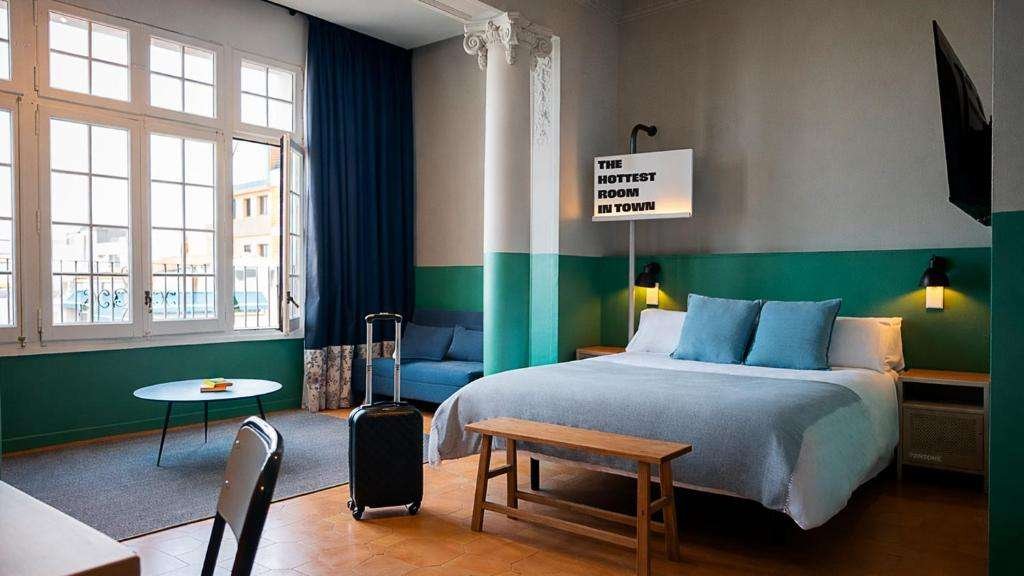
- Boutique: Casa Gracia – a boutique hostel and hotel hybrid in a renovated Modernista building on Passeig de Gràcia just at the Gràcia boundary. Social spaces, rooftop terrace, mix of private rooms and dormitories. The best option at this price point for solo travelers wanting a social base.
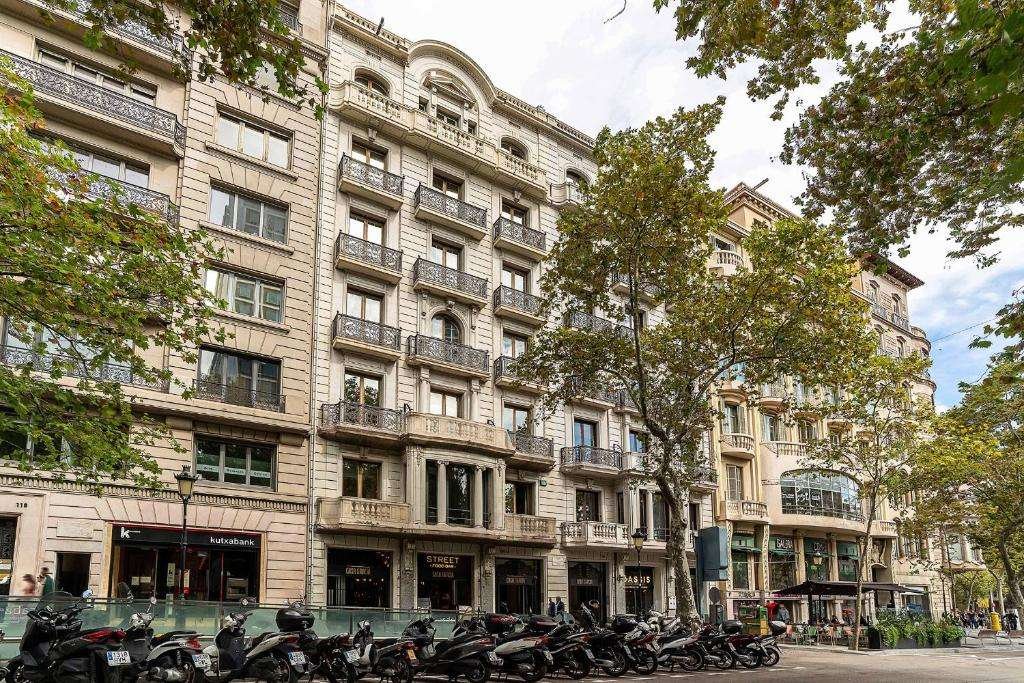
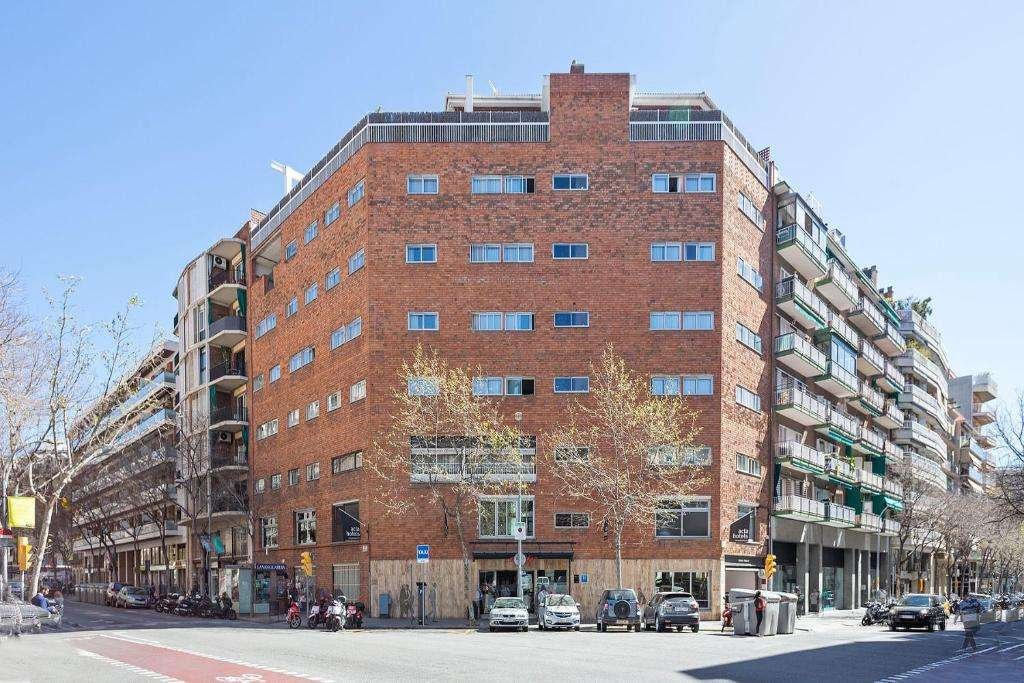
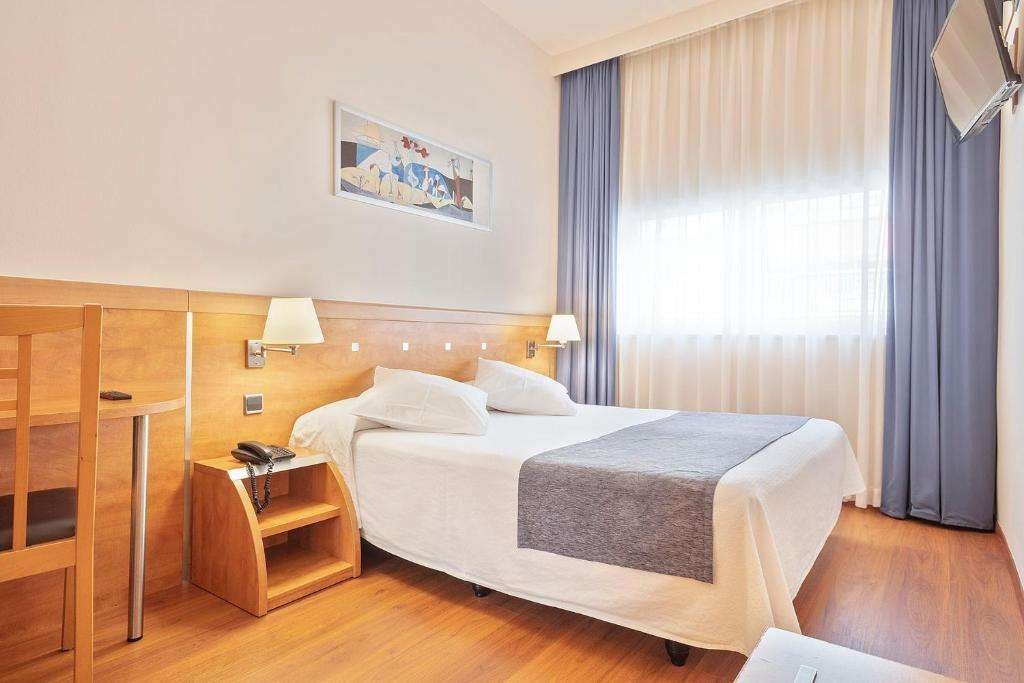
- Mid-range: Hotel Acta Antibes – straightforward mid-range hotel, clean and reliable, well-located for Gràcia and the upper Eixample. No design ambitions but good value.
4. Barceloneta: The Beach Neighborhood
Best for: Travelers whose primary goal is beach access, summer trips where swimming and sunbathing are the daily priority.
Barceloneta is the small triangular peninsula between the Port Vell and the main city beach, built in the 18th century to house workers displaced by the construction of the Ciutadella fortress. The streets are narrow, the buildings are tall and thin, and the beach is 50 meters from most hotels.
Pros: Unbeatable for beach access. Walk out of your hotel, cross the promenade, and you are on the sand. The seafront restaurant strip – chiringuitos serving fresh grilled fish – is the best casual eating on the waterfront. The Metro (Barceloneta, L4) connects to the old city in two stops. The coastal cycling path runs north from here to the Forum and south to the port.
Cons: Barceloneta has limited character beyond the beach itself. The neighborhood is tourist-facing in the summer months to a degree that makes it feel seasonal. Hotel prices are high relative to what you get – you are paying for the beach proximity, not the room quality. Noisy in summer, too quiet in winter. The restaurant strip on the seafront is significantly overpriced – walk one block inland for better value.
The move: Book accommodation on the interior streets of Barceloneta rather than the seafront promenade itself. One block back, prices drop and noise levels are lower. The beach is still 90 seconds away.
2026 price range: €120 to €280 per night in summer. Significantly cheaper in winter when the neighborhood empties.
Hotels to consider:
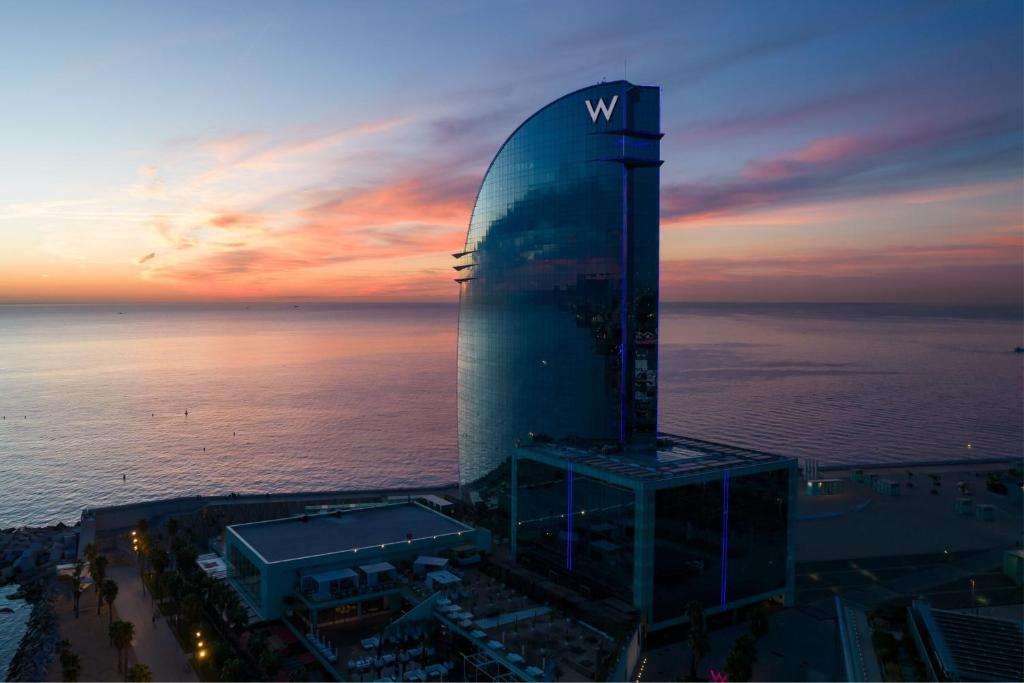
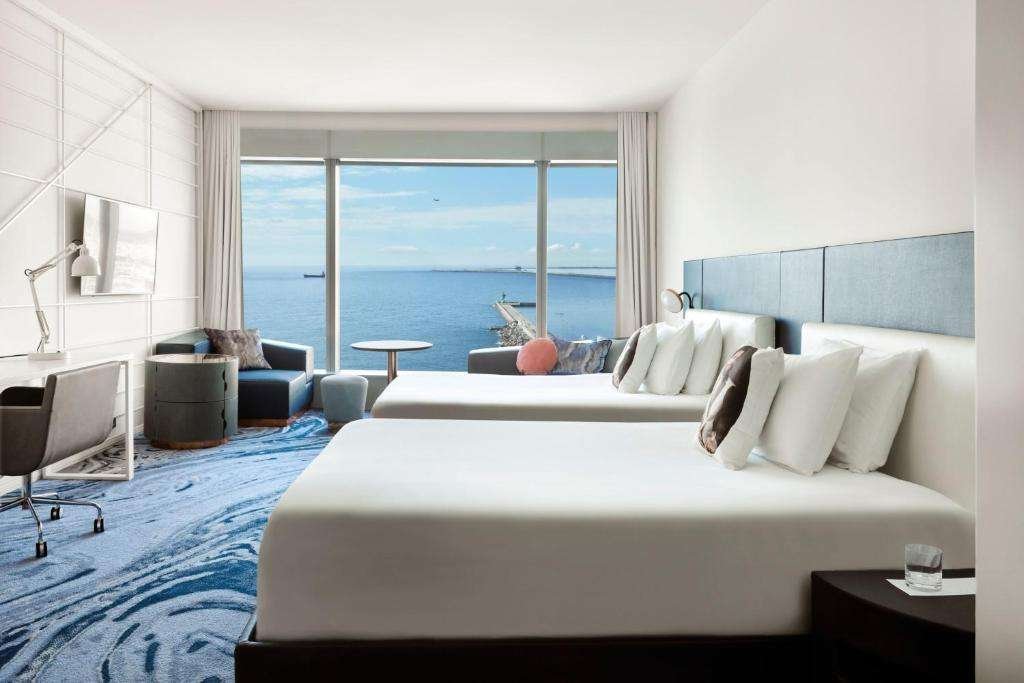
- Luxury: W Barcelona – the sail-shaped tower on the breakwater at the end of Barceloneta, with a rooftop pool and direct sea views. The most architecturally distinctive hotel in the neighborhood. Worth the price in summer if beach and pool access is the priority.
- Mid-range: Hotel Arts Barcelona – a five-star tower adjacent to the Olympic Port with a large pool, good restaurant, and the Frank Gehry fish sculpture outside the door. More corporate than the W but strong on facilities.
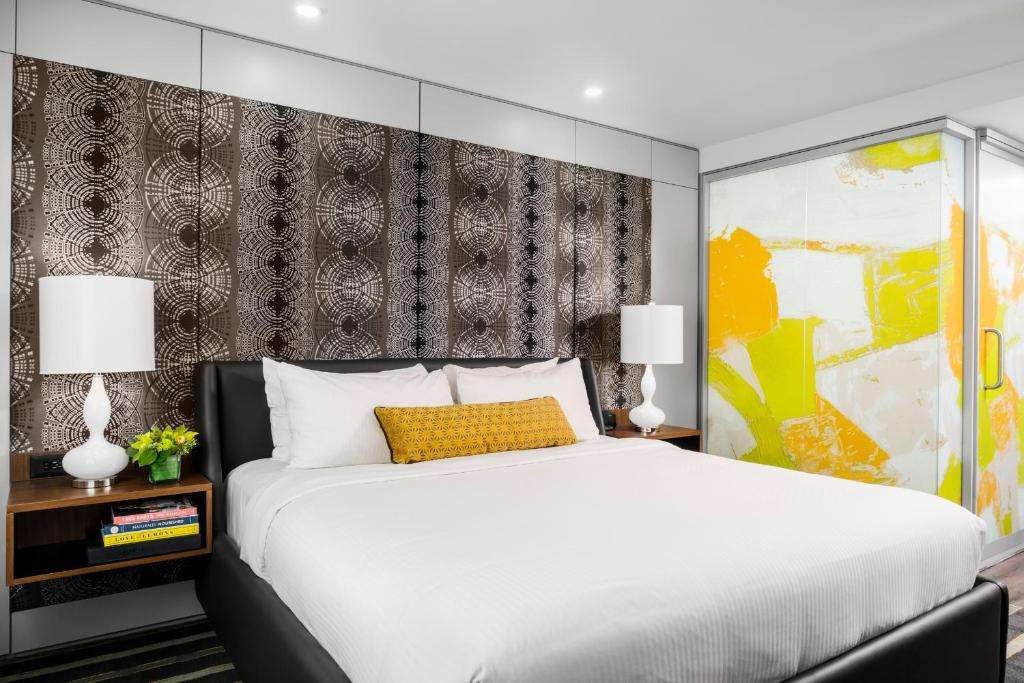
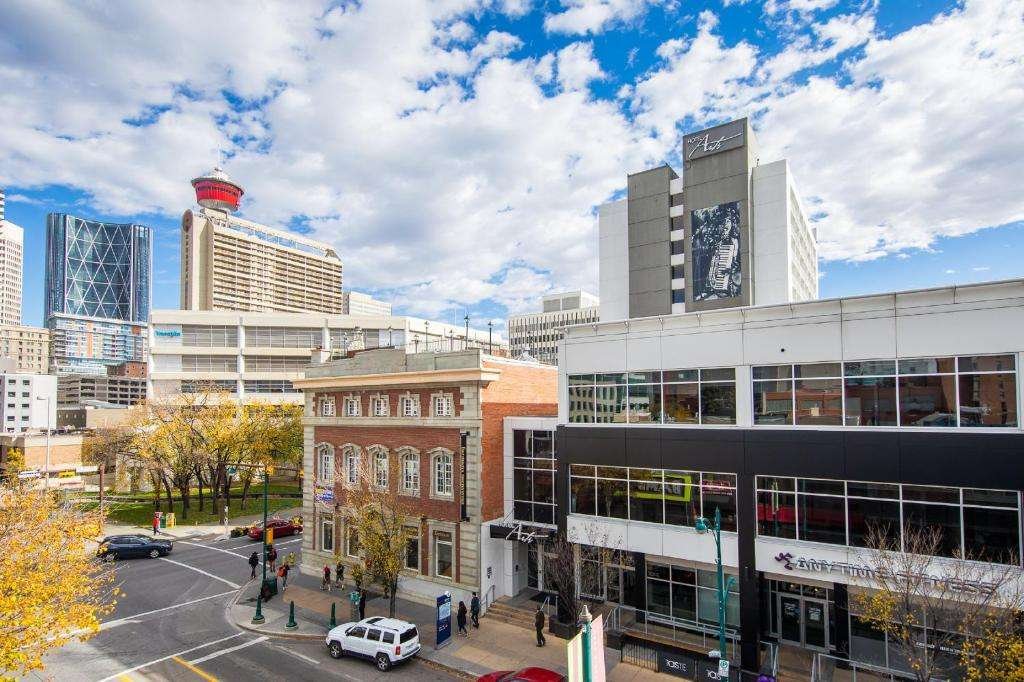
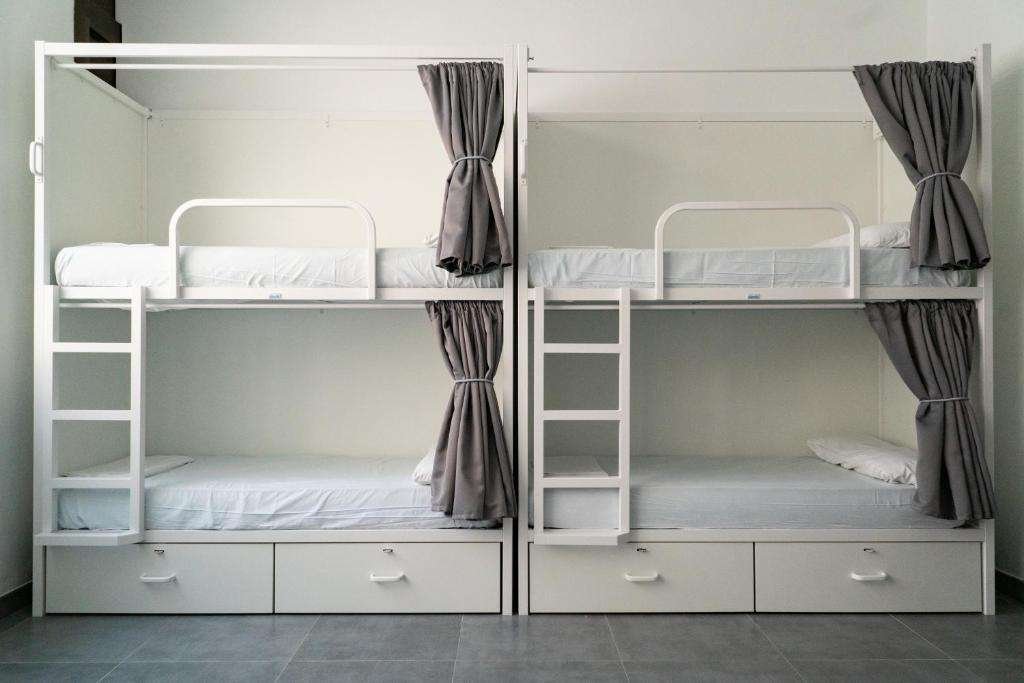
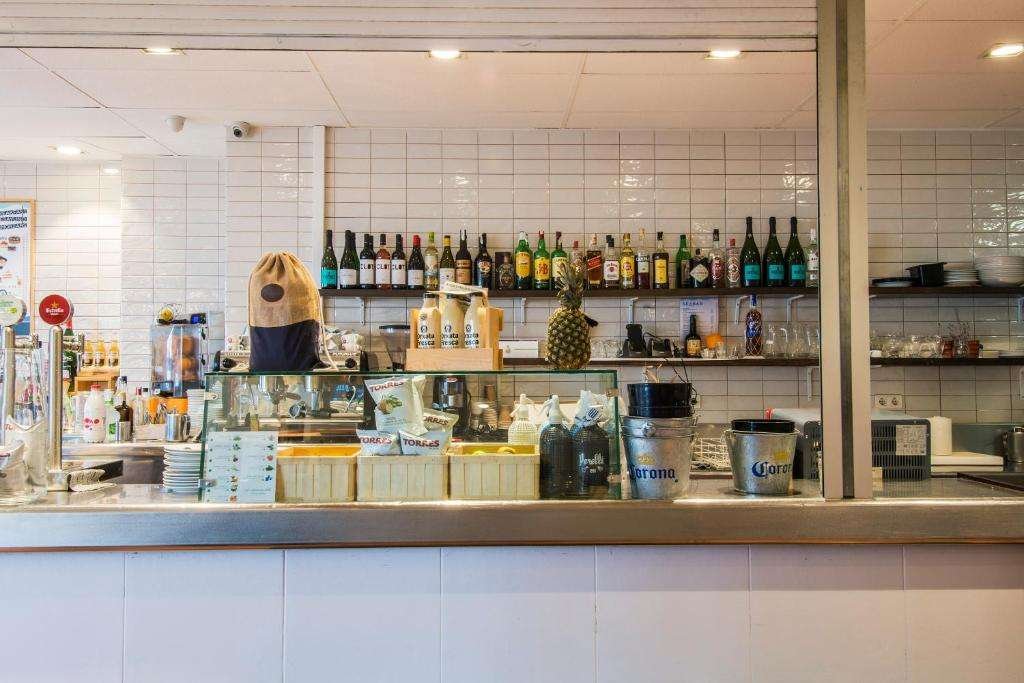
- Value: Equity Point Sea Hostel – well-run hostel steps from the beach. Dormitories and private rooms, rooftop terrace, genuinely useful for budget travelers who want Barceloneta without the hotel prices.
5. Poble Sec: The Local Alternative
Best for: Budget-conscious travelers, anyone spending significant time on Montjuïc, travelers who want local restaurants within walking distance without Gothic Quarter prices.
Poble Sec sits between Montjuïc and the Paral·lel avenue. The neighborhood was working-class industrial for most of the 20th century and has been gradually gentrifying since the early 2010s without losing its local character entirely. Carrer de Blai – the pintxos street with bites from €1 each – is the neighborhood’s most useful asset.
Pros: Significantly cheaper accommodation than the Gothic Quarter or Eixample for equivalent quality. The Montjuïc Funicular is at Paral·lel Metro (L2/L3), giving direct access to the Fundació Joan Miró, MNAC, and Montjuïc Castle. The Avinguda del Paral·lel is the main Theatre street in Barcelona. Genuine neighborhood restaurants with menú del día lunch menus at €12 to €14.
Cons: Less well-known than the other neighborhoods which means less hotel infrastructure. The walk to the Gothic Quarter or El Born takes 20 to 25 minutes – not prohibitive but longer than from the Eixample. Fewer hotel options at the luxury end.
The move: Look for accommodation between Carrer de Blai and Avinguda del Paral·lel. You are equidistant between the Montjuïc funicular and the Sant Antoni neighborhood (which has the best Sunday market in Barcelona and the strongest recent restaurant opening density in the city).
2026 price range: €60 to €130 per night. The strongest value neighborhood for budget and mid-range travelers.
Hotels to consider:
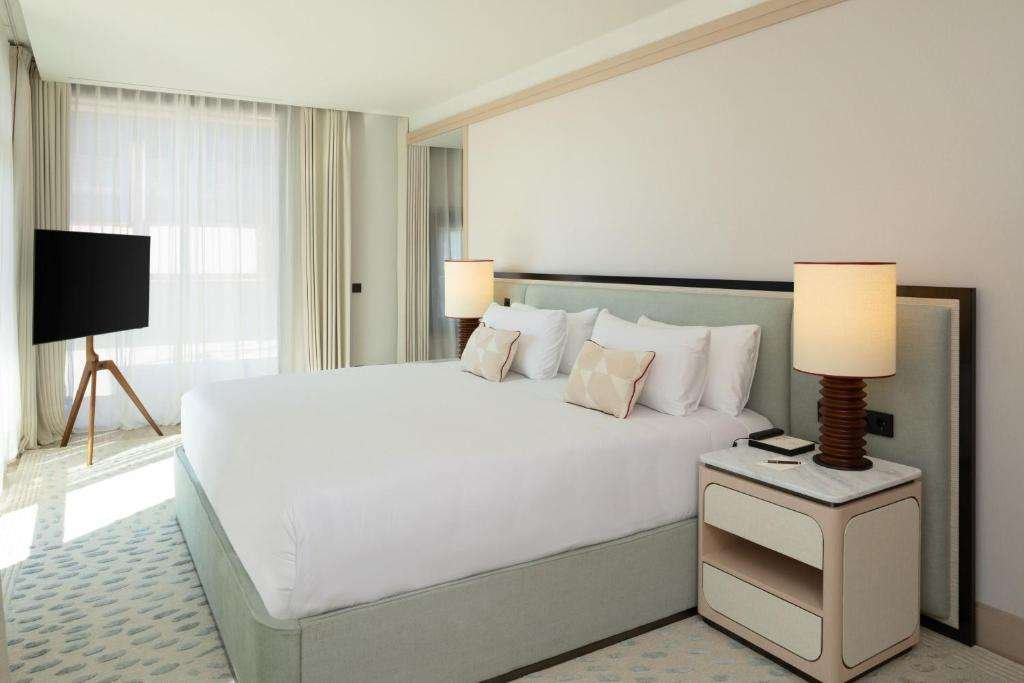
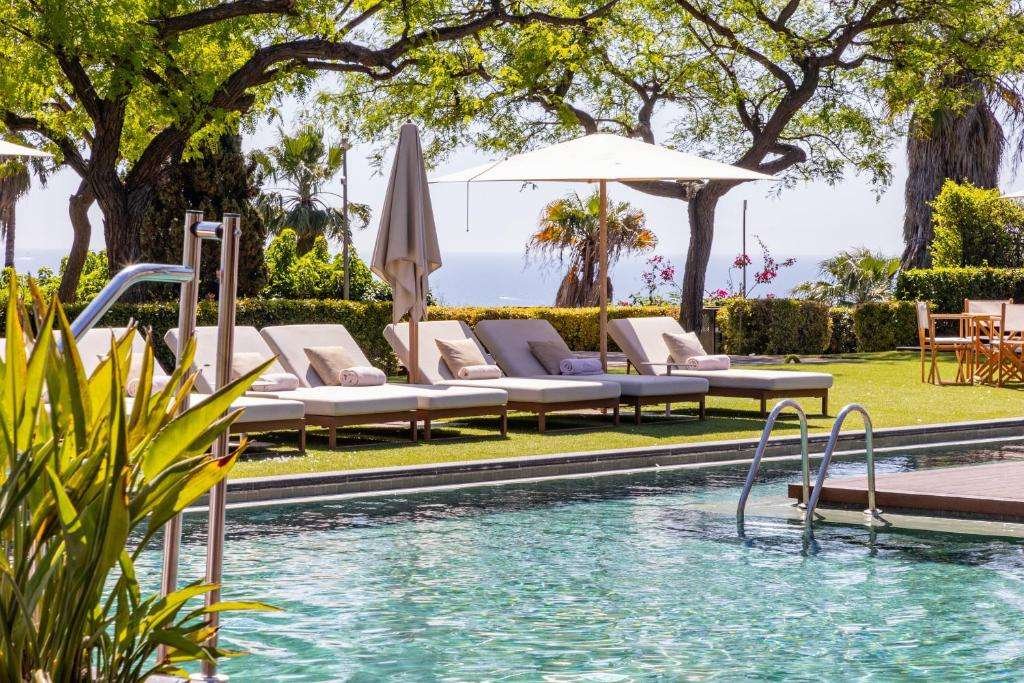
- Mid-range: Hotel Miramar Barcelona – on the Montjuïc hillside above Poble Sec with panoramic views over the port and city. Quieter than anything in the center, with a pool. Requires a taxi or funicular to reach the neighborhood below.
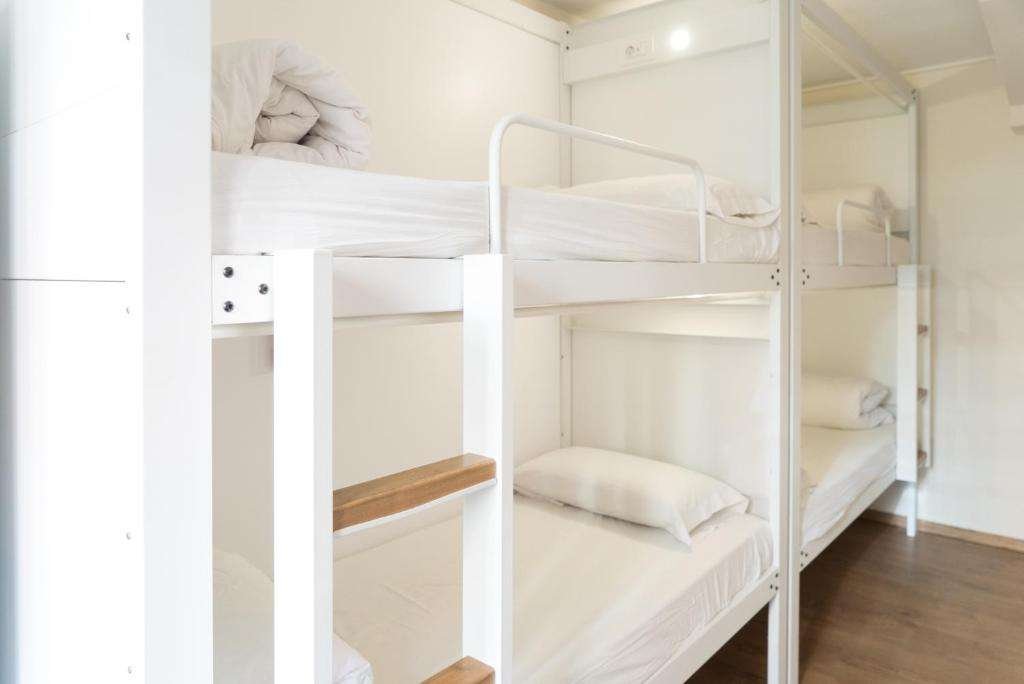
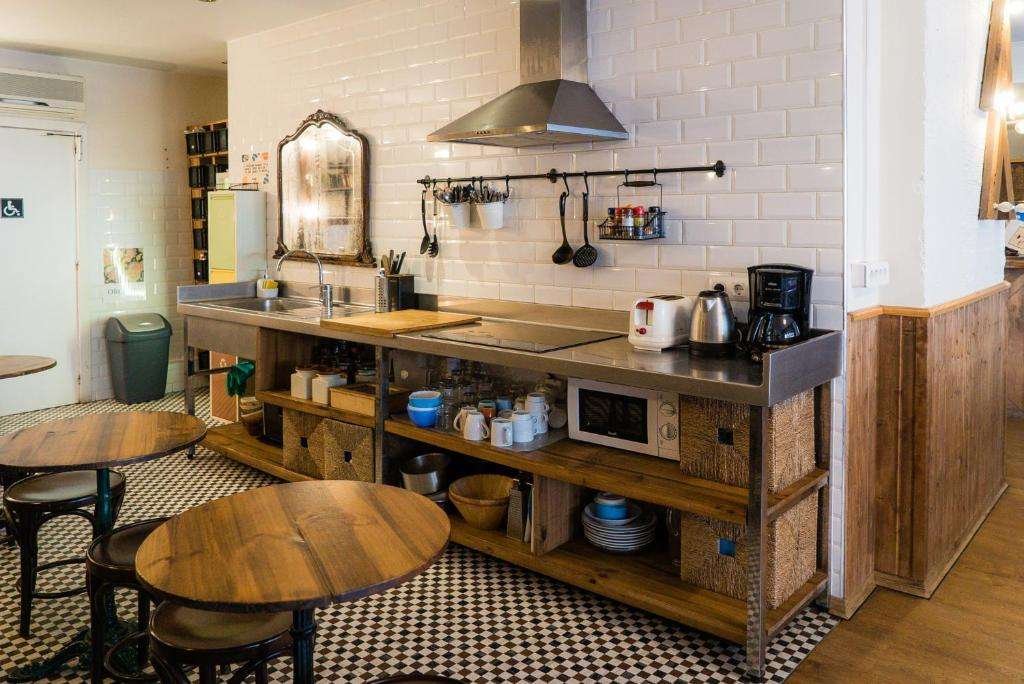
- Budget: Pars Teatro Hostel – well-run hostel on Avinguda del Paral·lel, good social atmosphere, private rooms available. The best budget option in Poble Sec.
Quick Reference: Which Neighborhood For You
| Your priority | Best neighborhood | Backup |
|---|---|---|
| First visit, maximum sightseeing | Gothic Quarter / El Born | Eixample |
| Gaudí buildings | Eixample | Gothic Quarter |
| Local experience, longer stay | Gràcia | Poble Sec |
| Beach access | Barceloneta | – |
| Best value | Poble Sec | Gràcia |
| Families with strollers | Eixample | Gràcia |
| Nightlife | Gothic Quarter / El Born | Barceloneta |
Plan Your Trip
- First Time in Barcelona
- One Day in Barcelona
- 3 Days in Barcelona
- 5 Days in Barcelona
- Barcelona on a Budget
- Foodies Guide to Barcelona
- Barcelona with Kids
- Things to Do in Barcelona
- Day Trip to Tarragona from Barcelona
What is the best neighborhood to stay in Barcelona for a first visit?
The Gothic Quarter or El Born for maximum sightseeing convenience, the Eixample for a quieter base with equally good access. The Gothic Quarter puts you within walking distance of every major sight but means noise until 2:00 AM on street-facing rooms and tourist-priced food outside your door. The Eixample gives you wide, quieter streets, better mid-range restaurants, and the same Metro access to everything – at slightly lower prices than the old city. For a first visit of two to three nights, the Gothic Quarter or El Born justifies the premium. For four or more nights, the Eixample is the more comfortable base.
How far in advance should you book hotels in Barcelona?
Three to four months ahead for July and August, particularly for hotels with rooftop terraces, pools, or rooms facing the Passeig de Gràcia Modernista buildings – these fill earliest. For April to June and September to October, six to eight weeks is usually sufficient for most neighborhoods. Gràcia and Poble Sec have more availability than the Gothic Quarter throughout the year. Winter bookings can be made two to three weeks out with reasonable options still available, and prices drop significantly from November through February.
Is it worth staying in Gràcia instead of the Gothic Quarter?
Yes, for stays of four or more nights. Gràcia is genuinely local in a way the Gothic Quarter is not – restaurants priced for residents, neighborhood squares where people actually live their lives, and significantly less noise at night. The trade-off is a 25-minute walk or two Metro stops to the Gothic Quarter, and 20 minutes from the beach. If your trip is primarily about sightseeing efficiency, the Gothic Quarter wins. If you want to understand how Barcelona actually functions as a city rather than a tourist destination, Gràcia is the better choice.
Is Barceloneta a good area to stay in Barcelona?
Only if beach access is the specific priority. The neighborhood is built for summer – the beach is 50 meters from most hotels, the seafront chiringuitos serve fresh grilled fish, and the coastal cycling path runs directly from here. Outside summer it empties considerably and the limited neighborhood character becomes more obvious. Hotel prices are high relative to room quality – you are paying for the location rather than the accommodation. For budget travelers who want the beach, one block inland from the promenade significantly reduces prices without adding meaningful distance.
What is the cheapest neighborhood to stay in Barcelona without sacrificing location?
Poble Sec offers the best value. Accommodation runs €60 to €130 per night for decent quality – noticeably cheaper than the Gothic Quarter or Eixample equivalents. The Montjuïc Funicular at Paral·lel Metro gives direct access to the Fundació Joan Miró and MNAC. Carrer de Blai has pintxos dinners for €10 to €14. The Gothic Quarter is a 25-minute walk or two Metro stops. The neighborhood is not as well-known as the alternatives which keeps prices honest – the infrastructure is there, it is just less marketed to visitors.
Where to Stay in Barcelona — Neighbourhood & Hotel Map
13 hotels across 5 neighbourhoods. The geographic spread from Montjuic (west) to the Olympic Port (east) makes the trade-offs visible. Click any pin.