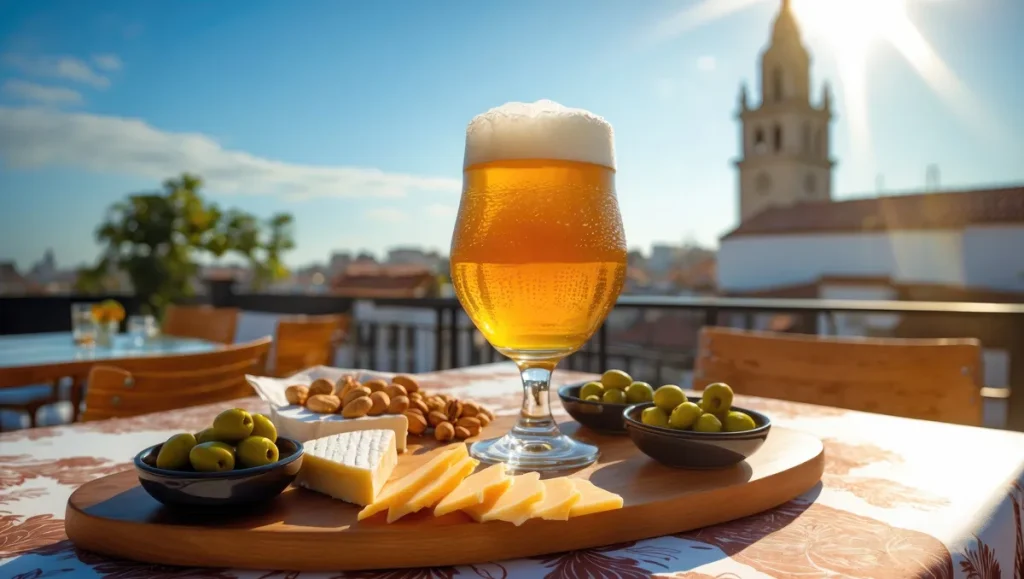
What to eat in Seville is a question best answered by watching what locals actually do rather than reading a menu. They move bar to bar, standing at counters, drinking cold sherry, eating small plates of things that have been cooked the same way for a century. The tapear (tapas crawl) is not a tourist activity here – it is how people actually eat dinner.
The city has two parallel food economies. One is aimed at tourists and runs on laminated menus, photos of food, and waiters standing outside. The other is aimed at locals and runs on handwritten chalkboards, standing room only, and dishes rooted in Moorish-influenced Andalusian cooking that you will not find anywhere else in Spain. This guide covers the second one.
If you are working out the wider budget, the Seville on a Budget guide has the full cost breakdown including dining costs by neighborhood.
The Rules Before You Order
Timing: Lunch starts at 2:00 PM. Dinner does not happen before 9:00 PM and most local kitchens open at 8:30 PM at the earliest. Show up at 7:00 PM expecting dinner and you will find an empty room or a closed kitchen. Use merienda – the 5:00 PM snack – to bridge the gap. A coffee and a pastry at a bar covers it.
Standing vs. sitting: Your posture determines your bill. Standing at la barra (the bar counter) gets you the local price. Sitting at an outdoor table, especially on a plaza facing a monument, adds a surcharge that can double the cost of the same food. The bar is also where the interaction is – you point at what you want, the bartender chalks your tab on the wood, and you pay when you leave.
How to order: You do not order everything at once. One tapa at a time, as you go. It keeps the food hot, prevents over-ordering, and lets you move to the next bar when you are ready.
Paella warning: Paella is from Valencia. If a restaurant in central Seville has a “Paella of the Day” board in eight languages, it is frozen and reheated. If you want rice in Seville, order Arroz Caldoso – a soupy, stewed rice dish that is genuinely Andalusian. See the Seville on a Budget guide for more on avoiding tourist traps.
The Five Dishes That Define Seville
Espinacas con Garbanzos
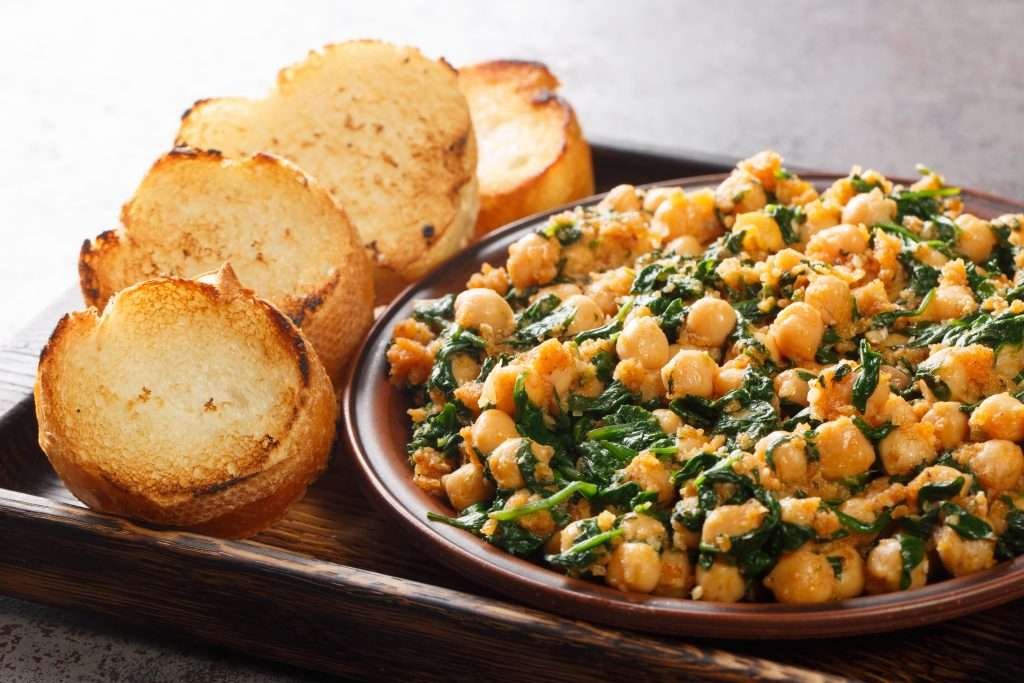
Spinach and chickpeas slow-cooked with cumin, paprika, and fried breadcrumbs. This is the direct culinary legacy of the Moorish occupation of Andalusia and the most important dish on any Sevillian menu. It should be thick, slightly smoky, and rich enough to eat with bread. If it is watery or underseasoned, the kitchen is not taking it seriously. Cost at a local taberna: around €3.
Pringá
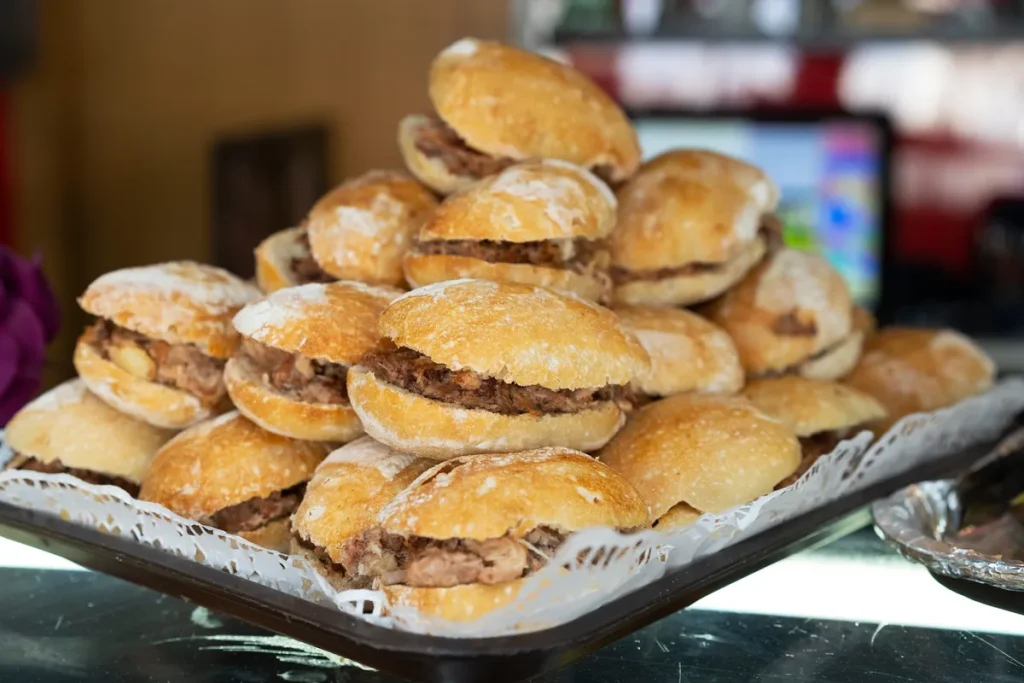
The slow-cooked mash of chorizo, morcilla (blood sausage), pork belly, and beef – the leftover reduction from the traditional cocido stew. Served as a tapa or inside a montadito (small toasted sandwich). Fatty, deeply savory, and specifically Sevillian. Order it as a montadito for €1.50 to €2 and eat it standing.
Carrillada Ibérica
Iberian pork cheek braised in red wine until the meat collapses. It should be soft enough to eat with a spoon. If you need a knife, it has not been cooked long enough. Usually served with a wine reduction sauce. One of the best mid-range tapas in the city at €5 to €8 per portion.
Salmorejo

Cold, thick tomato cream made with bread, garlic, and high-quality olive oil, topped with crispy Iberian ham and hard-boiled egg. Richer and denser than gazpacho – a completely different dish despite the surface similarity. Seville’s summer staple. Around €3 to €4.
Cazón en Adobo

Dogfish marinated in vinegar, oregano, and cumin, then deep-fried. The vinegar marinade cuts through the frying and keeps it clean rather than heavy. A coastal dish that traveled inland and became one of the signatures of Andalusian bar food. €3 to €5.
Where to Eat by Neighborhood
Alfalfa
The best base for eating well without tourist pricing. The neighborhood sits close enough to the Cathedral to be convenient but just far enough that the bars are still calibrated for local customers. High density of traditional tabernas on small streets radiating out from the central plaza.
Casa Morales (Calle García de Vinuesa, 11) has been operating since 1850 and still sells sherry from the original terracotta vats that line the walls. Order montaditos and a glass of manzanilla. Standing at the bar surrounded by those vats costs the same as any other bar in the neighborhood.
Triana
Cross the Isabel II Bridge west of the Cathedral and the atmosphere changes immediately. Triana is the neighborhood of potters, flamenco culture, and the best value eating in Seville. The bars around the Mercado de Triana serve fresher fish and cheaper tapas than anything near the tourist center.
Las Golondrinas in Triana is known specifically for puntas de solomillo – pork tenderloin tips with garlic butter. One of the best-kept recommendations in the city and priced at local rates.
For the full Triana experience: walk the market in the morning, buy local goat cheese and olives from the stalls, eat cazón en adobo at one of the surrounding bars for lunch.
Santa Cruz
The historic core is crowded and some of the bars are tourist-facing, but the narrowest alleys contain bars that have been in the same location for 200 years because no construction crew could ever reach them to change anything. Walk away from the main Cathedral square into the smaller streets and the quality improves significantly.
El Rinconcillo (Calle Gerona, 40)
The oldest bar in Seville, operating since 1670. Dark wood, dusty tiles, waiters in traditional waistcoats. The ritual: walk to the bar, order a glass of dry manzanilla sherry and a plate of jamón ibérico de bellota, watch the waiter chalk your tab on the bar top, pay when you leave and watch them wipe it away. The experience is worth the visit regardless of what you order.
The Drinks
Sherry
Seville sits at the entrance to the Sherry Triangle (Jerez, Sanlúcar de Barrameda, El Puerto de Santa María). Ordering generic “wine” (vino) in Seville is a missed opportunity. Ask for:
- Manzanilla – dry, salty, slightly oxidized. The best pairing for salty tapas. Served cold.
- Fino – similar to manzanilla but produced in Jerez rather than Sanlúcar. Slightly fuller.
- Amontillado – aged further, darker, nuttier. Better with the heavier meat dishes.
A glass of manzanilla or fino at a local bar costs €1.50 to €2.50.
Tinto de Verano
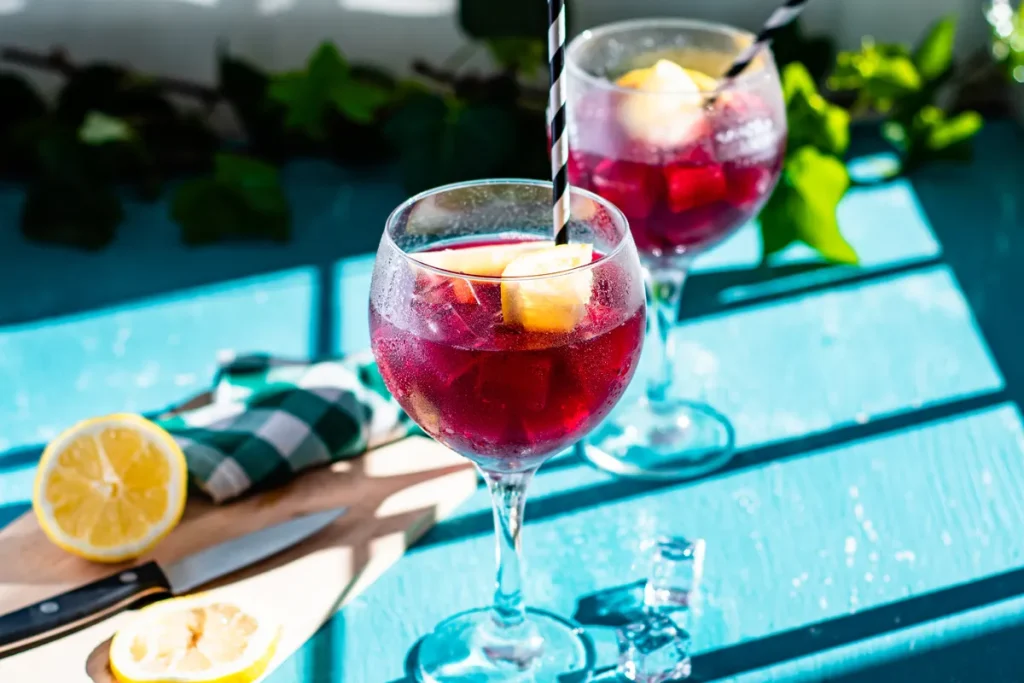
Red wine and lemon-lime soda. Simple, cold, refreshing, and what locals actually drink on hot afternoons. Costs €1.50 to €2.50 at a bar counter. Order this instead of Sangria, which is aimed at tourists and usually overpriced and oversweetened.
Vermouth
Mid-morning vermouth (vermut) is a Sevillian habit between 11:00 AM and 2:00 PM – a pre-lunch ritual with olives or a small tapa. House vermouth at most tabernas costs €2 to €3.
The Sweet Side
Convent Sweets
Cloistered nuns in Seville have been baking to fund their convents for centuries. The Convento de San Leandro near the Alfalfa district operates a wooden rotating tray (torno) through the convent wall – you knock, a voice asks for your order, and the tray returns with yemas de San Leandro (egg yolk pastries). The transaction happens without ever seeing the person serving you. Cost: around €6 to €8 for a small box.
Churros and Chocolate
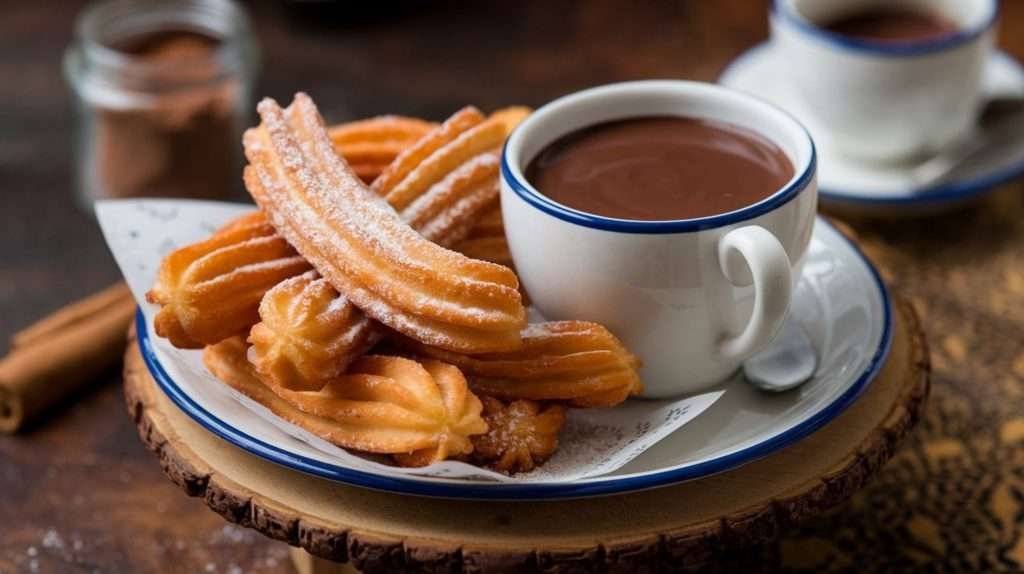
Not a tourist attraction here – an actual local breakfast and afternoon ritual. Find a churrería where the oil is actively bubbling and the locals are standing at the bar. The chocolate should be thick enough to stand a spoon in. If it pours like a liquid, it is the wrong place.
Pestiño
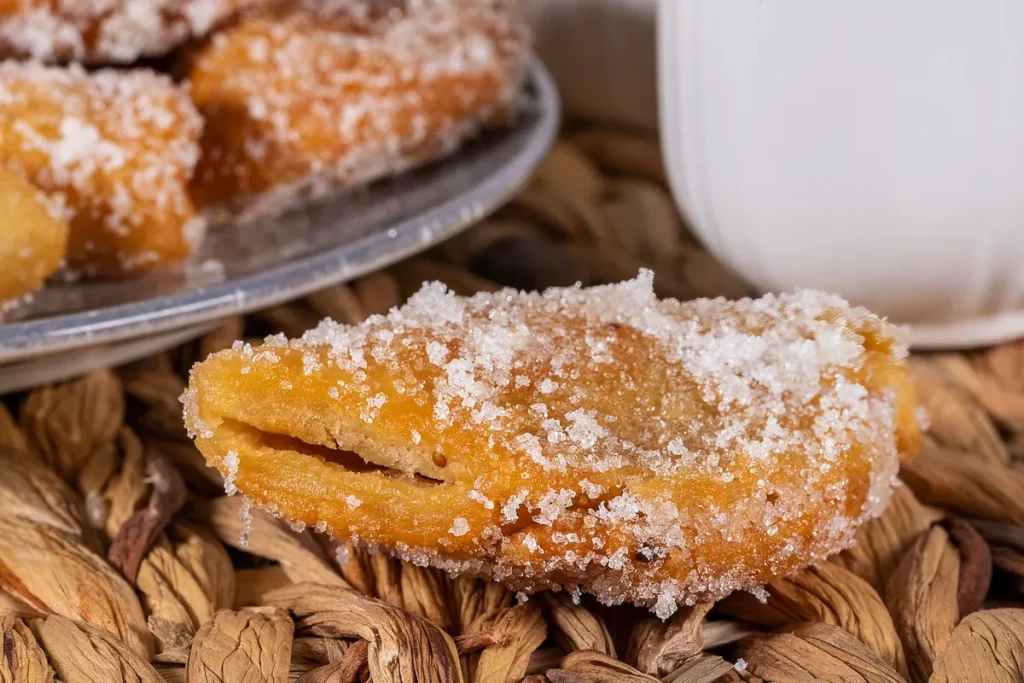
Honey-glazed pastry fried in olive oil, flavored with anise and sesame. A specifically Andalusian sweet most visible during Semana Santa but available year-round in traditional pastry shops and some bars. €1 to €2 each.
Jamón Ibérico: What You Need to Know
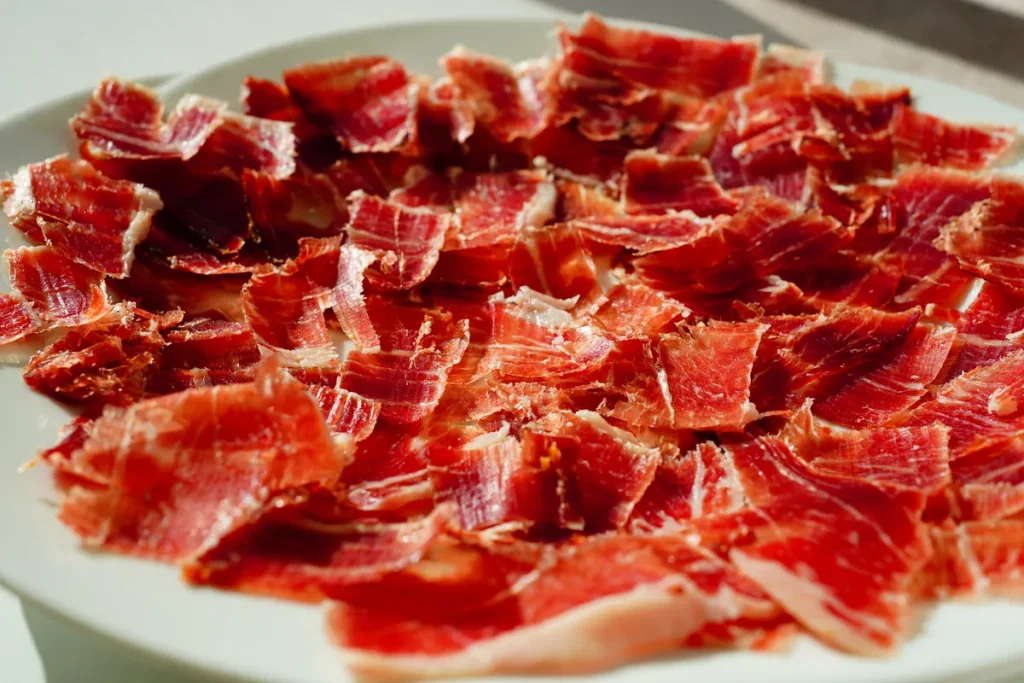
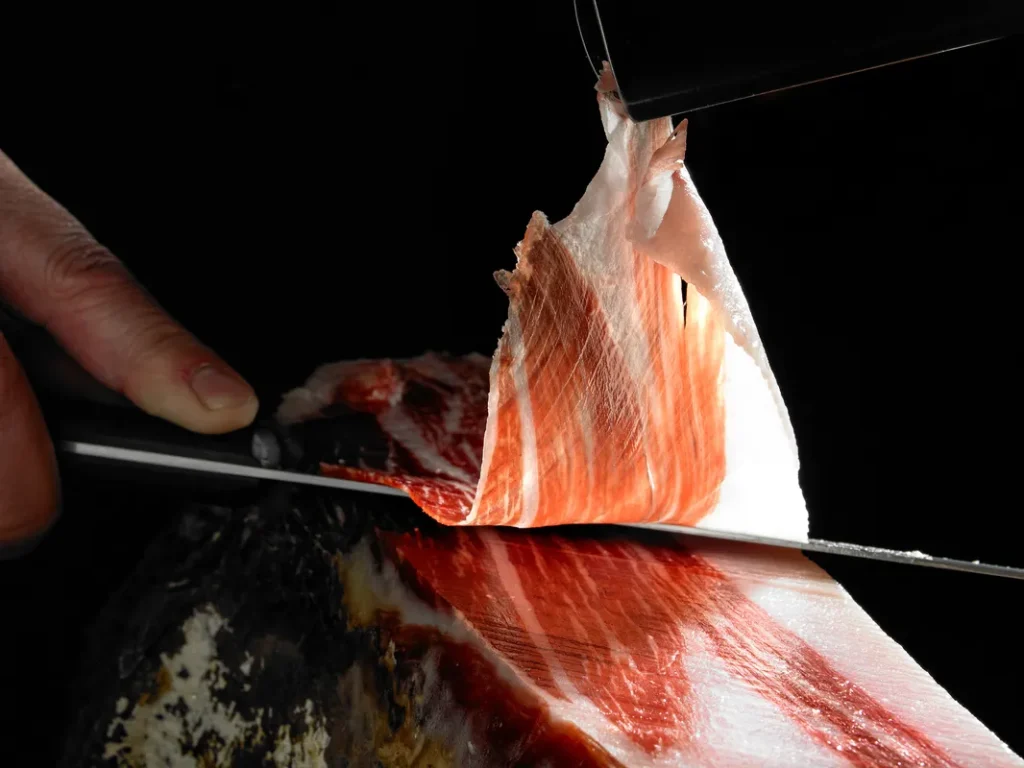
Jamón Ibérico is sold in grades. The grade is determined by the pig’s diet and freedom of movement.
Bellota (acorn) is the top grade. These pigs roam oak forests eating acorns. The fat is liquid at room temperature and carries a nutty, complex flavor that cured ham from supermarkets does not. A full plate of bellota costs €20 to €30.
The budget approach: Order a tapa of jamón ibérico rather than a full plate. €6 to €8 gives you enough to understand what the quality difference is without the full cost.
Do not buy jamón from souvenir shops near the Cathedral. The packaging is designed to look premium but the product rarely is. Buy from a dedicated charcutería or order it at a bar where you can see the leg being cut.
The 48-Hour Eating Plan
Day 1
- 10:30 AM – Vermouth and olives at a bar in Alfalfa: €4
- 2:00 PM – Espinacas con garbanzos and a glass of manzanilla at Casa Morales: €6
- 4:30 PM – Yemas de San Leandro from the Convento de San Leandro: €7
- 9:00 PM – El Rinconcillo: jamón ibérico tapa and manzanilla: €12
Day 2
- 9:00 AM – Churros and chocolate at a local churrería: €4
- 11:00 AM – Mercado de Triana: local cheese and olives from the stalls: €5
- 2:00 PM – Cazón en adobo and Tinto de Verano at a bar near the Triana market: €7
- 9:30 PM – Las Golondrinas: puntas de solomillo and house wine: €14
Plan Your Trip
- Seville on a Budget
- Things to Do in Seville
- Where to Stay in Seville
- 3 Days in Seville
- First Time in Seville
- 7 days in Andalusia itinerary
What is the most famous food in Seville?
Espinacas con garbanzos – spinach and chickpeas slow-cooked with cumin, paprika, and fried breadcrumbs – is the dish most associated with Seville specifically. It is on almost every traditional taberna menu, costs around €3, and is a direct legacy of the Moorish period in Andalusia. Beyond that, salmorejo (cold thick tomato cream with Iberian ham) and pringá (slow-cooked meat mash served in a small sandwich) are the two other dishes you will not find done as well anywhere outside the city.
How does the tapas system work in Seville?
You move between bars rather than sitting at one restaurant for a full meal. At each bar you stand at the counter, order one or two tapas and a drink, pay, and move on. The bar price is always lower than the table price – sometimes significantly. Most locals eat dinner across three or four bars between 9:00 PM and midnight. There is no set number of stops and no formal structure. The only rule is to stand at the bar and order one thing at a time.
What should you drink in Seville?
Manzanilla or fino sherry – dry, cold, and salty – is the correct local pairing for tapas. A glass costs €1.50 to €2.50 at a bar counter. For something longer, order Tinto de Verano (red wine and lemon soda) rather than Sangria, which is aimed at tourists and overpriced everywhere in the center. Mid-morning vermouth between 11:00 AM and 2:00 PM is also a local habit worth adopting – €2 to €3 with olives.
Is paella a traditional food in Seville?
No. Paella is from Valencia, not Andalusia. Any restaurant in central Seville advertising paella as a daily special is serving a frozen or reheated version aimed at tourists who do not know the difference. If you want a traditional Sevillian rice dish, ask for arroz caldoso – a soupy, stewed rice with seafood or meat that is genuinely local to the region.
When do locals eat dinner in Seville?
Dinner in Seville starts at 9:00 PM and most local kitchens do not open before 8:30 PM. Arriving at a restaurant at 7:00 PM will get you an empty room or a closed kitchen. The gap between lunch (2:00 PM) and dinner is covered by merienda at 5:00 PM – a coffee and a pastry at a bar. This schedule is not flexible in traditional tabernas; it is simply how the city operates.
What to Eat in Seville — Food Map
Tapas bars, markets, and specialty stops. Click any pin for what to order and what it costs.