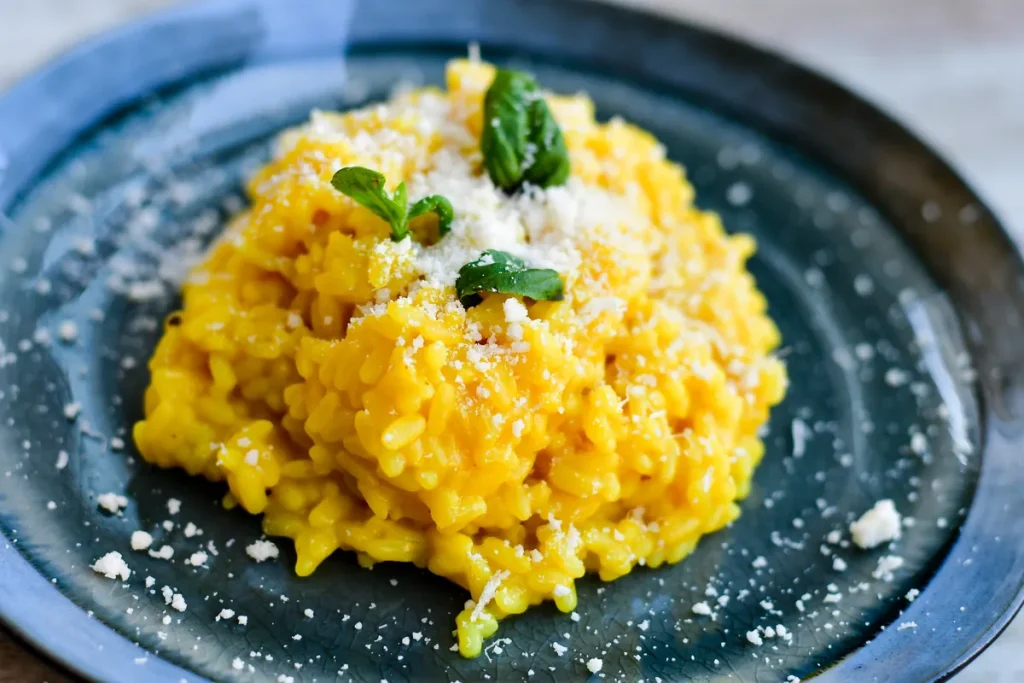
What to eat in Milan is a different question from what to eat in Rome or Naples. Lombardy’s food is built on butter, rice, veal, and slow braises – not olive oil, tomato, and pasta. The defining dishes are risotto cooked with saffron and bone marrow, a bone-in veal cutlet fried in clarified butter, and a braised veal shank that takes three hours to cook properly. The aperitivo culture between 6:30 and 9:00 PM functions as a social meal in itself – a drink plus food, standing up, for €10-15. The pranzo di lavoro fixed lunch (€12-15 for two courses, water, and espresso) is how the city eats at midday and is the best value in Milan for visitors. This guide covers the dishes worth ordering, the neighborhoods where the food is actually good, and the specific places that are worth your time.
Before eating your way through Milan, the best things to do in Milan covers how to structure your days so the food fits around the sights. For keeping costs manageable, Milan on a budget covers the pranzo di lavoro system in detail alongside free museum days and transport.
How Milanese Dining Actually Works
Aperitivo (6:30 PM – 9:00 PM)
The most important dining concept in Milan. Between 6:30 and 9:00 PM, bars across the city serve drinks alongside food – the food either brought to your table as a piattino (small plate of cured meats, cheese, focaccia, olives) or laid out as a buffet. You pay for the drink; the food is included or heavily subsidized.
In tourist-facing bars along Naviglio Grande and in Brera’s main streets, the aperitivo has eroded – you pay €12-15 for a drink and get minimal food. In Isola, Porta Romana, and residential streets in any direction away from the center, the original version still functions: €8-10 for a Negroni or Spritz with a genuine selection of food that constitutes a light dinner.
The distinction matters: a well-executed aperitivo in the right bar is dinner. A tourist-facing aperitivo near the canal is an expensive drink with garnish.
Pranzo di lavoro (12:00 PM – 2:30 PM)
Fixed-price working lunch served at neighborhood bars and trattorias. Two courses (typically pasta or risotto followed by meat or fish), bread, water or wine, and espresso for €10-13. This doesn’t exist in the tourist center around the Duomo – it exists in Isola, Porta Romana, and around the universities. It’s the same kitchen that does dinner; the price is roughly half.
Kitchen hours
Lunch service: 12:30 PM to 2:30 PM. Dinner: 8:00 PM to 10:30 PM. Unlike Rome and Naples, Milanese kitchens close at their stated time. Showing up at 2:45 PM for lunch or 11:00 PM for dinner will not work.
The Dishes
Risotto alla Milanese
The defining dish of the city. Saffron risotto cooked with beef stock (not vegetable) and finished with beef bone marrow (midollo) stirred in off the heat alongside cold butter and Grana Padano or Parmigiano-Reggiano. The marrow dissolves into the rice and adds a depth and richness that makes the saffron flavor rounder and less sharp.
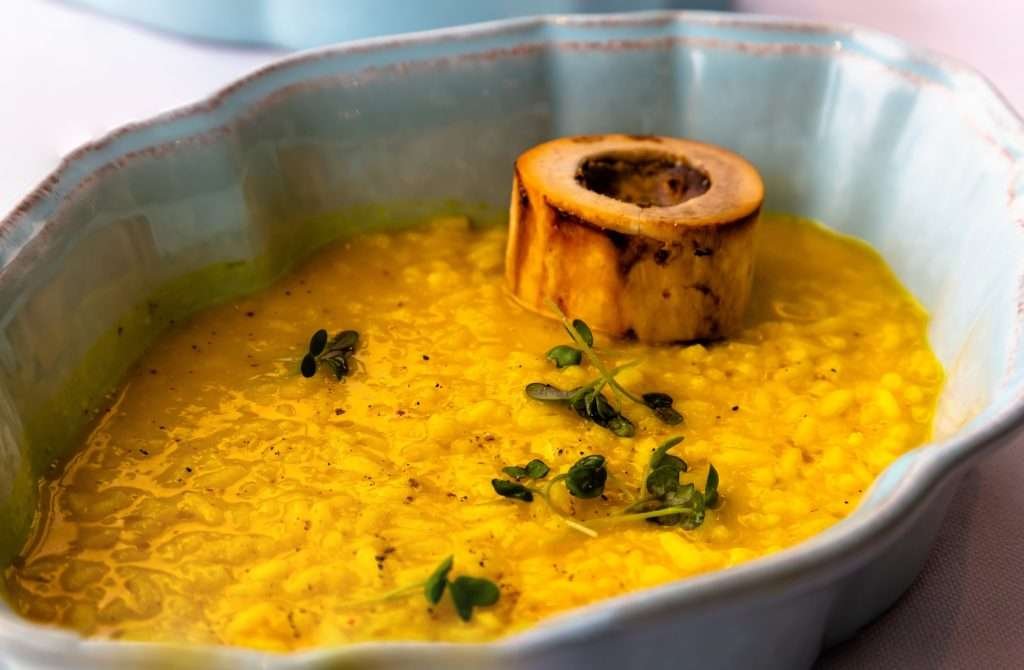
The correct texture is all’onda (wavy) – if you tilt the plate, the risotto should move slowly like a wave, not hold its shape. A dense mound is overcooked or has too little liquid. A risotto that spreads flat immediately has too much. The right result flows but doesn’t run.
Served in two ways: as a standalone dish (typically the primo course), or alongside Ossobuco alla Milanese as the combination the city considers its signature pairing.
Price at a proper trattoria: €18-24. At a tourist-facing restaurant near the Duomo: potentially more for worse execution.
Cotoletta alla Milanese
A bone-in veal chop, cut thick, dipped in beaten egg, coated in fresh breadcrumbs, and fried in clarified butter until the exterior is deeply golden and crisp. The bone must be present. The veal must be milk-fed (vitello). The version without the bone – thinner, sometimes made with pork – is a different thing entirely and not the correct dish.
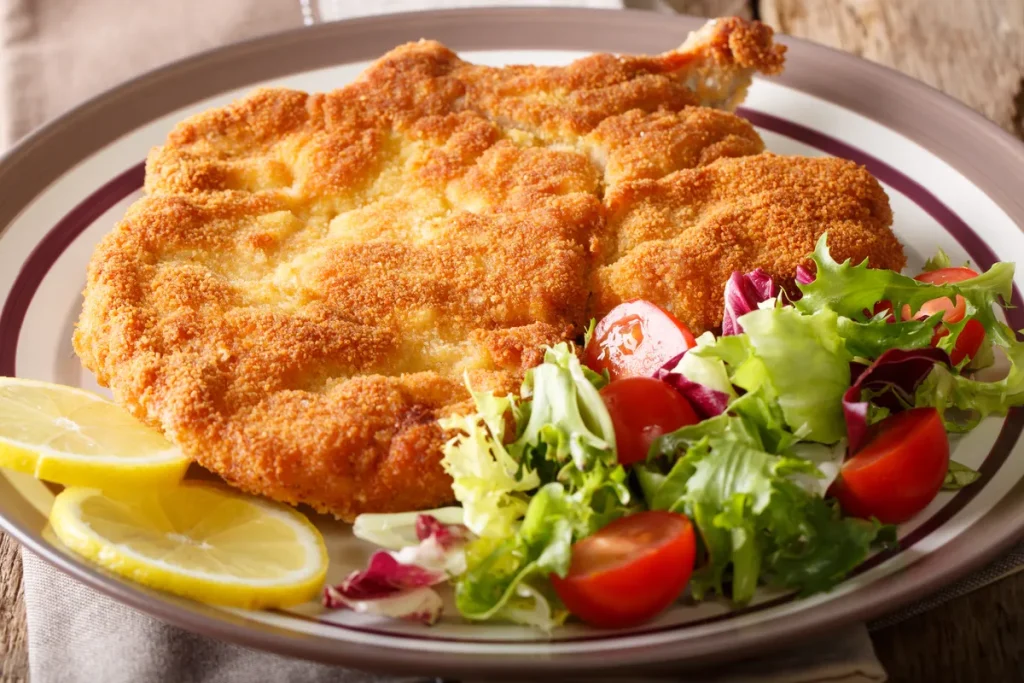
When served correctly, the cotoletta covers most of the plate. The exterior is crunchy; the meat close to the bone is slightly pink and juicy. A lemon wedge comes alongside. No sauce.
The dispute between Milan and Vienna about which came first (the Wiener Schnitzel or the cotoletta) has been running since the 19th century and is not resolved. Milanese chefs are sensitive about it; don’t raise it unprompted.
Price: €18-26 at a serious trattoria.
Ossobuco alla Milanese
Cross-cut veal shank braised with white wine, carrots, celery, onion, and broth for 2.5-3 hours until the meat falls from the bone and the marrow in the central canal softens completely. Finished with gremolata – a mixture of finely chopped lemon zest, garlic, and parsley scattered over the top, which cuts the fat and lifts the dish. The tiny specialized spoon (esattore) used to scoop the marrow from the bone comes with the dish.
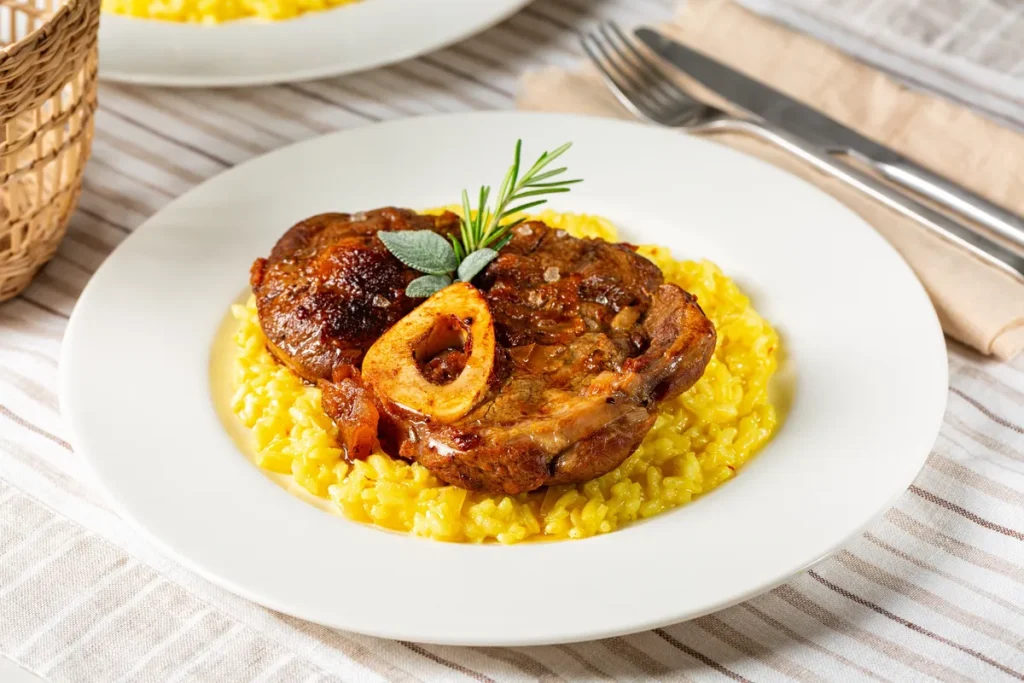
The correct accompaniment is Risotto alla Milanese. The combination of the braising juices, the marrow, and the saffron rice is the canonical Milanese meal.
Price: €22-30 for the combined Ossobuco con Risotto at a proper restaurant.
Cassoeula
A winter dish only, appearing from November through February. A slow-cooked stew of savoy cabbage with secondary pork cuts: ribs, rind, ears, snout, and verzini (small pork sausages). The cabbage must have been through at least one frost to lose its bitterness – a requirement that limits the dish to genuine winter production.
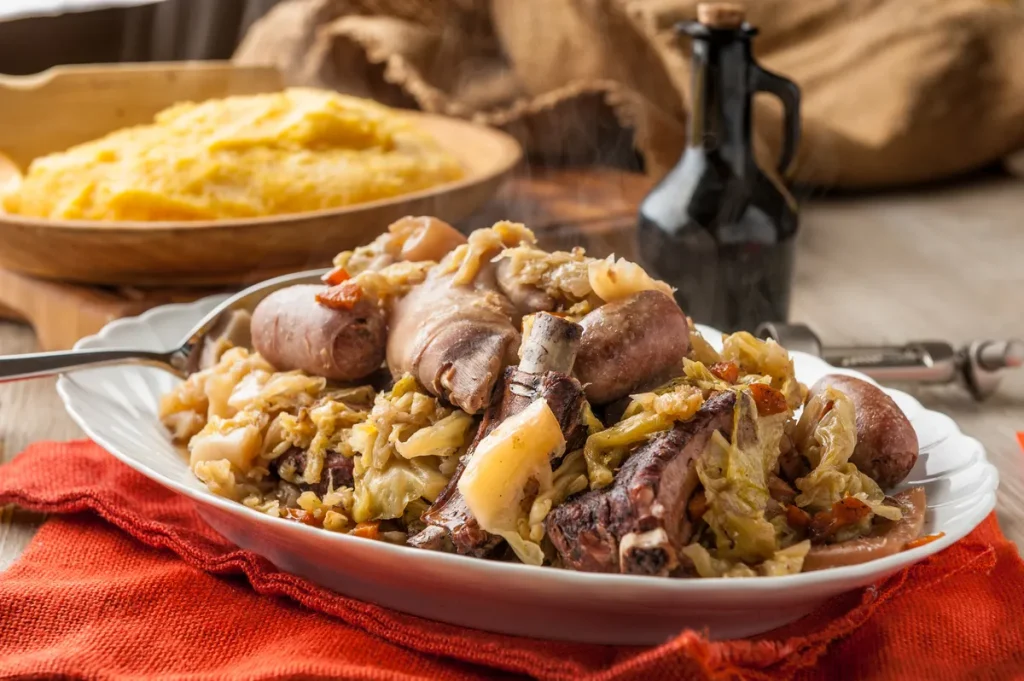
Cooked for 2-3 hours, the collagen from the pork rind makes the broth gelatinous and thick. Served on yellow polenta. Not a dish for travelers who want to know what parts of the pig they’re eating; very much a dish for travelers who want to eat something that doesn’t exist anywhere else.
Pairs with Valtellina wines (Nebbiolo-based reds from the Alpine valley north of Milan) – Inferno, Grumello, or Sassella designations.
Available: November through February at traditional trattorias. Not a summer menu item. If you see it in July, it’s from frozen stock.
Panettone
The Christmas bread of Milan, though serious pasticcerie make it year-round. Made with lievito madre (sourdough starter, not commercial yeast), the fermentation takes 36-72 hours across multiple stages. The result is enriched with butter, egg yolks, candied orange and citron peel, and raisins. When sliced, the interior should be open-crumbed, feather-light, and yellow from the egg yolks.
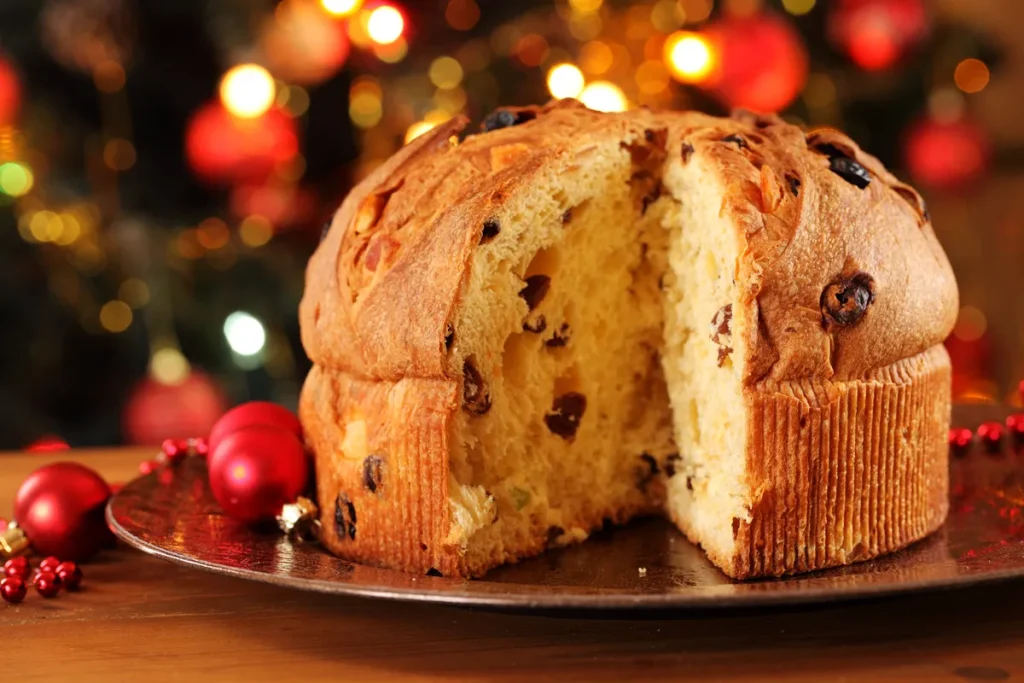
The mass-produced cardboard-box version sold across Italy and exported globally bears a family resemblance to the artisanal product. The artisanal version is €25-45 for a whole panettone at a serious pasticceria. A slice with morning coffee is €3-5.
Specific Places Worth Knowing
Pasticceria Marchesi 1824
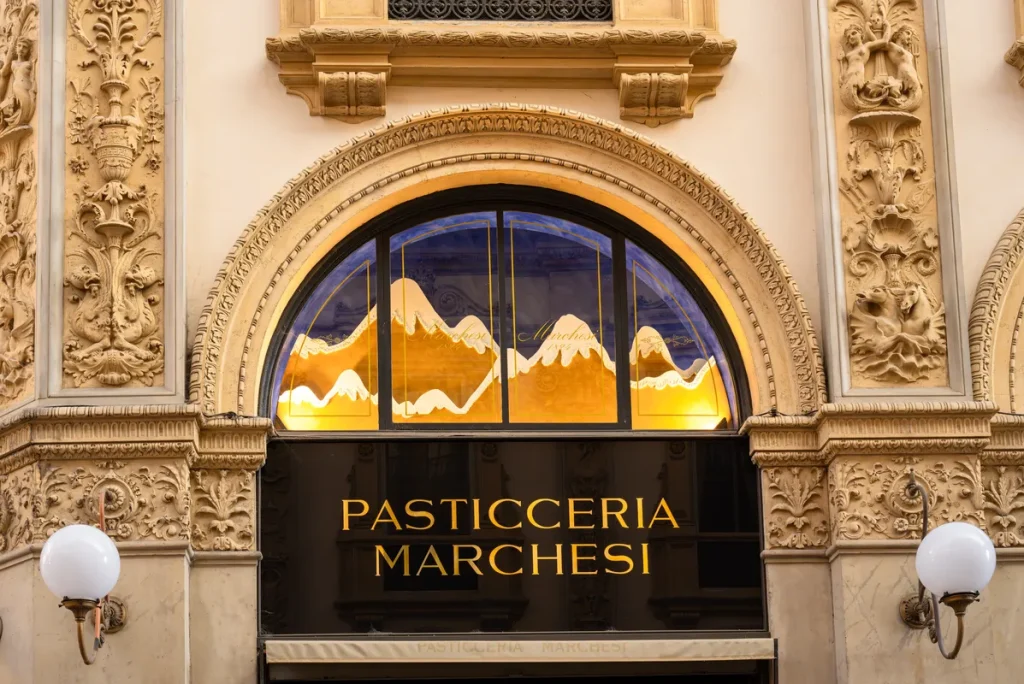
Via Santa Maria alla Porta 11a (original location – not the Galleria branch, which has tourist pricing). Historic wood interiors, glass cases with chocolates and pasticceria mignon (miniature pastries), and a counter where the morning espresso and cornetto ritual plays out. Open from 8:00 AM. Stand at the bar – the table service costs more and slows down what should be a 5-minute stop.
Pasticceria Cucchi
Corso Genova 1, open since 1936. A Navigli-area institution with mid-century interiors and consistently good pastries. The Marocchino – a small glass with a base of cocoa powder, a shot of espresso, and a cap of frothed milk – is the Milanese alternative to a cappuccino and is done correctly here. Slice of panettone and a Marocchino: €6-8.
Luini
Via Santa Radegonda 16, near the Duomo. Open since 1954, making one thing: panzerotti. A panzerotto is a half-moon of leavened dough filled with tomato and fresh mozzarella (or spinach and ricotta), sealed, and deep-fried until the exterior blisters and the cheese inside is molten. Costs under €5. The queue looks long and moves fast – 10 minutes from the back of the line to food in hand. Eat immediately standing on the pavement. The cheese is at peak temperature for about 90 seconds after it comes out of the oil.
Antica Trattoria della Pesa
Viale Pasubio 10, open since 1880. The reference address for traditional Milanese cooking. Risotto alla Milanese, Ossobuco con Risotto, Cotoletta, Cassoeula in winter. The room is wood-paneled and unhurried. Reserve for dinner. A full meal with wine: €45-60 per person.
Camparino in Galleria
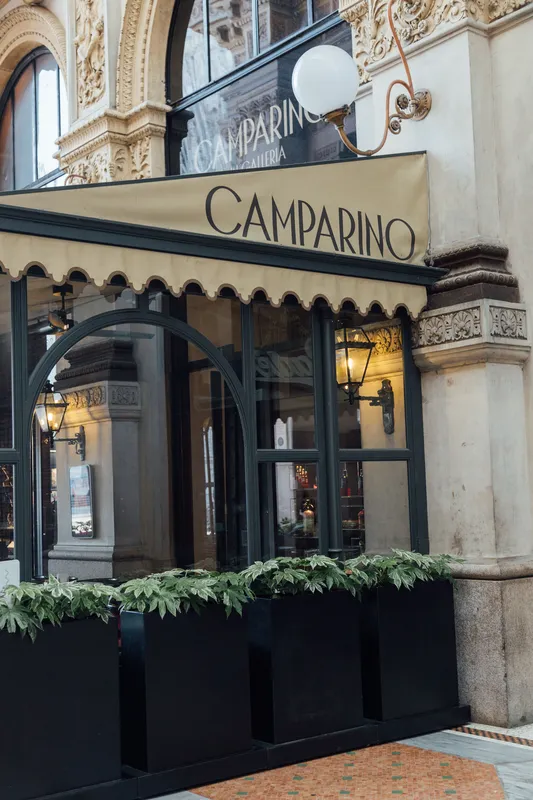
Piazza del Duomo 21, at the Duomo entrance to the Galleria Vittorio Emanuele II. Campari was invented in Milan in 1860 by Gaspare Campari; this bar has been at this address since 1867. The Campari Shakerato (Campari shaken hard with ice and strained into a coupe, frosty and slightly diluted) is the thing to order. It costs more than a Campari anywhere else in the city and the location is the point. Stand at the historic mahogany bar. One drink.
Mag Café
Ripa di Porta Ticinese 43, Navigli. One of the bars in the canal area that does aperitivo correctly – a curated piattino of actual food rather than a stale buffet, and a cocktail program that takes bitters and vermouth seriously. Slightly back from the main canal path.
Neighborhoods for Food
Brera
The most walkable neighborhood for a sit-down dinner. Long-standing trattorias on the cobblestone side streets do the classic Milanese dishes without tourist-menu pricing. Latteria di San Marco on Via San Marco is the neighborhood reference – small, no reservations, cash only, lunch and early dinner only.
Isola
The best neighborhood for the aperitivo as it’s supposed to work. Bars on Via Borsieri and the streets off Via Carmagnola serve genuine food with drinks at prices below the canal area. The local crowd is 30-something Milanese rather than tourists, which is the most reliable indicator of where the aperitivo quality is real.
Navigli (with caveats)
The canal-side bars on Naviglio Grande are tourist-facing in summer and the aperitivo quality reflects it. Moving two streets back into the Porta Genova residential grid normalizes both the price and the food. The morning produce market along Naviglio Grande (last Sunday of the month for the antique market; every day for food at the Via Casale end) is worth visiting for the cheese and cured meat stalls.
Porta Romana
Consistently the best-value neighborhood for a sit-down lunch. The fixed-price working menus here run €11-13 and the restaurants are serving the neighborhood, not tourists. Via Bligny and the streets around Piazza Medaglie d’Oro have the highest concentration.
Drinks
Campari and the Negroni
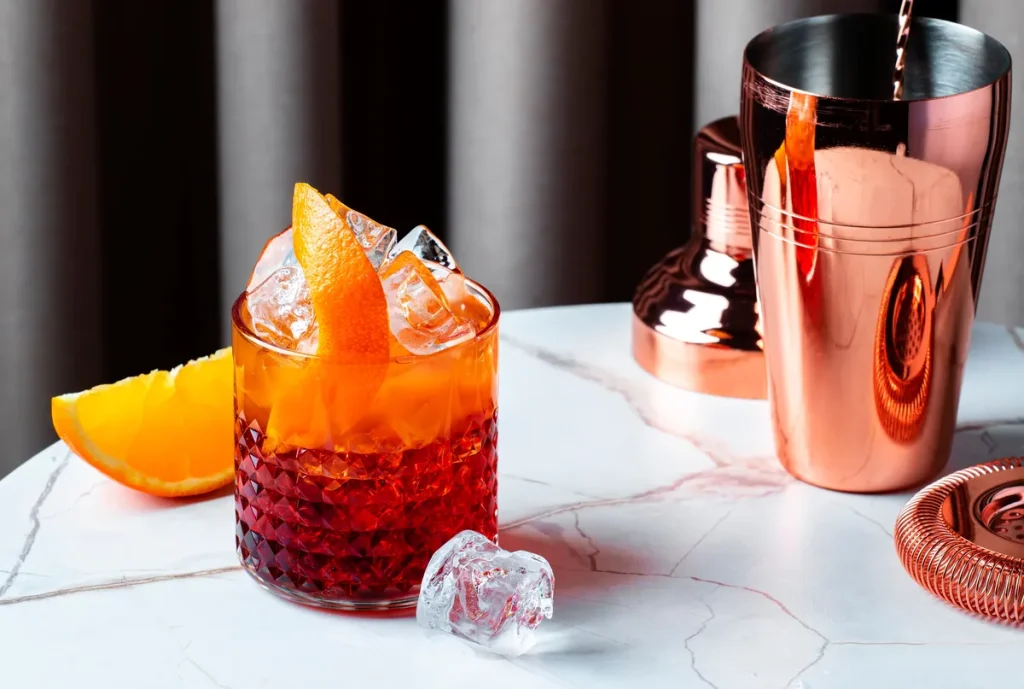
Campari was invented in Milan in 1860 by Gaspare Campari, who ran a bar in the Galleria. A Negroni (equal parts Campari, sweet vermouth, gin, stirred with ice) is the city’s cocktail. A Campari Soda (Campari, soda water, slice of orange) is the lighter version. Bitter, botanical, and slightly medicinal – this is the flavor profile of the city’s aperitivo culture.
Franciacorta
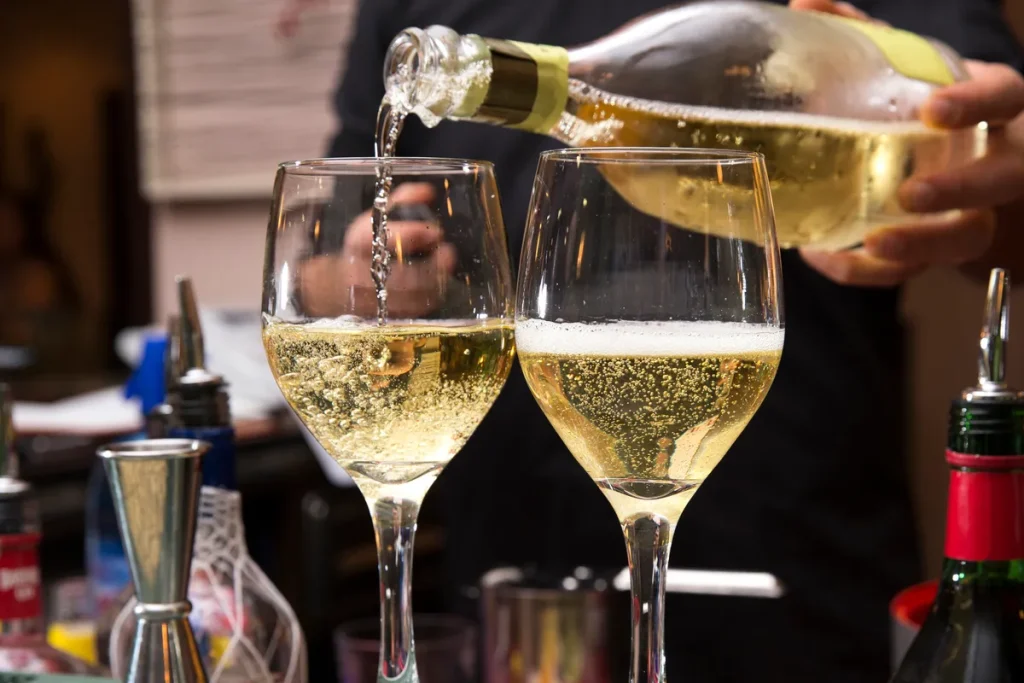
Milan’s answer to Champagne. Produced in the Brescia hills 90 minutes east of the city using the same method as Champagne (secondary fermentation in bottle) with Chardonnay and Pinot Nero grapes. Bone dry, complex, appropriate for the butter-heavy food of the city in a way that Prosecco is not. At a serious restaurant, order Franciacorta by the glass (€10-16) rather than Prosecco. The extra cost is justified by the quality gap.
Valtellina reds
The wines from the Valtellina valley north of Milan (Inferno, Grumello, Sassella, Valgella DOC designations) are made from Nebbiolo grown on Alpine terraces. High acid, significant tannin, and the proper pairing for Cassoeula, Ossobuco, and Cotoletta. Less well-known outside the region than Barolo and Barbaresco (also Nebbiolo) and frequently underpriced relative to quality.
What to Skip
Restaurants on Piazza del Duomo with outdoor seating. You are paying for the chair position, not the kitchen. Same food as a trattoria in Porta Romana costs €15 more per plate.
Aperitivo buffets on the main Naviglio Grande path in summer. Stale pasta, lukewarm arancini, and €13 Spritz. The equivalent experience in Isola costs €9 and the food is fresh.
Any restaurant with a menu featuring Spaghetti Carbonara, Pizza Napoletana, and Lasagna Bolognese alongside “Milanese dishes.” This kitchen is not cooking Milanese food – it’s cooking Italian tourist food that happens to have a Cotoletta on the menu as a hedge.
The Galleria terrace restaurants for dinner. One drink at Camparino at the bar; walk 10 minutes for food.
Plan Your Trip
- First Time in Milan
- 25 Things to Do in Milan
- 3 Days in Milan
- Milan on a Budget
- Milan vs Rome
- Day Trip to Cinque Terre from Milan
What is the most important dish to eat in Milan?
Risotto alla Milanese – specifically the version cooked with bone marrow (con midollo) at a proper trattoria. This is the dish that defines Milanese cooking and has no equivalent elsewhere in Italy. If you eat only one sit-down meal in Milan, order this.
Is the aperitivo really a meal replacement?
At a well-executed aperitivo in Isola or Porta Romana, yes – the food volume is sufficient for a light dinner and the combined cost (€8-12 per drink) is less than a sit-down primo course alone. In tourist-facing bars, no – you’re getting a drink with garnish.
Where is the best Cotoletta in Milan?
Antica Trattoria della Pesa is the most consistently cited address. Trattoria da Pino in the Brera area and Al Mercato (for a more contemporary interpretation) also have strong reputations. The dish takes time to prepare – don’t order it if you’re in a rush.
What is the difference between Cotoletta and Wiener Schnitzel?
Primarily the bone: a true Cotoletta alla Milanese must be on the bone and is cut thicker than a Schnitzel. The Schnitzel is typically boneless and thinner. Both use breadcrumbs and are fried, but the Cotoletta uses clarified butter specifically and the bone-in cut means the cooking temperature and time differ. The historical relationship between the two dishes is disputed and has been since the 19th century.
When can I get Cassoeula?
November through February only. The dish requires frost-exposed savoy cabbage and is a winter preparation. Any restaurant serving it in summer is using frozen or preserved cabbage and the result is different. If Cassoeula is on your list, plan your visit accordingly.
What to Eat in Milan — Food Map 2026
Butter, risotto, veal, slow braises. The aperitivo as dinner. The pranzo di lavoro at half dinner price. The districts where it actually works. Click any pin.