
Madrid is not merely a city you visit; it is a city you devour. While other European capitals might boast about their delicate, tweezered, Michelin-starred tasting menus, the culinary soul of Spain’s capital is rooted in something much more profound: comfort, noise, tradition, and an absolute obsession with high-quality, unpretentious ingredients. In this guide, we will explore what to eat in Madrid.
Because Madrid is geographically located dead in the center of the Iberian Peninsula, it has historically acted as a culinary magnet. For centuries, merchants, politicians, and workers from every corner of Spain brought their regional recipes to the capital. Today, you can eat the finest seafood from the rugged coasts of Galicia, the most intricate pintxos from the Basque Country, and the most vibrant paellas from Valencia, all without ever leaving the city limits. But alongside these imported treasures, Madrid has fiercely guarded its own hyper-local, deeply comforting cuisine.
If you are a First Time in Madrid visitor, the sheer volume of bars, restaurants, taverns, and markets can be entirely overwhelming. You will quickly learn that eating here is not just about sustenance; it is a marathon social event that dictates the rhythm of daily life. This comprehensive, deep-dive guide will walk you through exactly what to eat, when to eat it, and how to order like a true Madrileño.
Chapter 1: The Breakfast Ritual (El Desayuno)
If you are expecting a massive buffet of scrambled eggs, bacon, and endless pancakes, you need to adjust your expectations immediately. The traditional Spanish breakfast is a fleeting, simple affair designed simply to jumpstart your system before the much more important meals later in the day.
Churros and Porras con Chocolate You cannot talk about breakfast in Madrid without paying homage to the churro. However, you must forget everything you know about the cinnamon-sugar-coated, theme-park version of this pastry. In Madrid, authentic churros are piped directly into screaming hot olive oil, fried until golden and blistered, and served completely unsweetened. The magic happens when you submerge them into a mug of hot chocolate that is so thick, dark, and rich that it borders on being a hot pudding.
Understanding what to eat in Madrid is essential for any food lover.
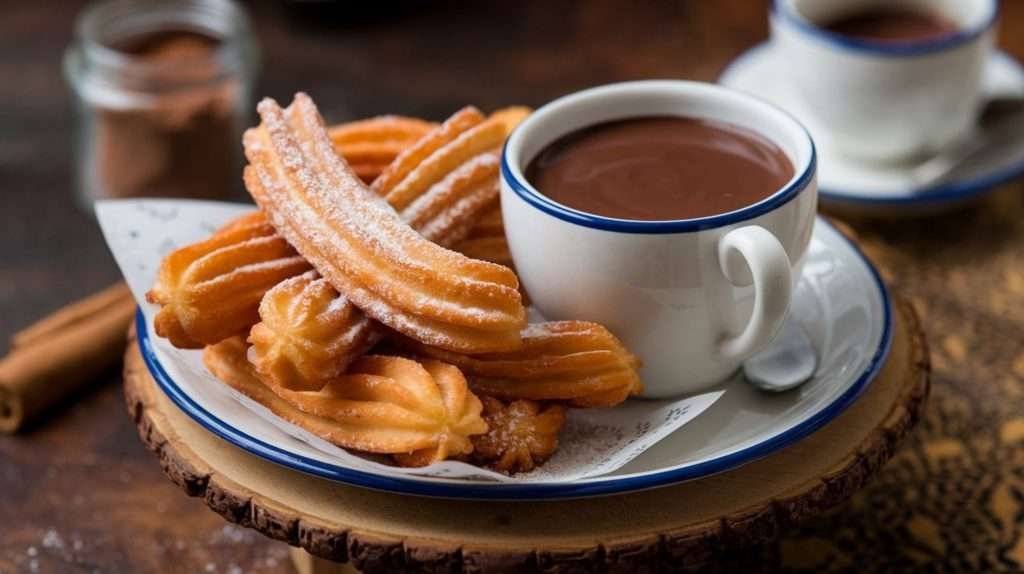
While churros are the internationally recognized star, locals often prefer their thicker, more robust cousin: the porra. Porras use a slightly different batter with more yeast and baking soda, resulting in a thicker, airier, and slightly saltier dough wand that acts as the ultimate sponge for the molten chocolate.
The most legendary spot to experience this is Chocolatería San Ginés, a beautiful, mirror-lined cafe that has been serving churros since 1894 and is open 24 hours a day. If you want a less tourist-heavy experience, seek out Chocolat Madrid in the Barrio de las Letras. For a perfectly timed breakfast stop, you can follow the exact morning routing in my 5 Days in Madrid: The Perfect Itinerary for Art, Churros & Rooftops (2026) guide.
Pan con Tomate If you want to eat exactly like a local professional on their way to the office, you order tostada con tomate (toast with tomato). This is a masterclass in simplicity. A crusty baguette is sliced and toasted, then generously drizzled with high-quality extra virgin olive oil. It is then topped with a layer of freshly crushed, raw tomatoes, a sprinkle of sea salt, and perhaps a thin slice of premium jamón ibérico. Paired with a café con leche (half espresso, half steamed milk), it is the undisputed champion of everyday Spanish breakfasts.

Chapter 2: The Mid-Morning Bridge and the Great Tortilla Debate
Because Spaniards eat dinner late, they eat lunch late (usually between 2:00 PM and 4:00 PM). To bridge the massive gap between a light 8:00 AM breakfast and a 3:00 PM lunch, the almuerzo (mid-morning snack) was born. Around 11:30 AM, you will notice construction workers, bank tellers, and shop owners crowding into local corner bars.
Tortilla de Patatas (Spanish Omelet) This is the moment for the Tortilla de Patatas. Do not confuse this with a flat Mexican corn tortilla. The Spanish tortilla is a dense, glorious omelet made of slowly poached potatoes, high-quality olive oil, and eggs.

However, beneath this simple recipe lies the most fiercely debated culinary topic in Spain: the inclusion of onions. The country is fundamentally divided into two warring factions. The Concebollistas believe that slowly caramelized onions are essential for adding sweetness and moisture to the tortilla. The Sincebollistas argue that onions mask the pure, unadulterated flavor of the egg and potato, and consider their inclusion an absolute culinary crime.
Furthermore, a true Madrid-style tortilla is not cooked all the way through like a dry cake. It should be melosa or poco cuajada-meaning the center is still slightly runny and gooey, spilling out onto the plate when cut. If you want to be within walking distance of the best tortilla spots in the city (like Casa Dani in the Salamanca neighborhood), make sure to consult my breakdown on Where to Stay in Madrid: Best Areas & Hotels for First Timers (2026).
Chapter 3: The Unofficial Sandwich of the Capital
It sounds almost like a joke: a city situated dead in the center of a dry, landlocked peninsula is famous for a seafood sandwich. Yet, the Bocadillo de Calamares (fried squid sandwich) is an absolute Madrid institution.
Bocadillo de Calamares The recipe is aggressively simple. You take a pistola (a traditional, crusty Madrid-style baguette), slice it open, and stuff it to the absolute brim with thick rings of squid that have been coated in flour and deep-fried in olive oil. There is no lettuce. There is no tomato. There is no mayonnaise, aioli, or secret sauce. It is just bread, fried seafood, and perhaps a quick squeeze of fresh lemon juice.
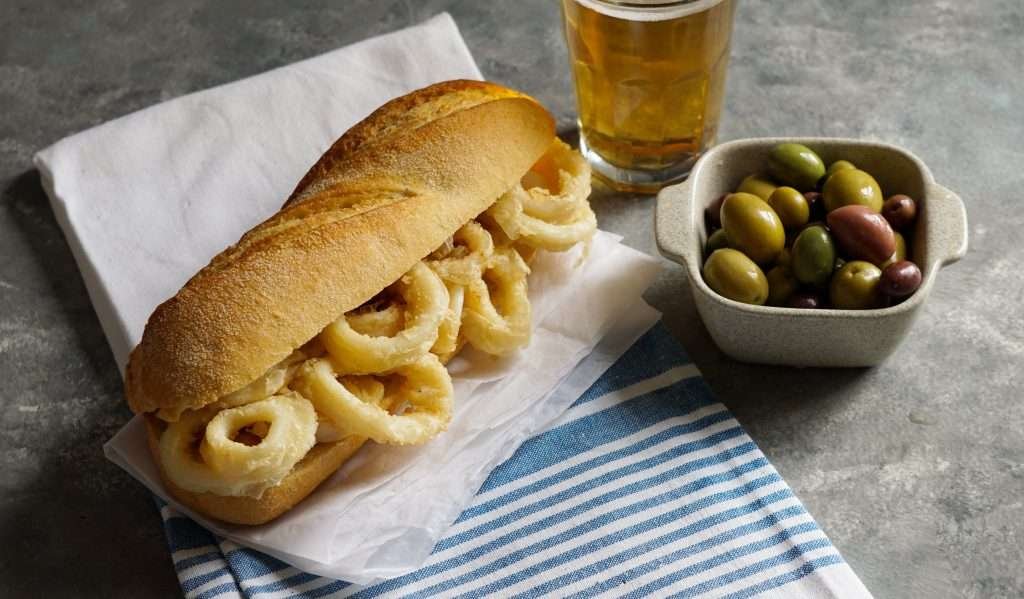
The beauty lies in the textural contrast: the sharp crunch of the crusty bread giving way to the crispy batter, followed by the tender, salty squid inside. The epicenter for this specific delicacy is the labyrinth of narrow streets branching off the Plaza Mayor. Bars like Bar La Campana and El Brillante have been serving thousands of these sandwiches a day for decades. Grabbing a bocadillo wrapped in greasy paper and eating it while standing in the Plaza Mayor is a rite of passage, and it easily earns its spot on my master list of the 25 Best Things to Do in Madrid: The Ultimate 2026 Guide.
Chapter 4: The Tapas Crawl – A Way of Life

Tapas is not a type of food; it is a verb. It is a social rhythm. You do not “go to a tapas restaurant” and sit at a table for three hours ordering small plates. You “go for tapas,” which means embarking on a multi-hour, multi-venue bar crawl.
The golden rule of tapas in Madrid is this: when you order a drink (a beer, a glass of wine, or a vermouth), you are given a free plate of food. In some bars, it might just be a bowl of seasoned olives or potato chips. But in older, traditional taverns in neighborhoods like La Latina, you might be handed a small plate of paella, some garlic mushrooms, or a slice of chorizo with bread.
If you want to structure your evenings so that you don’t burn out, I highly recommend following the evening routing laid out in my 3 Days in Madrid: The Perfect Itinerary for First Timers (2026 Edition). But when you are standing at the bar, here is what you must order to supplement your free bites:
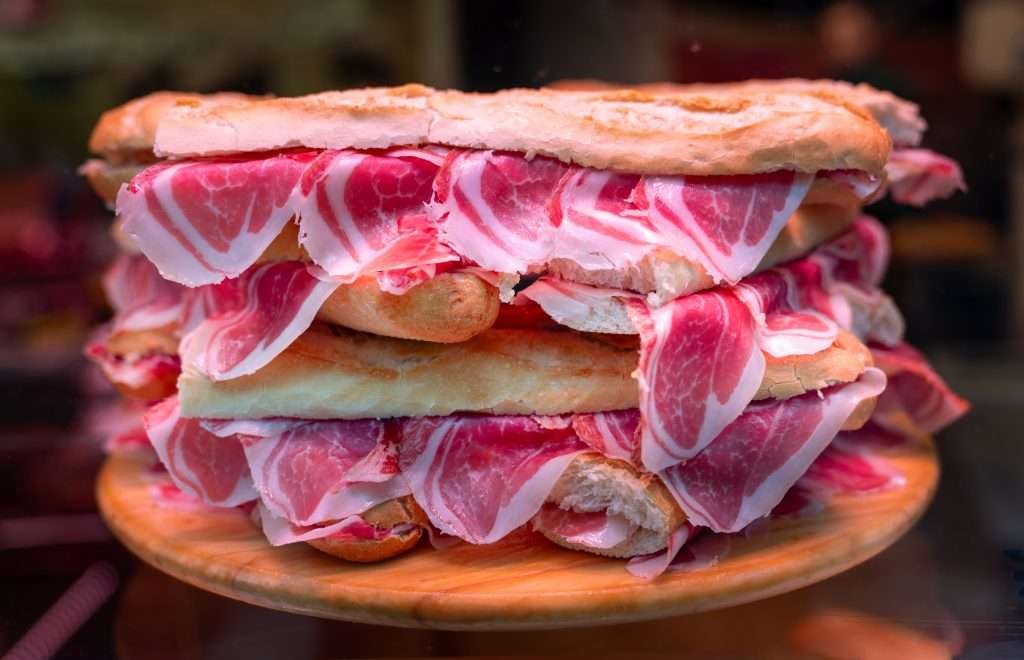
Jamón Ibérico de Bellota This is the undisputed crown jewel of Spanish gastronomy. It is not just prosciutto; it is an entirely different echelon of cured meat. Bellota means acorn. These black-hoofed pigs roam freely in the oak forests of western Spain, gorging themselves on acorns before the meat is salt-cured and hung in mountain air for up to four years. The result is a ruby-red, incredibly marbled ham with fat that literally melts at room temperature, releasing a complex, nutty flavor. It is expensive, but ordering a ración (a large plate) of hand-carved Jamón Ibérico is a mandatory experience.

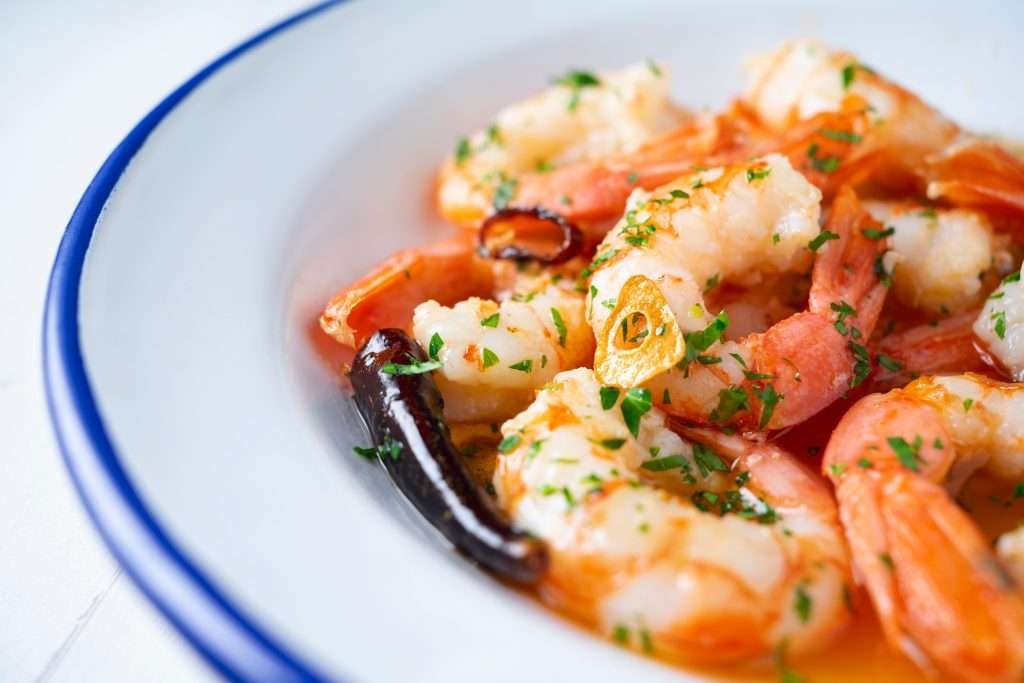
Gambas al Ajillo (Garlic Shrimp) Picture this: a small terracotta clay dish arrives at your standing table. The olive oil inside is literally boiling and bubbling, filled with massive amounts of sliced garlic, a dried chili for heat, and incredibly fresh shrimp. The smell alone is intoxicating. Once you eat the shrimp, you use chunks of crusty bread to sop up the leftover garlic-infused, spicy olive oil.
Croquetas (Croquettes) A staple of Spanish grandmothers everywhere. A thick, rich bechamel sauce is mixed with tiny chunks of savory ingredients (usually leftover jamón, roasted chicken, or wild mushrooms). This mixture is chilled, rolled into small logs, breaded, and deep-fried. A perfect croqueta should have a fiercely crisp exterior that gives way to a molten, creamy center that flows out onto the plate.

Huevos Rotos (Broken Eggs) This is high-end late-night comfort food. A bed of freshly fried potatoes (cooked in olive oil, never vegetable oil) is topped with paper-thin slices of Jamón Ibérico. Finally, two or three sunny-side-up eggs with bright orange, runny yolks are placed on top. The waiter (or you) will then take a knife and fork and aggressively slice through the eggs, “breaking” them so the rich, liquid yolk cascades down and coats the crispy potatoes and salty ham.

Chapter 5: The Heavyweight Champion – Cocido Madrileño
If you are visiting Madrid during the sweltering summer months of July and August, you can skip this chapter. But if you arrive anytime between October and April, you must carve out three hours in your afternoon for Cocido Madrileño.
This is not just a stew; it is a monumental culinary event. Originally a humble peasant dish designed to warm the bones during Madrid’s bitterly cold winters, Cocido is a massive, hearty chickpea-based feast that is cooked slowly over low heat for hours.
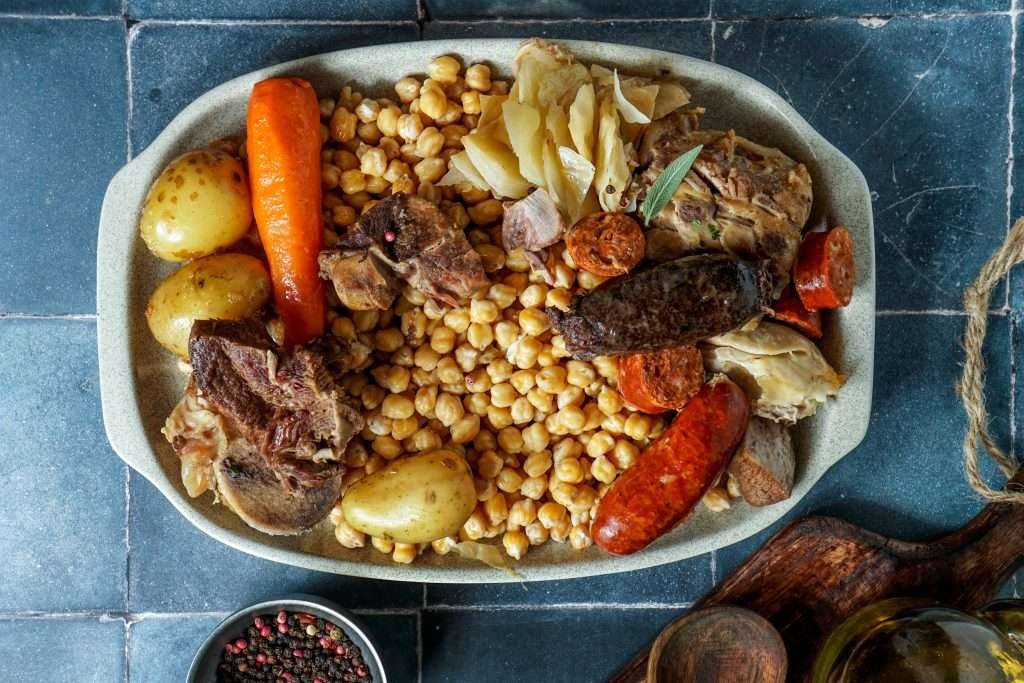
It is traditionally served in three distinct stages, known as the tres vuelcos (the three overturns):
- Primer Vuelco (The Soup): The rich, complex broth created by boiling the meats and vegetables is drained off. Tiny fideos (angel hair noodles) are added, and you are served a steaming bowl of incredibly savory, fatty noodle soup to prepare your stomach.
- Segundo Vuelco (The Legumes and Veggies): Next arrives a massive silver platter piled high with tender, buttery cast-iron-pot-cooked garbanzos (chickpeas), accompanied by braised cabbage, carrots, and potatoes.
- Tercer Vuelco (The Meats): Finally, the protein arrives. You will be presented with tender stewed beef shank, gelatinous pork belly, smoked chorizo, and morcilla (Spanish blood sausage rich with spices).
You do not eat Cocido for dinner. It is a strictly afternoon affair, and it comes with a mandatory requirement: you must cancel whatever plans you had for the late afternoon, as you will absolutely need a long siesta to recover. If you are unsure how to fit a massive three-hour lunch into your schedule without missing the major museums, refer back to the pacing suggestions in my First Time in Madrid guide.
Chapter 6: The Culture of the Food Markets
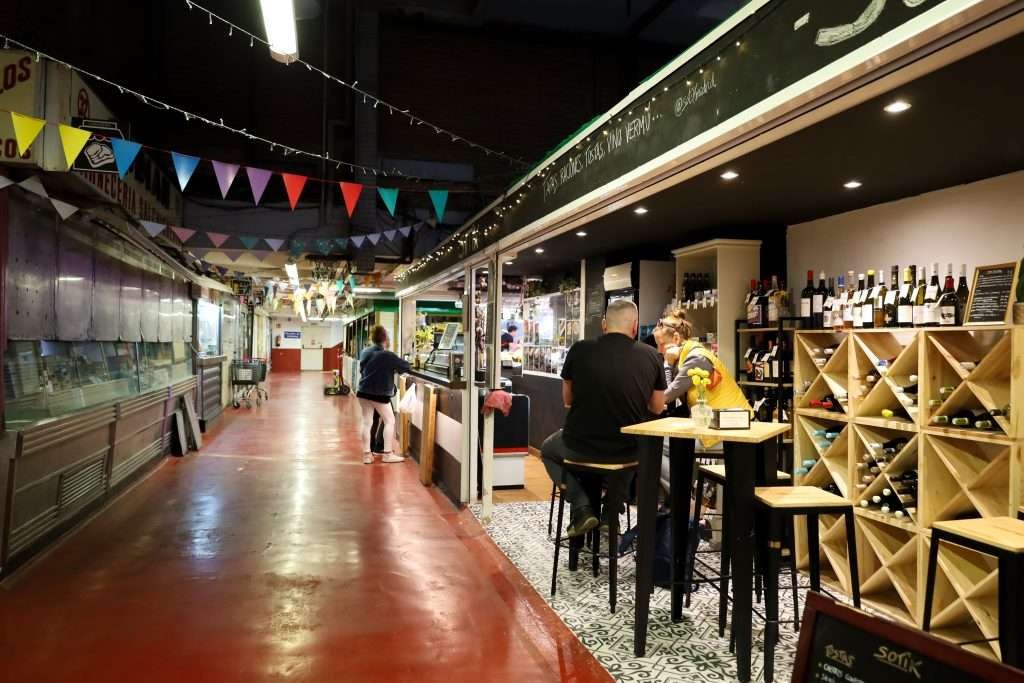
To truly understand what the people of Madrid eat, you must look at where they shop. The city is famous for its historic mercados, many of which have been transformed from simple grocery halls into spectacular, buzzing culinary hubs.
Mercado de San Miguel Located just steps from the Plaza Mayor, this stunning wrought-iron and glass structure from 1916 is the most famous market in the city. Truthfully, it is no longer a traditional market where locals buy their raw chicken and carrots. It is a high-end, gourmet tapas destination aimed squarely at tourists and affluent locals. Despite being crowded and pricey, the quality of the food is phenomenal. You can walk from stall to stall, grabbing a freshly shucked oyster, a cone of fried padrón peppers, artisanal cheeses, and a glass of cava.

Mercado de la Cebada and Mercado de Vallehermoso If you want to see where the actual grandmothers of Madrid are buying their produce, head to the La Latina neighborhood for Mercado de la Cebada. It is loud, chaotic, and smells of fresh fish and hanging hams. Alternatively, Mercado de Vallehermoso offers an incredible mix of traditional butcher stalls operating right next to tiny, innovative craft beer stands and micro-restaurants run by young chefs.
Navigating these markets and understanding the etiquette of ordering is a key component of my neighborhood breakdowns, which you can read about in my guide on Where to Stay in Madrid: Best Areas & Hotels for First Timers (2026).
Chapter 7: Sweet Endings and Historic Bakeries
Madrid’s relationship with sweets is deeply tied to the Catholic calendar and the changing seasons. While you can find standard cakes and ice creams, the true local delicacies are often seasonal and baked in historic, wood-paneled pastelerías.
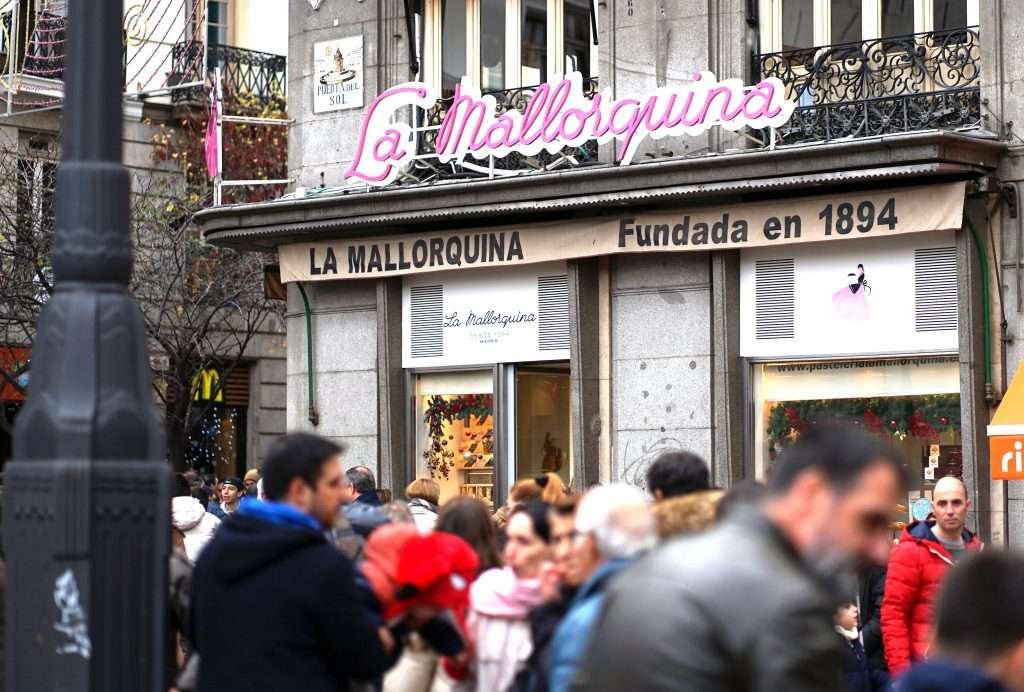
La Mallorquina Sitting directly on the edge of the chaotic Puerta del Sol, this bakery has been operating since 1894. The downstairs is a frantic, standing-room-only frenzy of locals ordering Napolitanas (flaky pastries filled with either rich chocolate or smooth pastry cream). You must shoulder your way to the counter, shout your order over the din, and eat your pastry standing up while watching the world go by.
Seasonal Treats
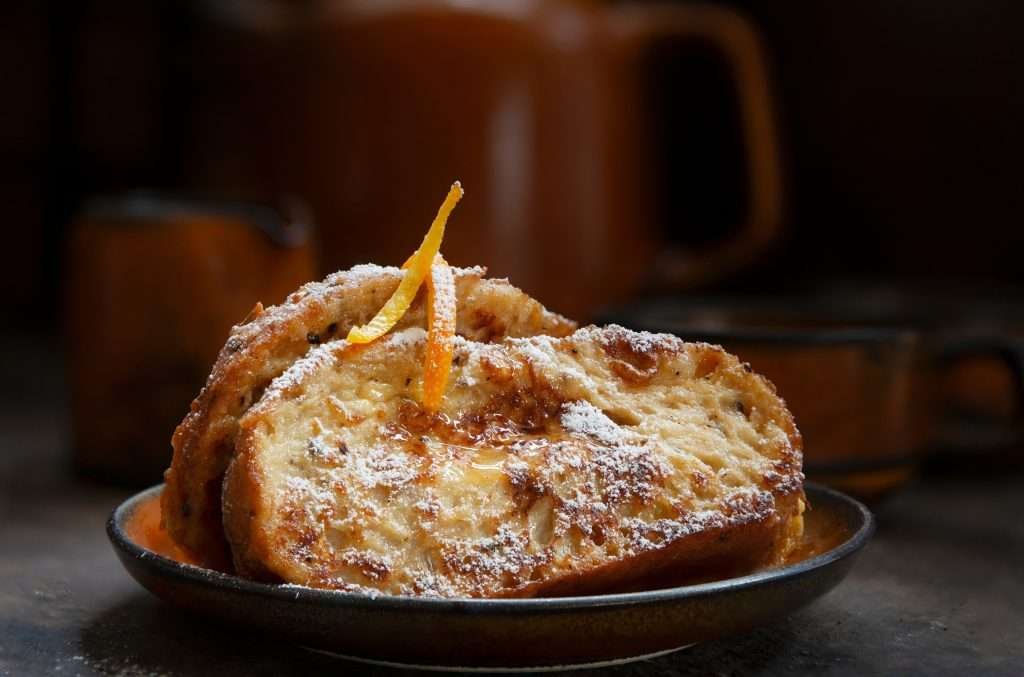
- Torrijas (Easter/Semana Santa): The Spanish, dramatically upgraded version of French toast. Thick slices of day-old bread are soaked in milk or wine infused with cinnamon and lemon peel, dipped in egg, fried in olive oil, and drenched in honey or sugar.
- Roscón de Reyes (Christmas/January 6th): A massive, brioche-like ring cake decorated with candied fruits (meant to represent the jewels on the crowns of the Three Wise Men) and often stuffed with whipped cream.
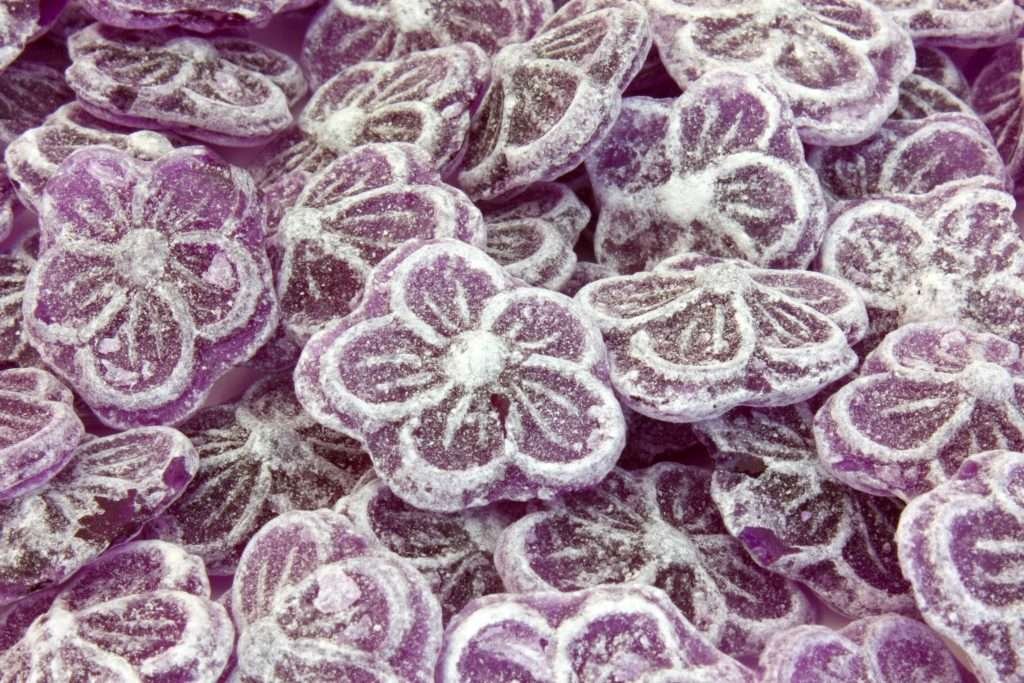
- Caramelos de Violeta: Tiny, flower-shaped hard candies flavored with actual violet essence. These were famously popularized by King Alfonso XIII and remain a classic, old-school Madrid souvenir. Taking a box of these home is a highly recommended tip from my 25 Best Things to Do in Madrid: The Ultimate 2026 Guide.

Chapter 8: What to Drink with Your Food
You cannot eat all of this incredible food dry. Spain produces some of the finest beverages in the world, and Madrid is the perfect place to sample them all.
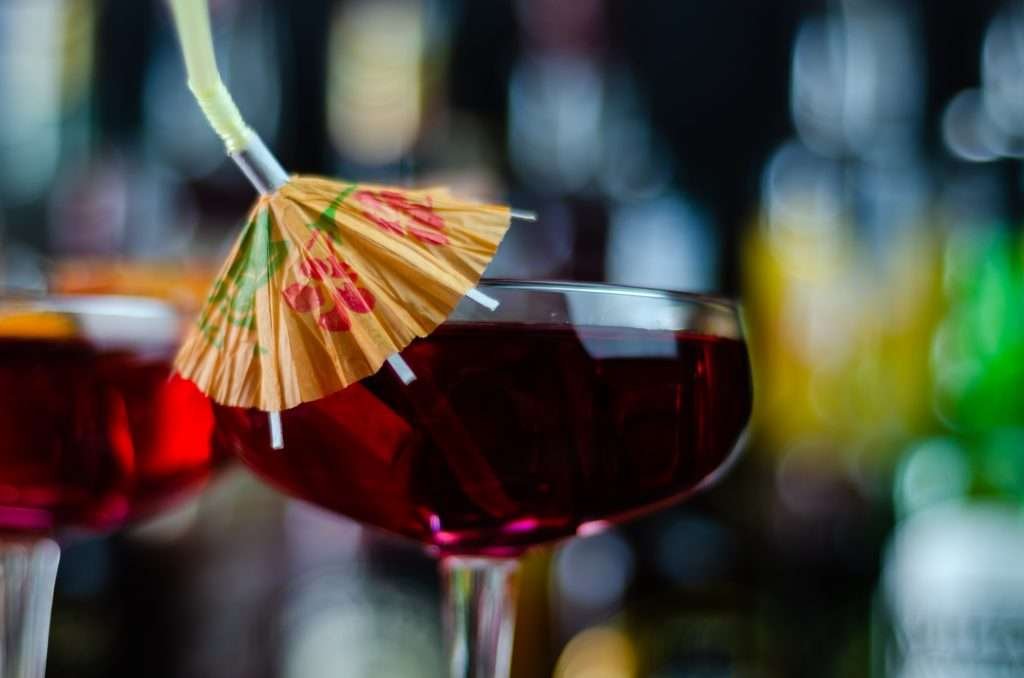
La Hora del Vermut (The Vermouth Hour) In Madrid, vermouth is not just a dusty bottle you keep in the back of your liquor cabinet to mix a martini once a year. It is a lifestyle. On Saturdays and Sundays around 1:00 PM, locals engage in la hora del vermut. Authentic vermut de grifo (vermouth on tap) is sweet, aromatic, spiced with botanicals, and served chilled over ice with a slice of orange and a plump green olive. The sweet and bitter notes are the perfect palate cleanser to pair with salty olives and cured hams.
Tinto de Verano vs. Sangria Here is a harsh truth: locals rarely drink Sangria outside of summer beach vacations, and when ordered in the center of Madrid, it is almost always a sign of a tourist (and priced accordingly). Instead, order what the locals drink: Tinto de Verano (literally “Summer Wine”). It is a simple, refreshing, and incredibly cheap mix of red wine and Casera (a lightly sweetened lemon-flavored soda), served over ice.
Spanish Wines and Beer When you order a beer, you order a caña (a small draft beer). Why small? Because in the blazing Madrid heat, a massive pint will get warm before you finish it. Small glasses ensure your beer is always ice cold. The local pride is Mahou, a crisp lager brewed right in the city.
If you prefer wine (vino), simply ask for a glass of Ribera (Ribera del Duero, typically a bolder, fuller-bodied red) or Rioja (usually a slightly fruitier, balanced red). For white wine, Albariño from the north or Verdejo from the Rueda region are crisp, dry, and perfect with seafood.
Final Thoughts on Eating in Madrid
Eating in Madrid is an active, physical experience. It requires you to stand shoulder-to-shoulder with strangers, to raise your voice to be heard over the clattering of plates, to toss your crumpled napkin onto the tile floor of a century-old tavern, and to completely surrender your normal dining schedule to the beautiful, late-night rhythm of the city.
Pace yourself, be adventurous, always say “Hola” when you walk into a bar, and never pass up a free plate of jamón. Your stomach-and your soul-will thank you.
What is a traditional breakfast in Madrid?
Forget heavy plates of bacon and eggs. A typical Madrid breakfast is light and consists of churros or porras (thicker, airier churros) dipped in thick, pudding-like hot chocolate. If you prefer something savory, order a simple tostada con tomate (crusty toast drizzled with olive oil and crushed raw tomatoes) paired with a café con leche.
Do you really get free food with your drinks in Madrid?
Yes! The golden rule of Madrid’s tapas culture is that when you order a drink-like a beer (caña), wine, or vermouth-you are typically given a small, free plate of food. Depending on the bar, this can range from a simple bowl of seasoned olives to a hearty slice of Spanish omelet or chorizo with bread.
What is Madrid’s most famous sandwich?
Even though Madrid is entirely landlocked, its unofficial sandwich is the Bocadillo de Calamares. It is an aggressively simple but delicious crusty baguette stuffed to the brim with heavily battered, deep-fried squid rings. You’ll find the best, most authentic versions in the old-school bars right around the Plaza Mayor.
Do locals drink Sangria in Madrid?
Not really. Locals rarely drink Sangria outside of summer beach vacations, and ordering it in the center of Madrid is often a dead giveaway that you are a tourist. If you want to drink like a true Madrileño, order a Tinto de Verano (a refreshing mix of red wine and lemon soda over ice) or enjoy vermut de grifo (vermouth on tap).
When is the best time to eat Cocido Madrileño?
Cocido Madrileño is a massive, hearty chickpea and meat stew traditionally served in three courses. Because it is incredibly heavy, it should only be eaten for lunch (never dinner) and is best enjoyed during the colder months between October and April. Make sure to clear your afternoon schedule, as you will absolutely need a siesta afterward!