
Milan does not give itself away easily. Rome announces itself immediately – the Colosseum is visible from the taxi. Florence announces itself with the Duomo visible from every angle of the historic center. Milan keeps its best things behind doors, inside courtyards, and at the end of alleys that look like they lead nowhere. Get past the granite facade and the city has one of the most concentrated collections of significant art in Europe, a food culture built on butter and saffron that has nothing in common with the south, and neighborhoods that shift character every ten minutes.
These are the 25 things worth your time, with the logistics to execute each one and the tourist traps flagged clearly.
For the full planning framework and arrival logistics, see First Time in Milan. For a day-by-day structure, see 3 Days in Milan. If you’re still choosing your base, this guide on where to stay in Milan will help you pick the most practical neighborhood.
The Monumental Core
1. Duomo di Milano – roof, not just the interior
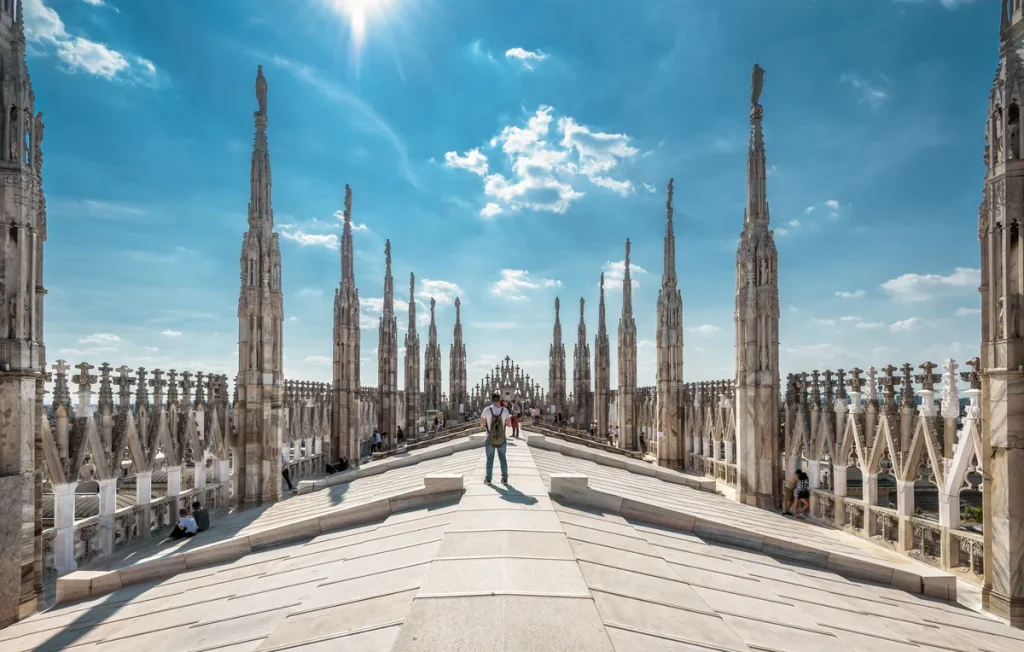
The third-largest cathedral in the world. Construction started in 1386 and the final spire was completed in 1965 – nearly six centuries of accumulated Gothic marble, 135 stone spires, and over 3,400 statues covering every surface.
The interior is free and worth 20 minutes: the stained glass windows are among the largest in the world and the scale of the nave is disorienting in a way photographs do not convey. The roof is the reason to book ahead. The elevator (around €16) puts you level with the spires and statues at close range. On a clear day the Alps are visible to the north. On a winter morning with snow on the peaks, the view is extraordinary.
Book the elevator ticket online at least a week ahead in peak season. Dress code enforced at the door – shoulders and knees covered.
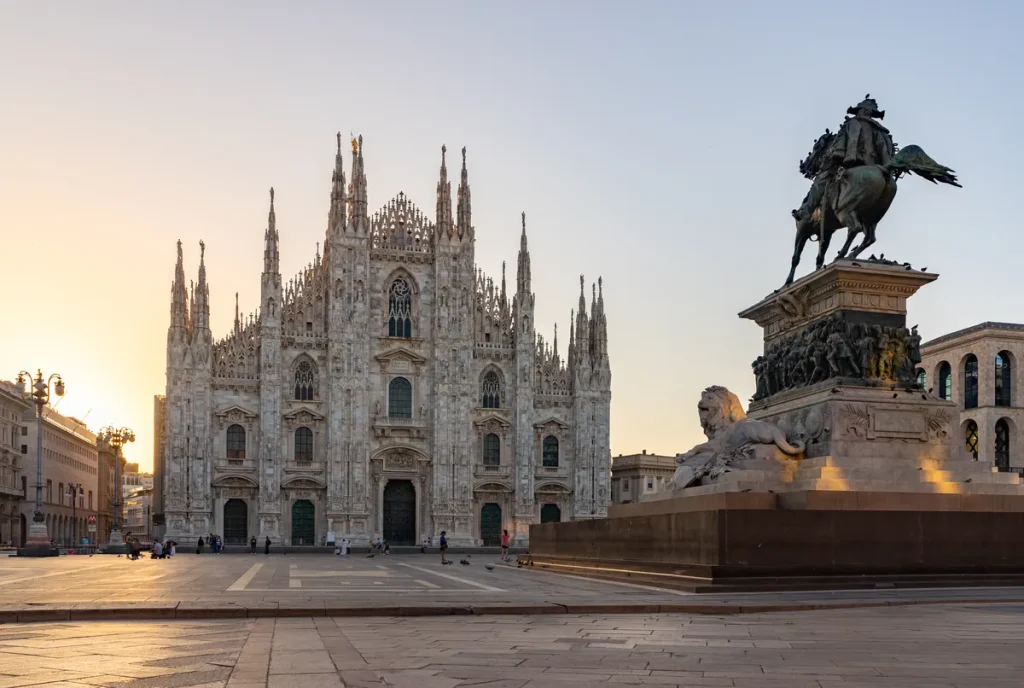
2. Galleria Vittorio Emanuele II – passage, not cafe
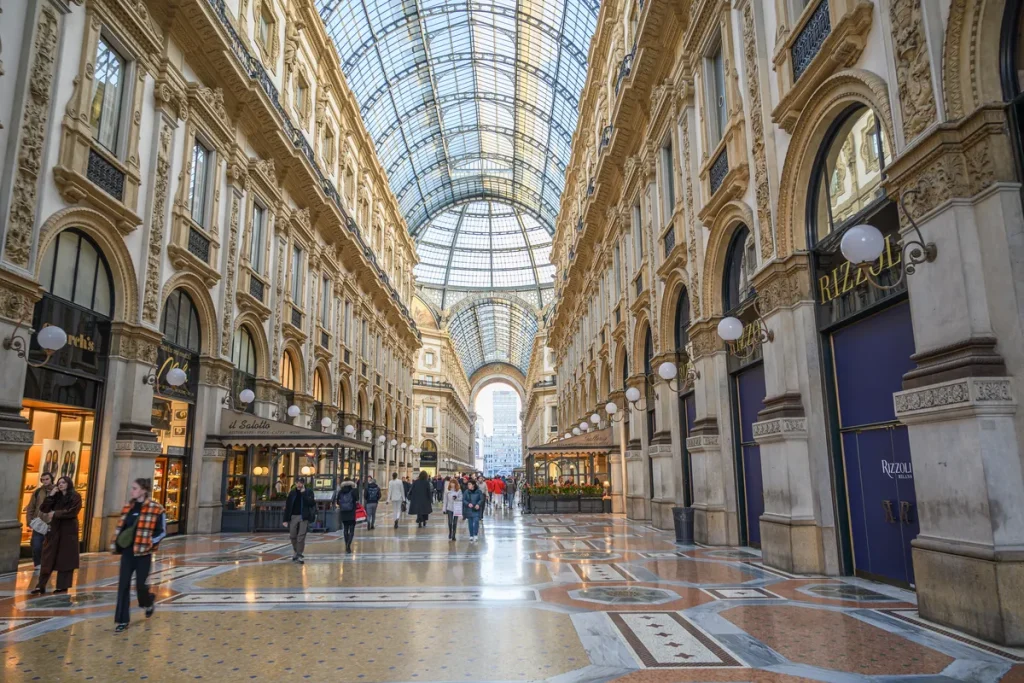
The 19th-century covered arcade connecting the Duomo to La Scala. The iron and glass roof is worth stopping to look at properly – the central octagon rises 47 meters above the mosaic floor. Walk to the center, place your right heel on the bull in the mosaic, and spin three times. A Milanese tradition that takes 30 seconds and costs nothing.
Do not eat or drink inside the Galleria. A coffee here costs €15. Walk through in four minutes and use it as a passage between the two piazzas.
3. La Scala – museum or performance

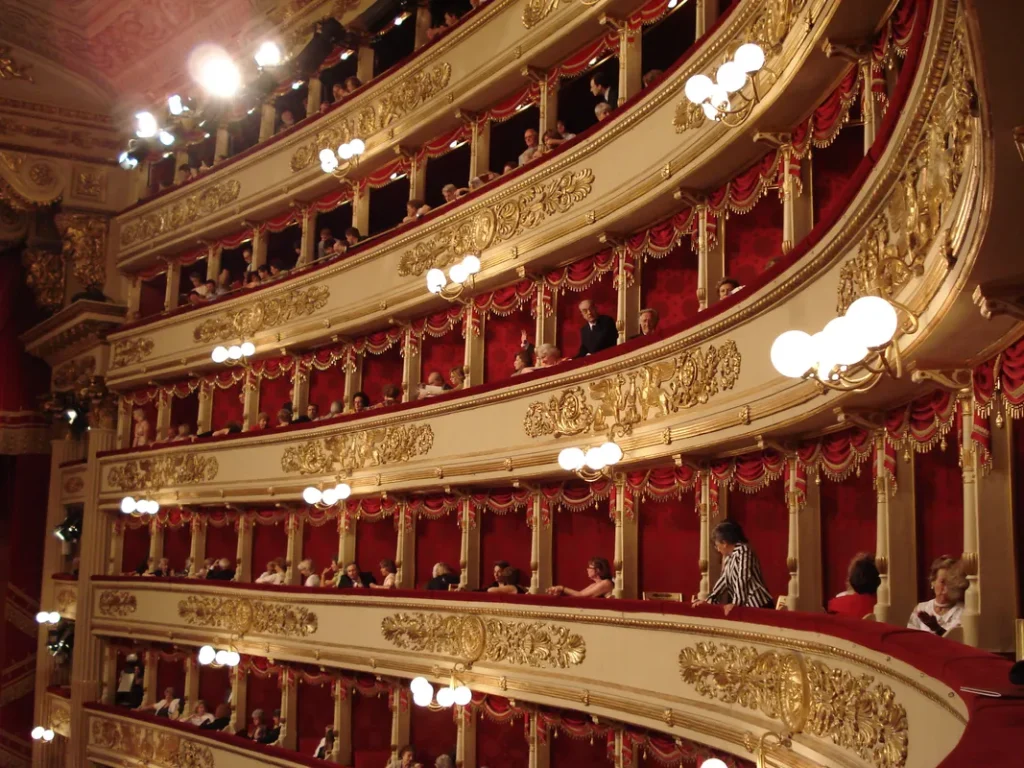
One of the most famous opera houses in the world. The Museo Teatrale alla Scala (entry around €12) lets you look through the velvet curtains down into the main horseshoe auditorium without attending a performance. The gold leaf tiers and the acoustic geometry are worth seeing in context.
For a performance: the main season runs December through July. Prices range from €15 in the upper gallery to several hundred for premium seats. Book months ahead for the main season. The upper gallery is the correct choice for a first visit – the acoustics are the same and the price is manageable.
4. Pinacoteca di Brera
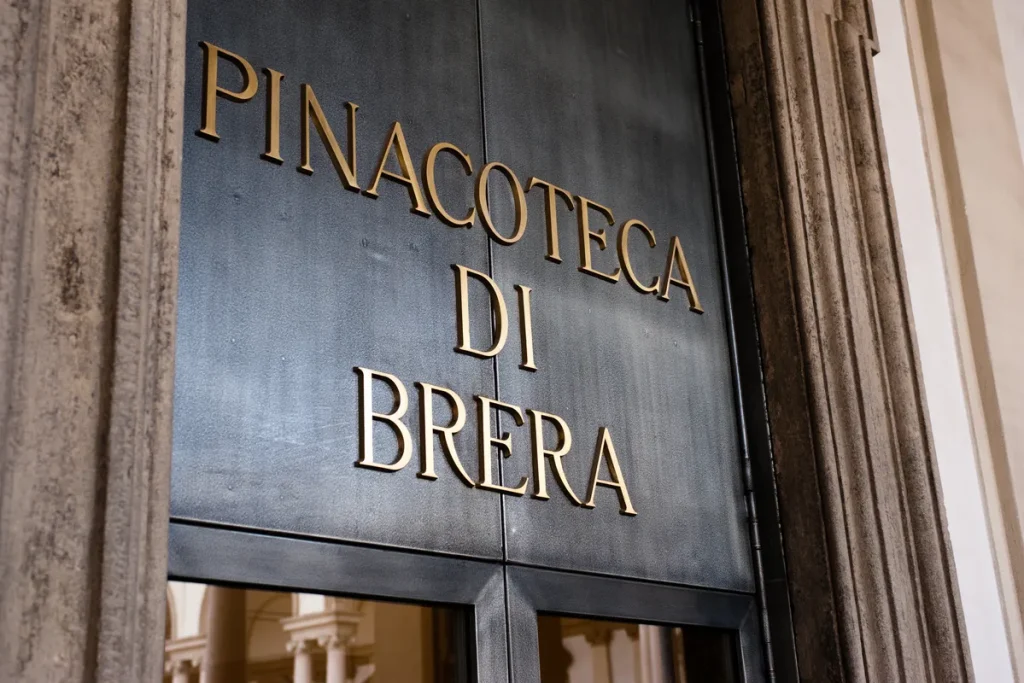
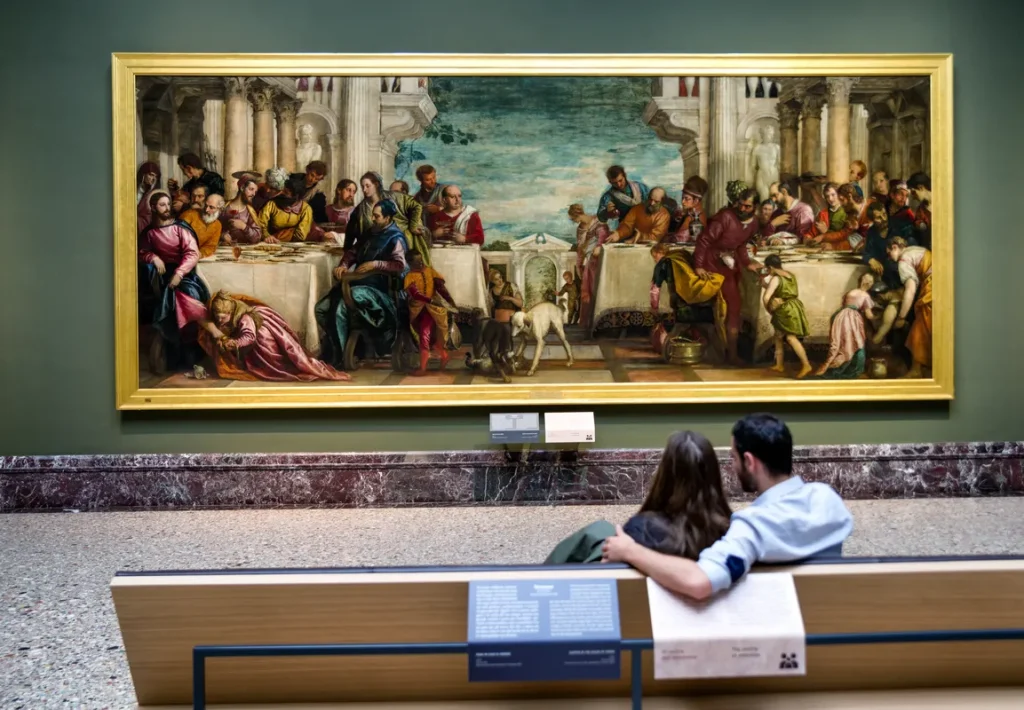
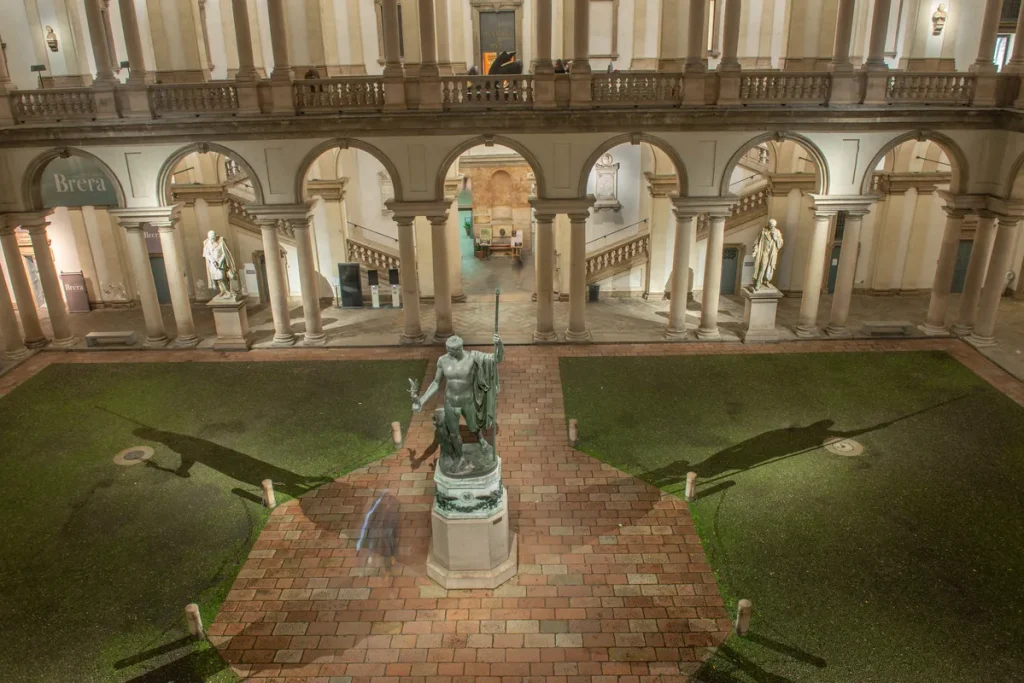
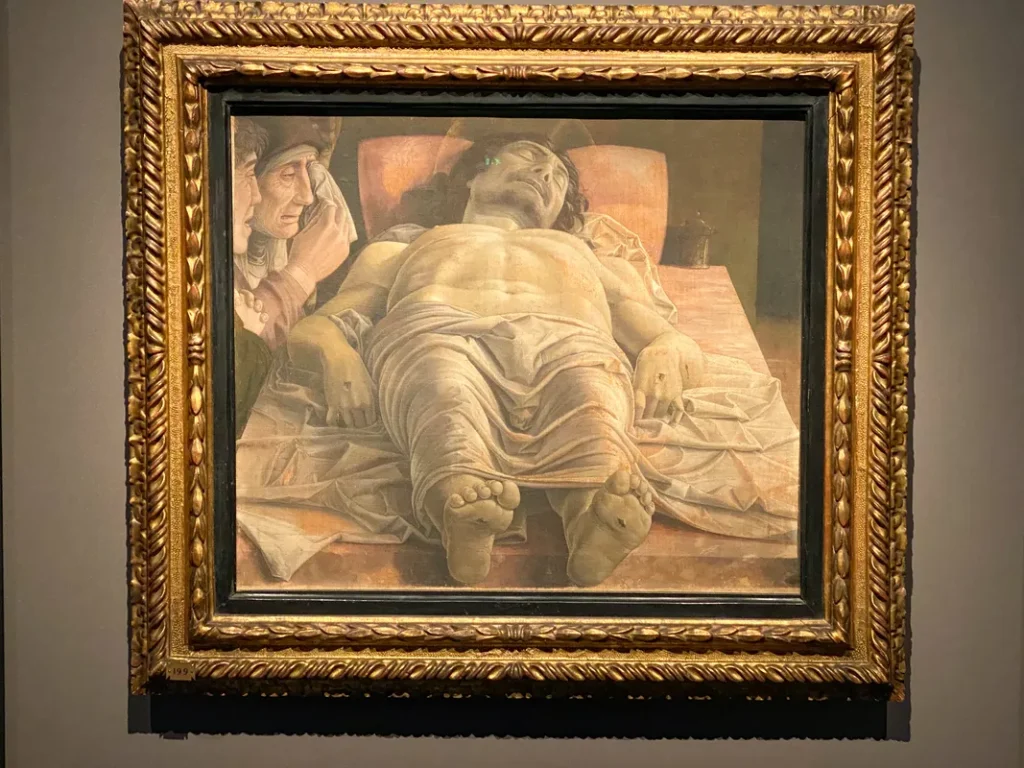
One of the strongest art collections in Italy, organized around a quiet Renaissance courtyard with a bronze Napoleon in the center. Raphael, Caravaggio, Mantegna’s Dead Christ (a perspective foreshortening exercise that stops people mid-step), and Hayez’s The Kiss – all in a building that is significantly less crowded than the Uffizi in Florence despite comparable quality.
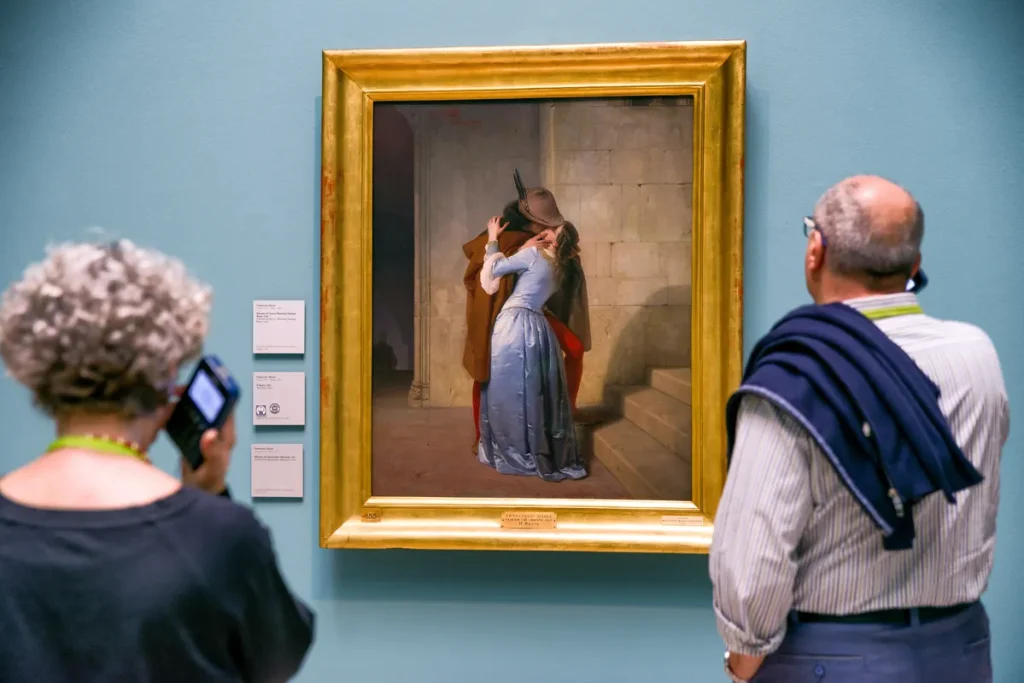
Entry: around €15. Allow 90 minutes minimum. Free on the first Sunday of each month. Located in the Brera district – the best neighborhood in Milan for dinner afterward.
5. San Bernardino alle Ossa – the bone chapel
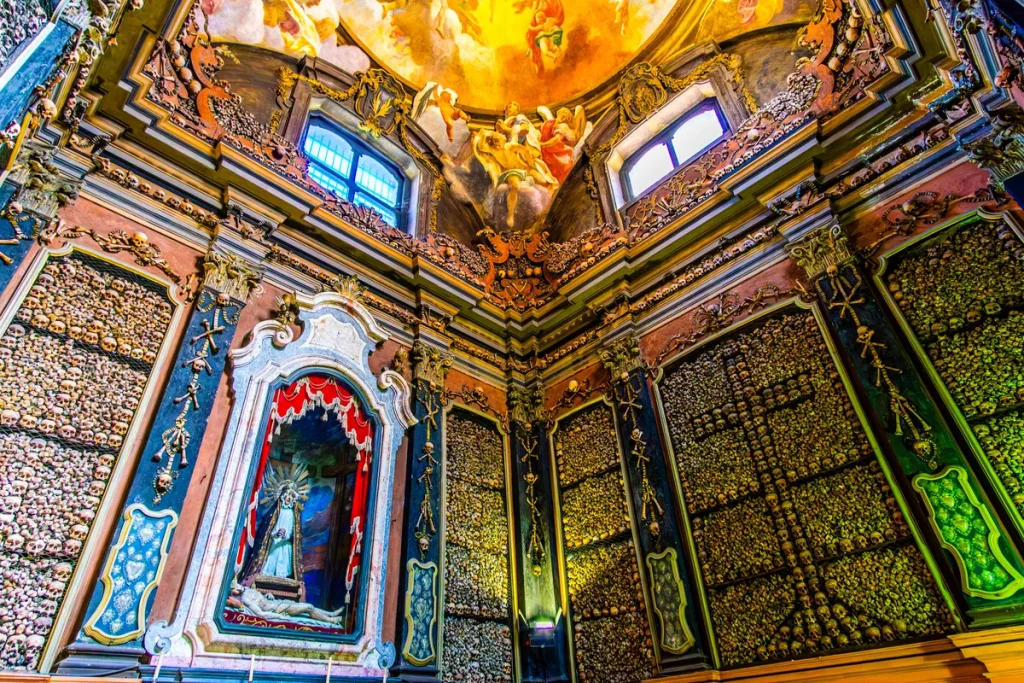
Five minutes from the Duomo. A small church with a side chapel whose walls are constructed entirely from human bones and skulls arranged in decorative patterns – a 17th-century ossuary built when the adjacent hospital cemetery ran out of space. Free to enter. Takes 15 minutes. One of the most genuinely unusual rooms in Italy and almost entirely absent from standard tourist itineraries.
Leonardo da Vinci
6. The Last Supper
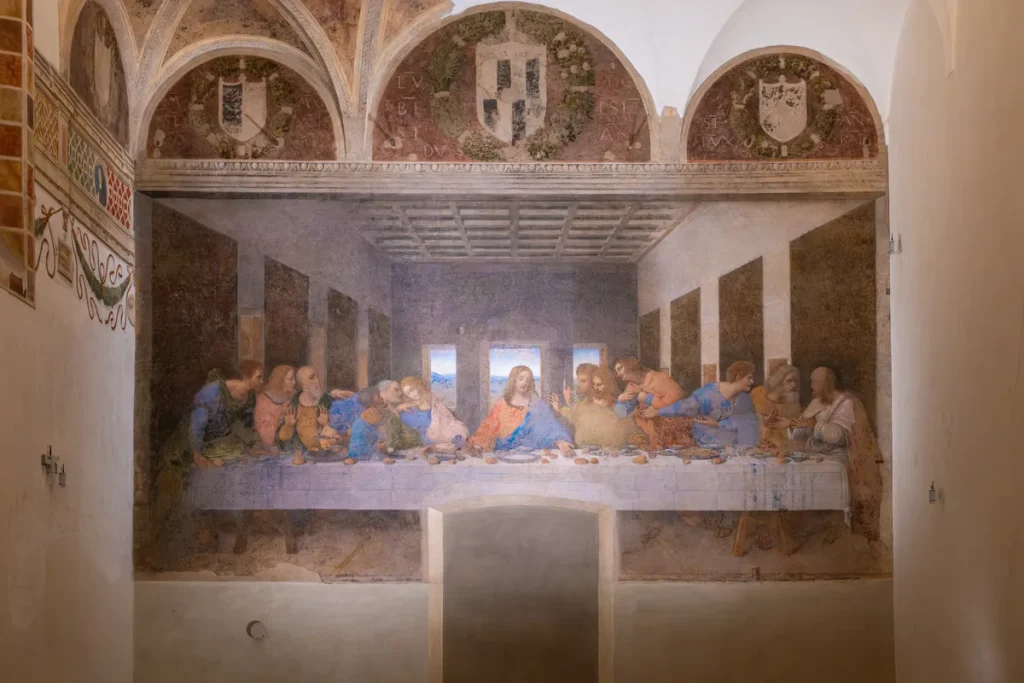
The hardest ticket in Italy. Leonardo’s Last Supper is painted on the wall of the refectory of Santa Maria delle Grazie in the Corso Magenta district. You get 15 minutes inside. There is no walk-up option – tickets release in batches three months ahead on vivaticket.com and sell out within minutes.
Stand still and look at the faces rather than reaching for your phone. The psychological differentiation of the 12 apostles – each with a distinct reaction to the announcement – is the achievement that has made this the most studied painting in history. Entry: around €15.
If tickets are gone: small-group tour operators buy bulk allocations. Expensive but often the only remaining option. Book this before anything else when planning a Milan trip.
7. Leonardo’s Vineyard
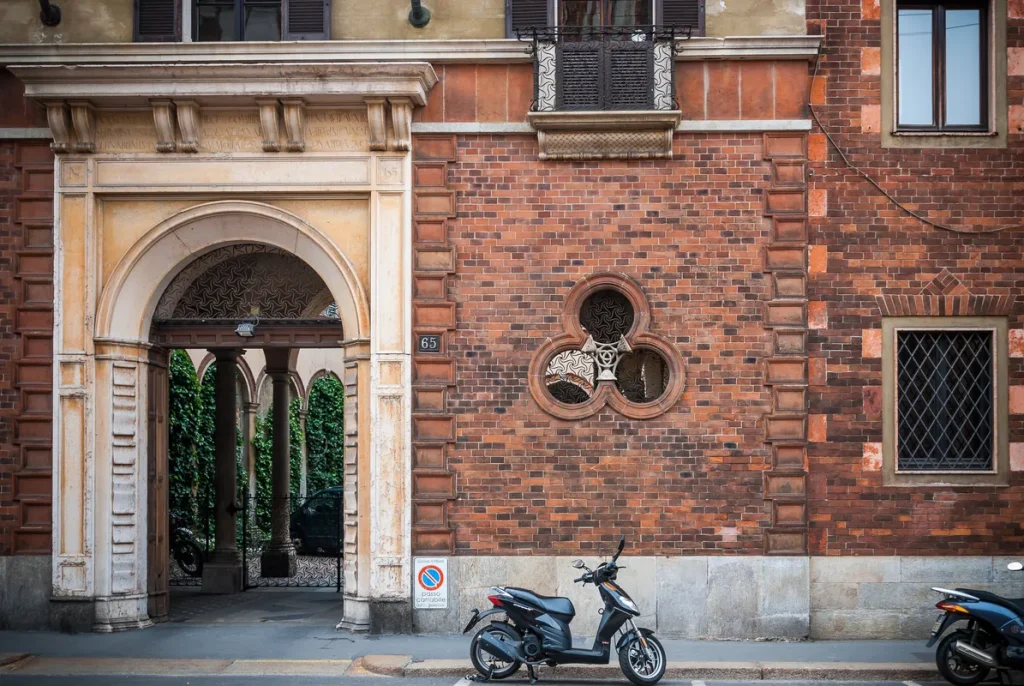
Directly across the street from Santa Maria delle Grazie. A garden gifted to Leonardo by Ludovico Sforza in 1498, destroyed and rebuilt multiple times, and restored to its 15th-century configuration in 2015. DNA analysis identified the original grape variety – Malvasia di Candia Aromatica – and the vineyard now produces wine from the same cultivar.
Entry: around €10. Takes 30 minutes. The quietest place in this part of the city. Genuinely interesting for anyone who went to the Last Supper and wants the context of where Leonardo actually lived and worked.
8. Museo Nazionale della Scienza e della Tecnologia
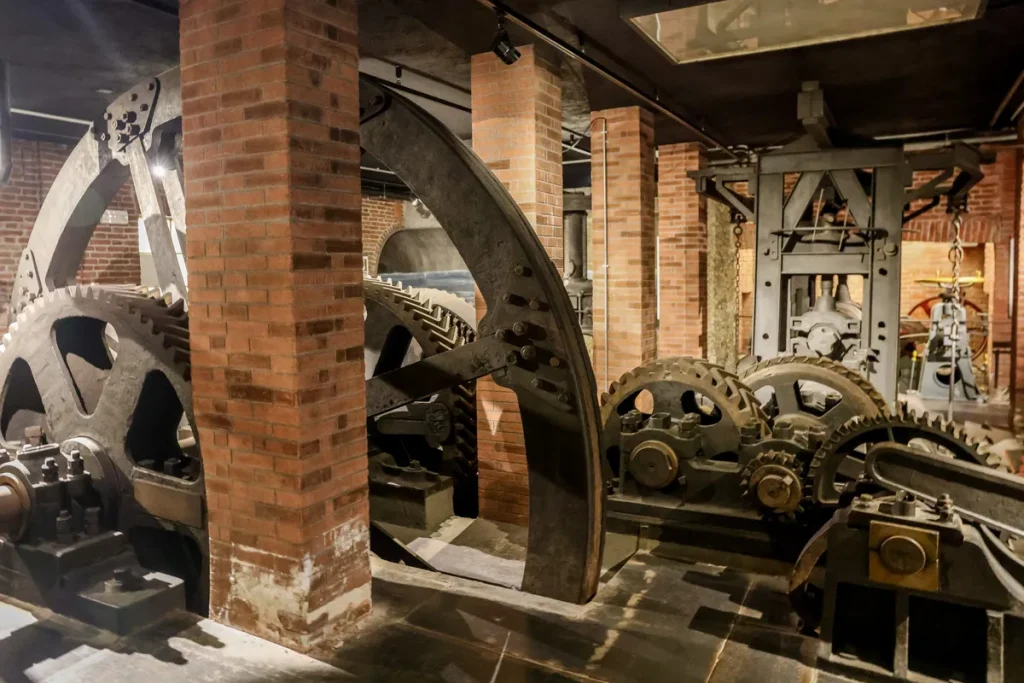
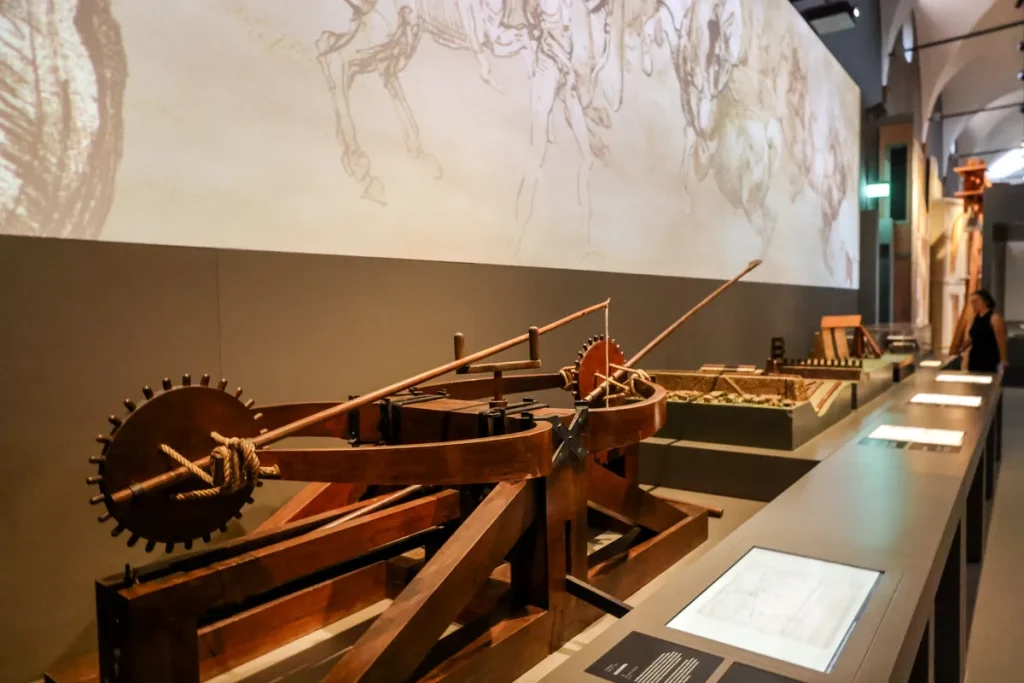
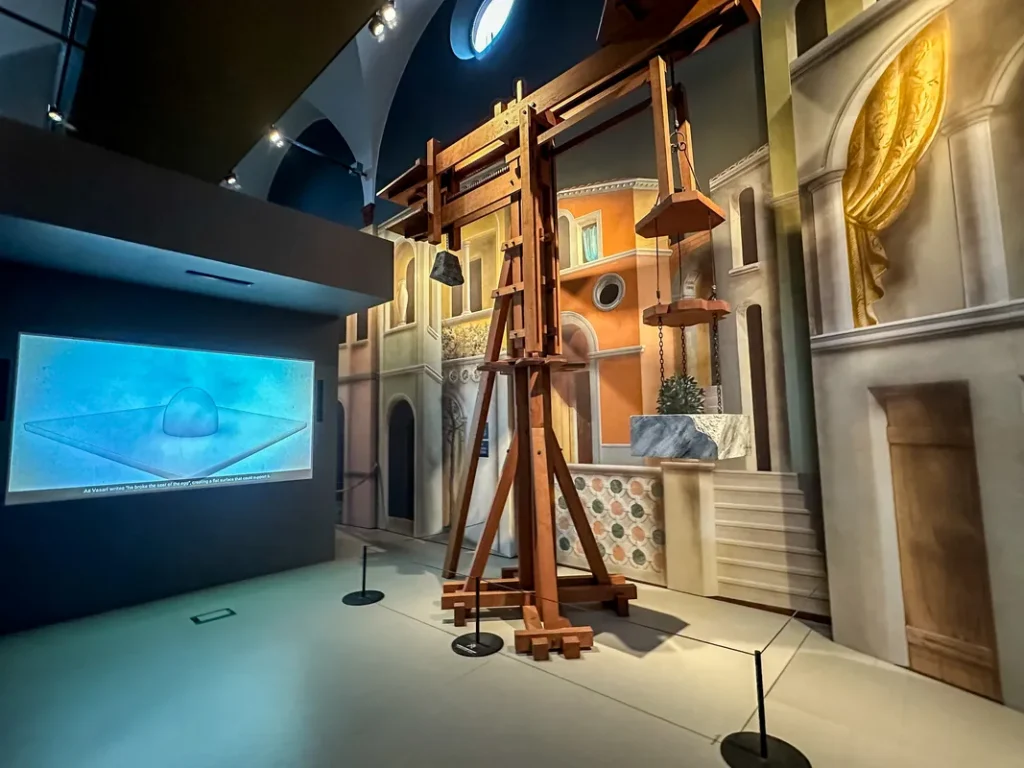
The National Museum of Science and Technology is named after Leonardo and contains the largest collection of his model reconstructions in the world – wooden scale models of machines from the Codex Atlanticus built specifically for the museum. Submarines, aerial screws, bridges, war machines. Entry: around €10. Good for children but equally engaging for adults who want to understand what Leonardo was actually doing with his notebooks.
Castello Sforzesco and Surroundings
9. Castello Sforzesco courtyards – free
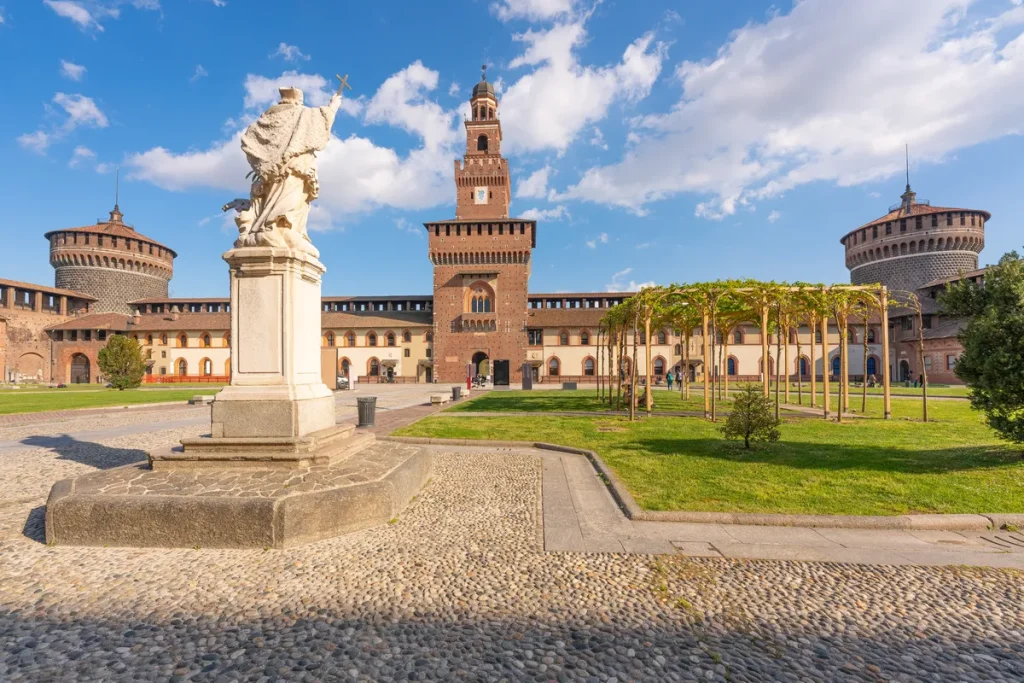
The 15th-century fortress that was the seat of the Sforza dukes of Milan. The courtyards are free to enter and worth 30 minutes – the scale of the military architecture and the Filarete tower are best appreciated from inside the main courtyard. The castle also contains several museums covered by a combined entry of around €10.
10. Pietà Rondanini
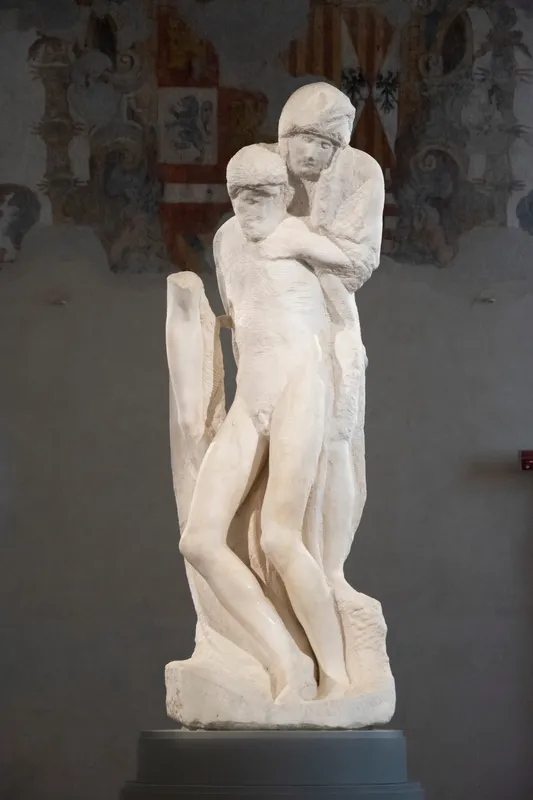
Inside the Castello Sforzesco museums, in a single purpose-built room, is Michelangelo’s final unfinished sculpture. He was working on it six days before his death in 1564. The figure is elongated, the marble barely roughed out in places, and the emotional register is entirely different from his earlier work – less triumphant, more interior. The room is deliberately plain. Allow 20 minutes specifically here.
11. Parco Sempione
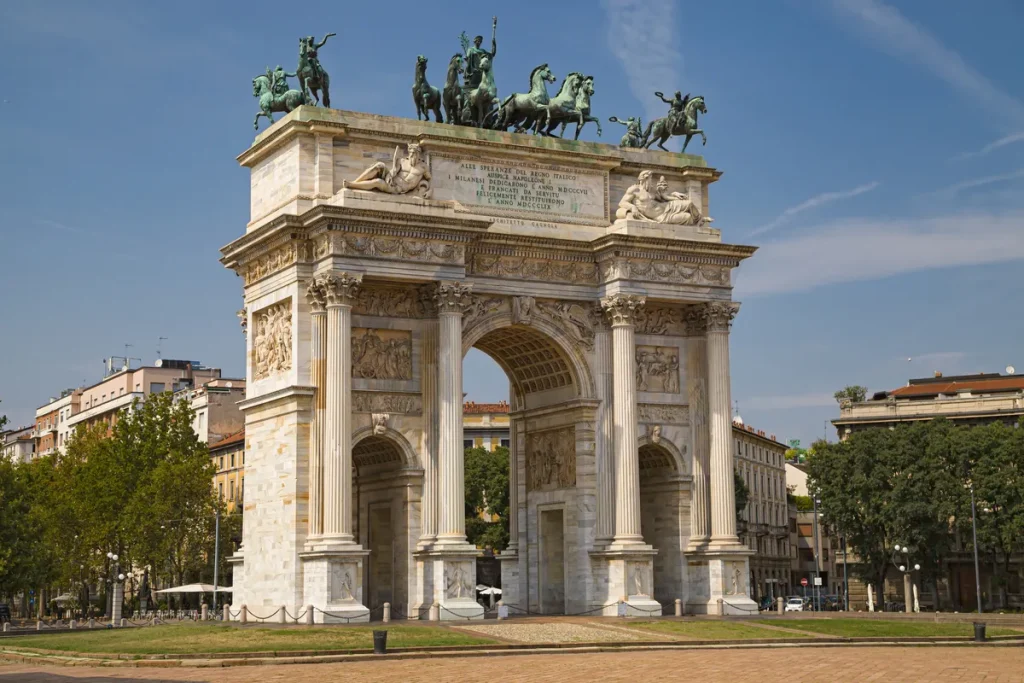
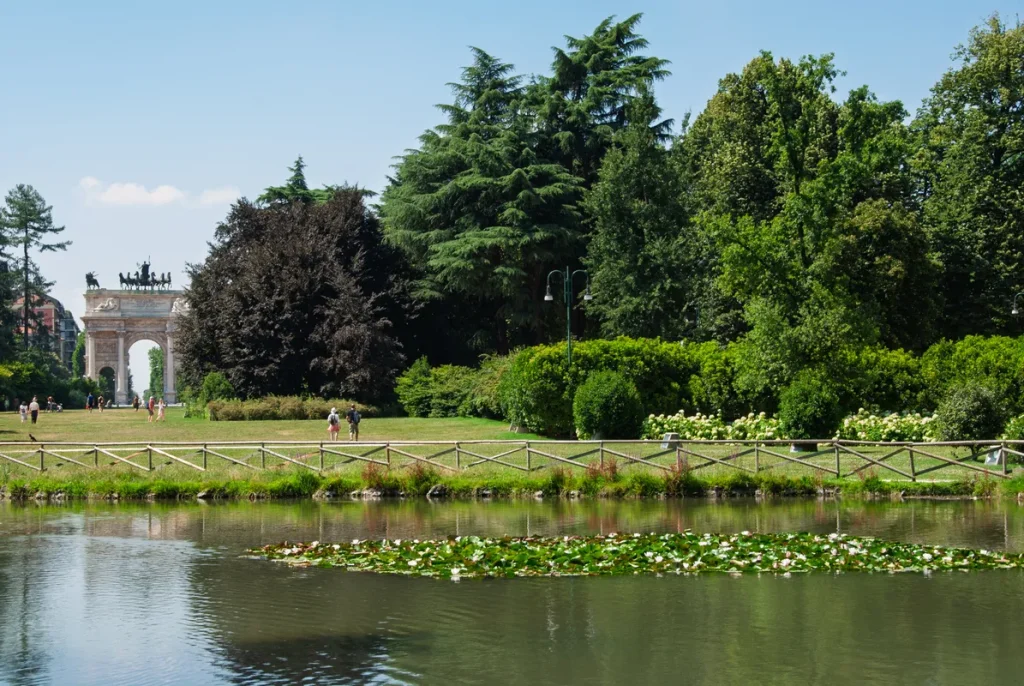
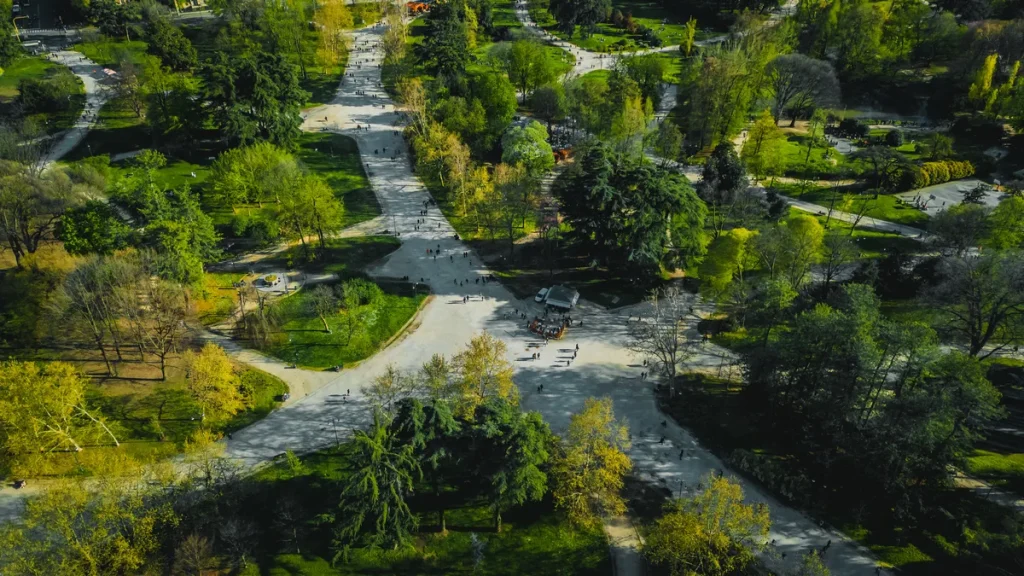
The largest park in central Milan, directly behind the Castello Sforzesco. Free to enter. The Arco della Pace at the far end is a 19th-century triumphal arch worth walking to. The park is where Milanese families, students, and office workers spend Sunday afternoons – the best people-watching in the city and a necessary counterpoint to a morning of museums.
The Modern City
12. Fondazione Prada
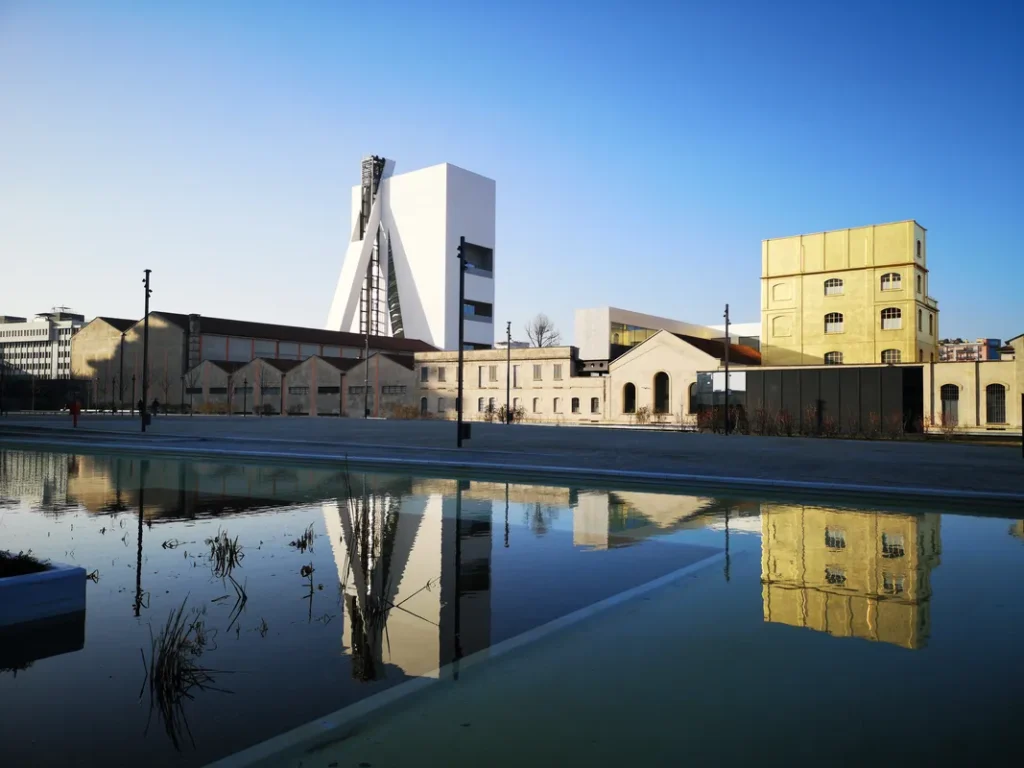
Metro south to Lodi TIBB, then a short walk to Largo Isarco, 2. A contemporary art complex in a converted 1910s distillery designed by Rem Koolhaas. The complex contains seven existing buildings plus three new structures – the “Haunted House” covered in 24-karat gold leaf is the visual centerpiece.
Entry: around €15. The bar inside was designed by Wes Anderson (Bar Luce) and is worth visiting regardless of the current exhibition – it replicates the aesthetic of a 1950s Milanese bar with pastel colors and a pinball machine. Major international exhibitions run year-round. Allow two hours.
13. Bosco Verticale
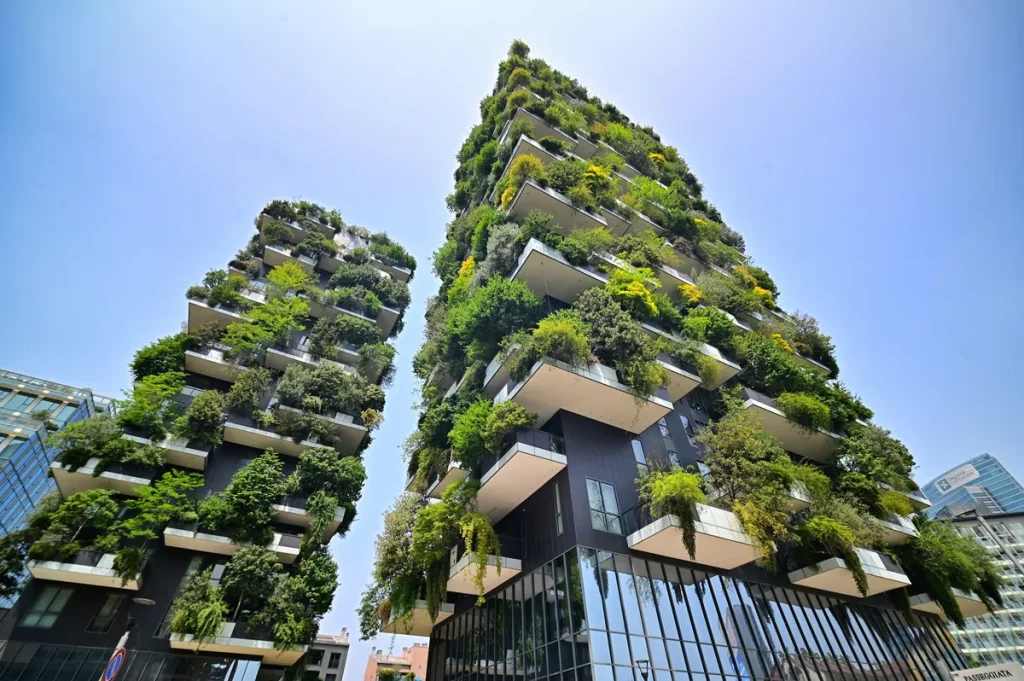
Two residential towers at the Porta Nuova development covered in over 20,000 trees and plants selected by a botanist. The most photographed building in Milan and visible from street level in the Piazza Gae Aulenti at no cost. The architecture is a genuine experiment in urban forestry – the trees are real, irrigated, and maintained by specialist arborists who use climbing equipment to reach the upper floors.
14. Piazza Gae Aulenti
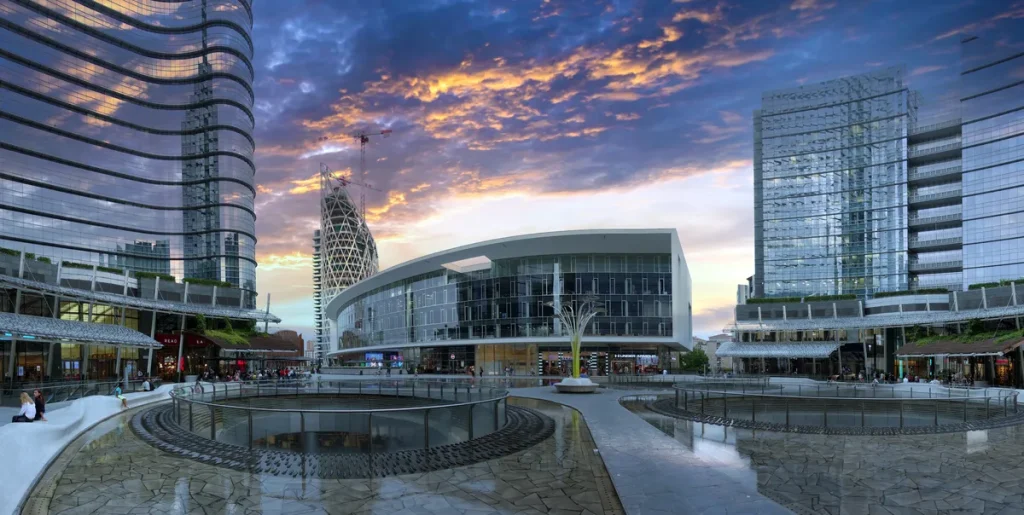
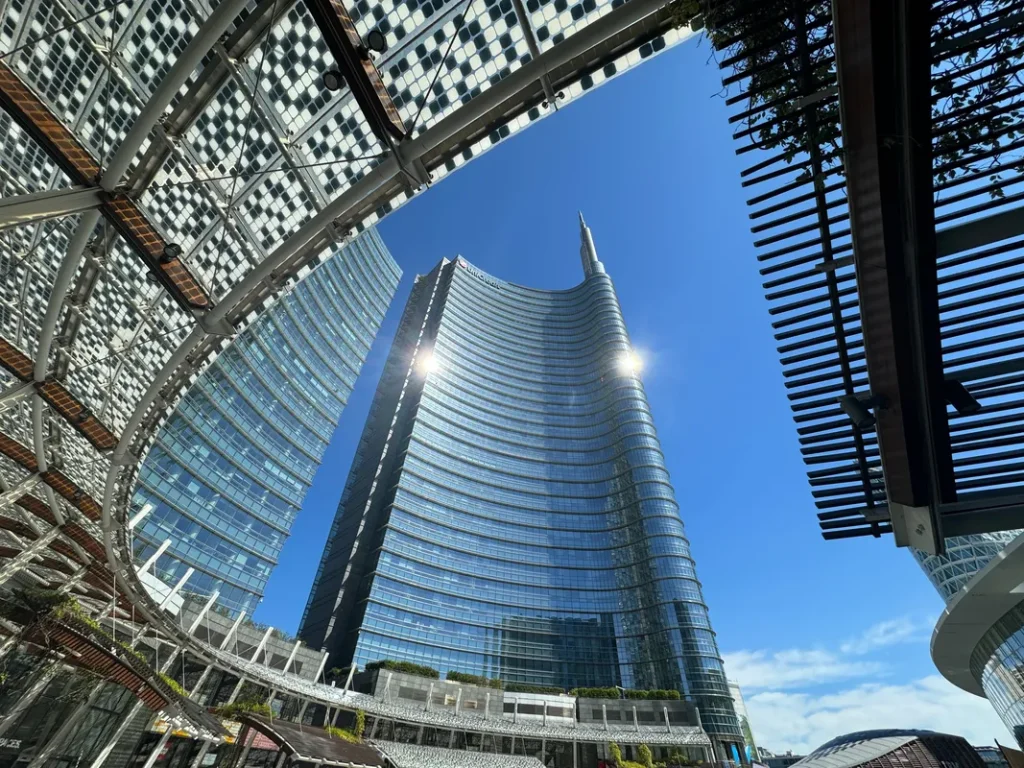
The central square of the Porta Nuova financial district – a circular elevated piazza above the street level, surrounded by skyscrapers and accessible by escalator from the ground. A deliberate attempt to create a 21st-century public square in a city that has not built a significant new one in centuries. Free to visit. Best at night when the buildings are lit.
15. 10 Corso Como
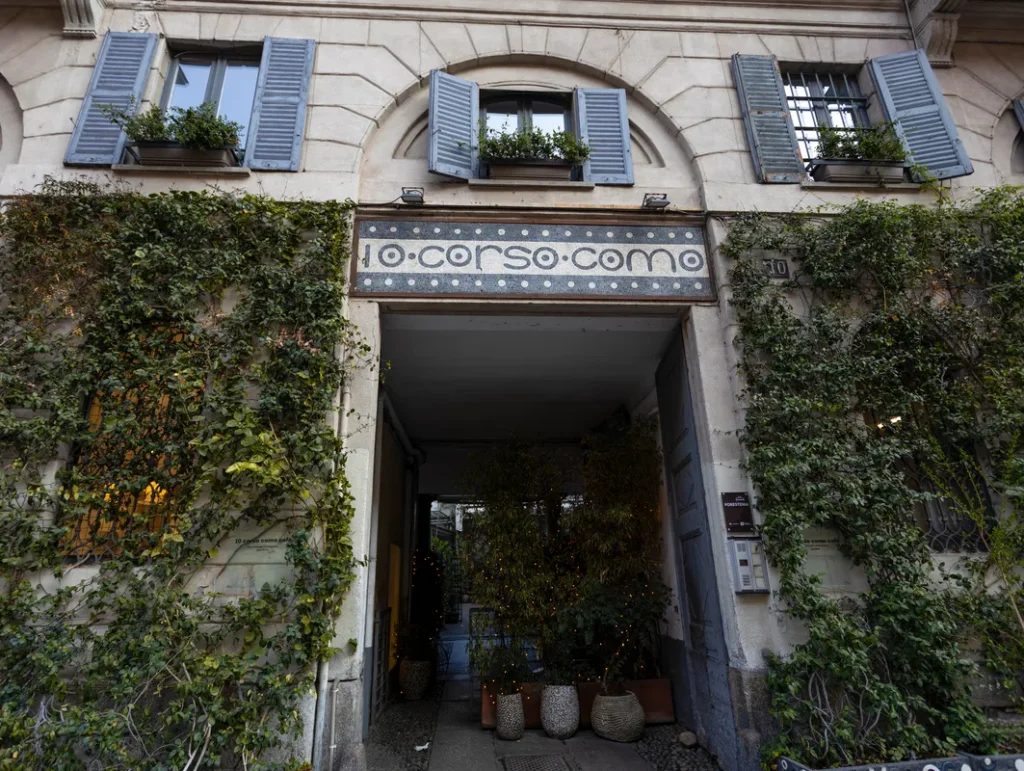
Via Corso Como, 10. A concept space combining an art gallery, a fashion store, a bookshop, and a garden cafe behind an unmarked door five minutes from Porta Nuova. Free to enter the garden. The gallery space charges a small entry fee for exhibitions. Worth 30 minutes as a pause between the financial district and the Isola neighborhood.
The Navigli and the South
16. Naviglio Grande at aperitivo
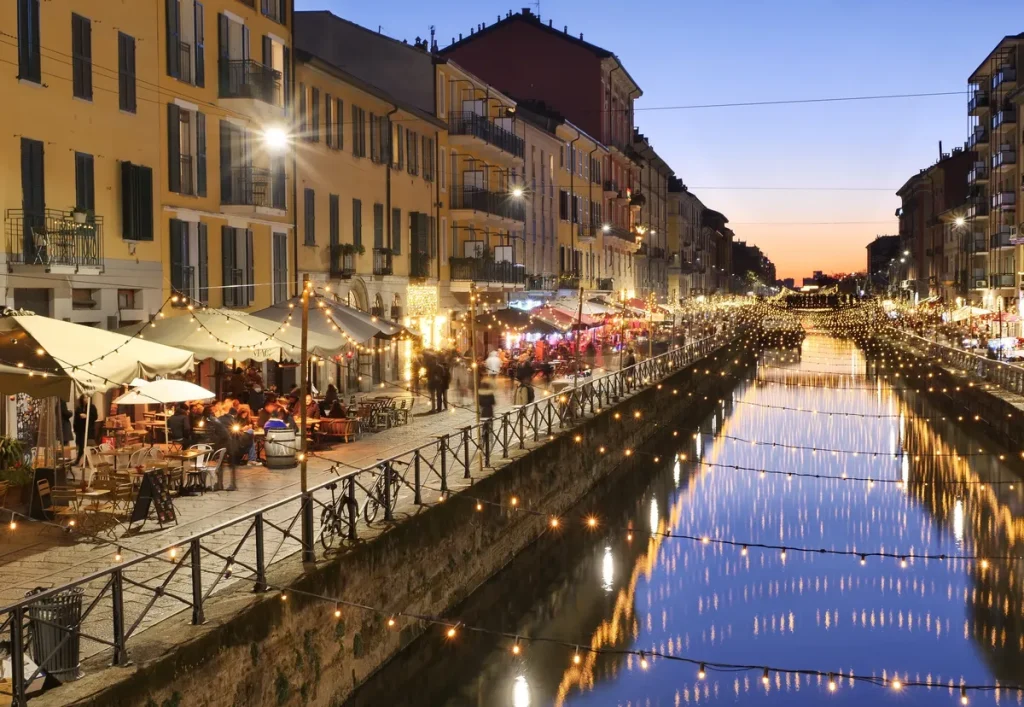
The remaining section of Milan’s historic canal network in the southwest of the city. The canal-side streets are lined with galleries, vintage shops, and bars. The aperitivo ritual: pay €10 to €15 for a drink and access to the bar’s food buffet, between 6:30 PM and 9:00 PM. Isola district has the most local version; the Navigli has the most atmospheric setting. Go to the Navigli for the canal and the evening light, not for the cheapest aperitivo.
17. Navigli Antiques Market
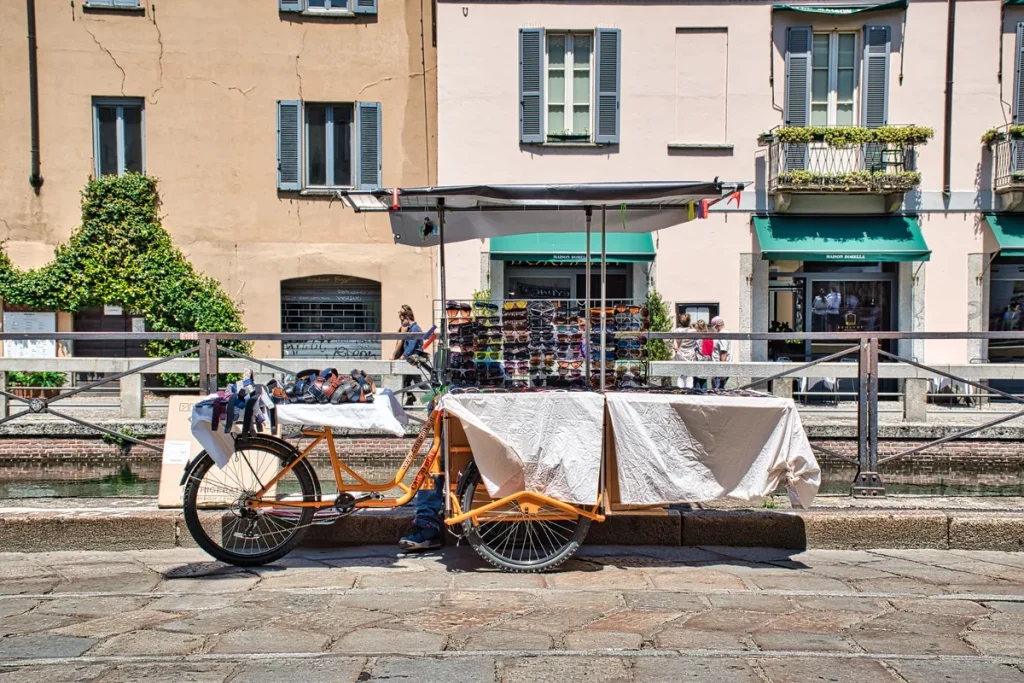
The last Sunday of each month, the full length of the Naviglio Grande is lined with antiques vendors – vintage clothes, rare vinyl, furniture, ceramics, design objects, and printed ephemera. Free to browse. If your visit falls on that Sunday, build the afternoon around it. One of the best flea markets in northern Italy.
18. Cotoletta alla Milanese – the real version
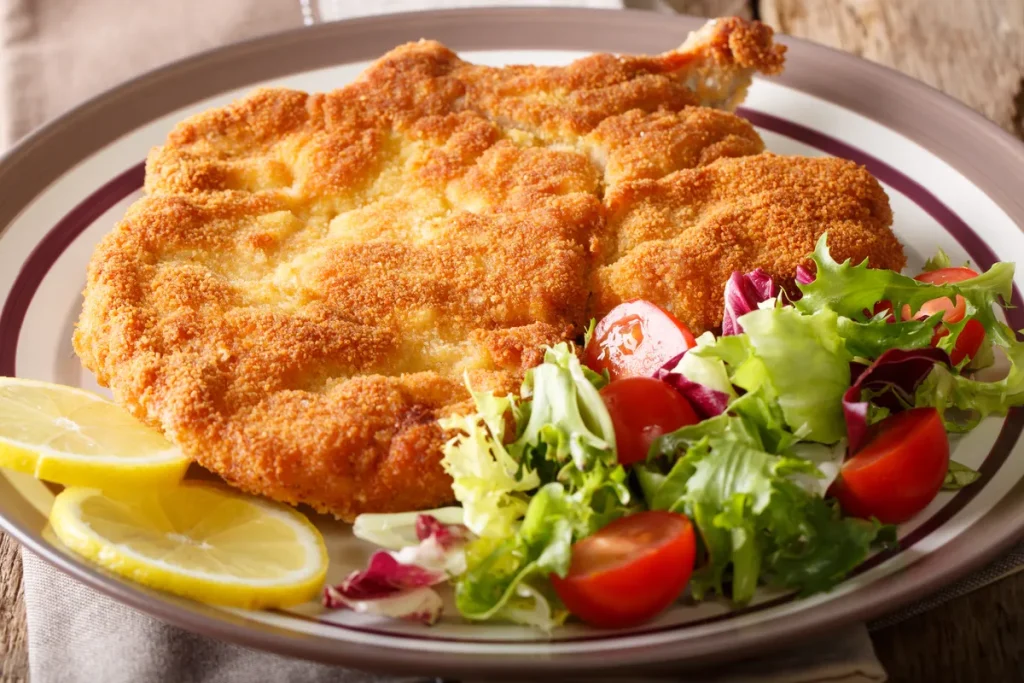
Not a restaurant, but a dish that defines the city. Bone-in veal cutlet breaded in egg and breadcrumbs, fried in clarified butter until golden. Must be served on the bone, must be thick enough to be visibly juicy inside, and must be cooked in butter rather than oil. A thin, pounded-flat pork version is not the correct dish.
Budget €22 to €30 for the cotoletta alone at a restaurant that does it properly. Order it at a traditional trattoria in the Navigli or Brera rather than anything near the Duomo. This is the correct final dinner for a Milan trip.
Neighborhoods
19. Brera – the artistic district
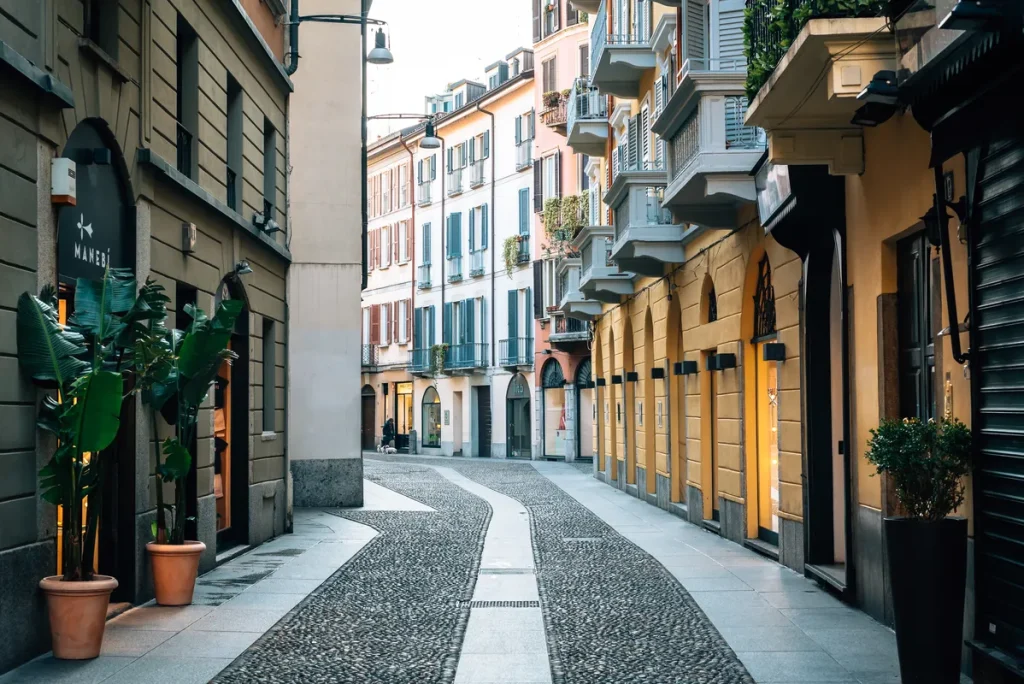
The cobblestone streets north of La Scala, home to the Pinacoteca di Brera, the Biblioteca di Brera, and the highest concentration of good small restaurants in central Milan. Walk the streets after the museum – the neighborhood has a specific evening atmosphere when the galleries and studios start emptying. The best neighborhood in Milan for a slow dinner.
20. Isola – the alternative north
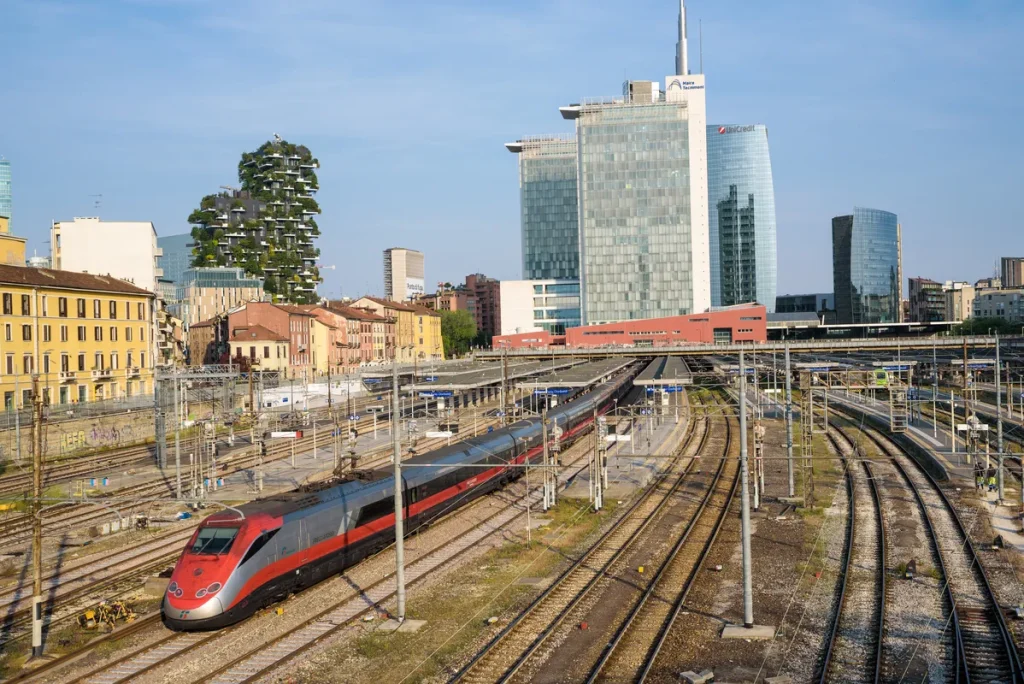
Cross the railway tracks from Porta Nuova into Isola – historically a working-class neighborhood physically separated from the rest of the city by the railway lines. The separation preserved its character through the development of Porta Nuova next door. Good independent restaurants, the best aperitivo in the city for a local rather than tourist crowd, and street art throughout. Take the Metro to Isola (M5) or walk 15 minutes from Porta Nuova.
21. Tortona Design District
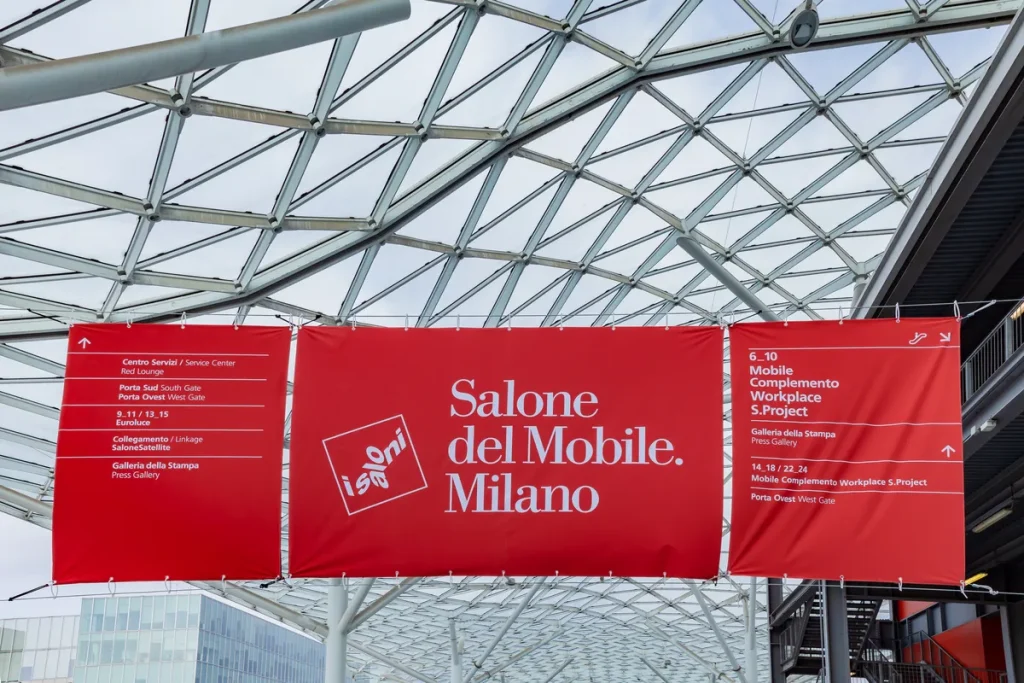
Southwest of the Navigli, the former industrial area around Via Tortona that has been converted into design studios, showrooms, and experimental restaurants. The neighborhood hosts the main events of the Salone del Mobile (Milan Design Week, held annually in April) when the streets fill with installations and the showrooms open to the public. Outside Design Week it is quieter but worth walking for the architecture and the restaurant quality.
Art Beyond the Main Institutions
22. Pinacoteca Ambrosiana
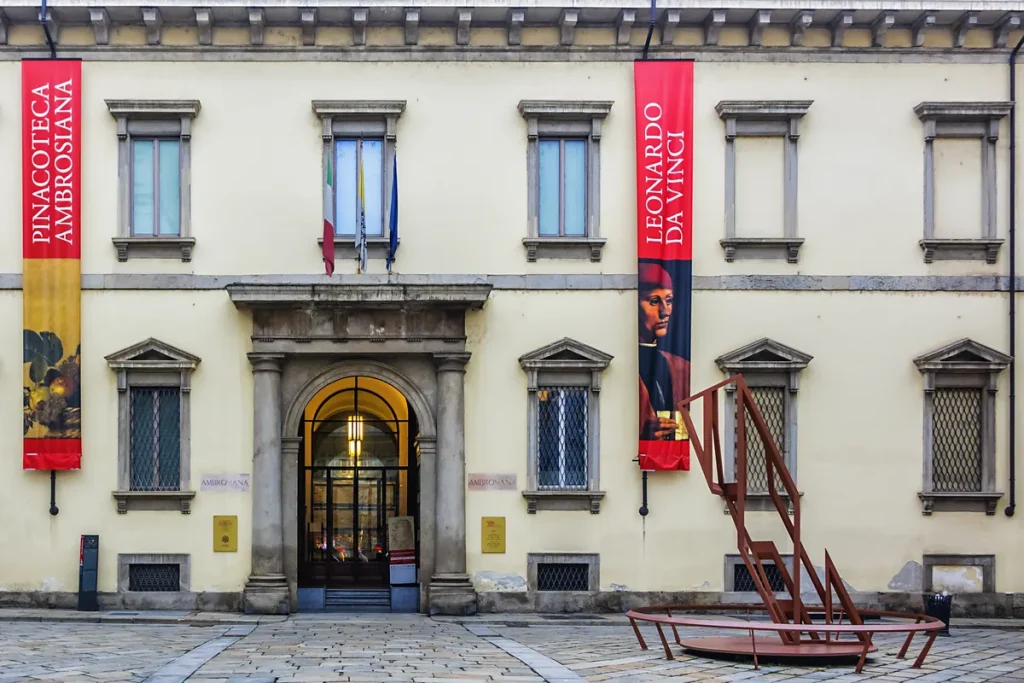
Piazza Pio XI, 2 – five minutes from the Duomo. Founded in 1618 and one of the oldest museums in the world. Contains Leonardo’s Portrait of a Musician (the only Leonardo portrait of a male subject in existence), Raphael’s full-scale cartoon for The School of Athens, and Caravaggio’s Basket of Fruit – the first Italian still life painting of significance. Entry: around €15. Consistently undervisited relative to its collection quality.
23. Museo Poldi Pezzoli
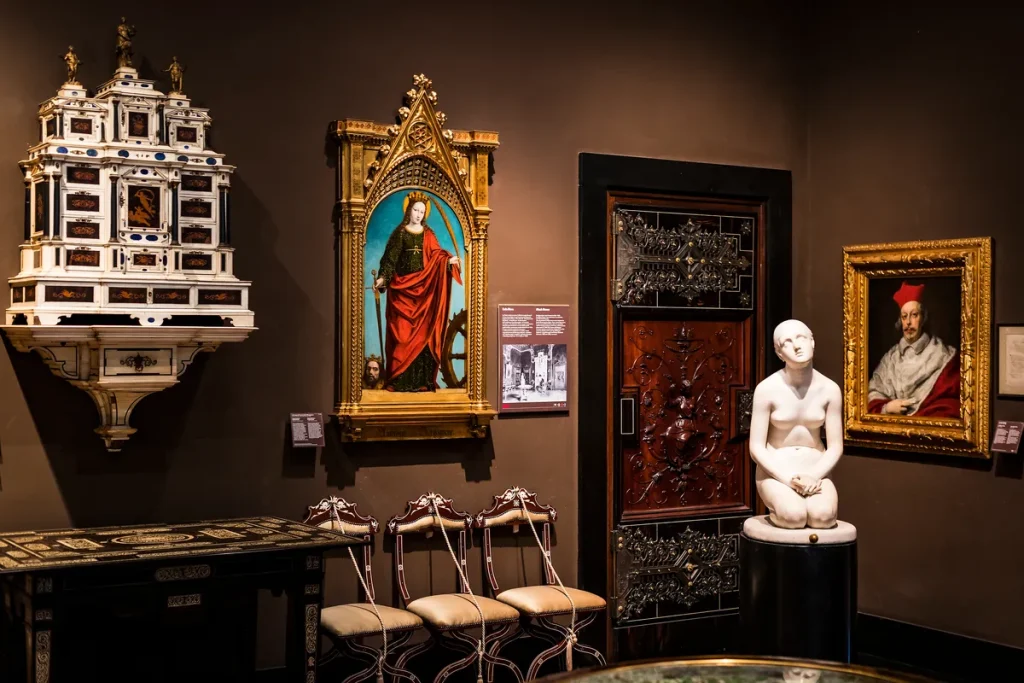
Via Manzoni, 12 – a 19th-century collector’s house converted into a museum after his death, displayed as it was when he lived in it. The collection covers Renaissance paintings, decorative arts, armor, clocks, and jewelry accumulated over a lifetime by Gian Giacomo Poldi Pezzoli. Botticelli’s Madonna and Child and Piero della Francesca’s San Nicolò da Tolentino are the centerpieces. Entry: around €14. One of the most personal museum experiences in Italy.
24. Museo del Novecento
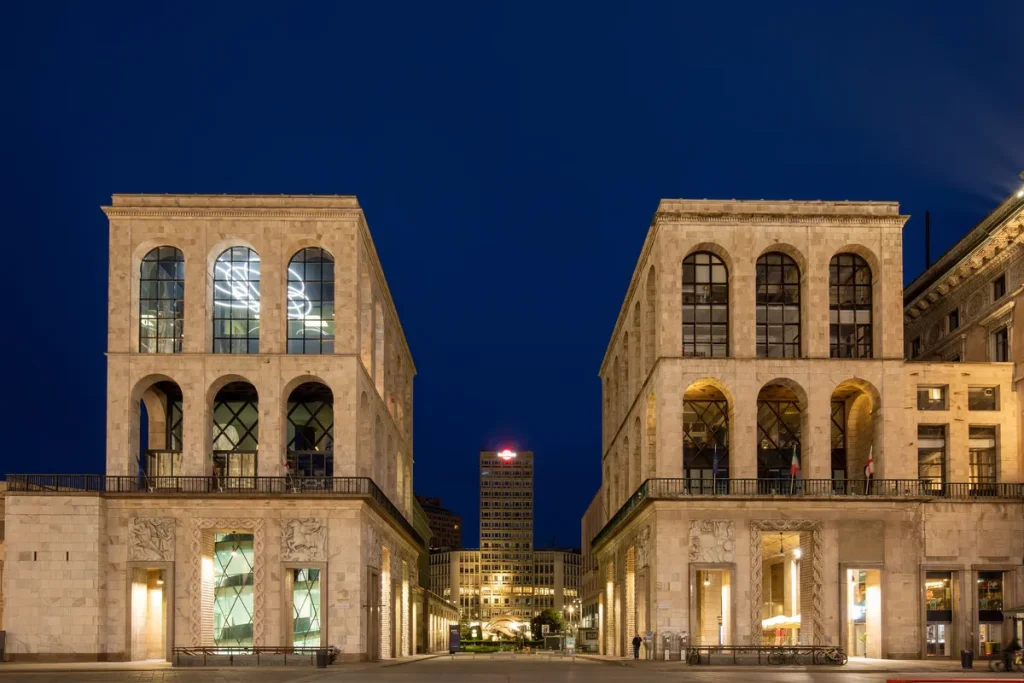
In the Palazzo dell’Arengario on Piazza del Duomo, directly facing the Cathedral. The collection covers Italian 20th-century art from Futurism through Arte Povera. Entry: around €10, free on Tuesday evenings. The Duomo view from the upper floors through floor-to-ceiling windows is one of the best elevated views of the Cathedral exterior in the city – and included in the ticket price.
25. Santa Maria delle Grazie exterior and neighborhood
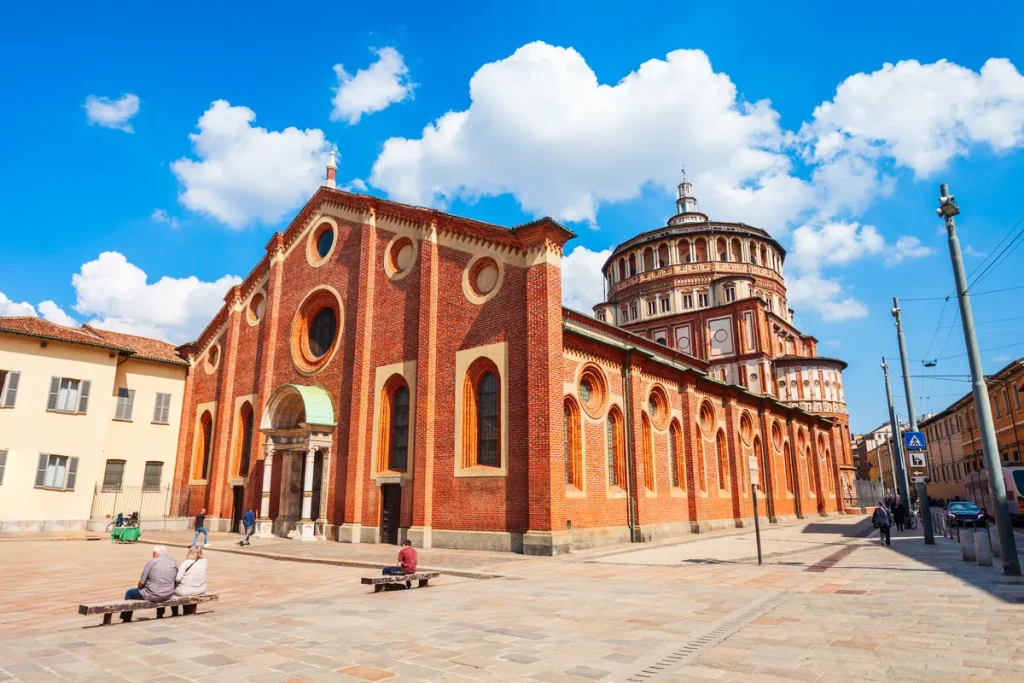
After visiting the Last Supper, walk the Corso Magenta neighborhood surrounding the church. The Civico Museo Archeologico (Corso Magenta, 15) occupies a former Benedictine monastery and contains Roman and Greek artifacts including the Coppa Trivulzio – a 4th-century AD glass cage cup of extraordinary technical complexity. Entry: around €5. The neighborhood itself – wide 19th-century boulevards, good aperitivo bars, less tourist infrastructure than the Duomo area – is the best version of Milan that most visitors miss entirely.
Plan Your Trip
- First Time in Milan
- 3 Days in Milan
- Milan on a Budget
- Milan Food Guide
- 3 Days in Venice
- Venice vs Florence
- 7 Days in Tuscany
- Rome vs Florence
- Milan vs Rome
- Day Trip to Cinque Terre from Milan
How far in advance do you need to book the Last Supper in Milan?
Three months ahead for July and August – tickets release in batches on getyourguide.com and sell out within minutes of going live. In shoulder season (April to June, September to October) four to six weeks ahead is usually sufficient, but earlier is always safer. There is no walk-up option under any circumstances. If your preferred date is sold out, check the site daily for cancellations – they appear regularly as travel plans change. Small-group tour operators buy bulk allocations and resell at a premium, which is expensive but often the only remaining option for visitors who did not book far enough ahead.
Is Milan worth visiting for art if you have already been to Florence and Rome?
Yes, because the collections are different rather than inferior. The Pinacoteca di Brera has Mantegna’s Dead Christ and Raphael’s Brera Madonna – neither in Florence or Rome. The Pinacoteca Ambrosiana has the only Leonardo portrait of a male subject in existence and Caravaggio’s first significant still life. The Museo Poldi Pezzoli is one of the best collector’s house museums in Europe. And the Last Supper is simply not comparable to anything in either city. Milan’s art is less immediately legible than Florence’s because it is spread across smaller institutions rather than concentrated in one or two landmark museums – which also means it is far less crowded.
What is the best free thing to do in Milan?
San Bernardino alle Ossa – the bone chapel five minutes from the Duomo with walls constructed entirely from human skulls and femurs arranged in decorative patterns. Free, takes 15 minutes, and is one of the most genuinely unusual rooms in Italy. For outdoor free options: the Castello Sforzesco courtyards give you the full scale of the 15th-century fortress without paying museum entry, Parco Sempione behind it is the best park in the city, and the Bosco Verticale towers at Porta Nuova are visible from street level at no cost.
Which Milan neighborhood is best for dinner?
Brera for the most atmospheric setting – cobblestone streets, good small restaurants, and the Pinacoteca di Brera as an anchor for the afternoon before dinner. The Navigli for canal-side eating with the best aperitivo setting in the city. Isola for the most local crowd and the least tourist-facing restaurant pricing. Tortona for experimental kitchens from the younger generation of Milanese chefs. Avoid eating near the Duomo – the restaurants within 200 meters of the Cathedral are priced for visitors who will not return and the quality reflects it.
How does the aperitivo work in Milan?
Between roughly 6:30 PM and 9:00 PM, bars across the city offer a drink – Negroni, Spritz, Campari Soda, or local wine – for €10 to €15, and the price includes access to a buffet of food ranging from olives and crisps at basic bars to pasta, rice dishes, and hot food at the better ones. It functions as an informal dinner substitute or a substantial pre-dinner meal. The Navigli district has the most atmospheric setting for aperitivo. Isola has the most local crowd. The buffets are freshest at the start of the service around 6:30 PM – arriving at 8:30 PM means the best options are already gone.
25 Best Things to Do in Milan — 2026
Color-coded by section. Book the Last Supper before anything else. Click any pin for logistics and what the article says.