
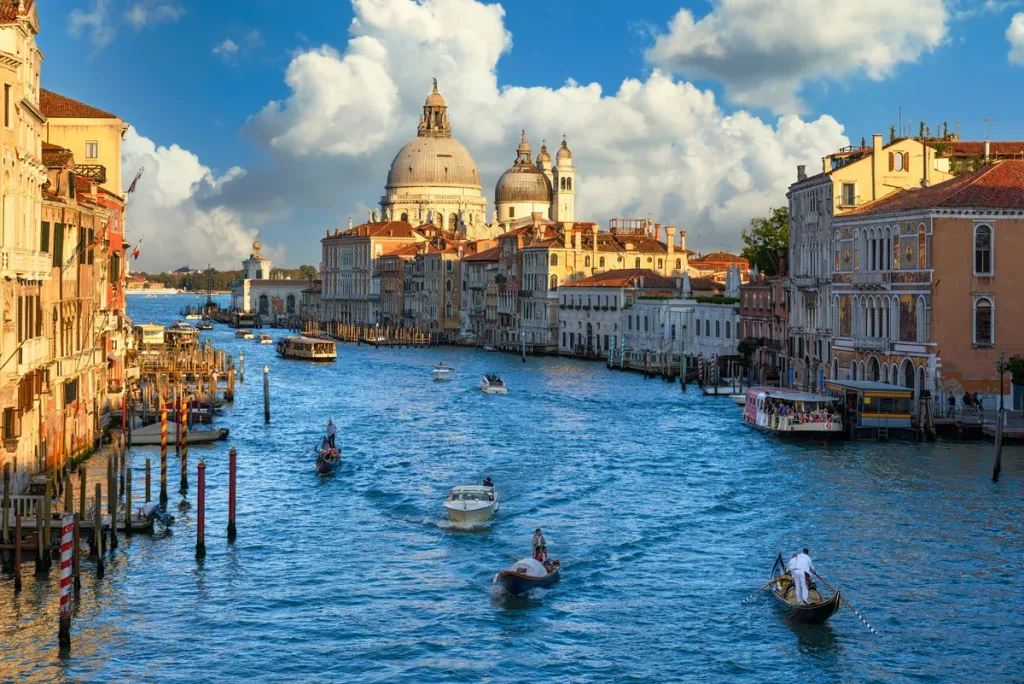
Rome vs Venice, two cities are 528 kilometers apart by rail and operate as if they’re on different planets. Rome is a city of 2.8 million people where the ruins of the Caesars share blocks with traffic, laundry lines, and €1.20 espresso bars. Venice has 50,000 residents, no cars, no scooters, and in 2026 charges day-trippers a €5 access fee to manage the 30 million annual visitors overwhelming an island built for a medieval maritime republic. Both are worth your time. Neither is interchangeable with the other. The question is which one fits what you’re actually trying to do. This guide compares them across the things that matter: logistics, cost, food, art, and crowd management, so you can make the decision and move on to planning.
If you’re doing both – and on a week-long Italy trip, you should – the 3 days in Rome itinerary and the 3 days in Venice itinerary handle the day-by-day structure. This post is for when you need to decide which city gets more of your time. Not sure whether Venice or the capital is the better fit? This Venice or Rome comparison will help you choose.
The Fundamental Difference
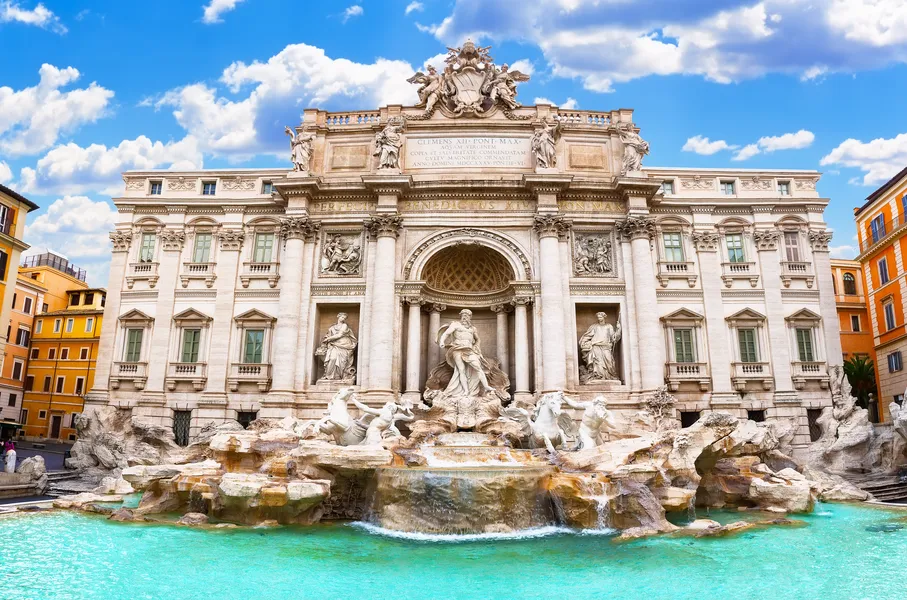
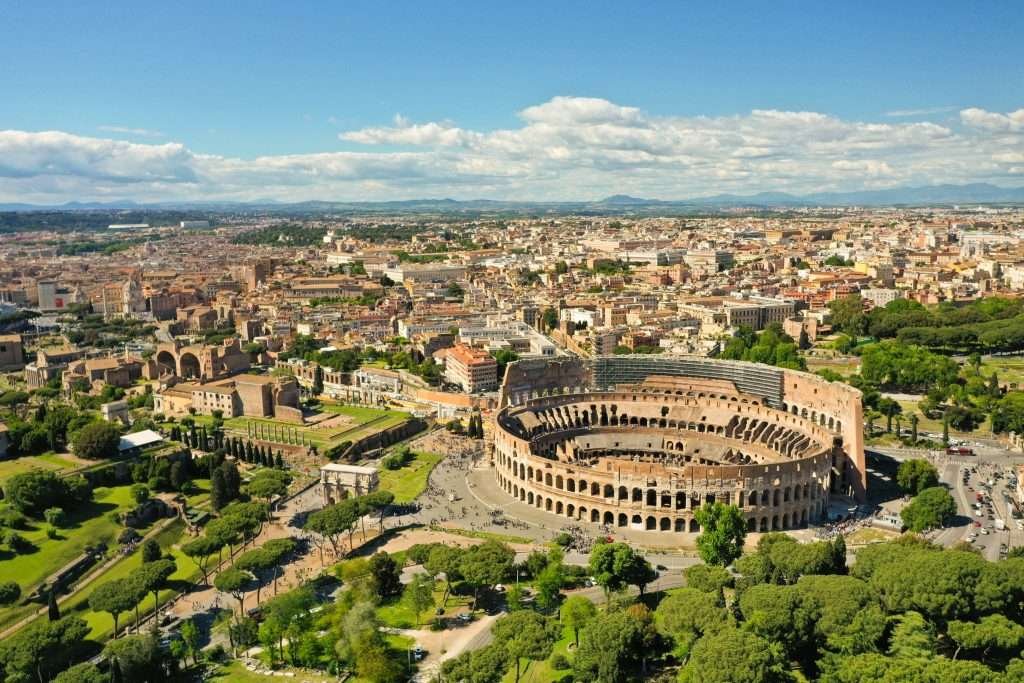
Rome is a working city that happens to contain the most important ruins in Western history. The Pantheon is 2,000 years old and sits in a square surrounded by restaurants, a gelato shop, and a hotel. The Colosseum is flanked by a metro station and souvenir stands. Rome is not precious about its history – it just lives inside it, which is either charming or maddening depending on your temperament.
Venice is a purpose-built aesthetic object that stopped functioning as a normal city several decades ago. The population has halved since the 1950s as residents moved to the mainland, and what’s left is increasingly organized around tourism. That said, the physical reality of the place – an entire medieval and Renaissance city built on a salt lagoon, no cars, 400 bridges, canals instead of streets – is something that no photograph prepares you for. The first morning you wake up in Venice and hear only water is genuinely disorienting in the best way.
The choice between them is partly about what kind of traveler you are. Rome rewards people who like walking fast, eating big meals, and being surrounded by noise and history simultaneously. Venice rewards people who like getting lost slowly, eating small things at bars, and standing on bridges at 7:00 AM before anyone else is awake.

Logistics: How Each City Actually Works
Rome
Rome covers 1,285 square kilometers. Even the tourist circuit – Colosseum to Vatican to Pantheon – is spread across 5-6 kilometers that don’t connect easily. The metro has three lines (A, B, and the newer C) and covers the main tourist anchors: Colosseum (Line B, Colosseo), Spanish Steps (Line A, Spagna), Termini (both lines). The historic center around the Pantheon and Campo de’ Fiori has no metro, so you’re on foot or bus for that section.
The surface is sampietrini – black volcanic cobblestones that look good in photographs and destroy ankles over a full day. Comfortable shoes are not optional. The distances between major sights mean you need to plan each day by neighborhood rather than trying to cross the city. Vatican day and Colosseum day should be separate.
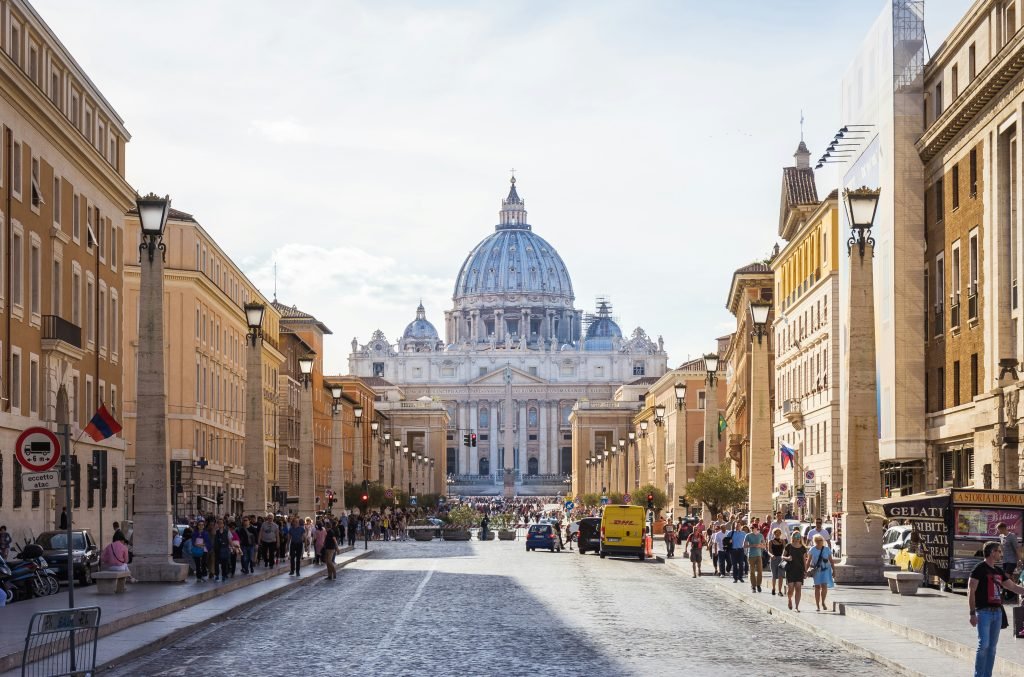
Rome is also physically large enough that you can escape the tourist density easily. Three blocks from the Colosseum puts you in Monti, a neighborhood with normal bars and Romans eating lunch. Ten minutes south of the Vatican is Prati, where people shop for groceries and pay reasonable prices for coffee.
Daily step count: 18,000-25,000 on a full sightseeing day.

Venice
Venice covers 7.6 square kilometers on the main island. You can walk from the train station (Santa Lucia) to St. Mark’s Square in about 40 minutes if you follow the signs and don’t take wrong turns. You will take wrong turns. The street grid of Venice – calli, fondamenta, salizzade – does not follow any logic accessible to outsiders, and the signs pointing toward San Marco or Rialto disappear at exactly the moments you need them.
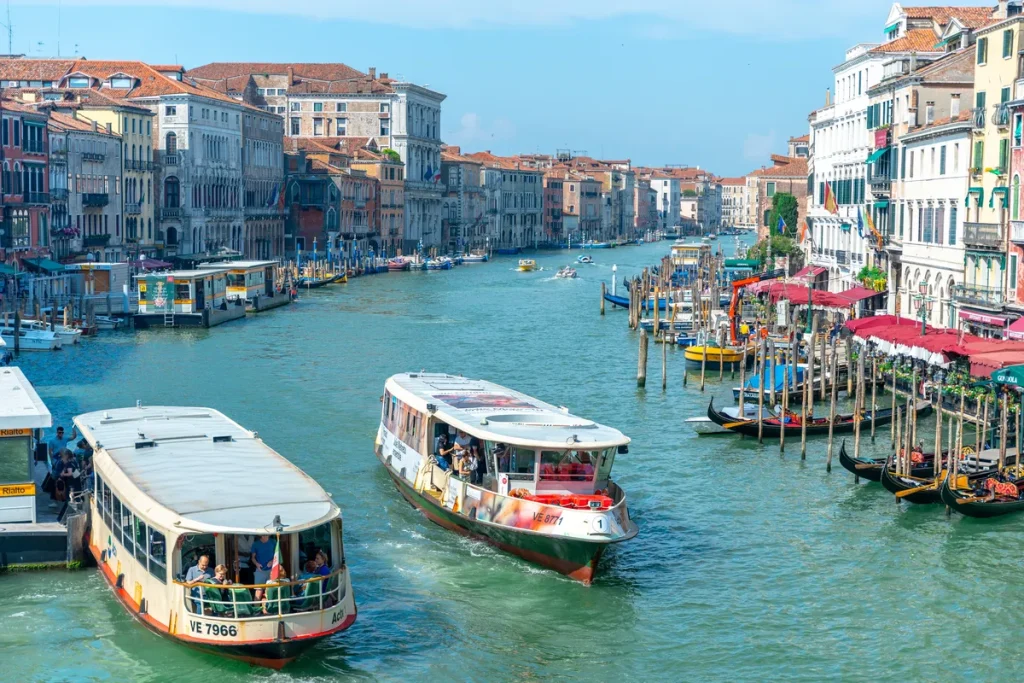
The vaporetto (water bus) is the main public transport. A single 75-minute ticket costs €9.50 – expensive for one journey, but the ACTV 24-hour pass (€25) makes sense if you’re taking more than two or three trips. The vaporetto on Line 1 down the Grand Canal is also genuinely one of the best things to do in Venice – 45 minutes of palazzo facades, boats, and bridges for the price of a ticket.
Venice has over 400 bridges, most with steps on both sides. If you have mobility issues or are traveling with a heavy suitcase, the logistics are genuinely difficult. There are very few step-free routes between any two points. This is not a city designed for wheels.
The geographic constraint that everyone figures out within half a day: the area between Rialto Bridge and St. Mark’s Square is where 90% of the tourist pressure concentrates. Getting off that main artery into Dorsoduro, Cannaregio, or Castello changes the city completely. Ten minutes’ walk from the Rialto in the right direction and you’re in streets with one other person in them.
Daily step count: 12,000-18,000, but with more bridges than Rome.
Cost Comparison in 2026
Rome
Rome is mid-range by European capital standards and cheaper than Venice for almost every category.
Food: Pizza al taglio (by the slice) from a proper forno costs €3-5 for a filling lunch portion. A sit-down lunch with wine at a trattoria in Monti or Testaccio runs €15-20 per person. Espresso at a bar: €1.20-1.50 standing. The tourist-facing restaurants near the Colosseum and Trevi charge double; moving two streets away normalizes prices.
Water: Rome has 2,500+ nasoni – small iron street fountains running continuously with cold, clean drinking water. Buying bottled water in Rome is an unnecessary expense.
Sights: The Pantheon is €5 (free on first Sunday of the month). The Colosseum combined ticket with the Roman Forum and Palatine Hill is €18 (book in advance – it sells out). The Vatican Museums require advance booking and cost €20. Most churches, including several with significant Caravaggio paintings, are free. The Spanish Steps and Trevi Fountain are free.
Accommodation: A decent 3-star in Monti or Trastevere runs €100-150/night. The centro storico costs more – €150-230 for equivalent quality.
Venice
Venice is the most expensive city in Italy and operates on a premium pricing structure that affects every category.
The day-tripper access fee: Since 2024, Venice charges €5 per person for day visitors arriving during peak periods (weekends and holidays, April through July). The fee doesn’t apply if you’re staying overnight in the city. You register online and show a QR code at entry points. The enforcement in 2026 is more consistent than the initial rollout.
Food: Cicchetti at a bacaro (Venetian wine bar) cost €1.50-3 per piece and a small glass of wine (ombra) is €1.50-2. This is the way to eat cheaply and well in Venice – stand at the bar, eat four or five pieces, drink two glasses, spend €10-12. Sit-down restaurants near St. Mark’s or the Rialto add tourist pricing that can push a pasta dish to €22-28. Moving to Cannaregio or Castello for dinner normalizes prices to €15-18 for a first course.
Transport: Single vaporetto ticket €9.50, 24-hour pass €25, 48-hour pass €35, 72-hour pass €45. A gondola is €90 for 30 minutes (official fixed rate, daytime) or €120 after 7:00 PM. The gondola is expensive, deeply touristy, and worth doing once if you understand what you’re getting: a slow 30-minute float through narrow side canals with a gondolier who may or may not sing depending on your group’s energy. The Grand Canal section of the route is the part people remember.
Accommodation: Venice hotels are expensive because supply is constrained by the island’s size. A decent 3-star in Dorsoduro or Cannaregio runs €150-220/night. Properties near St. Mark’s or on the Grand Canal cost significantly more – €250-400 for mid-range. The cheaper option is staying in Mestre (the mainland city connected to Venice by causeway) at €70-100/night and commuting in by train – 10 minutes, €1.50 – though you lose the morning and evening quiet of the island.
Art: What You’re Actually Going to See
Rome
Rome’s art is distributed across the city rather than concentrated in one museum. The Vatican Museums contain the Sistine Chapel ceiling (Michelangelo, 1512), the Raphael Rooms, and a collection accumulated by the papacy over 500 years. The Sistine Chapel specifically is the most-visited room in Italy – book the earliest entry slot available and walk directly there before the crowds fill the corridor.
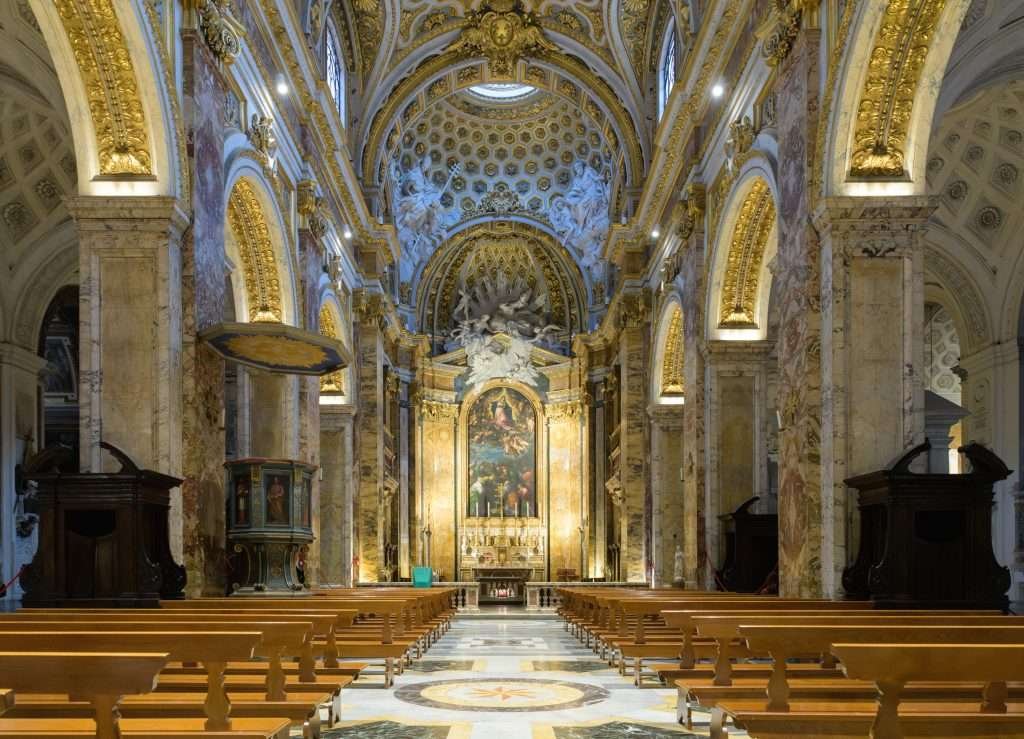
The more distinctive Rome art experience is the Caravaggio churches. You walk into San Luigi dei Francesi (free, near the Pantheon), wait for the light box to illuminate, and you’re looking at three Caravaggio paintings – The Calling of Saint Matthew, Saint Matthew and the Angel, The Martyrdom of Saint Matthew – in the chapel they were painted for in 1600. Same with Santa Maria del Popolo (two Caravaggios), Sant’Agostino (one), and Santa Maria della Vittoria (Bernini’s Ecstasy of Saint Teresa). You experience these works in their original architectural context, not in a white museum room.
The Borghese Gallery requires advance booking (mandatory) and limits visitors to 2-hour time slots. It contains Bernini’s early marble sculptures – Apollo and Daphne, The Rape of Proserpina, David – which are among the most technically accomplished works in the Western canon and almost never crowded because of the booking system.



Venice
Venice’s art is concentrated in a few major venues and scattered through churches that charge small entry fees to see single significant works.
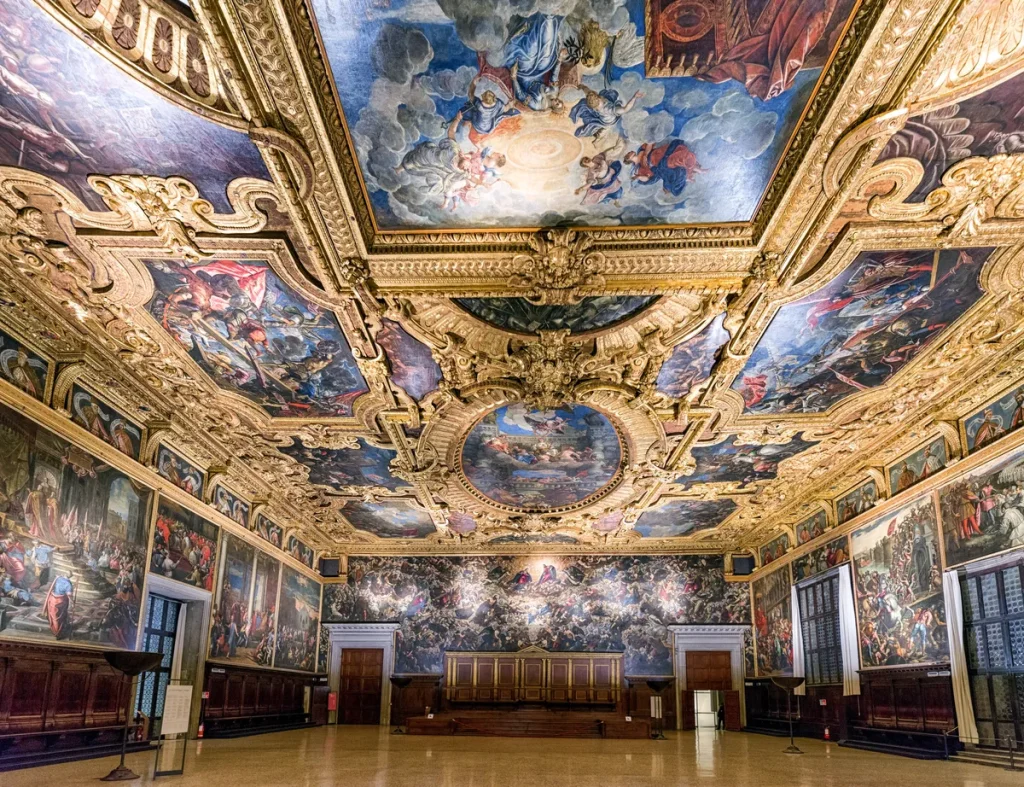
The Doge’s Palace contains Tintoretto’s Paradise in the Great Council Chamber – reportedly the largest oil painting in the world at 7.45 by 24.65 meters. The building itself, the pink-and-white Gothic facade overlooking the lagoon, is the architectural symbol of Venice. Entry €14 (or included in the Museum Pass).
The Scuola Grande di San Rocco has an entire ceiling and walls covered in Tintoretto paintings, completed over 23 years between 1564 and 1587. The ceiling paintings are done in a style specifically designed to be seen from below – dramatically foreshortened figures, extreme lighting effects. You look up with a mirror provided at the door. Entry €10.
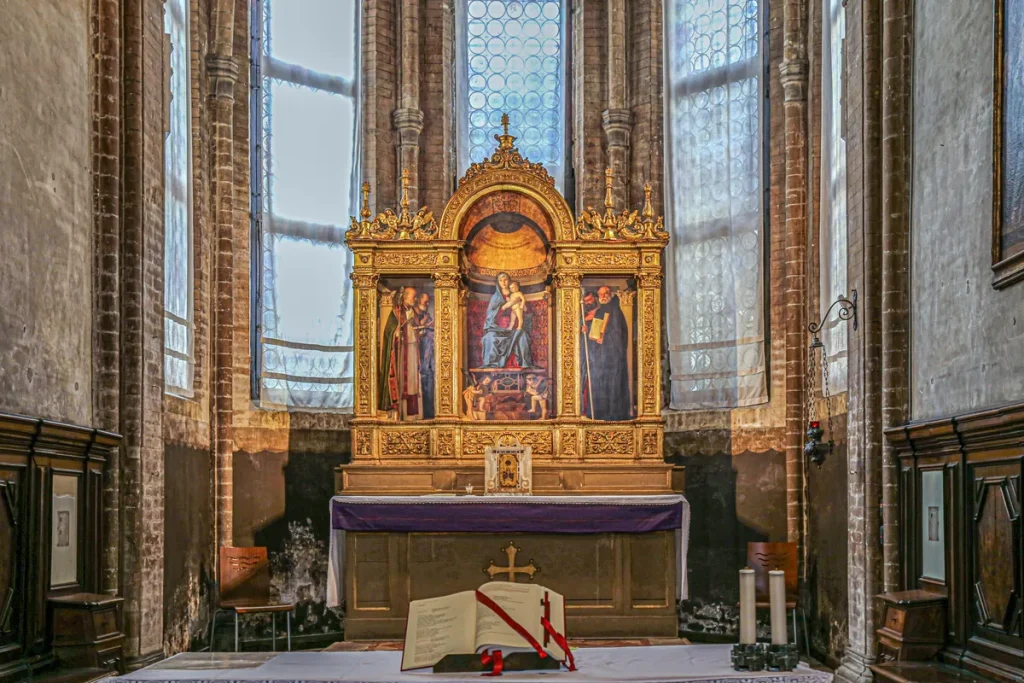
The Accademia is the main art museum and covers Venetian painting from the 14th through 18th centuries – Bellini, Giorgione, Titian, Tintoretto, Tiepolo. Entry €12.
On Murano (20 minutes by vaporetto, Line 4.1 or 4.2), you can watch glass being blown at the furnaces. This is either genuinely interesting or a sales pitch depending on where you go. The furnace at Fornace Venier does serious demonstrations without the hard sell. Murano glass has been produced on the island since 1291, when the Venetian Republic moved the glassblowers there to reduce fire risk to the main island. The technique for making the ultra-thin filigrana glass hasn’t fundamentally changed in 700 years.


Food: Two Different Philosophies
Rome
Roman food is built on four pasta dishes that use the same two ingredients in different combinations: Pecorino Romano, guanciale (cured pork cheek), eggs, and black pepper.
Carbonara is eggs and guanciale cooked with pasta water into a sauce that should coat the pasta without scrambling – if there are visible chunks of cooked egg, it’s wrong. Cacio e Pepe is Pecorino and pepper emulsified with pasta water into something that looks like it shouldn’t work and does. Amatriciana adds tomato and more guanciale. Gricia is Amatriciana without the tomato – the oldest of the four.
These dishes are the standard against which all versions elsewhere are measured, and the standard in Rome is higher than anywhere outside Rome. Order them at a trattoria in Testaccio or Monti with a carafe of house wine and bread, and you understand why people come back to Rome specifically to eat.



Venice
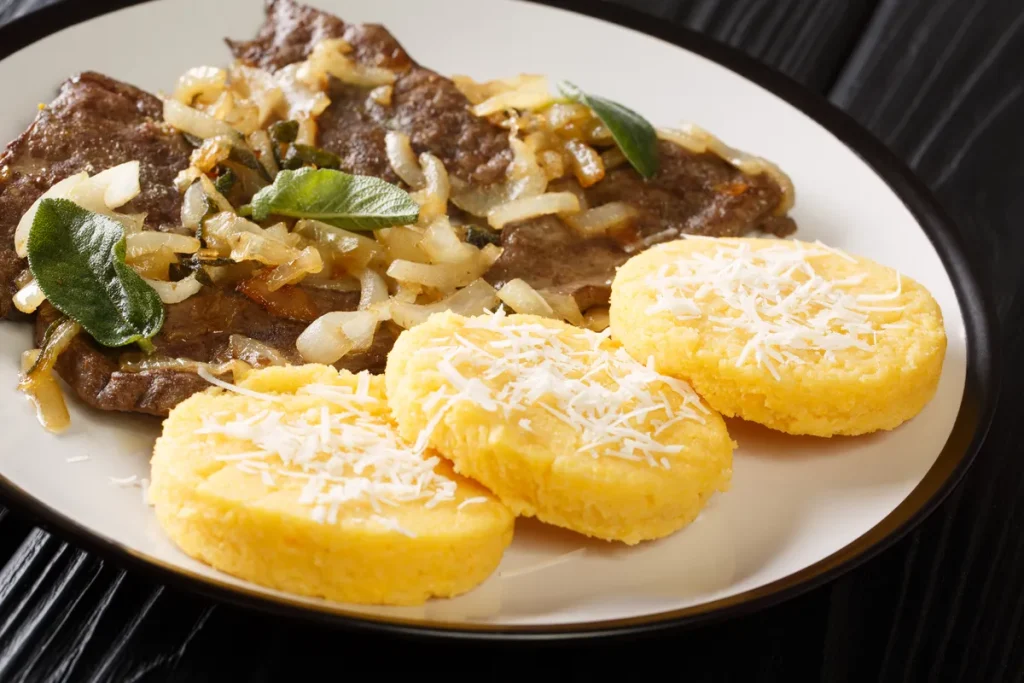
Venetian food is snack-based and seafood-driven. The bacaro crawl – moving through the city stopping at wine bars for cicchetti and small glasses of wine – is both the social activity and the eating strategy. The specific cicchetti worth seeking out: baccalà mantecato (salt cod whipped with olive oil into a mousse, served on white polenta or bread), sarde in saor (sardines marinated in vinegar, onions, raisins, and pine nuts – the sweet-sour combination is specifically Venetian and goes back to medieval spice trade influence), and crostini with anchovy butter or liver pâté.
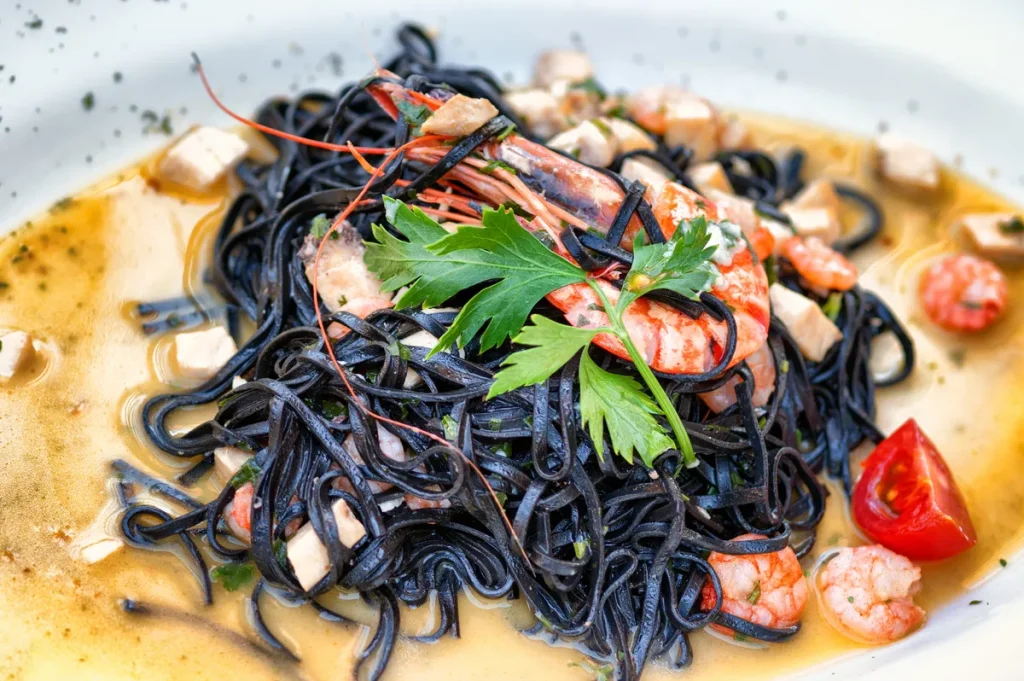
For sit-down meals, Bigoli in salsa is the pasta specific to Venice – a thick, rough whole-wheat spaghetti with slow-cooked onions and salted anchovies. Risotto di gò (risotto with goby fish from the lagoon) is harder to find but worth it when you do.
The best bacari are in Cannaregio (around the Ghetto and Fondamenta degli Ormesini) and in the Rialto market area in the morning before the tourist crowds arrive. The Rialto fish market opens at 7:30 AM and closes by noon – it’s worth seeing even if you’re not buying anything.


Crowds and Timing
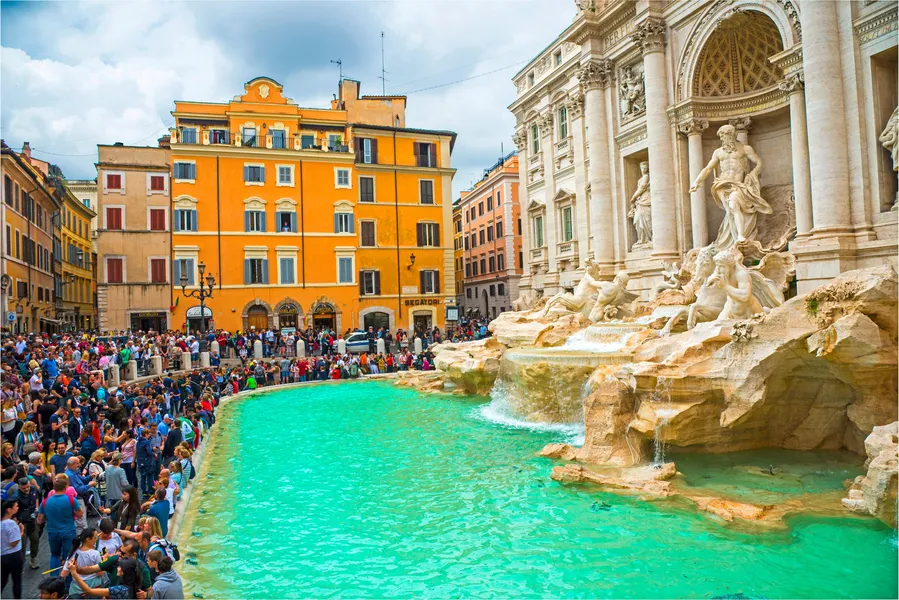
Rome is crowded at the Colosseum, Vatican, and Trevi Fountain year-round. The solution is booking timed entry for the Colosseum (essential) and Vatican (essential) and visiting the Trevi either before 8:00 AM or after 9:00 PM. The rest of the city – the churches, the markets, the neighborhoods – absorbs tourists without feeling overwhelmed. January and February are the quietest months; July and August are peak and hot.
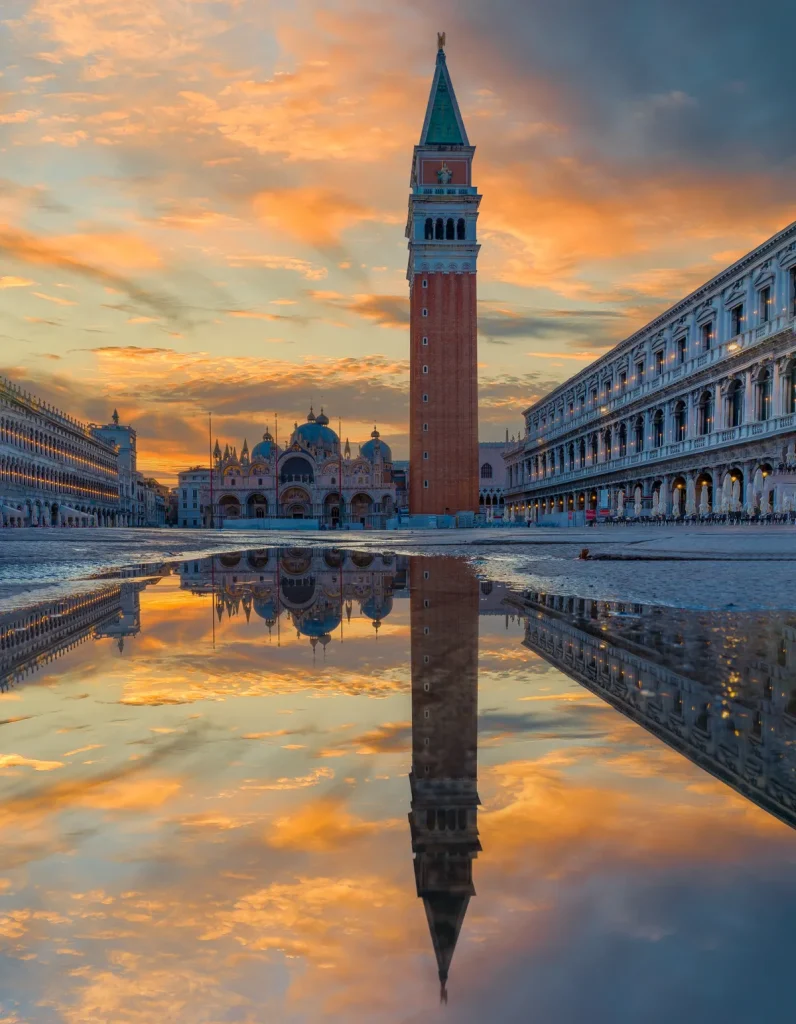
Venice is a different problem. The day-trip pressure – 30 million annual visitors on a 7.6 square kilometer island – concentrates between 10:00 AM and 5:00 PM. The access fee has reduced day-tripper numbers on peak days but hasn’t eliminated the crush on the main route between the station and St. Mark’s. The solution is staying overnight. At 7:00 AM the city is empty – light on the water, no crowds, the sound of the vaporetto the only noise. At 6:30 PM the day-trippers leave and it empties again. You only get these hours if you stay.


If you visit Venice as a day trip from Bologna or Padua, go on a Tuesday or Wednesday in October. Don’t go on a summer Saturday.
How to Do Both
Rome to Venice by high-speed train (Frecciarossa or Italo) takes 3 hours 45 minutes. Trains run throughout the day; advance booking gets prices from €29-45 each way. Venice’s Santa Lucia station is on the island – you walk out onto the Grand Canal steps. Rome’s Termini is central to most accommodation.
On a 7-night Italy trip, the split that works: 4 nights Rome, 3 nights Venice. Rome needs 4 nights to do the Colosseum, Vatican, historic center, and one neighborhood properly. Venice needs 3 nights to see the main sights and have the morning-quiet experience that justifies the trip.
The logical direction is Rome first (south to north), then Venice, because it’s easier to continue to other northern destinations from Venice than to backtrack from Venice to Rome.
The Comparison Table
| Rome | Venice | |
|---|---|---|
| Best for | History, pasta, big-site sightseeing | Architecture, seafood, getting lost |
| Daily transport cost | €2-7 (metro/bus) | €25+ (vaporetto pass) |
| Cheapest good meal | €3-5 pizza al taglio | €10-12 cicchetti at a bacaro |
| Main crowd problem | Colosseum and Vatican queues | Rialto-to-St. Mark’s corridor all day |
| Escape from crowds | Walk 3 blocks into Monti or Testaccio | Walk 10 minutes into Cannaregio or Dorsoduro |
| Must book in advance | Colosseum, Vatican, Borghese Gallery | Doge’s Palace (skip-the-line worth it) |
| Worst time to visit | August (heat and crowds) | Summer weekends (access fee + maximum crowds) |
| Non-negotiable experience | Caravaggio in the churches (free) | Early morning on the canals (free) |
Plan Your Trip
- First Time in Rome
- 1 Day in Rome
- 3 Days in Rome
- 5 Days in Rome
- Rome on a Budget
- Foodies Guide to Rome
- Where to Stay in Rome
- Day Trips from Rome
- Rome with Kids
- Rome in Winter
- Rome vs Florence
- 10 Days in Southern Italy
- First Time in Venice
- 1 Day in Venice
- 3 Days in Venice
- 25 Things to Do in Venice
- Where to Stay in Venice
- Venice on a Budget
- What to Eat in Venice
- Best Day Trips from Venice
Is Rome or Venice more expensive?
Venice is more expensive across every category – accommodation, food, transport, and entry fees. The day-tripper access fee adds €5 per person on peak days. Vaporetto tickets cost €9.50 each versus Rome’s metro at €1.50. Budget an extra €40-60 per day in Venice compared to equivalent days in Rome.
Can you do Rome and Venice in one week?
Yes, comfortably. Four nights in Rome and three nights in Venice with a day’s train journey between them covers the main sights without feeling rushed. The mistake is trying to add Florence or other cities to a week-long trip – you end up spending significant time in transit and not enough time in either place.
Do you need to book the Venice access fee in advance?
On designated peak days (weekends and holidays, primarily April through July), yes – register at cda.ve.it before arriving. The fee is €5 per person. Day-trippers arriving without registration can be turned away or fined at checkpoints. If you’re staying overnight in Venice, you’re exempt but still need to register for a QR code via your accommodation.
Which city is better for first-time visitors to Italy?
Rome. It’s larger, more forgiving logistically, has a wider range of accommodation at different price points, and the main sights – Colosseum, Vatican, Pantheon, Trevi – represent a clearer introduction to Italian history and art. Venice is better when you already know you love Italy and want a more specific experience.
Is Venice worth it despite the crowds and cost?
Yes, with the condition that you stay overnight. As a day trip, Venice is expensive, crowded, and you see the worst of it. With an overnight stay, you get the morning and evening hours that make the city what it actually is. The cost of one night’s accommodation is the cost of entry to the real Venice.
Rome vs Venice — 2026 Comparison Map
Key differences pinned across both cities. Frecciarossa / Italo between them: 3h45, from EUR 29. Click any pin.