

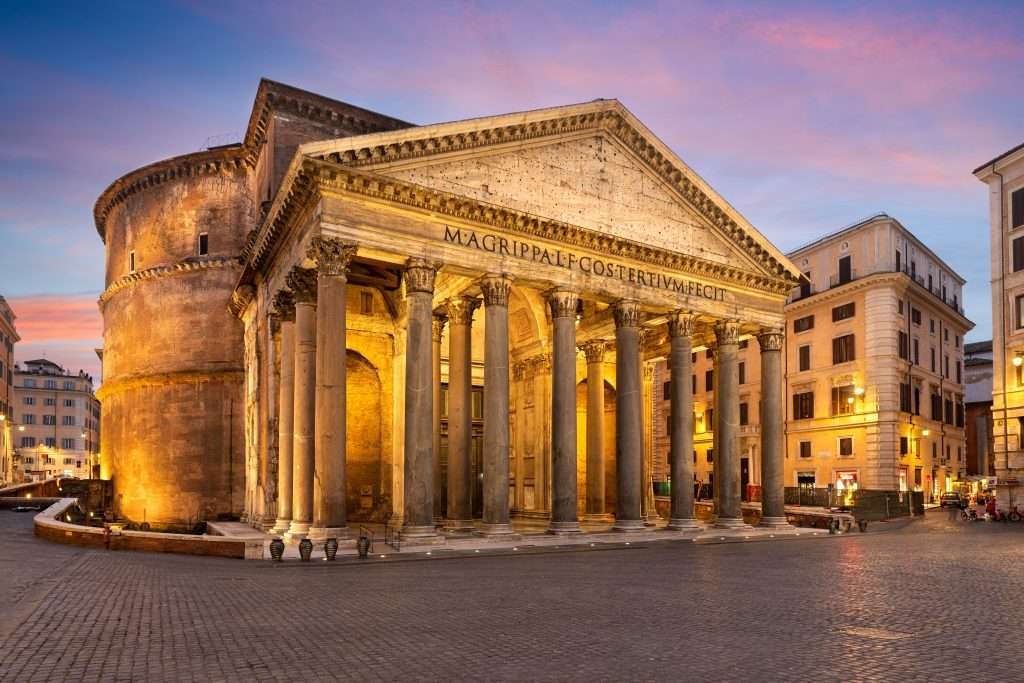
Rome vs. Florence are 90 minutes apart by high-speed train and feel like entirely different countries. Rome is a sprawling, layered city where you walk past a 2,000-year-old temple on the way to lunch. Florence is a compact, organized Renaissance city where everything significant is within 25 minutes on foot. Both have crushing crowds at the major sites in peak season. Both require pre-booked tickets for anything worth seeing.
If you have five or more days in Italy, do both – the train connection is easy and the contrast between the two cities is part of the point. If you have to choose, this guide breaks down the actual differences.
For the northern Italy equivalent of this comparison, see Venice vs Florence.
Logistics: Marathon vs. Sprint
Rome
Rome is large and its Metro system is limited – every new tunnel hits an ancient ruin. You will rely on buses, trams, and your feet across a city that sprawls in every direction.
The pavement is sampietrini – small, rounded black volcanic stones that are uneven and genuinely punishing on knees over a full day. Wear thick-soled shoes.
The only workable strategy: One sector per day. The Colosseum and Roman Forum area is a half-day minimum. The Vatican is a full day. The historic center (Pantheon, Piazza Navona, Campo de’ Fiori) is its own day. Do not try to cross the city twice in one afternoon.


Florence
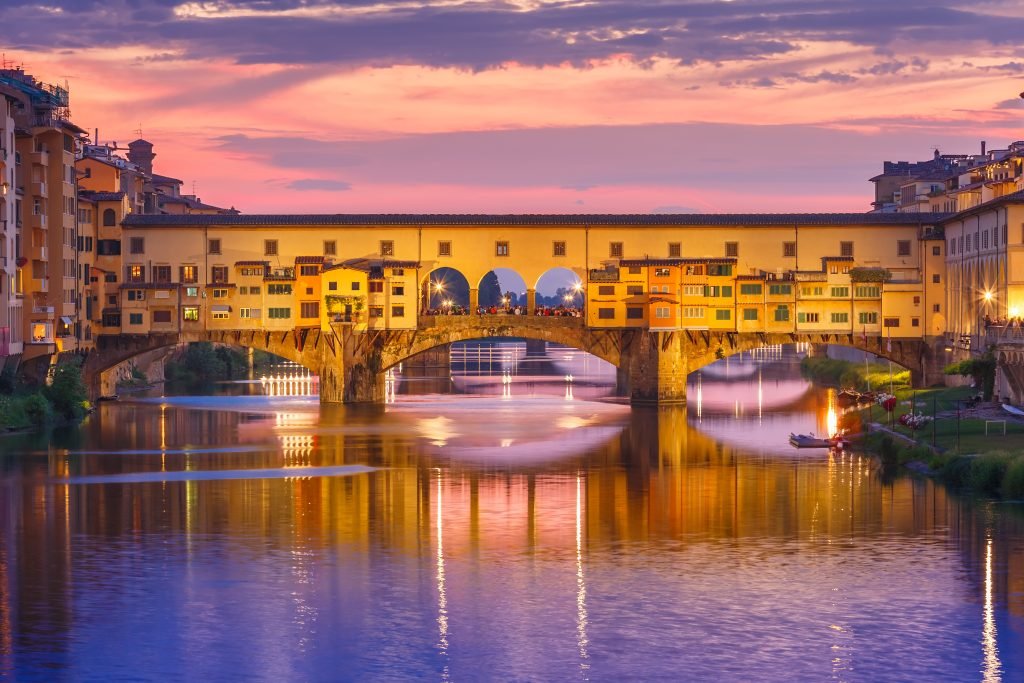
Florence may be the most walkable historic city in Europe. The Accademia to the Uffizi is an eight-minute walk. The Duomo to the Ponte Vecchio is six minutes. You do not need public transport for anything in the center.
The pavement is pietra serena – flat, hard grey stone. Easier to navigate than Rome’s cobbles but equally taxing after a full day of sightseeing. Same advice on shoes.
Winner on logistics: Florence, significantly. Rome requires planning and stamina. Florence requires good shoes and a map you will barely need after day one.

Art: Volume vs. Precision
Rome
Rome’s art is defined by scale and context. The Sistine Chapel ceiling, St. Peter’s Basilica, the Pantheon’s unreinforced concrete dome built in 125 AD – all of these are overwhelming in a way that reproductions cannot convey.
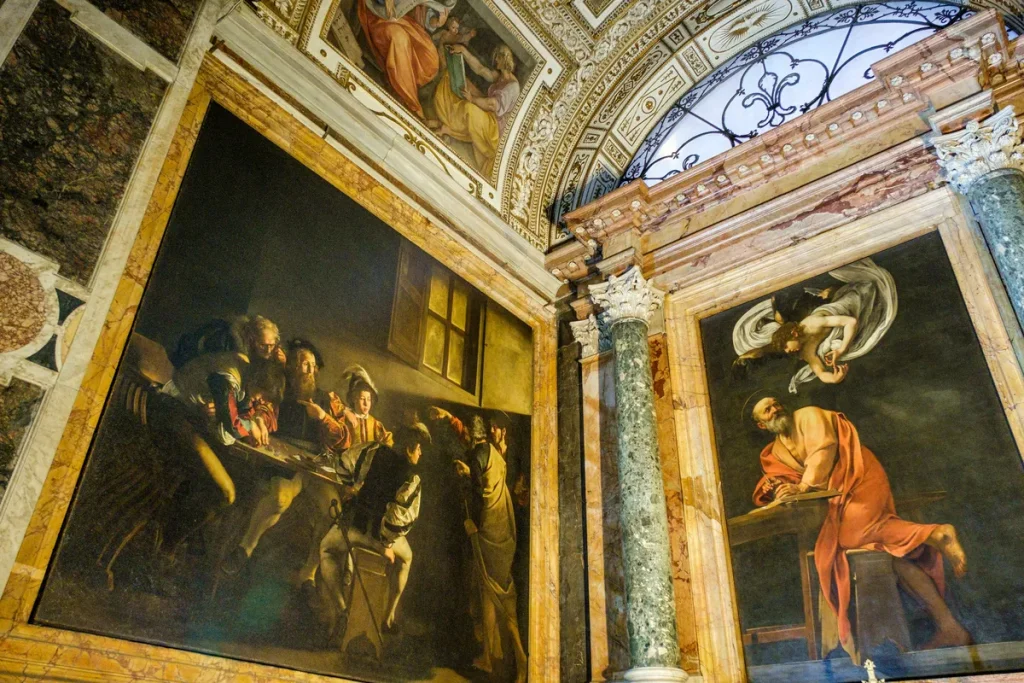
The specific advantage Rome has over Florence: art encountered in its original context. Walk into San Luigi dei Francesi – a functioning church near the Pantheon – and three Caravaggio paintings are on the wall in the chapel where they were installed in 1600. No museum entry, no timed ticket, no queue (though there is a coin-operated light system to illuminate them). This happens repeatedly across Rome in churches that are free to enter.
The Vatican Museums require a full day and pre-booked timed entry. Book at least three weeks ahead in summer. The Sistine Chapel is at the end of a long sequence of galleries – budget five to six hours for the full visit.


Florence
Florence tracks the development of Renaissance art across a single concentrated grid. The Uffizi Gallery moves chronologically from medieval altarpieces to Botticelli to Leonardo to Titian – you can watch perspective and humanism develop room by room. Entry €20, skip-the-line €38. Book well in advance.
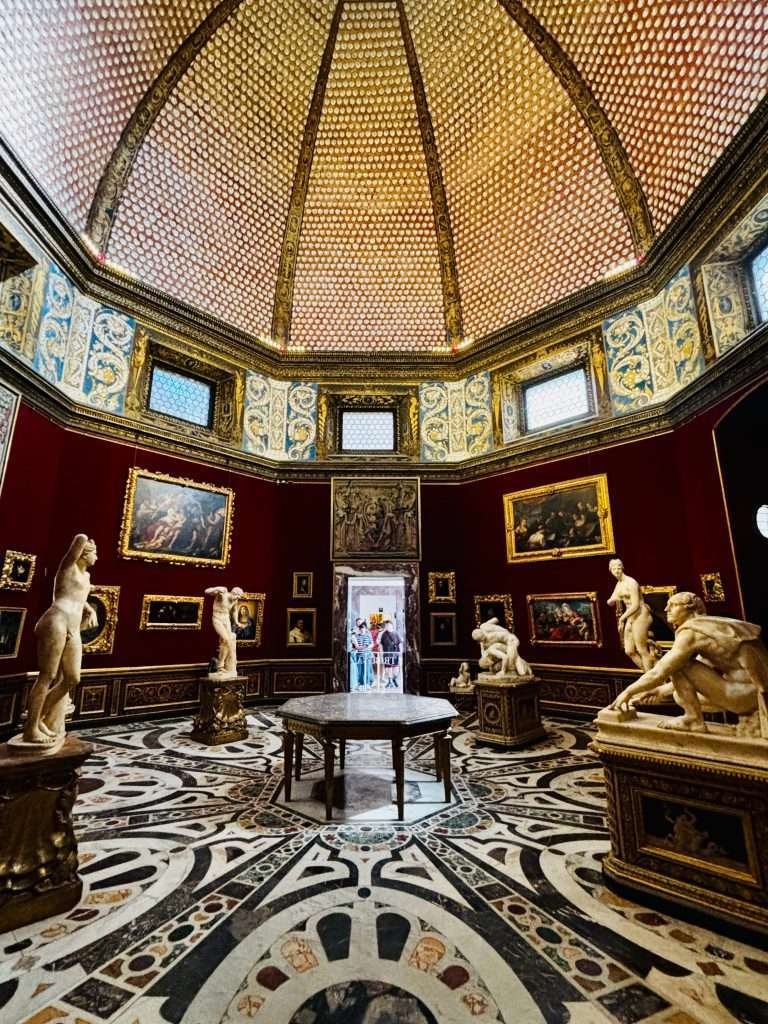

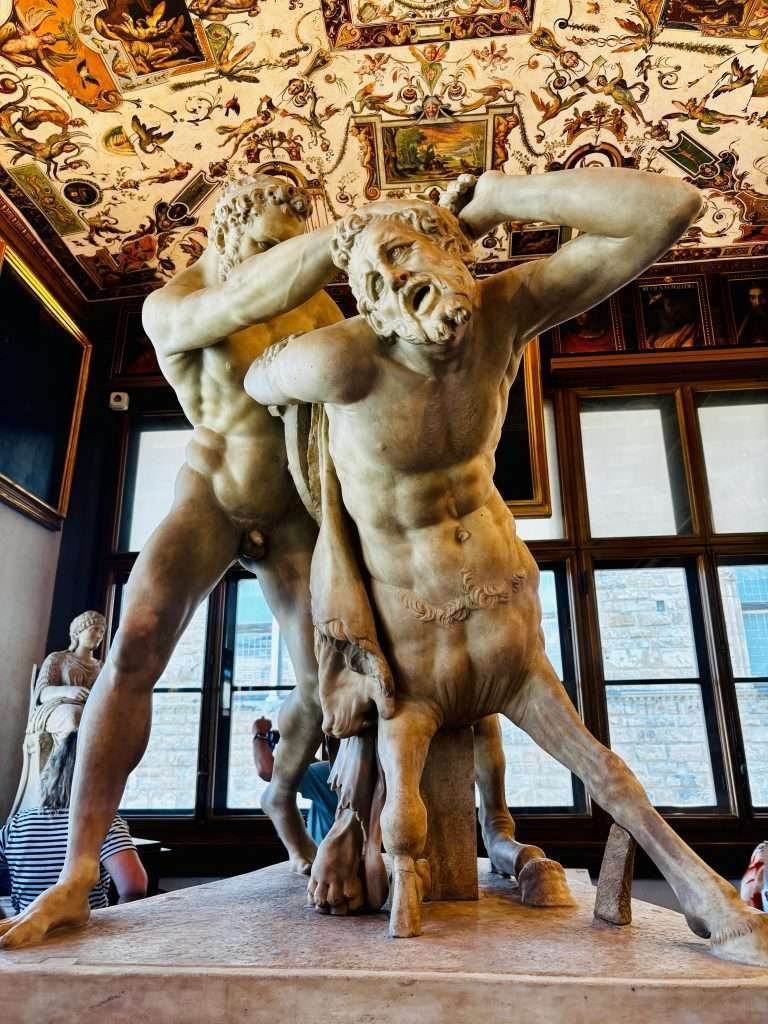
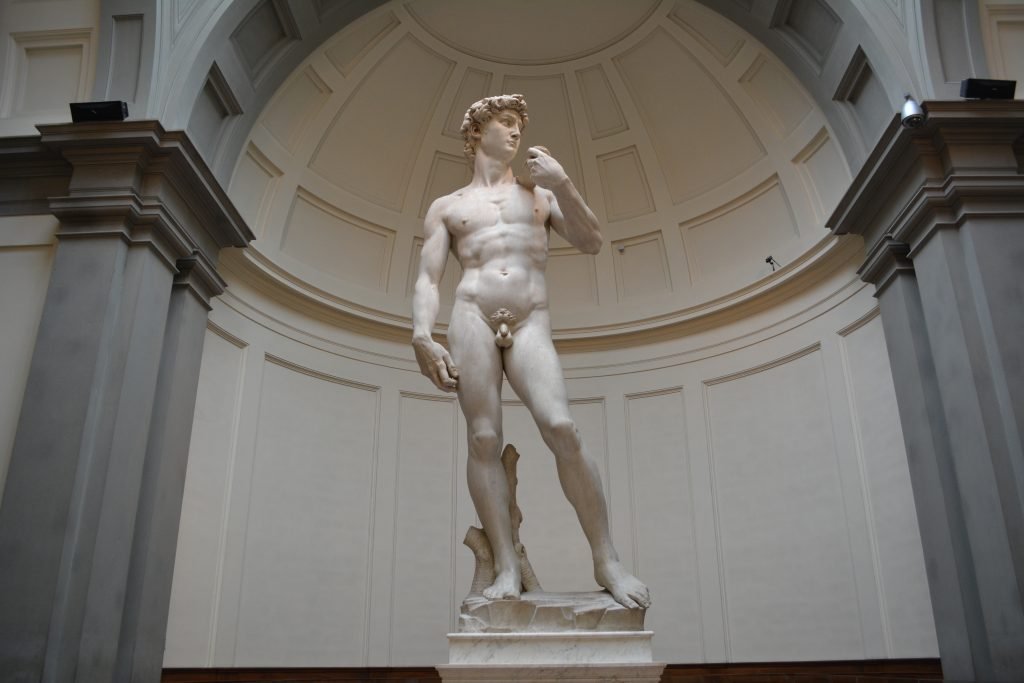
Michelangelo’s David at the Accademia is the single most important work in Florence. Entry €16. The gallery is small – 60 to 90 minutes is sufficient. Book ahead.

The Duomo complex pass (around €30) covers Brunelleschi’s dome climb, the bell tower, the Baptistery, and the Opera del Duomo museum where the original Ghiberti bronze doors are displayed. The dome climb is 463 steps with no lift – genuinely strenuous in the middle section.
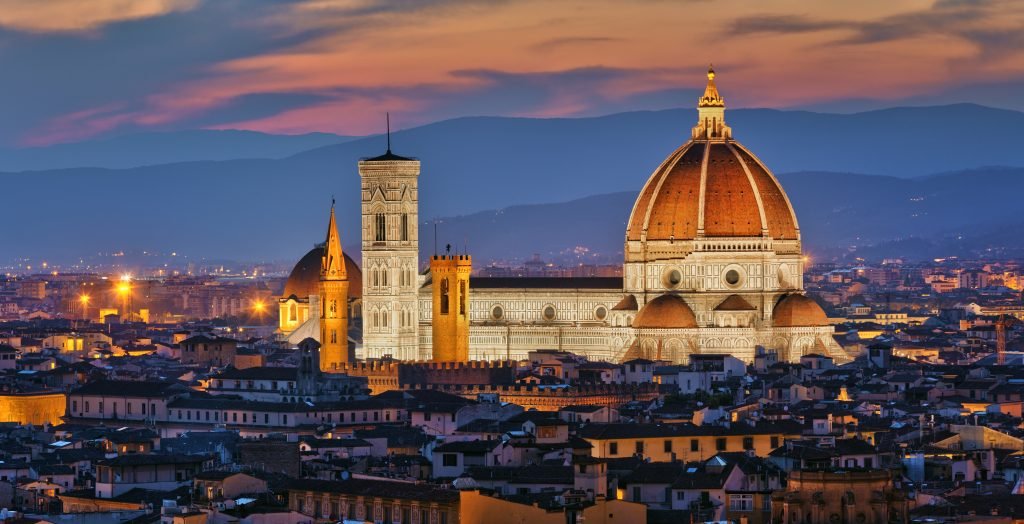
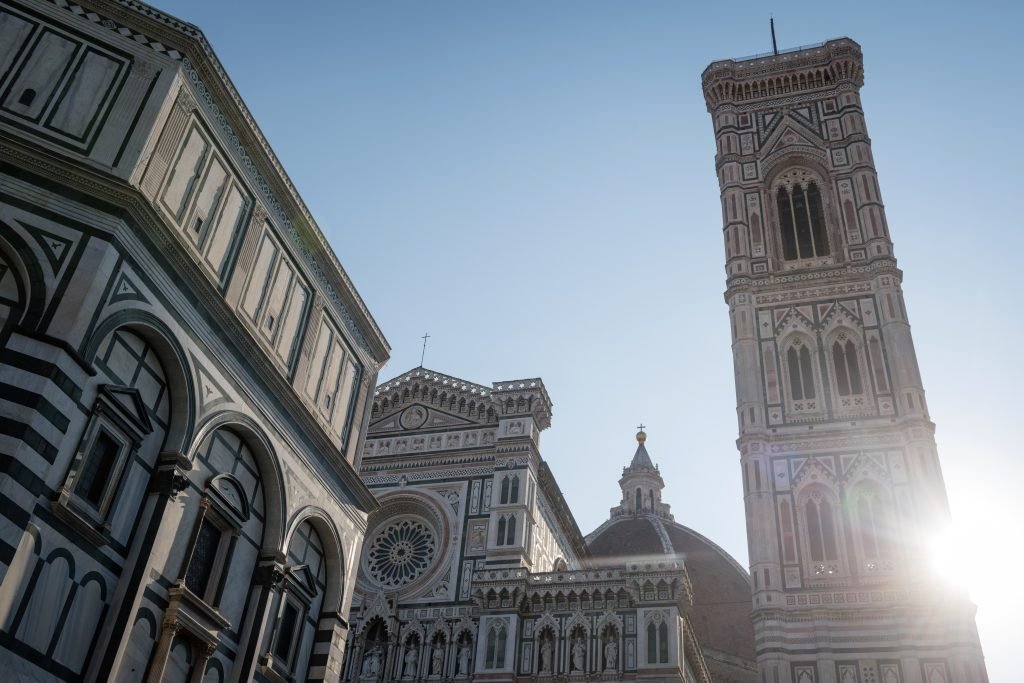
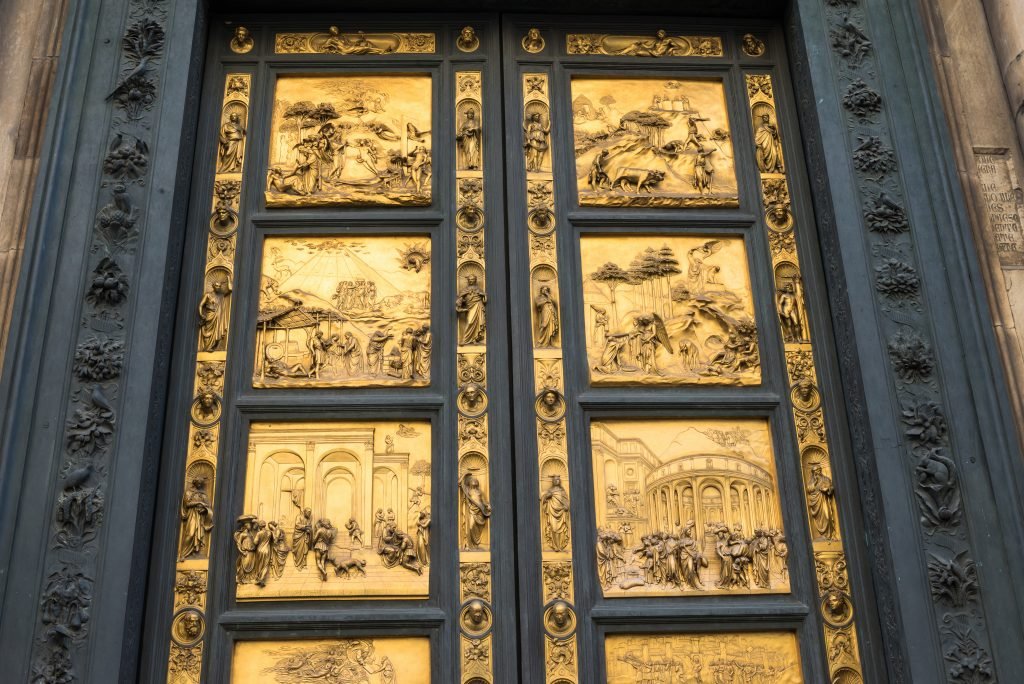
Winner on art: Impossible to call objectively. Rome wins on scale and atmospheric context. Florence wins on concentration and historical coherence. See 7 Days in Tuscany for how to build Florence into a wider regional itinerary.
Food: Roman Pasta vs. Tuscan Meat
Rome
Roman cooking is built around four pasta dishes, all made with guanciale (cured pork cheek) and aged pecorino romano:
- Carbonara – egg, guanciale, pecorino, black pepper. No cream anywhere near it.
- Cacio e Pepe – cheese and pepper only. The simplest and most technically demanding.
- Amatriciana – tomato, guanciale, pecorino.
- Gricia – guanciale and pecorino without the tomato. The oldest of the four.


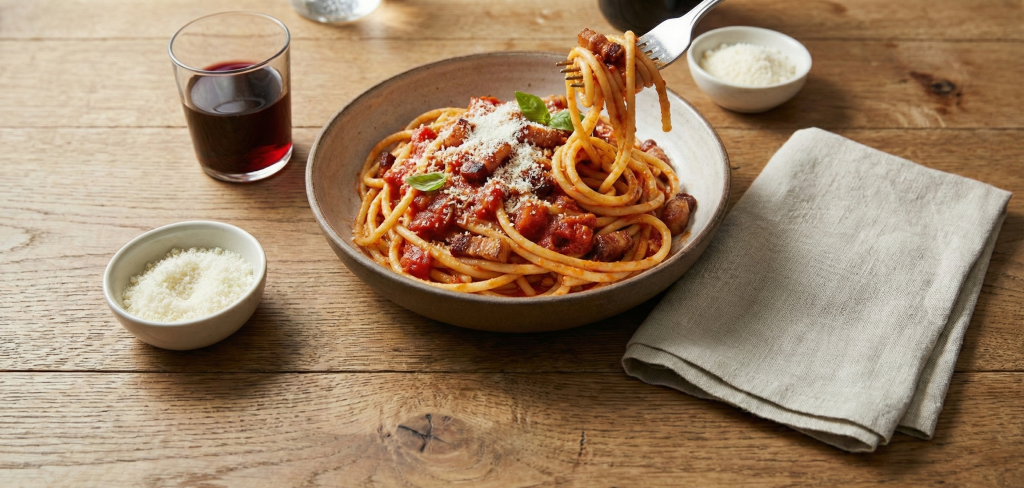

Also: Carciofi alla Giudia (Jewish-style deep-fried artichokes) from the restaurants in the Jewish Ghetto. Crispy, flat, and specifically Roman.

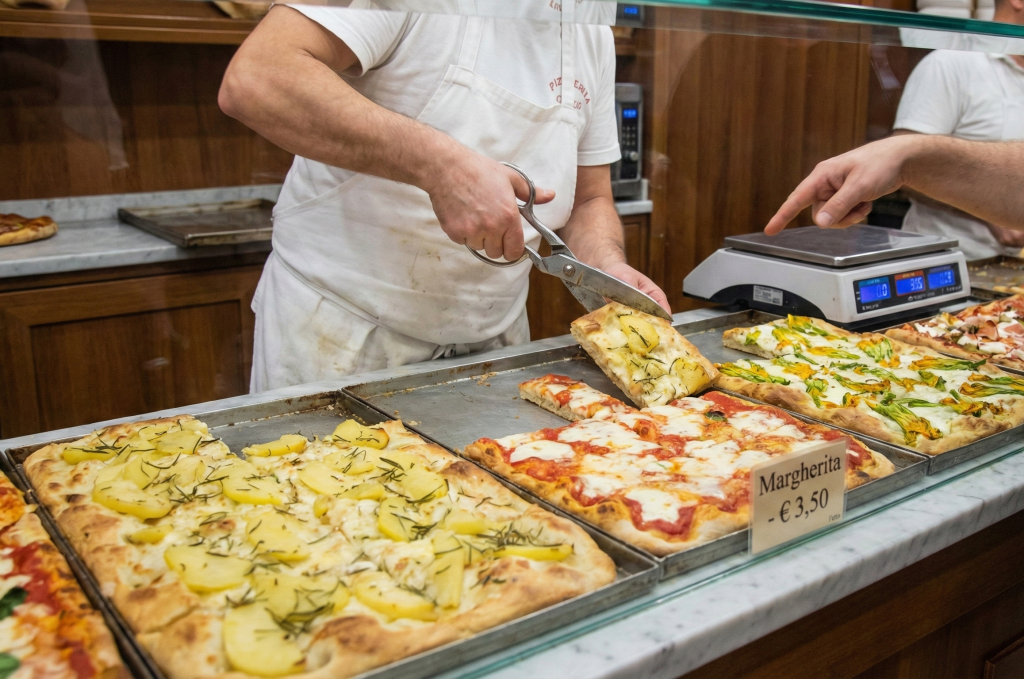
Pizza in Rome is pizza al taglio – sold by weight, rectangular, eaten standing. Around €3 to €5 for a decent lunch portion. A sit-down Roman trattoria lunch costs €15 to €25 per person.
Florence
Florentine food is heavier and land-based:
Bistecca alla Fiorentina – T-bone from Chianina cattle, grilled over wood coals, served rare on the bone. Sold by weight for two people, typically €50 to €80 per cut. The waiter brings the raw steak to the table before cooking – this is standard practice for you to confirm size and marbling, not a performance. Do not order it well done.
Ribollita – thick vegetable and bread soup, specifically Tuscan. Around €8 to €12 as a first course.
Schiacciata – olive oil flatbread with cured meat from any alimentari. The best budget lunch in Florence at €4 to €6.


Pair everything with Chianti Classico – the DOCG wine from the hills between Florence and Siena. A glass at a local trattoria costs €5 to €8.
Winner on food: Different cuisines, not directly comparable. Roman pasta is the more affordable daily eating. Florentine steak is the better single-meal experience. See 10 Days in Southern Italy for how the food culture shifts further south.
Atmosphere
Rome is loud, chaotic, and layered. Traffic does not follow obvious rules. Street life is constant. The history is so concentrated that you pass significant ruins on the way to the supermarket. It requires more energy but rewards you with a sense of scale that Florence cannot match. Stay in Trastevere or Monti for a buffer from the main tourist circuits around the Colosseum and the Vatican.

Florence is quieter, more organized, and more contained. The streets are cleaner. The energy is more restrained. It is easier to have a genuinely pleasant afternoon without being overwhelmed. Cross the Arno into the Oltrarno district to escape the Duomo and Uffizi crowds – the artisan workshops, the local restaurants, and the quieter streets of Santo Spirito are the best parts of Florence for daily life.

Crowds and Booking
Both cities have serious over-tourism problems in July and August. The practical solutions:
Rome: Book Vatican Museums timed entry at least three weeks ahead in peak season. The 7:30 AM entry slot is the best option – you reach the Sistine Chapel before the tour groups that arrive mid-morning. For the Colosseum, book online and use the entrance on Via Sacra rather than the main entrance where walk-up queues concentrate.
Florence: Book Uffizi and Accademia at least two to three weeks ahead in summer. First entry slots (8:00 AM) and late afternoon slots (after 4:00 PM) have noticeably thinner crowds than the 10:00 AM to 3:00 PM window.
Costs
Comparable overall but the cost structure differs.
Rome has more accessible cheap eating – pizza al taglio, suppli (fried rice balls), street food in the markets. The Vatican entry is expensive (around €20 standard, €40+ with skip-the-line) but most churches are free and contain significant art.
Florence museum costs are higher as a package – Uffizi plus Accademia plus Duomo complex runs around €66 per person before food. The food and wine are better value than Rome at the mid-range.
Realistic daily budget (mid-range): €80 to €120 in both cities.
Which One to Choose
Choose Rome if:
- You want to see the Colosseum, the Forum, the Pantheon, and the Vatican
- You prefer high energy and a large, loud city
- You are interested in pre-Renaissance history – ancient, medieval, and Baroque
- You want more accessible street food and a wider range of budget eating
Choose Florence if:
- Renaissance art is the specific goal – the Uffizi and the Accademia are the best in the world for this period
- You want a walkable, manageable city that does not require logistical planning to navigate
- You want a base for Tuscany – Siena, San Gimignano, and the Chianti vineyards are all under 90 minutes away
- You prefer a quieter, more contained experience
Do both if:
- You have five or more days in Italy
- The 3 Days in Venice to Florence to Rome sequence fits your itinerary – it covers the full spectrum of Italian city types moving south
- You want to understand why Italian culture and food are so different across regions
Getting Between Rome and Florence
The Frecciarossa or Italo high-speed trains run between Roma Termini and Firenze Santa Maria Novella in 1 hour 30 minutes. Both stations are central. Book at least two to three weeks ahead for the best fares – advance tickets start around €19, walk-up fares run €45 to €60.
Plan Your Trip
- First Time in Rome
- One Day in Rome
- 3 Days in Rome
- 5 Days in Rome
- Rome on a Budget
- Where to Stay in Rome
- 5 Best Day Trips from Rome
- 25 Best Things to Do in Rome
- Rome with Kids
- What to Eat in Rome
- Rome in Winter vs. Summer
- First Time in Florence
- One Day in Florence
- 3 Days in Florence
- 5 Best Day Trips from Florence
- What to Eat in Florence
- 25 Best Things to Do in Florence
- Florence on a Budget
- Where to Stay in Florence
- Venice vs. Florence
- Day Trip to Siena from Florence
Is Rome or Florence better for a first visit to Italy?
Rome is the stronger first visit if you have no specific art history focus. The scale of the Colosseum, the Forum, and the Vatican is immediately accessible regardless of background knowledge – you do not need context to be affected by them. Florence rewards visitors who come specifically for the Renaissance – the Uffizi and the Accademia are more educational than visceral. If this is your first time in Italy and you have five or more days, start in Rome and finish in Florence. The contrast between the two cities makes each one more comprehensible.
How many days do you need in Rome vs. Florence?
Rome needs a minimum of four days to cover the Colosseum and Forum, the Vatican, the historic center, and one neighborhood properly. Three days in Rome means skipping something significant. Florence is more compact – three days covers the Accademia, the Uffizi, the Duomo complex, and the Oltrarno without rushing. Two days in Florence is possible but leaves no margin for the slower pace that makes the city worth visiting.
Is Rome more expensive than Florence?
The daily total is comparable at €80 to €120 for a mid-range traveler, but the cost structure differs. Rome has cheaper street food – pizza al taglio and supplì cost €3 to €5 for a lunch portion – but the Vatican entry runs €20 to €40 depending on booking. Florence has more expensive museum entry as a package – Uffizi, Accademia, and Duomo complex together run around €66 per person – but the mid-range restaurant food and wine are better value than Rome.
Which city is better for day trips?
Florence wins for day trip access. Siena is 90 minutes by bus, San Gimignano is reachable in under two hours, and the Chianti wine country requires only a rental car for a half day. The entire 7 Days in Tuscany itinerary uses Florence as its base. Rome has good day trips – Ostia Antica, Tivoli, and Orvieto are all under 90 minutes – but the city itself is large enough that most visitors do not feel the need to leave it.
Can you visit Rome and Florence in one week?
Yes, comfortably. Four nights in Rome covers the Vatican, the Colosseum area, and the historic center with one day to spare for a neighborhood or a day trip. Three nights in Florence covers the main museums and the Oltrarno. The high-speed train between Roma Termini and Firenze Santa Maria Novella takes 1 hour 30 minutes – book two to three weeks ahead for fares starting around €19. If you are also adding Venice, the Venice to Florence to Rome sequence moving south is the most logical routing and covers the full range of Italian city types in a single trip.
Rome vs Florence — Two Cities, One Map
1 hr 30 min by high-speed train. Click any pin for what defines each stop and what to book ahead.