

Naples and Rome are two hours apart by high-speed train and feel like different planets. Rome is organized, monumental, and built for visitors – the infrastructure around the Colosseum, the Vatican, and the Pantheon has been refined over decades of mass tourism. Naples is none of those things. It is a working southern Italian city with no interest in managing your experience, where the streets are loud, the traffic follows no obvious rules, and the food is better than anywhere else in Italy.
If you are trying to choose between them for a limited trip, the decision is less about which city is objectively better and more about what kind of traveler you are and what you want from the trip. This guide breaks down the actual differences across logistics, art, food, cost, and atmosphere so you can make the call.
If you have time for both, the train connection makes the combination straightforward – see the itinerary section below for how to sequence them.
Logistics: Organized vs. Organic
Rome
Rome is large. The distance from the Colosseum to the Vatican is over four kilometers – a one-hour walk that most visitors attempt once and then abandon in favor of the Metro or a bus. The city sprawls in every direction from the historic center and the transit system, while functional, does not cover everything.
The Metro has three lines and is limited by the same problem as every Roman infrastructure project – every new tunnel hits an ancient ruin. You will rely on buses, trams, and your feet for much of the city. Single ticket: €1.50, valid 100 minutes with transfers.
The pavement is sampietrini – small, rounded black volcanic stones that are uneven and genuinely punishing on knees and ankles over a full day. Thick-soled shoes are not optional.
The only workable strategy: One sector per day. The Colosseum and Roman Forum area is a half-day minimum. The Vatican is a full day. The historic center – Pantheon, Piazza Navona, Campo de’ Fiori – is its own day. Do not try to cross the city twice in one afternoon.
Naples
Naples is smaller and denser than Rome. The historic center – the Centro Storico and Spaccanapoli – is walkable in its entirety. The main sights concentrate in a compact area that takes 20 minutes to cross on foot.
The Metro has two lines that cover the center and connect to the main station and the ferry port. Single ticket: €1.60. The funicular lines connect the center to the Vomero hilltop district for the same price.
Navigation is more intuitive than Rome because the city is smaller, but the streets are more chaotic. Scooters drive on pavements, ignore one-way signs, and do not stop for pedestrians. This is not hyperbole – treat every road crossing as if the lights are advisory regardless of what the signal says.
The key advantage Naples has over Rome: you do not need a transit strategy. The Centro Storico, Spaccanapoli, the Spanish Quarters, the port, and the Archaeological Museum are all within a 30-minute walk of each other. You arrive, you walk, you eat.
Winner on logistics: Naples for the historic center specifically. Rome for overall transit coverage across a larger city.
Art and History: Imperial Scale vs. Layered Depth
Rome


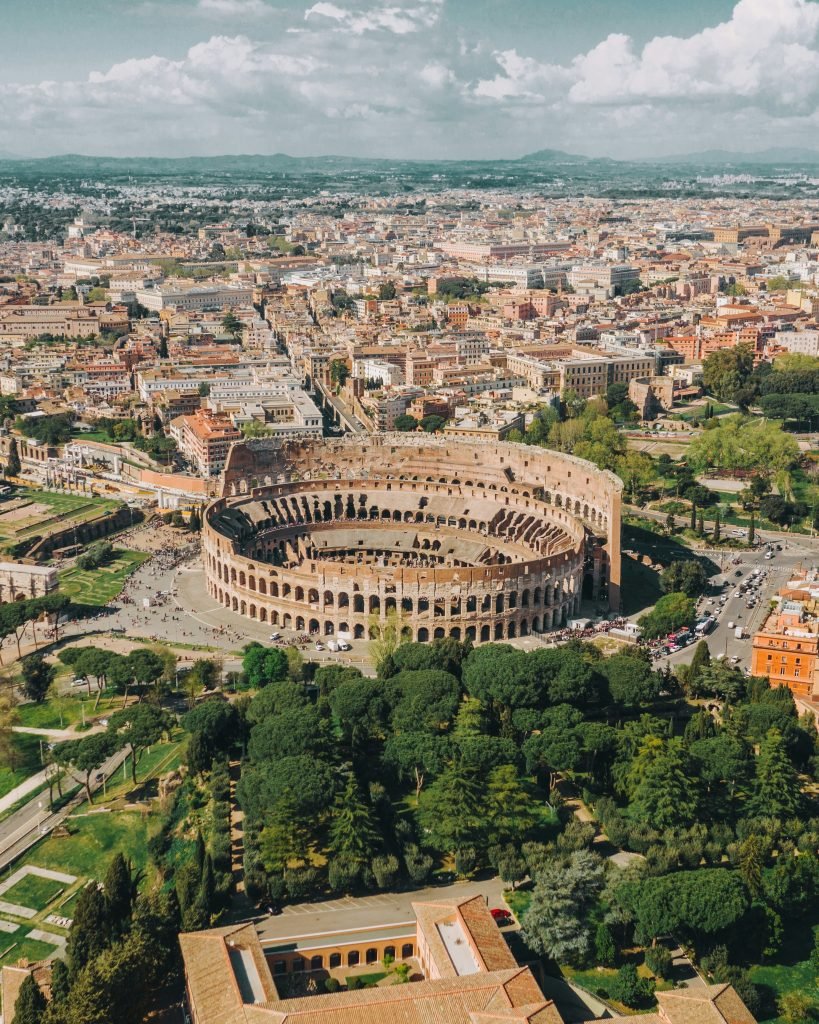

Rome’s art and history operate at a scale that Naples cannot match. The sheer volume of significant sites – the Colosseum, the Roman Forum, the Pantheon, the Vatican Museums, the Castel Sant’Angelo, the Borghese Gallery, and dozens of free churches containing Caravaggio originals – is overwhelming in a way that takes multiple visits to process properly.
The Vatican Museums require a full day and pre-booked timed entry at least three weeks ahead in summer. The Sistine Chapel is at the end of a long sequence of galleries – budget five to six hours for the full visit. Entry around €20, skip-the-line €40+.
The Colosseum and Roman Forum are best combined with a single ticket (around €16). Book online and use the Via Sacra entrance rather than the main gate where walk-up queues concentrate. Allow three to four hours for both.
The free churches: Walk into San Luigi dei Francesi near the Pantheon and three Caravaggio paintings are on the wall of a side chapel – installed in 1600, still there, coin-operated light to illuminate them. This happens repeatedly across Rome. Most churches are free and contain work that would be the centerpiece of any paid museum in northern Europe.
For the full Rome picture, see First Time in Rome, 3 Days in Rome, and Best Things to Do in Rome.
Naples


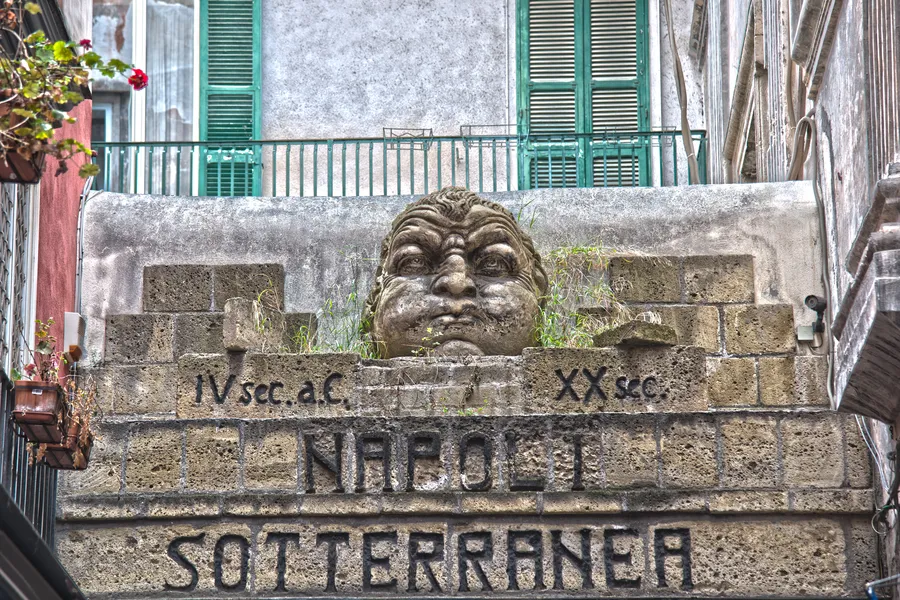

Naples’ art case rests on two institutions and a street that functions as an open-air museum.
The National Archaeological Museum (MANN) is the most important classical archaeology museum in the world. Everything significant from Pompeii and Herculaneum is here – the Alexander Mosaic, the Secret Cabinet of erotic art, bronze sculptures from the Villa of the Papyri, and plaster casts of Pompeii victims. Entry around €15. If you are visiting Pompeii from Naples (which you should), go to MANN first – it provides the context that makes the ruins comprehensible. Allow three hours.
Napoli Sotterranea – the underground tour through a Greek-Roman aqueduct network, ancient cisterns, and a buried Roman theater beneath the modern streets. Entry around €13, duration 80 minutes. The specific disorientation of standing in a 2,400-year-old tunnel while a modern city operates directly above you is unlike anything Rome offers.
Spaccanapoli itself is the art experience. The street follows the exact path of the ancient Greek and Roman road grid and passes through 2,500 years of continuous human habitation – Baroque churches containing Caravaggio originals, working presepi (nativity figure) workshops using techniques unchanged since the 17th century, and street shrines that function as active neighborhood altars. Free, takes a full day to walk properly.
The churches: Naples has over 400 churches. Pio Monte della Misericordia contains Caravaggio’s The Seven Works of Mercy – one of the most important paintings in existence, in a small octagonal building five minutes from the Archaeological Museum. Entry around €8. San Domenico Maggiore is usually free.
Winner on art: Rome, by volume and global significance. But Naples’ MANN is a stronger single-institution experience than anything Rome offers except the Vatican, and Spaccanapoli as an archaeological street has no equivalent in Rome.
Food: The Four Pastas vs. The One Pizza
Rome



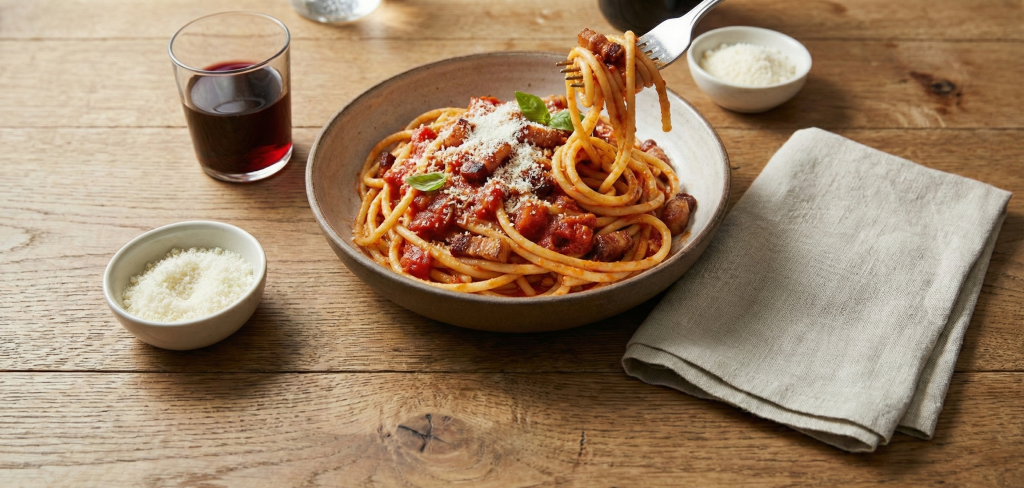

Roman cooking is built around four pasta dishes, all made with guanciale (cured pork cheek) and aged pecorino romano:
Carbonara – egg, guanciale, pecorino, black pepper. No cream. Ever. The test of whether a Roman trattoria is serious.
Cacio e Pepe – cheese and pepper only. The technically simplest and most demanding of the four.
Amatriciana – tomato, guanciale, pecorino.
Gricia – guanciale and pecorino without tomato. The oldest of the four and the least known outside Rome.
Also: Carciofi alla Giudia – Jewish-style deep-fried artichokes from the restaurants in the Jewish Ghetto. Crispy, flat, and specifically Roman.
Pizza al taglio – rectangular pizza sold by weight, eaten standing. Around €3 to €5 for a decent lunch portion. A sit-down Roman trattoria lunch costs €15 to €25 per person.
The quality ceiling in Rome is high but so is the tourist trap floor. The restaurants within 200 meters of the main monuments are almost universally overpriced and mediocre. Walk five minutes in any direction and the quality improves immediately.
For the full Rome food picture, see Foodies Guide to Rome.
Naples

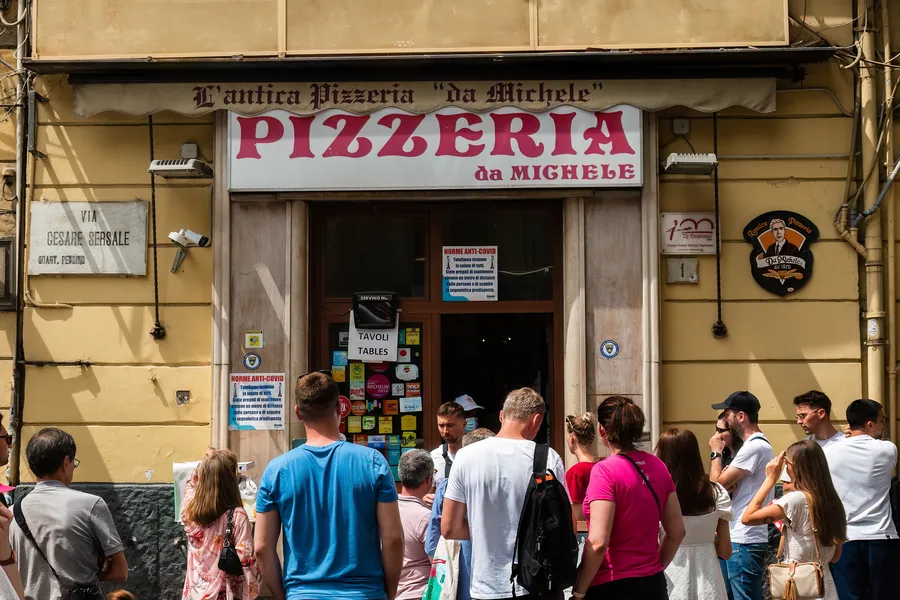

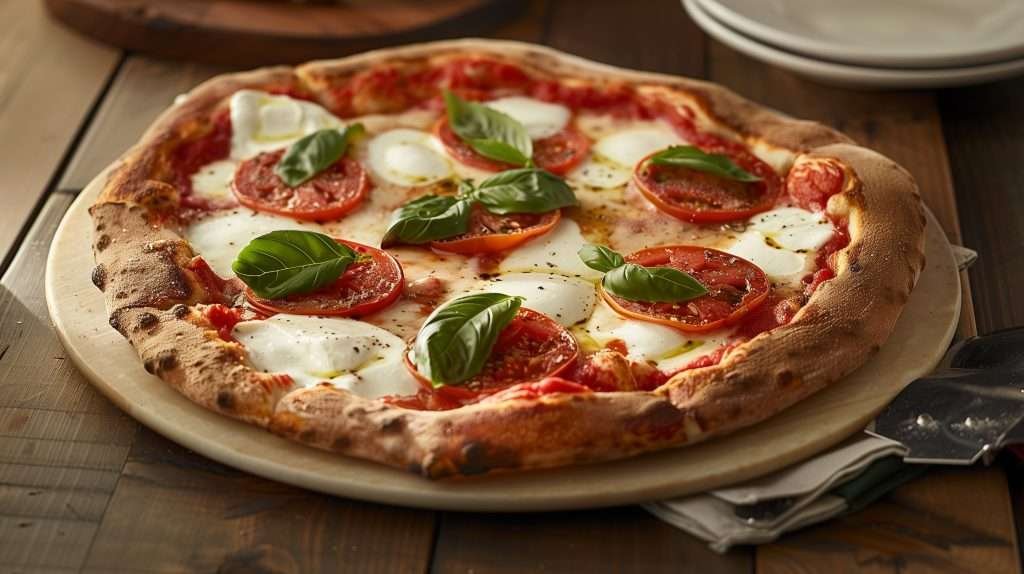
Naples has one dish and it is the best version of that dish on earth.
Pizza Margherita at an authentic Neapolitan pizzeria costs €5 to €6. That is the local price, not a tourist price. The dough is softer and more elastic than Roman pizza, the tomato is San Marzano, the mozzarella is fior di latte or buffalo, and the whole thing comes out of a 485°C wood-fired oven in 60 to 90 seconds. L’Antica Pizzeria da Michele (Via Cesare Sersale, 1) is the reference point – two options on the menu (Margherita or Marinara), queue outside, no bookings, €5 to €6.
Pizza a Portafoglio – a smaller pizza folded into quarters and sold in paper from street stalls on Spaccanapoli. €2 to €3. The correct lunch when moving through the historic center.
The bacaro equivalent: Naples has tavola calda – deli-style food shops selling prepared food by weight or by piece throughout the day. Frittatine di pasta (fried pasta cake with béchamel, €2 to €3), cuoppo (paper cone of fried seafood, €4 to €6 near the port), and sfogliatella (shell-shaped ricotta pastry, €2 to €3 at Sfogliatella Attanasio near Garibaldi station) constitute a full day of eating for under €15.
Espresso: Naples takes coffee more seriously than any other Italian city. The standard is higher, the price is lower (€1 to €1.20 standing at the bar), and the cultural weight attached to it is significant. Ordering a bad coffee in Naples is genuinely offensive in a way it is not elsewhere.
For the full Naples food breakdown, see What to Eat in Naples.
Winner on food: Naples, and it is not close. The pizza alone justifies the trip and the street food economy means you eat extraordinarily well for almost nothing. Rome has better pasta. Naples has better everything else.
Cost: Tourist Economy vs. Local Economy
Rome
Rome is mid-range expensive. The Vatican plus the Colosseum plus one major gallery runs €50 to €60 per person in museum entry before food. A sit-down lunch near the main monuments costs €20 to €30. A decent hotel in the Trastevere or Monti area – the neighborhoods worth staying in – runs €100 to €180 per night.
The cost controls: pizza al taglio for lunch (€5), the free evening hours at the major museums (Colosseum excluded), and staying in Trastevere or Monti rather than near the Pantheon or the Vatican.
For full budget strategies, see Rome on a Budget.
Naples
Naples is the cheapest major city in Italy. A full day of eating – sfogliatella breakfast, pizza a portafoglio lunch, cuoppo afternoon snack, pizza dinner and a glass of local wine – costs €20 to €25. Museum entry for MANN plus Napoli Sotterranea runs €28 combined. A guesthouse or B&B in the Centro Storico runs €60 to €100 per night for a decent private room.
The price difference between sitting and standing at bars is smaller in Naples than in Rome – the local economy keeps prices honest even in tourist-facing areas.
For the full breakdown, see Naples on a Budget.
Winner on cost: Naples, significantly. You can do a full day in Naples including MANN, a pizza dinner, and street food for what a single Vatican Museums ticket costs in Rome.
Atmosphere: Managed vs. Unmanaged
Rome has been receiving mass tourism for decades and has developed infrastructure around it. The major sites are ticketed, crowd-controlled, and staffed. The neighborhoods around the tourist circuit – Trastevere, Monti, Prati – are pleasant and functioning. Rome is chaotic by northern European standards but it is organized by Italian standards. You will not feel lost or overwhelmed once you understand the sector-per-day logic.
Stay in Trastevere for the most atmospheric neighborhood experience – narrow medieval streets, local restaurants, and enough distance from the Colosseum to feel like you are in a city rather than a theme park. Monti is the alternative – denser, younger, and slightly more affordable.
Naples makes no concessions to tourist comfort. The streets are loud, the scooters are genuinely dangerous, and the city operates entirely on its own schedule without reference to what visitors might prefer. This is either the best or worst thing about it depending on your tolerance for genuine urban intensity.
The upside of this: Naples has not been sanitized. The Spaccanapoli you walk today is structurally identical to the one that has existed for 2,500 years. The bars on the Fondamenta della Misericordia equivalent – the Fondamenta di Chiaia or the streets around Piazza Bellini – are full of students and residents, not tourists. The city’s social life is accessible to visitors in a way that Rome’s, which has been partially displaced by tourism, is not.
Stay in the Centro Storico near Piazza Dante or Via Toledo for the best balance of location, price, and safety. Avoid the immediate blocks around Napoli Centrale for overnight stays.
Day Trips
From Rome: Ostia Antica (30 minutes by Metro, the most undervisited significant archaeological site in Italy), Tivoli (45 minutes by bus, Villa d’Este and Hadrian’s Villa), and Orvieto (1 hour by train, Etruscan city above a volcanic plateau). Full options at Day Trips from Rome.

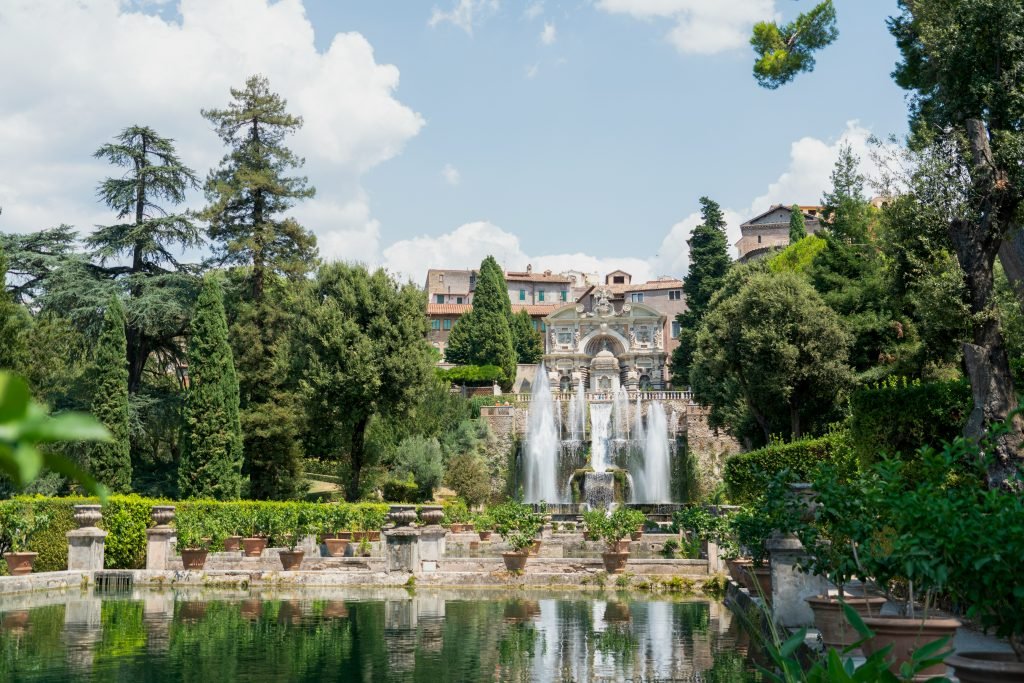
From Naples: Pompeii (35 minutes by Circumvesuviana train, €18 entry), Vesuvius (shuttle from Pompeii station), Herculaneum (better preserved than Pompeii, 20 minutes by train), and the Amalfi Coast (ferry from the port). Full options at Best Day Trips from Naples.


Winner on day trips: Naples. Pompeii alone would win this category. The combination of Pompeii, Herculaneum, Vesuvius, and the Amalfi Coast within 90 minutes of the city center is unmatched anywhere in Italy.
Which One to Choose
Choose Rome if:
- The Vatican, the Colosseum, and the Roman Forum are specific goals
- You want a city that is organized and navigable on a first Italy trip
- Classical art and architecture in an imperial-scale setting is the priority
- You want day trips to Etruscan and medieval sites
Choose Naples if:
- Eating the best pizza on earth is a legitimate reason to visit a city (it is)
- You want to understand southern Italian culture rather than observe it
- Budget is a real constraint – Naples is 30 to 40 percent cheaper than Rome across all categories
- Pompeii and the Amalfi Coast are on the itinerary
Do both if:
- You have five or more days in southern Italy
- The 3 Days in Naples to Rome sequence fits your trip – Naples first, Rome second, which moves from more intense to more organized and works better psychologically than the reverse
- You want to understand why Italian culture splits so sharply between north and south
Getting Between Naples and Rome
The Frecciarossa high-speed trains run between Napoli Centrale and Roma Termini in 1 hour 10 minutes. Both stations are central. Multiple services daily. Book on trenitalia.com at least two weeks ahead – advance fares start around €19, walk-up fares run €45 to €60.
The regional train takes around 2 hours 20 minutes and costs significantly less but the time difference on a short trip is worth the fare premium.
Plan Your Trip
- First Time in Naples
- 3 Days in Naples
- Naples on a Budget
- What to Eat in Naples
- Best Things to Do in Naples
- Best Day Trips from Naples
- Where to Stay in Naples
- First Time in Rome
- 3 Days in Rome
- Rome on a Budget
- Foodies Guide to Rome
- Where to Stay in Rome
- Day Trips from Rome
- 10 Days in Southern Italy
- Day Trip to Tivoli from Rome
- Amalfi Coast Travel Guide
Is Naples or Rome better for first-time visitors to Italy?
Rome is the easier first visit. The major sites are well-organized, the tourist infrastructure is mature, and the city layout becomes logical once you adopt the sector-per-day approach. Naples rewards visitors who arrive with some Italian context and a tolerance for genuine urban intensity. If this is your first time in Italy, Rome first – then Naples on a return trip when you know what you are looking at.
How far apart are Naples and Rome?
1 hour 10 minutes by Frecciarossa high-speed train between Napoli Centrale and Roma Termini. Both stations are in the city centers. Advance tickets on trenitalia.com start around €19. Walk-up fares run €45 to €60. The regional train takes around 2 hours 20 minutes at a lower price if time is not the constraint.
Which city has better food – Naples or Rome?
Naples. The pizza alone makes the argument – a Margherita at a serious Neapolitan pizzeria costs €5 to €6 and is the best version of the dish on earth. The street food economy (frittatine, cuoppo, sfogliatella) means you eat extraordinarily well for almost nothing. Rome has the stronger pasta tradition – carbonara, cacio e pepe, amatriciana – but Naples wins across every other food category and does it at lower prices.
Is Naples safe for tourists?
Yes, with standard precautions. Pickpocketing exists in crowded areas and on the Circumvesuviana train to Pompeii – keep valuables in front-facing pockets or a bag worn across the chest. The genuine danger is traffic: scooters drive on pavements and ignore signals. Cross every road carefully regardless of what the lights say. The historic center is safe to walk during the day and early evening. Common sense applies after midnight.
Can you visit both Naples and Rome in one week?
Comfortably. Three nights in Naples covers the Centro Storico, MANN, Napoli Sotterranea, and a day trip to Pompeii. Three nights in Rome covers the Vatican, the Colosseum and Forum, and the historic center with one day to spare. The Frecciarossa connection takes 70 minutes. Naples first, Rome second is the better psychological sequence – moving from more intense to more organized ends the trip on a higher logistical comfort level.
Naples vs Rome — Two Cities, One Map
1 hr 10 min by Frecciarossa. Click any pin for what defines each stop and what it costs.