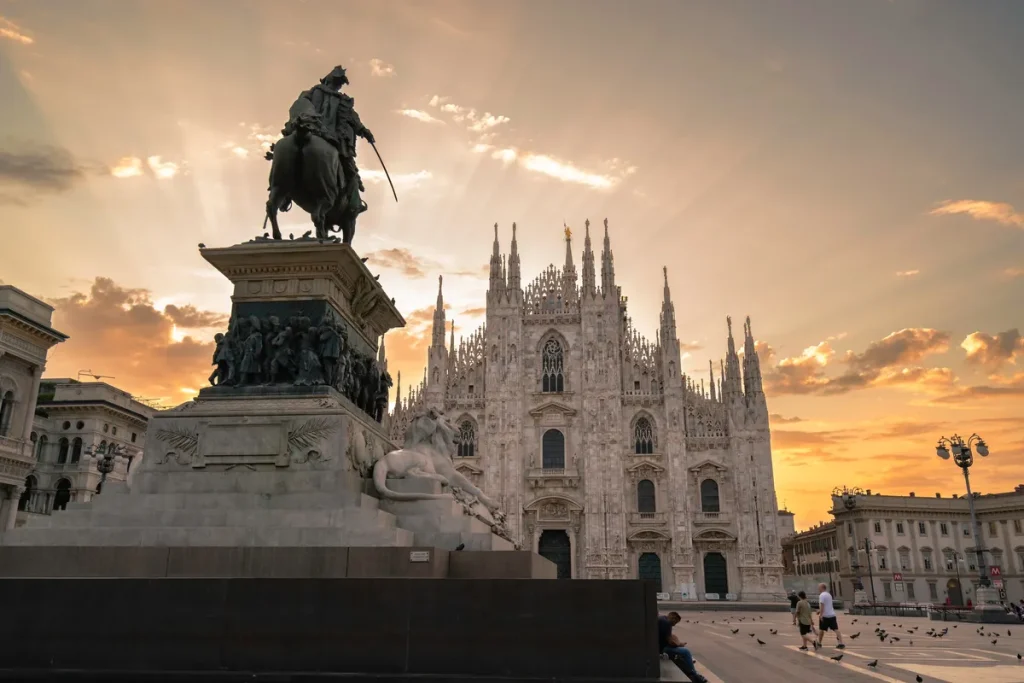
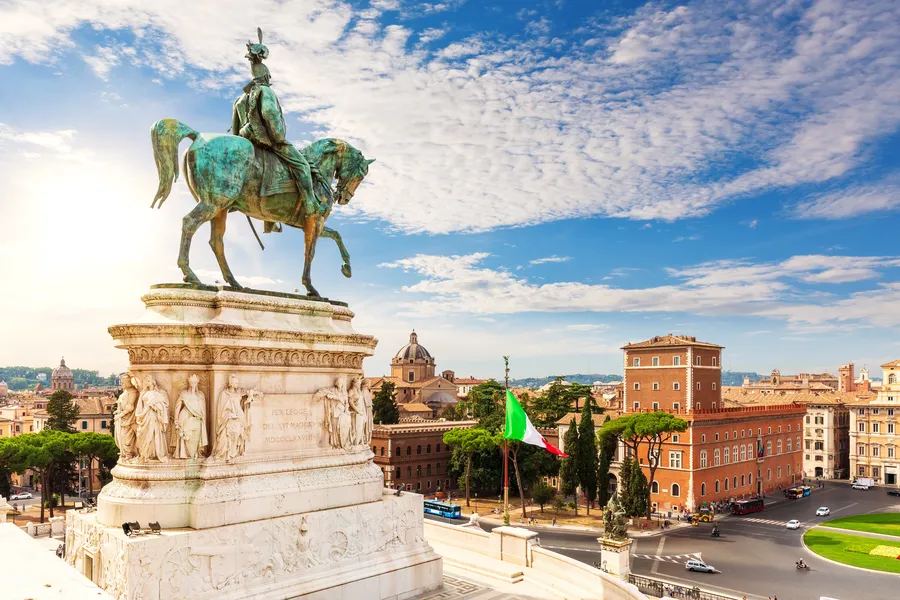
Milan vs Rome are three hours apart by high-speed train and feel like different countries. Rome is a 2.8-million-person city where you eat carbonara in a trattoria 200 meters from a 2,000-year-old temple. Milan is Italy’s financial and fashion capital, where the big sights are a Leonardo painting that requires booking three months ahead and a Gothic cathedral with 3,400 statues you can walk among on the roof. Rome costs less, has more monuments per square kilometer, and takes more physical effort. Milan costs more, moves more efficiently, and rewards travelers who care about design, food culture, and contemporary art alongside the historical. Both are worth a full trip. This guide is for deciding which one gets your next one, or how to split a week between them.
For the day-by-day structure in Rome, the 3 days in Rome itinerary covers the sequencing. For keeping Rome costs manageable, Rome on a budget handles the tactics. Milan budget strategy is in Milan on a budget. If Rome is winning, start with this guide on where to stay in Rome so you pick the right neighborhood before booking.
How the Two Cities Actually Feel
Rome is physically overwhelming in a way Milan is not. The density of historically significant things per block – a Baroque fountain next to a medieval church built on a Roman temple next to a palazzo that’s now a government ministry – creates a kind of vertigo after two or three days. You are permanently surrounded by the evidence of several civilizations stacked on top of each other. This is Rome’s specific quality and it doesn’t exist anywhere else in Italy.

Milan is not an ancient ruins city. The Roman settlement of Mediolanum is mostly underground and not accessible. What Milan has instead is a 14th-century Gothic cathedral that took 600 years to complete, one of the most significant Renaissance paintings in existence, a Pinacoteca with Raphael and Caravaggio, and a contemporary design and architecture scene that is the reason most of Europe’s furniture and fashion industries are based here. If you arrive expecting Rome in the north, you’ll be confused. If you arrive understanding that Milan operates on different terms, it’s a genuinely excellent city.
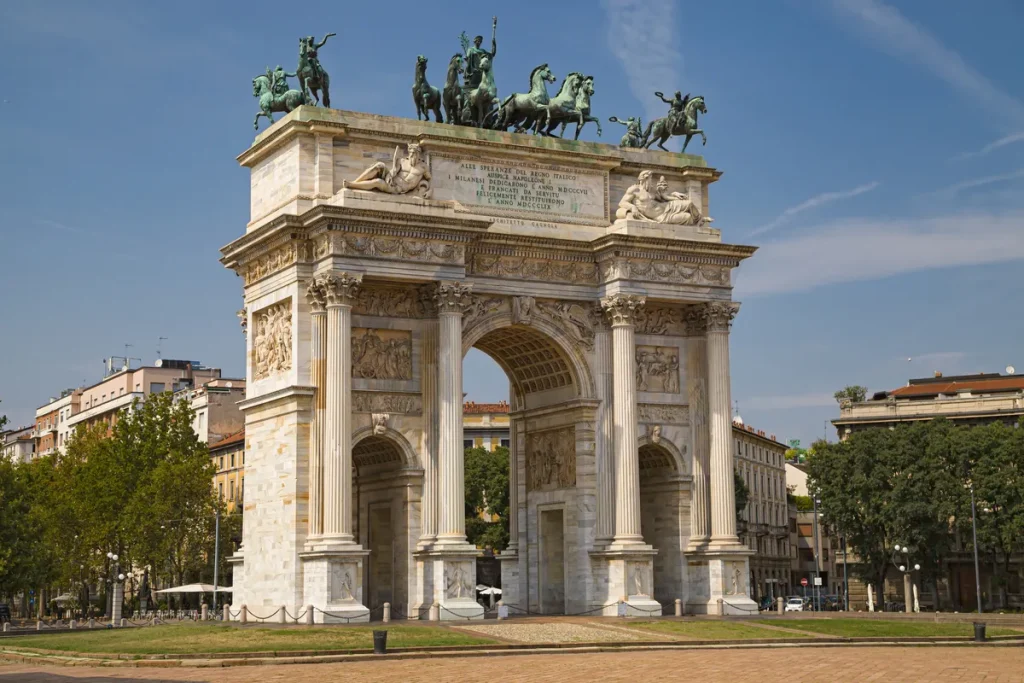
The practical difference in daily experience: Rome requires more walking, more physical effort, and more tolerance for noise, heat, and crowd management. Milan is more efficient – the metro works, the streets are wider, the cafes run on time. Rome is louder and more chaotic; Milan is quieter and more reserved, in the northern Italian way.
Logistics: Getting Around Each City
Rome
Rome covers 1,285 square kilometers. The tourist circuit – Colosseum, Vatican, historic center – spans several kilometers that don’t connect efficiently. Metro Line B reaches the Colosseum; Metro Line A reaches the Spanish Steps and Vatican-adjacent Ottaviano. The historic center around the Pantheon has no metro access, so you’re on foot or bus.
The surface throughout the historic center is sampietrini – black volcanic cobblestones that are uneven and hard on ankles over a full day. Proper shoes matter. The Vatican and Colosseum are 4 kilometers apart and should be on separate days. Trying to combine them produces exhaustion without producing more sightseeing.
Rome is large enough to escape tourist pressure easily. Three blocks from the Colosseum puts you in Monti. Ten minutes south of the Vatican is Prati. The city absorbs its visitors in a way that smaller, denser cities cannot.
Getting around: Metro Lines A, B, C plus an extensive bus and tram network. Single ticket €1.50, 24-hour pass €7, 48-hour pass €12.50, 72-hour pass €18. Most of the tourist circuit requires supplementing metro with walking.
Daily step count on a full sightseeing day: 18,000-25,000.

Milan
Milan covers 182 square kilometers – a fraction of Rome’s footprint – and has one of the best urban metro systems in Italy. Four color-coded lines (M1 red, M2 green, M3 yellow, M4 blue) connect the airport, the Duomo, the main train stations, and every major neighborhood. The M4 blue line, which opened in phases between 2022 and 2024, now connects Linate airport directly to the city center in 12 minutes for €2.20 – something that didn’t exist until recently and is still not common knowledge.
The historic center around the Duomo is compact and walkable. Brera, Navigli, Isola, Porta Nuova, and Sforza Castle are all within 2-3 kilometers of the Duomo. The tram network – including the historic orange trams on some lines – covers routes the metro doesn’t reach.
Milan’s streets are wider and flatter than Rome’s historic center, luggage rolls without cobblestone problems, and the city grid is more logical. It is genuinely easier to navigate day-to-day.
Getting around: Metro plus trams and buses. Single ticket €2.20 valid 90 minutes on surface transport. 24-hour pass €7.60, 48-hour pass €13.80, 72-hour pass €19.50. For 2-3 days of sightseeing, the 48 or 72-hour pass is better value than singles.
Daily step count on a full sightseeing day: 12,000-18,000.
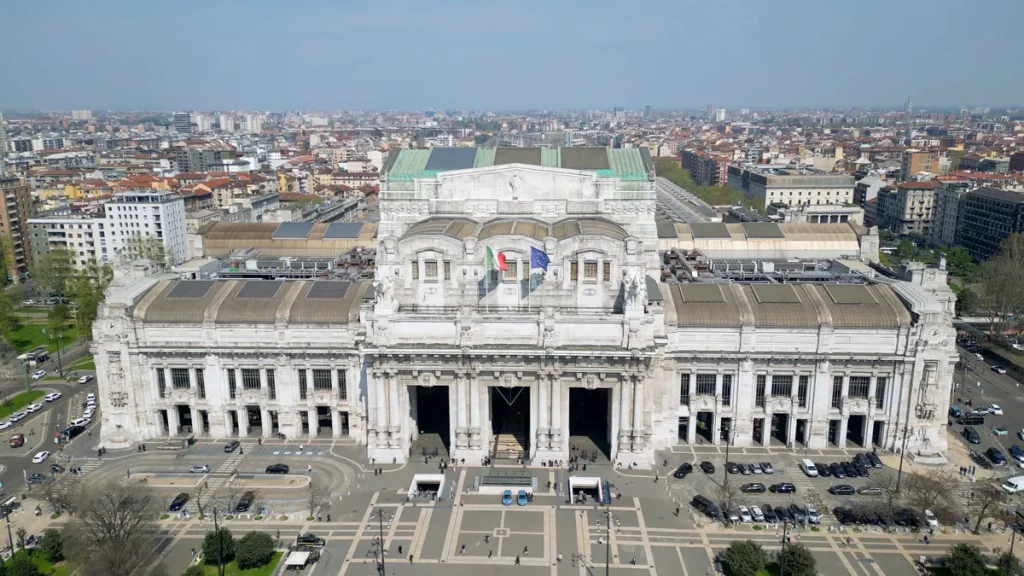
The Main Sights
Rome
Rome’s major sights are well-documented and the logistics are specific enough to determine whether your day goes well.
The Colosseum (combined ticket with Roman Forum and Palatine Hill: €18) requires advance booking – it sells out days ahead in summer. Book at the official Colosseo ticketing site and choose a morning slot. The Roman Forum and Palatine Hill are included in the same ticket and take 2-3 additional hours. This is a full half-day minimum.

The Vatican (Vatican Museums and Sistine Chapel: €20) also requires advance booking. The Sistine Chapel is at the end of the museum circuit – about 45 minutes of walking through galleries before you reach it. Go straight to the Sistine Chapel first if you have skip-the-line access, then backtrack through the galleries. St. Peter’s Basilica is free and does not require booking; the dome climb is €6 (stairs) or €8 (elevator). The Vatican is a full half-day on its own, or a full day if you’re thorough.

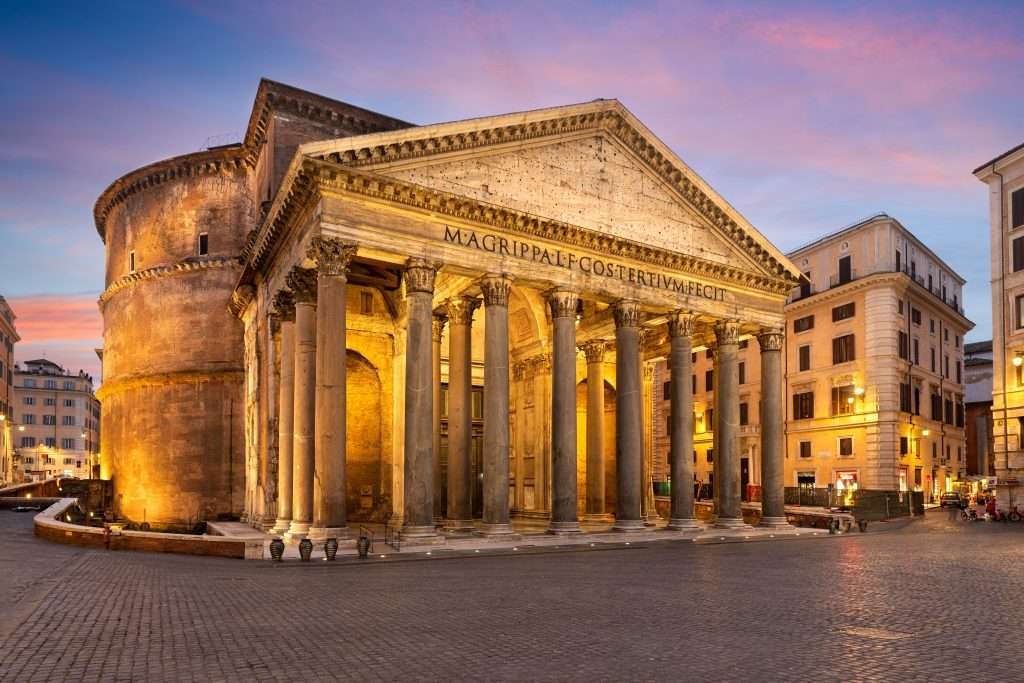
The Pantheon is €5 (free on the first Sunday of the month). The best-preserved ancient Roman building in the world – concrete dome intact after 2,000 years, original bronze doors, oculus open to the sky. It takes 30-45 minutes inside and is worth the visit.
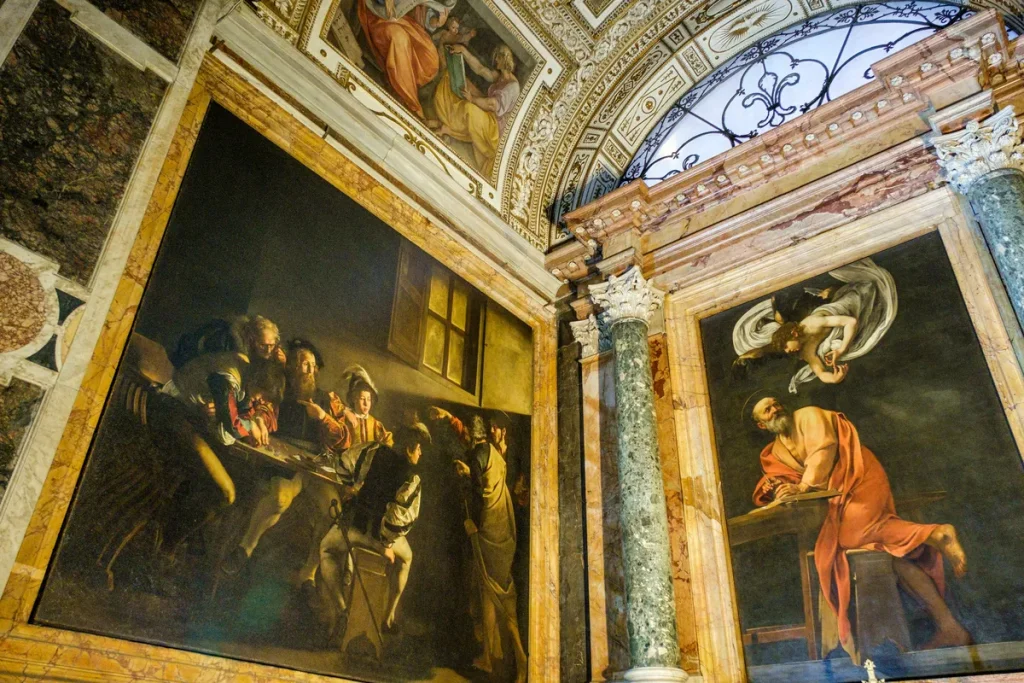
Caravaggio in the churches: San Luigi dei Francesi (free, near the Pantheon) has three Caravaggio paintings in the Contarelli Chapel – The Calling of Saint Matthew, The Martyrdom of Saint Matthew, Saint Matthew and the Angel, all completed around 1600 and hanging where they were painted for. Santa Maria del Popolo has two more. These are free and almost never mentioned in the same breath as the Vatican and Colosseum. They should be.
The Borghese Gallery (€15, advance booking mandatory, visits limited to 2-hour slots) has Bernini’s early marble sculptures: Apollo and Daphne, The Rape of Proserpina, David. The booking limit keeps crowds manageable, which is why it’s one of the better museum experiences in the city.

Milan
Milan’s major sights are fewer but very specific about what they require from you.
The Last Supper (Il Cenacolo Vinciano, €15 plus €2 booking fee) is Leonardo’s mural in the refectory of Santa Maria delle Grazie, painted on dry plaster between 1495 and 1498 – a technique that began deteriorating in Leonardo’s own lifetime. Only 30 people enter at a time for 15 minutes. Tickets sell out weeks or months ahead via the official booking site (cenacolovinciano.vivaticket.it). There is no reliable walk-up option. Book the moment you confirm your travel dates.
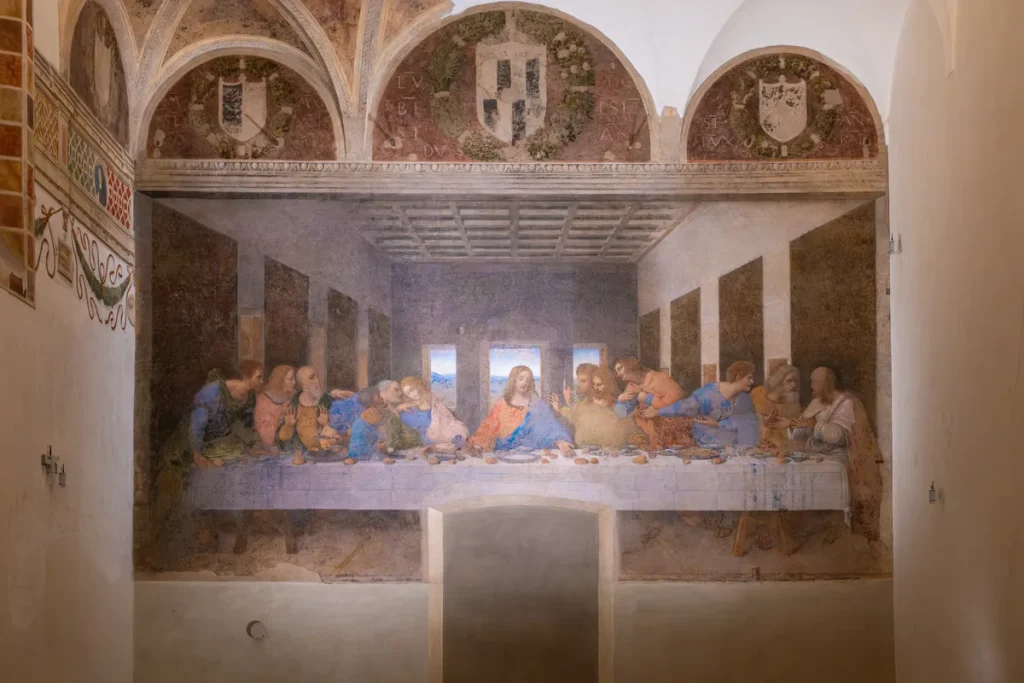
The painting is smaller than most people expect and more damaged than most photographs suggest. Knowing this before you go doesn’t diminish it – understanding that you’re looking at something that has been fighting entropy for 500 years, and that what survives is still legible and powerful, is part of the experience.
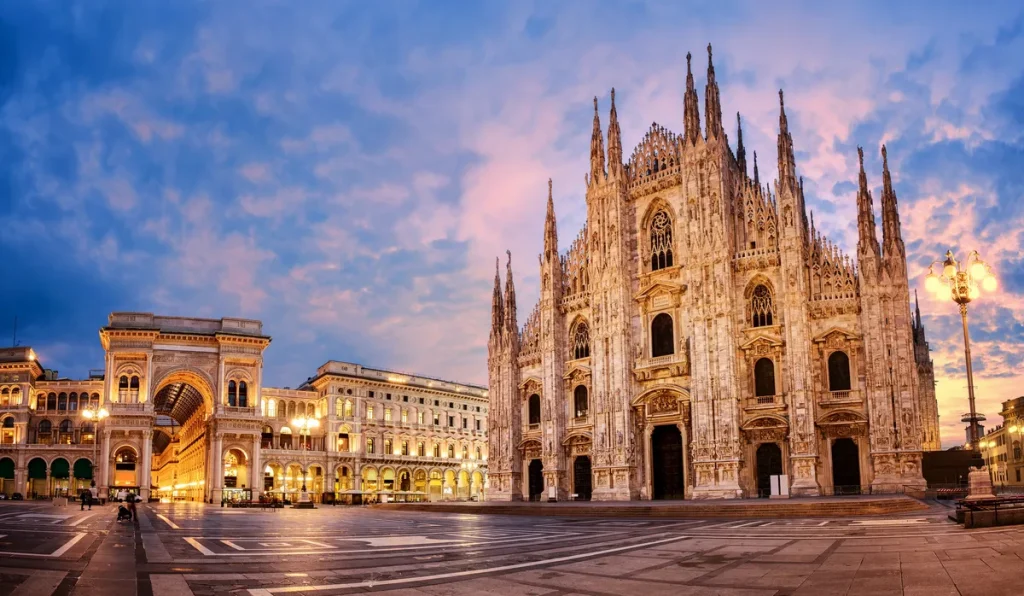
The Duomo (cathedral interior free; rooftop €14 stairs, €25 elevator) is the third-largest church in the world and the most detailed Gothic facade in Italy – 3,400 statues, 135 spires, construction spanning from 1386 to the 20th century. Take the stairs to the rooftop and walk among the spires. On a clear day between October and March you can see the Alps, and on the clearest days the outline of the Matterhorn.
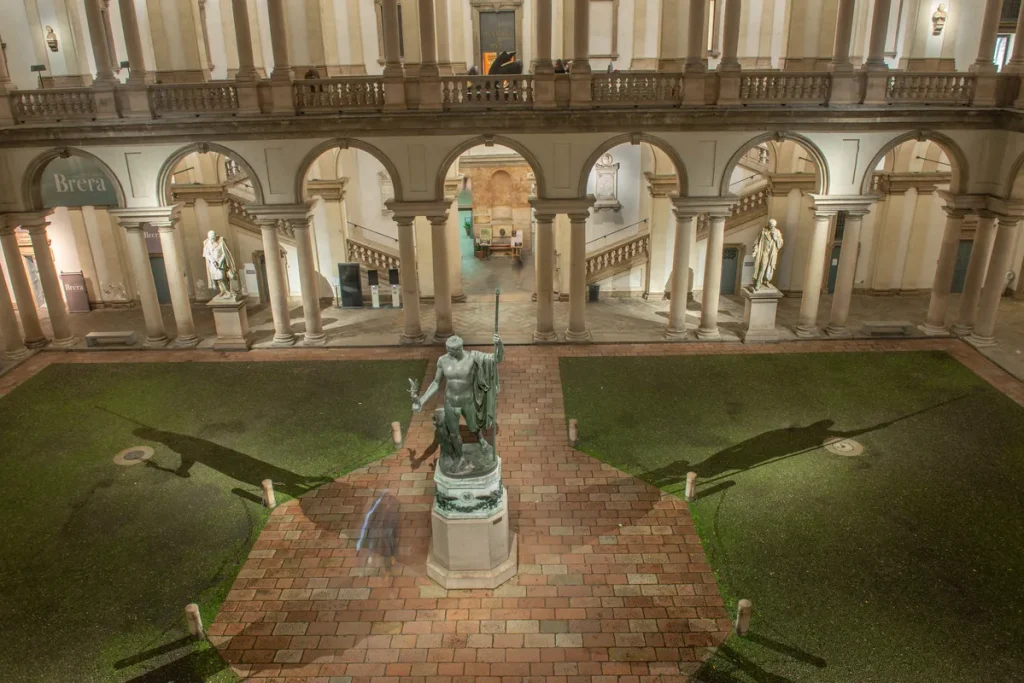
Pinacoteca di Brera (€15, free on the first Sunday of the month) is one of the best art galleries in Italy – Raphael’s Marriage of the Virgin, Mantegna’s Dead Christ (foreshortened view, Room 6, smaller than expected and more disturbing for it), Caravaggio’s Supper at Emmaus. Serious collection, rarely as crowded as comparable Roman museums. Budget 2-3 hours.
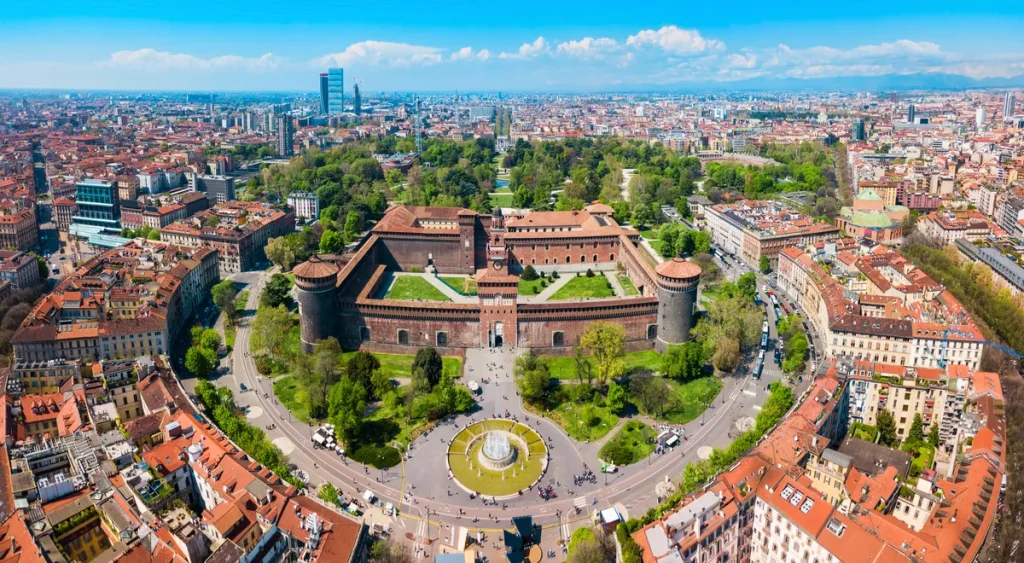
Sforza Castle (courtyards free; museums €5, free on the first and third Tuesday of the month) contains Michelangelo’s final sculpture – the Rondanini Pietà, completed in the last weeks before his death in 1564. It’s in a dedicated space and looks like nothing else Michelangelo made – abstract, unfinished, the figures barely differentiated from the stone. Worth the museum entry specifically for this.
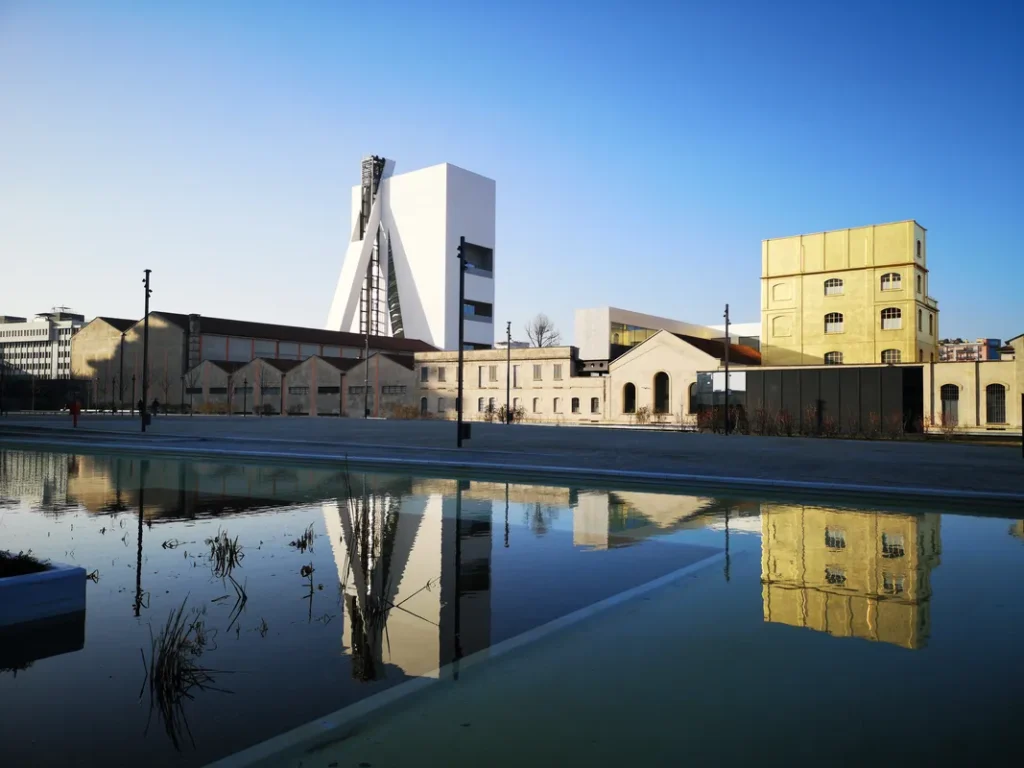
Fondazione Prada is a contemporary art complex in a former distillery, partly designed by Rem Koolhaas, with a gold-leafed building (the Haunted House) containing works by Damien Hirst and others. Entry €15. Worth it if contemporary art is part of why you travel; skip it if you’re not specifically interested.
Food: The Actual Differences
Rome
Roman food is built around five ingredients – Pecorino Romano, guanciale, eggs, black pepper, and tomato – recombined into the four canonical pasta dishes: carbonara (eggs, guanciale, Pecorino, pasta water), cacio e pepe (Pecorino, pepper, pasta water), amatriciana (tomato, guanciale, Pecorino), gricia (guanciale, Pecorino, no tomato). These are not variations on a theme; they’re four distinct dishes that share a pantry.


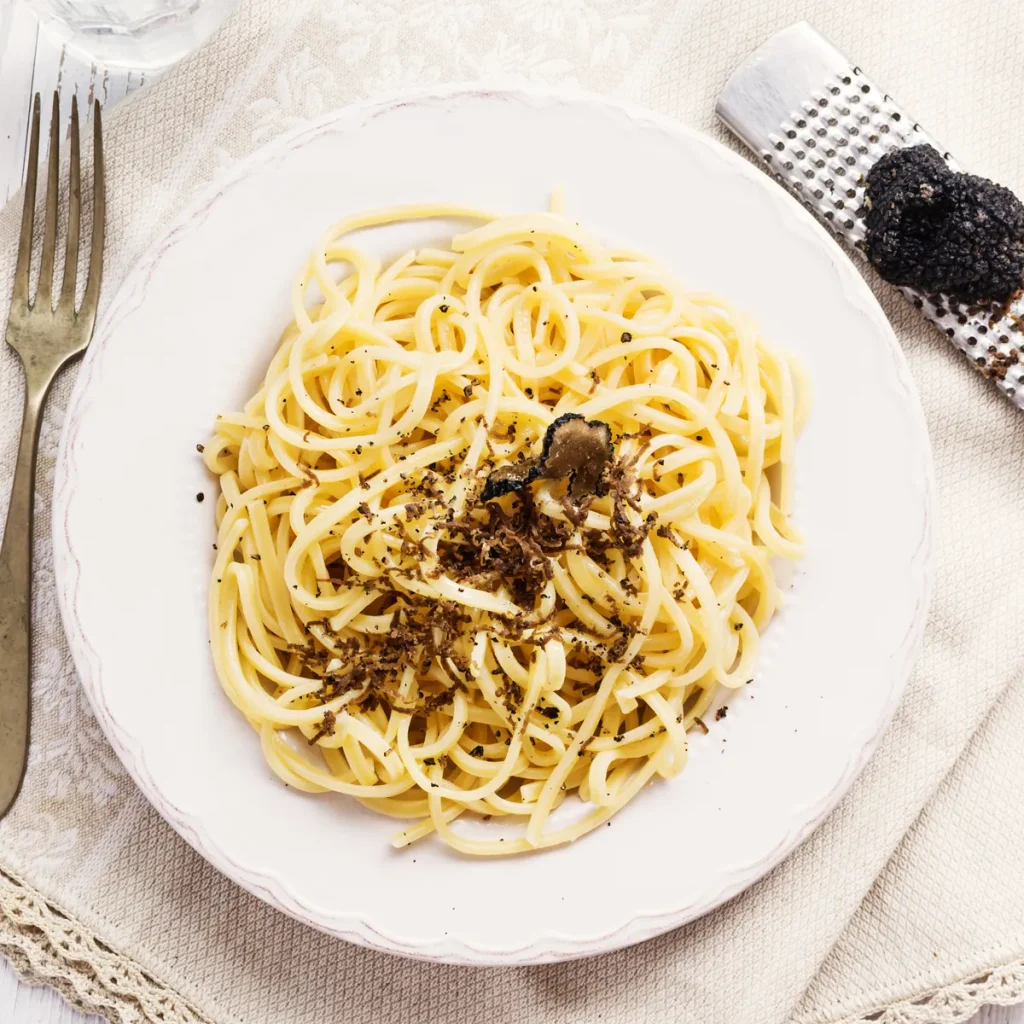
The versions in Rome are categorically better than versions made elsewhere. This is partly ingredient quality, partly technique, partly the fact that every trattoria in Testaccio or Monti has been making the same three dishes for 40 years. Order any of the four at a paper-tablecloth trattoria with a carafe of house white and bread, and you understand the premise.
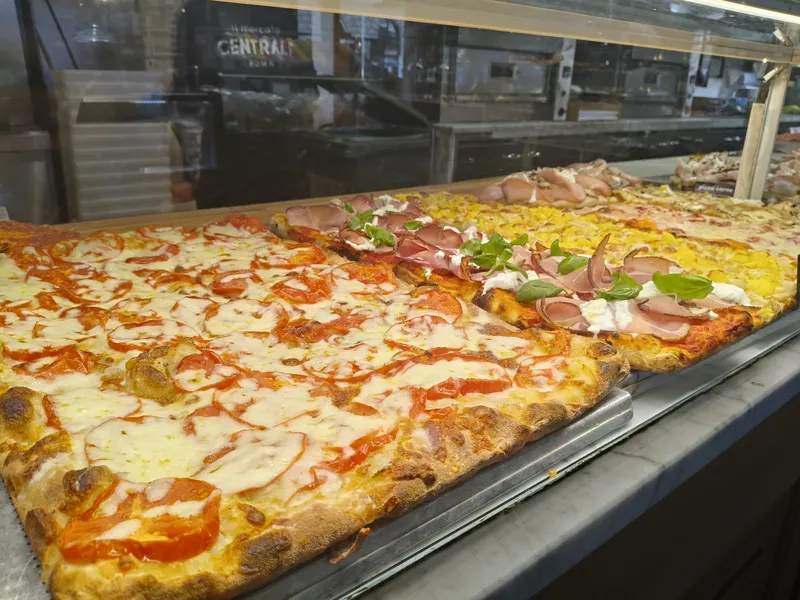
Street food: Pizza al taglio (by the weight, cut with scissors) from a proper forno costs €4-6 for a filling portion. Supplì are fried rice balls with a mozzarella center – the Roman version of arancini, smaller and fried harder. Both are lunch.
Prices: A full sit-down lunch with wine in Testaccio or Monti: €15-20 per person. Near the Colosseum or Trevi: significantly more for worse food.
Milan
Milanese food replaces Rome’s tomato-and-pork axis with butter, saffron, and veal.
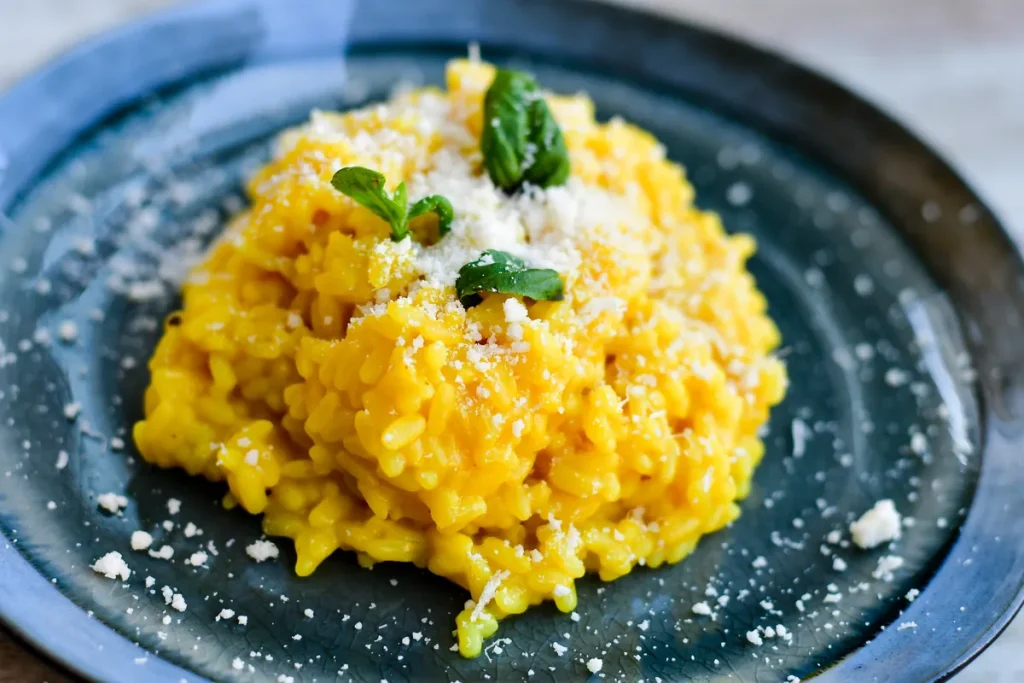
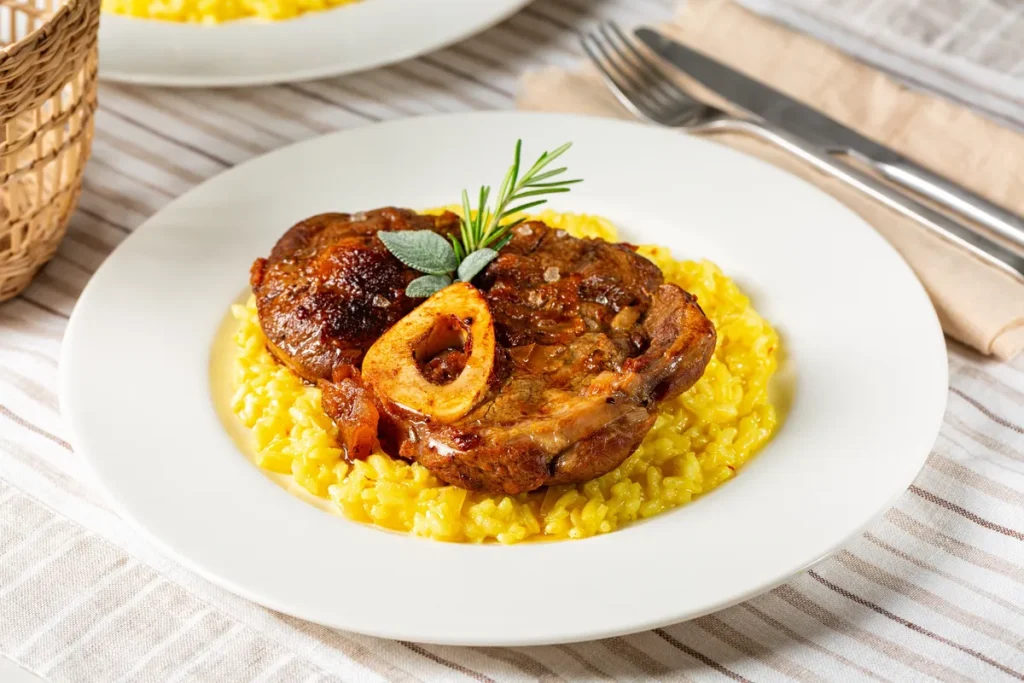
Risotto alla Milanese is saffron risotto with bone marrow (midollo) stirred in at the end. The saffron is assertive – the dish is yellow-gold and has a slightly metallic edge. Done correctly, it moves slowly on the plate when tilted rather than holding a shape. The bone marrow is not subtle and is supposed to be there; check that it’s listed on the menu (con midollo) before ordering.
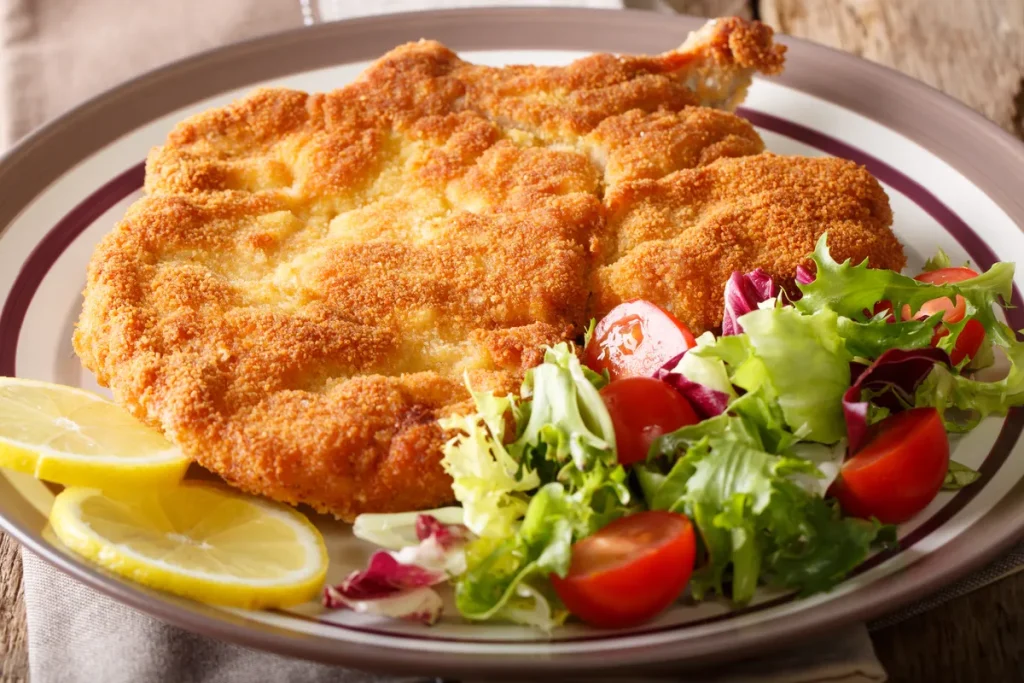
Cotoletta alla Milanese is a bone-in veal cutlet, pounded flat, breadcrumbed, and fried in butter until the edges crisp. It should cover most of the plate. A version without the bone, or arriving thin and small, is not the real thing. Expect €18-24 at a proper trattoria.
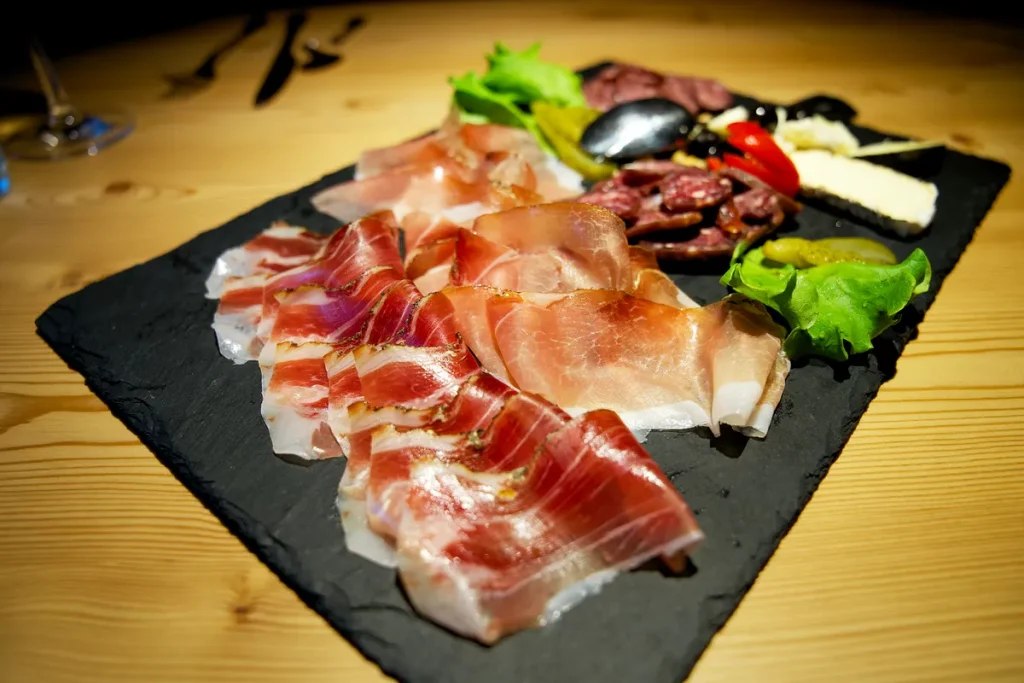
Aperitivo culture: Between 6:00 and 9:00 PM, bars across Milan serve drinks alongside food – historically a buffet of small plates included in the drink price. In tourist-facing bars around Navigli and Brera, this tradition has eroded and the food is minimal. In Isola, Porta Romana, and residential streets in any direction away from the center, the original version still exists: €8-10 for a Negroni or Spritz with a genuine selection of food. This works as dinner.
The pranzo di lavoro system: Between noon and 2:30 PM, neighborhood bars and trattorias offer a fixed-price lunch – first course, second course, bread, water or wine – for €10-13. This is how Milan workers eat and how budget visitors should eat their main meal of the day. It doesn’t exist in the tourist center around the Duomo; it exists in Isola, Porta Romana, and around the universities.
Cost Comparison
| Category | Rome | Milan |
|---|---|---|
| Espresso at bar | €1.20-1.50 | €1.50-2.00 |
| Fixed lunch (pranzo) | €12-15 | €10-13 |
| Sit-down dinner | €20-30 | €25-40 |
| Mid-range hotel | €100-160/night | €110-180/night |
| Metro single | €1.50 | €2.20 |
| Main museum entry | €15-20 | €15 |
| Free water | 2,500+ nasoni fountains | Fewer, but tap water fine |
Milan is slightly more expensive for accommodation and significantly more expensive for restaurants in the center. The pranzo di lavoro system corrects for this at lunch. Rome has the nasoni public fountain network which eliminates bottled water costs entirely – a genuine saving over a week.
Neither city is cheap by southern European standards. Both are cheaper than London or Paris for equivalent quality.
Crowds and Timing
Rome is crowded at the Colosseum, Vatican, and Trevi Fountain year-round. The Colosseum and Vatican require advance booking regardless of when you visit. The rest of the city – the churches, markets, neighborhoods – absorbs tourists without feeling overwhelmed. January through March are the quietest and cheapest months. July and August are peak: hot (35-38°C regularly), crowded, and with longer queues at everything.
Milan has a different crowd problem. The city gets extremely expensive and difficult to book during its four annual fashion weeks (February/March and September/October) and Salone del Mobile, the furniture and design fair in April. During these periods, hotel prices triple and availability collapses months ahead. Outside these windows, Milan is considerably less crowded than Rome’s main sights – the Last Supper aside, you don’t queue for much.
Doing Both in One Trip
The Frecciarossa or Italo high-speed train connects Rome Termini and Milan Centrale in 2 hours 59 minutes (the fastest services). Advance booking from €29 each way; full-flexibility tickets around €79. Trains run throughout the day with high frequency.
On a 7-night trip, the split that works is 4 nights Rome, 3 nights Milan – Rome needs more time because the main sights (Colosseum complex, Vatican, historic center) each require half-days to do properly. Milan’s core circuit – Duomo, Last Supper, Brera, Sforza Castle – is completable in 2 full days, with the third day for Navigli, Isola, and the contemporary side of the city.
The direction of travel is less important than it is on the Rome-Venice route. Either direction works; if you’re flying into one and out of the other, book accordingly.
If you’re adding a third city, Florence sits between them: 1 hour 20 minutes from Rome by high-speed train, 1 hour 45 minutes from Milan. Florence is a logical middle day rather than a separate base.
Plan Your Trip
- First Time in Rome
- 1 Day in Rome
- 3 Days in Rome
- 5 Days in Rome
- Rome on a Budget
- Foodies Guide to Rome
- Day Trips from Rome
- Rome with Kids
- Rome in Winter
- Rome vs Florence
- Rome vs Venice
- 10 Days in Southern Italy
- Milan vs Rome
- Naples vs Rome
- First Time in Milan
- 25 Things to Do in Milan
- 3 Days in Milan
- Milan Food Guide
- Milan on a Budget
- Where to Stay in Milan
- Day Trip to Cinque Terre from Milan
Is Milan worth visiting if you’re not interested in fashion?
Yes. The Last Supper, Brera Pinacoteca, Sforza Castle with the Rondanini Pietà, and the Duomo rooftop are substantive art and architecture experiences with no fashion connection. Milan’s food culture – the aperitivo system, the pranzo di lavoro lunch, risotto alla Milanese – is distinct from anywhere else in Italy. The fashion week infrastructure is invisible to visitors outside those specific weeks.
Which city is better for a first visit to Italy?
Rome. It has more historically significant sights in a concentrated area, the food is more immediately legible (pasta and pizza versus risotto and cotoletta), and the city’s character – chaotic, ancient, overwhelming – is the Italy that most people have in their heads before they go. Milan is better as a second or third Italian city, when you have context for what makes it different.
How far in advance do you need to book the Last Supper?
As far in advance as possible once you know your travel dates. The booking site (cenacolovinciano.vivaticket.it) releases slots in rolling windows that sell out within hours of release. Two to three months ahead is realistic for popular dates in summer; in winter you might find slots 2-3 weeks out. There is no reliable same-day option.
Is Rome more expensive than Milan?
Milan is more expensive for accommodation and restaurant dining in the center. Rome is more expensive for major site entry fees (Colosseum €18, Vatican €20 versus Milan’s main museums at €15). The gap narrows significantly if you use the pranzo di lavoro lunch system in Milan and the trattoria system in Rome, both of which bring the per-day food cost down to €15-20 for a substantial midday meal.
Can you do a day trip between Rome and Milan?
Technically possible on the 3-hour train – arrive, see the Duomo and Brera or the Colosseum and Forum, return. In practice, the travel time eats 6 hours of your day and you see each city inadequately. Neither is a day-trip city. Both deserve at least 3 nights.
Milan vs Rome — 2026 Comparison Map
Frecciarossa / Italo high-speed: 2h59 from EUR 29. 7-night split that works: 4 nights Rome, 3 nights Milan. Click any pin.