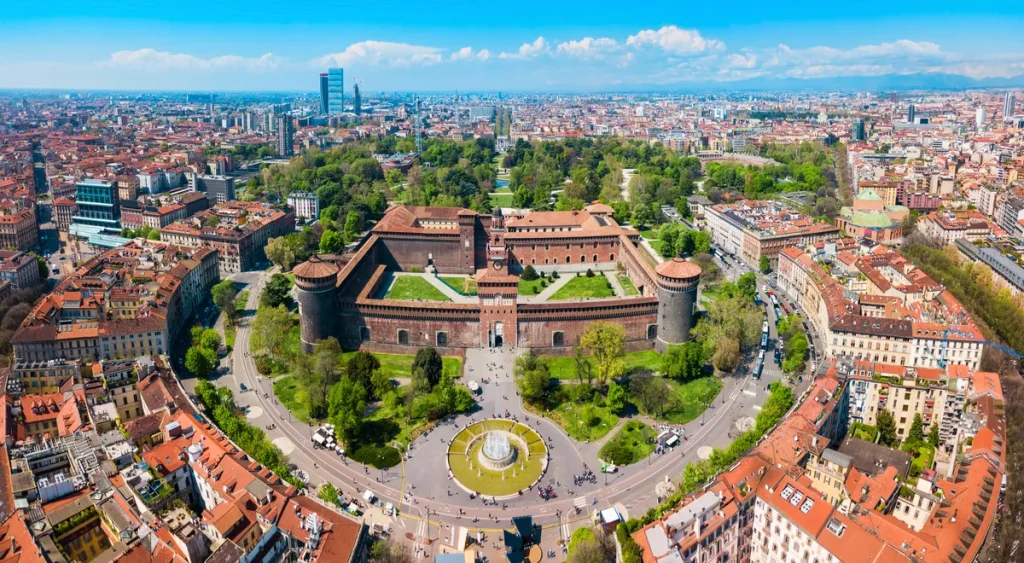
Milan on a budget is possible – most visitors spend €150+ per day without thinking, but you can do the city well for €60-80 per person if you know where to eat, which museums have free days, and how to avoid the €14 Navigli cocktails. The Duomo rooftop is €14-25 depending on whether you take stairs or elevator, the Last Supper requires a ticket booked 2-3 months ahead at €15, and Brera Pinacoteca costs €15 – but the Sforza Castle museums are free every first and third Tuesday of the month. Start at Piazza del Duomo by 8:00 AM before the selfie crowds arrive at 9:30.
Milan has a reputation it partly deserves – this is a city where a cappuccino at a tourist cafe near the Galleria can cost €5 and a mid-range dinner €45. But Milanese locals eat lunch for €10-13 at neighbourhood bars that serve fixed-price pranzo di lavoro (working lunch) deals, drink their aperitivo standing at the bar for €8-10, and largely avoid the areas where tourists get fleeced. This guide is built around doing what they do.
How Much Does Milan Actually Cost Per Day?
Budget traveler (hostel, self-catering some meals, free sights): €50-65/day
Mid-range (3-star hotel or Airbnb, one restaurant lunch, aperitivo dinner): €80-110/day
The expensive parts are accommodation and dinner at sit-down restaurants. If you can control those two, the rest of the city is manageable. Groceries at Esselunga or Lidl are priced like any other Italian city.
Free Things to Do in Milan
The Duomo exterior and Piazza del Duomo
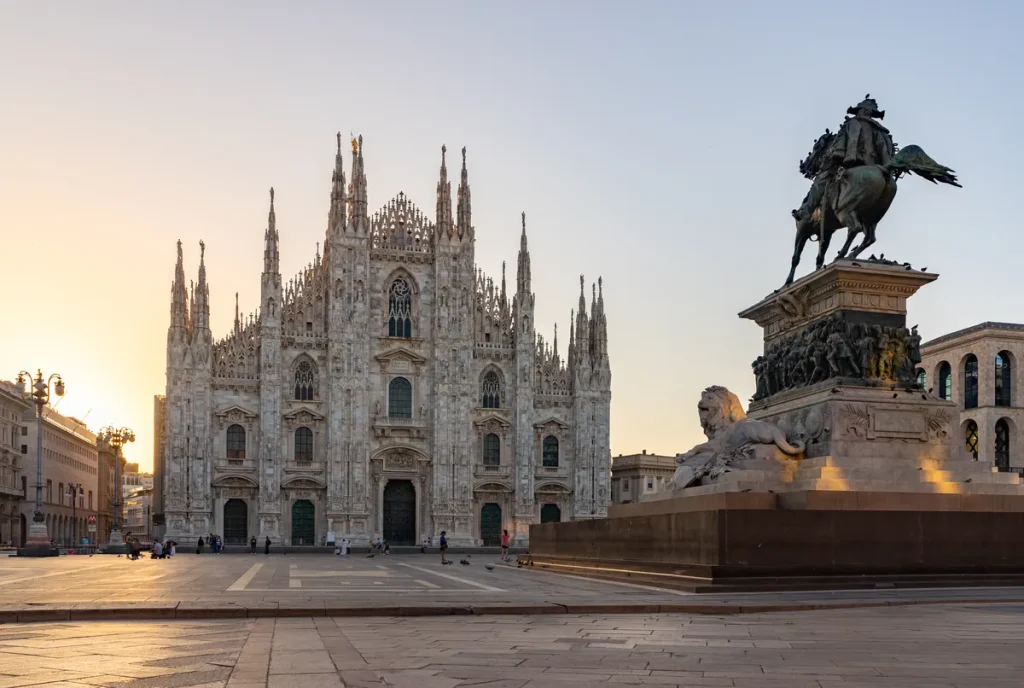
Entering the Duomo cathedral is free. The rooftop is not – it costs €14 on foot or €25 with the elevator – but standing in Piazza del Duomo and looking up at 3,400 statues on the facade costs nothing. Go before 8:30 AM for an empty square. By 10:00 AM you’re fighting through tour groups and selfie sticks.
(The baptistery underneath the Piazza – the Battistero di San Giovanni alle Fonti – costs €6 and is often skipped. It’s a 4th-century structure and genuinely interesting if you have 30 minutes.)
Galleria Vittorio Emanuele II
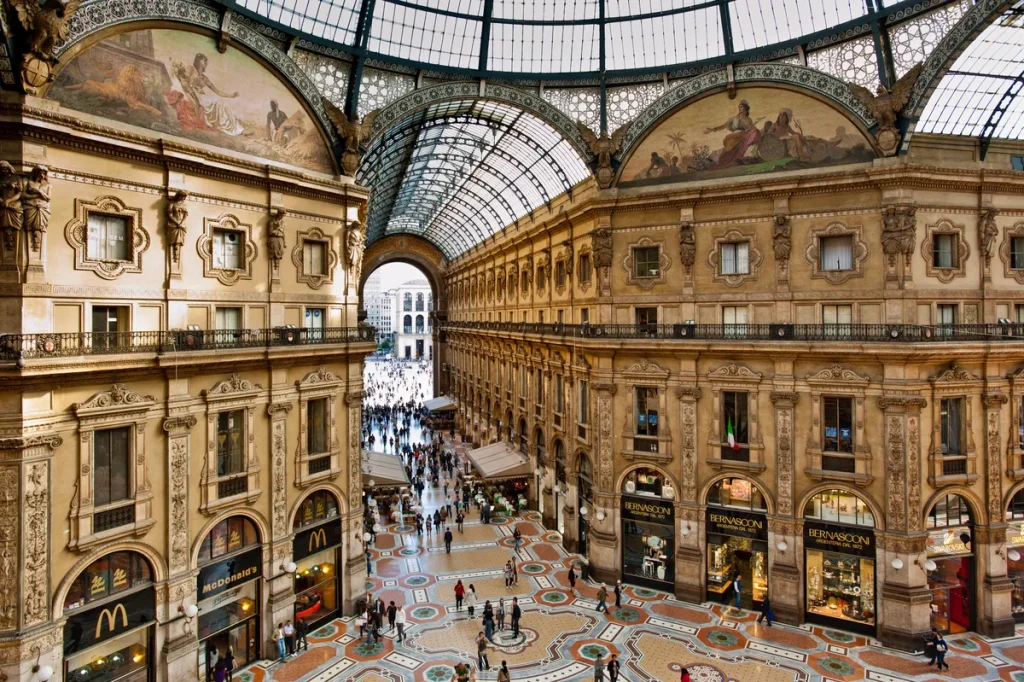
Free to walk through, always. The 1877 iron-and-glass shopping arcade connecting Piazza del Duomo to Piazza della Scala is genuinely one of the most impressive interior spaces in Europe. The shops inside – Prada, Louis Vuitton, Gucci – you are not buying. But the architecture is worth 20 minutes of your time at no cost.
Look for the bull mosaic on the floor near the central octagon. Locals spin on its testicles for luck. The marble is noticeably worn.
Sforza Castle (Castello Sforzesco) – free on first and third Tuesdays
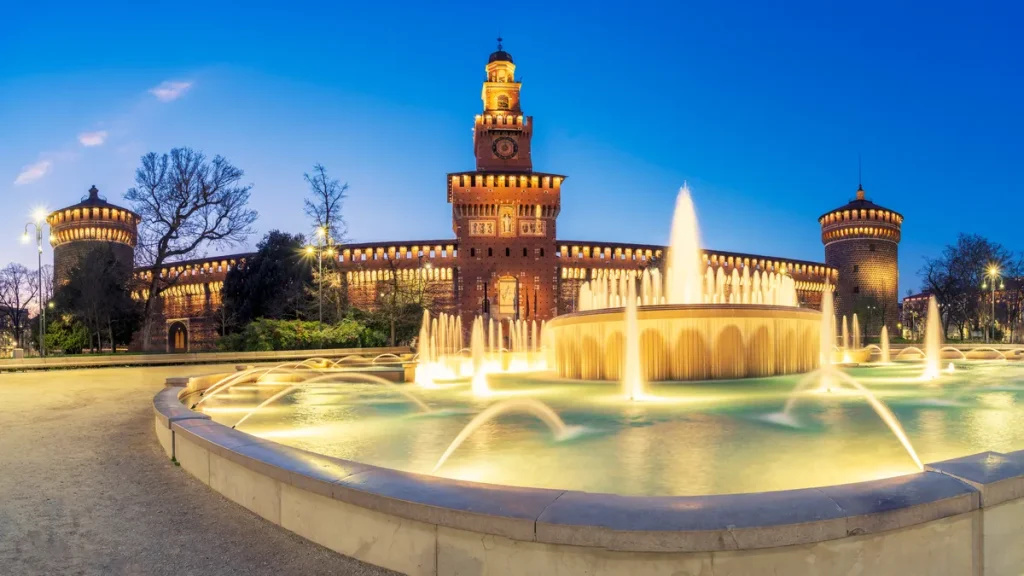
The castle is free to enter the courtyards at all times. The seven museums inside (including a Michelangelo sculpture – his final, unfinished Rondanini Pietà) cost €5 normally, but are free on the first and third Tuesday of each month. If your visit overlaps, plan for it. The Rondanini Pietà alone is worth a museum visit – it’s in a separate space, deliberately simple, and looks nothing like what you’d expect from the man who did the Sistine Chapel.
Parco Sempione
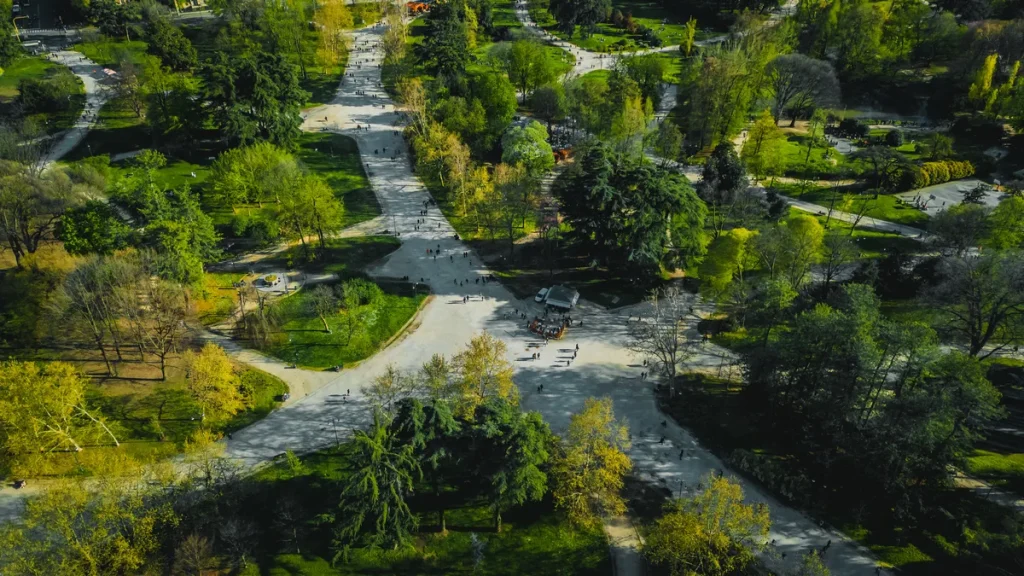
The park behind Sforza Castle is where Milanese go to have lunch, jog, and read. Free, 47 hectares, with a small lake and the Arco della Pace at the far end. Best on weekday mornings when it’s not crowded.
Pinacoteca di Brera – free on first Sunday of the month
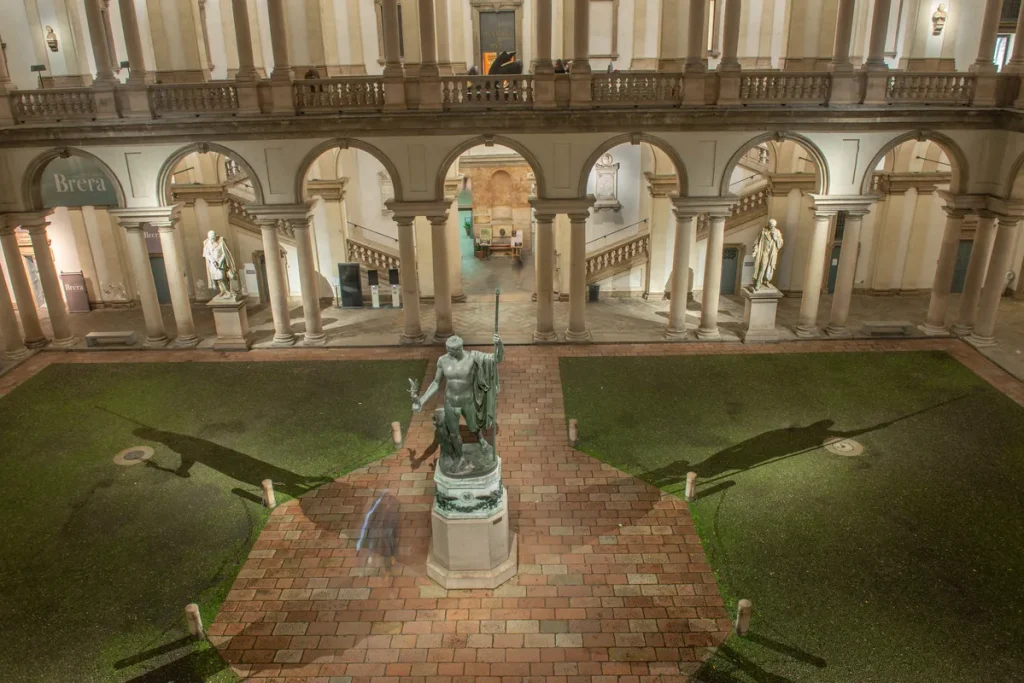
One of Italy’s top art galleries – Raphael, Caravaggio, Mantegna – is free on the first Sunday of every month. On paid days it’s €15. If you’re not visiting on a free Sunday, the €15 is still worth it. Budget 2-3 hours.
(Go straight to Room 6 for Mantegna’s Dead Christ – a foreshortened view of Christ lying on a slab that has influenced painters for 500 years. It’s smaller than people expect.)
Cimitero Monumentale
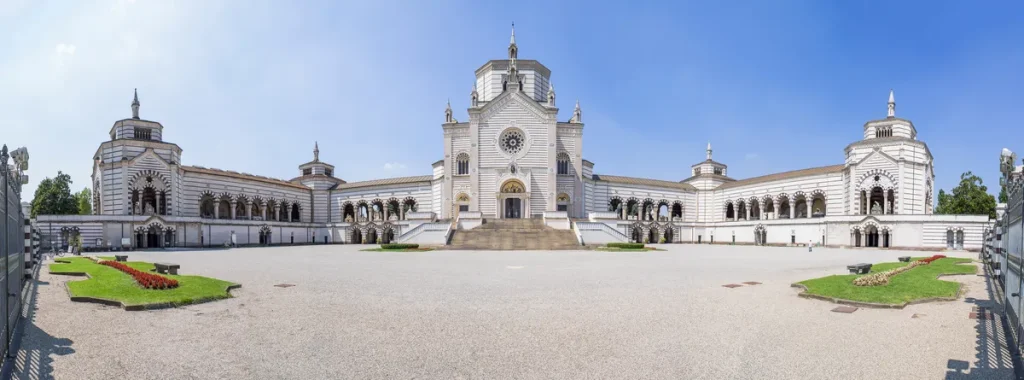
Milan’s monumental cemetery in Zona Monumentale is free to enter and genuinely extraordinary – it’s essentially an outdoor sculpture museum built between 1866 and the 20th century, with family tombs designed by some of Italy’s best sculptors. Open Tuesday-Sunday 8:00 AM – 6:00 PM. Almost no tourists know about it.
Paid Sights Worth the Money
The Last Supper (Il Cenacolo Vinciano) – €15, but book months ahead
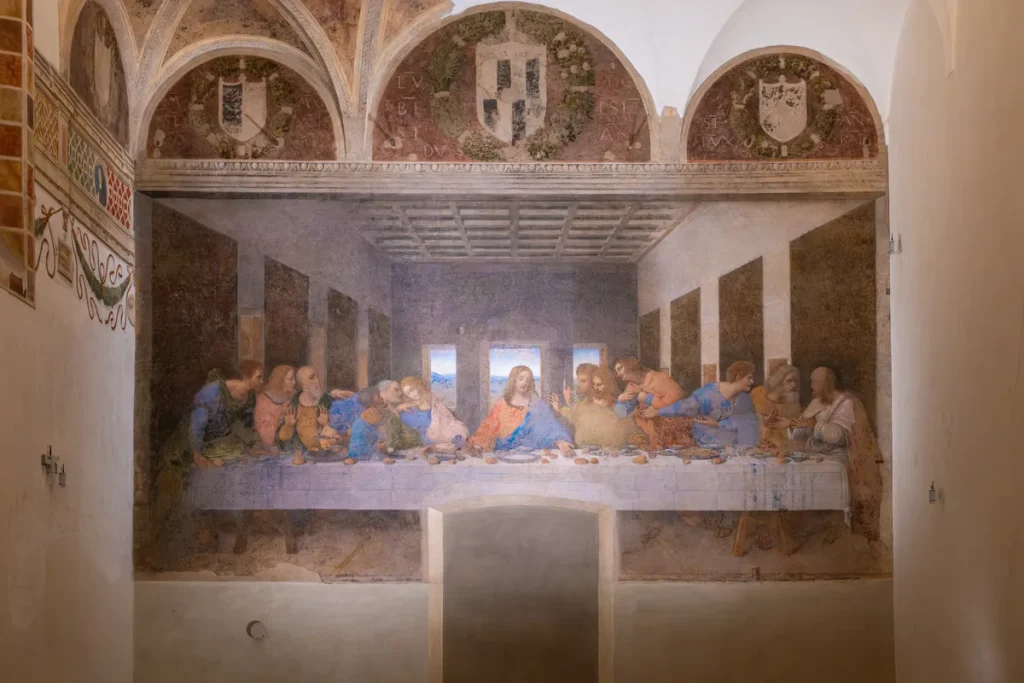
This is the one non-negotiable paid experience in Milan, and it has the most friction. Leonardo’s Last Supper is painted directly on the wall of a former refectory at Santa Maria delle Grazie. Only 30 people enter at a time for 15 minutes, which is why tickets sell out weeks or months in advance. Book at getyourguide.com
Do not show up without a booking hoping for cancellations. It doesn’t work reliably.
(The painting is a fresco technique that started deteriorating in Leonardo’s own lifetime because he experimented with dry plaster instead of wet. What you’re seeing has been restored multiple times. Knowing this doesn’t make it less powerful.)
Duomo Rooftop – €14 (stairs) or €25 (elevator)
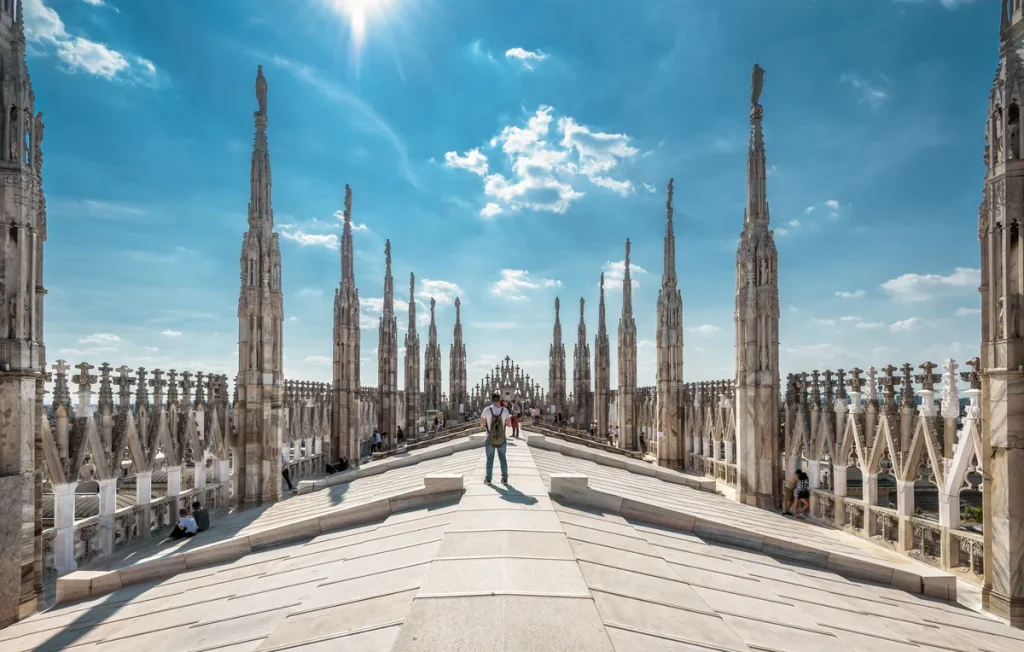
Take the stairs. It’s 165 steps and you can move at your own pace among the spires. The view across Milan to the Alps on clear days (October-March are the best months for Alpine visibility) is one of the better city views in Italy. On a clear November morning you can see the Matterhorn outline.
Book online to avoid the queue at the ticket office, which can run 45 minutes in summer.
Pinacoteca Ambrosiana – €15
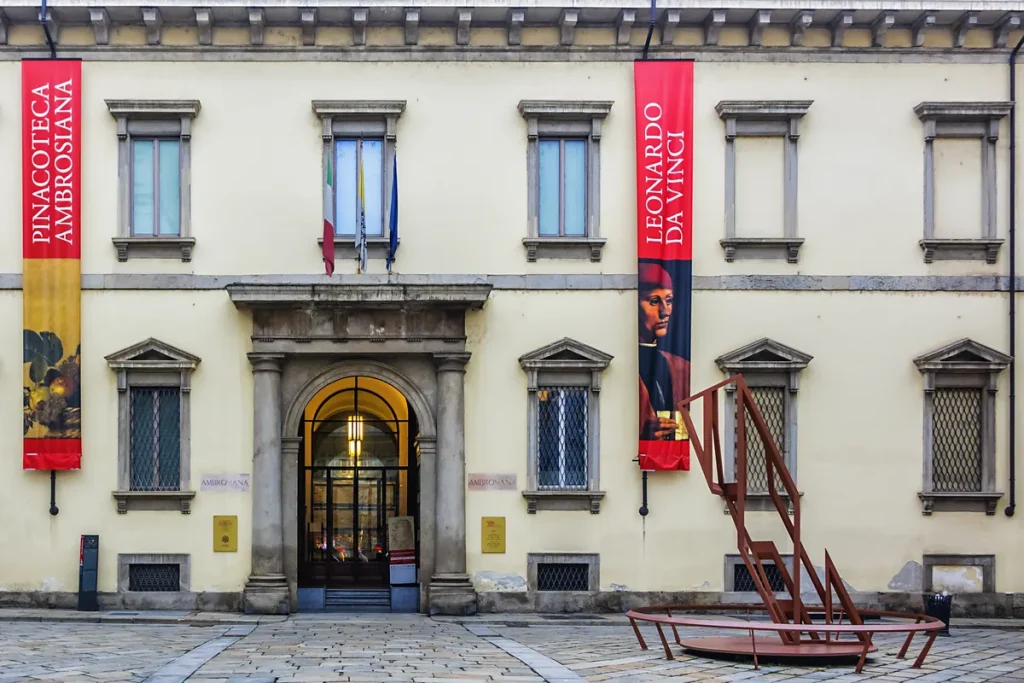
Smaller than Brera but with one specific item that makes it worth it: the original cartoon (full-scale preparatory drawing) Leonardo made for The Virgin of the Rocks. It fills a room. Also has Raphael’s cartoon for the School of Athens and a decent collection of Flemish and Italian Renaissance work. €15, open Tuesday-Sunday.
How to Eat in Milan Without Spending Like a Fashion Week Attendee
The pranzo di lavoro system
Between 12:00 and 2:30 PM, most neighbourhood bars and trattorias in Milan offer a fixed lunch menu: €10-13 for a first course (pasta or risotto), second course (meat or fish), bread, and water or wine. This is the single best budget tool in the city. It’s not marketed to tourists because tourists don’t tend to wander far enough from the centre to find it.
The further you get from the Duomo, the better the price-to-quality ratio. Try the bars along Via Savona in Navigli, around Piazza Napoli in Porta Genova, or anywhere in Isola.
Risotto alla Milanese: what it actually is
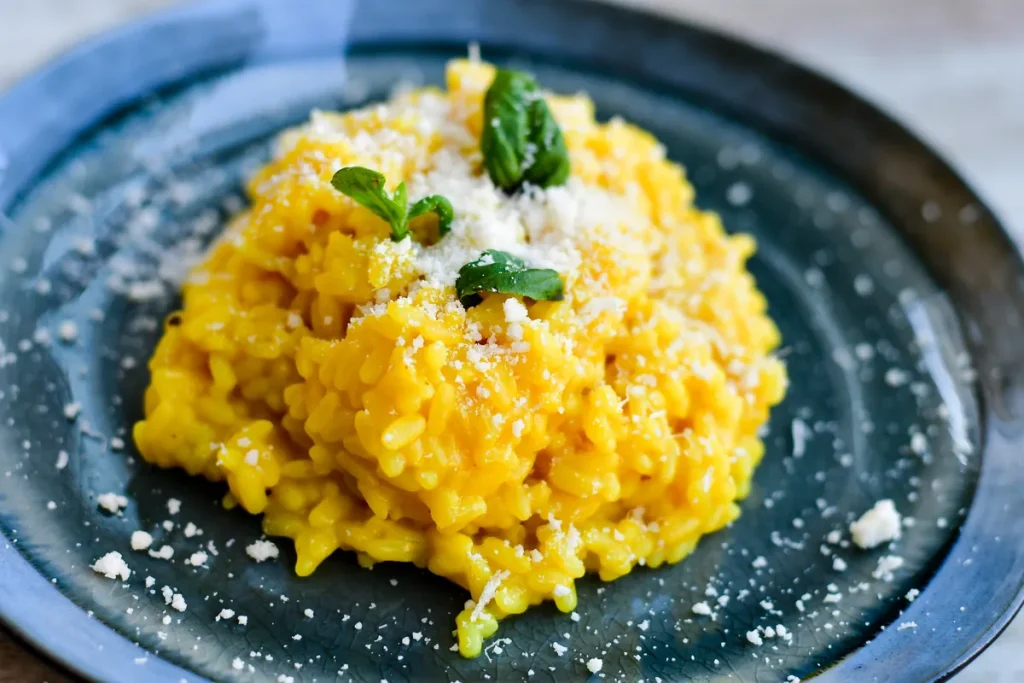
Milan’s signature dish is risotto cooked with saffron – which turns it yellow – and beef bone marrow stirred in at the end. The saffron is not subtle; the dish has a slightly metallic edge and a colour somewhere between gold and mustard. Done properly it should move slowly on the plate when tilted, not hold a shape. Most tourist-facing restaurants do it adequately. To find a good version, look for places that list the bone marrow (midollo) specifically on the menu.
Cotoletta alla Milanese
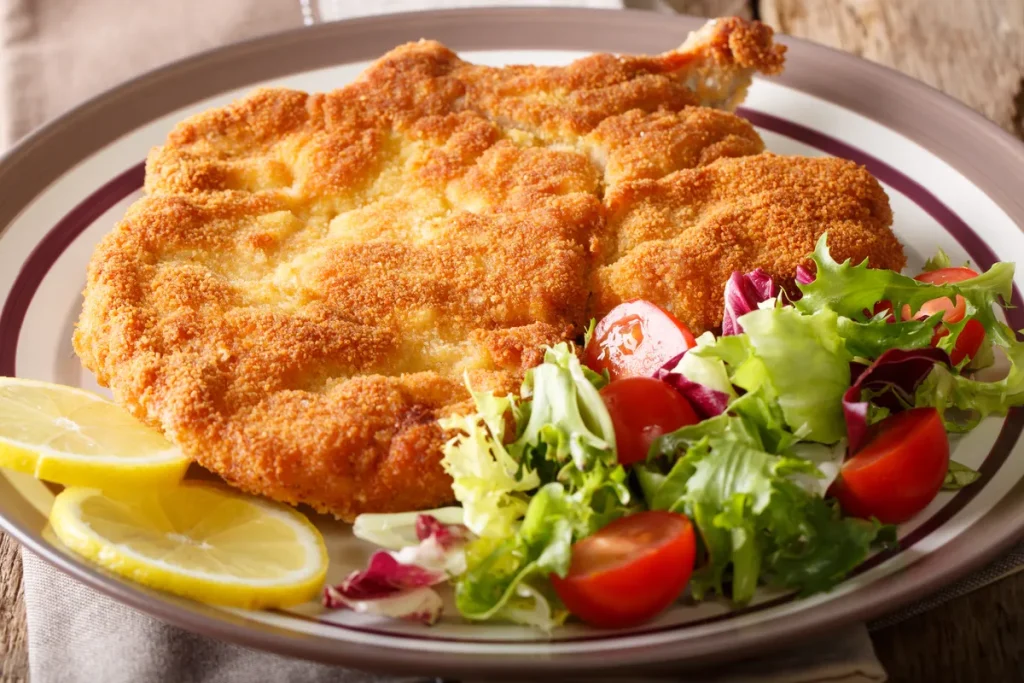
The other Milanese classic: a bone-in veal cutlet, pounded thin, breadcrumbed, and fried in butter until the edges crisp. It should cover most of the plate. If it arrives thin and without the bone, it’s not the real thing. Expect to pay €18-24 at a serious trattoria.
Standing at the bar for breakfast
Every Italian city has this, but Milan enforces it more sharply than most. A cornetto (croissant) and cappuccino standing at the bar costs €2-3. The same items at a table cost €5-7. There’s no rule, but you’ll feel it in the energy of the bar if you sit when there are people standing.
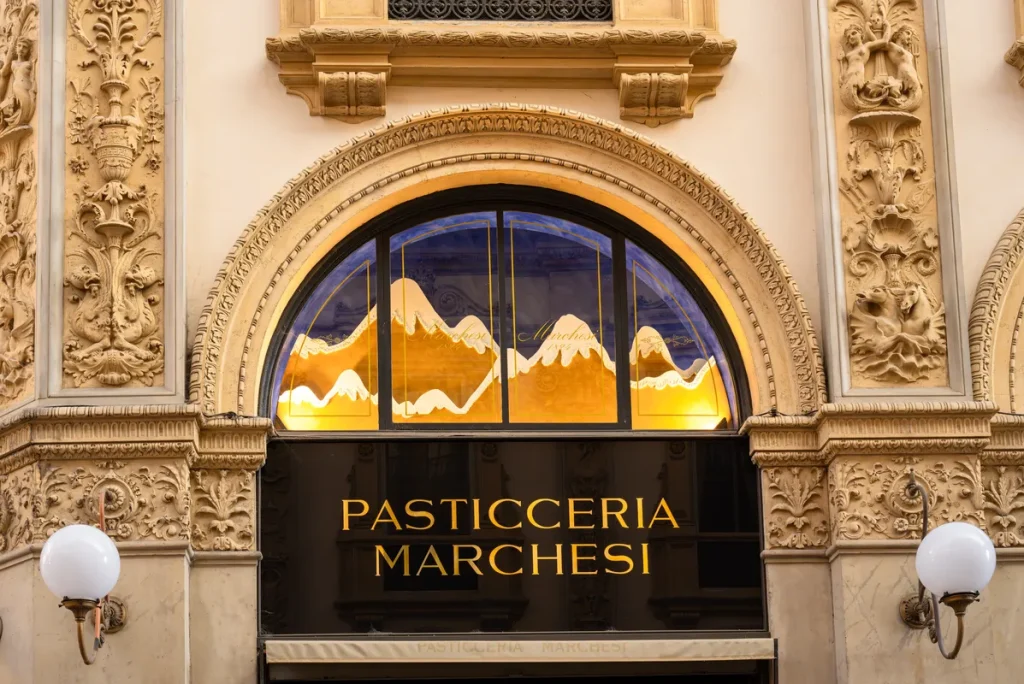
Good breakfast bars away from the tourist drag: Bar Brera in the Brera quarter (they open at 7:00 AM), Pasticceria Marchesi in Magenta (the older location, not the Galleria one – prices are saner).
Aperitivo hour and the €10 problem
Aperitivo in Milan is not just a drink – historically, many bars laid out a buffet of food (olives, bruschetta, small plates) included with the cost of a €8-12 spritz or Negroni. This tradition still exists but has eroded significantly in the tourist areas around Navigli and Brera. In those zones you’re often paying €12-14 for a drink and the food has become minimal.
Better spots for value aperitivo: Isola neighbourhood (bars off Via Borsieri), Porta Romana (less visited, cheaper), and anywhere along Corso di Porta Ticinese away from the actual canal.
Mercato Comunale di Piazza Wagner
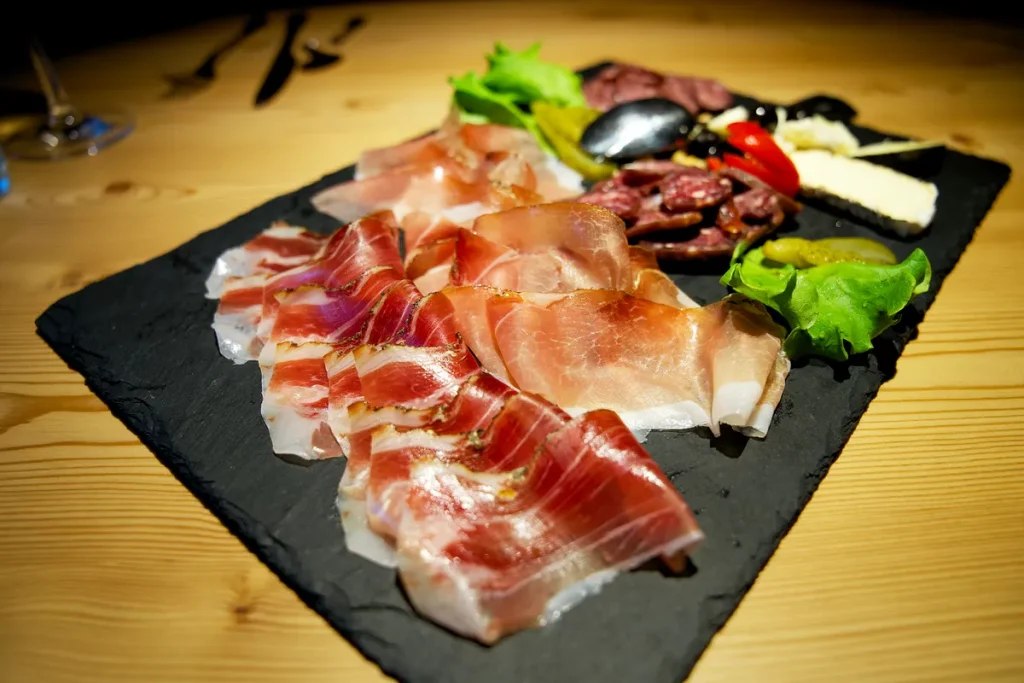
Milan’s best neighbourhood food market is at Piazza Wagner, in the Municipio 6 area southwest of the centre. Open Monday-Saturday until around 1:30 PM. Better produce, lower prices than central markets, and almost entirely locals. Take the M1 red line to Wagner station (5 minutes from the Duomo). Picking up cheese, cured meat, and bread here and eating in Parco Solari nearby is a legitimate lunch option for around €6-8.
Getting Around Milan Without Overspending
The metro and trams
Milan has 4 metro lines (M1-M4) plus an extensive tram network. A single ticket (biglietto ordinario) costs €2.20 and is valid for 90 minutes on all surface transport (trams, buses) but only for one metro trip. A 24-hour ticket is €7.60, a 48-hour ticket is €13.80, and a 72-hour ticket is €19.50.
For 2-3 days of normal sightseeing, the 48-hour or 72-hour ticket is usually better value than buying singles.
(The M4 blue line opened in phases between 2022-2024, connecting Linate airport directly to the city centre for the first time. It terminates at San Babila station, putting you in the centre for €2.20 from the airport – much better than the old bus connection.)
Walking between neighbourhoods
The core tourist circuit – Duomo, Galleria, La Scala, Brera, Sforza Castle, Sempione – is entirely walkable. It’s about 3 km end to end. Navigli is 2 km south of the Duomo and walkable in 25 minutes or reachable via tram 3.
Airport transfers: Linate vs Malpensa
If you’re flying into Linate (mostly European routes), take the M4 metro for €2.20.
If you’re flying into Malpensa (the main international hub, 50 km from Milan), your options:
- Malpensa Express train: €13 to Milano Centrale or Cadorna, runs every 30 minutes, takes 52-60 minutes
- Malpensa bus: €8-10, slower (1h15m-1h30m depending on traffic), drops at various city points
- Taxi: fixed rate of €65-70 to the city centre
The train is the right answer unless you have very heavy luggage and a hotel close to a bus stop.
Where to Stay in Milan on a Budget
Milan has a chronic shortage of mid-range accommodation. Hotels here run expensive relative to comparable Italian cities. Expect to pay €90-130 for a basic 3-star in reasonable proximity to the centre. Below that you’re looking at hostels or Airbnbs in outer neighbourhoods.
Best-value areas to stay:
- Isola/Garibaldi: 10-15 minutes by metro to the Duomo (M2 green line), good neighbourhood bars and restaurants, slightly cheaper than central
- Porta Romana/Navigli: M3 yellow line to the Duomo, walkable to Navigli in the evening, not as overpriced as Brera
- Near Milano Centrale station: the immediate surroundings are gritty, but 3-stars here are often €20-30 cheaper than equivalent hotels near the Duomo, and the M2/M3 get you anywhere in 15 minutes
Avoid: anything directly on or near Piazza del Duomo for budget stays. You’re paying for the postcode.
Milan Budget Tips That Most Guides Don’t Mention
The first and third Tuesday free museum dates are rarely flagged in travel content but can save €20-25 per person if your dates align with Sforza Castle visits.
The M4 airport connection is two years old and still not common knowledge among travelers who researched Milan before it opened – save yourself the bus confusion.
Corso Buenos Aires is Milan’s main mid-range shopping street (M1 to Porta Venezia), not the Galleria. If you’re buying anything other than fashion week labels, this is where to go. It’s 1 km of shops with normal prices.
The Mercato dell’Antiquariato di Brera runs on the third Saturday of every month along Via Fiori Chiari and Via Madonnina in the Brera quarter. Free to browse, interesting for vintage prints and ceramics.
Bars near university buildings (Politecnico di Milano in Città Studi, Statale near the Duomo) serve the cheapest espresso in the city – €1.00-1.20 compared to €1.50-2.00 elsewhere. The difference sounds small but adds up over 3 days.
Milan Budget Itinerary by Day
Day 1: Duomo, Galleria, Brera
- 8:00 AM: Piazza del Duomo before crowds. Duomo interior free.
- 8:30 AM: Breakfast standing at a bar near Via Torino. Budget €3.
- 9:30 AM: Galleria Vittorio Emanuele II – free.
- 10:30 AM: Pinacoteca di Brera (free if it’s the first Sunday of the month; €15 otherwise).
- 1:00 PM: Pranzo di lavoro at a Brera neighbourhood bar. Budget €12.
- 3:00 PM: Walk to Sforza Castle. Courtyard free; museums €5 or free on qualifying Tuesday.
- 5:00 PM: Parco Sempione and Arco della Pace. Free.
- 7:30 PM: Aperitivo in Isola. Budget €10.
Day 1 total: €40-45 (excluding accommodation), or €28-30 on a free museum day.
Day 2: Last Supper, Navigli, Porta Ticinese
- 9:00 AM: Last Supper visit (pre-booked, €17 with fee).
- 10:00 AM: Santa Maria delle Grazie exterior, then walk south toward Porta Ticinese.
- 11:00 AM: Corso di Porta Ticinese – free to walk, good street-level Milan.
- 12:30 PM: Lunch near Navigli. Fixed-price menu €11-13.
- 2:30 PM: Walk the Navigli canals (Naviglio Grande and Naviglio Pavese). Free.
- 4:00 PM: Pinacoteca Ambrosiana if you skipped Brera, or Cimitero Monumentale (free, take M2 to Garibaldi).
- 7:30 PM: Aperitivo along Corso di Porta Ticinese. Budget €9-10.
Day 2 total: €40-45 (excluding accommodation).
Day 3: Isola, Porta Nuova, Parco Wagner
- 8:00 AM: Coffee and cornetto in Isola. €2.50.
- 9:00 AM: Street art walk in Isola. Free.
- 10:30 AM: Walk south to Porta Nuova district and look up at the Bosco Verticale (Vertical Forest towers). Free to look at from street level.
- 12:30 PM: Lunch near Piazza della Repubblica. Pranzo di lavoro €12.
- 2:30 PM: Mercato di Piazza Wagner (Tuesday-Saturday). Buy picnic supplies €6-8, eat in Parco Solari.
- 5:00 PM: Duomo rooftop if you skipped it on Day 1. €14 (stairs).
- 8:00 PM: Dinner at a trattoria away from the tourist centre. Budget €20-25.
Day 3 total: €55-65 (excluding accommodation).
What to Skip in Milan
Mercato di Porta Romana on weekends: overrun with tourists, prices have increased significantly.
Navigli bar-hopping after 10 PM: the scene exists but it’s expensive (€12-15 cocktails) and the canals get crowded to the point of unpleasant.
The Armani/Prada/Versace boutiques on Via Montenapoleone: obvious, but worth stating. Browsing is fine; the sales pressure in some of these stores is uncomfortable.
Pirelli HangarBicocca: this contemporary art space in the north of Milan is excellent but takes 40 minutes by public transport to reach. Worth it if contemporary art is your priority; skip it if you’re optimizing for a shorter trip.
Plan Your Trip
- First Time in Milan
- 25 Things to Do in Milan
- 3 Days in Milan
- Milan Food Guide
- Milan vs Rome
- Day Trip to Cinque Terre from Milan
Is Milan actually more expensive than Rome or Florence?
Yes, noticeably so for accommodation and restaurants. A mid-range hotel in Milan costs €25-40 more per night than an equivalent in Rome on average, and sit-down dinner prices run higher. The budget workaround is the pranzo di lavoro lunch system and aperitivo culture, which let you eat well at lower price points than dinner menus suggest.
When is the best time to visit Milan on a budget?
January-February (excluding the last week of February during Fashion Week) and November offer the lowest hotel prices – sometimes 30-40% below peak rates. Avoid the four annual fashion weeks (February, September/October) and Salone del Mobile (April) entirely if budget is the priority: hotels triple in price and book out months ahead.
Do I need to book the Last Supper months in advance?
Yes. The official booking site (cenacolovinciano.vivaticket.it) releases slots in rolling windows, and popular dates sell out within hours of release. Book the moment you know your travel dates. Same-day availability exists occasionally due to cancellations but is unreliable.
Can I do Milan as a day trip from other Italian cities?
Yes – high-speed trains connect Milan to Bologna in 65 minutes (from €20), Florence in 105 minutes (from €29), and Venice in 145 minutes (from €25). For a day trip focused on the Duomo, Galleria, and one museum, this is a workable approach. The Last Supper is not realistic as a day-trip target since bookings require planning.
Is the Navigli district worth it or just tourist-facing?
Partially both. The canals themselves are free to walk and genuinely attractive, particularly in the evening. The bars immediately on the canal are tourist-priced (€12-14 drinks). Moving one or two streets back, prices normalize. The Mercato dell’Usato (second-hand market) along Naviglio Grande on the last Sunday of each month is a legitimate local event.
Milan on a Budget — Money Map
Free museums, pranzo di lavoro lunches, cheap aperitivo, smart transport, and the traps that drain budgets fastest. Click any pin.