
This food guide Barcelona is designed to help you navigate a city that runs on two parallel tracks. One is aimed at tourists — the Boqueria stalls near the entrance and the overpriced paella on Las Ramblas. The other is how locals actually eat: standing at bars, moving between them, and drinking cava at €3 a glass. To eat well here, you must step off the tourist track.
The gap between the two tracks is larger in Barcelona than in most Spanish cities. A plate of paella near the waterfront costs €22 and came out of a freezer. The same effort applied to finding a menú del día in Gràcia gets you three courses with wine for €14. This guide covers the second track.
For the full picture of eating on a budget specifically, see Barcelona on a Budget. For how food fits into a day-by-day itinerary, see 3 Days in Barcelona.
The Rules Before You Order
The dining schedule: Barcelona runs on the Spanish clock, pushed slightly later by Catalan convention. Lunch starts at 2:00 PM and runs until 3:30 PM. Dinner does not happen before 9:00 PM and most local restaurants open the kitchen at 8:30 PM at the earliest. Arriving at 7:00 PM expecting dinner gets you an empty room or a closed kitchen. The gap between lunch and dinner is bridged by vermut (vermouth) from 11:00 AM to 2:00 PM and pintxos or a drink from 6:00 PM to 8:30 PM.
The menú del día: The most important mechanism in Spanish eating. Between 1:00 PM and 3:30 PM, most local restaurants offer a set lunch menu: first course, second course, dessert, bread, and a drink (wine, beer, or water) for €12 to €16. The same food ordered à la carte at dinner costs two to three times more. This is not a tourist discount – it is how the working population eats lunch. Find it by looking for handwritten chalkboard signs outside restaurants in Gràcia, the Eixample side streets, Poble Sec, and Sant Antoni.
Standing vs. sitting: Every bar in Barcelona has two prices. Standing at the bar costs the local price. Sitting at a terrace table adds a surcharge that can double the cost of the same food and drink. A coffee standing at the bar: €1.20 to €1.50. The same coffee at a table near the Gothic Quarter: €4 to €5.
Paella warning: Paella is from Valencia, not Catalonia. Any restaurant in central Barcelona advertising paella as a daily special is serving a frozen or reheated version aimed at visitors who do not know better. If you want rice in Barcelona, order fideuà – the Catalan version made with short vermicelli noodles instead of rice, cooked with seafood in fish stock. Or go to a restaurant that specifically lists the rice variety and cooking time, which signals a kitchen that takes it seriously.

What locals drink: Cava (Catalan sparkling wine from the Penedès region, €3 to €5 a glass at a local bar) rather than sangria. Vermut (vermouth, €3 to €4 with olives) as a pre-lunch aperitif. Clara (beer mixed with lemon, €2 to €3) in summer. Sangria is aimed at tourists and overpriced everywhere it appears.
Catalan Food: What Makes It Different
Catalan cooking is not Spanish cooking. It has its own identity built around the Pyrenees, the Mediterranean coast, and centuries of trade with France and Italy. The sauces are different – romesco (roasted red pepper and almond), alioli (raw garlic emulsified with olive oil, not the mayonnaise version), and sofregit (slow-cooked onion, tomato, and garlic) underpin most of the cuisine. The bread tradition is different – pa amb tomàquet is the foundation of every meal.
Pa amb Tomàquet
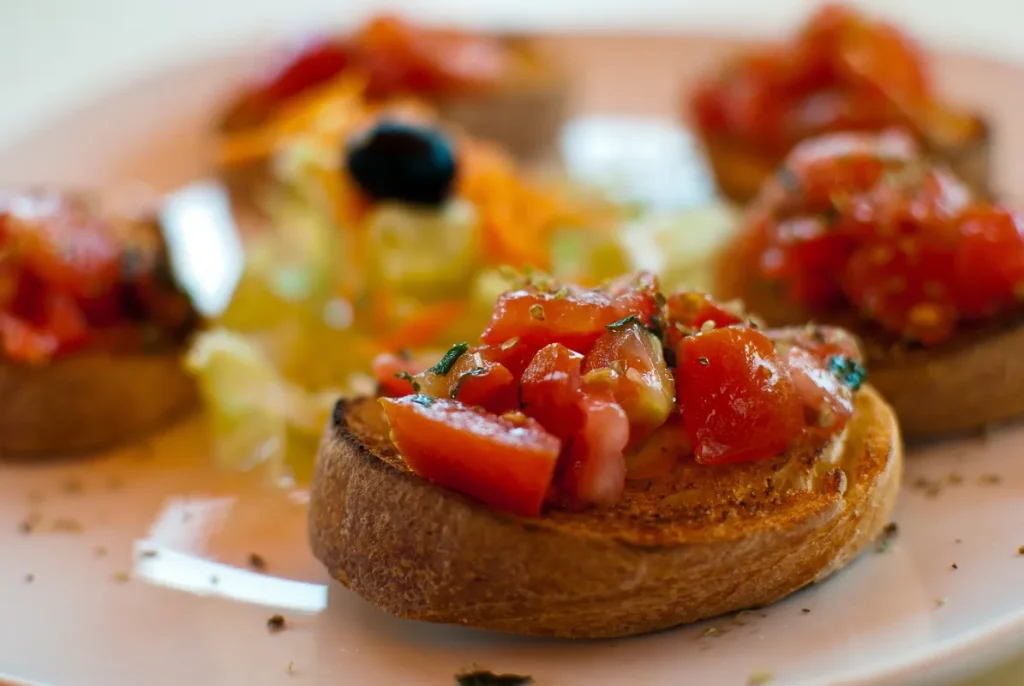
Bread rubbed with the cut side of a ripe tomato, drizzled with olive oil, and seasoned with salt. Every meal in Catalonia starts here. The quality of the tomato and the oil is the entire point – a watery supermarket tomato produces nothing, a ripe tomata de penjar (hanging tomato from Catalonia or Mallorca) produces something that tastes like the season it was grown in. Cost at a local bar: €1.50 to €2.50. Appears automatically with most meals as bread would elsewhere.
Fideuà
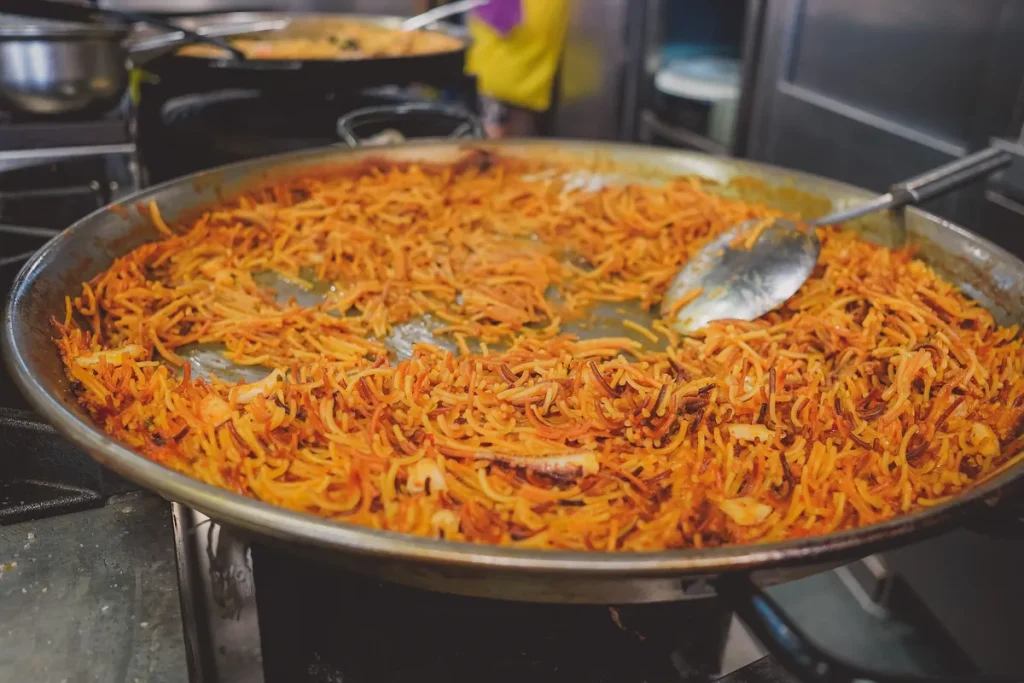
The Catalan alternative to paella – short vermicelli noodles toasted in the paella pan, then cooked with seafood stock, saffron, and whatever seafood the kitchen is using that day. The noodles absorb the stock and develop a crust on the bottom (socarrat) that is the marker of a well-made version. Served with alioli on the side. Around €16 to €22 as a main course at a restaurant that does it properly. Best in Barceloneta and the seafront restaurants rather than the old city.
Botifarra
Catalan pork sausage – the local equivalent of Italian salsiccia, made with black pepper and sometimes herbs, grilled over wood and served with white beans (mongetes). The simplest and most specifically Catalan main course. Around €12 to €16 at a traditional restaurant. Order it at any granja or old-school Catalan restaurant in the Eixample or Gràcia.
Esqueixada
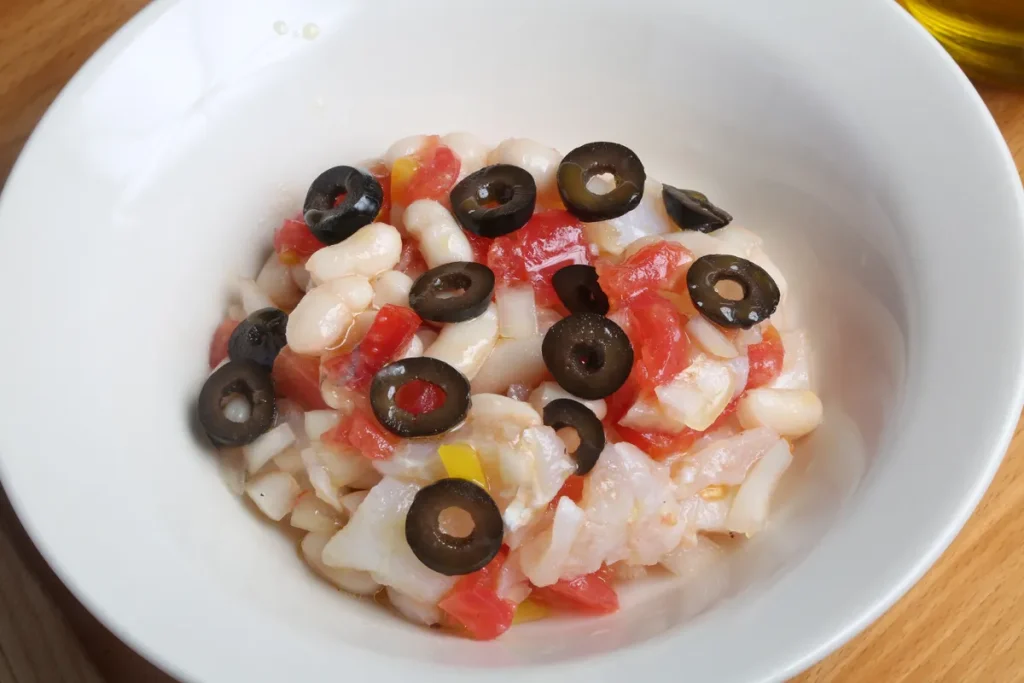
A cold salted cod salad with tomato, onion, olives, and olive oil – the cod desalted and shredded raw. A summer dish, specifically Catalan, and rarely found outside the region. Around €8 to €12 as a first course. The quality depends entirely on the cod – good esqueixada uses bacallà that has been properly desalted over 24 hours.
Crema Catalana
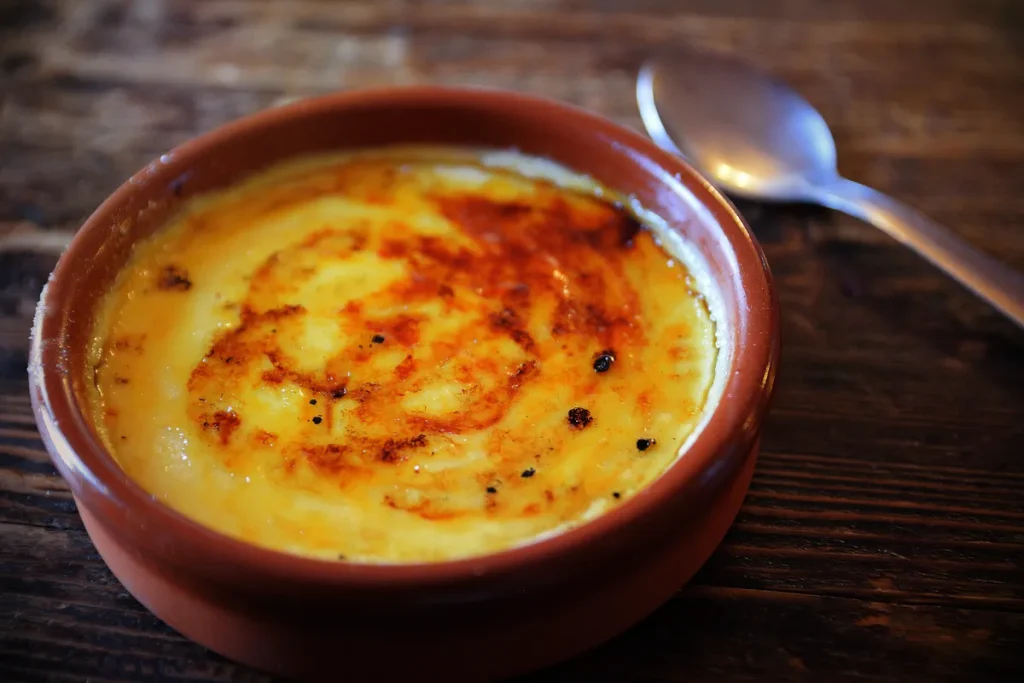
The Catalan version of crème brûlée – egg yolk custard infused with lemon zest and cinnamon, with a thin caramelized sugar crust on top. The Catalan version predates the French one by at least a century. Around €5 to €7 as a dessert. Available everywhere but varies significantly in quality – the best versions have a properly thin, brittle sugar crust and a custard that is barely set.
Where to Eat by Neighborhood
No food guide Barcelona would be complete without breaking down the city by its distinct barrios, as the best plates are often hidden in residential side streets.
El Born
El Born has the strongest casual eating in the city. The combination of the Picasso Museum crowd, the Santa Maria del Mar congregation, and a genuinely local residential population keeps the quality honest and the prices below Gothic Quarter levels.
El Xampanyet (Carrer de Montcada, 22) has been serving house cava and anchovies since 1929. The cava is produced by the family, the anchovies are from L’Escala, and the small plates behind the bar – anxoves, boquerones, cured meats, cheese – are the correct accompaniment. A glass of house cava: €2.50. Standing at the bar is mandatory for the full experience.
Bar del Pla (Carrer de la Montcada, 2) is the modern El Born version – slightly more polished than El Xampanyet, better kitchen, and a good selection of natural wines. The croquetes de pernil (ham croquettes) and the cap i pota (braised veal head and feet) are the dishes to order.
Mercat de Santa Caterina (Avinguda de Francesc Cambó, 16) is the working market for the neighborhood. Open weekday mornings. The prepared food stalls and the standing-room bars inside serve fresh produce and simple cooked food at market prices. Far better value than any restaurant in the area and less tourist-facing than the Boqueria.
Gràcia
Gràcia is the best neighborhood for the menú del día. The squares are surrounded by restaurants that have been serving the same local clientele for decades – not because the food is exceptional but because it is honest, correctly priced, and consistent.
La Pepita (Carrer de Còrsega, 343) serves montaditos – small open sandwiches on toasted bread with rotating toppings. €2 to €3 each. The queue outside is constant but moves quickly. Order six and you have a full lunch for under €20 including a drink.
Cerveceria Catalana (Carrer de Mallorca, 236, technically Eixample but on the Gràcia border) is the benchmark for pa amb tomàquet and pintxos in this part of the city. Arrives with every table automatically, costs €2, and is the correct way to start understanding what the ingredient is supposed to taste like.
Plaça de la Vila de Gràcia restaurants: Walk the perimeter of the square at 2:00 PM and look for handwritten menus – any restaurant showing a three-course lunch with wine for €13 to €15 is the right choice. The quality across the square is roughly similar; the menu changes daily and reflects what the kitchen bought at the market that morning.
Poble Sec and Sant Antoni
Carrer de Blai (Poble Sec) is the pintxos street – a pedestrian alley lined with bars selling small bites from €1 each. Pick a plate, take what looks good from the counter, keep the toothpicks, pay by the stick at the end. A full dinner of eight pieces with a beer: €12 to €14. Best between 7:00 PM and 9:00 PM when the food is freshest.
Bodega Sepúlveda (Carrer de Sepúlveda, 173, Sant Antoni) is a traditional wine shop with a small kitchen. Vermut on tap, house wine from the barrel, and simple Catalan food – croquetes, truita de patates (potato omelette), anxoves. The kind of place that has existed in this form for 50 years and will continue to exist because the neighborhood needs it.
Mercat de Sant Antoni (Carrer del Comte d’Urgell, 1) is the best food market in Barcelona for visitors. The Sunday market outside sells books and records. The interior food market (renovated in 2015) has excellent produce, fresh pasta, cheese, and a small bar section serving vermut and snacks. Open daily except Sunday.
Barceloneta
Barceloneta’s eating is built around the sea. The correct food here is fresh fish and grilled shellfish, not paella from a tourist restaurant.
La Cova Fumada (Carrer del Baluard, 56) is a family-run bar that claims to have invented the bombas – a fried ball of mashed potato filled with spiced meat, the size of a tennis ball, served with alioli and a tomato sauce. No sign outside, cash only, closes when the food runs out (usually by 2:00 PM). Around €2 each. Go early.
Bar Leo (Carrer de Sant Carles, 34) is the authentic Barceloneta bar – vermut from the tap, anchovies, and a crowd of people who live in the neighborhood. One block from the seafront restaurant strip, one quarter of the price.
Chiringuito del Mar (Passeig Marítim) for fideuà at lunch – pick any chiringuito on the beachfront that shows the rice variety on a handwritten board and lists the cooking time. This signals a kitchen making it fresh rather than reheating. Around €18 to €22 for a portion for two.
The Boqueria: What to Actually Do Here
La Boqueria on Las Ramblas is not a place to eat. The stalls near the entrance are priced for visitors and the quality is average. The fruit cups sold at the front are €4 to €6 for fruit you can buy at any supermarket for €1.
The correct use of La Boqueria: walk past the first 20 meters of tourist-facing stalls into the back third of the market where the working stalls are. Buy a bag of cherries or a piece of aged cheese from a stall that is clearly selling to chefs and local shoppers. Spend €3 and leave.
For serious market eating, Mercat de Santa Caterina in El Born or Mercat de Sant Antoni in Sant Antoni are better alternatives with lower prices and fewer people navigating around you.
The Vermut Ritual
Vermut (vermouth) is the specifically Catalan pre-lunch drink, consumed between 11:00 AM and 2:00 PM on weekends and by the retired population on weekday mornings. A glass of house vermouth costs €3 to €4 and arrives with olives or a small plate of snacks. The tradition is to drink one or two glasses, eat something small, and then proceed to lunch.
Bar Calders (Carrer del Parlament, 25, Sant Antoni) is the reference point for the modern vermut bar – natural wines by the glass, house vermouth on tap, and a terrace on one of the better streets in the neighborhood.
Bar Marsella (Carrer dels Escudellers, 65, Gothic Quarter) has been open since 1820 and serves absinthe from bottles that appear to predate the current owners. The dust on the bottles is genuine. It is the oldest bar in Barcelona and genuinely atmospheric in a way that has nothing to do with tourist staging.
Street Food and Quick Eating
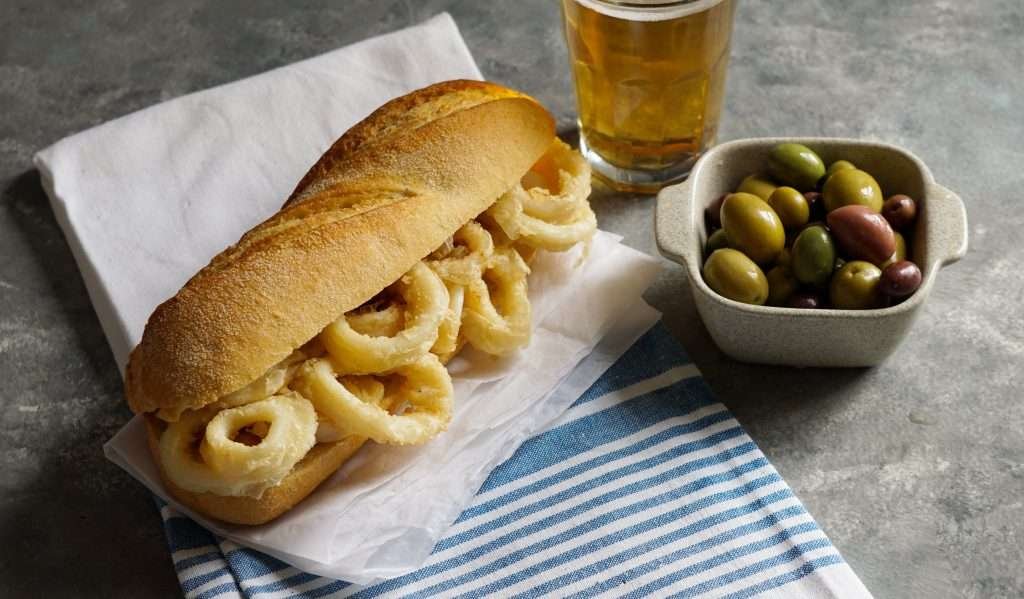
Bocadillo de calamares: Barcelona’s version is a fried squid ring sandwich on a crusty roll, found at bars throughout the old city. €4 to €5. Not as celebrated as the Madrid version but the same idea – fast, cheap, and correct for what it is.
Croquetes: Ham or bacallà croquettes appear on almost every bar menu in the city. The quality varies enormously – the best have a thin, crispy exterior and a molten béchamel interior with enough cured ham to taste it. Around €1.50 to €2.50 each. Order them everywhere and form an opinion.
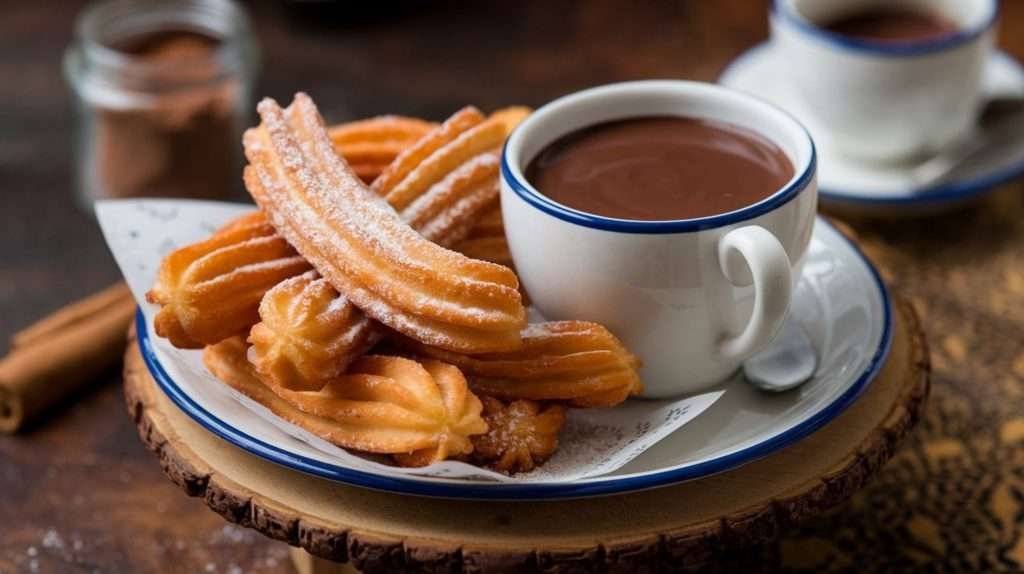
Churros and chocolate: The Catalan version (xurros) is thinner than the Andalusian one and the chocolate is thicker. Granja Viader (Carrer dels Xuclà, 4, Gothic Quarter) has been serving this since 1870. Around €6 for churros and chocolate. Worth the detour on a cold morning.
Wine and Cava
Catalonia produces some of Spain’s most interesting wine outside of the Rioja and Ribera del Duero appellations. The Penedès region, an hour south of Barcelona, is the source of most Spanish cava and produces good still white wine from Xarel·lo, Macabeu, and Parellada grapes.
Priorat (two hours south, steep slate terraces) produces concentrated, mineral red wines from Garnacha and Cariñena. A glass at a serious wine bar costs €8 to €15 – expensive but one of the most distinctive wine regions in Europe.
El Celler de Can Roca – the Roca brothers’ restaurant in Girona (a day trip from Barcelona, 38 minutes by train) – is consistently ranked among the world’s best restaurants. Booking opens six months ahead and sells out immediately. If you cannot get a reservation, their casual wine bar in Barcelona (Rocambolesc has a location in Girona and one in Barcelona) is the accessible alternative.
For wine bars specifically: El Xampanyet for house cava, Bar Calders for natural wine, and La Vinya del Senyor (Plaça de Santa Maria, 5, El Born, directly facing Santa Maria del Mar church) for a serious Catalan and Spanish wine list with a terrace that is difficult to leave.
Plan Your Trip
- First Time in Barcelona
- One Day in Barcelona
- 3 Days in Barcelona
- 5 Days in Barcelona
- Barcelona on a Budget
- Barcelona with Kids
- Where to Stay in Barcelona
- Things to Do in Barcelona
- 25 Best Things to Do in Sitges
- Day Trip to Tarragona from Barcelona
Food Guide Barcelona: Frequently Asked Questions
What is the most important dish to eat in Barcelona?
Pa amb tomàquet – bread rubbed with a ripe tomato, drizzled with olive oil, and seasoned with salt. It appears at the start of every meal in Catalonia and the quality of the tomato and oil is the entire point. It is not garnish or an afterthought – it is the foundation of Catalan eating and the clearest signal of whether a kitchen is taking its ingredients seriously. Cost at a local bar: €1.50 to €2.50. If a restaurant serves it with a watery supermarket tomato and cheap oil, the rest of the meal will follow the same logic.
Is the Boqueria market worth visiting in Barcelona?
Worth walking through, not worth eating at. The stalls near the entrance are priced for visitors and the quality is average – the fruit cups at the front cost €4 to €6 for fruit available at any supermarket for €1. Walk past the first 20 meters into the back third where the working stalls sell to chefs and local shoppers, buy something small, and leave. For serious market eating, Mercat de Santa Caterina in El Born and Mercat de Sant Antoni in Sant Antoni are better alternatives with lower prices, less crowding, and food aimed at people who live in the neighborhood.
What should you drink in Barcelona instead of sangria?
Cava – Catalan sparkling wine produced in the Penedès region an hour south of the city, available at any local bar for €3 to €5 a glass. On weekend mornings, vermouth (vermut) is the specifically Catalan pre-lunch drink – a glass with olives costs €3 to €4 and the ritual of drinking one or two before lunch is genuinely local rather than tourist-facing. In summer, clara (beer mixed with lemon) at €2 to €3 is what people on terraces are actually drinking. Sangria appears everywhere tourists gather and is overpriced and oversweetened at every location.
What time do restaurants open for dinner in Barcelona?
8:30 PM at the earliest for the kitchen, with most local restaurants not filling up until 9:00 PM or later. Arriving at 7:00 PM expecting dinner will find you in an empty room or facing a closed kitchen. The gap between lunch (2:00 PM) and dinner is covered by pintxos bars from 6:00 PM, vermouth earlier in the day, and the general understanding that the evening does not start until after 8:00 PM. Tourist-facing restaurants near the main sights open earlier specifically to catch visitors who cannot adapt to the local schedule – and charge accordingly.
What is the difference between Catalan food and Spanish food?
Catalan cooking has its own identity distinct from the rest of Spain. The sauce base is different – romesco (roasted red pepper and almond), alioli (raw garlic emulsified with olive oil, not the mayonnaise version), and sofregit (slow-cooked onion, tomato, and garlic) appear throughout the cuisine. The bread tradition is different – pa amb tomàquet rather than plain bread. The rice dish is fideuà (vermicelli noodles) rather than paella, which is Valencian. Botifarra (Catalan pork sausage with white beans) and esqueixada (salt cod salad) are specifically Catalan dishes that do not appear in Madrid or Andalusia. The wine is cava and Penedès whites rather than Rioja.
What to Eat in Barcelona — Food Map
Pa amb tomaquet, fideuà, cava not sangria, the bomba that predates the menu, and why the Boqueria is not where you eat. Click any pin.