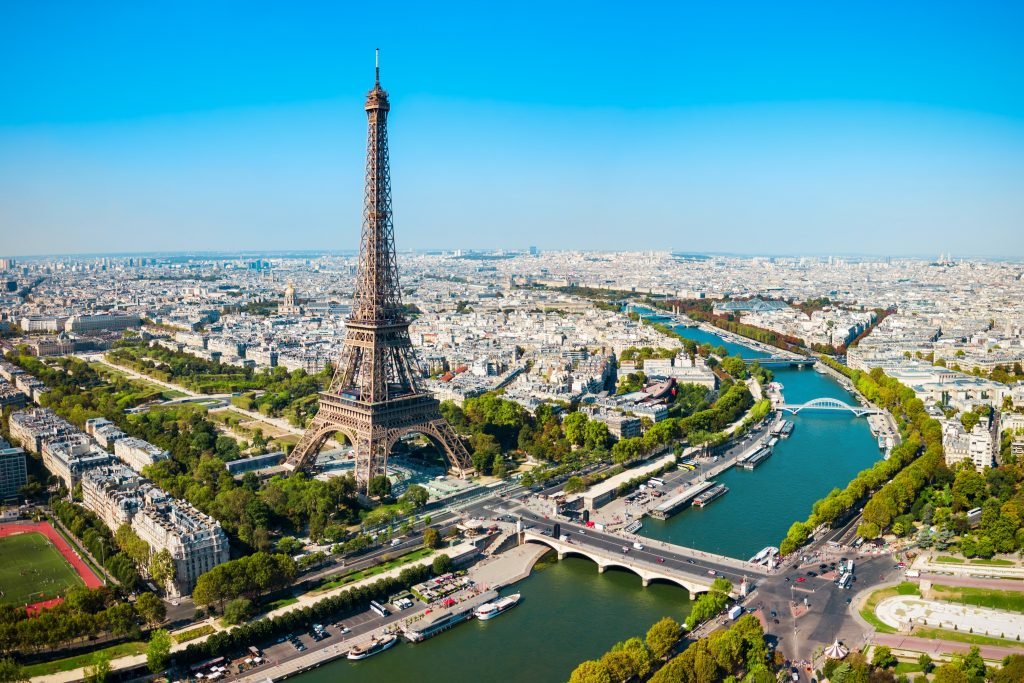
Paris is magical, but it can also be stressful, expensive, and confusing. Planning your First Time in Paris can be overwhelming. If you don’t want to get scammed at the Sacré-Cœur or stuck in a 3-hour line at the Louvre, read this guide first. We cover the specific mistakes first-timers make-and how to fix them.
Only have 24 hours? Read our detailed One Day in Paris itinerary. Trying to save money? Check out Paris on a Budget.
Essential Planning: Before You Book
Best Time to Visit Paris
Spring (April-May): Beautiful weather, flowers blooming, perfect temperatures (15-20°C/59-68°F). Crowds picking up but manageable.
Summer (June-August): Peak season, warmest weather (20-25°C/68-77°F), longest days, most expensive, very crowded.
Fall (September-October): Gorgeous weather, fewer tourists, beautiful colors, excellent time to visit!
Winter (November-March): Cold (5-10°C/41-50°F), fewer crowds, cheapest prices, cozy café culture.
Best Overall: April-May or September-October (pleasant weather + fewer crowds)
Best for Budget: November-February (except Christmas/New Year)
Best Weather: May-June or September
Best for Events: July (Bastille Day), September (Fashion Week)
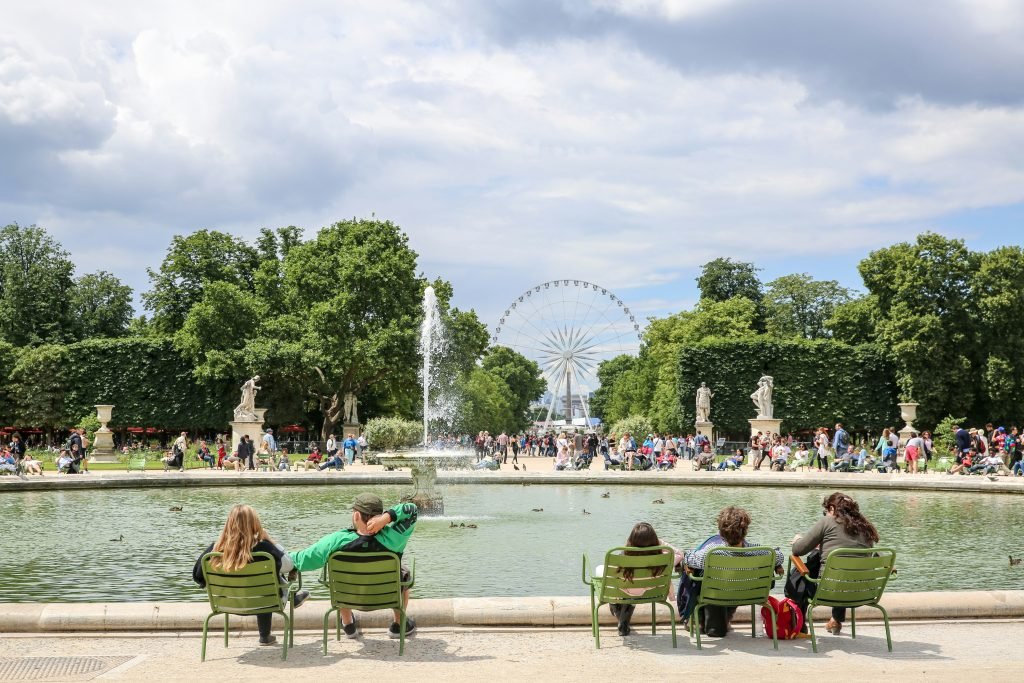
Avoid if Possible:
- August (many restaurants closed, Parisians on vacation)
- Christmas Week (very expensive, many closures)
- Major strike days (check news before booking)
Only have 24 hours? Read our detailed One Day in Paris itinerary. Trying to save money? Check out Paris on a Budget.
How Many Days Do You Need?
Getting to Paris
Airports:
- Charles de Gaulle (CDG) – Main international airport, 25km northeast
- Orly (ORY) – Smaller, 13km south, mostly European flights
- Beauvais (BVA) – Budget airlines, 85km north, avoid if possible
From Charles de Gaulle to Central Paris:
- RER B Train (€11.45, 35 min to city center) – BEST VALUE
- Roissybus (€16.60, 60 min to Opéra) – Direct, comfortable
- Taxi (€50-60 flat rate to Right Bank, €55-65 to Left Bank) – Convenient
- Uber (€40-70 depending on time) – Similar to taxi
- Private transfer (€60-100) – Book ahead for peace of mind
From Orly to Central Paris:
- Orlybus + Metro (€11.45, 40 min) – Cheapest
- OrlyVal + RER B (€14.50, 35 min) – Fastest
- Taxi (€37 flat rate) – Convenient
Train Stations:
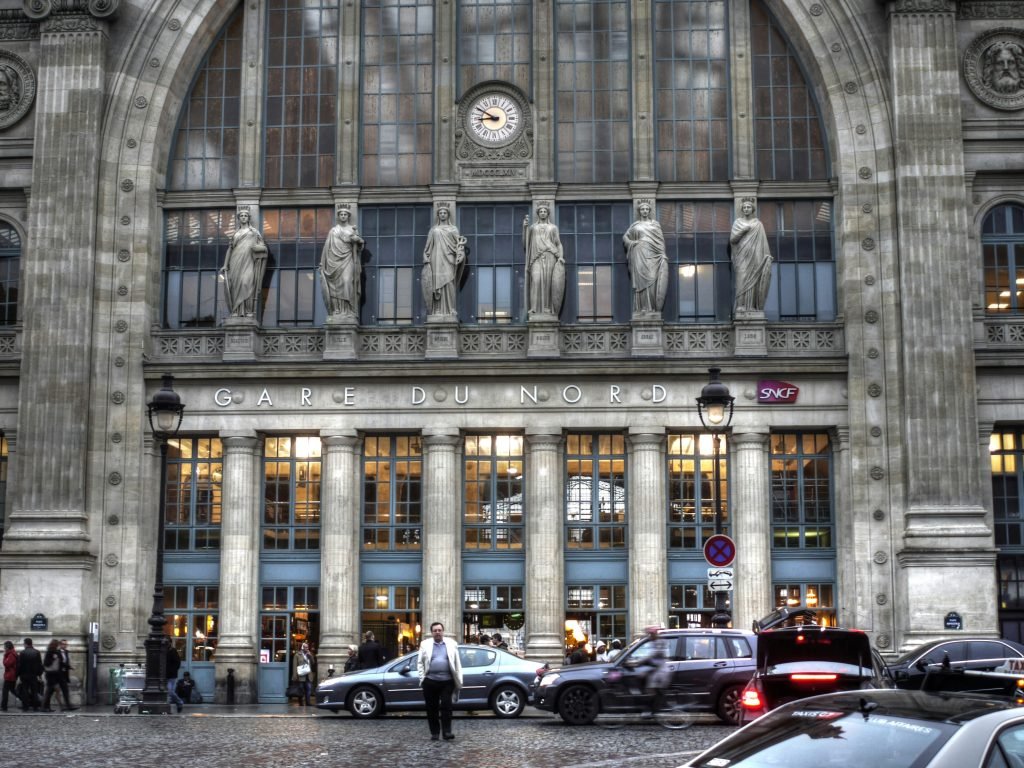
- Gare du Nord – Eurostar from London, Thalys from Brussels/Amsterdam
- Gare de Lyon – Trains from south/east (Lyon, Provence, Italy)
- Gare de l’Est – Trains from Germany, Switzerland
Important: Buy RER tickets at the airport (NOT regular metro tickets – they don’t work!)
Getting Around Paris
Metro & Transportation
Metro Basics: When visiting for your First Time in Paris, the Metro is your best friend.
- 16 lines covering entire city
- Runs 5:30 AM – 1:15 AM (2:15 AM Fridays/Saturdays)
- Trains every 2-8 minutes
- Always check direction (terminus station name)
- Keep ticket until you exit station
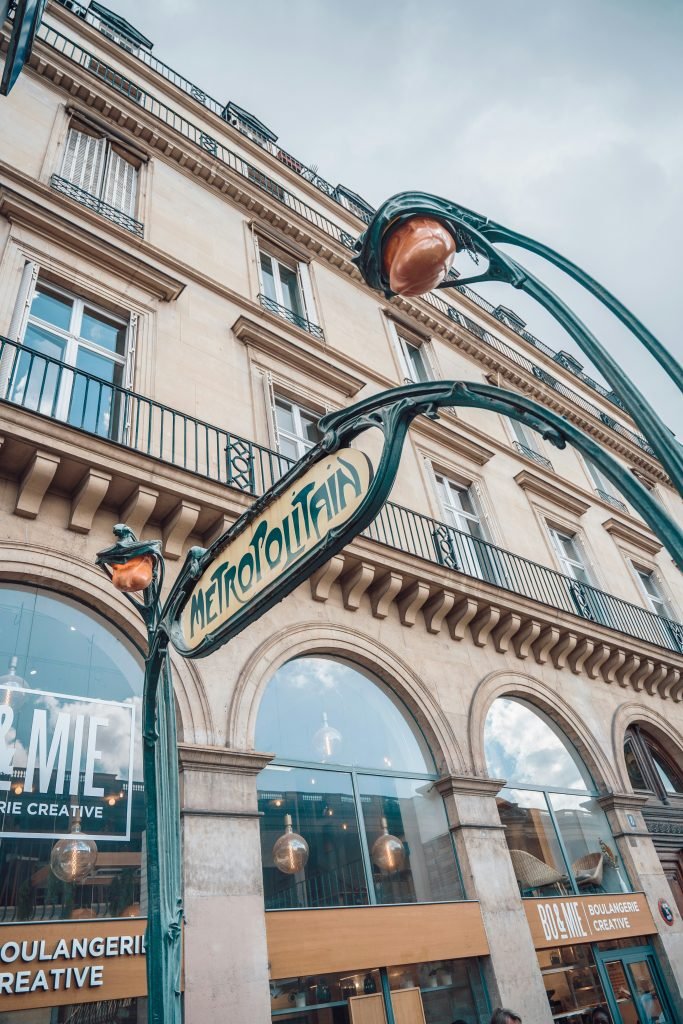
Ticket Options for Tourists:
- Single Ticket (€2.10) – Valid 2 hours, one journey
- Carnet (10 tickets for €17.35) – Save €3.65, share with friends
- Navigo Day Pass (€8.45) – Unlimited for one day, zones 1-2
- Navigo Easy Card (€2 card + load tickets) – Reusable, convenient
- Paris Visite Pass (€13.95-65.80) – Tourist pass, NOT usually worth it
The “Navigo Easy” Card: Paper tickets are mostly gone. You must buy a “Navigo Easy” rechargeable card (€2) at any machine and load 10 digital tickets onto it. You can also use your Android phone (Samsung Pay) to tap and go. Note: iPhones are finally supported as of mid-2024 for Navigo!
Tips:
- Validate ticket at turnstile, keep until exit
- Watch for pickpockets (especially lines 1, 4, 9)
- Avoid rush hours (8-9:30 AM, 5:30-7:30 PM)
- Some stations have elevators (check maps if needed)
- Metro tickets work on buses too!
Walking & Other Transport
Walking:
- Paris is VERY walkable
- Most attractions 20-30 min walk apart
- Neighborhoods best explored on foot
- Wear comfortable shoes (cobblestones!)
Vélib’ Bikes (€3/day):
- 20,000+ bikes across Paris
- First 30 min free, then small fee
- Great for longer distances
- Bike lanes throughout city
Taxis & Uber:
- Taxis: Base €2.60 + €1.14/km
- From CDG Airport, take a Taxi. It has a legal flat rate (€56/€65). Do not take Uber-they often surge charge to €80+ and the pickup point is confusing.
- Both reliable and safe
- Not necessary for most tourists (metro is faster!)
Buses:
- Same tickets as metro
- Scenic routes above ground
- Slower than metro
- Line 69: Best scenic route (free sightseeing tour!)
Download: Citymapper or Google Maps (metro directions, real-time info)
10 Mistakes to Avoid on Your First Time in Paris
MISTAKE 1: Only visiting major tourist areas
DO THIS: Explore local neighborhoods (10th, 11th, 12th, 20th arr.) – they’re more authentic and cheaper!
MISTAKE 2: Not booking Eiffel Tower & Louvre tickets in advance
DO THIS: Book 2-3 months ahead online. Lines are 2-3 hours without pre-booking!
MISTAKE 3: Eating near major tourist attractions
DO THIS: Walk 2-3 blocks away. Prices drop 40-60%, quality increases dramatically.
MISTAKE 4: Trying to see everything in 2 days
DO THIS: See less, experience more. Quality over quantity. Enjoy cafés, parks, ambiance.
MISTAKE 5: Not saying “Bonjour” when entering shops
DO THIS: Always greet with “Bonjour Madame/Monsieur.” It’s considered rude not to!
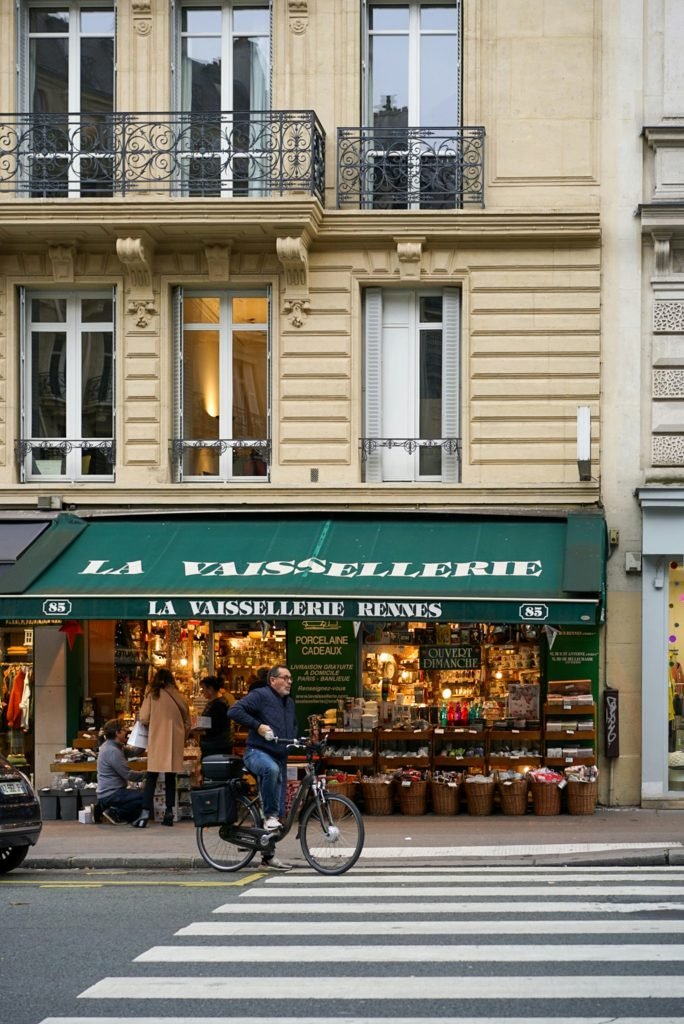
MISTAKE 6: Wearing athletic shoes & casual clothes everywhere
DO THIS: Parisians dress up. Bring nice casual clothes. You’ll feel better and fit in.
MISTAKE 7: Only speaking English, expecting everyone speaks it
DO THIS: Learn basic French phrases. Trying = appreciated. “Parlez-vous anglais?” first.
MISTAKE 8: Taking taxis everywhere instead of metro
DO THIS: Metro is faster, cheaper (€2.10 vs €15-30), and part of the Paris experience!
MISTAKE 9: Buying museum pass without doing the math
DO THIS: Paris Museum Pass only worth it if visiting 4+ museums in 2-3 days. Calculate first!
MISTAKE 10: Not carrying cash
DO THIS: Many bakeries, cafés, markets are cash-only or have card minimums. Keep €40-60 cash.
BONUS TIP: Trust your instincts about scammers. If someone approaches with clipboard, bracelet, ring = scam!
What to Pack for Paris
Clothing:
Dark jeans (Parisians wear jeans everywhere)
Nice casual tops (no athletic wear)
One dressy outfit (for nice dinner)
Comfortable walking shoes (NOT white sneakers – screams tourist)
Light jacket (even summer evenings can be cool)
Scarf (very Parisian, practical for weather changes)
Rain jacket/umbrella (rain possible year-round)
Winter Additions:
Warm coat
Gloves, hat, scarf
Layers (buildings are heated)
Summer Additions:
Sunglasses
Sunscreen
Light layers (air conditioning is rare!)
Practical Items:
Crossbody bag or backpack (keep valuables close)
Reusable water bottle (fountains everywhere)
Power adapter (Europe uses Type C/E plugs)
Portable charger
Small day bag
Pharmacy Items:
Any prescription medications
Basic first aid (bandaids, pain reliever)
Comfortable shoes are your best friend!
DON’T PACK:
- Too many clothes (you’ll want room for purchases!)
- Expensive jewelry (unnecessary risk)
- Large/heavy luggage (cobblestones + metro stairs = nightmare)
- Hair dryer (hotels provide them)
Style Tip: Parisians dress simply but elegantly. Think: dark colors, minimal accessories, nice shoes. When in doubt, go one level dressier than you normally would.
Money, Tipping & Costs
Currency: Euro (€)
Cards: Widely accepted (Visa/Mastercard best)
Cash: Still needed for small purchases
Getting Euros:
BEST: Use ATM in Paris (best exchange rate, low fees)
OK: Order euros from your bank before trip
AVOID: Airport currency exchange (terrible rates)
NEVER: Exchange on street (scam)
ATM Tips:
- Use bank ATMs, not independent ones
- Withdraw larger amounts to minimize fees
- Decline “dynamic currency conversion” (always pay in euros!)
- Notify your bank before traveling
Daily Budget Estimates:
Budget: €50-80/day (hostels, cheap eats, mostly free activities)
Mid-Range: €100-200/day (hotels, restaurants, paid attractions)
Luxury: €300+/day (nice hotels, Michelin restaurants, shopping)
Typical Costs:
- Coffee (standing): €2-3
- Coffee (sitting): €4-6
- Croissant: €1.50-2
- Lunch: €12-18
- Dinner: €20-40
- Metro ticket: €2.10
- Museum: €12-22
- Beer: €5-8
Tipping in Paris:
- Service INCLUDED in bill (15%)
- NOT expected to tip extra
- Nice to round up €1-2 for good service
- Exceptional service: 5-10% extra
- Coffee/drink: Leave coins
- Taxi: Round up to nearest euro
Money-Saving Tip: Many museums free first Sunday of month + many are free for under-26 EU residents!
Language & Cultural Tips
Essential French Phrases
Basic Greetings (USE THESE EVERY TIME!):
- Bonjour – Hello (before 6 PM)
- Bonsoir – Good evening (after 6 PM)
- Au revoir – Goodbye
- Merci – Thank you
- S’il vous plaît – Please
- Excusez-moi – Excuse me
In Shops & Restaurants:
- “Parlez-vous anglais?” – Do you speak English?
- “L’addition, s’il vous plaît” – The check, please
- “Combien ça coûte?” – How much does this cost?
- “Je voudrais…” – I would like…
- “Où sont les toilettes?” – Where is the bathroom?
Getting Around:
- “Où est…?” – Where is…?
- “Je suis perdu(e)” – I am lost
- “À quelle heure?” – At what time?
Most Important: Just TRYING to speak French = appreciated. Don’t be shy! Parisians respect the effort.
Cultural Do’s & Don’ts
DO:
- Always say Bonjour when entering any shop/restaurant
- Dress nicely (no gym clothes for sightseeing)
- Keep voices down in public (Americans are loud!)
- Wait to be seated at restaurants
- Make reservations for dinner
- Close doors behind you (buildings, metro)
- Stand on right side of escalators
- Ask “Parlez-vous anglais?” before launching into English
DON’T:
- Expect everyone to speak English (many do, but don’t assume)
- Eat while walking (not common, considered rude)
- Talk loudly in restaurants or metro
- Expect American-style service (slower, more formal)
- Ask for to-go boxes (not really done)
- Expect free water immediately (ask: “Une carafe d’eau, s’il vous plaît”)
- Rush meals (dining is an experience, not fast food)
- Tip heavily (5-15% already included!)
Restaurant Etiquette:
- Wait to be seated (don’t seat yourself)
- Meals are 2-3 hours, not rushed
- Waiters won’t bring check until asked
- Say “L’addition, s’il vous plaît” when ready
- Splitting checks is annoying (one person pay, settle later)
Café Etiquette:
- Order at bar for cheapest prices
- Sitting = higher prices (paying for the seat/ambiance)
- Can sit for hours over one coffee
- Order in French if possible
Remember: Parisians aren’t rude – French culture is just more formal and reserved than American culture. Respect that!
Safety & Scams to Avoid
General Safety:
Paris is generally very safe for tourists
Violent crime is rare
Pickpocketing is the main concern
Avoiding Pickpockets:
- Use crossbody bag or money belt
- Keep valuables in front pocket
- Be extra alert on metro lines 1, 4, 9
- Watch for groups creating distractions
- Never put phone/wallet on café tables
- Be alert near tourist sites (Eiffel Tower, Louvre, Sacré-Cœur)
Common Scams to Avoid:
- “Gold Ring” Scam – Someone “finds” gold ring, offers to sell it. Walk away.
- Friendship Bracelet – Street vendors tie bracelet on your wrist, demand money. Say “Non!” firmly.
- Petition Signers – Ask you to sign “petition,” then demand donation. Never sign anything!
- Three Cup Game – Street gambling. Always rigged. Never play.
- Helpful Strangers at Metro – Offer to help with tickets, steal wallet. Decline help.
- Taxi Overcharging – Use meter, confirm flat rate from airports
- Street Photo Sellers – Overpriced, aggressive. Ignore them.
Golden Rule: If someone approaches you on street = 99% chance it’s a scam. Polite “Non merci” and keep walking.
At Night:
Paris is safe at night in tourist areas
Metro safe until it closes (1:15 AM)
Avoid: Gare du Nord at night, Châtelet-Les Halles late, empty metro cars
Always appear confident and aware
In Emergency:
- Police: 17
- Ambulance: 15
- Fire: 18
- European Emergency: 112
- Tourist Police (near Louvre): +33 1 53 71 53 71
Pro Tip: Take photos of your passport, credit cards, important docs. Store in cloud. Makes replacement easier if lost/stolen.
Top 10 Must-See Attractions (First-Timers)
1. Eiffel Tower – THE icon. Go at sunset, book ahead!

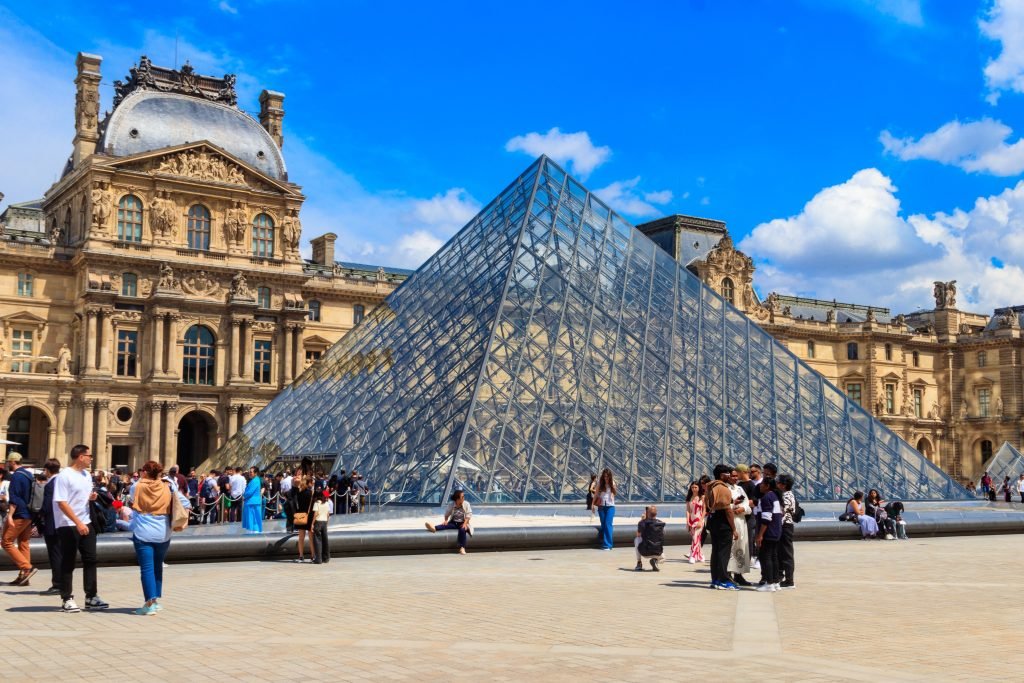
2. Louvre Museum – Mona Lisa, Venus de Milo, world’s greatest art
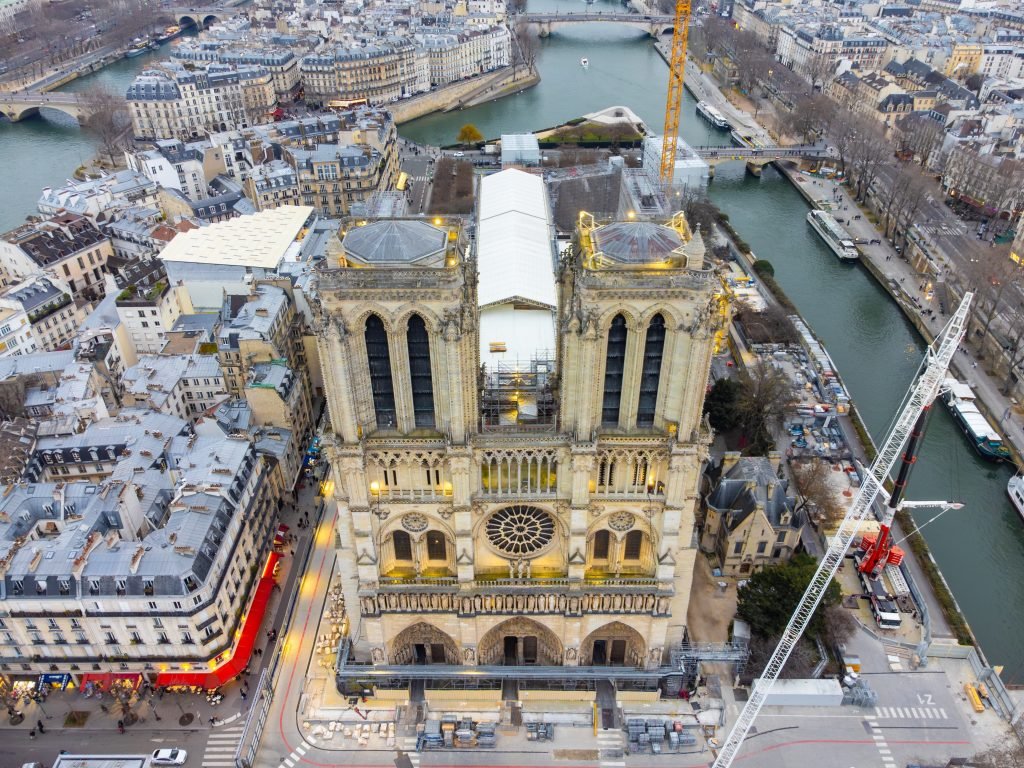
3. Notre-Dame – Gothic masterpiece (exterior only, under restoration)
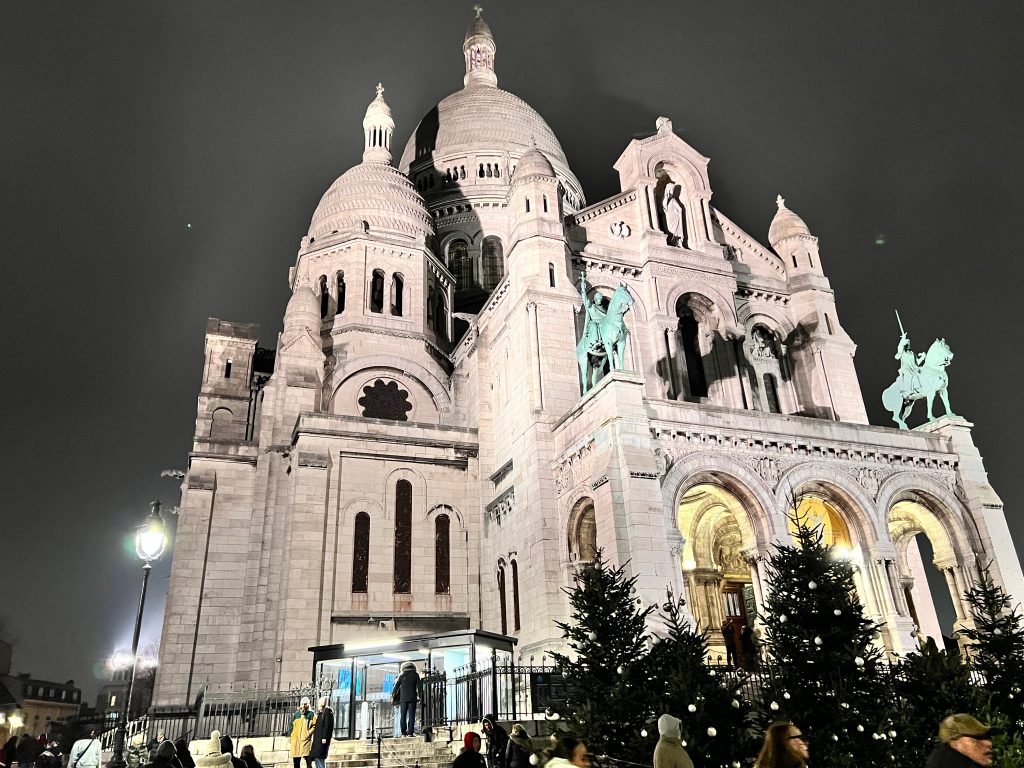
4. Sacré-Cœur & Montmartre – White basilica, hilltop village, stunning views
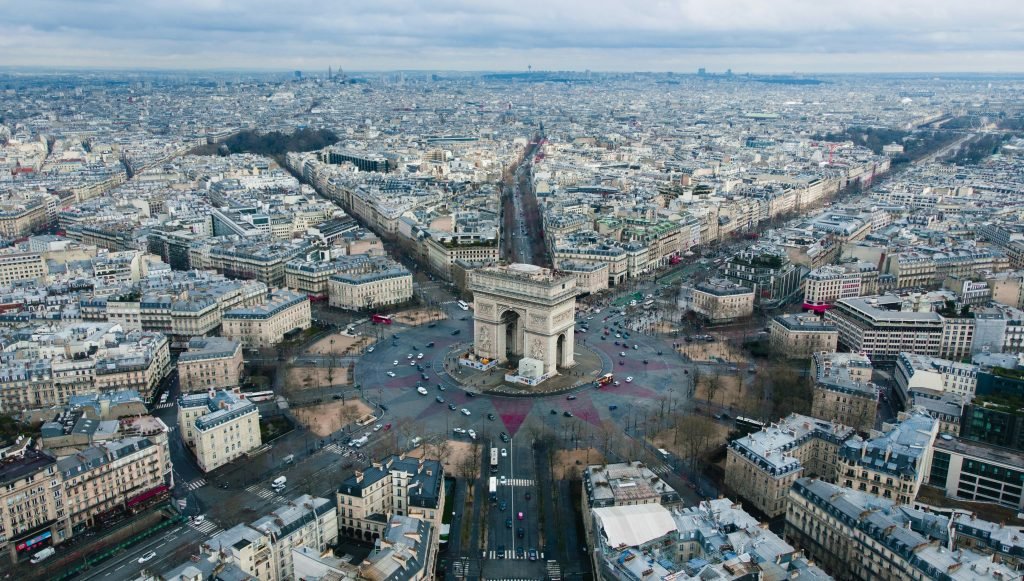
5. Arc de Triomphe – Climb for 360° Paris views, Champs-Élysées
6. Seine River Cruise – See Paris from water, especially beautiful at night

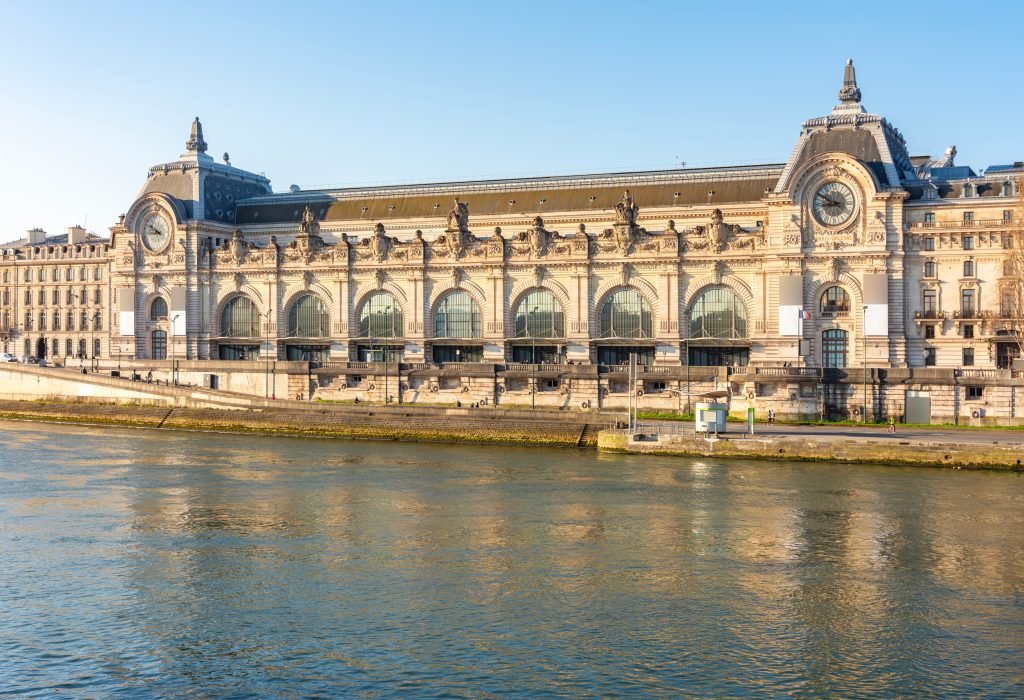
7. Musée d’Orsay – Impressionist art in stunning train station
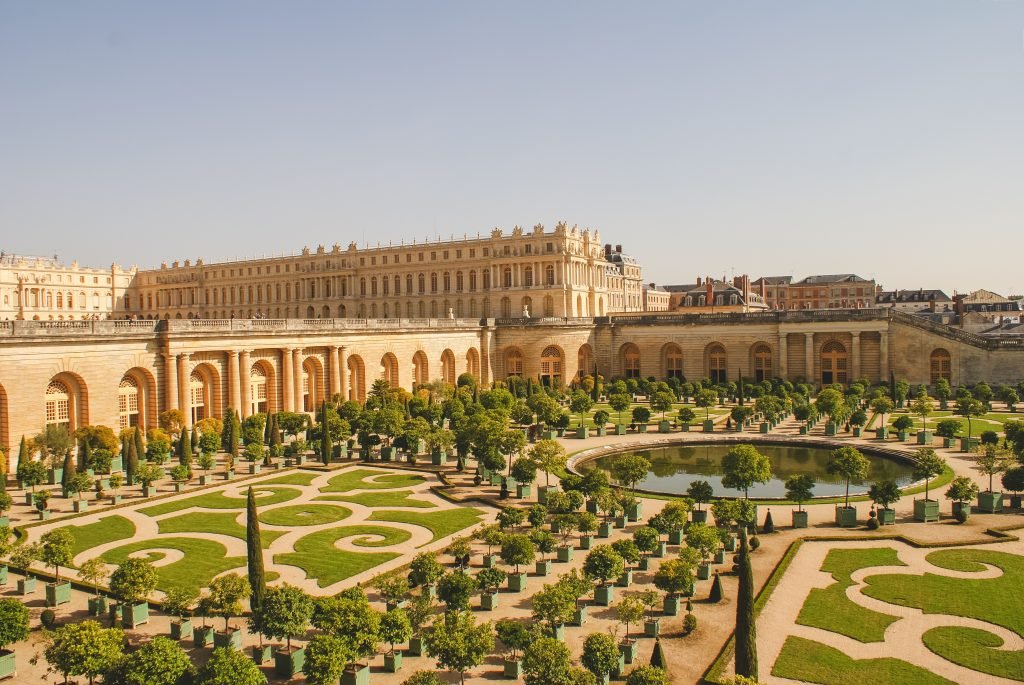
Versailles Palace – Day trip, opulent palace, gardens (book ahead!)
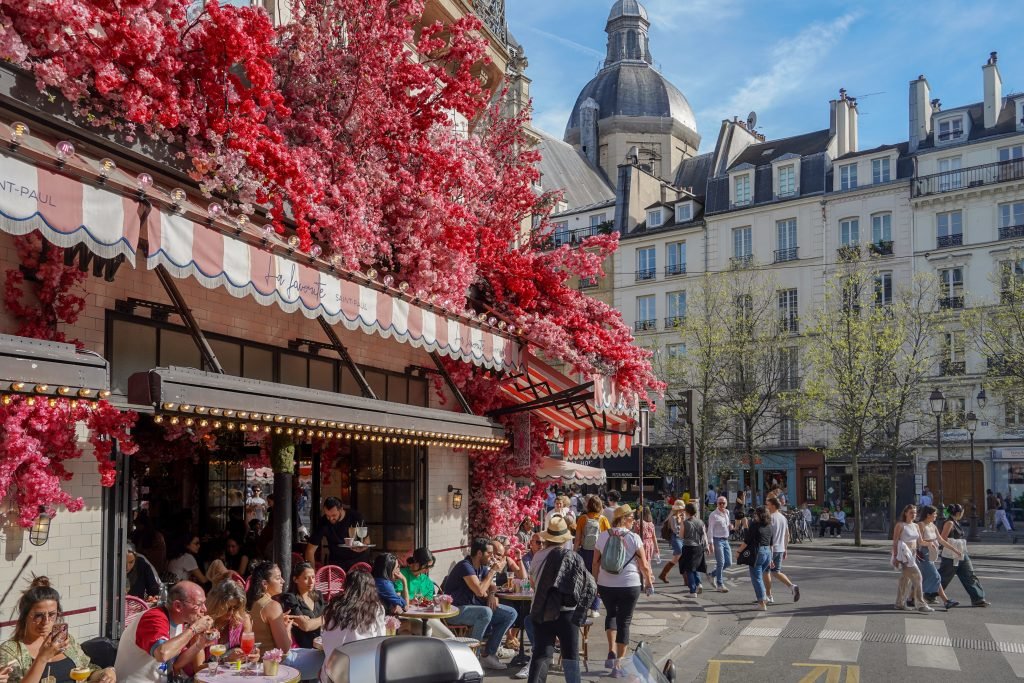
Le Marais – Charming medieval quarter, food, shops, cafés
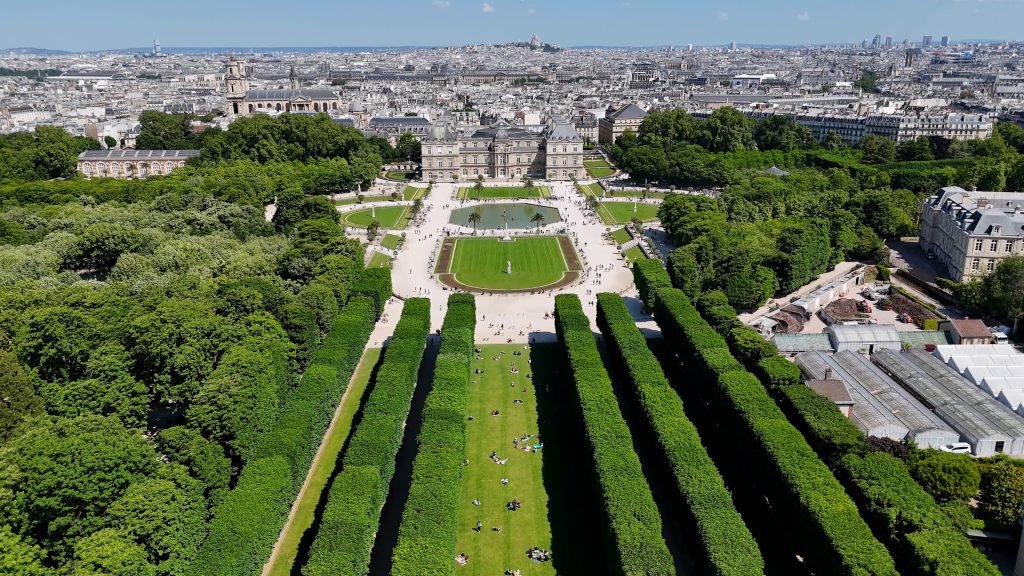
Luxembourg Gardens – Most beautiful park, perfect for picnics
First-Timer Priority: If you only have 3 days, focus on #1-6. You can skip the rest for next time!
Book These in Advance:
- Eiffel Tower (2-3 months ahead)
- Louvre (1-2 weeks minimum)
- Versailles (1-2 weeks, especially peak season)
- Catacombs (if interested – super popular)
[Book Skip-the-Line Tickets – GetYourGuide]
Best Day Trips from Paris
Palace of Versailles (1 hour train)
Must-see if you have 4+ days in Paris. Opulent palace, stunning gardens, Hall of Mirrors. Allow full day. Book palace tickets + train ahead.
€20-27 (palace), €7.50 (RER train each way)
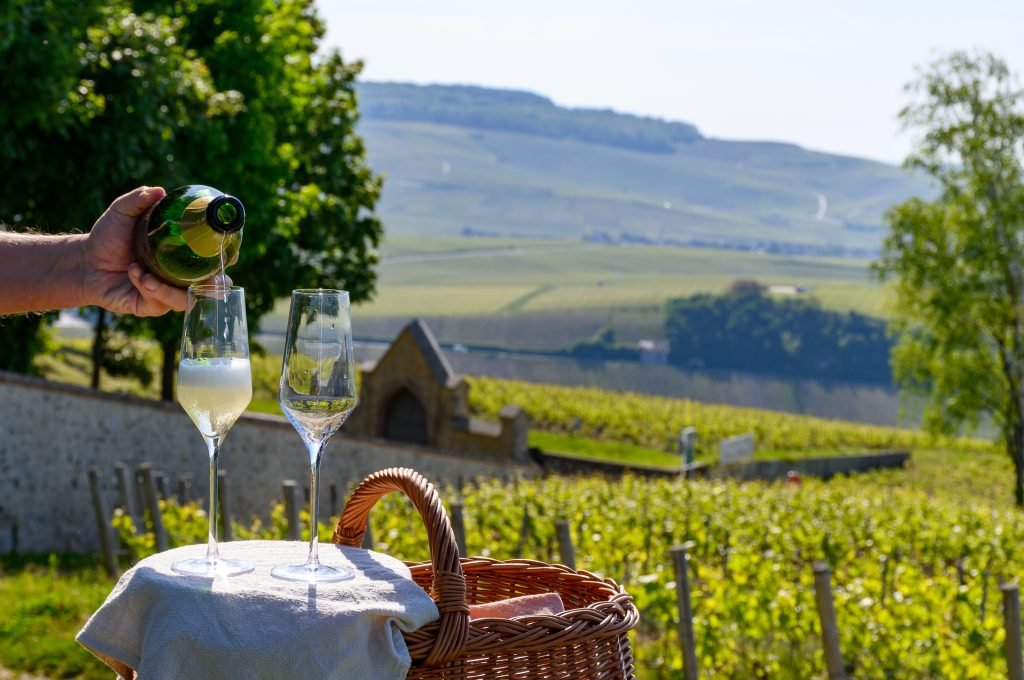
Champagne Region (1.5 hours train)
Reims or Épernay. Visit champagne houses (Moët, Veuve Clicquot, Taittinger). Tours + tastings. Best as organized tour or with car.
Tours from €120-200
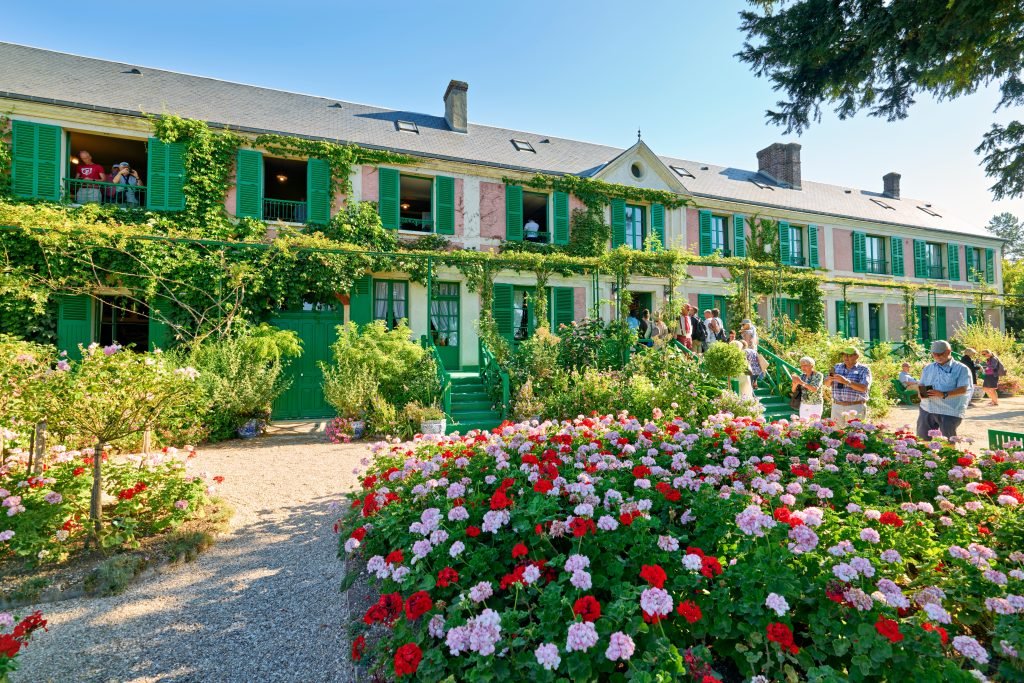
Giverny (1 hour)
Monet’s house and gardens (April-October only). Beautiful water lilies, Japanese bridge. Charming village.
€11 entry, ~€30 train/bus
Château de Fontainebleau (1 hour train)
Less crowded than Versailles, equally spectacular. Napoleon’s favorite palace. Beautiful forest for hiking.
€13 entry, €10 train

Recommendation: If only one day trip = Versailles. If two days = add Giverny or Champagne region.
Pre-Trip Checklist
2-3 Months Before:
☐ Book flights
☐ Reserve accommodation
☐ Book Eiffel Tower tickets
☐ Book Versailles tickets (if going)
1 Month Before:
☐ Book Louvre tickets
☐ Make restaurant reservations (nice dinners)
☐ Buy travel insurance
☐ Check passport validity (needs 6 months validity)
☐ Notify bank/credit cards of travel
☐ Download offline maps (Google Maps, Citymapper)
☐ Learn basic French phrases
1 Week Before:
☐ Check weather forecast
☐ Print/download hotel confirmations
☐ Print/download tickets
☐ Check metro strikes (check RATP website)
☐ Pack adapter plugs
☐ Make copies of passport
Day Before Departure:
☐ Check flight status
☐ Charge all devices
☐ Pack valuables in carry-on
☐ Set up international phone plan
☐ Download entertainment for flight
At Airport:
☐ Validate metro tickets work for RER (if pre-purchased)
☐ Buy SIM card or confirm roaming
☐ Get some euros from ATM
[Book Paris Attractions & Tours – GetYourGuide]
Final Words of Wisdom
Remember:
- Paris rewards slow exploration – don’t rush
- Best moments are often unplanned – leave room for spontaneity
- Get lost in neighborhoods – it’s how you discover magic
- Sit in cafés and people-watch – very Parisian
- Visit parks and gardens – locals’ favorite pastime
- Try speaking French – even “Bonjour” opens doors
- Don’t stress about doing everything – impossible anyway!
- Come back! Paris reveals itself slowly, over many visits
Most Important:
Paris isn’t just about ticking off landmarks. It’s about the feeling of sitting in a café with café crème and croissant, watching the city wake up. It’s getting lost in Le Marais and finding a hidden courtyard. It’s your first view of the Eiffel Tower sparkling at night. It’s realizing why people fall in love with this city.
Take it slow. Soak it in. Live it.
Bon voyage!
P.S. – Don’t forget to look up occasionally. Paris’s beauty is often in the architecture above street level – the ornate balconies, carved details, and stunning Haussmann buildings. That’s where the magic is!
How do I get from Charles de Gaulle airport to central Paris?
The RER B train is the fastest and cheapest option: €11.45, 35 minutes to the city center. Buy your ticket at the airport machines before boarding – standard metro tickets do not work on the RER. Taxis charge a legal flat rate of €50-56 to the Right Bank and €55-65 to the Left Bank. Skip Uber from CDG – pickup is confusing and surge pricing regularly hits €80+.
How much does a trip to Paris cost per day?
Budget travelers can get by on €50-80 per day covering a hostel, bakery lunches, and mostly free attractions. A mid-range trip – hotel, sit-down meals, two or three paid attractions – runs €100-200 per day. The biggest costs to plan for: Eiffel Tower tickets (book 2-3 months ahead), Louvre (€22), and dinner at a non-tourist restaurant (€20-40 per person).
Is the Paris Museum Pass worth buying?
Only if you’re visiting four or more museums in two to three days and skipping the queue matters to you. The 2-day pass costs €55 – you’d need to hit the Louvre (€22), Musée d’Orsay (€16), Sainte-Chapelle (€13), and one more just to break even. If your Paris trip includes long café mornings and walking, you likely won’t squeeze in enough museums to justify it.
What is the best area to stay in Paris for first-time visitors?
The 7th arrondissement puts you within walking distance of the Eiffel Tower, Musée d’Orsay, and Saint-Germain without the chaos of central tourist zones. Le Marais (3rd/4th) is better if you want street food, galleries, and nightlife on your doorstep. Avoid booking anything near Pigalle or Gare du Nord purely for price – the savings evaporate in extra metro rides.
Do Parisians actually speak English?
Most under-40 Parisians in tourist areas speak workable English, but leading with it gets you a cold response. Open with “Bonjour” and “Parlez-vous anglais?” – that small effort visibly changes the interaction. The reputation for rudeness is almost entirely the result of tourists skipping the greeting. Start with Bonjour in any shop, café, or restaurant and the dynamic shifts immediately.