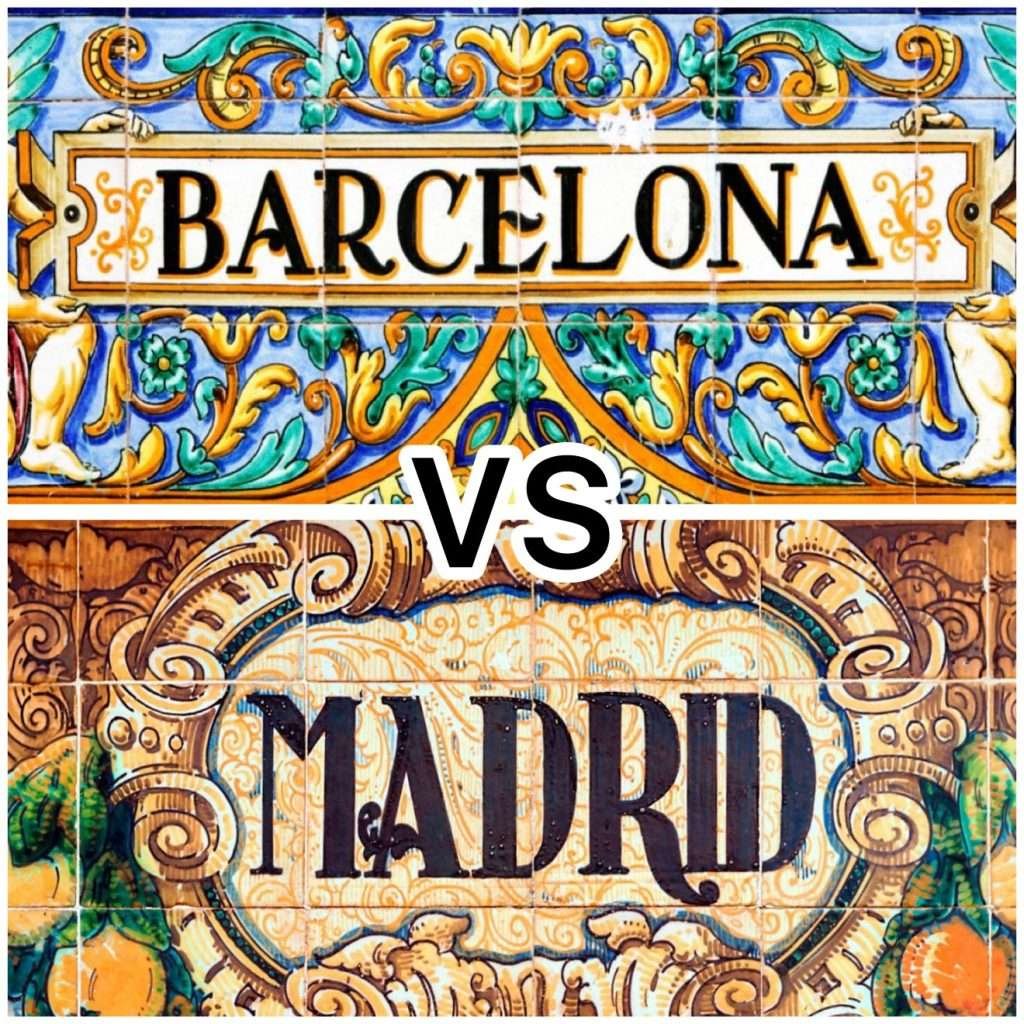
Choosing between Barcelona vs Madrid is a dilemma for every first-time visitor to Spain, as these two cities sit only three hours apart by high-speed train but feel like entirely different countries. Madrid is a landlocked capital built on Castilian austerity and Habsburg ambition – grand museums, late-night bars, and a food culture rooted in offal and roast meat. Barcelona is a Mediterranean port city with its own language, its own architectural obsessions, and a coastline that Madrid cannot match.
If you are planning a first trip to Spain and trying to choose between the two, the honest answer is that the decision is less about quality and more about what kind of city you want to be in. Both are world-class. Both are genuinely different from anywhere else in Europe. And both have specific problems – crowds, costs, tourist traps – that require planning to avoid.
This guide compares them directly across logistics, art, food, nightlife, and cost so you can make the call.
Logistics: Grid vs. Labyrinth
Madrid
Madrid is built on a logical grid with a Metro system that covers the full city efficiently. The historic center is walkable but the distances between major sites are larger than most visitors expect – the Prado to the Royal Palace is a 25-minute walk across the city center. You will use the Metro regularly.
The Metro has 13 lines, runs until 1:30 AM on weekdays and 2:30 AM on weekends, and costs €1.50 to €2 per journey depending on zones. A 10-trip Metrobús card costs around €12.20 and covers both Metro and bus – buy it from any station.
The streets are wide, the pavements are flat, and navigation is straightforward after half a day. Madrid does not disorient you.
Barcelona
Barcelona has a similar grid structure in the Eixample district but breaks down completely in the Gothic Quarter and El Born, where narrow medieval streets follow no logical pattern. GPS is unreliable in the old city and getting lost is part of the experience – but losing 20 minutes when you are trying to reach a timed entry is not.
The Metro covers the main sites efficiently. A single ticket costs €2.40 and a T-Casual card (10 trips) costs around €12. The city is larger than it feels on a map – the Sagrada Família is not walkable from the Gothic Quarter without significant effort. Use the Metro between the Eixample and the old city.
The Aerobus from El Prat airport to Plaça de Catalunya costs €6.75 and takes 35 minutes. From Madrid’s Barajas, the Metro Line 8 connects the airport to the city center for around €5.
Winner on logistics: Madrid, for clarity and ease of navigation. Barcelona’s Metro is equally functional but the old city adds friction that Madrid does not have.
Art and Architecture: The Prado vs. Gaudí
Madrid
Madrid has the strongest concentration of classical European art outside London. The Golden Triangle of Art – three world-class museums within walking distance of each other – is the main reason to choose Madrid for a culture-focused trip.
The Prado (entry €15, free Monday to Saturday 6:00 PM to 8:00 PM and Sunday 5:00 PM to 7:00 PM) houses Velázquez, Goya, El Greco, Rubens, and Titian in a single building. Las Meninas by Velázquez is the centerpiece – a painting that art historians have been writing about for 350 years and that stops people in front of it regardless of their background. Allow three hours minimum.

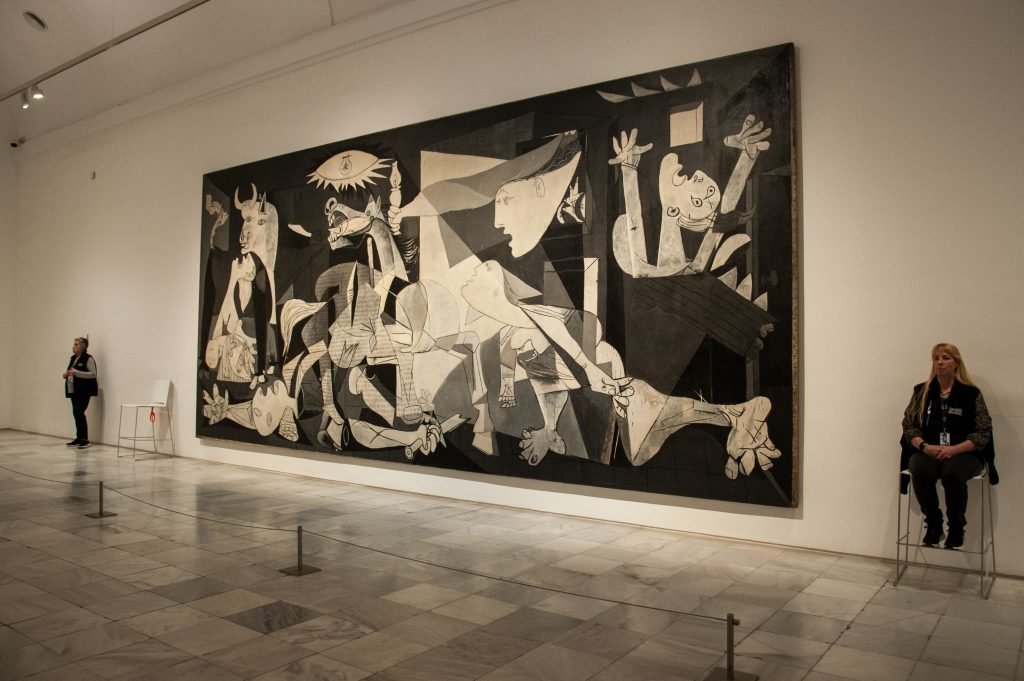
The Reina Sofía (entry €12, free Monday and Wednesday to Saturday 7:00 PM to 9:00 PM, Sunday 1:30 PM to 7:00 PM) contains Picasso’s Guernica – the most politically significant painting of the 20th century, painted in 1937 in response to the Nazi bombing of the Basque town. The room it occupies is deliberately plain. Budget 90 minutes for the permanent collection.
The Thyssen-Bornemisza (entry €14) fills the gap between the Prado and the Reina Sofía with Impressionism, early Modernism, and American art. Monet, Hopper, Kandinsky, and Schiele in a single afternoon.
For the full picture of Madrid’s museums and how to sequence them, see Best Things to Do in Madrid.
Barcelona
Barcelona’s art case rests almost entirely on one architect: Antoni Gaudí. The Sagrada Família, Park Güell, Casa Batlló, and Casa Milà are all within the city and all represent a specific architectural vision that has no equivalent anywhere else in the world.
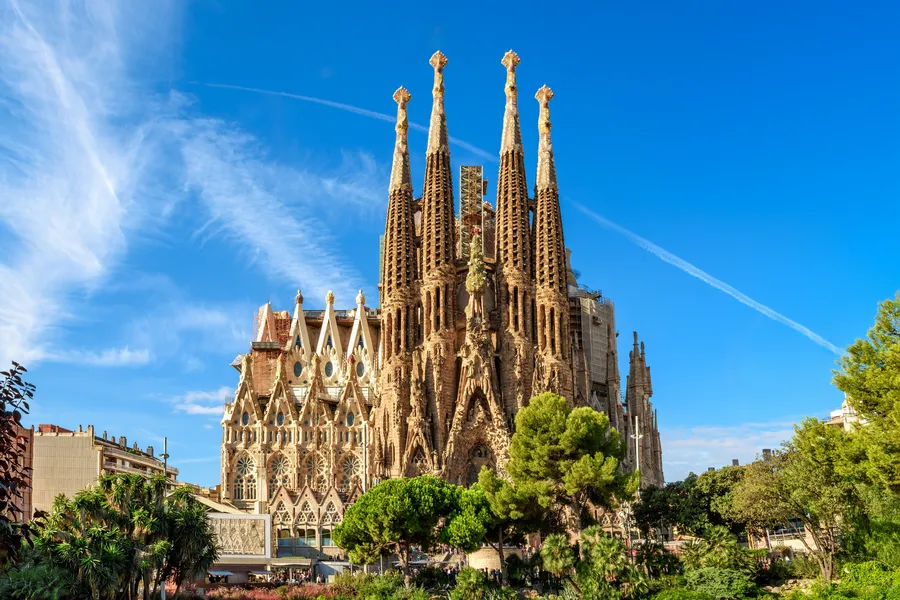
Sagrada Família (entry €26 basic, €36 with tower access) is the most visited monument in Spain. The interior – columns branching like trees, stained glass casting colored light across the floor – is the strongest architectural experience in the country. Book timed entry weeks ahead in summer.
Park Güell (Monumental Zone entry €10) is a failed luxury housing estate turned public park with a mosaic dragon, tiled terraces, and views over the city. Book in advance – the timed entry sells out.

Casa Batlló (entry around €35) is the most immersive Gaudí interior – the roof scales, the bone-column facade, and the augmented reality technology make it the best single-building experience in Barcelona.

Beyond Gaudí, the Picasso Museum (entry €14) covers his formative years in Barcelona with the strongest collection of his early work anywhere. The MNAC (Museu Nacional d’Art de Catalunya, entry €12) on Montjuïc has the best Romanesque art collection in the world – genuinely undervisited.

Winner on art: Madrid for classical painting, Barcelona for architecture. If you are choosing specifically to see Las Meninas or Guernica, Madrid is the answer. If architecture is your primary interest, Barcelona wins definitively.
Food: Carnivore Capital vs. Mediterranean Port
Madrid
Madrid’s food culture is rooted in Castilian cooking – heavy, meat-forward, and built around the cocido and the roast. The city also functions as Spain’s culinary capital by default, importing the best products from every region.
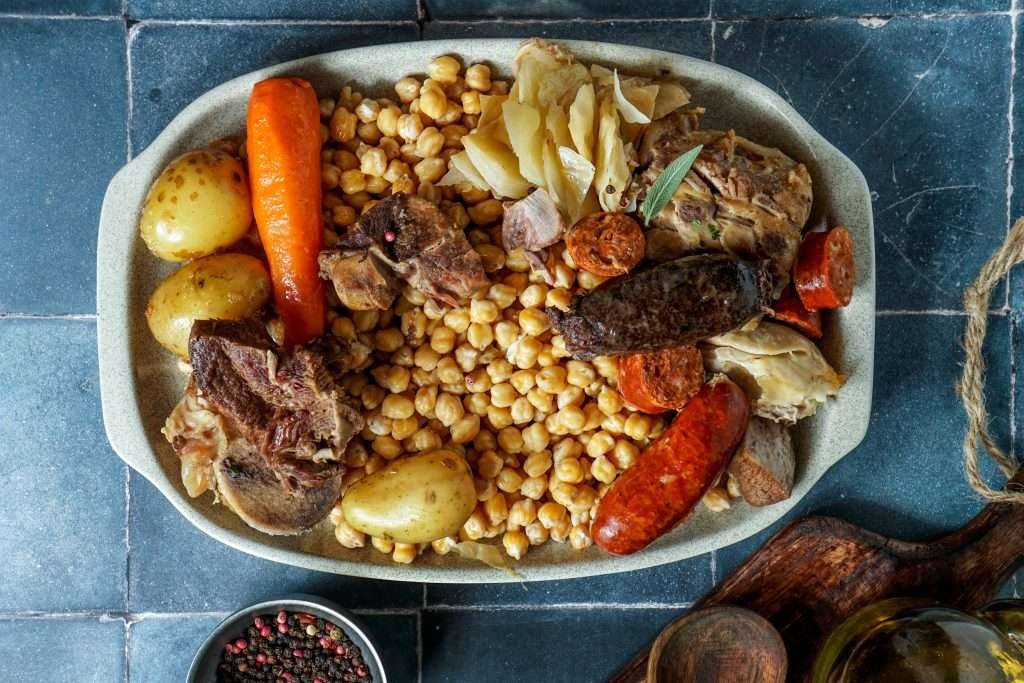
Cocido Madrileño – a three-course chickpea stew served in sequence (first the broth, then the vegetables, then the meat) – is the defining dish of the city. A full cocido at a traditional restaurant costs €18 to €28 per person and is a meal that takes two hours.
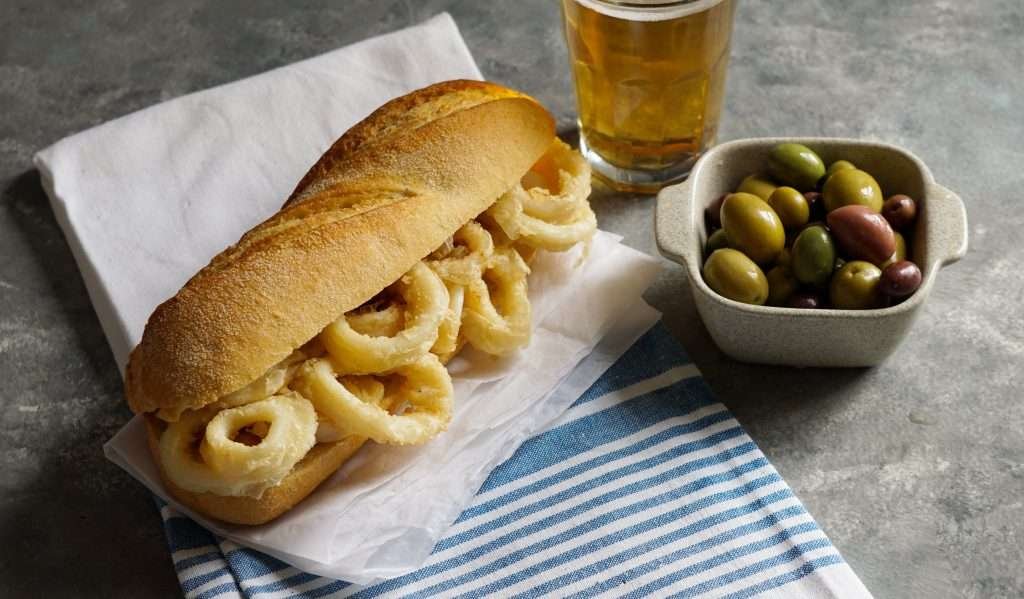
Bocadillo de Calamares – a fried squid sandwich on a crusty roll – is the Madrid street food that visitors overlook. €3.50 to €4.50 from any bar around Plaza Mayor. Eat it standing, ideally with a small beer.
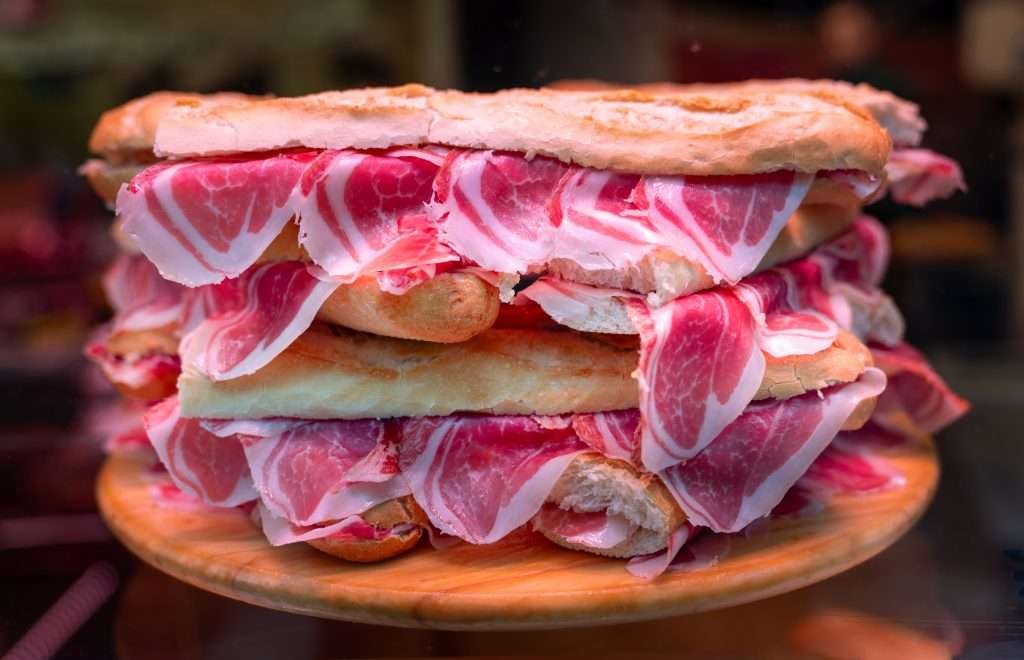
Jamón Ibérico de Bellota from the dedicated jamonerías around the Mercado de San Miguel. A tasting plate of bellota-grade ham costs €12 to €18 but the quality difference from supermarket jamón is significant.
The tapas culture in Madrid differs from Andalusia – bars here do not give free tapas automatically. You order and pay. But the bar-hopping culture centered on La Latina, Lavapiés, and Malasaña is genuine and affordable. Two tapas and a drink per stop, three or four stops, is a full evening for €25 to €35.
For the full Madrid food breakdown, see What to Eat in Madrid.
Barcelona
Barcelona’s food is Mediterranean – seafood, vegetables, olive oil, and a Catalan cooking tradition distinct from the rest of Spain.
Pa amb tomàquet (bread rubbed with tomato and olive oil) is the Catalan equivalent of bread and butter – it appears at every meal and costs €1.50 to €3 as a side. It is the correct starting point for understanding Catalan food.

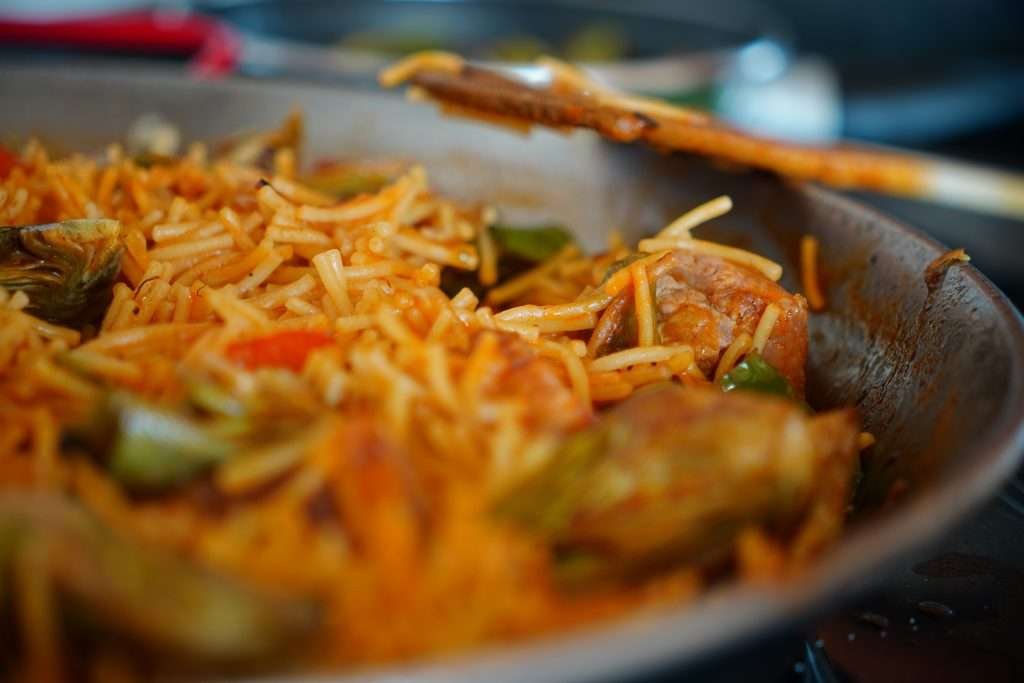
Fideuà – a paella-style dish made with short vermicelli noodles instead of rice, cooked with seafood in fish stock – is the specifically Catalan alternative to paella. A good version at a restaurant in Barceloneta runs €16 to €22 as a main.
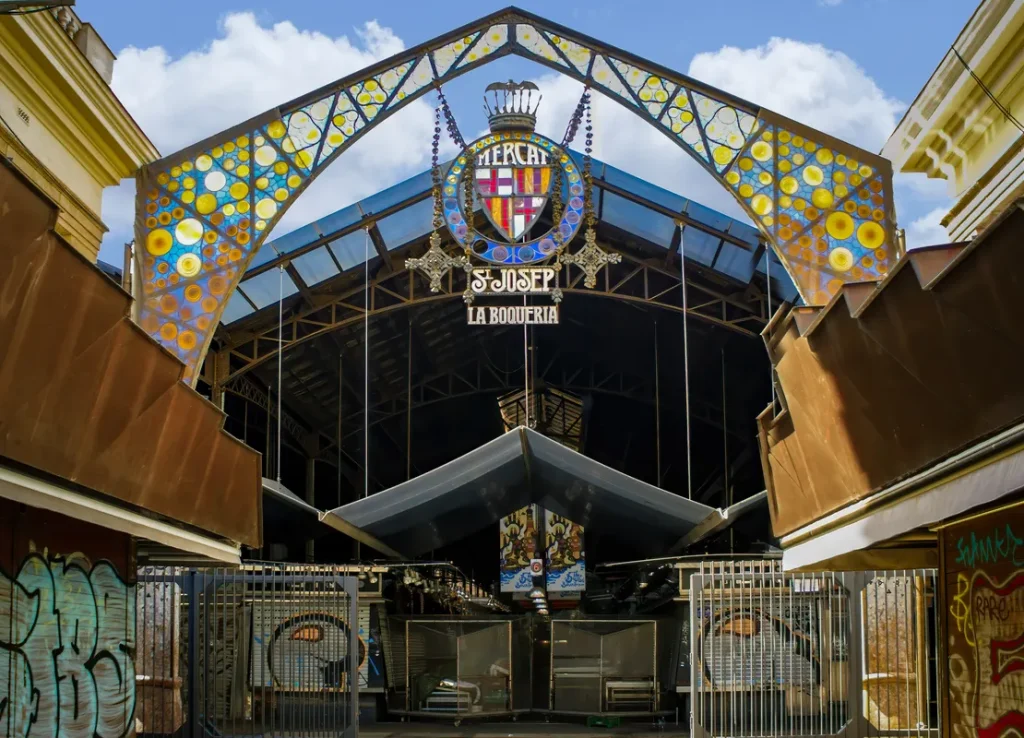
The Boqueria (La Rambla, 91) is the most famous market in Spain and one of the most tourist-facing. The stalls along the entrance are overpriced and aimed at visitors. Go to the back of the market where the working stalls are – fresh produce, local cheese, and prepared food at prices aimed at chefs and locals. The Mercat de Santa Caterina in El Born is the better alternative for an authentic market experience with no tourist surcharge.
The bacaro crawl equivalent in Barcelona is the pintxos bar circuit in El Born and the Gothic Quarter – small pieces of bread topped with various combinations, €1.50 to €2.50 each, eaten standing at the bar.
For the complete Barcelona food guide, see Foodies Guide to Barcelona.
Winner on food: Madrid for depth and variety across price points. Barcelona for seafood and the specifically Catalan culinary tradition. If you eat meat, Madrid. If you prioritize seafood and Mediterranean cooking, Barcelona.
Nightlife: The Late City vs. The Beach City

Madrid
Madrid has the most serious nightlife culture in Europe. The city does not sleep in any meaningful sense – bars fill up at midnight, clubs open at 2:00 AM, and the last Metro of the night (around 1:30 AM on weekdays) is a minor inconvenience rather than a curfew.
The neighborhoods: Malasaña for indie bars and live music, Chueca for LGBTQ+ nightlife, La Latina for tapas and late-night drinking in the medieval alleys, Lavapiés for the most multicultural and affordable bar scene in the city.
A night out in Madrid that starts with dinner at 9:30 PM, moves through two or three bars in La Latina, and ends at a club in Malasaña at 3:00 AM is not unusual. Budget €30 to €50 for the full evening including food.
Barcelona
Barcelona’s nightlife is beach-adjacent and younger in demographic. The clubs on the Port Olímpic waterfront and in Poble Sec run until dawn in summer. Barceloneta has the beach bar culture. El Born has the cocktail bar scene.
The difference from Madrid: Barcelona nightlife is more seasonal and more tourist-influenced. In July and August the clubs are full of visitors. In November the city quiets significantly. Madrid’s nightlife runs at roughly the same intensity year-round.
Winner on nightlife: Madrid, for longevity and local authenticity. Barcelona for summer atmosphere and the beach element.
Barcelona vs Madrid: Costs and Budgeting
Both cities are mid-range European capitals – cheaper than Paris or Amsterdam, more expensive than Lisbon or Warsaw.
Accommodation: Madrid averages slightly cheaper for equivalent quality in the center. A decent hotel in the Malasaña or La Latina area runs €80 to €140 per night. Barcelona’s Eixample and Gothic Quarter equivalent runs €100 to €160.
Food: Madrid is cheaper for daily eating – the bocadillo de calamares lunch, the fixed-price menú del día (two courses with wine for €12 to €16), and the bar-hopping culture keep costs manageable. Barcelona’s tourist-facing restaurant density near the main Gaudí sites pushes prices up if you do not actively seek out local alternatives.
Museum entry: Madrid’s three major museums total €41 at full price, but the free evening hours at the Prado and Reina Sofía make them genuinely free to visit with planning. Barcelona’s Gaudí circuit (Sagrada Família plus Park Güell plus one house) runs €70 to €80 per person with no equivalent free option.
Realistic daily budget (mid-range): €90 to €130 in both cities.
For Madrid budget strategies, see Madrid on a Budget. For Barcelona, see Barcelona on a Budget.
Day Trips
From Madrid: Toledo (30 minutes by AVE, €10), Segovia (27 minutes by AVE, €14), El Escorial (1 hour by train), and the Guadarrama mountains for hiking. Full options at Day Trips from Madrid.
From Barcelona: Montserrat (1 hour by train and cable car), Sitges (40 minutes by regional train), Tarragona (1 hour by train), and the Costa Brava. The Pyrenees are reachable by car in under two hours.
Winner on day trips: Madrid, for the density of UNESCO World Heritage sites within an hour. Toledo and Segovia are two of the best day trips in Europe. Barcelona’s day trips are pleasant but less historically significant.
Which One to Choose
Choose Madrid if:
- Classical European painting is a specific goal – the Prado is the strongest argument for the city
- You want the most authentic Spanish city experience – Madrid feels less tourist-influenced than Barcelona
- Nightlife and the late-night bar culture matter to you
- You want day trips to Toledo and Segovia built into the itinerary
- Budget is a priority – Madrid is marginally cheaper across most categories
Choose Barcelona if:
- Gaudí’s architecture is the primary reason for the trip – there is nothing comparable anywhere in the world
- You want a beach within reach of the city center
- The Mediterranean food culture and the Catalan identity interest you
- You are traveling with children – the Gaudí sites engage children better than any classical art museum. See Barcelona with Kids for the full family guide.
Do both if:
- You have seven or more days in Spain
- The Barcelona to Madrid sequence by AVE (2 hours 30 minutes, from €25 booked in advance) fits your itinerary
- You want to understand why Spanish culture is not a single thing but a collection of regional identities that barely agree on the basics
Getting Between Barcelona and Madrid
The AVE high-speed train between Barcelona Sants and Madrid Puerta de Atocha runs in 2 hours 30 minutes. Both stations are central. Trains run approximately every 30 minutes throughout the day. Book on renfe.com at least two weeks ahead – advance fares start around €25, walk-up fares run €70 to €120. Flying is not worth it once you factor in airport transfer time on both ends.
Plan Your Trip
- First Time in Madrid
- 3 Days in Madrid
- 5 Days in Madrid
- What to Eat in Madrid
- Madrid on a Budget
- Day Trips from Madrid
- First Time in Barcelona
- 3 Days in Barcelona
- 5 Days in Barcelona
- Barcelona on a Budget
- Foodies Guide to Barcelona
- Barcelona with Kids
- Where to Stay in Barcelona
- 25 Best Things to Do in Barcelona
- 25 Best Things to Do in Sitges
- Day Trip to Tarragona from Barcelona
Is Madrid or Barcelona better for a first-time visit to Spain?
If your priority is classical art and a deep dive into authentic Spanish culture, choose Madrid. If you prefer unique architecture (Gaudí) and want access to the beach, choose Barcelona. Madrid feels more like a lived-in Spanish capital, while Barcelona is more international and Mediterranean-focused.
Which city is more expensive, Barcelona or Madrid?
Barcelona is generally more expensive for tourists, primarily due to the high cost of entry for Gaudí sites like Sagrada Família and Casa Batlló (totaling over €60 per person). Madrid offers better value for dining through its menú del día culture and has more generous free hours at its world-class museums like the Prado.
Can I visit both Barcelona and Madrid in one trip?
Yes. The AVE high-speed train connects Madrid (Atocha station) and Barcelona (Sants station) in just 2 hours and 30 minutes. With at least 7 days in Spain, you can effectively split your time between both cities without wasting a full day on travel.
Which city has better food, Madrid or Barcelona?
It depends on your palate. Madrid is the capital of meat, famous for cocido madrileño (chickpea stew) and jamón ibérico. Barcelona excels in Mediterranean seafood and traditional Catalan dishes like fideuà. Madrid generally has a more robust and affordable tapas culture for casual evening dining.
Is it easier to get around Madrid or Barcelona?
Madrid has a slightly more logical grid and a highly efficient Metro system that covers the city center more comprehensively. Barcelona is also well-connected, but its historic Gothic Quarter is a labyrinth where GPS often fails, making navigation on foot more time-consuming for visitors.
Barcelona vs Madrid — Two Cities, One Map
2 hrs 30 min by AVE. Click any pin for what defines each stop and what it costs.