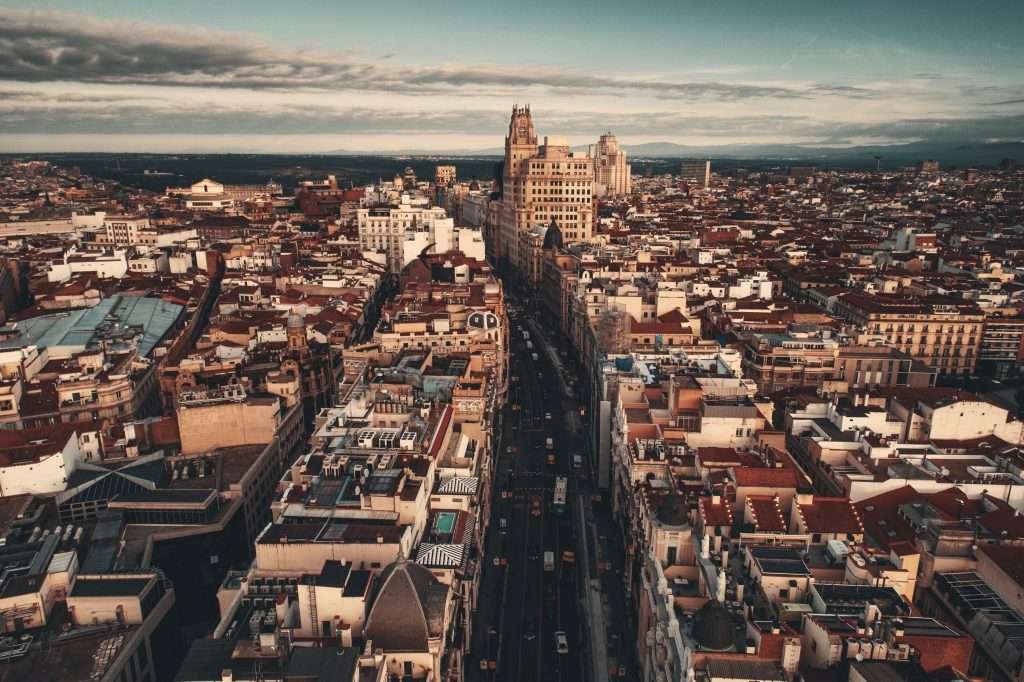
Madrid is a city that doesn’t just invite you to visit; it demands that you live it. Unlike cities that feel like open-air museums frozen in time-where locals have been pushed to the outskirts and the center is reserved entirely for tourists-Spain’s capital is loud, vibrant, and unapologetically alive. For a first-timer, the sheer energy of the city can be both intoxicating and a little overwhelming. From the late-night tapas crawls in the winding streets of La Latina to the majestic, manicured beauty of the Retiro Park at golden hour, Madrid requires stamina, a healthy appetite, and a willingness to throw your normal daily schedule out the window. This guide is perfect for your First Time in Madrid experience.
If you are planning your maiden voyage to this magnificent European capital, you need a solid game plan. You cannot simply show up and expect it to run like London or Paris. This comprehensive guide is designed to help you navigate the unwritten rules of the Spanish capital, understand the local rhythm, avoid the most common tourist traps, and ensure your first trip is nothing short of unforgettable.
To ensure a smooth adventure for your First Time in Madrid, you’ll need a solid game plan.
Chapter 1: Arrival, Logistics, and Transportation
Before you can start eating churros and admiring Goya paintings, you have to get from the airport to the city and figure out how to get around. Madrid’s Adolfo Suárez Madrid-Barajas Airport (MAD) is massive, but thankfully, it is incredibly well-connected to the city center.
Getting from Barajas Airport to the City Center You have three primary options for getting into town:
- The Metro: Line 8 (the Pink Line) runs directly from all airport terminals into the city, specifically to the Nuevos Ministerios station. From there, you can transfer to lines that will take you straight to Sol, Callao, or Gran Vía. The journey takes about 30 to 40 minutes and costs around €5 (including the airport supplement fee).
- The Airport Express Bus (Exprés Aeropuerto): This bright yellow bus runs 24 hours a day, 365 days a year. It costs €5 (payable by card or cash on board) and drops you off at Atocha Train Station or Plaza de Cibeles. It is often faster than the Metro because you don’t have to navigate underground transfers with heavy luggage.
- Taxis and Ride-Shares: Madrid has a flat rate of €30 for all official white taxis going from the airport to any destination inside the M-30 ring road (which covers the entire tourist center). Do not let a driver tell you the meter is running; the €30 rate is mandatory. Ubers, Cabifys, and Bolts also operate here, but the taxi flat rate is often the easiest and most transparent option.
Navigating the City Once you are settled, you will find that Madrid is a highly walkable city. However, when your feet inevitably get tired from the unforgiving cobblestones, the Madrid Metro is your best friend. It is one of the cleanest, safest, and most efficient subway systems in Europe.
As of 2026, paper tickets are entirely a thing of the past. You will need to purchase a red Tarjeta Multi (a rechargeable transit card) at any station machine for €2.50. Load it with a “Metrobús 10-Viajes” (a 10-trip pass). The best part? You can share one card among multiple people. Just swipe your partner through the turnstile, then swipe yourself.

Chapter 2: The Golden Rule – Embrace the Spanish Clock
The single biggest mistake first-timers make in Madrid is trying to operate on an American, British, or Northern European schedule. If you show up to a restaurant for dinner at 6:30 PM, you will be eating completely alone, likely in a wildly overpriced tourist trap, while the restaurant staff are still eating their own lunch in the back room. You must adjust your internal clock.
Here is how the true Madrid daily rhythm works:
8:00 AM – 10:00 AM: El Desayuno (Breakfast) Breakfast is not a grand affair in Spain. Forget about massive plates of eggs, bacon, and pancakes. A traditional Madrid breakfast consists of a café con leche (coffee with milk) and pan con tomate (a toasted baguette drizzled with extra virgin olive oil, crushed tomatoes, and a pinch of salt). If you want something sweeter, this is the time for a quick croissant or a small pastry.
11:30 AM – 12:30 PM: El Almuerzo (The Mid-Morning Snack) Because breakfast is so light and lunch is so late, locals need a bridge to survive the morning. Around 11:30 AM, workers will flood local cafes for a slice of tortilla de patatas (Spanish potato omelet) and perhaps a small draft beer or another coffee.
2:00 PM – 4:00 PM: La Comida (Lunch) This is the main, heaviest meal of the day. Restaurants will start filling up around 2:00 PM, but the peak rush is at 3:00 PM. If you are traveling on a budget, look for the Menú del Día (Menu of the Day). By law, restaurants offer a multi-course meal (a starter, a main course, dessert or coffee, and bread) plus a drink (often an entire bottle of wine) for a fixed price, usually between €12 and €18.
4:00 PM – 7:30 PM: La Siesta (The Afternoon Lull) Let’s clarify a myth: modern professionals in Madrid do not put on their pajamas and go to sleep every afternoon. However, the “siesta hours” are still very real for commerce. While massive international chains on Gran Vía will stay open, smaller independent boutiques, local pharmacies, and neighborhood markets will roll down their metal shutters and close. Use this time to visit major museums (which stay open), relax in El Retiro park, or head back to your hotel to rest your feet.
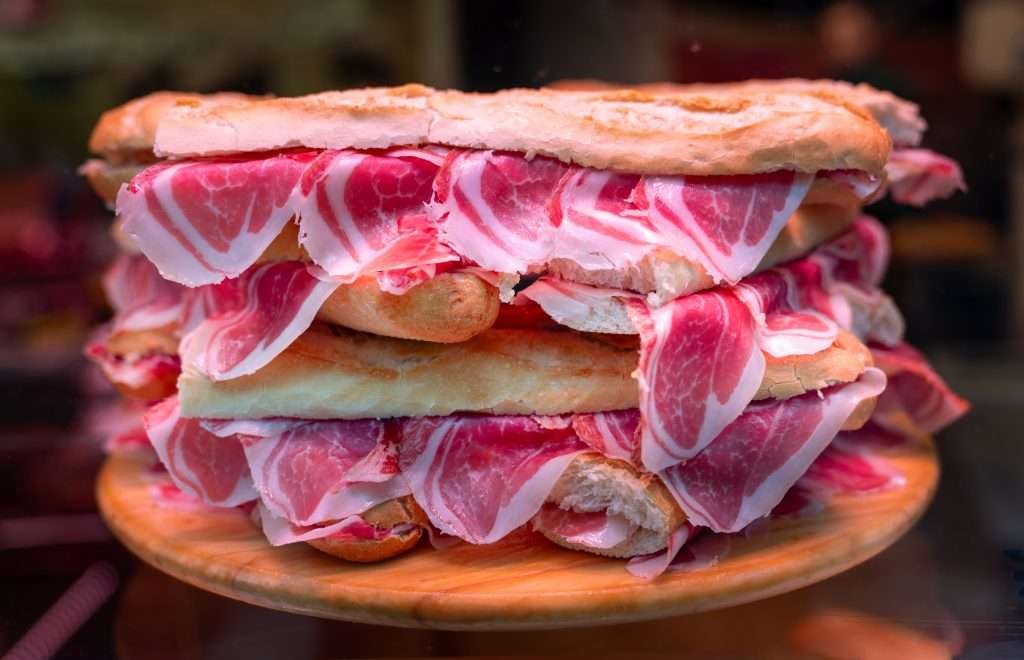
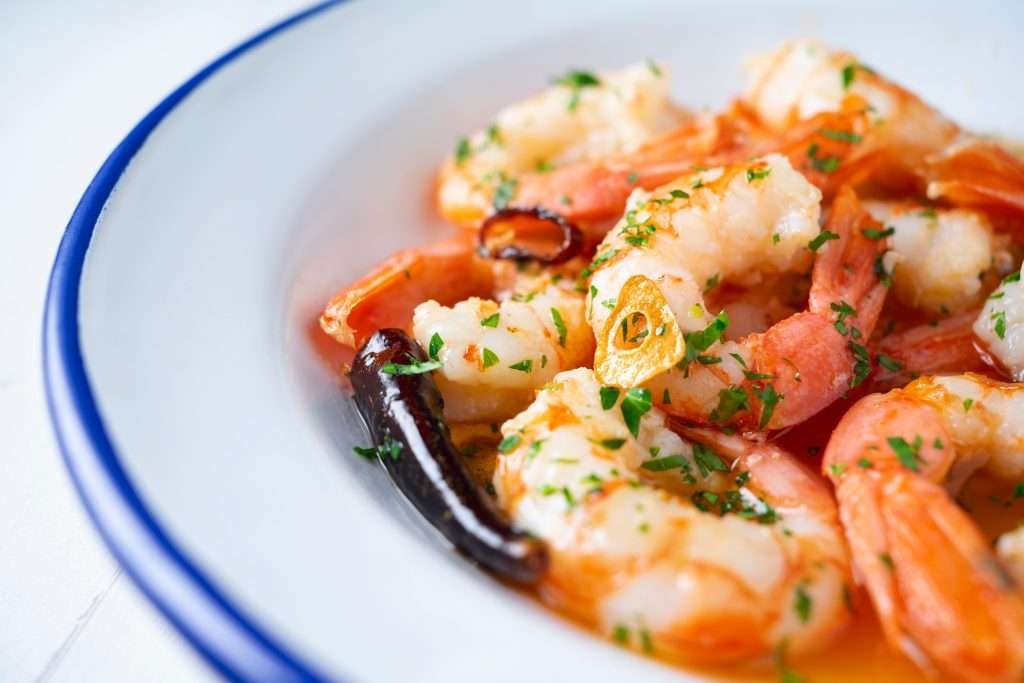
8:30 PM – 11:30 PM: La Cena (Dinner) Dinner is a lighter, more social affair, and it happens late. Do not even think about heading out for dinner before 8:30 PM (and even then, you will be the first one there). 9:30 PM to 10:30 PM is the sweet spot. This is the time for hopping between bars, ordering small plates (tapas or raciones) to share, and enjoying the cool evening air.


Chapter 3: Choosing Your Home Base
Where you sleep in Madrid dictates the entire vibe of your trip. The city is broken up into distinct barrios (neighborhoods), and each has a fiercely independent personality. Because the city is so sprawling, setting up camp in the right location is crucial for a first-timer.
If you want a deep dive into every single hotel and neighborhood mapped out by budget, you absolutely must read my comprehensive guide on Where to Stay in Madrid: Best Areas & Hotels for First Timers (2026). But to give you a quick overview:
- Centro / Sol: This is the geographical center of the city. If you stay near Puerta del Sol or Plaza Mayor, you will be within a 15-minute walk of almost every major tourist attraction. However, the trade-off is extreme noise, massive crowds, and higher prices. It is great for a 48-hour layover, but exhausting for a longer trip.
- Malasaña: The hipster, bohemian heart of Madrid. If you love vintage clothing stores, specialty coffee roasters, incredible street art, and a young, vibrant nightlife scene, this is your neighborhood.
- Chueca: Right next to Malasaña is Chueca, Madrid’s famous LGBTQ+ neighborhood. It is inclusive, colorful, and packed with high-end boutique shopping, fantastic rooftop terraces, and lively plazas.
- Barrio de las Letras (The Literary Quarter): This is arguably the most romantic neighborhood in Madrid. Once home to writers like Cervantes and Hemingway, its streets are paved with golden quotes from famous literature. It is quiet, incredibly beautiful, and situated right next to the major art museums.
- Salamanca: The upscale, elegant district north of the Retiro Park. If you prefer luxury shopping, Michelin-starred dining, wide, tree-lined boulevards, and a very quiet night’s sleep, Salamanca is the perfect luxury base.
Remember, if you book a hotel that requires a 30-minute Metro ride just to get to the center, you will be less likely to go back to your room to rest, which will burn you out quickly. Choose a central location from my Where to Stay in Madrid: Best Areas & Hotels for First Timers (2026) guide to maximize your efficiency.
Chapter 4: Structuring Your Itinerary
Madrid is home to the world-famous “Golden Triangle of Art” (The Prado, Reina Sofía, and Thyssen-Bornemisza museums). It boasts a Royal Palace with over 3,000 rooms. It has ancient Egyptian temples and sprawling parks. The temptation is to run from monument to monument, checking things off a list.
Do not do this. The true joy of Madrid is found in the spaces between the sights. It’s sitting in a sun-drenched plaza with a cold vermouth, watching the world go by.
f you are only in town for a long weekend, you need to be brutal with your time management. Follow my step-by-step 3 Days in Madrid: The Perfect Itinerary for First Timers (2026 Edition) to ensure you see the absolute essentials – like the Royal Palace and the Prado-without feeling like you are running a marathon.
However, to truly understand the soul of the city, I highly recommend extending your trip. With a longer stay, you can start exploring the distinct neighborhoods beyond the historic center, taking day trips, and adopting that slow, luxurious Spanish pace. For the ultimate vacation plan, pull up my master guide for 5 Days in Madrid: The Perfect Itinerary for Art, Churros & Rooftops (2026). This gives you the breathing room to actually experience the culture, rather than just photographing the buildings.
Chapter 5: The Absolute Must-Sees for a First Timer
While I strongly advocate for aimless wandering, there are a few heavy hitters you simply cannot leave Madrid without seeing. I have compiled a massive, ranked list of the 25 Best Things to Do in Madrid: The Ultimate 2026 Guide, but here are the non-negotiables:
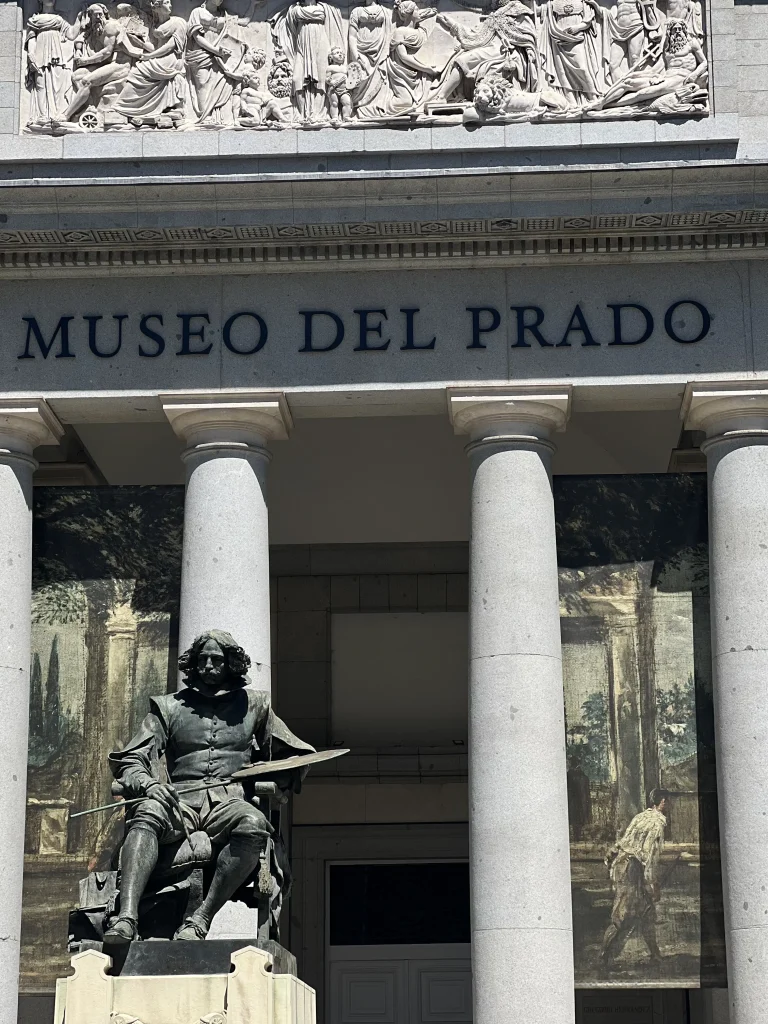
1. The Prado Museum (Museo Nacional del Prado) This is Spain’s Louvre. It houses the most comprehensive collection of Spanish painting in the world, including masterpieces by Velázquez, Goya, and El Greco. First-Timer Tip: Do not try to see the whole thing. Pick 15 paintings and spend two hours there. If you go from 6:00 PM to 8:00 PM from Monday to Saturday, entrance is completely free (though you will wait in a long line).
2. The Royal Palace (Palacio Real) The official residence of the Spanish Royal Family (though they don’t actually live there; it’s used for state ceremonies). It is the largest functioning royal palace in Europe, with 3,418 rooms. The sheer opulence of the Gasparini Room and the Royal Armory will leave you speechless. Always book your tickets online at least a week in advance, or you will spend two hours baking in the sun waiting to buy them at the gate.
3. El Retiro Park (Parque del Buen Retiro) Once the private gardens of the Spanish monarchy, this 350-acre park is the green lung of the city. Rent a rowboat on the central lake beneath the monument to Alfonso XII, visit the stunning Palacio de Cristal (an entirely glass pavilion that houses modern art installations), and stroll through the rose gardens. It is the perfect place to spend a Sunday afternoon.
4. Plaza Mayor and Puerta del Sol These are the two main squares of the city. Puerta del Sol is the Times Square of Madrid-busy, chaotic, and home to the famous “Bear and the Strawberry Tree” statue. Just a five-minute walk away is the Plaza Mayor, a stunning enclosed, rectangular square surrounded by red brick buildings and wrought-iron balconies. Grab a famous bocadillo de calamares (fried squid sandwich) from a side street and eat it in the plaza.



If you want to know which specific side streets have the best squid sandwiches, you’ll find them listed in my comprehensive breakdown of the 25 Best Things to Do in Madrid: The Ultimate 2026 Guide.
Chapter 6: Tapas Culture 101

You cannot talk about visiting Madrid without talking about tapas. Tapas isn’t a specific type of food; it’s a social activity. It means moving from bar to bar, having a drink and a small plate at each, and socializing with friends.
When you order a drink in Madrid-whether it’s a caña (a small draft beer), a glass of wine, or a vermouth-you will almost always be given a free bite to eat. Sometimes it is just a bowl of olives or potato chips, but in older, more traditional neighborhoods, it might be a plate of paella, some chorizo, or a slice of tortilla.
If you base yourself in a food-centric neighborhood-which you can easily identify using my Where to Stay in Madrid: Best Areas & Hotels for First Timers (2026) breakdown-you will have hundreds of tapas bars at your doorstep.
A few quick rules for eating out:
- Don’t tip like an American: Tipping 20% is completely unnecessary and can even cause confusion. In Spain, service is included in the price. If you have a coffee, leave the small change (a few 10 or 20 cent coins). If you have a sit-down meal, leaving €2 to €5 on the table is considered a generous gesture for good service.
- The floor is a trash can (sometimes): In very old, traditional tapas bars, you will see crumpled napkins and olive pits on the floor. This is actually a sign of a good, busy bar! (Though do not do this in a sit-down restaurant).
- You have to flag the waiter down: Spanish waiters will not rush you. They will not bring you the check until you explicitly ask for it (“La cuenta, por favor”). They consider it rude to drop the bill on the table before you are ready, so do not sit there for 45 minutes getting angry that they haven’t given you the check.
Chapter 7: Day Trips – Escaping the Capital
One of the best things about Madrid is its location. Situated perfectly in the center of the country, it serves as the ultimate hub for the high-speed AVE train network.
If you are following my recommended 5 Days in Madrid: The Perfect Itinerary for Art, Churros & Rooftops (2026), you absolutely must dedicate one of those days to getting out of the city limits.
Toledo: Just a 33-minute high-speed train ride from Madrid’s Atocha station, Toledo is a UNESCO World Heritage site known as the “City of Three Cultures.” For centuries, Christians, Muslims, and Jews lived together here, and the architecture reflects this incredible blend. It is a stunning medieval city built on a hill overlooking the Tagus River.

Segovia: A 30-minute train ride north from Chamartín station brings you to Segovia. This town is famous for three things: a remarkably intact, massive Roman Aqueduct that cuts right through the city center; the Alcázar (a fairy-tale castle that allegedly inspired Walt Disney); and cochinillo asado (roast suckling pig), which is so tender they famously cut it with the edge of a plate.

If you are pressed for time and only following the condensed 3 Days in Madrid: The Perfect Itinerary for First Timers (2026 Edition), skip the day trips. You need every hour you have just to scratch the surface of Madrid itself.
Final Thoughts for the First-Timer
Madrid does not have the Eiffel Tower. It does not have the Colosseum. It doesn’t rely on one massive, globally recognizable landmark to draw you in. Instead, Madrid relies on its atmosphere.
Your goal on this first trip shouldn’t be to see every single painting in the Prado or walk down every street in the center. Your goal should be to find a sunny terrace in La Latina at 2:00 PM on a Sunday, order a cold vermouth on tap, listen to the loud, rapid-fire Spanish chatter around you, and realize that you have finally arrived in the greatest city in Spain.
Is Madrid safe for tourists?
Very safe – it consistently ranks among the safest major capitals in Europe. Violent crime against tourists is extremely rare. The real issue is pickpocketing, which is concentrated in three areas: Puerta del Sol, Plaza Mayor, and packed Metro cars during rush hour. Keep your wallet in your front pocket, wear your bag crossbody with the zip facing your body, and never hang your bag on the back of a restaurant chair. Beyond that, Madrid’s streets stay busy until 2-3 AM because locals are still out eating, which makes walking home late feel perfectly normal.
How many days do you need in Madrid?
At minimum 3 – that gets you the Prado, the Royal Palace, Retiro Park, and a proper tapas crawl without rushing. But 5 days is the sweet spot. It lets you add a day trip to Toledo (33 minutes by train), explore neighborhoods like Malasaña and Chueca at a slow pace, and actually eat on the Spanish schedule instead of fighting it. If you only have a weekend, you can still have a great time, but you’ll have to be ruthless with priorities.
Do you need to speak Spanish in Madrid?
Not in hotels, museums, or major restaurants – staff will speak enough English. In traditional tapas bars, neighborhood markets, and anywhere off the tourist trail, English drops off sharply. Learn five phrases and you’ll be fine: “Hola” (hello), “Una caña, por favor” (a small beer, please), “La cuenta, por favor” (the bill, please), “¿Qué me recomiendas?” (what do you recommend?), and “Gracias” (thank you). Even a clumsy attempt at Spanish gets you noticeably better service.
What is the best time of year to visit Madrid?
April to June and September to October. Summer (July-August) regularly hits 38-40°C – the pavement turns into a frying pan and half the city leaves for the coast. Winter is cold but sunny with far fewer tourists and lower hotel prices. May is ideal: the weather is warm without being brutal, the terraces are full, and you’ll catch the San Isidro festival with street parties and free concerts across the city.
Is Madrid expensive compared to other European capitals?
Significantly cheaper than Paris, London, or Amsterdam. A Menú del Día (3-course lunch with a drink) runs €12-€15 at most restaurants. A caña of beer costs €2-€3. A 10-trip Metro card is €6.10 and shareable between people. Museum tickets range from €12-€15, and the Prado is free every evening from 6-8 PM Monday to Saturday. The only things that approach Northern European prices are rooftop cocktail bars and flamenco shows (€35-€50). Budget roughly €70-€100 per day excluding accommodation.