7 days in Tuscany loops properly: three days in Florence for the major art, two in Siena, one stop in San Gimignano, and a final day in Lucca. Rushed versions of this trip exist but they trade depth for coverage in a region where depth is the point.
This itinerary is structured to move roughly south to north – Florence, Siena, San Gimignano, Lucca – which minimizes backtracking and aligns with the natural progression from Renaissance city to medieval hill towns to walled serenity.
Car vs. Train
For this specific itinerary: use trains between the major cities and rent a car for one or two days of countryside driving from Siena.
The train network covers Florence, Siena, and Lucca efficiently and cheaply. San Gimignano requires a bus connection from Siena or Poggibonsi but is manageable without a car.
The countryside between Siena and Montalcino – the Val d’Orcia, the Crete Senesi, the wine estates – is only accessible by car. If you want any of that, rent for two days based out of Siena and return the car before moving to Lucca.
The ZTL warning: Every Tuscan city center has a Zona a Traffico Limitato – a restricted driving zone monitored by cameras. Drive into one and a fine arrives by post months later, often €100 to €300. Park outside the city walls and walk in. This applies in Florence, Siena, San Gimignano, and Lucca without exception.
Days 1 to 3: Florence
For the full Florence picture including neighborhood options and museum booking details, see Venice vs Florence for the comparison context, or go directly to 3 Days in Venice if you are combining the two cities.
Day 1: The Accademia and the Duomo
8:30 AM – Accademia Gallery
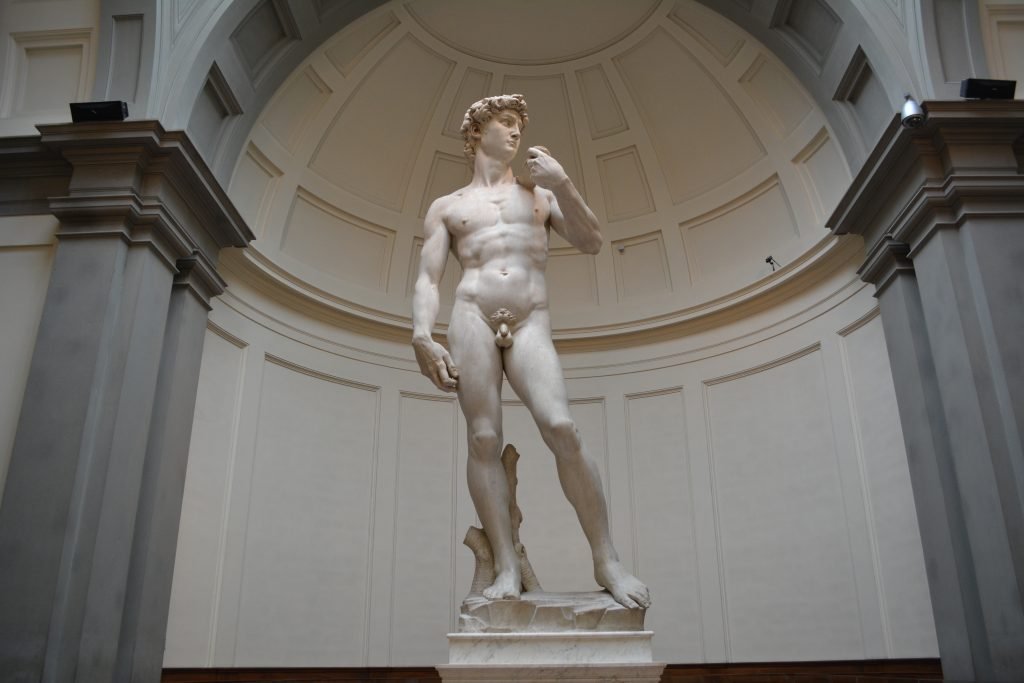
Book the first timed slot of the day. Michelangelo’s David – 5.17 meters of marble finished in 1504 – is the primary reason to be here. The gallery is smaller than most people expect; 60 to 90 minutes is sufficient. Entry around €16, or €30 with skip-the-line booking which is worth it in July and August.
10:30 AM – The Duomo Complex
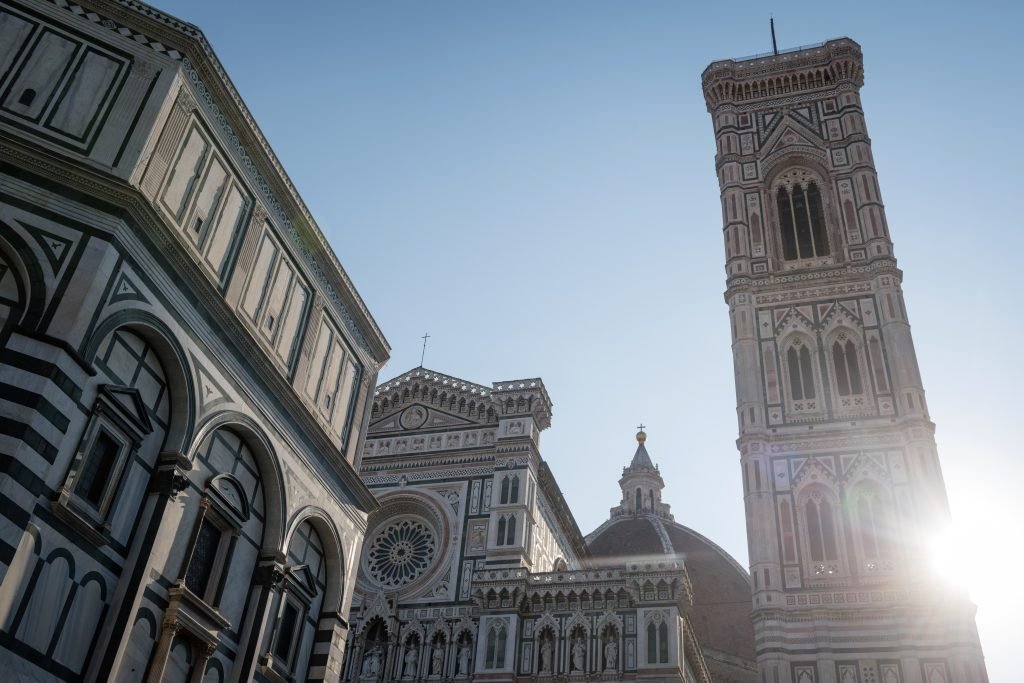
The Duomo complex pass (around €30) covers the Cathedral, Brunelleschi’s dome climb, Giotto’s bell tower, the Baptistery, and the Opera del Duomo museum. The dome climb is 463 steps with no lift on a narrow double-helix staircase – genuinely claustrophobic in the middle section, extraordinary at the top. Book the dome entry for a specific time slot; walk-up queues are long.
The Baptistery doors (the “Gates of Paradise” facing the Duomo) are Ghiberti’s 15th-century bronze panels depicting Old Testament scenes – the originals are inside the Opera del Duomo museum and worth seeing up close.
Lunch: The area immediately around the Duomo is tourist-priced. Walk five minutes in any direction and prices drop. A schiacciata sandwich (olive oil flatbread with cured meat) from an alimentari runs €4 to €6.
Day 2: Uffizi and the Oltrarno
9:00 AM – Uffizi Gallery
Book the first timed entry. Botticelli’s Birth of Venus and Primavera are the centerpieces but the Caravaggio rooms in the later galleries are less crowded and equally strong. Entry €20, skip-the-line booking €38 – worth it in peak season when walk-up queues can hit three hours. Budget two to three hours minimum.

Afternoon – Ponte Vecchio and Oltrarno
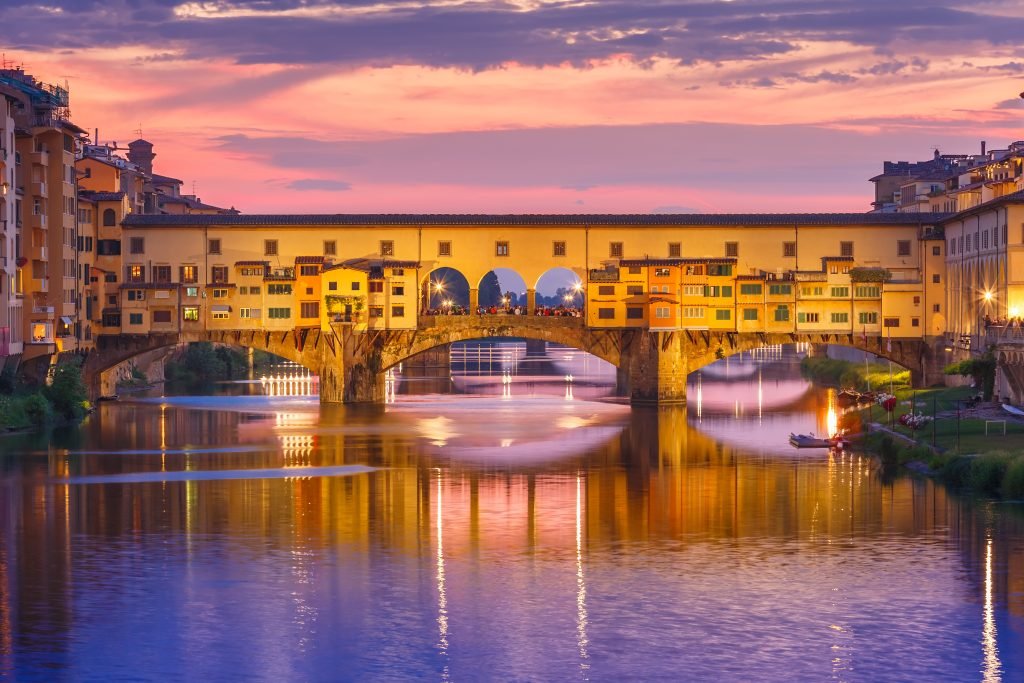
Cross the Ponte Vecchio – the bridge lined with goldsmiths and jewelers – into the Oltrarno district on the south bank of the Arno. The artisan workshops here produce leather goods, bookbinding, and gold jewelry using techniques that have not changed significantly since the 15th century. Prices are high but the quality is genuine.
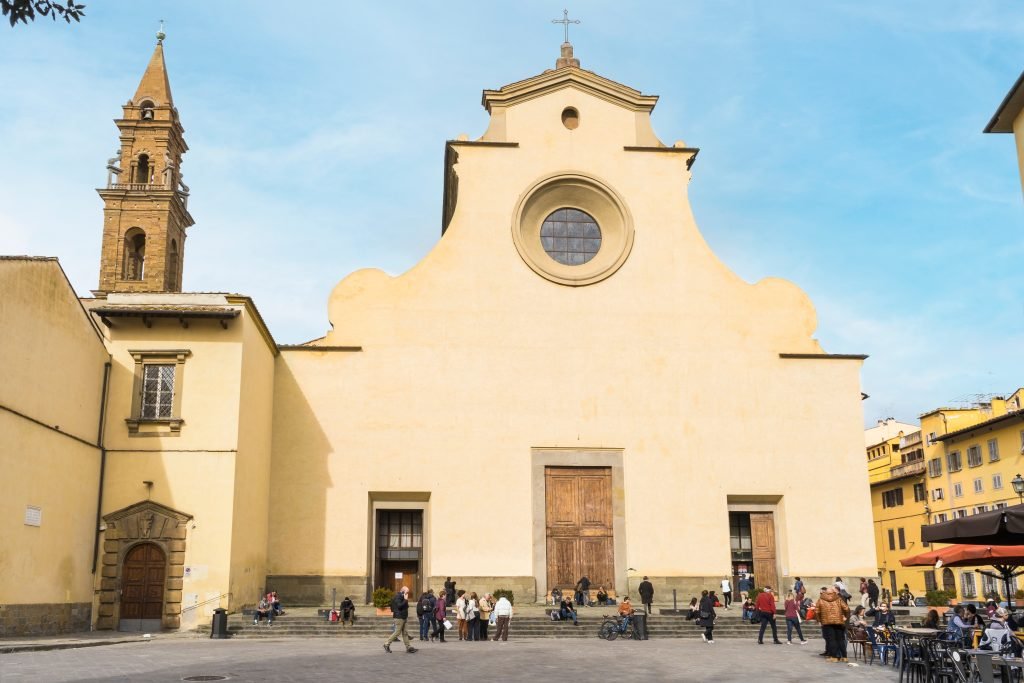
The Mercato di Santo Spirito and the surrounding streets of Santo Spirito and San Niccolò are the best casual eating options in Florence – local restaurants, reasonable prices, no tourist menus.

Day 3: Piazzale Michelangelo and the Bistecca
Morning: Use the morning for anything from Days 1 and 2 that needs more time – the Bargello museum (Donatello’s sculptures, less visited than the Accademia), the Boboli Gardens behind the Pitti Palace, or simply walking the Oltrarno streets.
Late afternoon – Piazzale Michelangelo
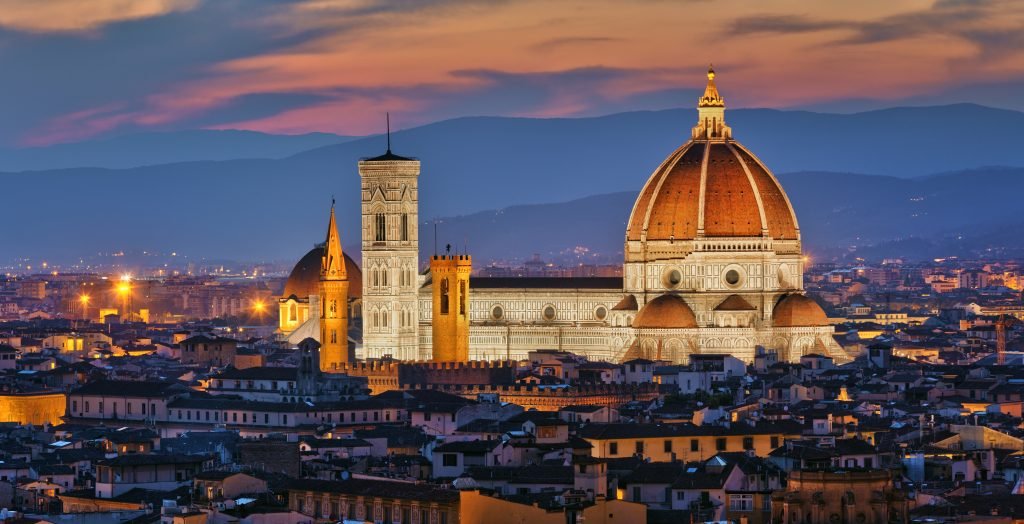
The hilltop viewpoint above the south bank with the full Florence skyline – Duomo, bell tower, Palazzo Vecchio – laid out below. Crowded at sunset but the view justifies it. Go at 6:30 PM rather than the peak sunset hour to find a position without fighting for space.

Dinner – Bistecca alla Fiorentina
The T-bone from Chianina cattle, grilled over wood coals, served rare. Sold by weight – a cut for two people typically runs €50 to €80. The waiter will bring the raw steak to the table before cooking for your confirmation on size and marbling – this is standard, not a performance. Do not order it well done; most restaurants that take the dish seriously will push back.

Pair with Chianti Classico – the DOCG wine produced in the hills between Florence and Siena. A bottle at a mid-range Oltrarno trattoria runs €18 to €30.
Days 4 to 5: Siena
Siena and Florence have been rivals since the medieval period and the contrast is immediate. Florence is organized around intellectual ambition; Siena is darker, more devotional, and more atmospheric in the evening when the day-trippers from Florence are gone.
Day 4: Piazza del Campo and the Duomo
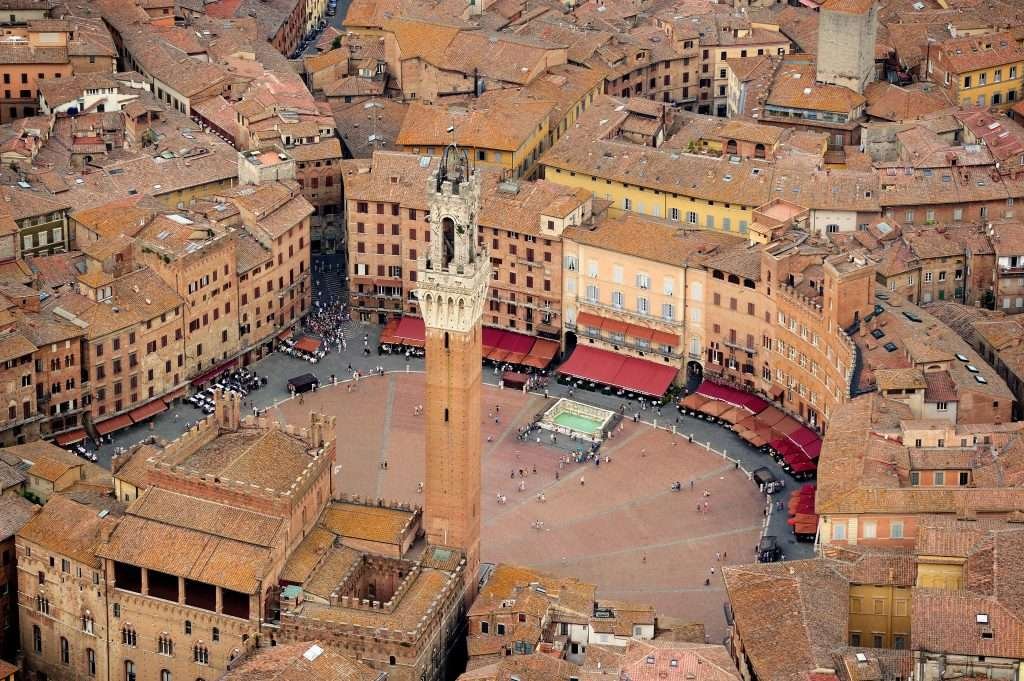
Piazza del Campo is the central square, shaped like a scallop shell on a slope. It is the site of the Palio – the twice-yearly bareback horse race run by the city’s Contrade (neighborhood factions). The race dates to the 13th century and the rivalry between neighborhoods is not theatrical; it is deeply serious. Walk the square in the morning before the tour groups arrive.

The Torre del Mangia at the edge of the piazza is a 500-step climb to the best view in Siena. Entry around €10. Go before 10:00 AM.
Duomo di Siena: The striped black and white marble exterior is immediately distinctive. The interior contains the extraordinary Piccolomini Library – frescoed walls depicting the life of Pope Pius II in unusually vivid color – and an inlaid marble floor that is uncovered in full only between August and October. Entry to the cathedral around €8, full complex pass around €15.

Day 5: The Alleys and Santa Maria della Scala
Spend the morning without a plan in the narrow brick alleys of the city. Siena has a different character from Florence – quieter, more contained, easier to find a street with no other tourists in it.
Santa Maria della Scala – a former hospital operating for over a thousand years, now a museum. The medieval pilgrimage halls and the painted Pellegrinaio ward are the highlights. Entry around €9.
Food: Siena is the place to buy panforte (dense fruit and nut cake spiced with pepper and cinnamon) and ricciarelli (soft almond cookies). Both are available throughout the city and significantly cheaper here than in Florence tourist shops. A small box of ricciarelli from a local pasticceria runs €4 to €6.


Day 6: San Gimignano

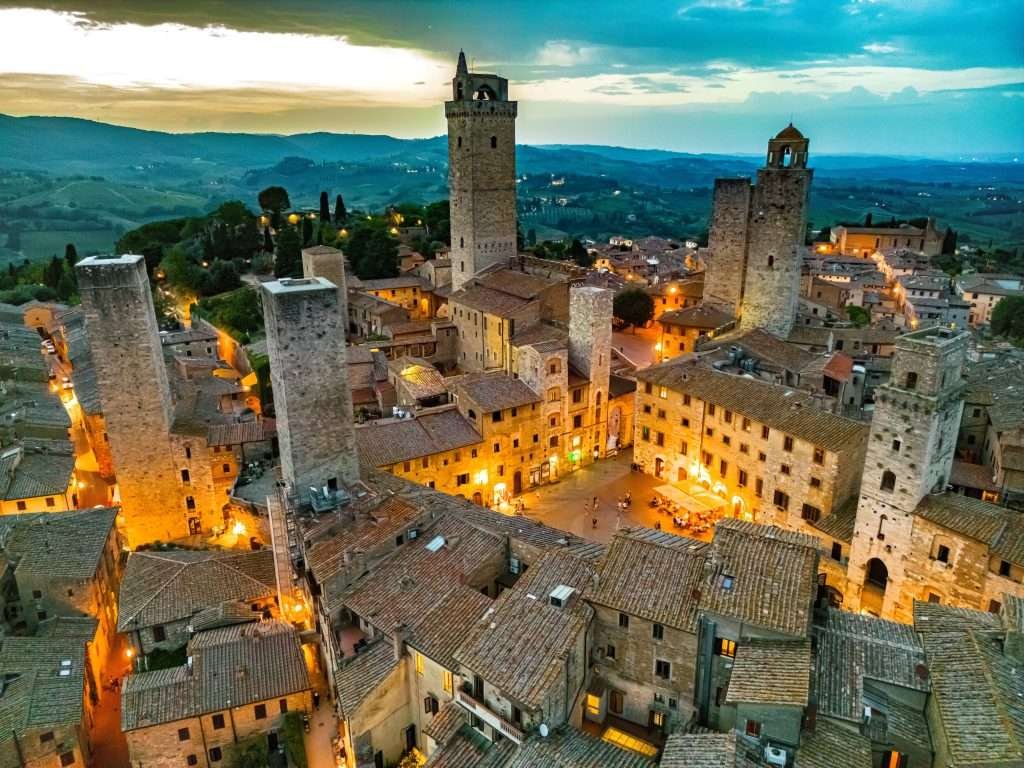
San Gimignano is a hilltop town with 14 surviving medieval towers – the remnants of 72 that once defined the skyline when wealthy families built them as status symbols. It is one of the most visited day-trip destinations in Tuscany, which means crowd management is the main logistical issue.
Arrive by 9:00 AM or after 5:00 PM. The day-trip buses from Florence and Siena arrive between 10:00 AM and 1:00 PM and the main streets become difficult to move through. Early morning or late afternoon the town is genuinely pleasant.
The walls walk: The outer walls offer views over the Elsa Valley that most visitors miss because they stay on the main street. Take 45 minutes to walk the full perimeter.
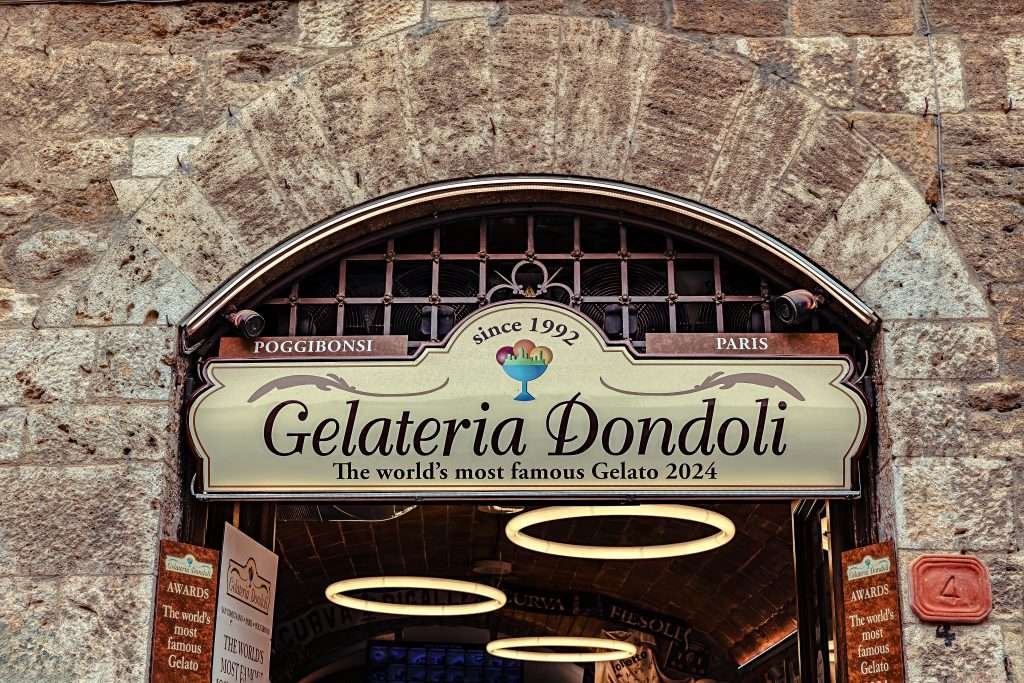
Gelateria Dondoli (Piazza della Cisterna, 4) has won multiple world gelato championships. The saffron and pine nut flavor is the one most associated with the town. Queue is long but moves quickly – €3 to €4 per cup.
From San Gimignano, take the bus to Poggibonsi and the train to Lucca for the final night. Journey time around 90 minutes total.
Day 7: Lucca
Lucca is the most relaxed city in Tuscany. After six days of aggressive sightseeing, that is the correct way to finish.
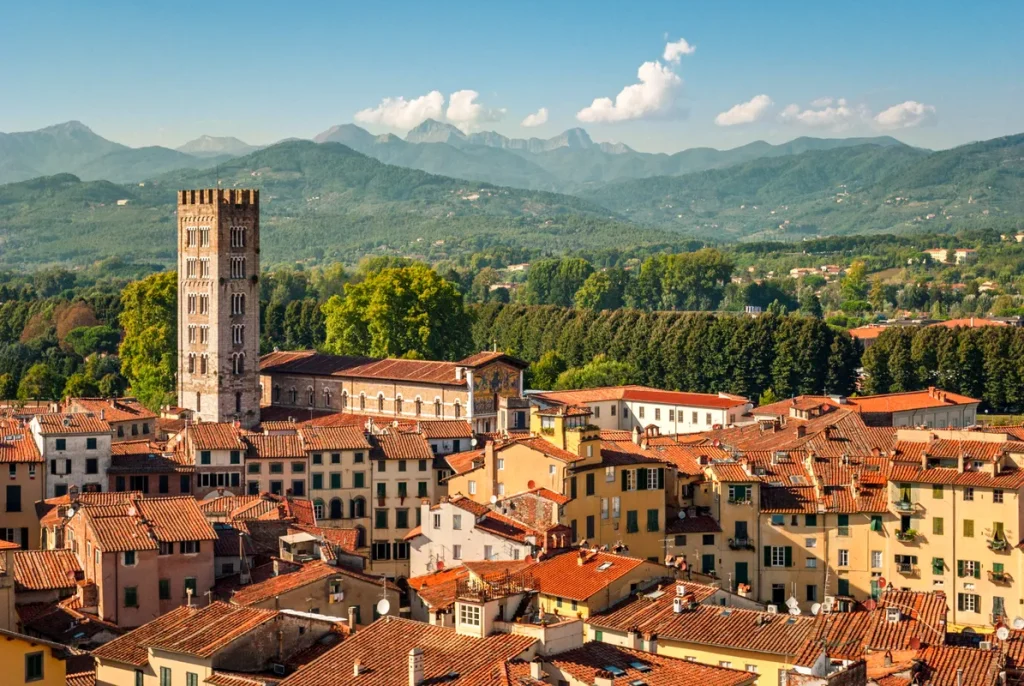
The walls: Lucca is enclosed by intact 16th-century Renaissance walls – 4 kilometers of walkable ramparts wide enough to cycle, with trees planted along the top. Rent a bike at any of the stalls near the main gates – around €3 to €5 per hour. One circuit of the walls takes about 30 minutes.

Piazza dell’Anfiteatro: The oval piazza built over the footprint of a 2nd-century Roman amphitheatre – the curve of the surrounding buildings follows the exact shape of the original arena. Best in the morning before the lunch crowds. Coffee at one of the surrounding bars, outside, and look at the oval.

Lunch: Try Tordelli Lucchesi – a local pasta filled with mixed meat in a rich ragù sauce. Specifically Lucchese and rarely found outside the city. Around €12 to €16 as a first course at a mid-range restaurant.

The afternoon: Lucca does not require an agenda. Walk the streets, go into the churches (San Michele in Foro and San Martino Cathedral are both free or low-cost entry), and use the last afternoon to decompress before travel.


Practical Notes
Wine: Chianti Classico is the daily wine of Florence and Siena – robust, food-friendly, and available by the glass in any trattoria for €4 to €8. Brunello di Montalcino (from the town of Montalcino south of Siena, reachable by car) is the prestige wine of the region – a glass costs €12 to €20, a bottle €40 to €80+. Ask for the house red (vino della casa) at small trattorias – it is usually from a nearby producer and priced at €8 to €12 per bottle.
Booking windows: Uffizi and Accademia: book at least three weeks ahead in summer, one week in shoulder season. Brunelleschi’s dome: book the specific time slot when you book the Duomo complex pass. Everything else in this itinerary is walk-in or same-day.
Crowds in Florence: The Uffizi and Accademia areas between 10:00 AM and 3:00 PM in July and August are at maximum density. First entry slots and late afternoon slots (after 4:00 PM) are significantly more manageable.
Plan Your Trip
- Venice vs Florence
- 3 Days in Venice
- First Time in Milan
- 3 Days in Milan
- 10 Days in Southern Italy
- Things to Do in Florence
- Where to Stay in Florence
- Florence on a Budget
- Day Trip to Siena from Florence
Do you need a car for 7 days in Tuscany?
Not for this specific itinerary. The train network connects Florence, Siena, and Lucca directly, and San Gimignano is reachable by bus from Siena via Poggibonsi without a car. You only need a car if you want to access the countryside between Siena and Montalcino – the Val d’Orcia, the Crete Senesi, and the wine estates are not served by public transit. If that is a priority, rent for two days based out of Siena and return the car before moving to Lucca. Be aware that every city center in Tuscany has a ZTL restricted zone monitored by cameras – park outside the walls and walk in.
How far in advance do you need to book Florence museums?
For the Uffizi and Accademia, book at least three weeks ahead in July and August. In shoulder season (April to June, September to October) one week is usually sufficient but earlier is always safer. The Brunelleschi dome climb requires booking a specific timed slot when you purchase the Duomo complex pass – this sells out faster than the museums in peak season. Everything else in this itinerary – Siena, San Gimignano, Lucca – is walk-in or same-day without advance booking.
Is 7 days enough for Tuscany?
Seven days covers Florence, Siena, San Gimignano, and Lucca with enough time to go beyond the main monuments in each place. It does not cover the countryside, the wine estates, or towns like Montepulciano, Pienza, or Cortona – those require additional days or a car-based itinerary. If your priority is depth in Florence specifically, three full days there is the minimum – the Uffizi, the Accademia, and the Duomo complex each deserve unhurried time and rushing them to add more cities is a trade-off that most people regret.
When is the best time to visit Tuscany?
April to June and September to October. Temperatures are comfortable for walking, the museums are less crowded than July and August, and the countryside is at its most photogenic in spring (green hills, poppies) and autumn (harvest, changing colors). July and August are the most expensive and most crowded months – the Uffizi queue without advance booking can hit three hours and the Siena Palio in early July and mid-August brings the city to capacity. The Siena Duomo floor is only fully uncovered between August and October, which is the one argument for a late-summer visit.
What is the Palio in Siena and should you plan your trip around it?
The Palio is a bareback horse race run twice yearly – July 2nd and August 16th – around the Piazza del Campo by riders representing the city’s neighborhood factions (Contrade). It is one of the oldest continuously running civic events in Europe and the rivalry between neighborhoods is genuine, not theatrical. If you want to watch the race itself, tickets for the grandstand sell out months ahead and standing in the center of the campo is free but extremely crowded. If you are visiting Siena outside the Palio dates, the campo and the museum of the individual Contrade explain the tradition well enough to understand what you are looking at.
7 Days in Tuscany — Florence → Siena → San Gimignano → Lucca
Moves south-to-north — no backtracking. Click any pin for what to book, what to skip, and why.