
7 Days in Andalusia is the exact amount of time needed to cover the full regional loop properly: three days in Seville for the cathedral, the Alcázar, and the tapas culture, two days in Granada for the Alhambra and the Albaicín, and two days finishing on the coast in Malaga. The itinerary moves east – Seville to Granada to Malaga – which aligns with the high-speed train network and avoids backtracking.
One booking needs to happen before anything else: Alhambra tickets. They sell out months in advance and there is no walk-up option for the Nasrid Palaces. Book these the moment your travel dates are confirmed. Everything else in this itinerary is manageable with one to two weeks notice except during Holy Week and the Feria de Abril in Seville, when accommodation also needs early booking. If you want to explore beyond the city, check out these 5 best day trips from Granada.
If you are extending the trip, Seville on a Budget and What to Eat in Seville have the full detail on eating and spending in the first three days.
Logistics
Trains Over Cars
In the historic centers of Seville, Granada, and Malaga, a car is a liability. All three cities have restricted driving zones (ZTL) that fine you automatically via camera if you enter. Parking near the center is expensive and often full. The train network handles every journey in this itinerary.
- Seville to Granada: Around 3 hours by Avant or regional train, cost €25 to €40 booked in advance
- Granada to Malaga: Around 1 hour 30 minutes by bus (ALSA) or train depending on the service, cost €10 to €20
- Malaga to Seville: Around 2 hours by high-speed AVE, cost €25 to €45 if you need to return
Book train tickets on renfe.com at least two weeks ahead. Advance fares are significantly cheaper than walk-up prices.
The Heat Factor
Andalusia is the hottest region in Europe. July and August regularly exceed 40°C in Seville and Granada. At that temperature, midday sightseeing becomes genuinely difficult – the Alhambra in particular has very little shade.
The workable schedule in summer: sightseeing 8:00 AM to 1:00 PM, rest during the siesta hours 2:00 PM to 6:00 PM, evening activity from 7:00 PM onward. Andalusian dinner does not start until 9:00 PM – use the evening hours for walking, tapas, and flamenco rather than trying to push through the afternoon heat.
If you have flexibility on dates, March, April, or October give you comfortable walking temperatures and lower accommodation prices. Avoid Seville during Semana Santa (Holy Week) and Feria de Abril on a budget – accommodation triples and the city is at capacity.
Days 1 to 3: Seville

Day 1: The Cathedral and Santa Cruz
9:00 AM – Seville Cathedral and the Giralda
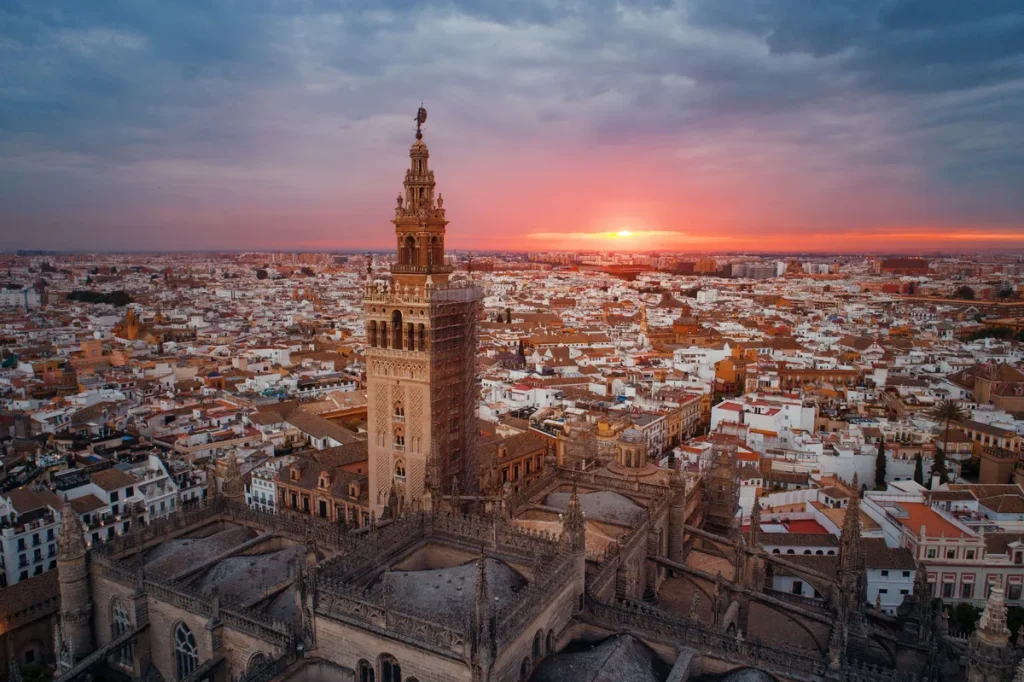
The largest Gothic cathedral in the world and the third-largest church by area. Pre-book timed entry online – €12 to €16 depending on the package. The Giralda tower (the former minaret converted into a bell tower) is included and the ramp rather than stairs makes the climb accessible. The view from the top covers the full historic center and the Guadalquivir river.
Christopher Columbus is buried inside the cathedral – his tomb is carried by four stone kings representing the medieval kingdoms of Spain.
Afternoon – Barrio Santa Cruz
The former Jewish quarter immediately east of the cathedral. The alleys are genuinely narrow enough to touch both walls simultaneously. Do not use navigation here – the GPS is unreliable in the narrow streets and getting deliberately lost is the point. Walk until you find a taberna that looks like it has not changed since the 1970s, stand at the bar, and order espinacas con garbanzos (spinach and chickpeas, €3) and a tinto de verano (€2).
Evening – Fondamenta della Misericordia equivalent: Calle Betis
The canal-side street in Triana visible from the Santa Cruz side of the river. Good for early evening drinks before the dinner hour.
Day 2: The Alcázar and the Plaza de España
9:00 AM – Real Alcázar
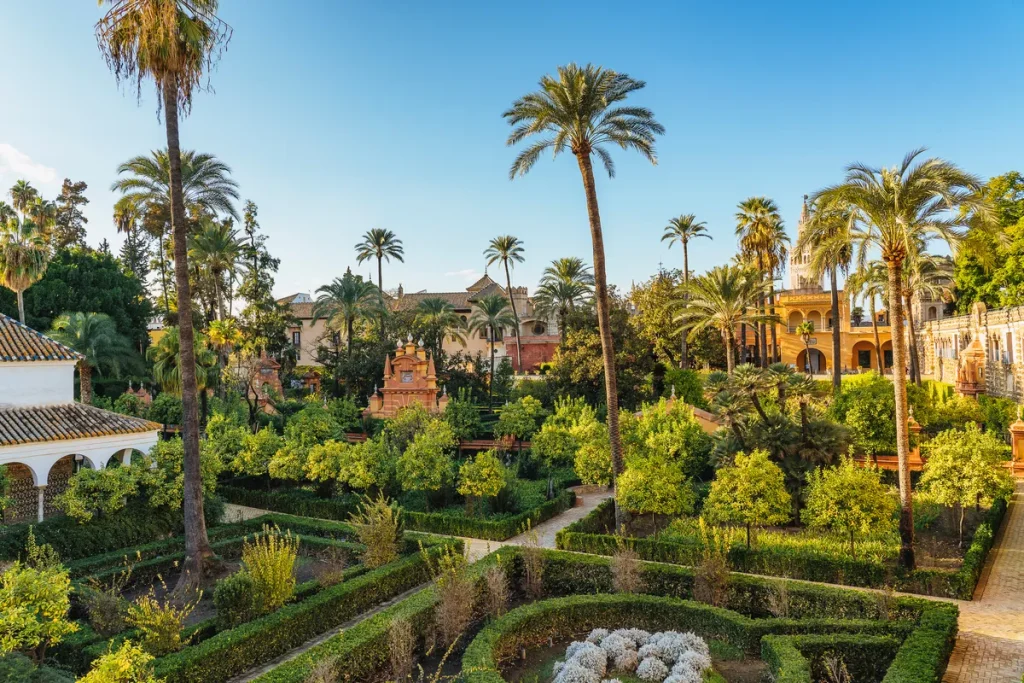
Book timed entry in advance – €14.50, sells out days ahead in peak season. The Alcázar is a royal palace built by Moorish craftsmen for a Christian king in the 14th century – the resulting Mudéjar architecture is a specific blend of Islamic geometry and Gothic structure found nowhere else in Europe. The gardens behind the palace are extensive and worth 45 minutes separately.
The upper royal apartments (an additional €7) are still used by the Spanish royal family – the rooms open to visitors show the overlap between medieval Islamic design and later European additions.
Afternoon – Plaza de España and Parque de María Luisa

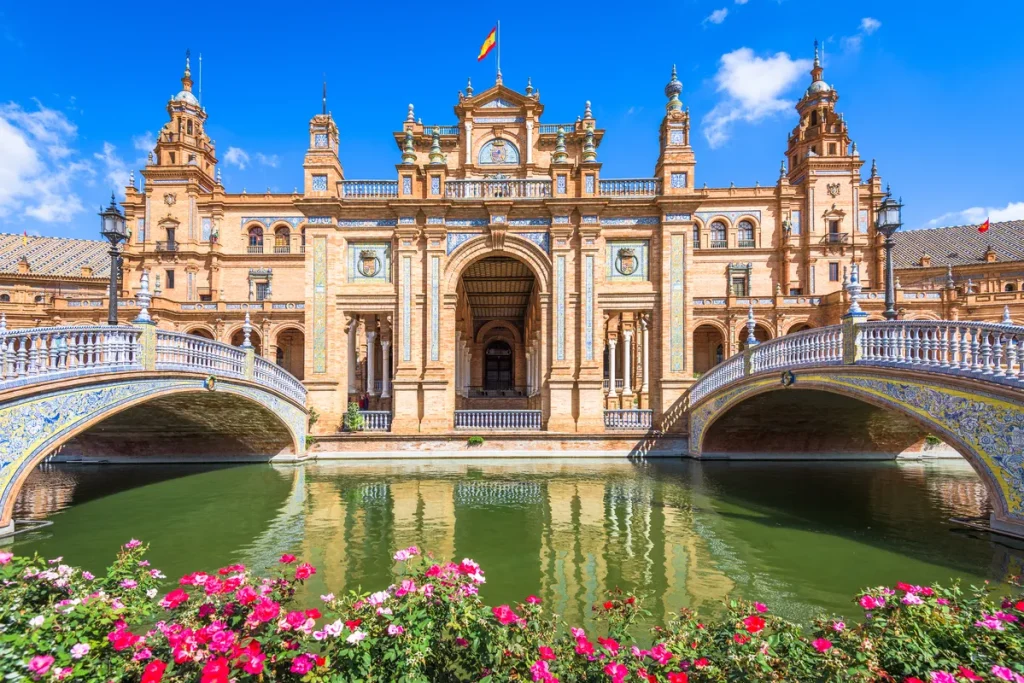
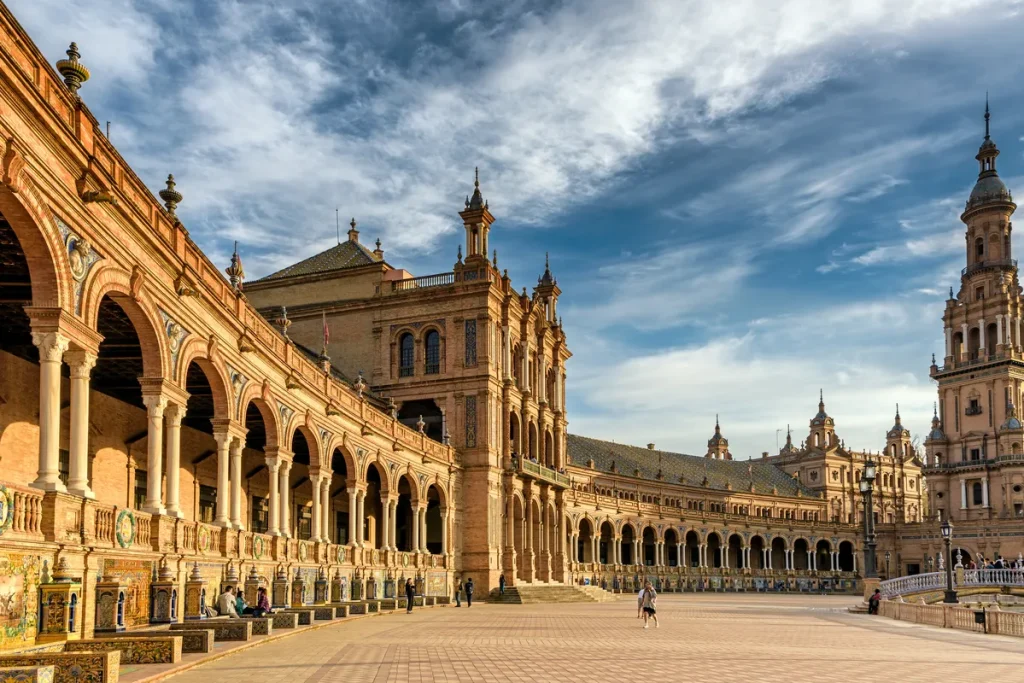
The Plaza de España is free to enter and takes 45 minutes to walk properly. Built for the 1929 Ibero-American Exposition, the semicircular complex has tiled ceramic benches representing every province in Spain. Go at late afternoon when the tour buses have left and the light is better for photography.
The Parque de María Luisa directly adjacent is the main city park – heavily shaded, free to enter, and the correct place to spend the siesta hours rather than the hotel room. Bring a book.
Day 3: Triana and Flamenco


Morning – Triana
Cross the Isabel II Bridge into Triana – the historic neighborhood of potters, sailors, and flamenco culture on the west bank of the Guadalquivir. The Mercado de Triana is built inside the ruins of the Castillo de San Jorge (the former Inquisition headquarters) – the archaeological remains are visible through glass panels in the market floor. Free to enter, worth 30 minutes.
The ceramic workshops on Calle Alfarería and the surrounding streets produce hand-painted tiles using traditional techniques. Prices here are significantly lower than the souvenir shops near the Cathedral and the work is genuine.
Evening – Peña Flamenca
A Peña Flamenca is a non-profit cultural club running flamenco events for their own community rather than for tourists. Entry typically €10 to €15 including a drink. Check listings for Peña Flamenca Torres Macarena or similar clubs – they publish monthly schedules.
The experience is nothing like the tourist dinner-and-show format (€60 to €100). It is loud, close, and performed by artists who are there because flamenco is their culture. This is the correct way to see flamenco in Seville. For the full breakdown of eating and drinking in Seville, see What to Eat in Seville.
Days 4 to 5: Granada
Take the morning train from Seville to Granada. The landscape shifts from the flat olive groves of the Guadalquivir valley to the foothills of the Sierra Nevada – a genuinely dramatic transition that is worth watching from the window.
Day 4: The Alhambra
The Alhambra is a fortress, a palace complex, and a garden system built by the Nasrid dynasty between the 13th and 15th centuries. It is the most visited monument in Spain and the most logistically demanding to access.
Booking: Tickets for the Nasrid Palaces (the most important section) sell out months in advance. Book at alhambra-patronato.es the moment your travel dates are confirmed. The timed entry for the Nasrid Palaces is fixed – you cannot enter outside your slot. Full site entry including the Generalife gardens: around €19.
The site has four main sections:
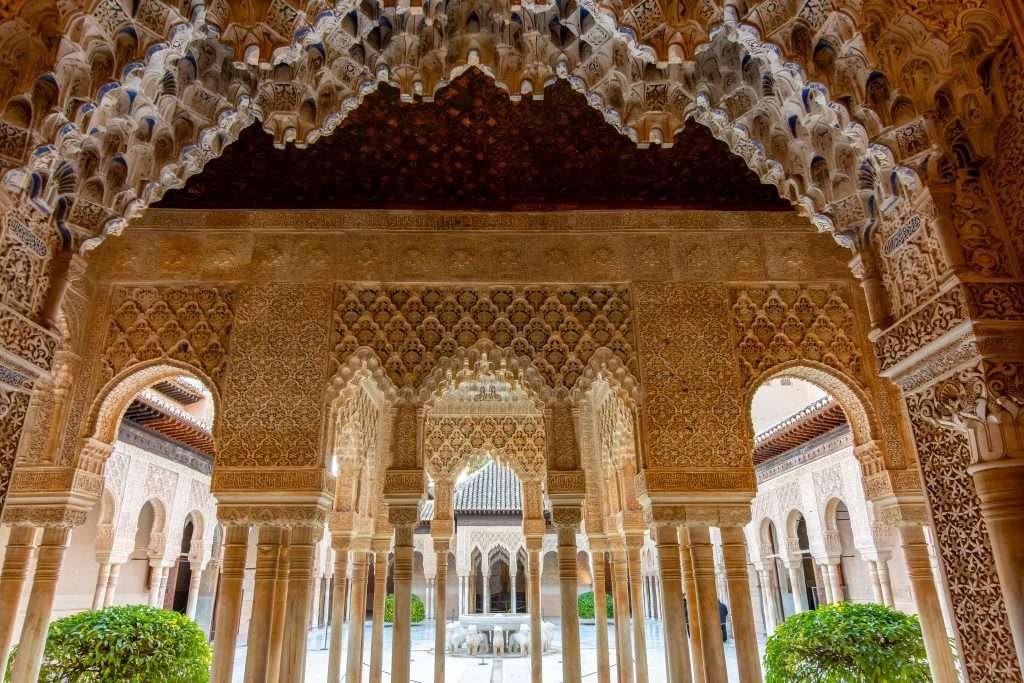
- Nasrid Palaces – the intricate carved stucco, the geometric tile work, and the reflection pools that define the image of the Alhambra. Allow 90 minutes. Your timed entry slot is fixed.
- Alcazaba – the original military fortress with the best views over Granada and the Albaicín. Allow 45 minutes.
- Generalife – the summer palace and terraced gardens above the main complex. Allow 45 minutes.
- Palacio de Carlos V – a Renaissance palace built inside the Alhambra after the Reconquista. Houses the Alhambra Museum (free with site entry).
Budget 5 to 6 hours for the full site. Wear comfortable shoes – the paths are long and uneven in places.

Evening – Albaicín
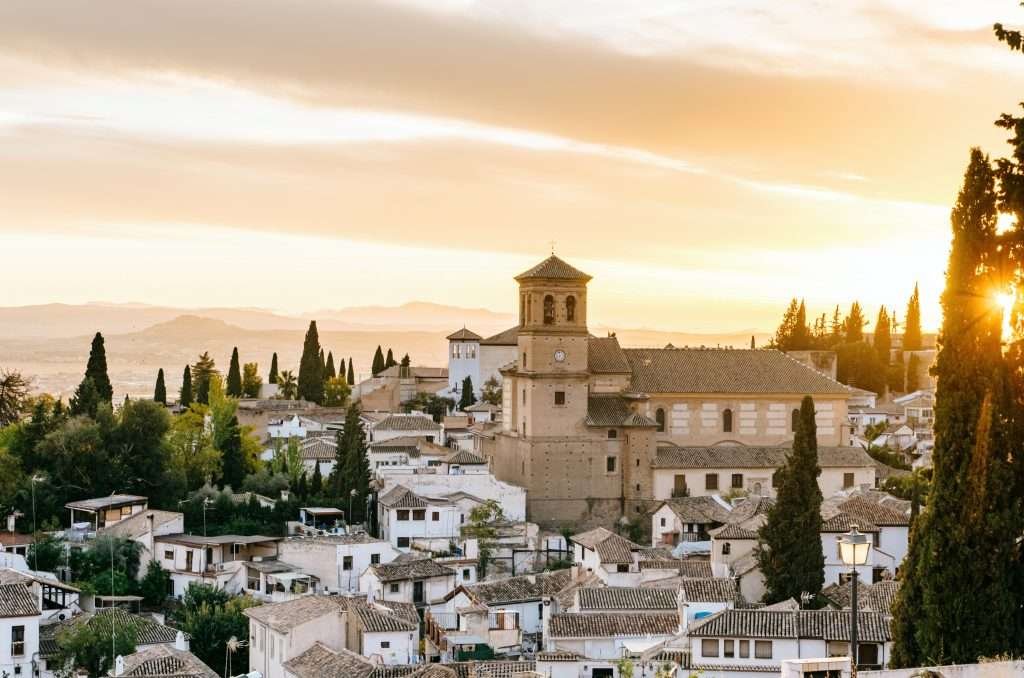
After leaving the Alhambra, walk down through the Albaicín – the former Moorish quarter on the hill facing the Alhambra across the valley. The Mirador de San Nicolás viewpoint gives the most photographed view of the Alhambra at sunset, with the Sierra Nevada as the backdrop. Arrive by 7:00 PM to find a position before the crowd peaks.
The Albaicín streets below the mirador are the best area for dinner in Granada – lower prices than the city center and a more local atmosphere.

Day 5: Albaicín Deep and Sacromonte
Morning – Albaicín on foot
The Albaicín is a UNESCO World Heritage site – a dense network of steep whitewashed streets, hidden cármenes (traditional houses with walled gardens), and small mosques that survived the Reconquista. Allow a full morning to walk it without an agenda. The Plaza Larga is the neighborhood square where locals have coffee – a good reference point when you need to reorient.
Afternoon – Sacromonte
Walk uphill from the Albaicín into the Sacromonte neighborhood. The hillside is hollowed into cave dwellings that have been inhabited since the Romani community settled here in the 15th century. Many caves are now flamenco venues – the zambra style of flamenco performed here is specific to this neighborhood and distinct from the Sevillian style.
The Museo Cuevas del Sacromonte (entry around €5) explains the history of the cave community and the zambra tradition. The view from the upper paths looks directly across to the Alhambra.

Evening – Granada Tapas Culture
Granada has one of the last remaining free tapas traditions in Andalusia: in many bars, a small tapa arrives automatically with every drink ordered. A glass of local wine or beer costs €2 to €3 and the tapa is included. Calle Navas and the streets around Plaza Nueva are the main concentration of these bars. A full evening of drinks and free tapas costs €10 to €15 per person.
Days 6 to 7: Malaga
Take the morning bus or train from Granada to Malaga. Journey time around 1 hour 30 minutes. Malaga is on the coast – after five days of inland heat the temperature drops noticeably and the sea air is the immediate reward.
Day 6: The Alcazaba, Picasso, and the Market
9:00 AM – Alcazaba of Malaga
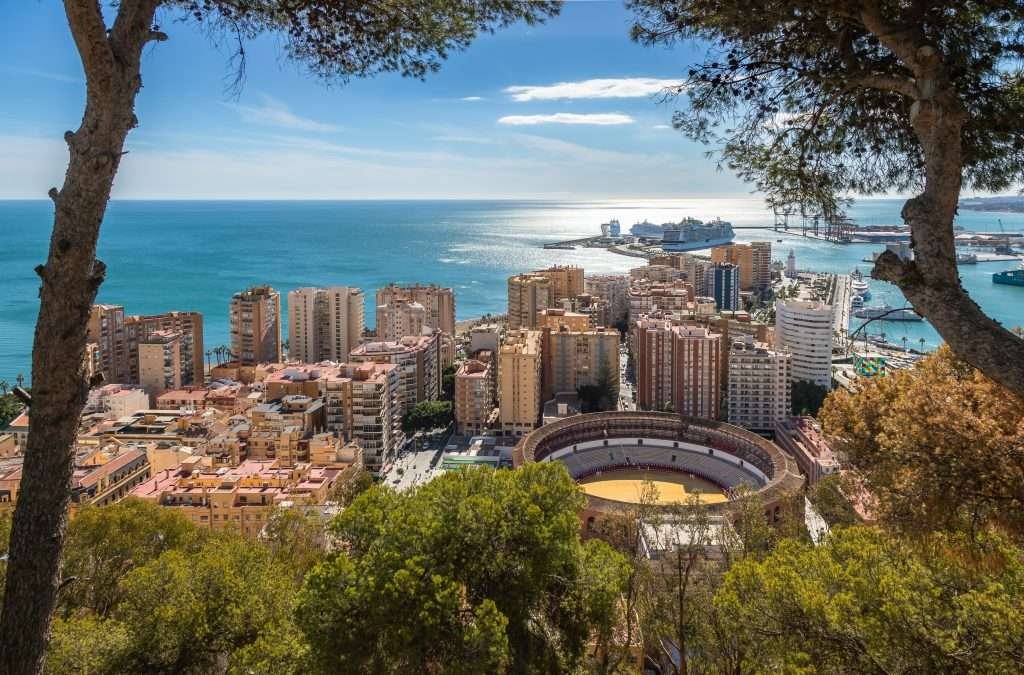
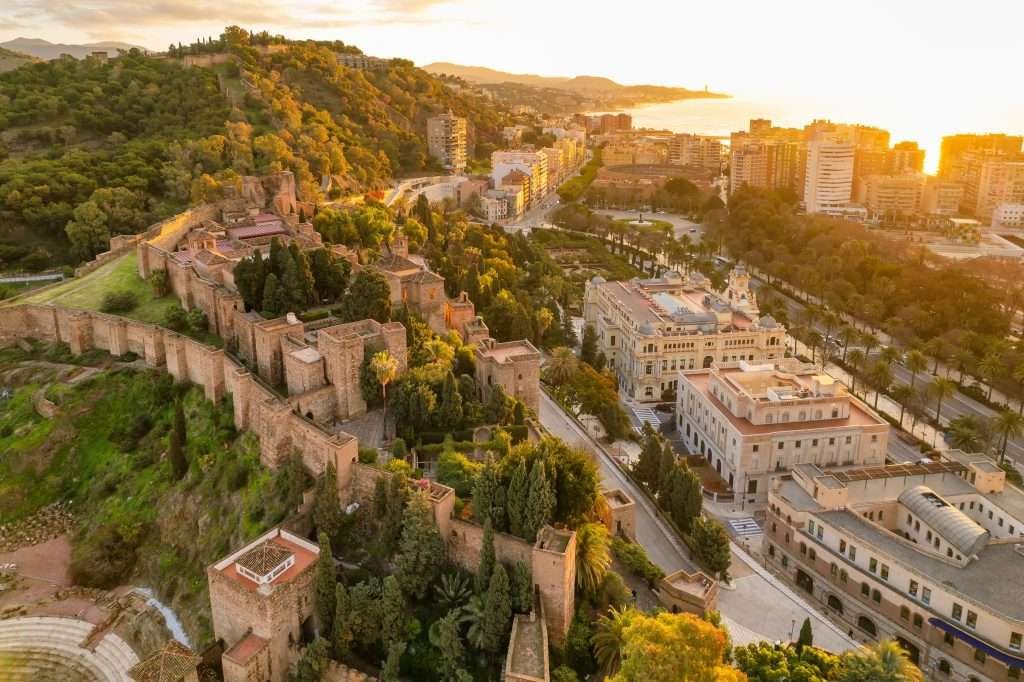
An 11th-century Moorish fortress-palace built into the hill above the port. Entry around €3.50, or free on Sunday afternoons. The climb through the defensive gates and terraced gardens takes about an hour. The view over the port and the Mediterranean from the upper terrace is the best elevated viewpoint in the city.
The Roman Theatre at the base of the Alcazaba hill is free to view from the street – a 1st-century AD structure that was only rediscovered in 1951 when a building was demolished.
Late morning – Picasso Museum Malaga
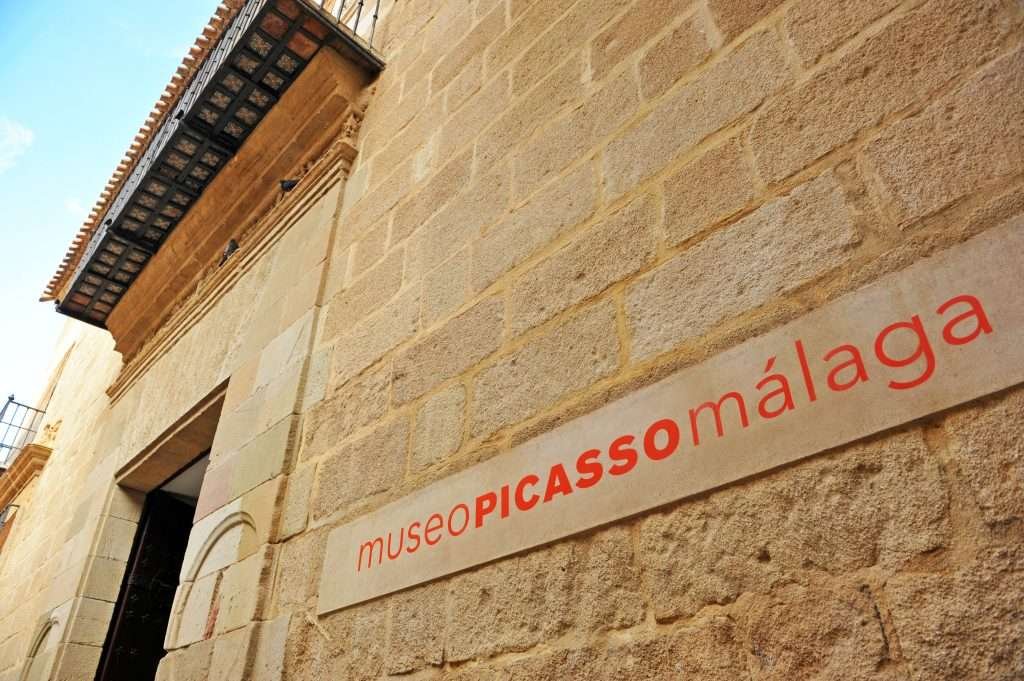
Pablo Picasso was born in Malaga in 1881 (at Plaza de la Merced, 15 – the house is now a small foundation museum). The main Picasso Museum (entry around €12) houses 233 works spanning his full career, donated by his daughter-in-law and grandson. Less visited than comparable Picasso collections in Barcelona or Paris – queue times are manageable even in peak season.
Afternoon – Mercado de Atarazanas
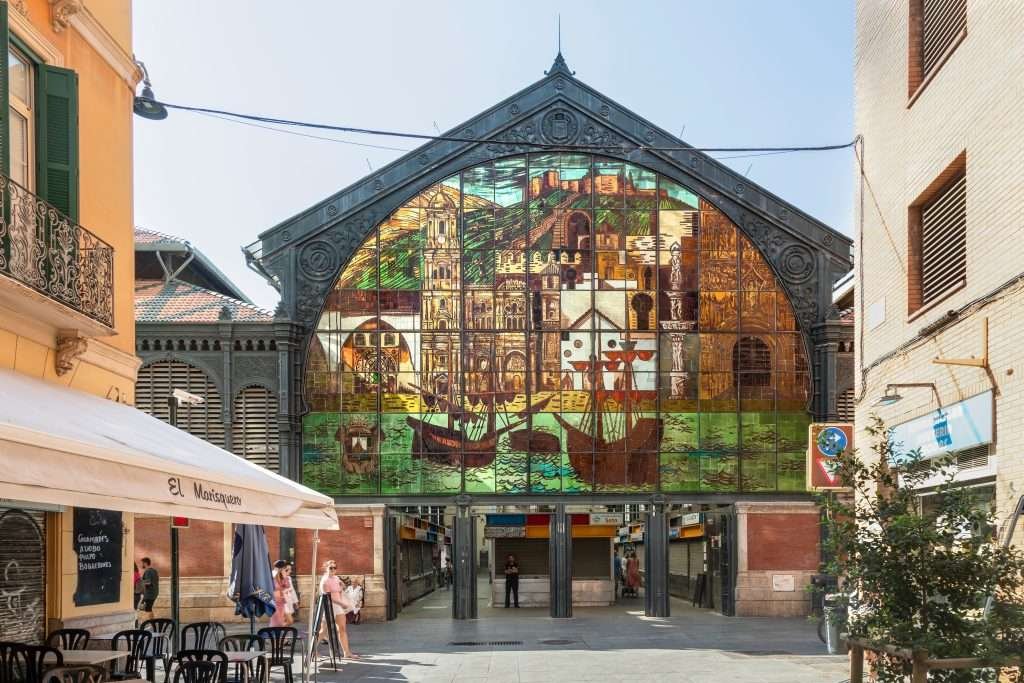
The central market in a 14th-century Nasrid gateway building – the original Moorish arch is the entrance. Fresh produce, local olives, Iberian ham, Malaga wine, and prepared food stalls. Free to enter. Best between 10:00 AM and 2:00 PM before the stalls close. Buy local almonds and dried figs here rather than from tourist shops – the quality is significantly better and the price is lower.
Day 7: Coast and the Final Meal
Morning – Muelle Uno and the Centre Pompidou
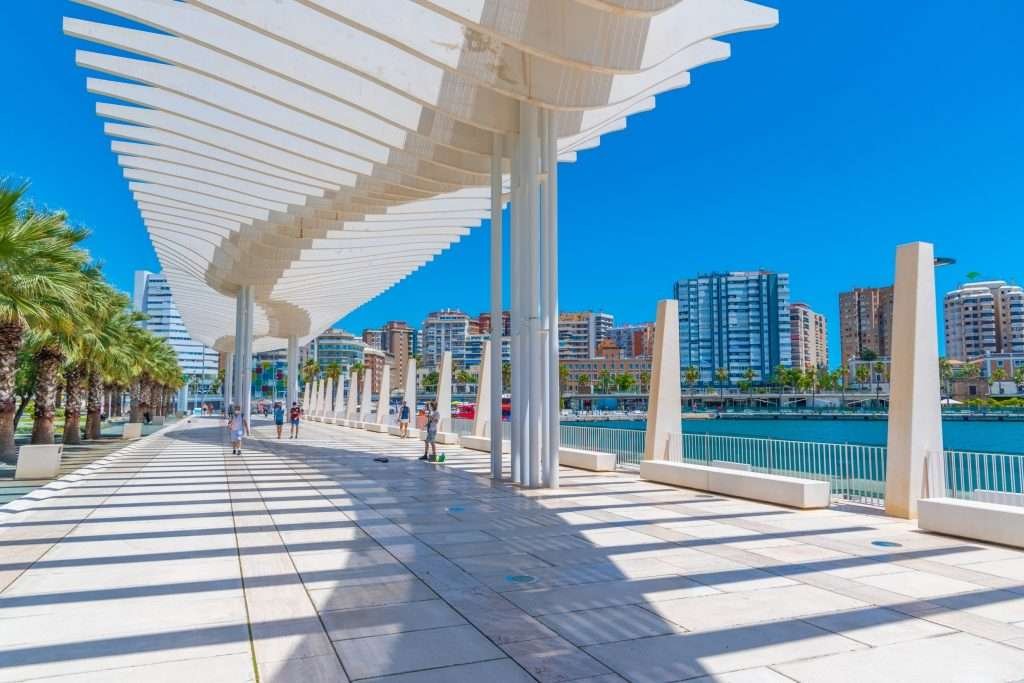
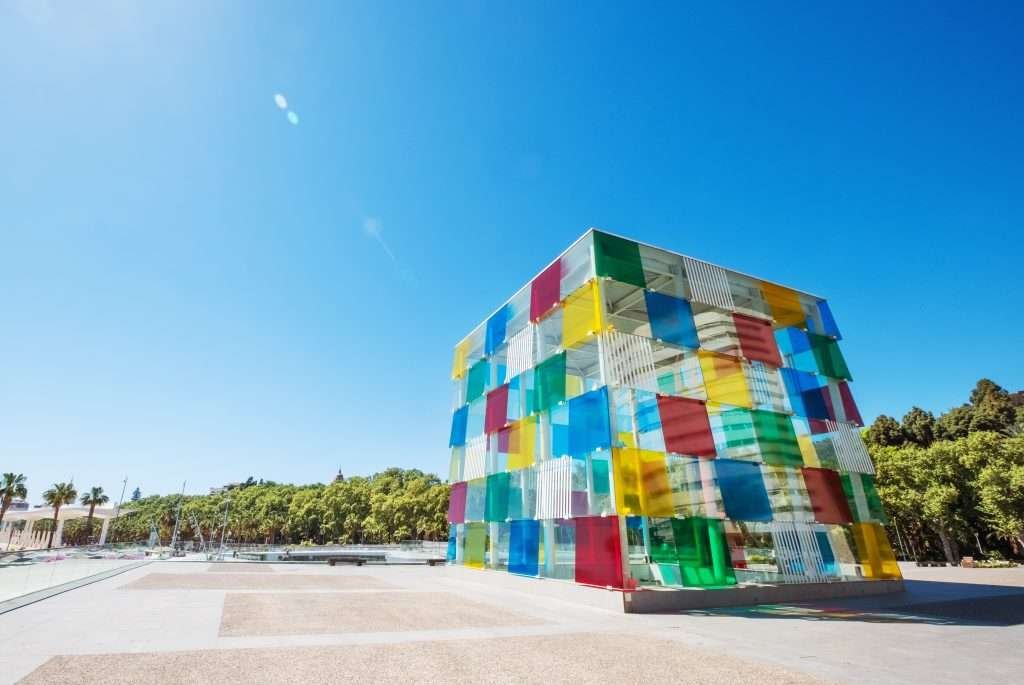
The renovated port area (Muelle Uno) is walkable from the city center and has the best view of the Alcazaba from below. The Centre Pompidou Málaga (entry around €9) is the only Pompidou satellite outside France – a rotating selection from the Paris collection in a purpose-built cube structure on the port. Worth two hours if contemporary art is your interest.
Afternoon – Malagueta Beach


The main city beach is a 15-minute walk east of the port. Urban beach with full facilities – not as dramatic as the Amalfi Coast or as pristine as more remote stretches, but genuinely pleasant for a final afternoon in Andalusia.
Final Dinner – Espetos
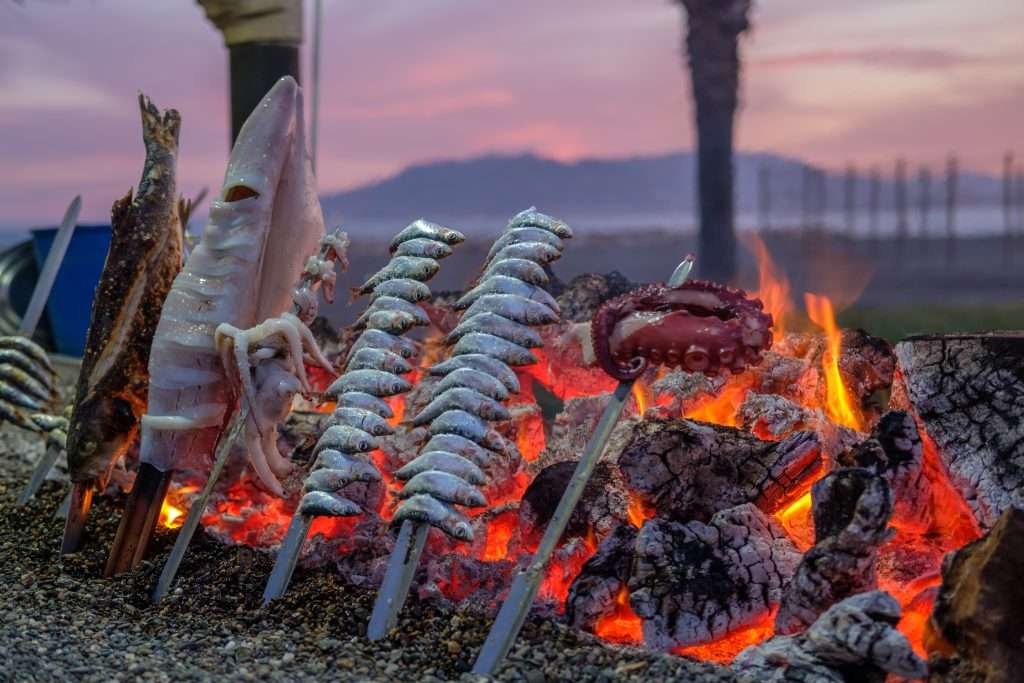
Espetos are the defining dish of the Malaga coast: sardines skewered on bamboo canes and grilled over a wood fire directly on the beach at a chiringuito (beach bar). The best espetos are cooked on the sand in traditional wooden boats converted into fire pits. Order six sardines (€6 to €8), a glass of cold Malaga wine (€3), and eat them looking at the Mediterranean. It is the correct final meal for this itinerary.
Practical Notes
Alhambra booking: The single most important logistical task for this trip. Book at alhambra-patronato.es as soon as your dates are fixed. Nasrid Palace tickets in July and August sell out 8 to 12 weeks ahead. If your preferred date is gone, check for cancellations daily – they appear regularly as travel plans change.
The siesta: Not negotiable in smaller tabernas and local bars. From 2:30 PM to 5:30 PM many places close. Plan around it by eating lunch at 2:00 PM and using the gap for rest or park time.
Water: All three cities have public drinking fountains (fuentes). Carry a reusable bottle. Buying bottled water throughout the day adds €8 to €12 to daily costs unnecessarily.
Tapas pricing: Standing at the bar (la barra) gets the local price. Sitting at a terrace table, especially near major monuments, adds a surcharge that can double the cost of the same food.
Plan Your Trip
- Seville on a Budget
- What to Eat in Seville
- Things to Do in Seville
- Where to Stay in Seville
- 3 Days in Seville
- First Time in Granada
- Granada on a Budget
- What to Eat in Granada
- Where to Stay in Granada
- Best Things to Do in Granada
- 5 Best Day Trips from Granada
- First Time in Malaga
- Things to Do in Malaga
- Malaga on a Budget
- Granada on a Budget
- What to Eat in Malaga
- Where to Stay in Malaga
- 3 Days in Malaga
- 5 Best Day Trips from Malaga
- The Alhambra Survival Guide
How do I get from Seville to Granada to Malaga without a car?
The full loop is straightforward by public transit. Seville to Granada takes around 3 hours by Avant or regional train, costing €25 to €40 booked in advance on renfe.com. Granada to Malaga takes around 1 hour 30 minutes by ALSA bus or train, costing €10 to €20. Malaga back to Seville is 2 hours by high-speed AVE at €25 to €45. Book all legs at least two weeks ahead – advance fares are significantly cheaper than walk-up prices.
How far in advance do you need to book Alhambra tickets?
For July and August, book 8 to 12 weeks ahead. The Nasrid Palaces – the most important section of the site – sell out fastest and have no walk-up option. Book directly at alhambra-patronato.es the moment your travel dates are confirmed. If your preferred date is sold out, check the site daily for cancellations – they appear regularly as travel plans change. Third-party resellers charge a significant premium for the same tickets.
What is the best time of year to visit Andalusia?
March, April, and October. Temperatures are comfortable for walking, accommodation prices are lower than peak season, and the main sites are manageable without extreme crowd pressure. Avoid July and August if possible – temperatures regularly exceed 40°C in Seville and Granada, which forces you to rest during the middle of the day and compresses your sightseeing into early morning and evening hours. Avoid Seville specifically during Semana Santa and Feria de Abril if budget is a priority – accommodation triples and availability disappears weeks in advance.
Is Granada or Seville better for flamenco?
Different styles, both worth seeing. Seville is the origin point of the most widely recognized form of flamenco – see it at a Peña Flamenca rather than a tourist dinner show for around €10 to €15 including a drink. Granada has its own distinct style called zambra, historically performed in the cave dwellings of the Sacromonte neighborhood. The zambra is more intimate and the cave setting is specific to Granada – it is not a worse version of Sevillian flamenco but a genuinely different tradition.
Is 7 days enough for Andalusia?
Seven days covers Seville, Granada, and Malaga with enough time to go beyond the main monuments in each city. It does not cover the day trips – Córdoba, Cádiz, Ronda, and the white villages of the Sierra Nevada all require additional time. If your priority is depth over coverage, three days in Seville and two each in Granada and Malaga is the right structure. If you want to add Córdoba, extend to nine or ten days and insert it between Seville and Granada – the train connection takes under an hour.
7 Days in Andalusia — Seville → Granada → Malaga
Click any pin for timing, prices, and what to book ahead. Route moves east — no backtracking.