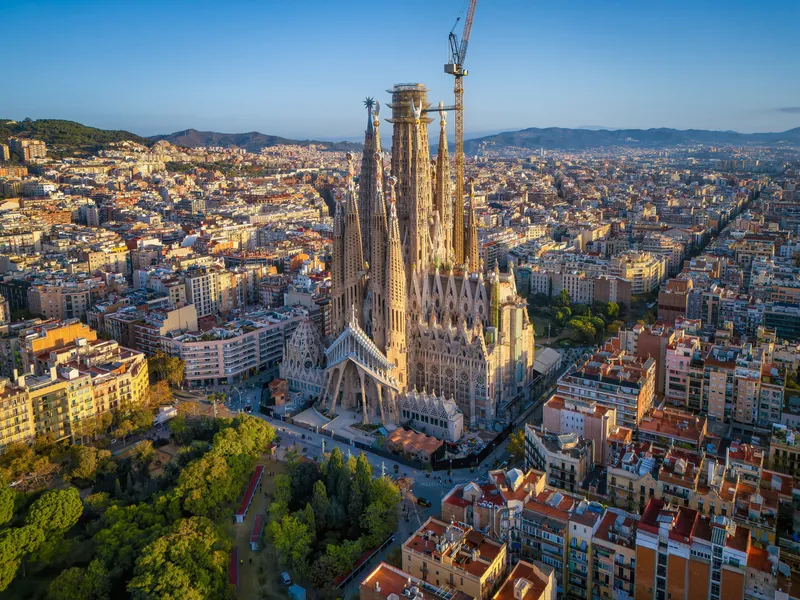
5 days in Barcelona is enough time to cover the Gaudí circuit properly, get past the Gothic Quarter surface, reach the mountains, and still have a day on the coast or in a medieval city. Most visitors rush the same sights in 48 hours and leave having seen the postcards rather than the city. Five days lets you eat lunch at 2:00 PM, walk without an agenda, and understand why people move here rather than just visit.
This itinerary covers three full days in the city followed by two day trips – Montserrat inland and a choice between Girona or Sitges on the final day. It is structured to front-load the bookable attractions and leave the later days more flexible.
What needs booking before you arrive: Sagrada Família timed entry and Park Güell Monumental Zone tickets both sell out weeks ahead in summer. Book these before anything else. Casa Batlló if you are going inside. Everything else is walk-in.
Transit: Buy a T-Casual card (10 trips, around €12, covers Metro, bus, and tram) on arrival at any Metro station. Separate tickets for the day trips. Taxis are expensive and unnecessary for anything within the city.
If you are working out the basics first, First Time in Barcelona covers airport connections, neighborhoods, and the practical setup before the itinerary begins.
Day 1: The Gaudí Circuit
9:00 AM – Park Güell

Start at the top and work downhill. Take the Metro to Vallcarca or Lesseps and walk up – or take Bus 24 from Plaça de Catalunya directly to the gate, which is the better option in summer heat.
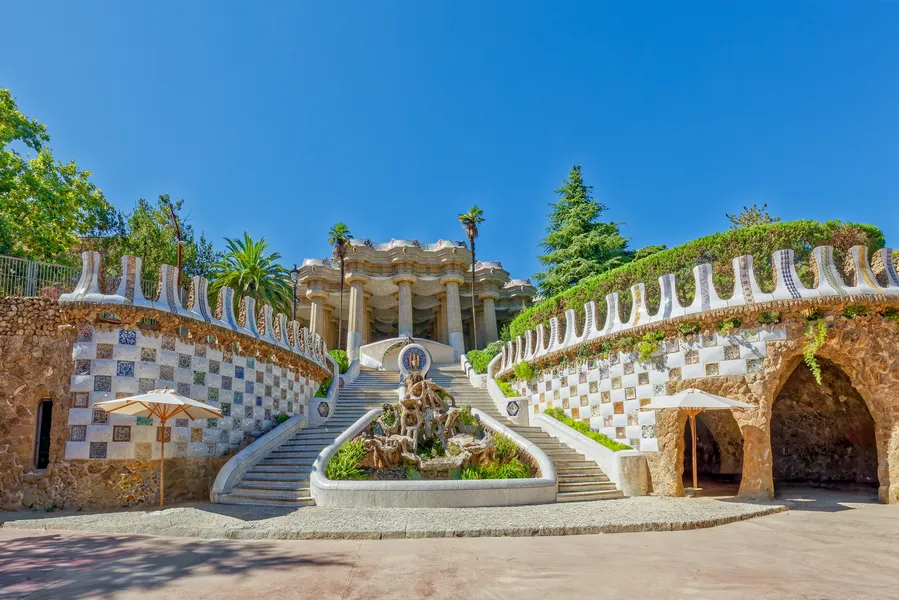
The Monumental Zone (the ticketed section with the mosaic terrace, the dragon staircase, and the Hypostyle Room) requires a pre-booked timed entry – around €10, sells out weeks ahead in July and August. The rest of the park is free public green space and worth walking through regardless.
The tiled terrace with its S-curve bench is the main visual. The view over the city from here is the best elevated free viewpoint in Barcelona. Allow 60 to 90 minutes in the Monumental Zone, then walk the free upper sections if you have energy.
Practical note: The uphill approach from the Metro is steep and hot in summer. In July and August, be here at opening time (8:00 AM for the first slot) before the temperature peaks.
12:30 PM – Lunch in Gràcia
Walk downhill from Park Güell into the Gràcia neighborhood – the journey takes about 20 minutes on foot and deposits you in the most genuinely local large neighborhood in the city. The streets around Plaça de la Vila de Gràcia and Carrer de Verdi have restaurants priced for residents rather than tourists.
Order the menú del día – two courses with bread and a drink for €12 to €16. This is standard at most local restaurants between 1:00 PM and 3:30 PM and is the best value eating format in Spain.
3:30 PM – Sagrada Família
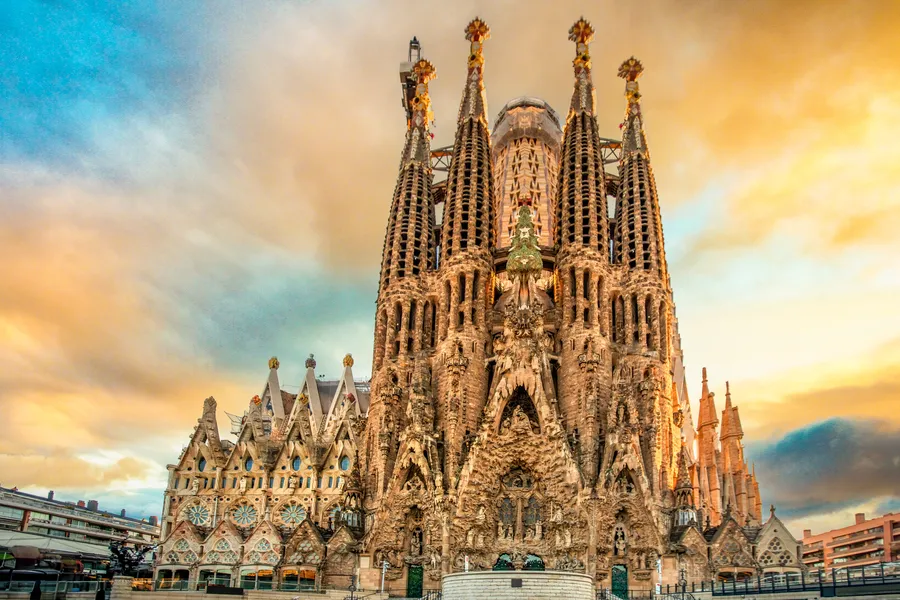
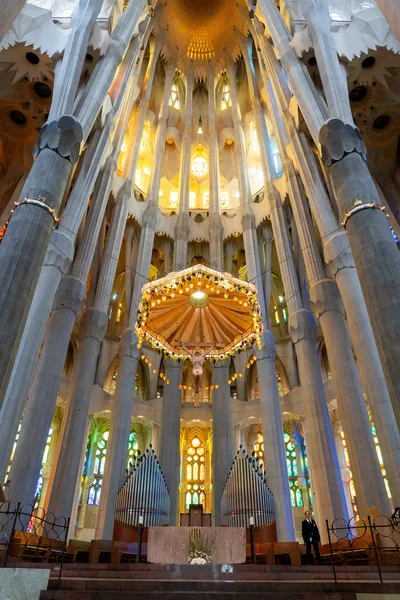
Take the Metro from Gràcia (Fontana station, L3) two stops to Sagrada Família. The late afternoon is the correct time to visit – the western stained glass (the Nativity facade side) catches the afternoon light and creates a color display across the floor of the nave that changes minute by minute.
Basic entry: around €26. Tower access (Nativity or Passion tower): around €36. Book the specific timed entry well in advance – the ticket includes the tower lift if you paid for it.
Allow 90 minutes to two hours inside. The exterior Nativity facade (the older, more intricate one facing east) and the interior forest of branching columns are the two things that most photographs fail to convey at actual scale. The building is still under construction – the completion date is projected for 2026, which means the final towers may be visible for the first time during your visit.

7:00 PM – Passeig de Gràcia at Dusk
Walk or take the Metro to Passeig de Gràcia for the evening. The boulevard has three major Gaudí and Modernista buildings within 200 meters of each other – Casa Batlló, Casa Milà (La Pedrera), and Casa Amatller. The exteriors are free to look at and are best in the evening light.
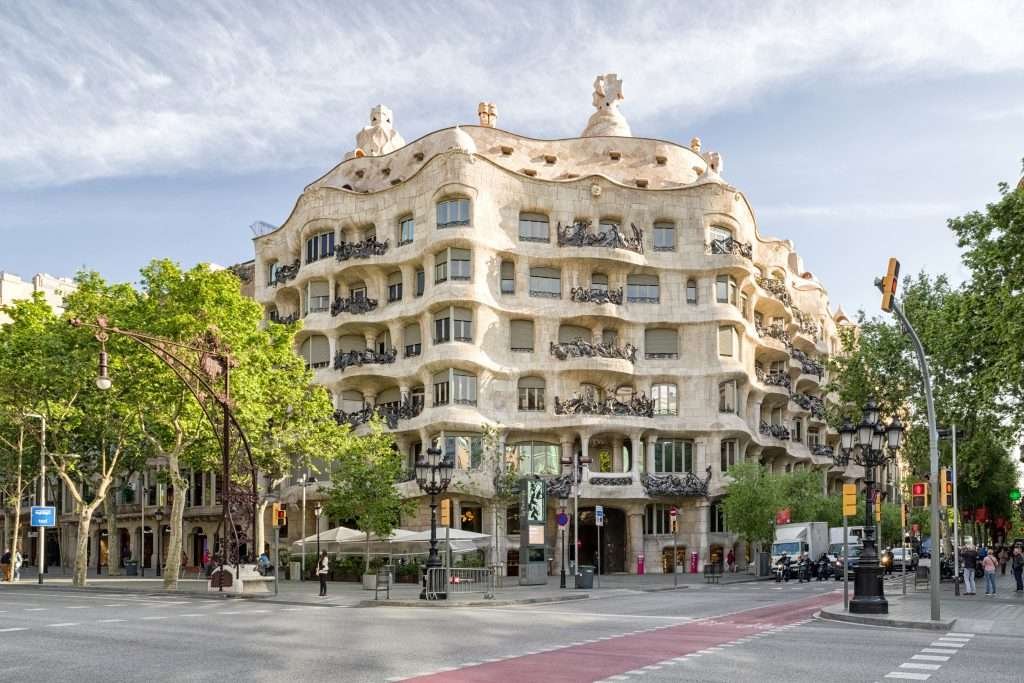

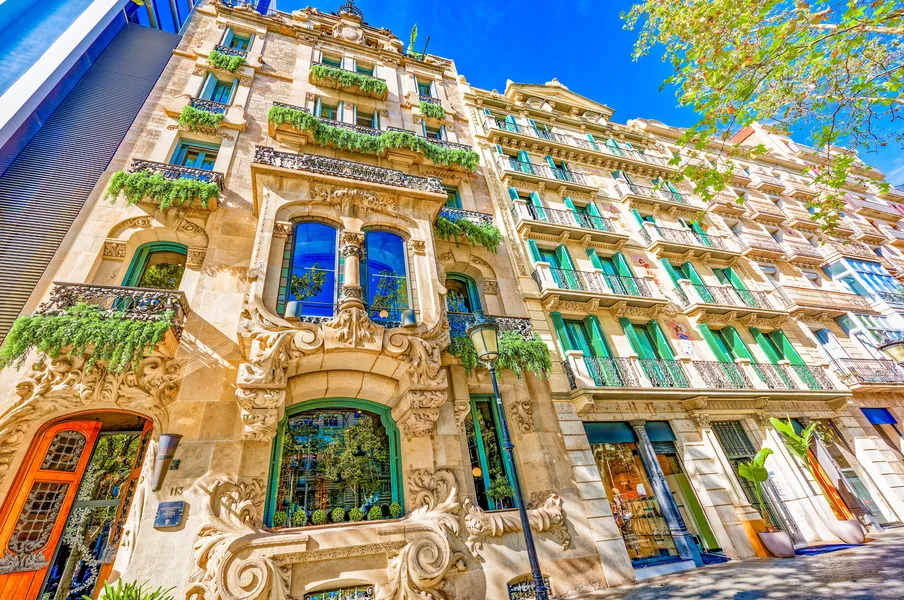
If you want to go inside Casa Batlló (entry around €35, includes augmented reality experience) or La Pedrera (entry around €25, rooftop access included), book in advance. Both offer evening and night visits that are less crowded than daytime.
Dinner: The Eixample neighborhood surrounding Passeig de Gràcia has the widest range of mid-range restaurants in Barcelona. Look for restaurants one or two blocks off the main boulevard – the side streets of the Eixample grid are where the local-facing places are.
Day 2: The Old City
9:00 AM – Gothic Quarter
Start early before the tour groups arrive from their hotels. The Gothic Quarter is most navigable before 10:00 AM when the narrow streets are still cool and relatively clear.
The Cathedral of Barcelona (free entry in the morning before 12:30 PM, €7 after) is worth 30 minutes inside. The Gothic cloister behind the main altar contains 13 white geese – a tradition dating to the 4th century when geese were kept as sacred animals. Most visitors miss it entirely.

Hidden detail: In the Plaça de Sant Felip Neri, bullet holes from Civil War-era executions are still visible in the church facade walls. Two minutes from the main tourist flow and almost nobody stops to look.
The Temple d’August (Carrer del Paradís, 10) – free entry – preserves four intact Roman columns from the 1st century BC inside a medieval courtyard. The columns are 9 meters tall and were part of the temple dedicated to Emperor Augustus. You find them by walking through an unmarked door in the Gothic Quarter. Worth 15 minutes.
11:30 AM – El Born
Walk east from the Gothic Quarter into El Born – the neighborhood that runs from the Cathedral to the Ciutadella park. More local than the Gothic Quarter, better restaurants, and the Mercat de Santa Caterina rather than the Boqueria for food shopping.

Santa Maria del Mar church (free entry, donation appreciated) is a 14th-century Gothic church built by the merchants and workers of the Ribera neighborhood – the story of its construction, funded entirely by the local community and completed in 54 years, is on the walls. Architecturally it is cleaner and more purely Gothic than the Cathedral.

Mercat de Santa Caterina (Avinguda de Francesc Cambó, 16) – open weekday mornings – is the working alternative to the Boqueria. The mosaic roof by Enric Miralles is the architectural statement; the interior is a functioning market with local produce and prepared food stalls aimed at people who live in the neighborhood.
1:30 PM – Picasso Museum
Museu Picasso (Carrer de Montcada, 15-23) houses the most important collection of Picasso’s early work anywhere – specifically his formative Barcelona years before Paris. Entry around €14, book timed entry online. Allow 90 minutes.

The collection covers 1890 to 1917 – the period when Picasso was developing the foundations of what became Cubism. The series of 58 paintings reworking Velázquez’s Las Meninas on the top floor is the centerpiece.
4:00 PM – Barceloneta and the Port
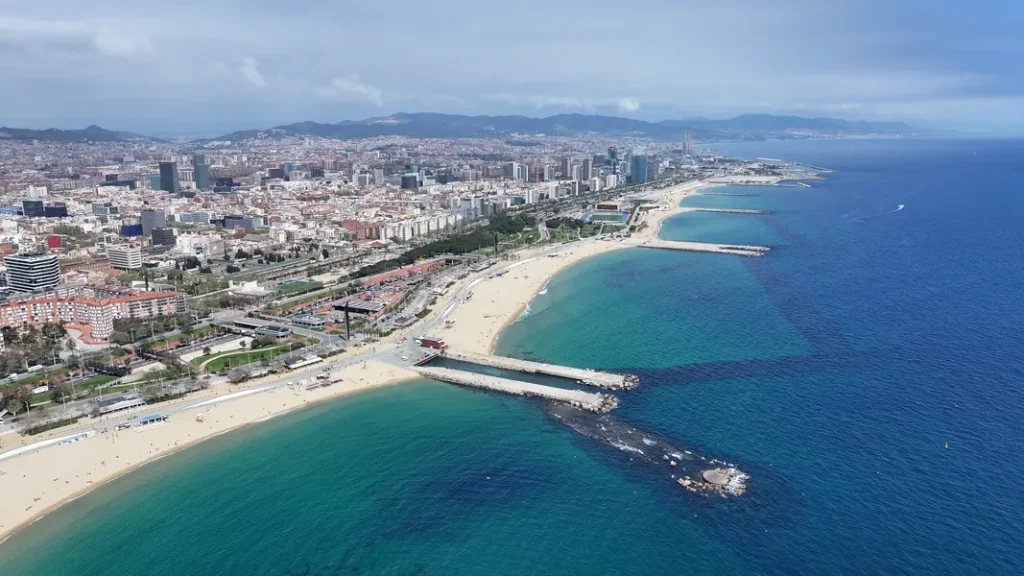
Walk south from El Born to the waterfront. Barceloneta beach is the main city beach – crowded in summer, functional, with full facilities. For more space, walk 15 minutes north along the coastal path to Platja de Bogatell or Platja de la Nova Mar Bella – wider, quieter, and with better playgrounds if relevant.


Evening tapas circuit: El Born has the best concentration of pintxos bars in Barcelona. El Xampanyet (Carrer de Montcada, 22) and Bar del Pla (Carrer de la Montcada, 2) are the reliable addresses. Order three or four pintxos (small bread-topped bites, €1.50 to €2.50 each) and a glass of cava per stop, move to the next bar after 30 minutes.
Day 3: Montjuïc and the Sea
9:30 AM – Montjuïc
Take the Metro to Paral·lel (L2/L3) and then the Montjuïc Funicular (covered by your T-Casual card) up to the hill. From the funicular station, the cable car continues to Montjuïc Castle – entry around €9, views over the port and the full city coastline.
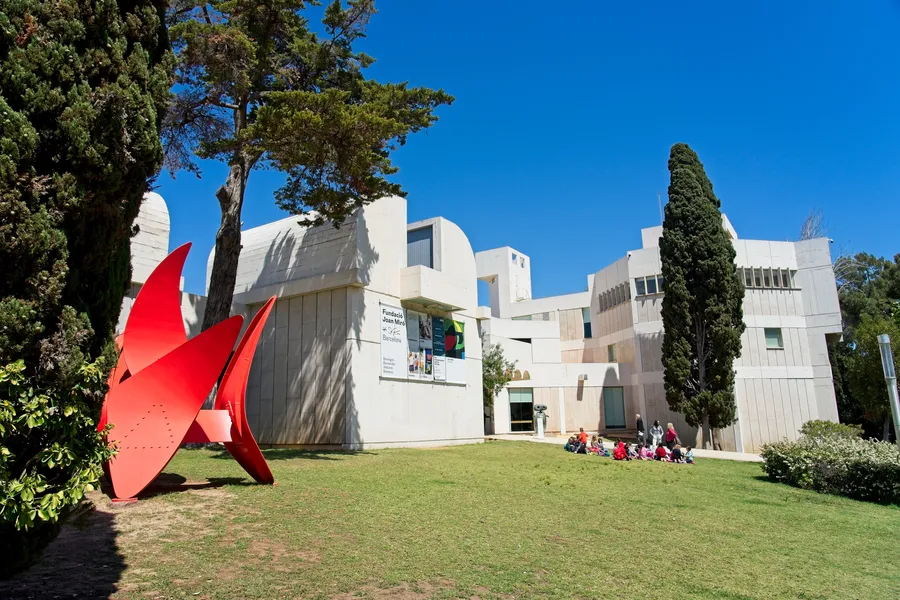
Fundació Joan Miró (entry around €14) is on the Montjuïc hillside and houses the most comprehensive Miró collection in the world – colorful, abstract, and far more accessible than most modern art. Allow 90 minutes.
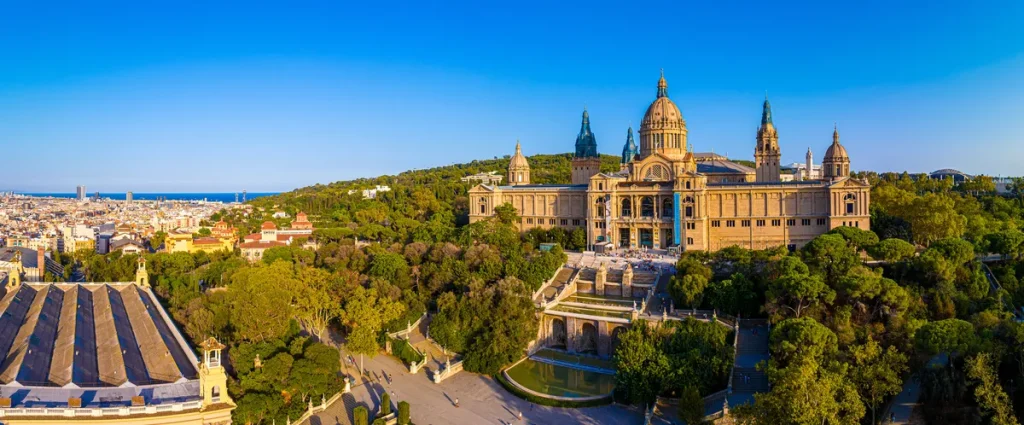
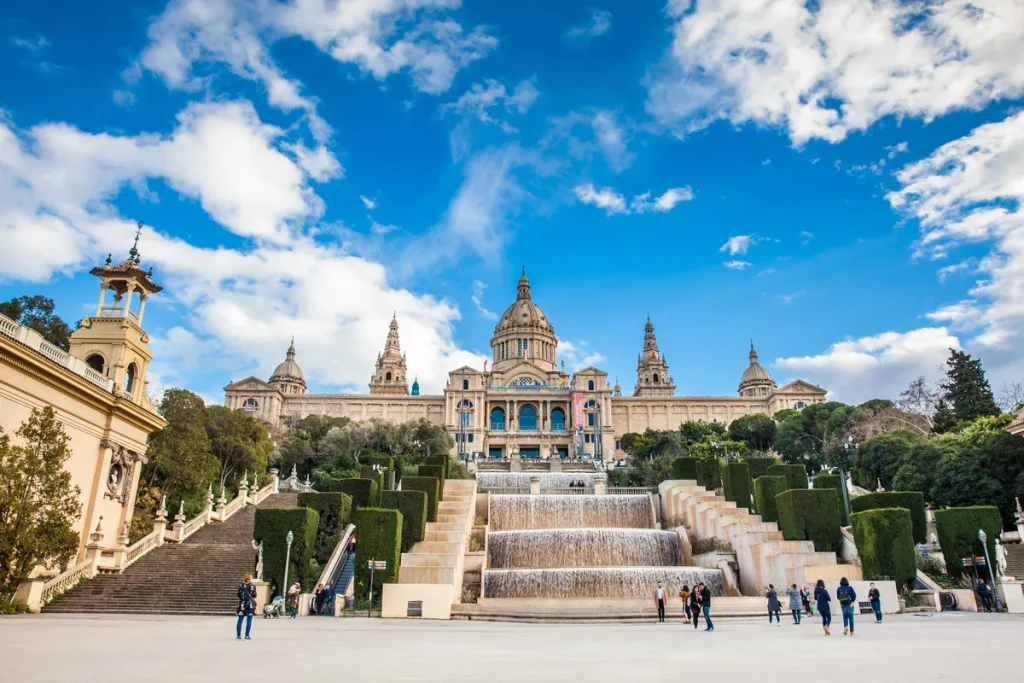
The MNAC () steps give the best photo of Barcelona from the front – the city laid out below the neoclassical building from the 1929 exposition. The museum itself (entry around €12, free first Sunday of the month) has the best Romanesque art collection in the world – genuinely undervisited.
2:00 PM – Lunch in Poble Sec
The neighborhood immediately below Montjuïc is Poble Sec – local, increasingly good for restaurants, and without the tourist density of the Gothic Quarter. Carrer de Blai is the main pintxos street – stalls selling small bites from €1 each, best between 1:00 PM and 3:00 PM when the food is freshest.
4:00 PM – Barceloneta Sunset
Take the Metro or walk down to the waterfront for late afternoon. The Barceloneta promenade at 6:00 PM to 7:00 PM – after the beach crowds thin and before the evening dinner rush – is the best time to be on the seafront. Buy a cold beer from a beach kiosk (€3 to €4) and walk the coastal path.
For budget eating in Barcelona and how to avoid the tourist pricing around the waterfront, see Barcelona on a Budget.
Day 4: Montserrat
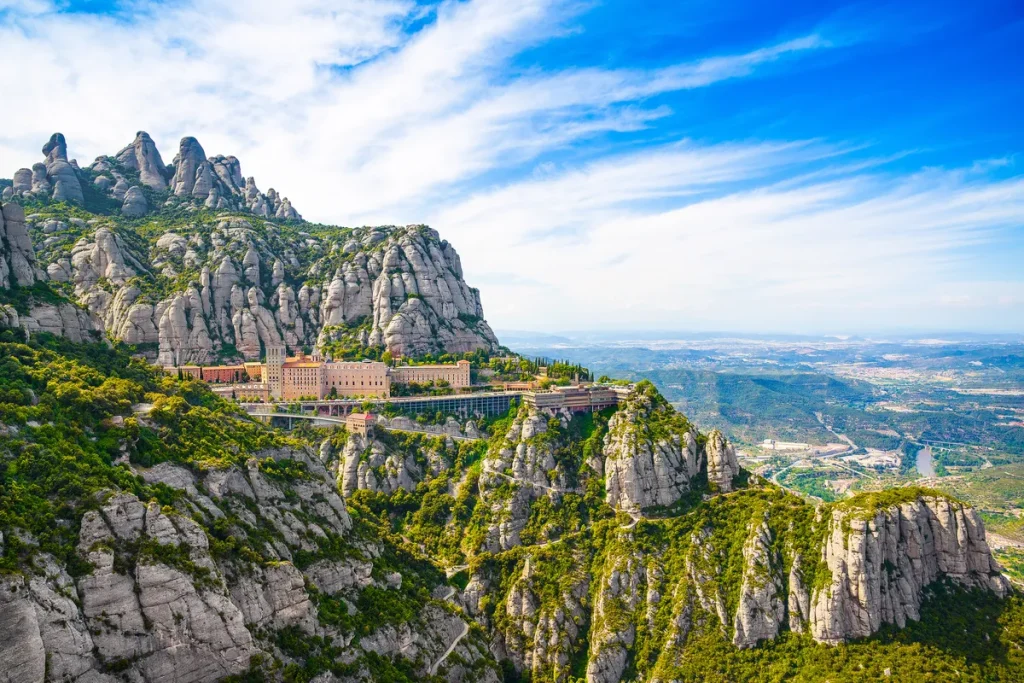
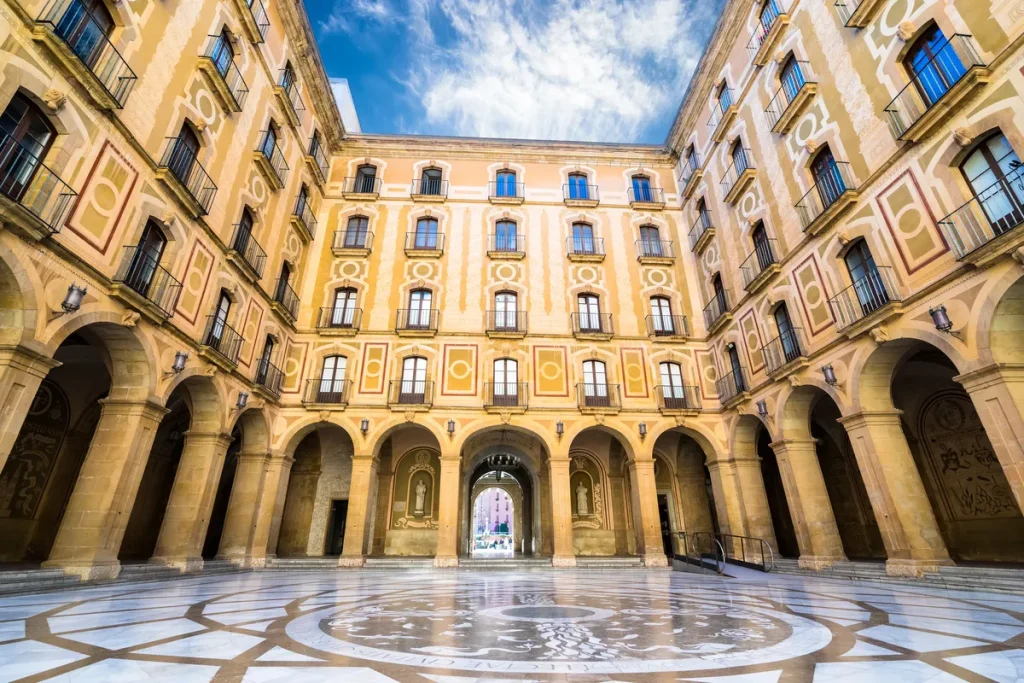
Montserrat is 50 kilometers northwest of Barcelona and is the correct answer to “what do I do with a spare day.” The mountain is a geological anomaly – rounded rock formations rising to 1,236 meters out of a flat valley – with a Benedictine monastery built into the cliff face at 720 meters. It has been a pilgrimage site since the 9th century.
Getting There
From Plaça Espanya station, take the R5 train (Manresa direction) to Monistrol de Montserrat, then change to the rack railway (Cremallera) up the mountain. The Trans Montserrat ticket covers the train, rack railway, and both mountain funiculars – around €42 from Barcelona. Buy at the Plaça Espanya ticket machines.
Departure: leave Barcelona by 8:30 AM to reach the monastery before the tour buses from Barcelona arrive around 10:30 AM.
At the Mountain
The Basilica: The main church houses La Moreneta (the Black Madonna) – the patron saint of Catalonia. The statue is 12th century. The queue to touch it moves steadily – allow 20 to 30 minutes.
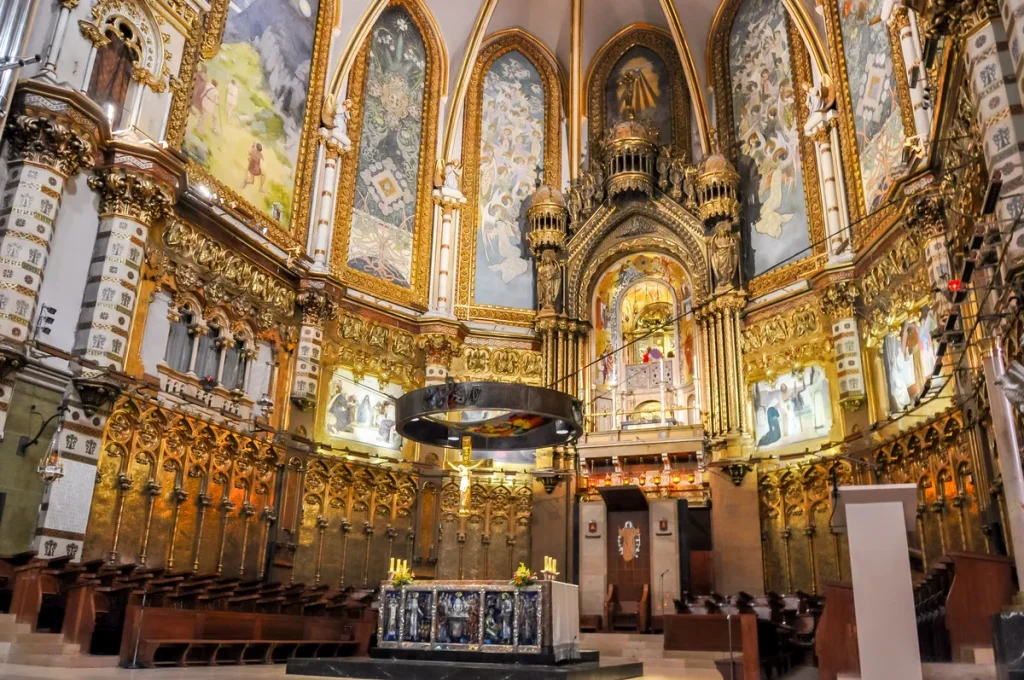
Escolania boys’ choir: One of the oldest boys’ choirs in Europe, performing at 1:00 PM on weekdays (not Saturdays) in the Basilica. If your timing allows, stay for it – the acoustics and the age of the tradition are both striking.
Sant Joan Funicular: Takes you 250 meters higher above the monastery to the upper mountain. From the top, hiking trails lead across the ridgeline with views of the Pyrenees on clear days. The descent back to the monastery on foot takes around 45 minutes and is the best way to see the rock formations up close.
Lunch: The monastery cafeteria is overpriced for mediocre food. Bring a packed lunch from Barcelona – bread, cheese, and fruit from any supermarket the morning before you leave. Eat on the mountain with the valley below you.
Return
Last rack railway down is around 8:45 PM. A comfortable return has you back in Barcelona by 7:00 PM, leaving time for dinner in the city.
Day 5: Girona or Sitges
Option A: Girona
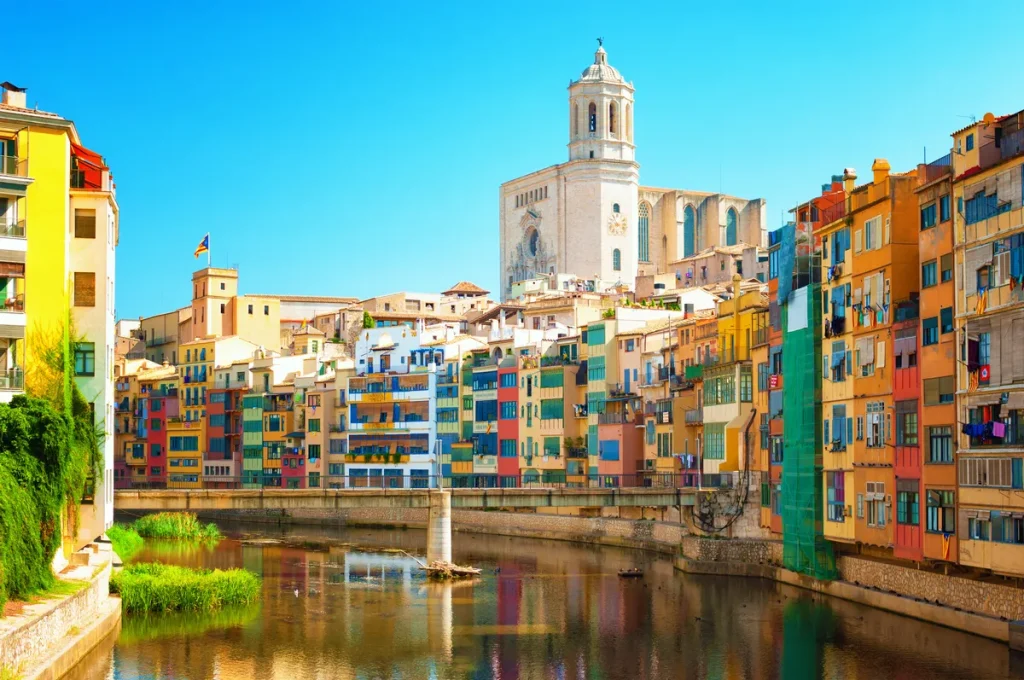
Girona is 100 kilometers north of Barcelona – 38 minutes by Avant or AVE high-speed train from Barcelona Sants. Advance ticket on renfe.com: around €10 to €20 each way depending on timing.
The city has a compact medieval center built on the Onyar river, with the distinctive colored houses visible from the bridges. The Jewish Quarter (El Call) is one of the best-preserved medieval Jewish districts in Europe – inhabited from the 9th century until the expulsion of 1492, with original buildings and the Museum of Jewish History (entry around €4).
The Cathedral (entry around €7) has the widest Gothic nave in the world – 22.98 meters, wider than Notre-Dame in Paris. The adjacent Arab Baths (entry around €3) are a 12th-century Romanesque bathhouse in near-perfect condition.
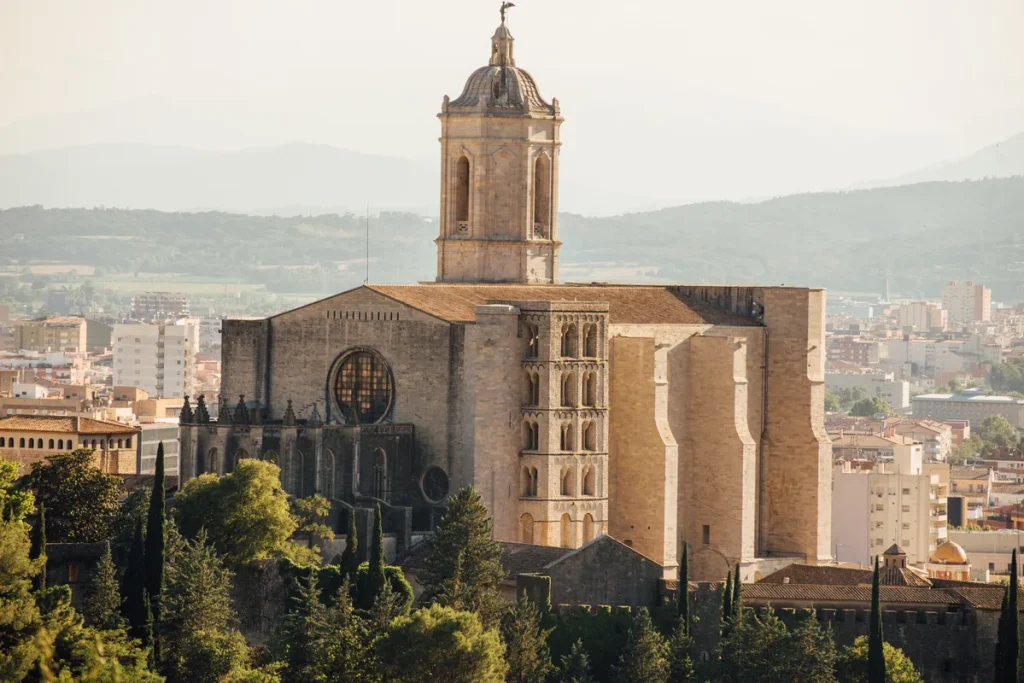
Walk the Passeig de la Muralla – the medieval city walls with a walkway along the top offering views over the rooftops. Free, takes 30 minutes.
Rocambolesc (Carrer de Santa Clara, 50) is an ice cream shop run by the Roca brothers (El Celler de Can Roca, consistently among the world’s top restaurants). The ice creams are around €4 to €6 and worth the detour.
Option B: Sitges
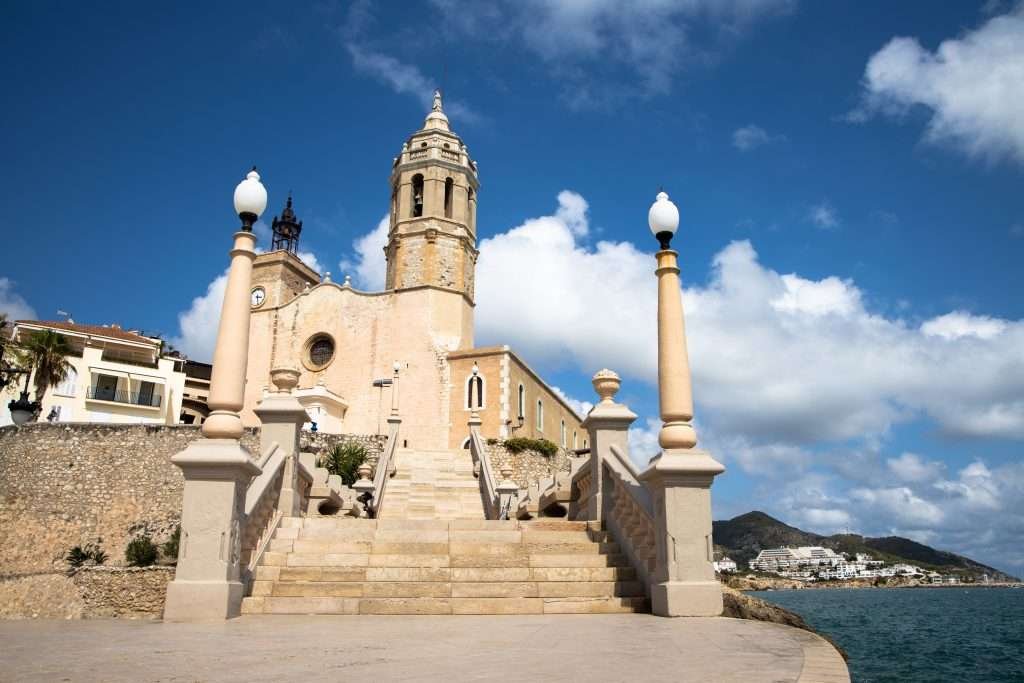
35 minutes south of Barcelona on the R2 Sud train from Passeig de Gràcia or Barcelona Sants. Cost: around €4.60 each way with a standard zone ticket.
Sitges is a coastal town on a rocky headland – whitewashed old town, 17 beaches, and three museums on the seafront headland (combined ticket around €10). The Cau Ferrat museum is the strongest – a former studio of the painter Santiago Rusiñol containing El Greco paintings, Picasso works, and the building itself, which is half the point.
For the beach, walk 15 minutes south of the town center to Platja de Bogatell – quieter than the main Ribera beach and with more space. The seafront restaurants in Sitges are tourist-priced near the center – walk one block inland for the menú del día at local prices.
Full logistics for Sitges including museum details, restaurant recommendations, and timing are in the Day Trip to Sitges from Barcelona guide.
Practical Notes
Best time to visit: April to June and September to October. July and August bring 35°C heat and maximum tourist density – the Sagrada Família queue and the Park Güell approach become genuinely unpleasant by mid-morning. October is the strongest month – warm enough for the beaches and coast, cool enough for comfortable walking.
Dining schedule: Barcelona runs on the Spanish clock. Lunch at 2:00 PM, dinner at 9:00 PM. Restaurants not aimed at tourists do not open for dinner before 8:30 PM. Use the 5:00 PM to 8:00 PM gap for the beach, walking, or a vermut (vermouth) at a bar – a specifically Catalan pre-meal tradition, €3 to €4 a glass with olives.
Mobile coverage: The Metro has patchy signal in deeper stations. Download offline maps for the Gothic Quarter before arrival – GPS works above ground but the narrow streets make routing unreliable.
Plan Your Trip
- First Time in Barcelona
- One Day in Barcelona
- 3 Days in Barcelona
- 5 Days in Barcelona
- Barcelona on a Budget
- Foodie’s Guide Barcelona
- Where to Stay in Barcelona
- Barcelona with Kids
- Day Trip to Sitges from Barcelona
- Barcelona vs Madrid
- 25 Best Things to Do in Barcelona
- 25 Best Things to Do in Sitges
- Day Trip to Tarragona from Barcelona
How many days do you need in Barcelona?
Three days covers the essential Gaudí circuit, the Gothic Quarter, and El Born without rushing. Five days is the comfortable version – it adds Montjuïc, a full day at Montserrat, and a day trip to Girona or Sitges without the time pressure that makes three-day visits feel like a checklist. Two days is possible but forces you to choose between Park Güell and the Sagrada Família on the same day, which is a long and expensive afternoon. If you have only two days, see the One Day in Barcelona guide for how to prioritize.
What needs to be booked in advance for Barcelona?
Three things require advance booking and will cause genuine problems if you skip it. Sagrada Família timed entry sells out weeks ahead in July and August – book directly at the official website as soon as your dates are confirmed. Park Güell Monumental Zone tickets (the ticketed section with the mosaic terrace) sell out similarly fast in peak season. Casa Batlló if you are going inside rather than just looking at the exterior. Everything else in this itinerary – the Picasso Museum, Fundació Joan Miró, MNAC, Montjuïc Castle – is either walk-in or bookable within a few days of your visit.
Is Montserrat worth visiting from Barcelona?
Yes, and it is the strongest day trip from the city. The mountain is a geological anomaly – rounded rock formations rising to 1,236 meters out of flat valley – with a Benedictine monastery built into the cliff face that has been a pilgrimage site since the 9th century. The Trans Montserrat ticket (around €42) covers the train from Plaça Espanya, the rack railway up, and both mountain funiculars. Leave Barcelona by 8:30 AM to arrive before the tour buses. Bring a packed lunch – the monastery cafeteria is overpriced for poor quality food.
Is Girona or Sitges a better day trip from Barcelona?
Different trips entirely. Girona is the stronger cultural day – a compact medieval city 38 minutes by high-speed train with the widest Gothic nave in the world, one of the best-preserved Jewish quarters in Europe, and medieval walls you can walk along the top of. Sitges is the beach and museum option – 35 minutes by regional train, 17 beaches, and the Cau Ferrat museum on the seafront headland. If you have already spent three days walking historic streets in Barcelona, Sitges is the better decompression. If you want more medieval depth, Girona wins easily.
What is the best time of year to visit Barcelona for 5 days?
April to June or September to October. The weather is warm enough for the beaches and day trips, the Sagrada Família and Park Güell are busy but manageable, and accommodation prices are lower than July and August. October specifically is the strongest month – the light is good, the temperature is comfortable for full days of walking, and the summer crowds are gone. July and August bring 35°C heat and maximum tourist density – the Park Güell uphill approach and the Sagrada Família queue become genuinely unpleasant by mid-morning, and you lose two to three hours of the day to avoiding the heat.
5 Days in Barcelona — Itinerary Map
Front-loads the bookable sights, leaves Days 4-5 flexible. Click any pin for timing, cost, and what not to miss.