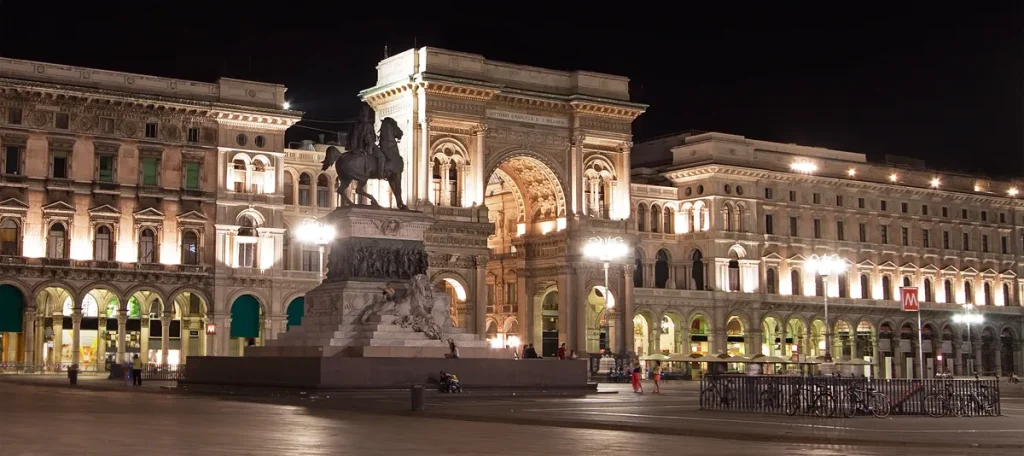
3 Days in Milan is enough time to crack the city open, but not without a plan. Milan does not present itself the way Rome or Florence does – there is no single square where everything is obvious. It is a city of granite facades that open into private courtyards, neighborhoods that shift character every ten minutes, and a food culture built on butter and saffron rather than tomato and olive oil.
Three days is enough to cover the major sites, eat properly, and get a working sense of the city’s geography. This itinerary is structured to minimize backtracking and front-load the bookable attractions on day one and two.
Before you arrive: the Last Supper requires tickets booked months in advance and the Duomo roof sells out days ahead in peak season. If neither is booked, adjust the itinerary accordingly. Everything else is walk-in.
For arrival logistics, airport connections, and neighborhood options, see First Time in Milan. Still deciding between northern style and ancient history? Read this Milan vs Rome comparison before you lock in your itinerary. Hotel location matters a lot here, so use this guide on where to stay in Milan before you finalize your base.
Before You Arrive: Two Things to Book
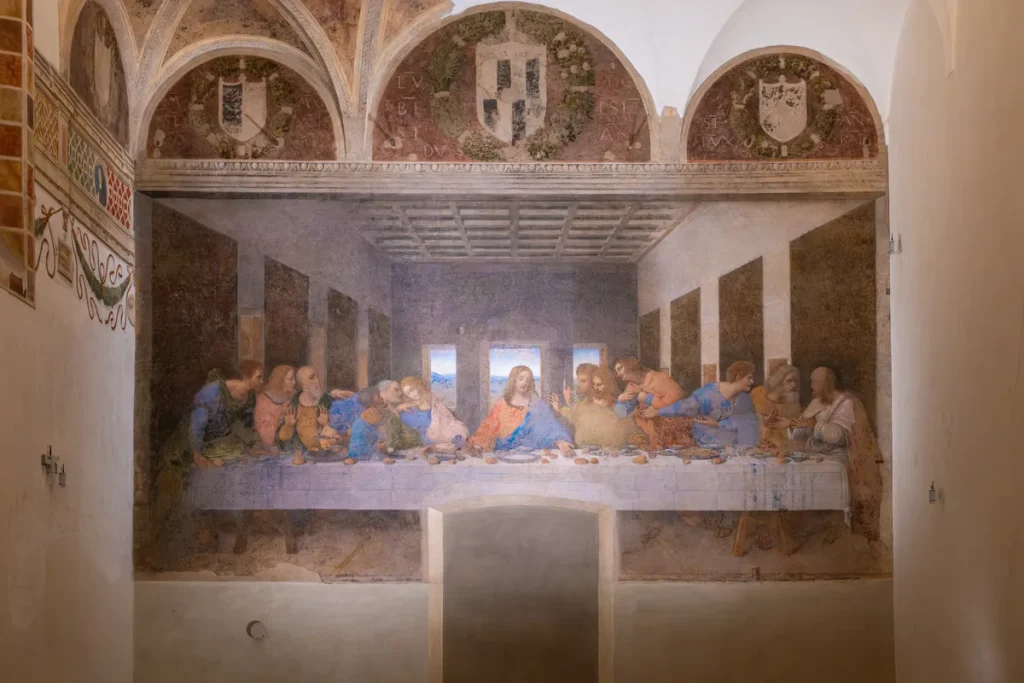
The Last Supper: Tickets release in batches three months ahead and sell out within minutes. There is no walk-up option. Book this before anything else or build Day 2 around an alternative.
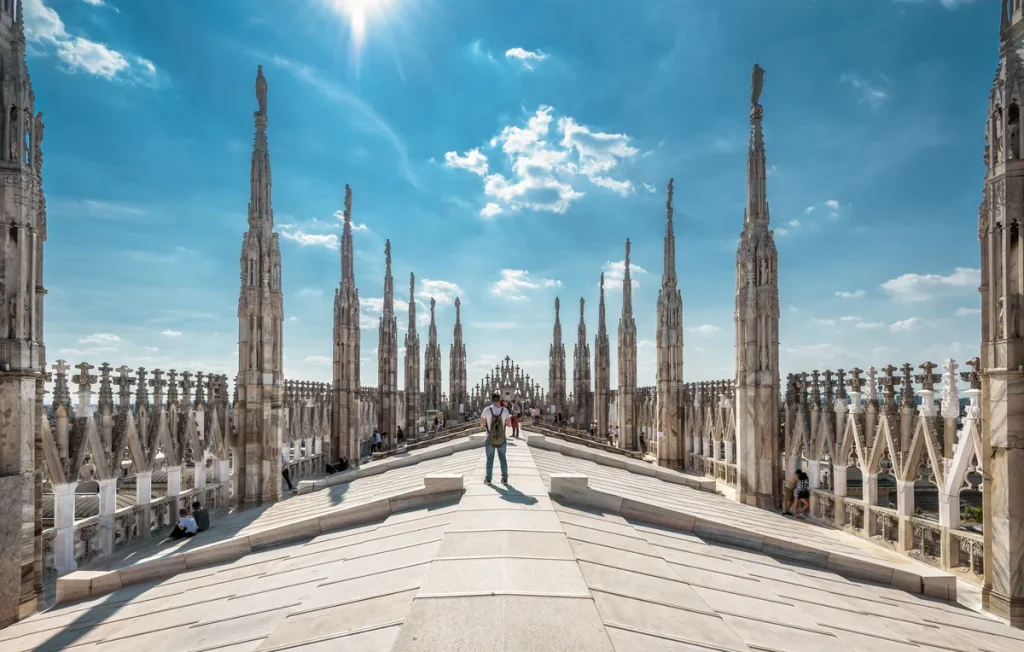
Duomo roof (elevator): Book online at least a week ahead in peak season. The walk-up queue for the elevator is manageable in winter but long in summer.
3-day ATM transit pass: Buy on arrival at any Metro station or the airport. Covers all Metro lines, buses, and trams. Around €13. Taxis in central Milan are expensive and traffic makes them slower than the Metro for most journeys.
Day 1: The Monumental Center
9:00 AM – Duomo di Milano

Start at the geographic and historical center of the city. The Duomo took nearly six centuries to complete – 135 stone spires, over 3,400 statues, and a marble exterior that changes color through the day.
The interior is free and worth 20 minutes: the stained glass windows are among the largest in the world and the scale of the nave is disorienting in a way that photographs do not convey.
The roof is the reason you booked ahead. The elevator puts you level with the spires and statues at close range. On a clear day the Alps are visible to the north. Allow 45 minutes on the roof.
- Interior: free
- Roof with elevator: around €16
- Dress code enforced: shoulders and knees covered
11:00 AM – Galleria Vittorio Emanuele II
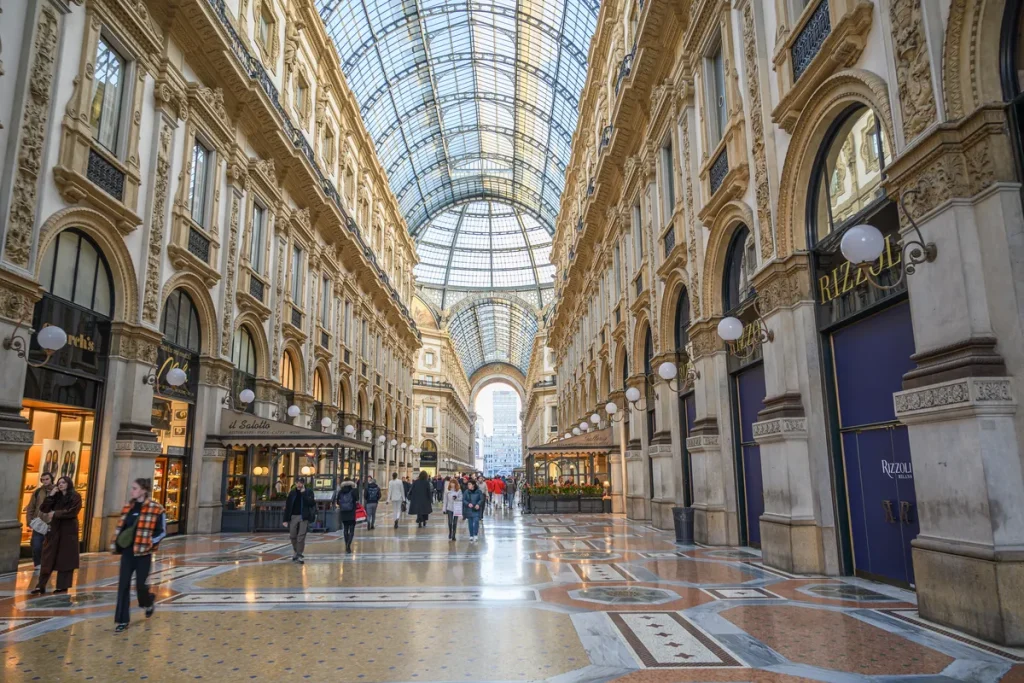
The 19th-century covered arcade connecting the Duomo to La Scala. The iron and glass roof is worth stopping to look at. Walk to the center of the mosaic floor, place your right heel on the bull, and spin three times – a Milanese tradition that takes 30 seconds and costs nothing.
Do not eat or drink inside the Galleria. A coffee here costs €15. Use it as a four-minute passage between the two piazzas.
12:00 PM – La Scala
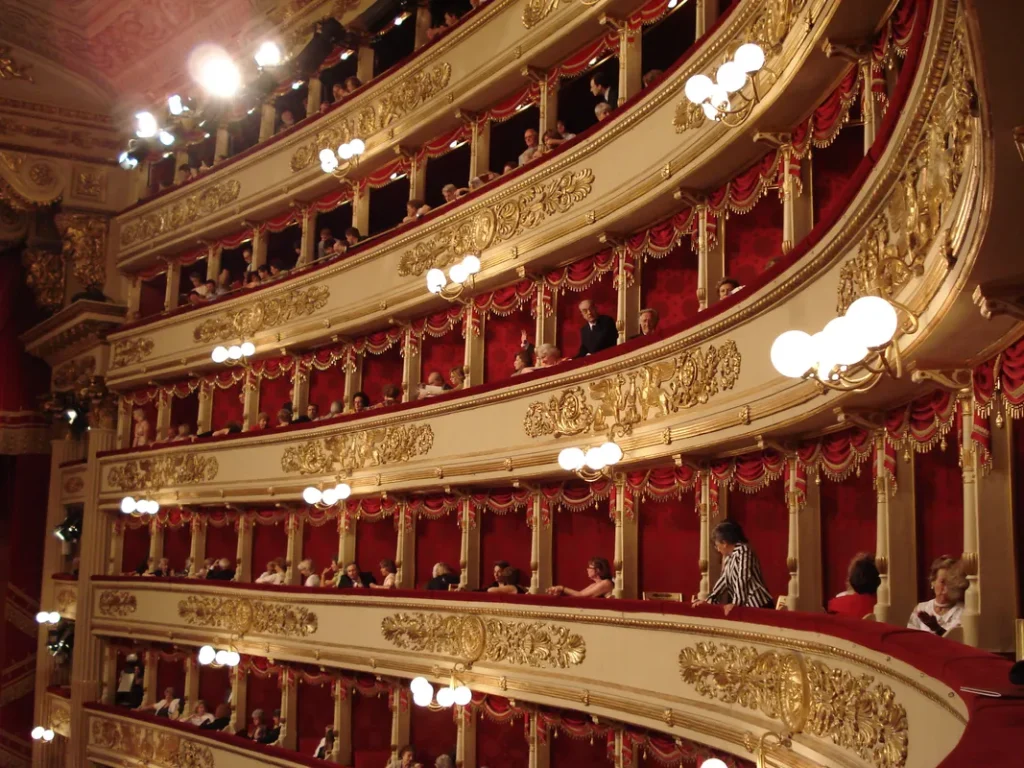
The opera house museum (entry around €12) lets you look through the velvet curtains down into the main auditorium without attending a performance. The horseshoe layout and gold leaf tiers are worth seeing even if opera is not your interest.
For performance tickets: the main season runs December through July, prices from €15 in the upper gallery to several hundred for premium seats. Book months ahead.

1:00 PM – Lunch in Brera
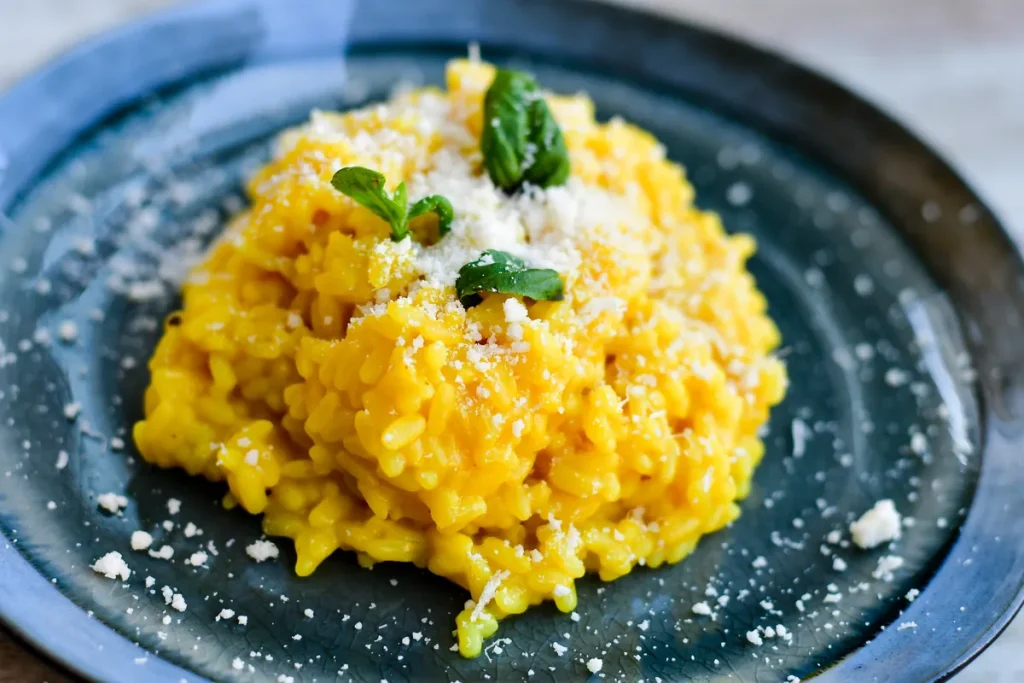
Walk five minutes north from La Scala into the Brera district. Turn off the main square into the side streets and find a trattoria serving Risotto alla Milanese – saffron rice cooked with beef bone marrow. Around €14 to €18 as a first course. This is the dish that defines Milanese cooking and Brera is the right neighborhood to eat it.
3:00 PM – Pinacoteca di Brera
One of the strongest art collections in Italy. Raphael, Caravaggio, Mantegna, and Hayez’s The Kiss – all in a building organized around a quiet Renaissance courtyard. Significantly less crowded than the Uffizi in Florence despite a comparable quality of collection.
- Entry: around €15
- Allow 90 minutes minimum
7:00 PM – Brera Evening
Stay in the neighborhood for dinner. The cobblestone streets are at their best after dark and the district has the highest concentration of good small restaurants in central Milan. Order a glass of Franciacorta – the sparkling wine produced an hour east of the city – to end the evening properly.
Day 2: Leonardo and the New City
9:00 AM – The Last Supper
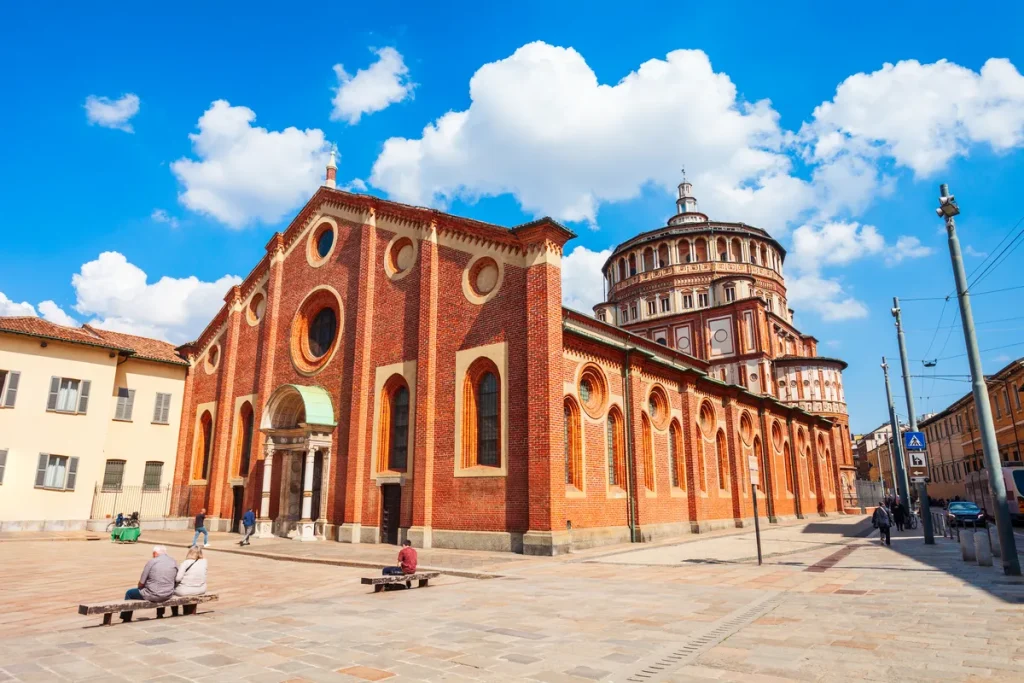
Santa Maria delle Grazie, Corso Magenta. You have 15 minutes in the refectory with the painting. Do not use flash – the guards remove people immediately. Stand still and look at the faces rather than reaching for your phone. The psychological detail in the expressions and the spatial depth of the composition are what make this worth the booking difficulty.
After the visit: Leonardo’s Vineyard (Vigna di Leonardo) is directly across the street. The garden gifted to Leonardo by Ludovico Sforza, restored in 2015. Entry around €10, takes 30 minutes, and is the quietest place you will find in this part of the city.
11:30 AM – Sforza Castle
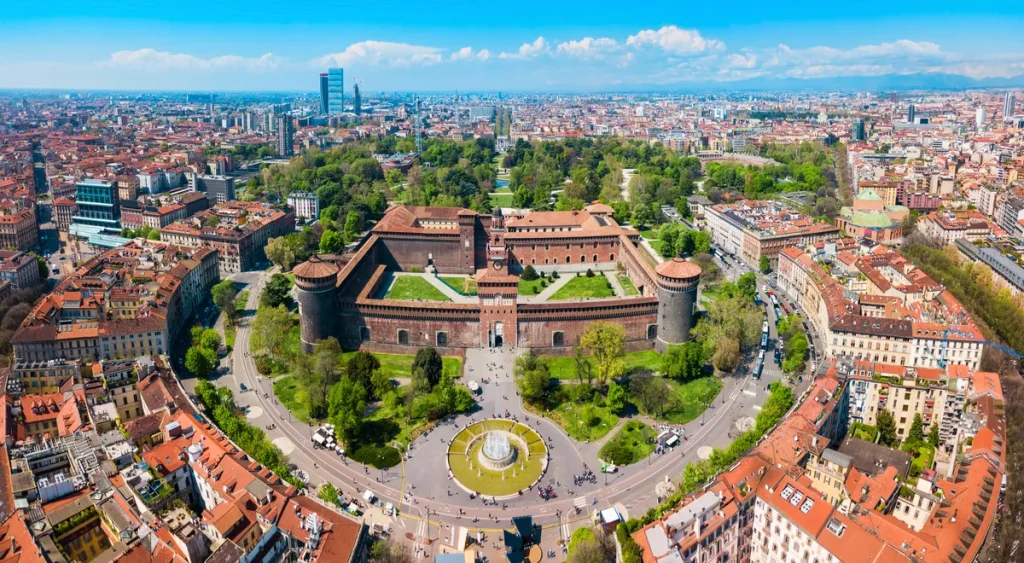
Walk east from Santa Maria delle Grazie to the Castello Sforzesco – around 15 minutes on foot. The castle courtyards are free to enter.
The internal museums charge a combined entry of around €10. The specific reason to pay: Michelangelo’s Pietà Rondanini, his final unfinished sculpture, displayed in a single purpose-built room. He was working on it six days before his death in 1564. Allow 20 minutes in that room specifically.
Parco Sempione behind the castle is the largest park in central Milan – good for 30 minutes of recovery between the morning and afternoon.
1:30 PM – Lunch near Porta Nuova
Take the Metro to Porta Nuova. The area around the new financial district has a higher density of good lunch options than the tourist center – business-district restaurants running pranzo di lavoro (workers’ fixed lunch menus) for €12 to €18 covering two courses with water.
3:00 PM – Porta Nuova and Bosco Verticale
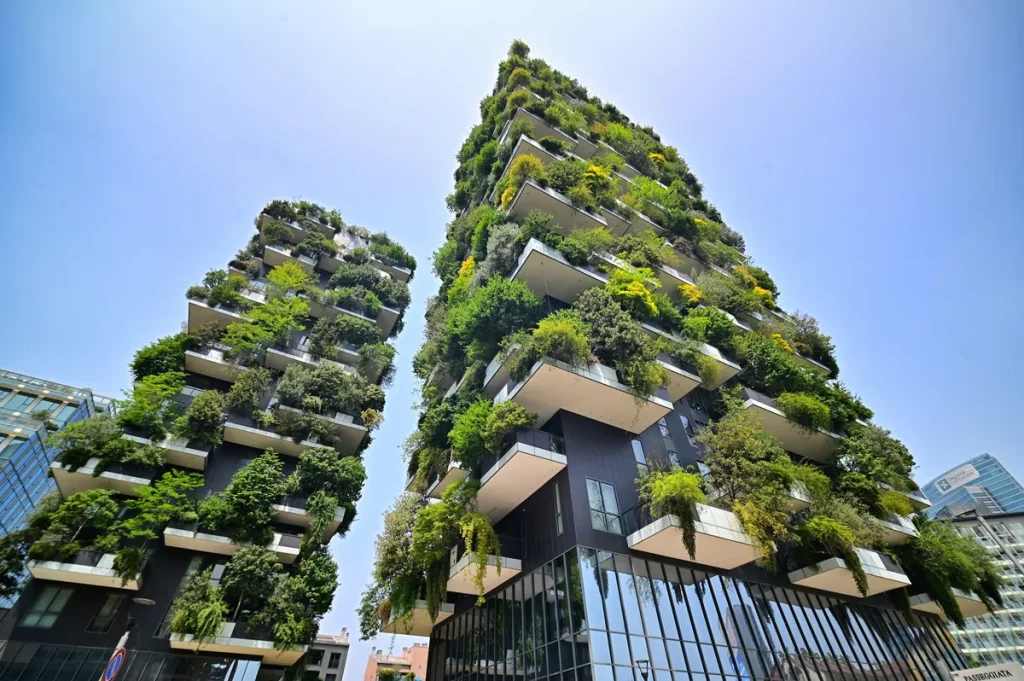
The Porta Nuova development is Milan’s 21st-century statement. The Bosco Verticale – two residential towers covered in over 20,000 trees and plants – is the most photographed building in the city and visible from street level at no cost. Walk the Piazza Gae Aulenti for the full view.
10 Corso Como (Via Corso Como, 10) is five minutes away – a concept space combining an art gallery, fashion store, and garden cafe behind an unmarked door. Free to enter the garden. Worth 30 minutes.
8:00 PM – Aperitivo in Isola
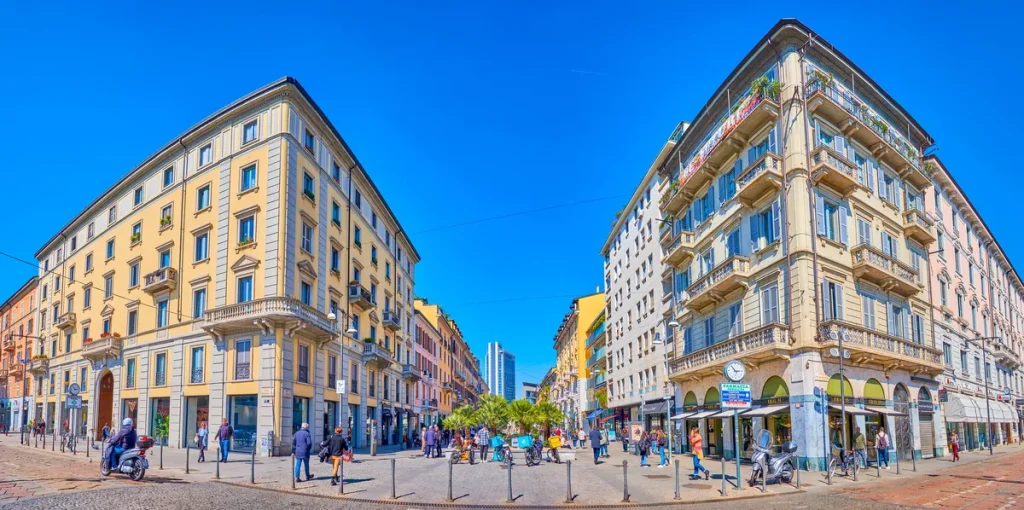
Walk or take the Metro one stop to the Isola district. The aperitivo ritual: pay €10 to €15 for a drink and access to the bar’s food buffet. Isola has the youngest and most local version of this in the city. Start around 6:30 PM – the buffets are freshest at the beginning of the service.
Day 3: The Strange Milan and the Canals
9:30 AM – San Bernardino alle Ossa
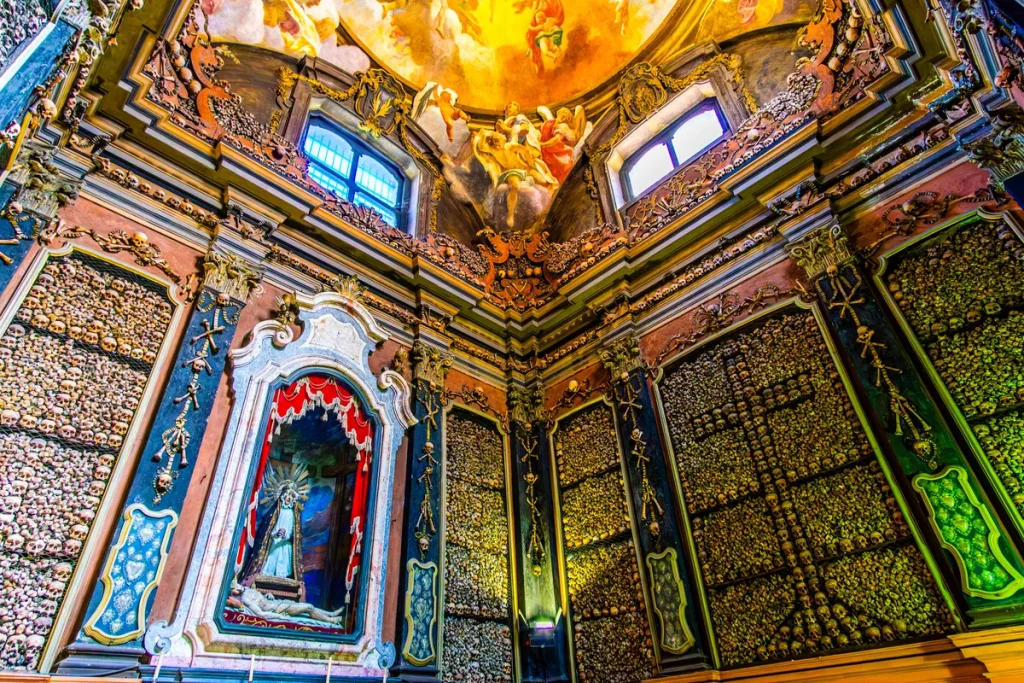
Five minutes from the Duomo. A small church with a side chapel whose walls are constructed entirely from human bones and skulls – a 17th-century ossuary built when the adjacent hospital cemetery ran out of space. Free to enter. Takes 15 minutes. One of the most genuinely unusual rooms in Italy and almost entirely absent from standard tourist itineraries.
11:00 AM – Fondazione Prada
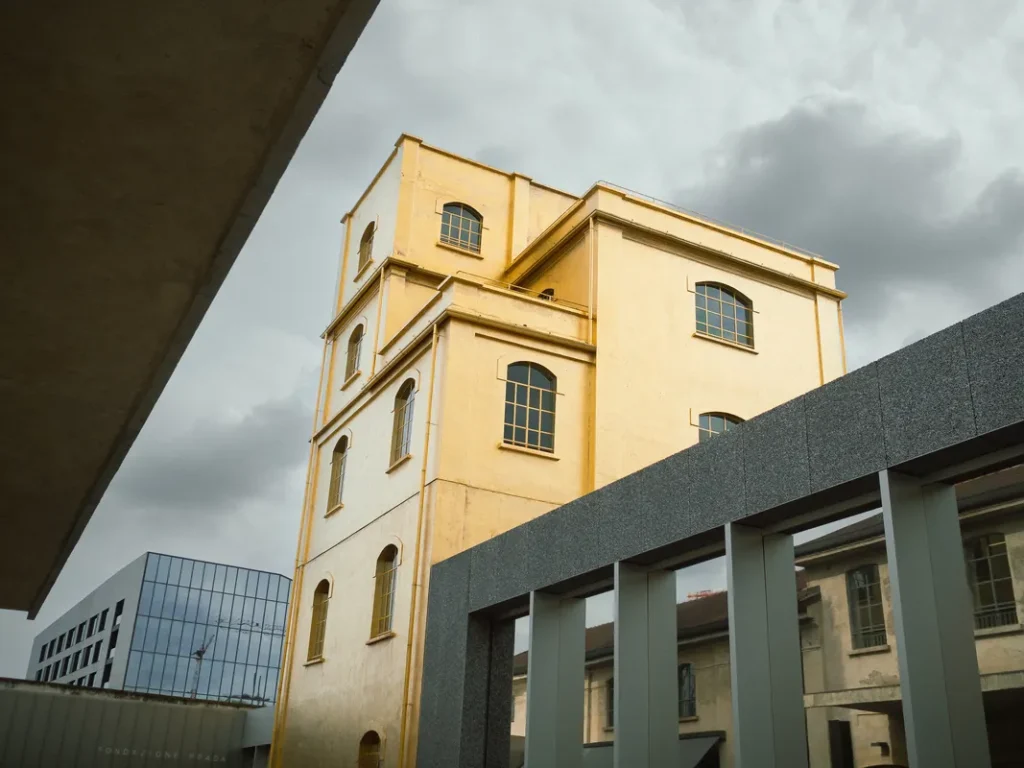
Metro south to Lodi TIBB station, then a short walk to Largo Isarco, 2. A contemporary art complex in a converted 1910s distillery designed by Rem Koolhaas. The “Haunted House” building covered in 24-karat gold leaf is the visual centerpiece. Running major international exhibitions year-round.
- Entry: around €15
- The bar inside was designed by Wes Anderson and is worth seeing regardless of the current exhibition
- Allow two hours
2:00 PM – Lunch in Tortona
The Tortona design district surrounding Fondazione Prada has a concentration of experimental restaurants from the newer generation of Milanese chefs – lighter, more creative, and significantly less expensive than comparable restaurants in Brera or near the Duomo. Walk the streets and choose based on the handwritten daily menu boards rather than anything online.
4:30 PM – The Navigli

The remaining sections of Milan’s historic canal network – the Naviglio Grande and Naviglio Pavese – are 15 minutes south of the Duomo by tram or Metro. The canals carried the marble used to build the Duomo. Today the canal-side streets are lined with galleries, vintage shops, and bookstores.
The Navigli antiques market runs on the last Sunday of each month along the full length of the Naviglio Grande – vintage clothes, rare vinyl, furniture, and design objects. If your visit falls on that Sunday, build the afternoon around it.
7:30 PM – Final Night on the Naviglio Grande
The bar-lined banks of the Naviglio Grande are the most social place in Milan after dark. Sit outside, order a Spritz or an Aperol, and watch the canal lights reflect in the water.
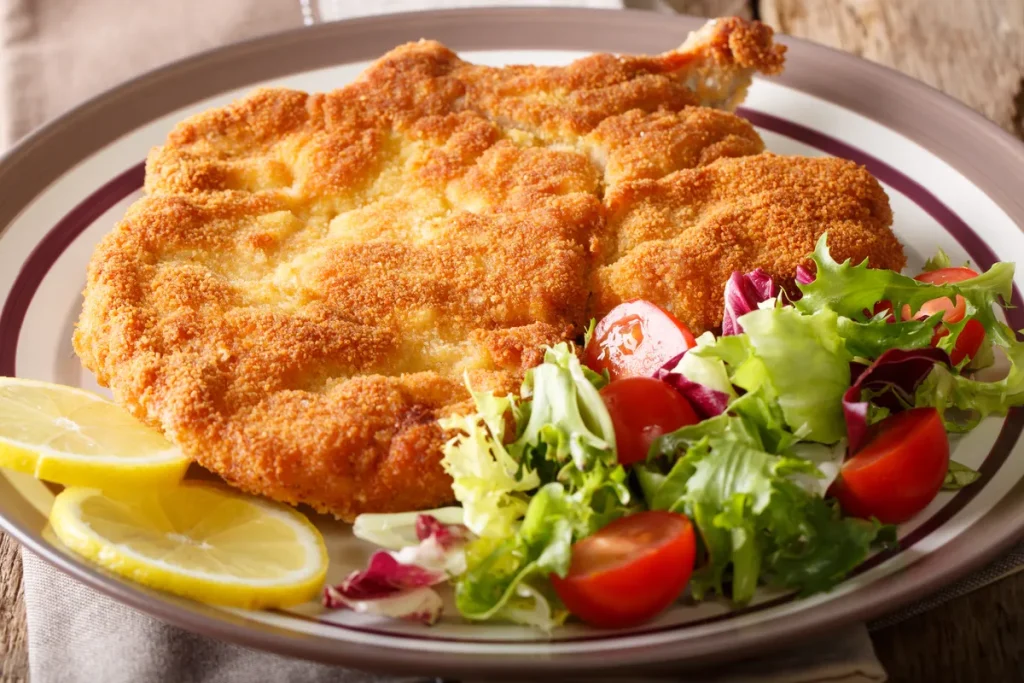
Dinner: Order Cotoletta alla Milanese – bone-in veal cutlet breaded and fried in clarified butter. Must be served on the bone and thick enough to be visibly juicy. A thin, pounded-flat version is not the correct dish. Budget €22 to €30 for the cotoletta alone at a restaurant that does it properly. This is the right meal for the last night.
Practical Notes
Best season: May to June or September to October. July and August are hot and the city empties for the August holiday – many restaurants and shops close entirely in the second half of August.
Dress code: Milan has standards. Smart casual throughout – well-fitting jeans, good shoes, neutral colors. Athletic wear and flip-flops in the city center mark you as a tourist immediately, which is not a safety issue but does affect how service interacts with you.
Pickpockets: Standard precautions around the Duomo and on the Metro. Front-facing bag, phone in a pocket. No specific problems in Brera, Navigli, or Isola at night.
Free museum Sundays: The Pinacoteca di Brera, Sforza Castle museums, and several others are free on the first Sunday of each month. If your trip includes one, restructure Day 1 accordingly.
Plan Your Trip
- First Time in Milan
- Where to Stay in Milan
- Things to Do in Milan
- Milan on a Budget
- Milan Food Guide
- Best Day Trips from Milan
- 3 Days in Venice
- Venice vs Florence
- Milan vs Rome
- Day Trip to Cinque Terre from Milan
How many days do you need in Milan?
Three days covers the essential Milan properly – the Duomo and Pinacoteca di Brera on day one, the Last Supper and Sforza Castle on day two, and Fondazione Prada with the Navigli canals on day three. Two days is possible but forces you to choose between Leonardo and the contemporary art side of the city. Four days or more makes sense if you want to add day trips to Lake Como or Bergamo, or spend more time in the design and fashion districts.
How far in advance do you need to book the Last Supper in Milan?
For July and August, book three months ahead – tickets release in batches and sell out within minutes of going live. Book directly at vivaticket.com. In shoulder season (April to June, September to October) four to six weeks ahead is usually sufficient, but earlier is always safer. There is no walk-up option for the Last Supper under any circumstances – if you arrive without a ticket you cannot get in.
Is Milan worth visiting for a first trip to Italy?
Yes, but it works better as a second or third Italian city than a first. Rome and Florence are more immediately legible – the history is visible on the surface and the tourist infrastructure is designed for first-timers. Milan reveals itself more slowly and rewards visitors who already have some Italian context. That said, the Last Supper, the Duomo roof, and Fondazione Prada are world-class experiences that no other Italian city can offer.
What is the aperitivo in Milan and how does it work?
Aperitivo is a pre-dinner ritual specific to northern Italy and most associated with Milan. Between roughly 6:30 PM and 9:00 PM, bars offer a drink – Spritz, Negroni, or local wine – for €10 to €15, and the price includes access to a buffet of food ranging from olives and bread to pasta and hot dishes depending on the bar. It functions as an informal dinner substitute or a substantial pre-dinner snack. The Navigli and Isola districts have the best versions – less tourist-facing than the bars near the Duomo.
What is the best neighborhood to stay in Milan?
Brera for atmosphere and walkability – the cobblestone streets, the art gallery, and the best concentration of good small restaurants in the city are all here, and the Duomo is 15 minutes on foot. Isola for a younger, more local feel at slightly lower prices, with good Metro connections to the center. Avoid staying near Milano Centrale unless you have an early morning train – the area around the main station is functional but lacks the character of either alternative.
3 Days in Milan — Itinerary Map
Structured to minimize backtracking and front-load the bookable attractions. Click any pin for timing, cost, and what the article says about it.