
10 Days in Southern Italy covers the full loop: three days in Naples, two at the ruins, three based in Sorrento for Capri and the coast, and two days on the Amalfi Coast itself. The logistics are manageable if you use public transit and ferries. They become a serious problem if you rent a car.
This itinerary assumes you are flying into Naples and out of Naples or Sorrento. It is structured to move south progressively rather than backtracking, which cuts transit time significantly.
The Car Question
Do not rent a car for this itinerary.
Naples traffic has no system a visitor can learn in three days. The Amalfi Coast road is a single-lane cliff road where buses and cars pass within centimeters of each other – experienced local drivers find it stressful. Parking in Sorrento costs more than the accommodation in some cases.
The Circumvesuviana train covers Naples to Sorrento with stops at Pompeii and Herculaneum. Ferries connect Sorrento to Capri, Positano, and Amalfi. This combination covers every destination in this itinerary without a rental car and at a fraction of the cost.
Days 1 to 3: Naples
For the full budget breakdown of Naples, see Naples on a Budget.
Day 1: Spaccanapoli and the Centro Storico
Leave your bags at the hotel and walk directly to Spaccanapoli – the street that follows the exact path of the ancient Greek and Roman road grid through the center of the city. Spend the day moving through it slowly: free Baroque churches, working artisan workshops producing nativity figures (presepi), and street food at every corner.

Lunch: Pizza Margherita at L’Antica Pizzeria da Michele (Via Cesare Sersale, 1). Around €6. Arrive before 12:30 PM or expect a queue.

Evening: Walk the Quartieri Spagnoli (Spanish Quarters) – the grid of narrow alleys west of Via Toledo. The large Maradona murals are here. Free, takes about an hour, genuinely different in atmosphere from the Centro Storico.

Day 2: Underground and the Heights
Morning: Napoli Sotterranea – the underground tour through Greek cisterns and a buried Roman theater beneath the modern city. Book online in advance. Entry around €13, duration 80 minutes.
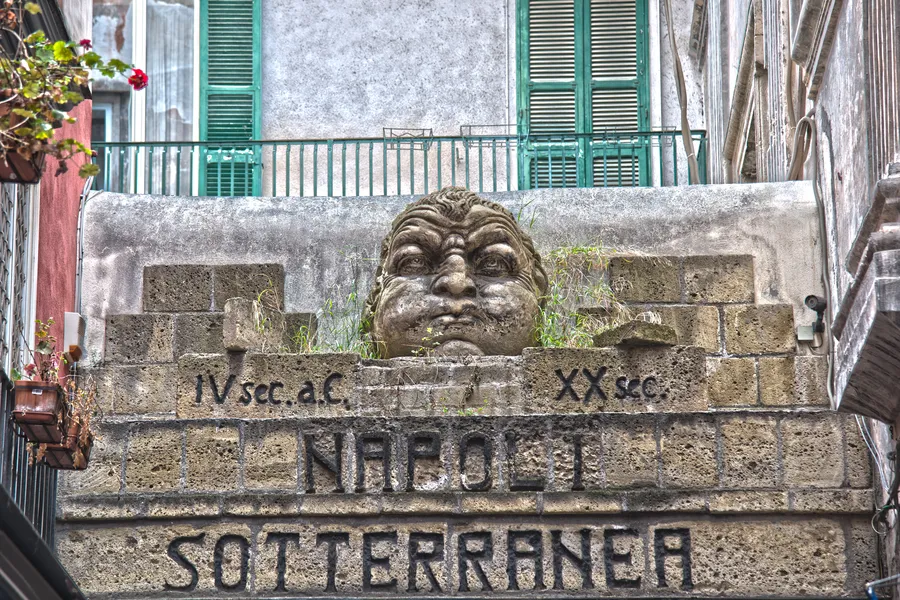
Afternoon: Take the funicular from the center up to the Vomero district for €1.20. Visit Castel Sant’Elmo for the best elevated view of the Bay of Naples and Vesuvius. Entry around €6. The Certosa di San Martino next door has exceptional terraces – entry around €6.
Day 3: The Archaeological Museum and Street Food
Morning: Museo Archeologico Nazionale di Napoli (MANN). This is not optional if you are visiting Pompeii the following day. The best artifacts from Pompeii and Herculaneum – the Alexander Mosaic, the Secret Cabinet of erotic art, the bronze sculptures from the Villa of the Papyri – are all here. Entry around €15. Allow three hours.

Afternoon street food circuit: Sfogliatella and espresso at Sfogliatella Attanasio near Garibaldi station (€3), cuoppo of fried seafood near the port (€5), frittatine di pasta from a tavola calda (€2 to €3).



Days 4 to 5: Pompeii and Vesuvius
Day 4: Pompeii
Take the Circumvesuviana from Napoli Porta Nolana or Garibaldi to Pompeii Scavi station. Cost: under €4 each way, journey time 35 minutes.
Arrive at the gates by 8:30 AM. Tour buses from Naples and Sorrento arrive between 9:30 and 10:00 AM. The difference in crowd density between 8:30 and 10:30 AM is significant.
Buy tickets directly before you travel – €24 entry. Skip the vendors outside the gate.
What to prioritize:
- Villa of the Mysteries – frescoes depicting a Dionysian ritual, in the best state of preservation in the site
- House of the Faun – the largest private house in Pompeii, with the original mosaic floors still in place
- Amphitheatre – the oldest surviving Roman amphitheatre in existence, built in 70 BC
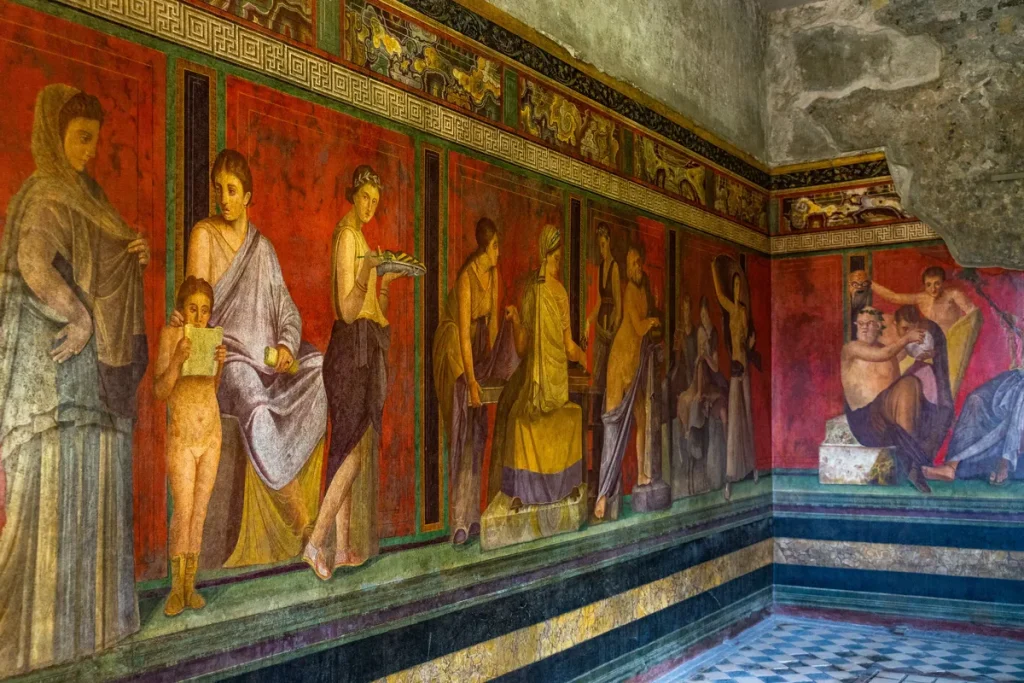
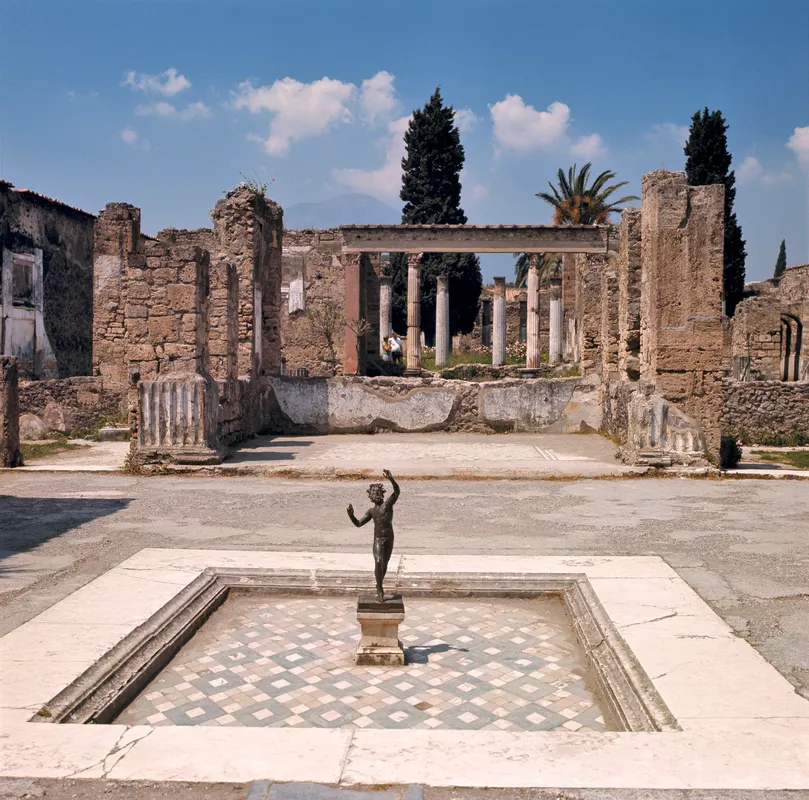
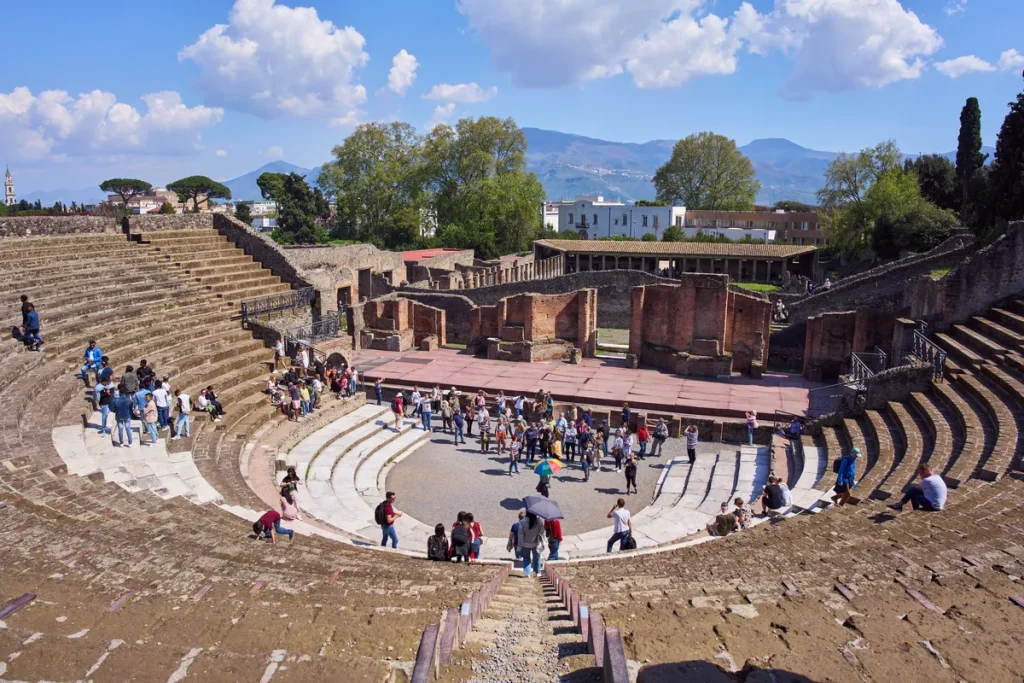
Bring lunch from Naples. The cafes inside the ruins are expensive and poor quality. Picnic in the designated areas near the Amphitheatre end of the site.
Day 5: Vesuvius, then Sorrento
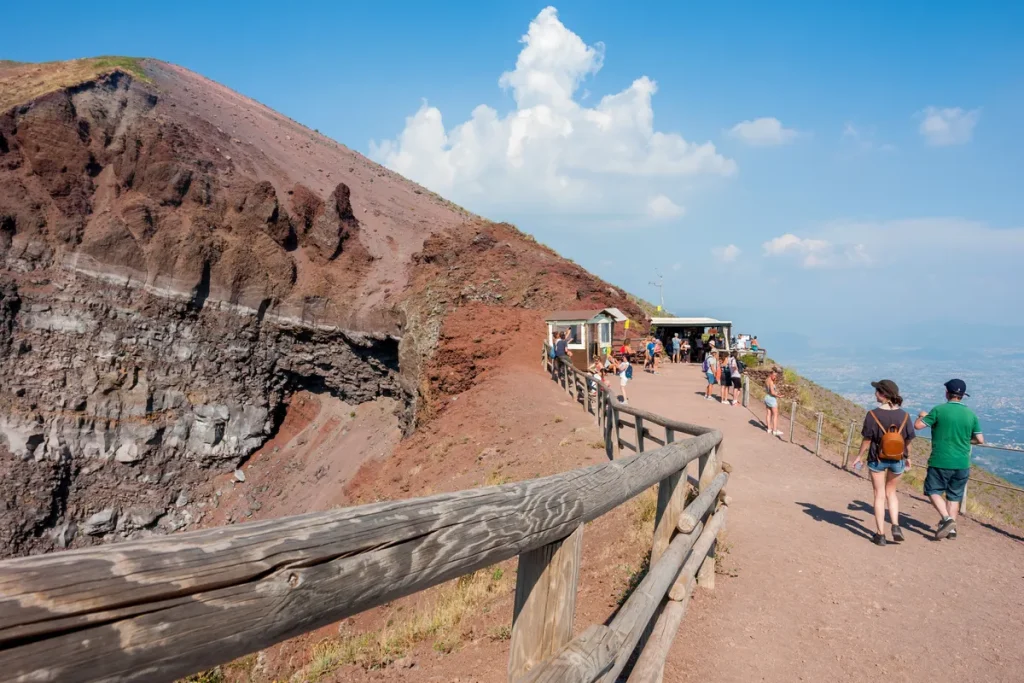
Morning: The dedicated shuttle bus from Pompeii Scavi station runs to the Vesuvius car park. From there it is a 20-minute uphill walk on loose volcanic gravel to the crater rim. Wear proper shoes – the path is steep and unstable in places. Standing on the rim looking down into the active crater and back across the Bay of Naples to the city is the context that makes Pompeii make sense.

Afternoon: Continue south on the Circumvesuviana to Sorrento. Check into your accommodation and eat a quiet dinner – the next three days are logistically demanding.
Days 6 to 8: Sorrento
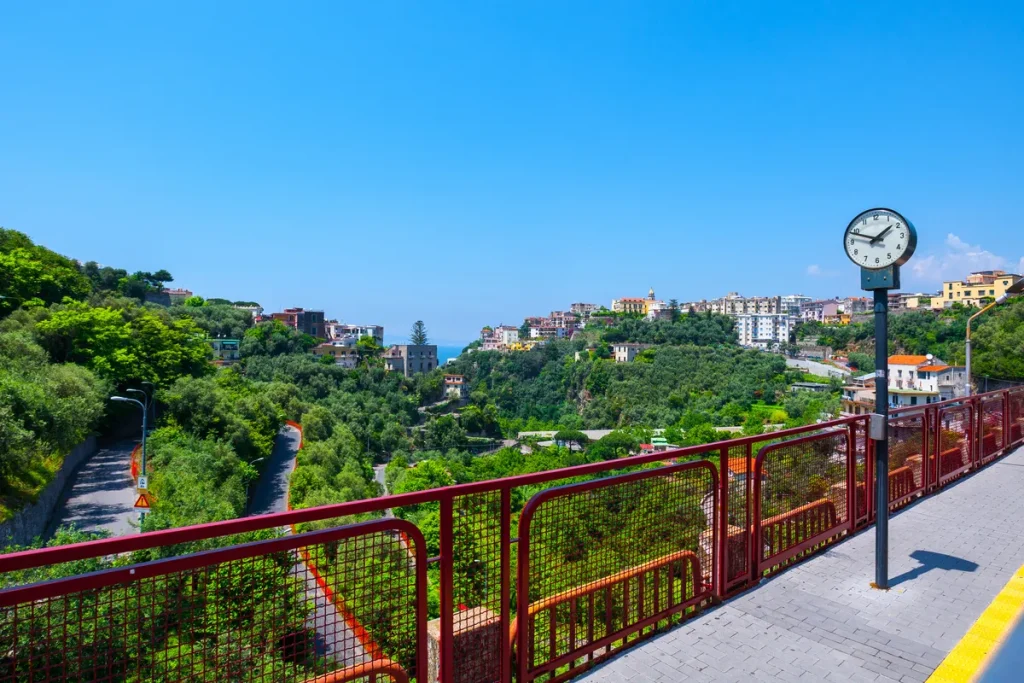
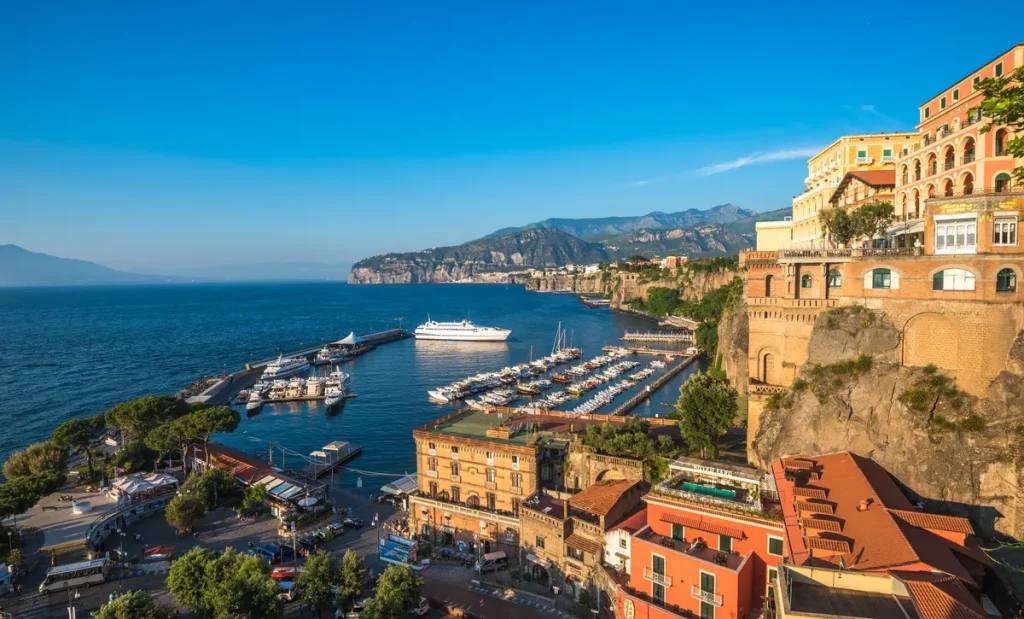
Sorrento sits on cliffs above the sea at the southern end of the Bay of Naples. It is the best-connected base for this part of the trip: ferries to Capri, Positano, and Amalfi all leave from the port, and the Circumvesuviana connects back to Naples in 65 minutes.
Day 6: Sorrento Itself
Most people treat Sorrento as a transit hub and miss the town. Spend day six here before the day trips.
Marina Grande – the original fishing village at the base of the cliffs, reached by a steep path or the lift from the center. Significantly quieter than the main town and the best place in Sorrento to eat fresh fish at a reasonable price.
The Centro Storico – the old town’s narrow streets have workshops producing handmade leather sandals and intarsia (inlaid wood) furniture, both traditional crafts specific to this area.

Evening: The Piazza Tasso is the center of the evening passaggiata – the slow social walk that happens every evening throughout Southern Italy. Join it. Order a Limoncello – Sorrento is the production center of the drink and the local versions are incomparably better than anything sold in a tourist shop elsewhere.

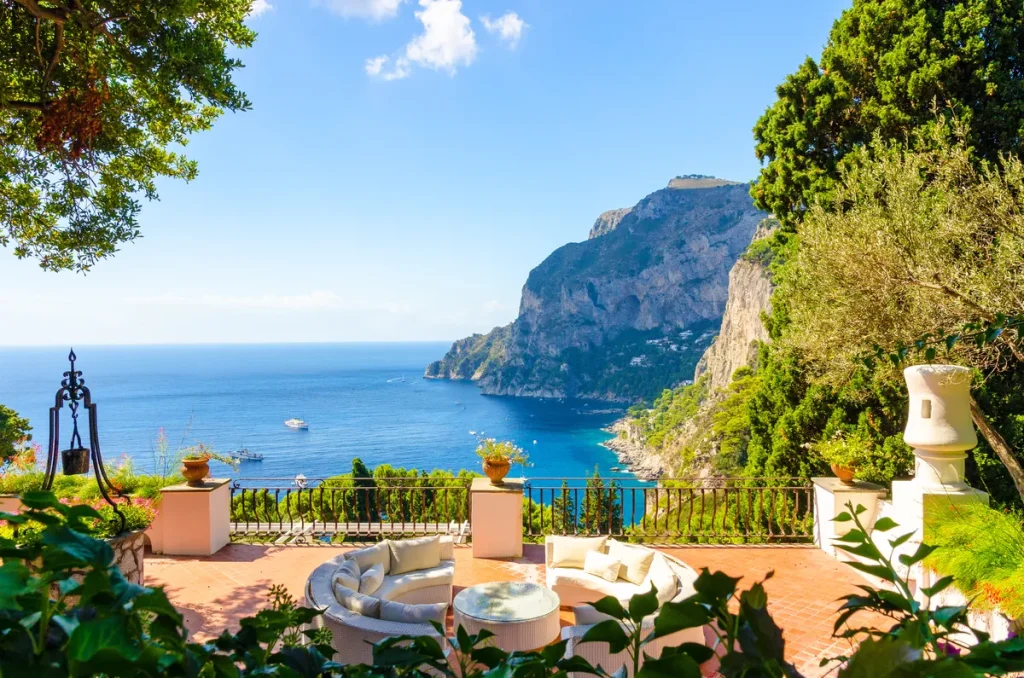
Day 7: Capri
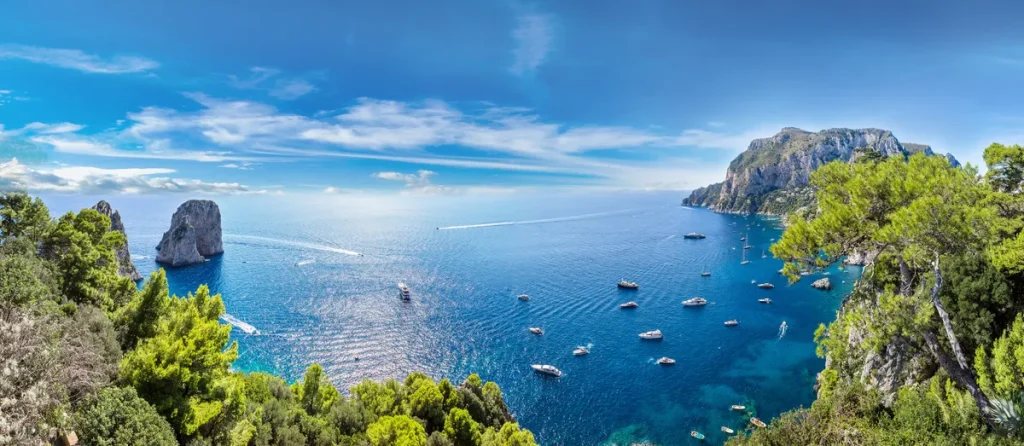
Ferries from Sorrento port to Capri run frequently in season – journey time around 20 minutes, cost around €20 to €25 return. Book ahead in July and August.
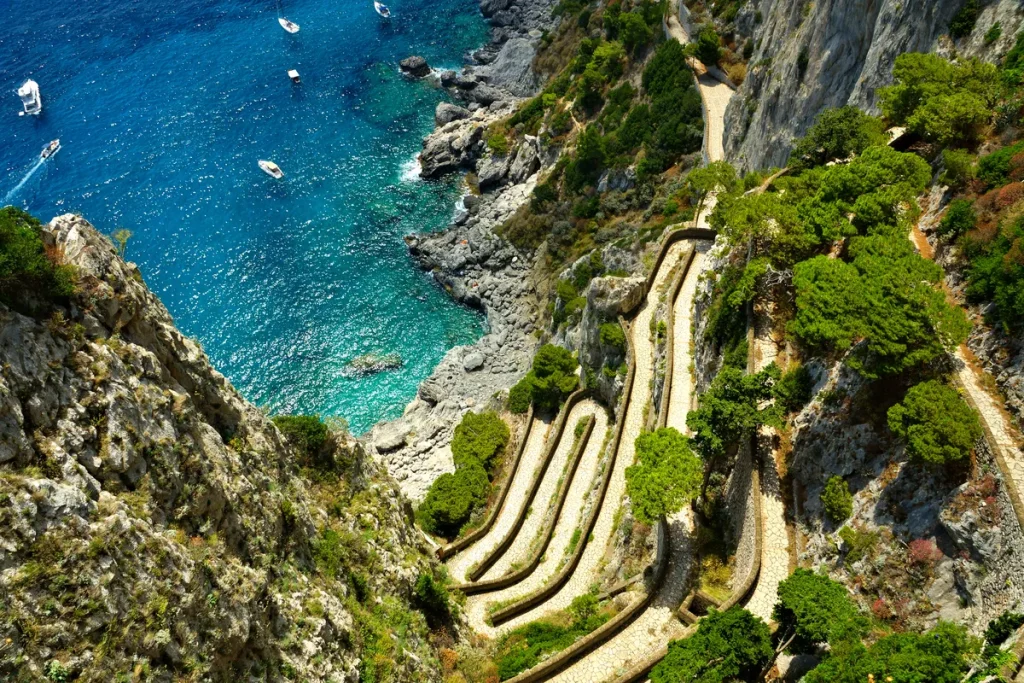
Skip the Blue Grotto boat tour. The queue regularly runs two hours and the experience inside is five minutes. The same sea light effect is visible from several points around the island’s coastal paths without the waiting.
What to do instead:
- Take the chairlift from Anacapri up to Monte Solaro – the highest point on the island with a 360-degree view of the coast and the Faraglioni rock stacks below. Around €13 return.
- Walk the coastal trail from Anacapri toward the Natural Arch – a free hike with the same views as any paid boat tour
Allow a full day. The last ferry back to Sorrento leaves late afternoon – check the schedule before you go.
Day 8: The Hidden Sorrento
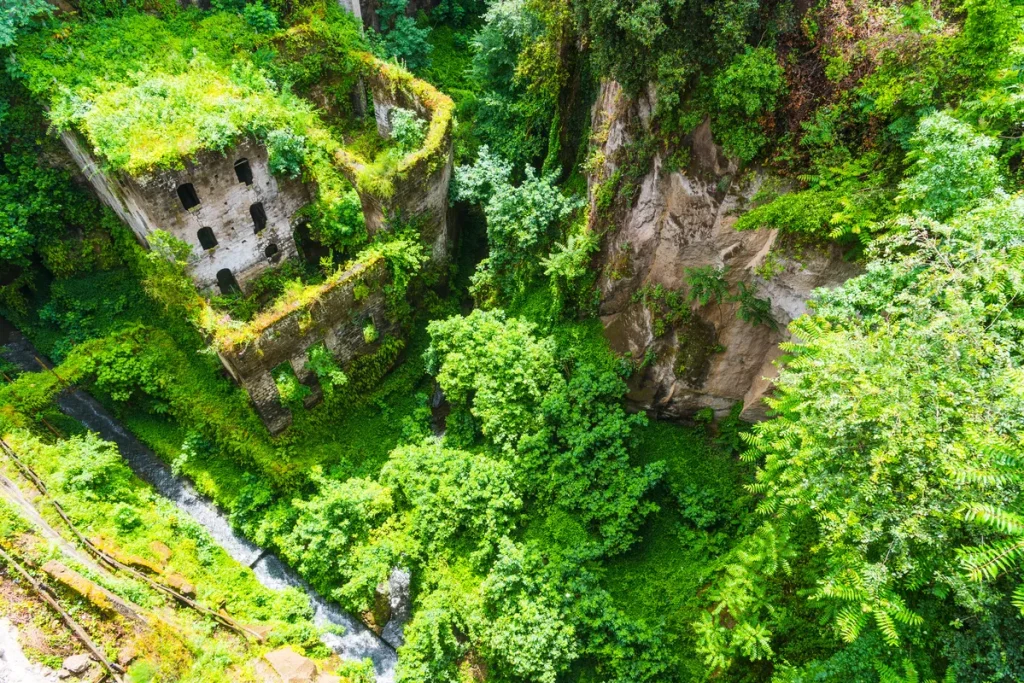
Vallone dei Mulini (Valley of the Mills) – a deep gorge in the center of town containing an abandoned 15th-century grain mill, the lower section permanently filled with dense vegetation due to the microclimate created by the cliffs. Visible from a free viewing point above. Genuinely unusual and almost no queues.
Use the afternoon to prepare for the Amalfi Coast days – book ferry tickets, pack light (you will be climbing stairs), and eat a proper dinner in Sorrento before two days of expensive coastal pricing.
Days 9 to 10: The Amalfi Coast
Day 9: Positano
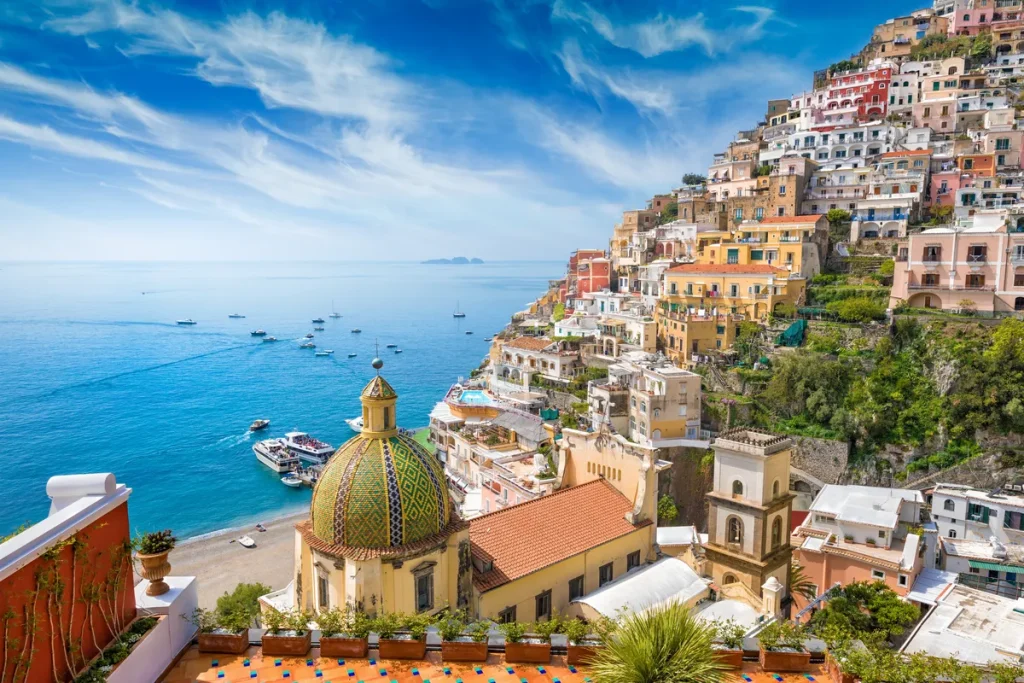
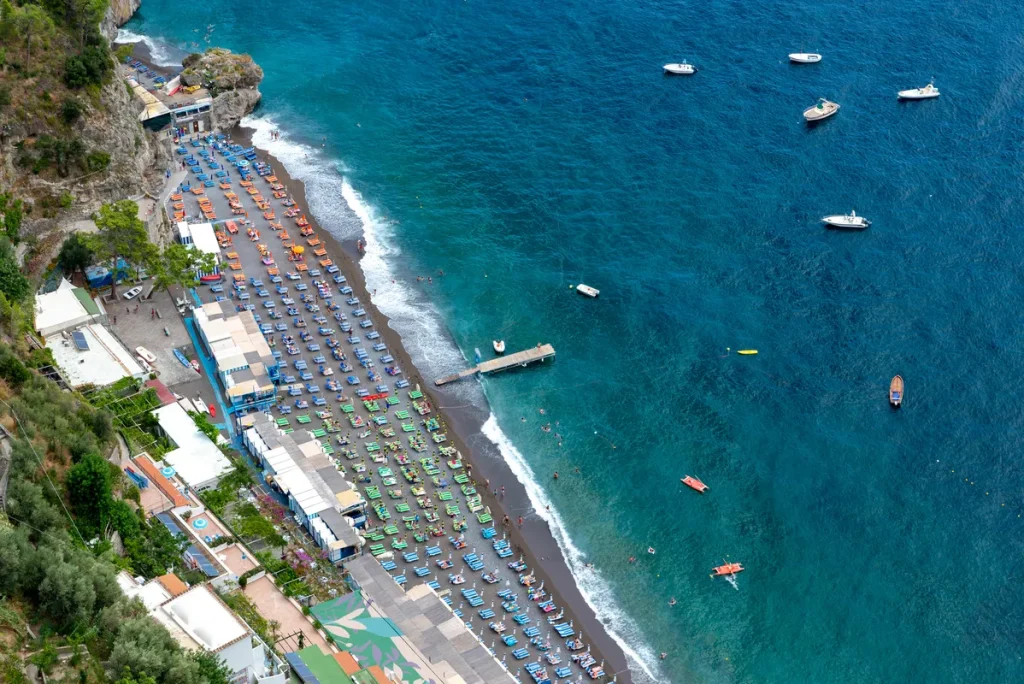
Take the ferry from Sorrento to Positano – around 35 minutes, cost approximately €15 to €20. Arriving by sea is the correct approach: the view of the pastel houses stacked vertically on the cliff face from the water is the image that defines this coastline.
Positano is built on stairs. There are no flat streets. Wear proper shoes.
The town is the most expensive on the coast – coffee, food, and beach prices are all at a premium. Budget accordingly: a sit-down lunch here costs €25 to €40 per person. Eat a large breakfast in Sorrento before you go and treat Positano as a half-day visual experience rather than a full dining destination.
Spend the afternoon on the main beach or walking the upper paths toward Fornillo beach – smaller, quieter, and 20 percent cheaper for everything. Return to Sorrento by the late afternoon ferry.
Day 10: Amalfi Town and Ravello
Ferry from Sorrento to Amalfi town – around 75 minutes, cost approximately €15.
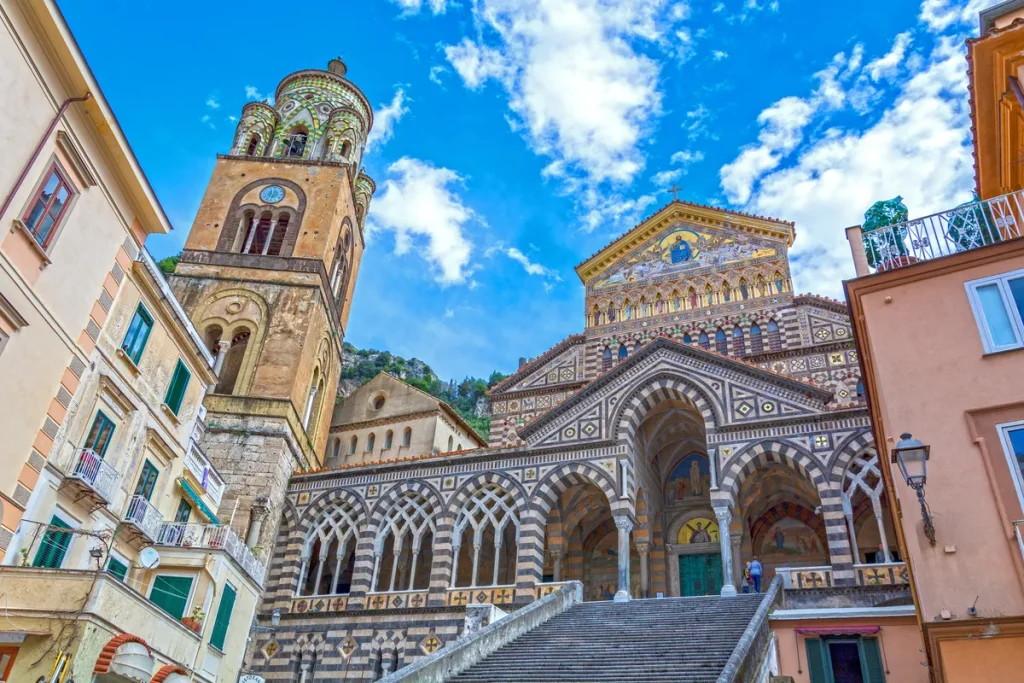
Amalfi Cathedral (Cattedrale di Sant’Andrea) – the striped Byzantine-Arab facade is the visual centerpiece of the town. Entry to the cathedral and the adjacent Cloister of Paradise: around €3. The cloister is the better part of the visit.
From Amalfi, take the local SITA bus up the mountain to Ravello – cost around €1.30, journey time 25 minutes on a winding road. Ravello sits 350 meters above the coast and is genuinely quieter and cooler than the towns below.
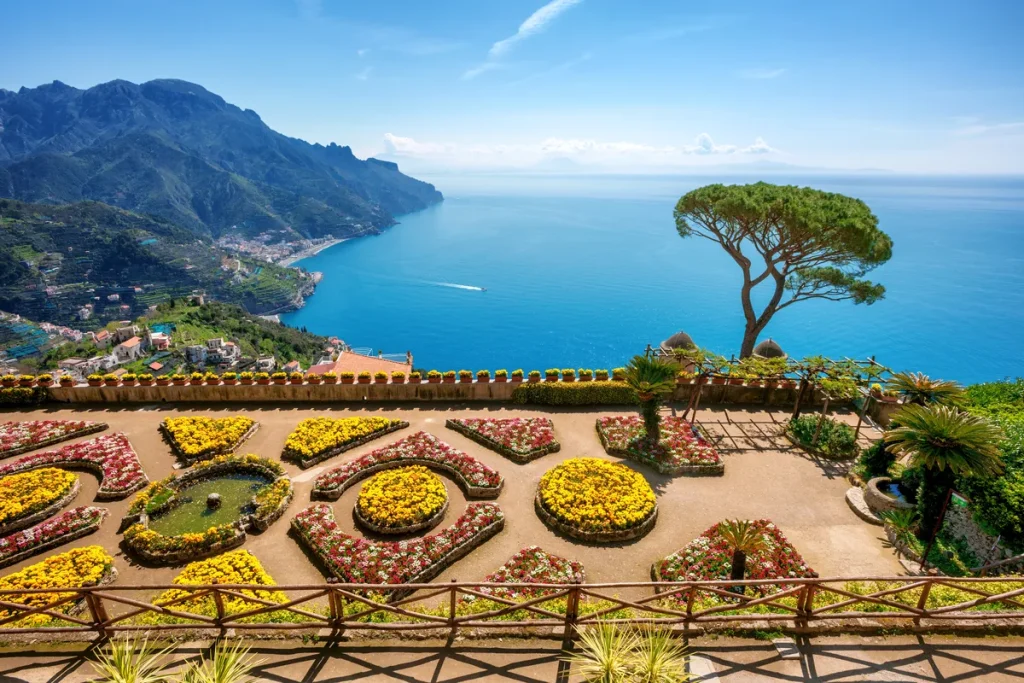
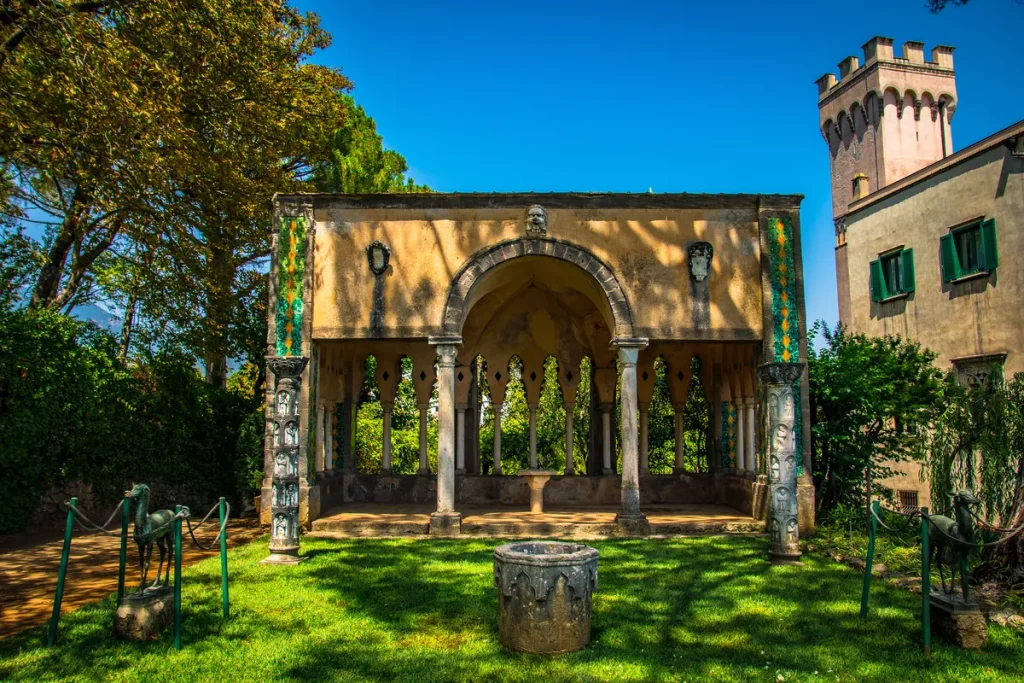
Villa Cimbrone: A medieval villa with gardens ending at the Terrace of Infinity – a belvedere with marble busts looking out over a drop to the sea and the full sweep of the coastline. Entry around €7. The view is the best single fixed vantage point on the Amalfi Coast. Allow 90 minutes.

Return to Amalfi by bus, then ferry back to Sorrento or Naples depending on your departure arrangements.
Practical Notes
The Circumvesuviana: The commuter train between Naples and Sorrento is crowded, hot in summer, and occasionally delayed. It is also cheap, reliable enough, and the correct way to travel this route. Keep bags in front of you – pickpocketing exists on this specific line.
Water: Every town has fontanelle (public fountains) with safe drinking water. Carry a reusable bottle. Buying bottled water throughout the day adds up to €10 to €15 daily in summer heat.
Heat: June through August temperatures in Naples and Pompeii regularly exceed 35°C. Pompeii has almost no shade. If you are visiting in summer, start the ruins by 8:30 AM and be done by 1:00 PM.
Tipping: Not standard in Southern Italy. A few euros on a good meal is appreciated but there is no percentage expectation. The pane e coperto (bread and cover charge) of €2 to €3 per person is already on the bill at most restaurants – this is not a tip, it is standard practice.
Plan Your Trip
- Naples on a Budget
- Things to Do in Naples
- First Time in Naples
- Where to Stay in Naples
- Best Day Trips from Naples
- First Time in Rome
- 3 Days in Rome
- First Time in Venice
- 3 Days in Venice
- Amalfi Coast Travel Guide
Do you need a car for 10 days in Southern Italy?
No. The Circumvesuviana train covers Naples to Sorrento with stops at Pompeii and Herculaneum for under €4 each way. Ferries connect Sorrento to Capri, Positano, and Amalfi throughout the season. The Amalfi Coast road is a single-lane cliff road where buses and cars pass within centimeters of each other – even experienced local drivers find it stressful. Public transit and ferries cover every destination in this itinerary at a fraction of the cost and without the parking problem that makes driving into Sorrento or Positano genuinely expensive.
How many days do you need in Naples before heading to the Amalfi Coast?
Three days is the correct minimum. Day one covers Spaccanapoli and the historic center. Day two covers Napoli Sotterranea and the Vomero viewpoint. Day three covers the Archaeological Museum – which should come before Pompeii, not after, because MANN contains the artifacts that make the ruins comprehensible. Rushing Naples to one or two days means missing either the underground or the museum, both of which are essential context for the rest of the trip.
Is Positano worth visiting on the Amalfi Coast?
Yes, but as a half-day visual experience rather than a full dining destination. Positano is the most expensive town on the coast – a sit-down lunch runs €25 to €40 per person and the beach facilities are priced accordingly. The correct approach is to eat a large breakfast in Sorrento before the ferry, spend the morning on the stairs and the beach, and return by late afternoon. The view of the pastel houses from the water on the ferry approach is the image that defines the Amalfi Coast and alone justifies the trip.
What is the best base for the Amalfi Coast?
Sorrento. Ferries to Capri, Positano, and Amalfi all leave from the Sorrento port, the Circumvesuviana connects back to Naples in 65 minutes, accommodation is significantly cheaper than anywhere on the coast itself, and the town has enough restaurants and atmosphere to sustain three to four nights without feeling like a transit hub. Staying in Positano or Amalfi directly is possible but costs considerably more and limits your ability to move between destinations flexibly.
When is the best time to visit Southern Italy and the Amalfi Coast?
May, June, and September to early October. The sea is warm enough to swim, the ferry services run full schedules, and the crowd density at Pompeii and on the coast is manageable. July and August are the most difficult months – temperatures in Naples and Pompeii regularly exceed 35°C, Pompeii has almost no shade, and the Amalfi Coast towns fill to capacity with European summer tourists. The Circumvesuviana train becomes particularly unpleasant in August heat. If you must visit in summer, start Pompeii by 8:30 AM and finish by 1:00 PM before the heat peaks.
10 Days in Southern Italy — Naples, Pompeii, Sorrento & the Amalfi Coast
Moves south progressively — no backtracking. No rental car needed. Click any pin for timing, cost, and transit connections.